You know, when most people think about temperature measurement, they focus on the sensor itself—the thermocouple or RTD. But in the real world of furnaces, molten metal, and aggressive chemical processes, the thermouple protection tube is what makes or breaks your entire measurement system. It's the first line of defense, and frankly, where a lot of projects go sideways because of material selection based on price rather than the actual service environment. I've seen too many standard alumina tubes shatter in thermal shock or corrode away in weeks when something more tailored was needed. It's not just a sheath; it's a critical, engineered component.
Material Choice Isn't a Catalog Exercise
Picking a tube material from a datasheet is a recipe for failure. The theoretical maximum temperature rating is one thing; real-world performance with thermal cycling, atmosphere, and potential mechanical abuse is another. For instance, we once used a high-purity alumina tube in a steel billet reheat furnace. On paper, it was perfect for the 1200°C. In reality, the constant opening of the door for billet entry caused rapid cooling cycles. Within a month, hairline cracks developed, leading to inaccurate readings and eventual sensor failure. The lesson? The thermal shock resistance of mullite or silicon carbide might have been the better call, even if the continuous temperature rating was slightly lower.
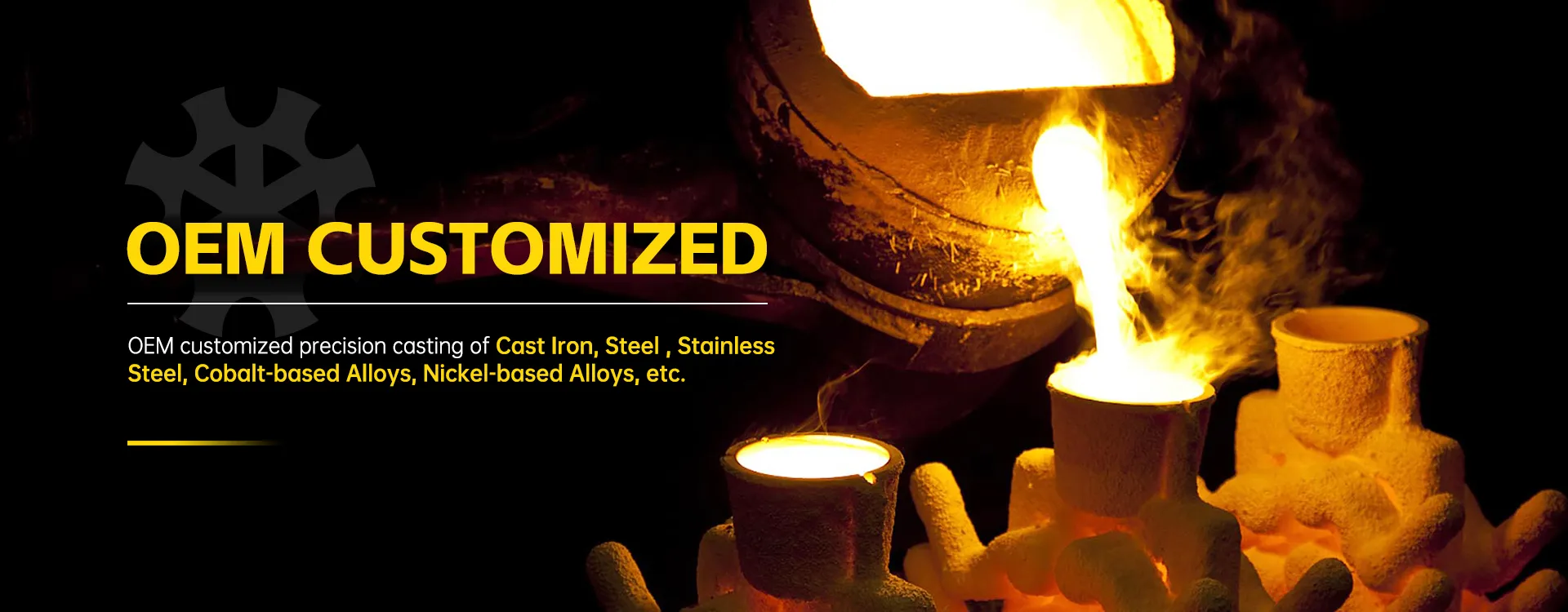
This is where long-term foundry and machining experience becomes invaluable. A company like Qingdao Qiangsenyuan Technology Co., Ltd. (QSY), with its 30-year background in casting and machining special alloys, understands this at a metallurgical level. They aren't just selling a tube; they're considering how a cobalt-based alloy protection tube will behave under the sulfidizing atmosphere of a petrochemical cracker, or how a nickel-based alloy performs in carburizing conditions. That practical knowledge of material behavior under stress and heat is what separates a generic supplier from a problem-solving partner.
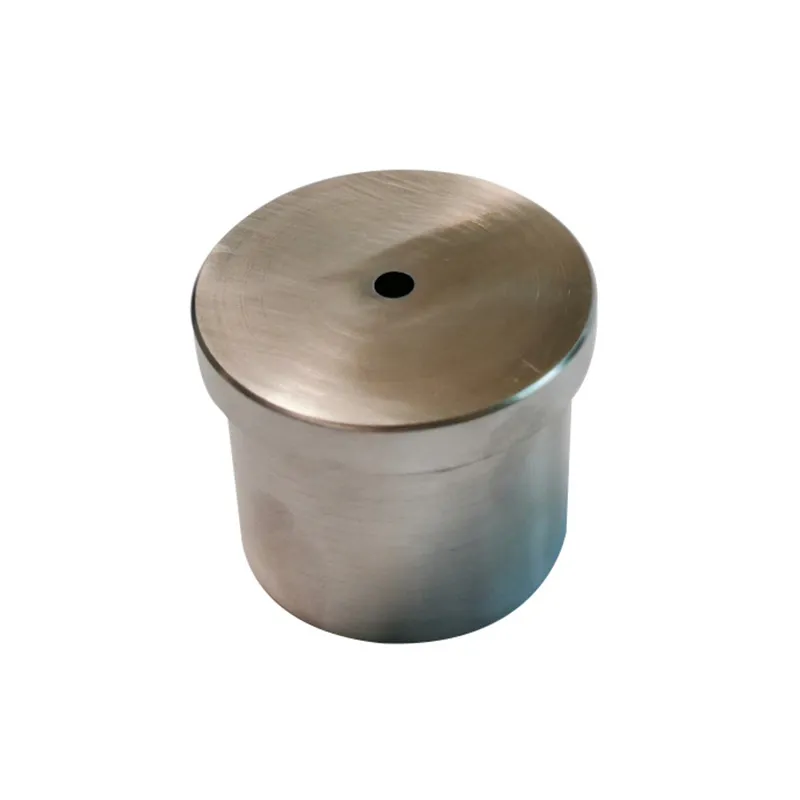
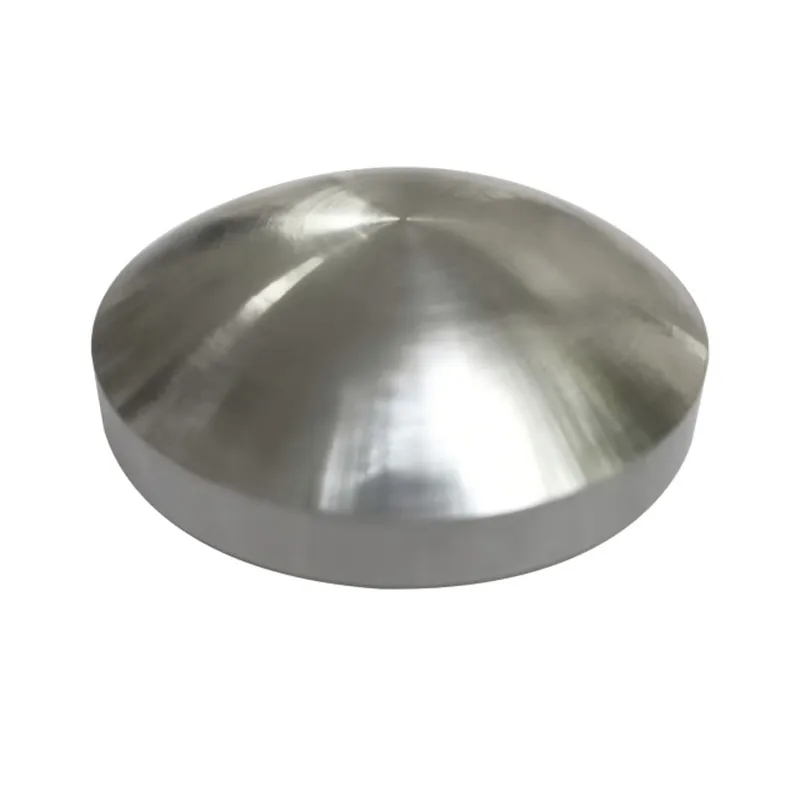
Another often-overlooked detail is the end closure. Open-ended, closed-end, capped, or with a built-in thermowell? A closed-end tube protects the sensor but adds a small lag. In a fast-moving process, that lag matters. We tried a thick-walled closed-end Inconel 600 tube for a batch reactor temperature control. The control loop became sluggish because the thermal mass of the tube tip was too high. Switching to a thinner-walled design with a sealed but tapered tip solved it. It's these minute, hands-on adjustments that data sheets don't tell you.
The Manufacturing Process Defines Reliability
You can have the perfect alloy specification, but if the tube is poorly cast or machined, it will fail. Porosity in a cast protection tube is a death sentence—it becomes a path for gas infiltration or a point of structural weakness. I recall a batch of cast stainless steel tubes that kept failing in a salt bath. The failure analysis pointed to micro-porosity near the weld area of the flange, allowing salt to creep in and corrode from the inside out. The casting integrity is non-negotiable.
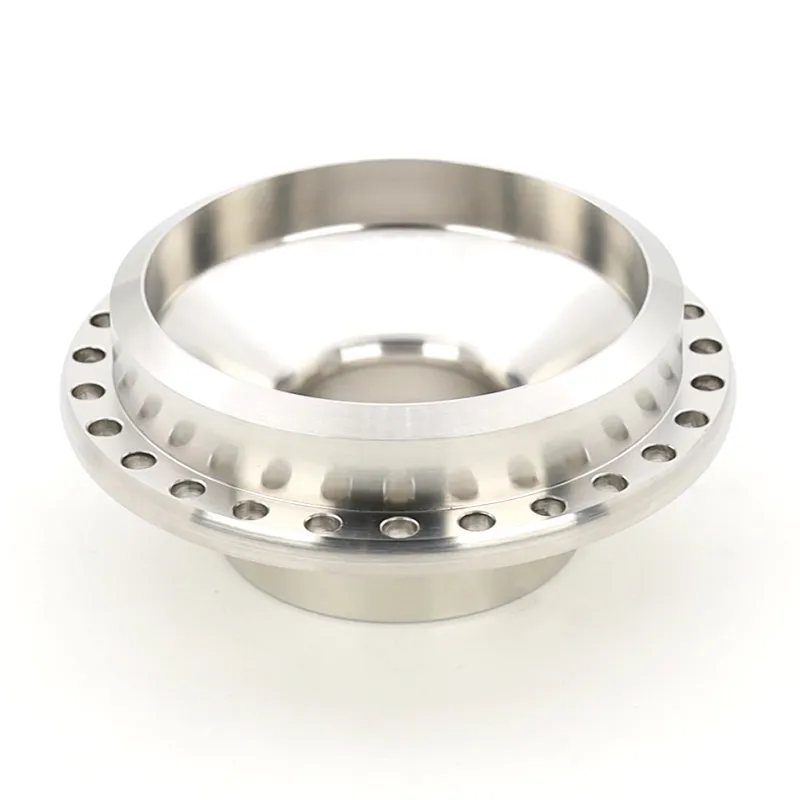
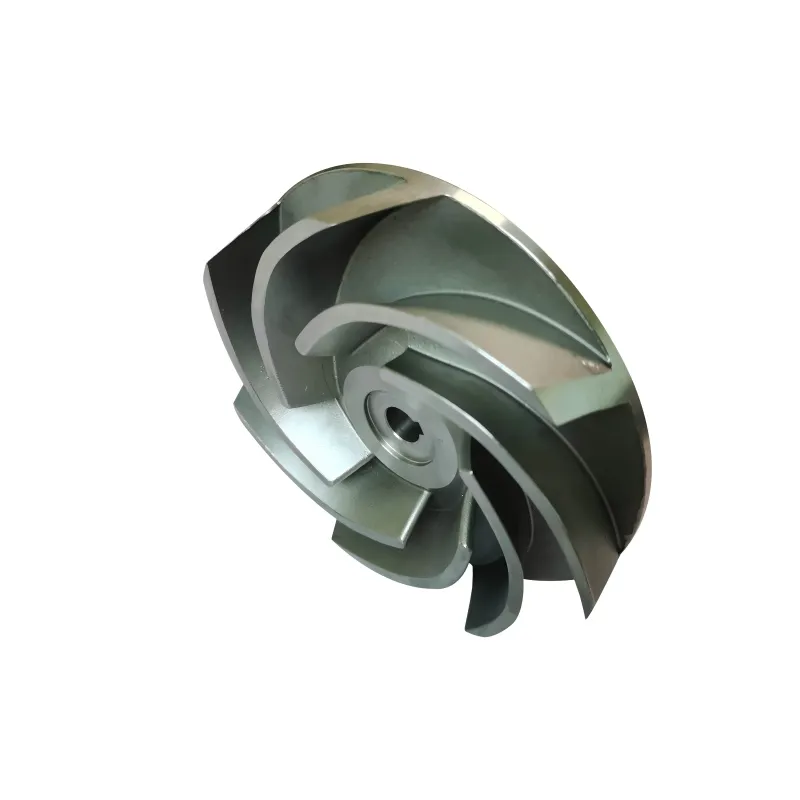
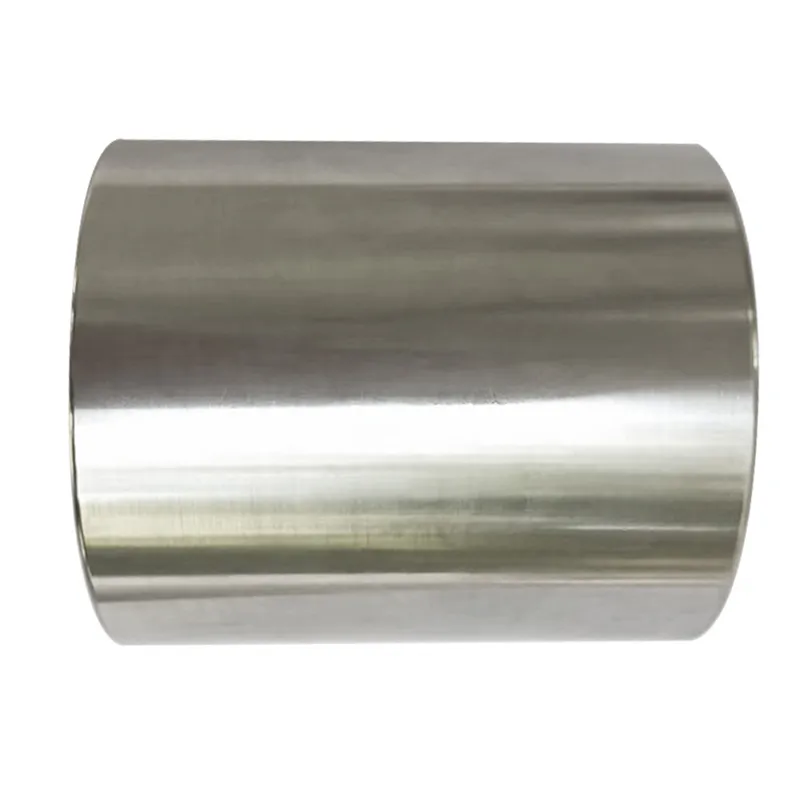
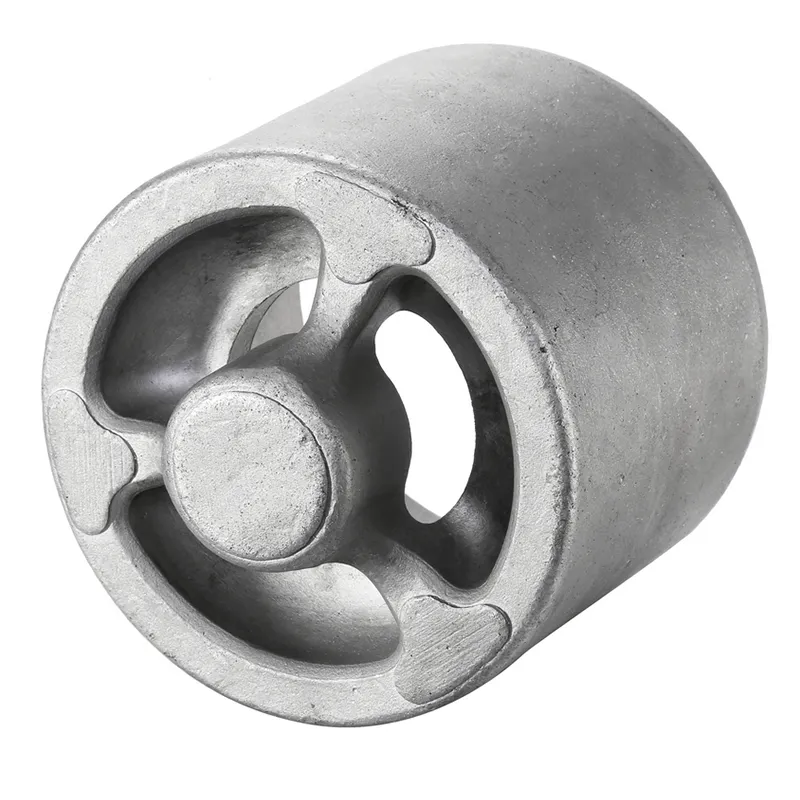
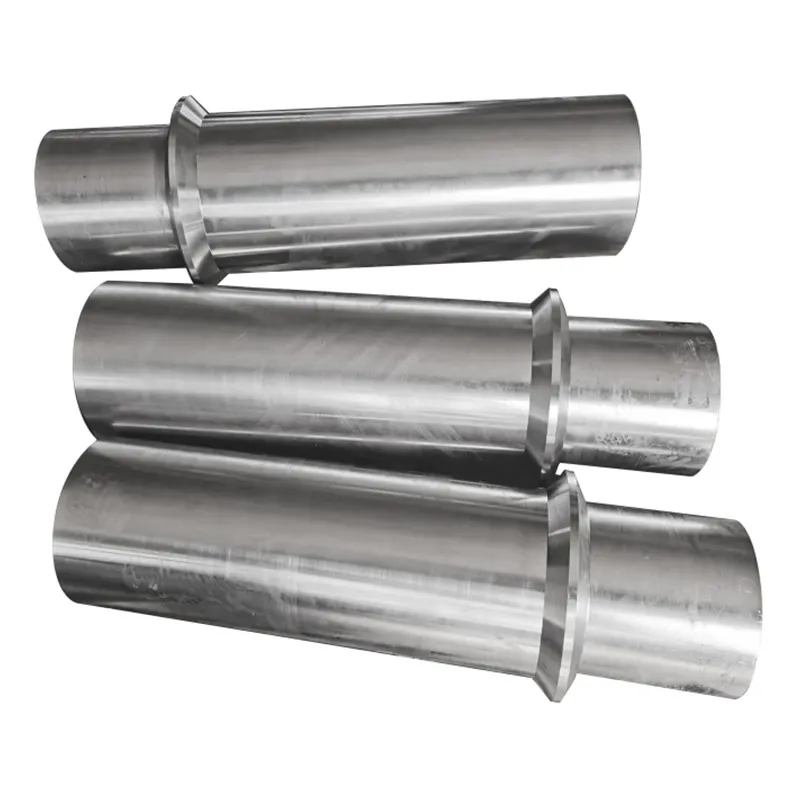
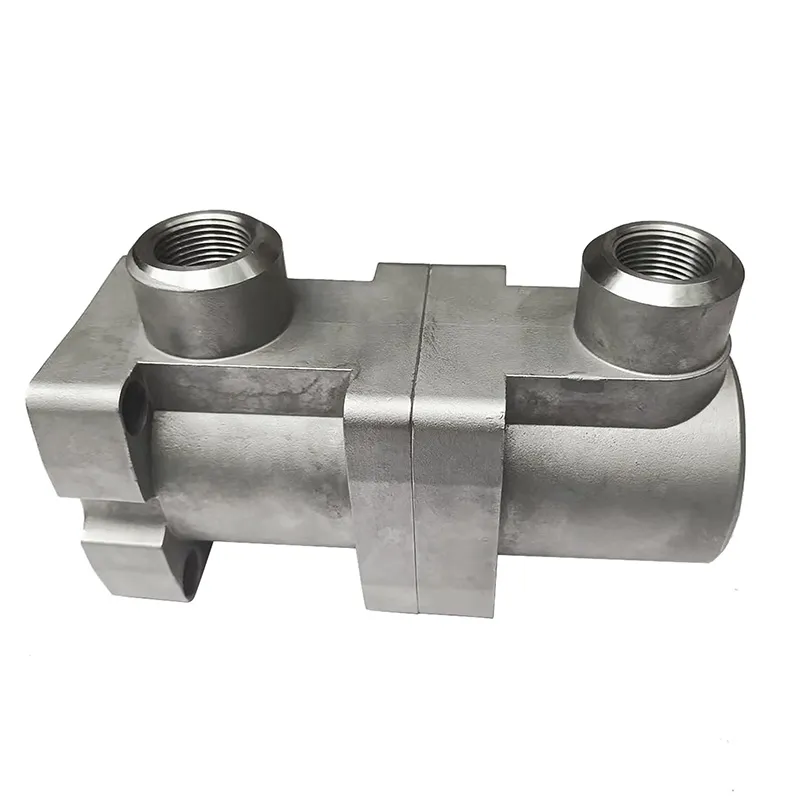
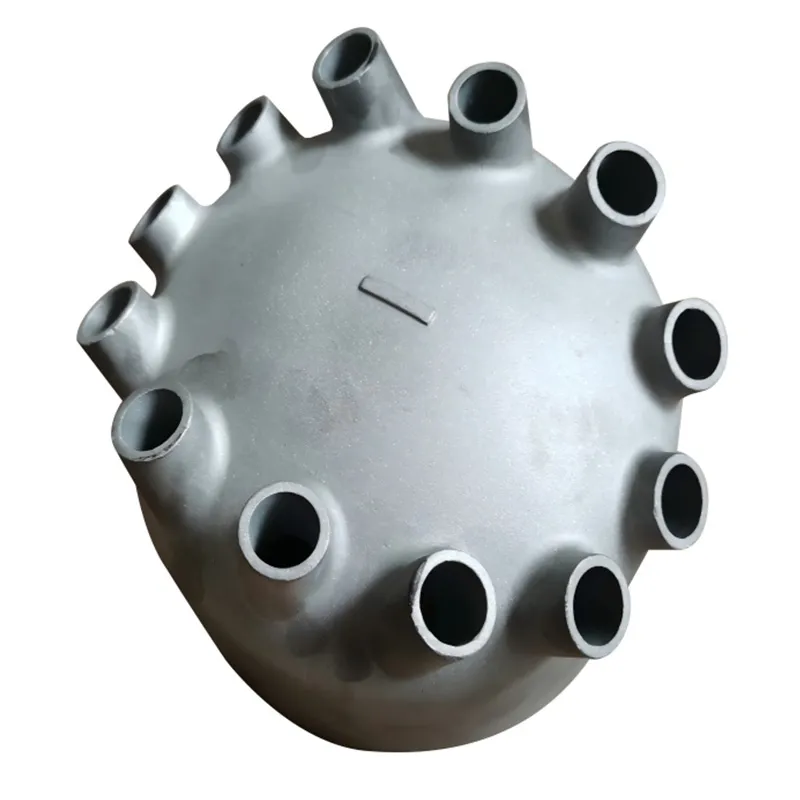
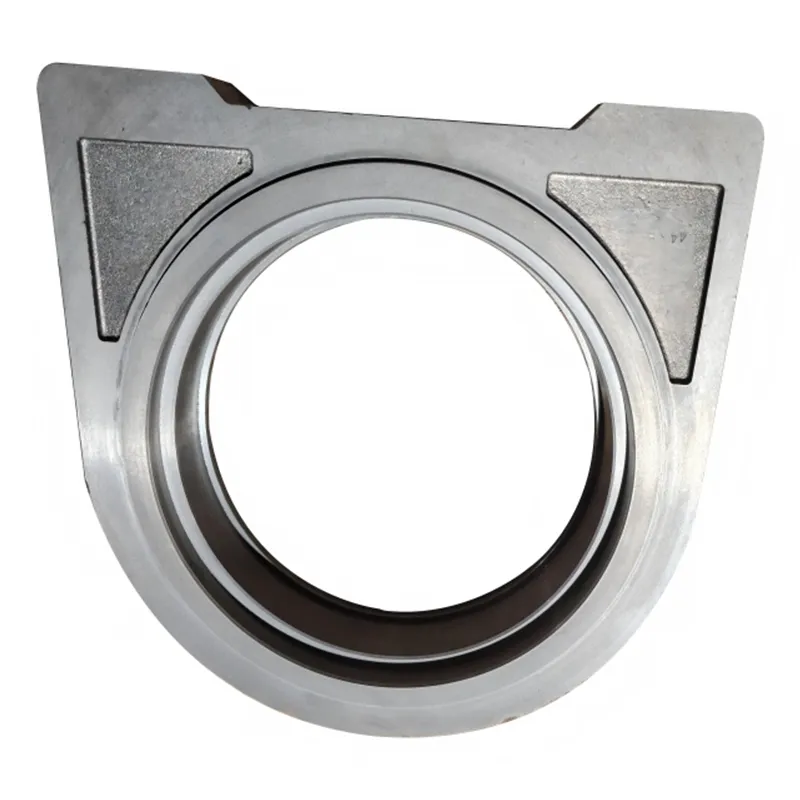
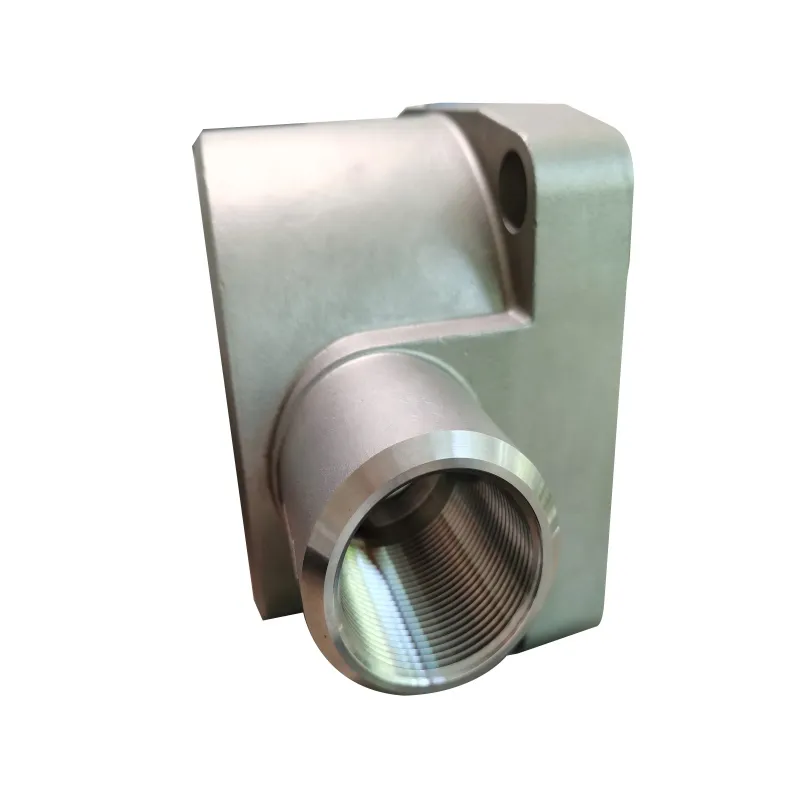
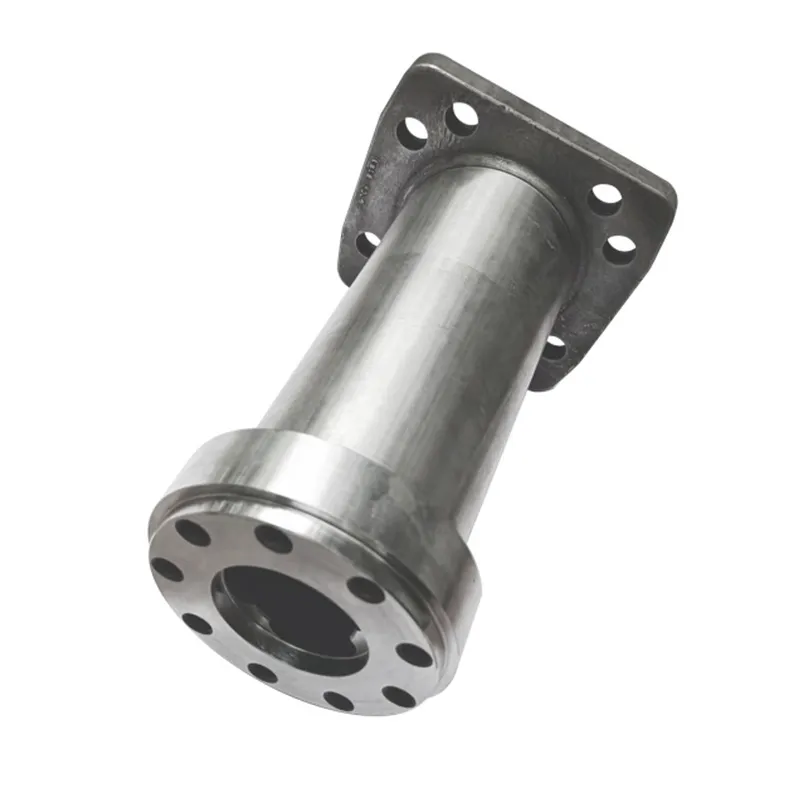
This is why the manufacturing capability behind the supplier is critical. A firm specializing in investment casting, like QSY, can produce protection tubes with complex geometries—think those with integrated flanges, mounting lugs, or unusual bends for clearance—with excellent surface finish and minimal internal defects. For simpler, straight tubes, CNC machining from bar stock ensures precise dimensional tolerances, which is vital for ensuring a proper fit with the sensor and the process connection. The choice between casting and machining isn't just about cost; it's about the required geometry, material, and final wall thickness consistency.
Then there's the finish. A machined surface might be fine for some applications, but in others, a ground or polished interior can prevent material buildup and ease sensor insertion/removal. For high-temperature alloys, the surface oxide layer that forms (the scale) can actually be protective, so sometimes you don't want it machined off post-casting. It's counterintuitive, but that's the kind of nuance you learn on the floor, not in a sales meeting.
Integration and the On-Site Headaches
Even the best-made tube can cause issues if the integration isn't thought through. The mounting thread or flange standard must match the existing facility fittings. Metric vs. NPT threads have caused more downtime delays than I care to remember. The length is another classic pitfall. It needs to be long enough to reach the meaningful temperature zone but not so long that it vibrates excessively or gets in the way of agitators or other equipment.
We had a case in a cement kiln where the protection tube, while structurally sound, was just a bit too long and rigid. The kiln's rotation and the weight of the clinker buildup caused it to flex slightly at the base over time, eventually fatiguing and cracking at the weld to the mounting head. The fix was a slightly shorter tube with a beefier support collar—a simple mechanical design change that the original spec overlooked. It highlights that the tube doesn't exist in isolation; it's part of a mechanical system.
Another practical point: sensor replacement. Can you easily extract the thermocouple from the tube if it fails? If the tube is long and has multiple bends, you might need a flexible sensor or a design that allows for easy pull-out. I've spent hours on a scaffold trying to fish out a stuck thermocouple because the tube interior had roughened or warped slightly over time. Now, we often specify a slightly larger internal diameter or a smoother internal finish for long, straight tubes to avoid this maintenance nightmare.
When Special Alloys Are the Only Answer
For the most punishing environments—waste incineration, certain types of glass melting, direct contact with molten aluminum or zinc—standard stainless steels or even common high-nickel alloys won't cut it. This is the realm of truly special alloys. Think materials like Alloy 625, HK-40, or even platinum-rhodium. Their cost is high, but their lifetime in specific corrosive/erosive conditions can make them the most economical choice in the long run.
Working with a partner experienced in these materials is crucial. Machining or casting these alloys requires specific know-how. For example, cobalt-based alloys are incredibly wear-resistant but can be tricky to machine without inducing stress or work hardening. A supplier with a deep CNC machining background for such materials will have the right tools, feeds, speeds, and cooling techniques to produce a part that retains its inherent material properties. QSY's explicit mention of working with these alloy families signals a capability level that goes far beyond commodity tube manufacturing.
The decision to use such an alloy often comes from a failure analysis. We switched to a centrifugally cast HK-40 tube for a reformer furnace after a standard cast tube suffered severe carburization and embrittlement, failing in under a year. The HK-40 tube lasted for multiple campaign cycles. The upfront cost was triple, but the total cost per operating year was lower, and the reliability prevented unplanned shutdowns. That's the real calculation.
Looking Beyond the Tube: The Complete Assembly
Finally, it's vital to think of the protection tube as part of an assembly: the tube itself, the transition or mounting head (which houses the connection terminals), the process connection (thread, flange, weld nipple), and sometimes an extension neck for insulation. These components often need to be made of different materials. The tube might be ceramic, while the flange is a metal alloy compatible with the vessel. How are they joined? This is a critical interface.
Metal-to-ceramic joints are particularly challenging due to differing coefficients of thermal expansion. Special brazing techniques or compression fittings are used. I've seen failures where a seemingly robust brazed joint failed because the braze alloy was attacked by the process atmosphere, something that wasn't considered during design. The integrity of this entire assembly, often manufactured through a combination of shell mold casting for metal parts and precision machining, determines the system's leak-tightness and mechanical stability.
In the end, specifying a thermocouple protection tube is an exercise in applied materials science and practical mechanical design. It requires asking not just what's the temperature? but what's the full story?—atmosphere, thermal cycles, mechanical stress, corrosion, erosion, and maintenance access. It's one of those components where the cheap option is almost always the most expensive one over the lifecycle of the plant. The goal is to forget it's even there, because if you're constantly thinking about your protection tube, it usually means it's not doing its job.