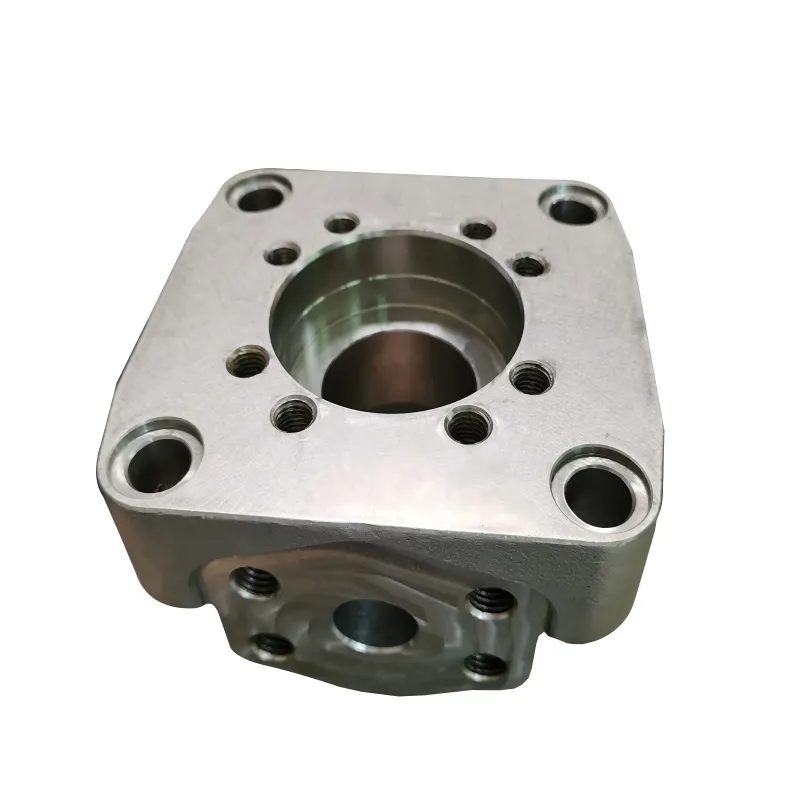
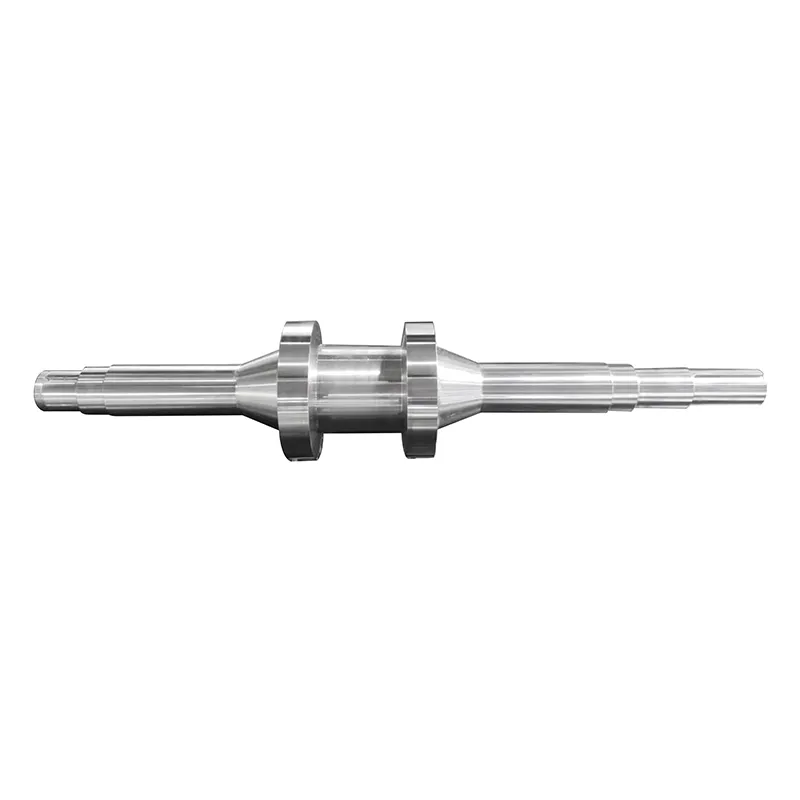
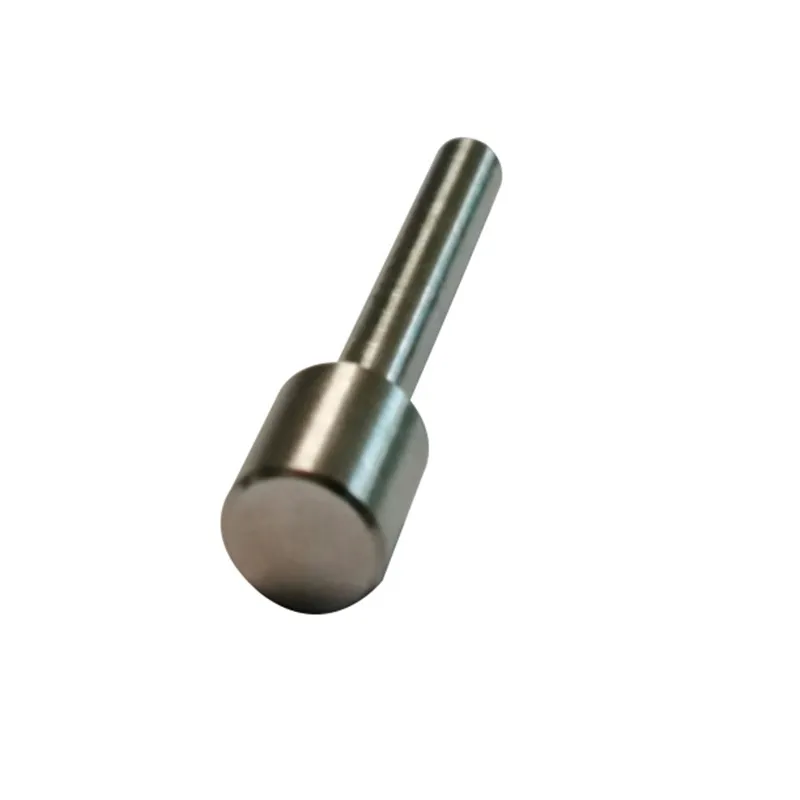
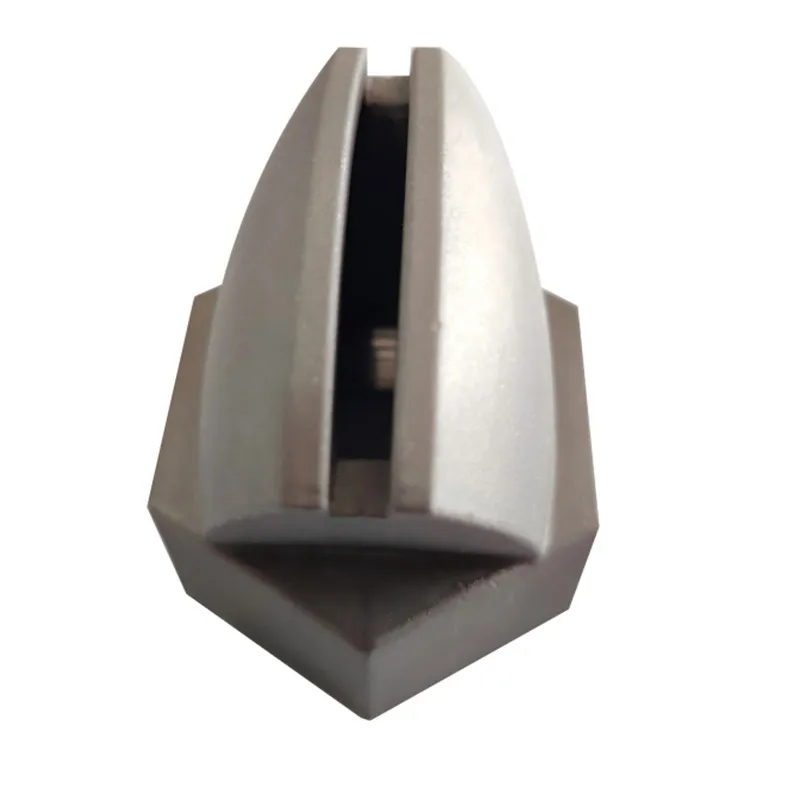
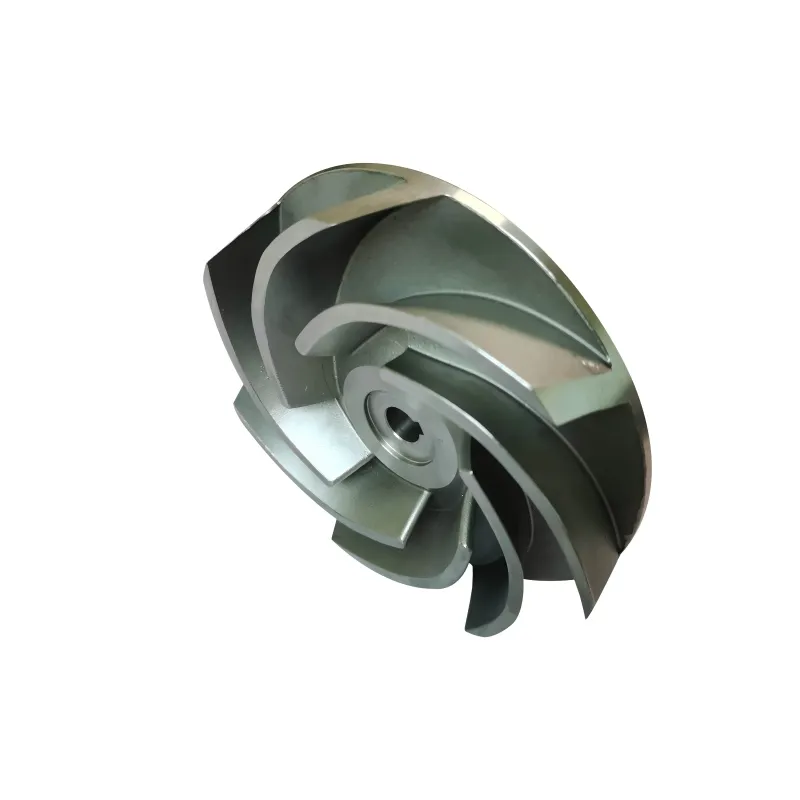
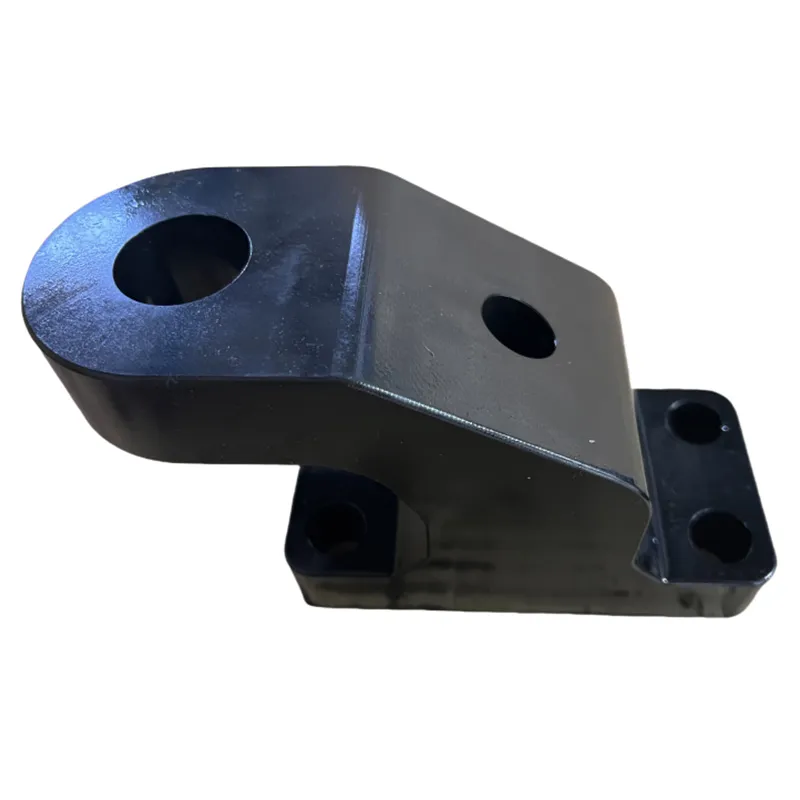
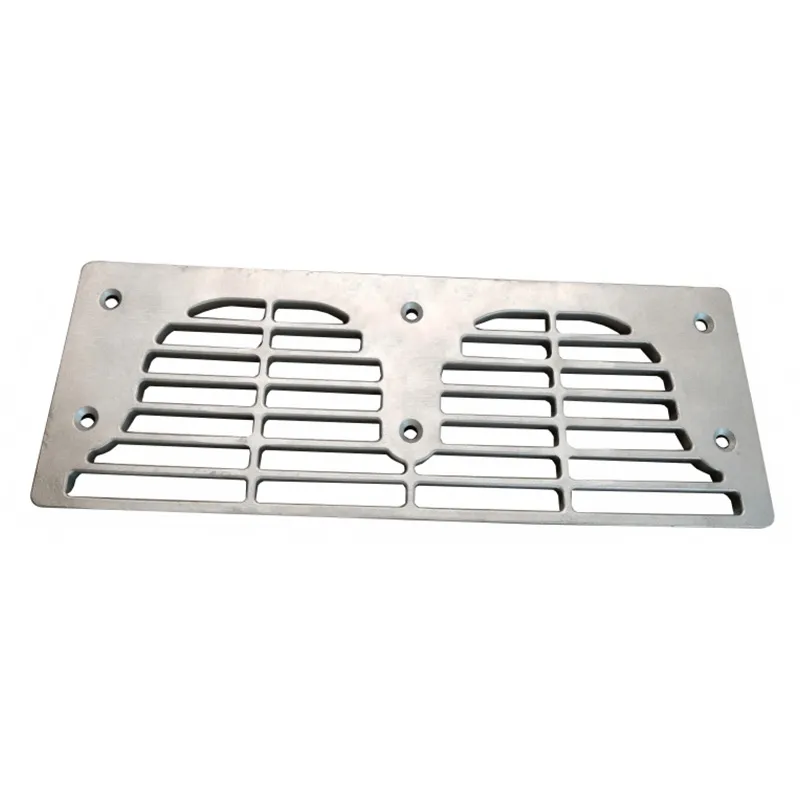
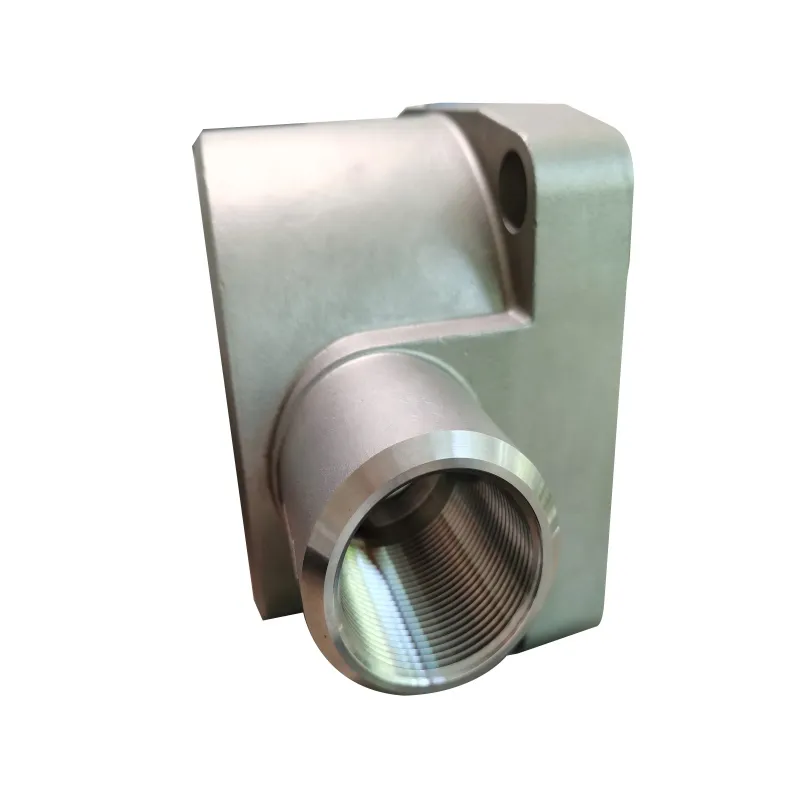
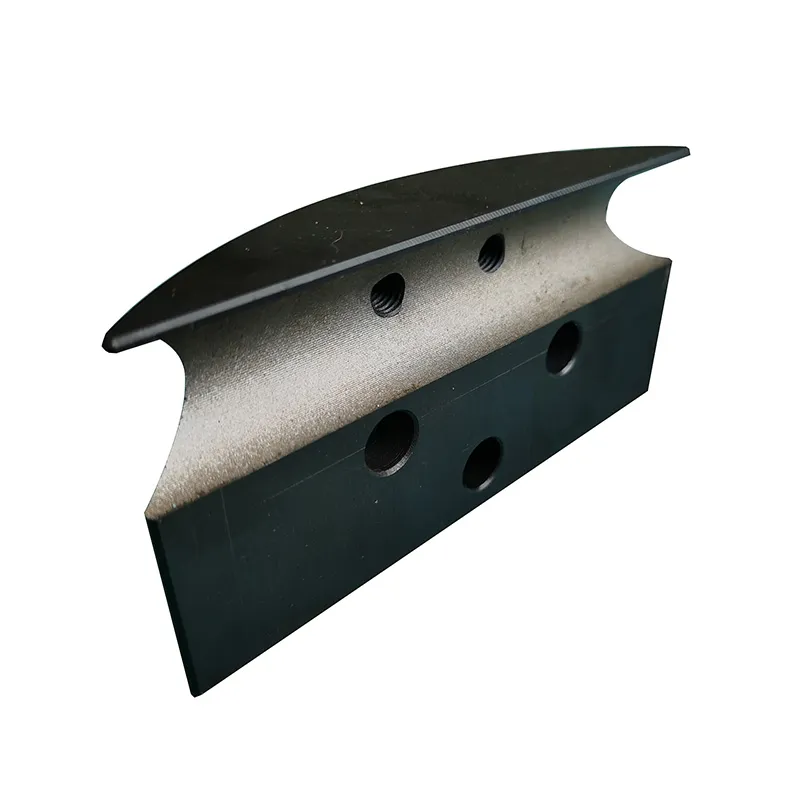
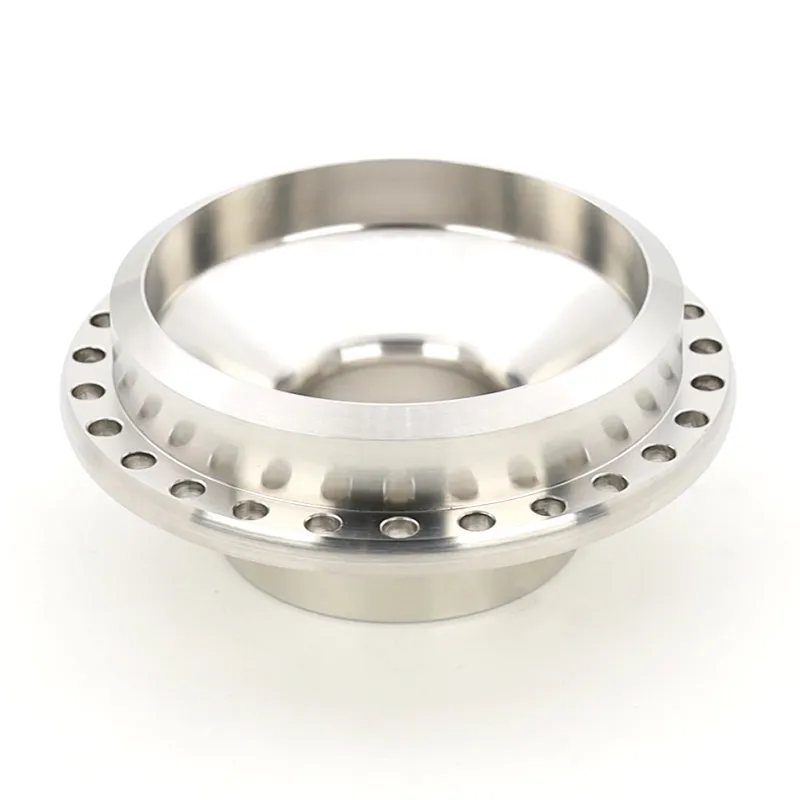
When someone mentions Tribaloy, the first thing that often comes to mind is just 'that super hard cobalt alloy'. But that's a bit of a simplification that can lead you down the wrong path during design or sourcing. It's not just about hardness; it's about that specific combination of galling resistance, corrosion resistance, and maintaining properties at high temperatures. I've seen projects stall because the spec just called for 'Tribaloy' without specifying the grade—T-400, T-800, T-800C—they behave quite differently. The high cobalt and molybdenum content with the Laves phase structure is the key, but how it's processed makes or breaks the part.
The Reality of Machining and Forming
Let's get straight to the pain point: machining Tribaloy is a bear. It's often supplied as a casting, which is the sensible way to go for complex shapes. Trying to machine it from a wrought bar with standard carbide tools is a quick way to burn through your budget and ruin inserts. The material work-hardens aggressively. You take a cut, and the surface you just passed over becomes even harder. We learned early on that you need rigid setups, positive rake geometries, and sometimes even resort to grinding or EDM for critical tolerances. It's not a 'machine it fast' material; it's a 'machine it smart' one. Coolant flow is non-negotiable—and not just for cooling, but to prevent micro-welding of chips.
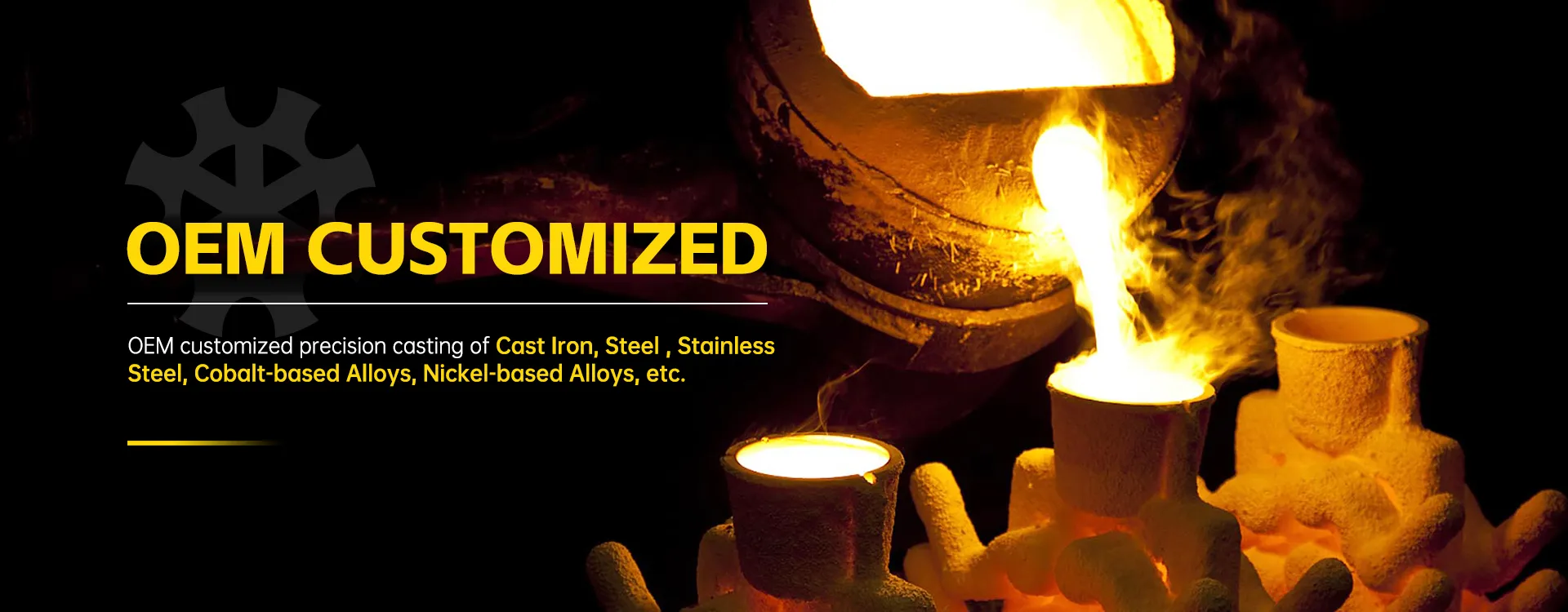
This is where partnering with a foundry that knows its stuff is critical. A company like Qingdao Qiangsenyuan Technology Co., Ltd. (QSY), with their three decades in shell and investment casting for special alloys, has the patternmaking and process control to get the casting close to net shape. That's half the battle won. You want as little post-cast machining as possible. I recall a valve seat ring project where the initial drawings called for a solid Tribaloy T-400 block to be hollowed out. The machining costs were astronomical. We redesigned it with QSY to be a near-net-shape investment casting, which cut the machining time by about 70%. Their experience with the feeding and solidification of these cobalt-based alloys prevented shrinkage porosity in critical wear faces.
Welding or brazing Tribaloy onto a substrate, like steel, for a clad part is another common application. Here, the mismatch in thermal expansion with the base metal is the silent killer. If the procedure isn't dialed in—preheat, interpass temp, a specific filler like Stellite 6 or a nickel-based alloy—you get cracks. Not always immediately, but after a few thermal cycles in service. It's a classic failure mode. The bond line integrity is everything. We've had success with vacuum brazing for some high-integrity aerospace components, but it's a process that demands perfect cleanliness and fixture design.
Grade Selection: It's Not Just T-400
Most folks default to T-400. It's the workhorse, good all-around wear resistance. But if you're in a highly corrosive environment, say with chlorides or acids, T-800 with its higher chromium content is the better bet. The trade-off? Some say it's slightly less tough than T-400, but in a corrosive-wear situation, it'll outlast T-400 by a wide margin. T-800C adds carbon for even better abrasion resistance, but watch out for brittleness in impact scenarios. You have to match the grade to the actual service condition, not just the catalog description.
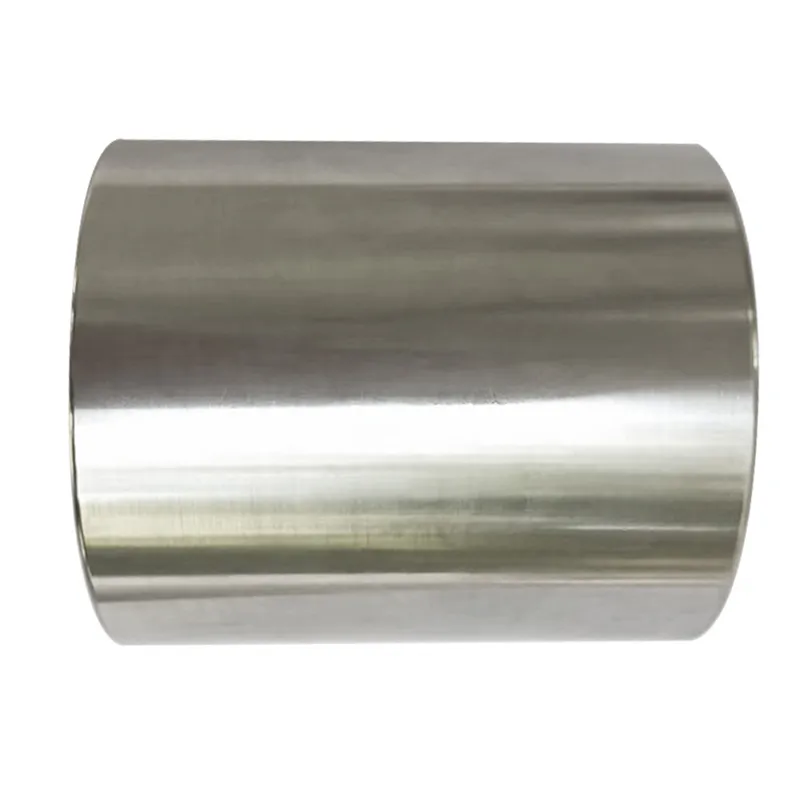
I was involved in a pump sleeve application for a chemical processing plant. The original spec was T-400. It failed within months due to pitting corrosion coupled with abrasive slurry wear. We switched to a T-800 sleeve, sourced as a precision-cast component to maintain the dimensional stability of the thin wall, and the lifespan increased by a factor of four. The initial material cost was higher, but the total cost per operating hour plummeted. This is the kind of value engineering that comes from material experience, not just a data sheet.
Another nuance is the microstructure of the casting. A well-controlled casting process from a specialist foundry should yield a uniform dispersion of the hard Laves phase in the cobalt matrix. I've seen poorly cast Tribaloy where the Laves phase is clustered, creating weak zones and initiating cracks under load. This isn't a defect you can easily spot with a casual visual inspection; it might require metallographic analysis. When you're sourcing, you're not just buying an alloy, you're buying the consistency of the process behind it.
Application Pitfalls and Real-World Fixes
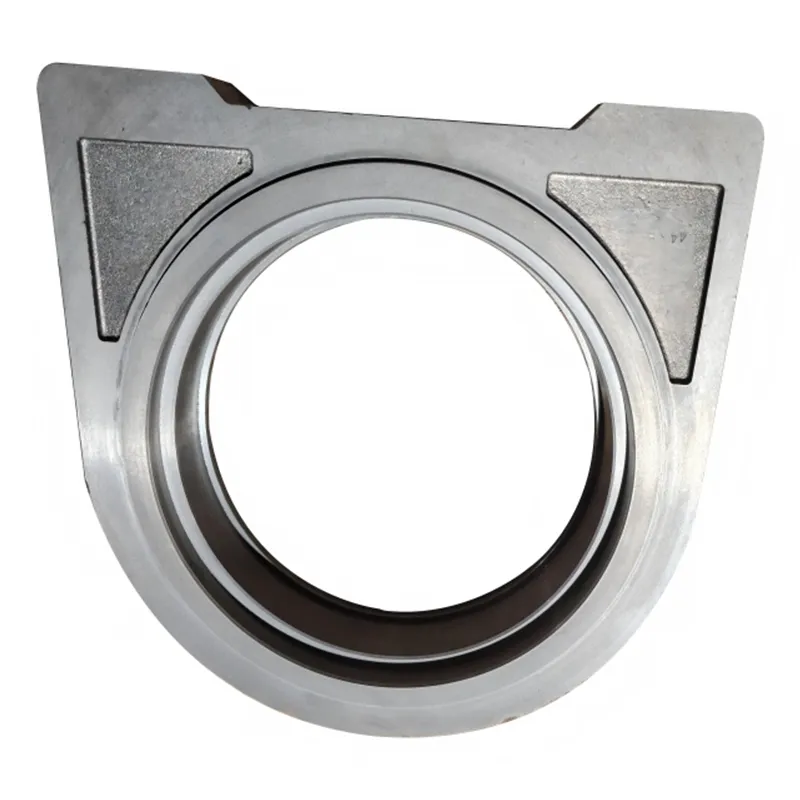
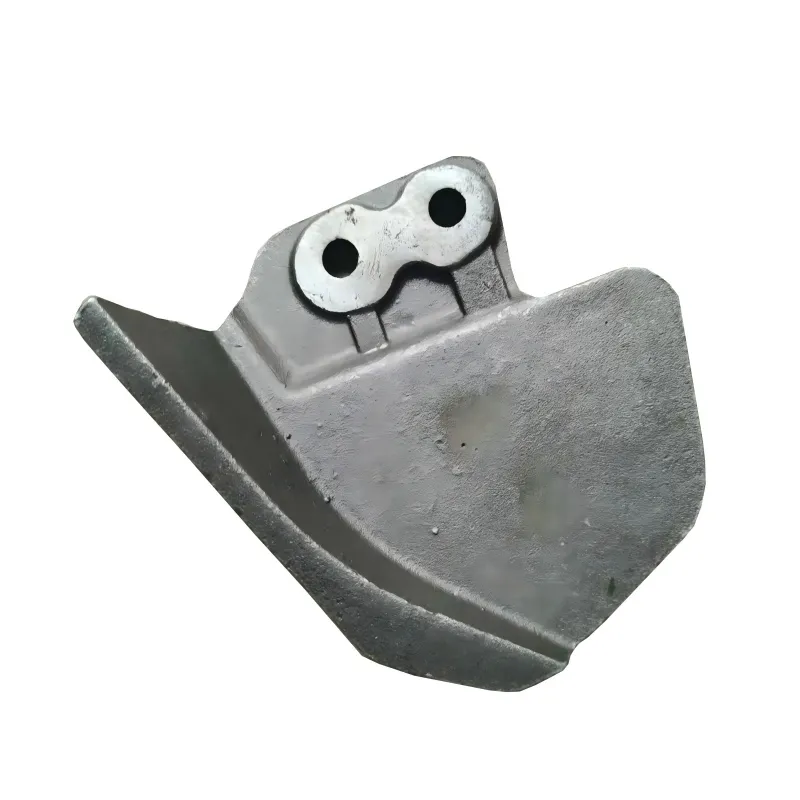
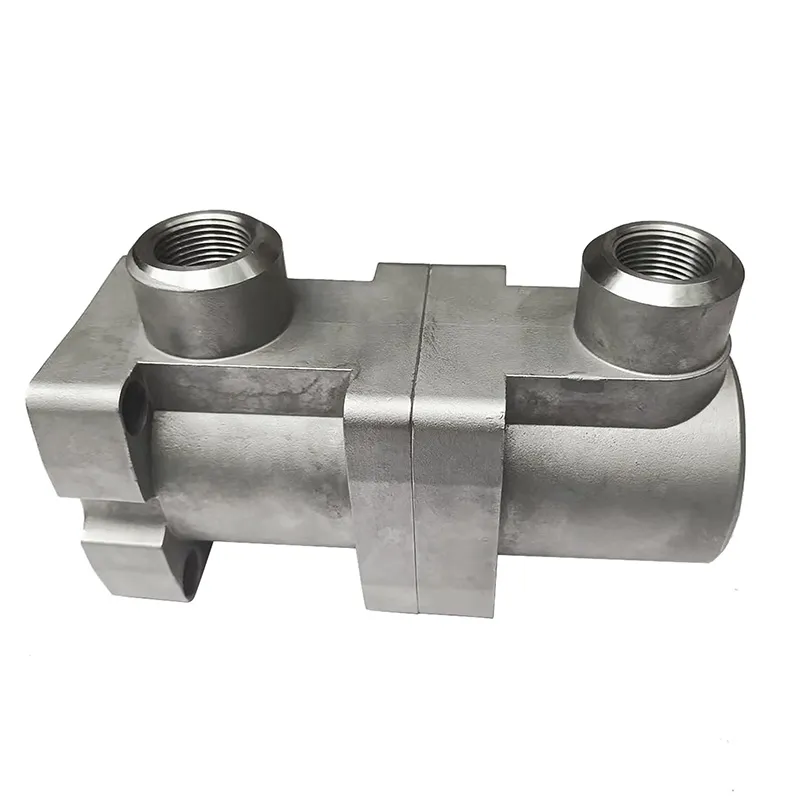
The classic application for Tribaloy alloy parts is in wear surfaces: bushings, seals, valve seats, pump sleeves. But a common mistake is using it everywhere in an assembly. It's expensive. The smart design uses it only where the severe wear or galling happens, often as an insert or a welded overlay. Designing the housing or the mating part from something more machinable, like 316 stainless, and then press-fitting or bonding the Tribaloy insert is standard practice.
Thermal expansion bites people here too. If you design a tight press-fit at room temperature, will it become loose or over-stressed at operating temperature? You have to do the math. We had a case with a high-temperature dryer bearing sleeve. The Tribaloy sleeve was fitted into a steel housing. At ambient, the fit was perfect. At 500°C, the steel expanded more than the Tribaloy, leading to a loss of interference and eventual rotation of the sleeve. The fix was to change the fit calculation based on the operational temperature, not assembly temperature, and use a high-temperature retaining compound as a backup.
Finishing is another detail. For sealing surfaces, you often need a very fine finish. Grinding is possible but slow. Sometimes, lapping is the final step. The goal isn't necessarily a mirror finish, but a consistent, flat surface that won't gall against its counterpart. For some dynamic seals, we've even specified a slightly porous coating on top of the Tribaloy to retain lubricant—but that's a whole other specialized process.
Sourcing and the Supply Chain Reality
You don't just order Tribaloy parts from a catalog like you would 304 stainless brackets. It's a low-volume, high-value specialty. The lead times are long, especially if you need custom castings. The raw alloy ingot itself is a controlled material. This is why building a relationship with a capable supplier is more of a partnership. They become an extension of your engineering team.
A company like QSY (you can find their capabilities at https://www.tsingtaocnc.com) exemplifies this model. Their long history in casting and machining special alloys means they can advise on the manufacturability of a design from the start. They're not just a machine shop; they understand the metallurgy from the furnace onward. For a recent aerospace actuator component, we went through three iterative prototyping cycles with them—adjusting gate locations on the wax pattern, tweaking heat treatment parameters—before we locked in the process for production. That collaboration is what ensures the Tribaloy parts actually perform in the field.
The alternative—going with the cheapest quote from a general machine shop that just buys Tribaloy bar stock—is almost always a false economy. They'll struggle with the machining, the reject rate will be high, the lead time will blow out, and you might end up with a part that has residual stresses or micro-cracks that cause premature failure. The total cost of ownership is in the reliability, not the unit price on the PO.
Concluding Thoughts: It's a Specialist's Game
In the end, working with Tribaloy isn't something you dabble in. It requires respect for the material's characteristics and its processing demands. The success stories come from integrated thinking: design for manufacturability (preferably casting), correct grade selection, meticulous process control, and a supply partner who gets it. It's not a commodity.
The failures, in my experience, usually trace back to treating it like one—trying to save a few dollars on the front end by compromising on the process or the supplier. When it works, though, it solves problems that almost no other material can. A properly made Tribaloy component in the right application is something you install and then forget about for years, which is the highest compliment you can give a wear part.
So, if you're specifying it, dig deeper than the generic name. Think about the full lifecycle: how it will be made, how it will be put into service, and what it will face there. That's where the real engineering with these alloy parts happens.