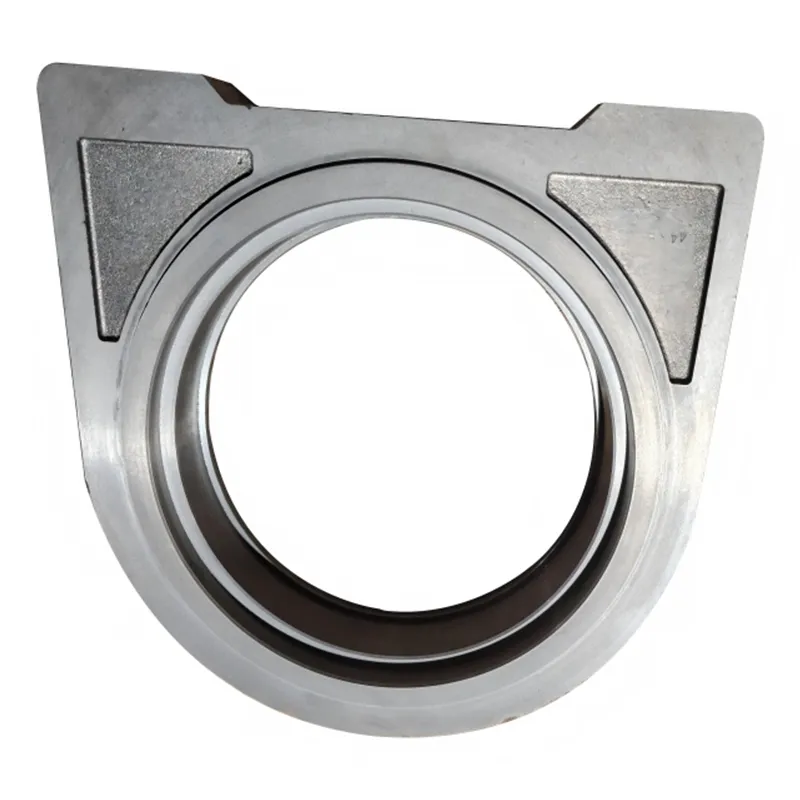
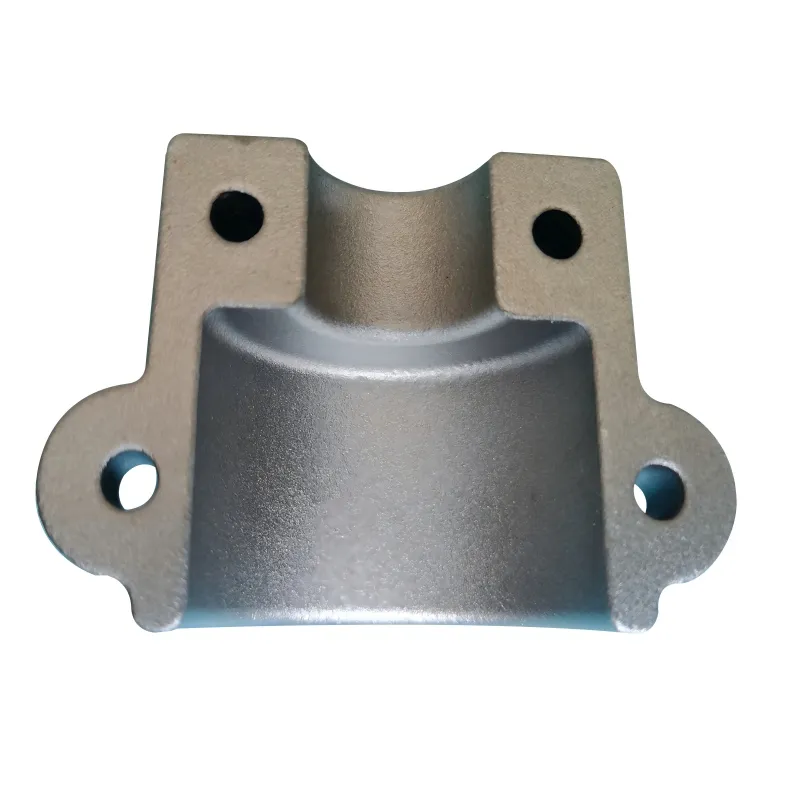
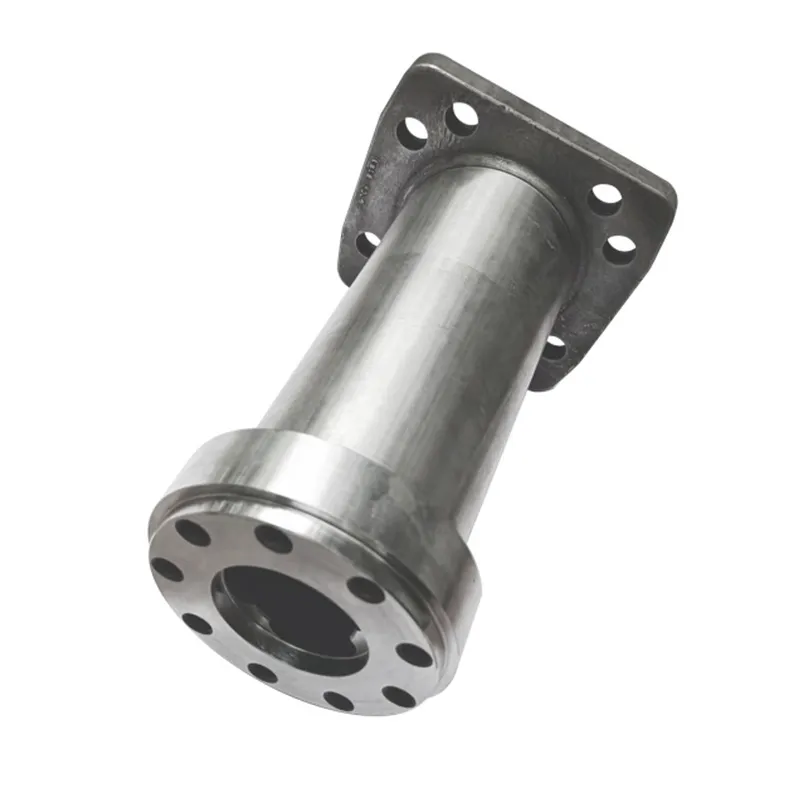
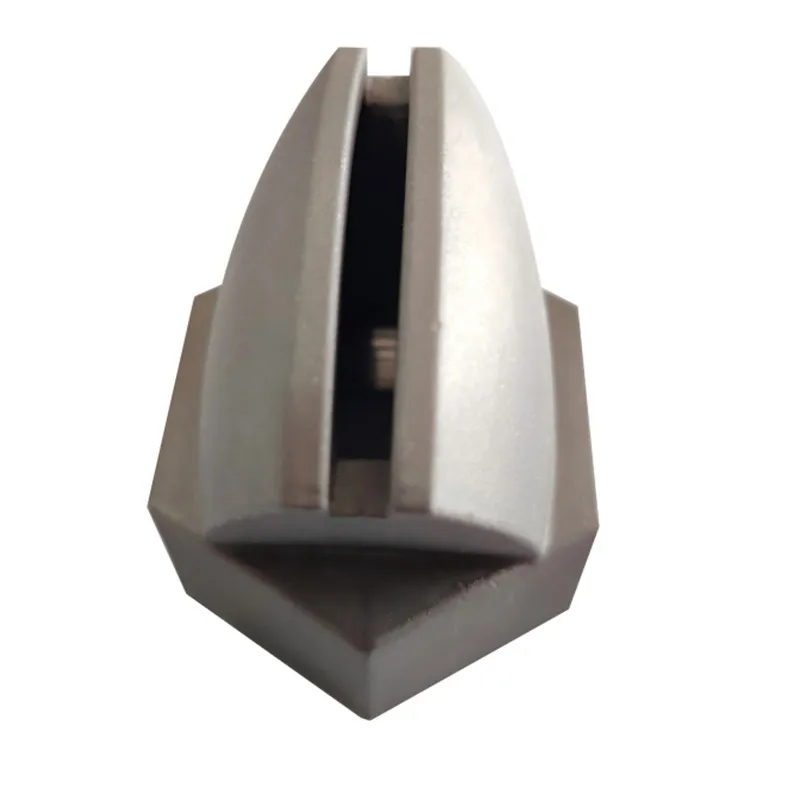
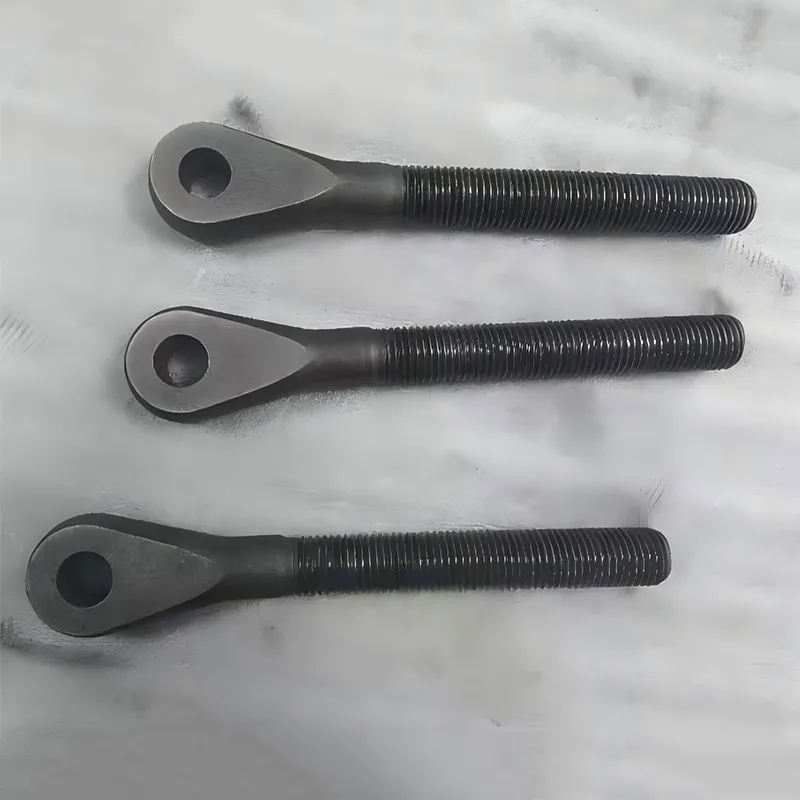
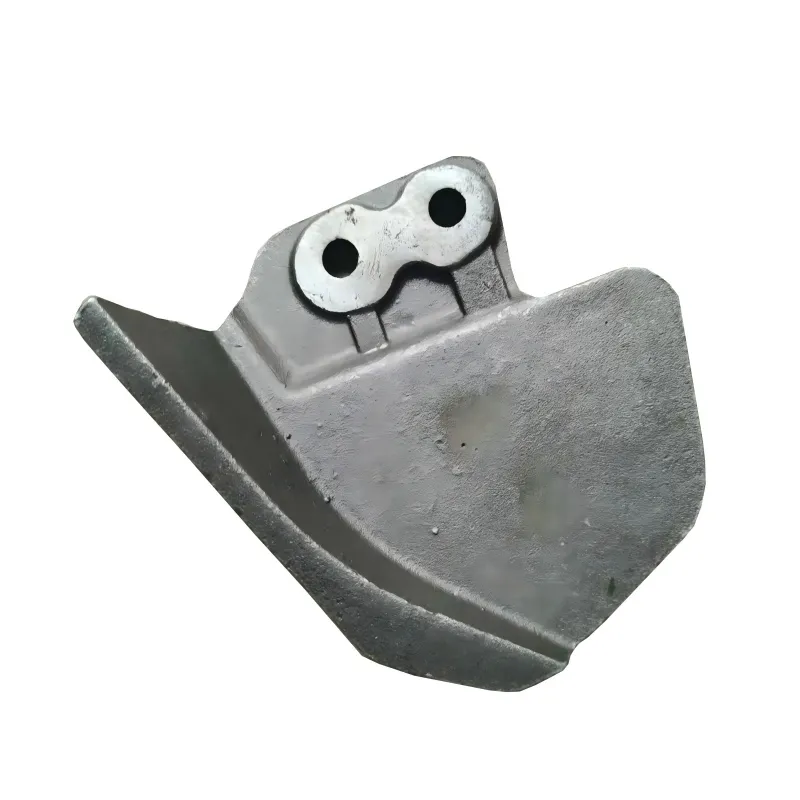
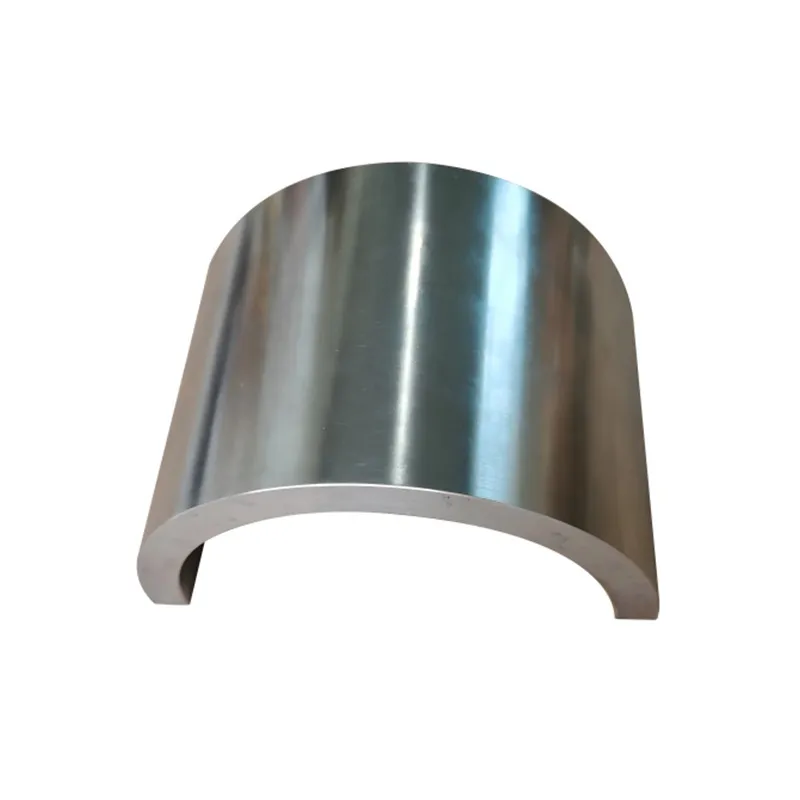
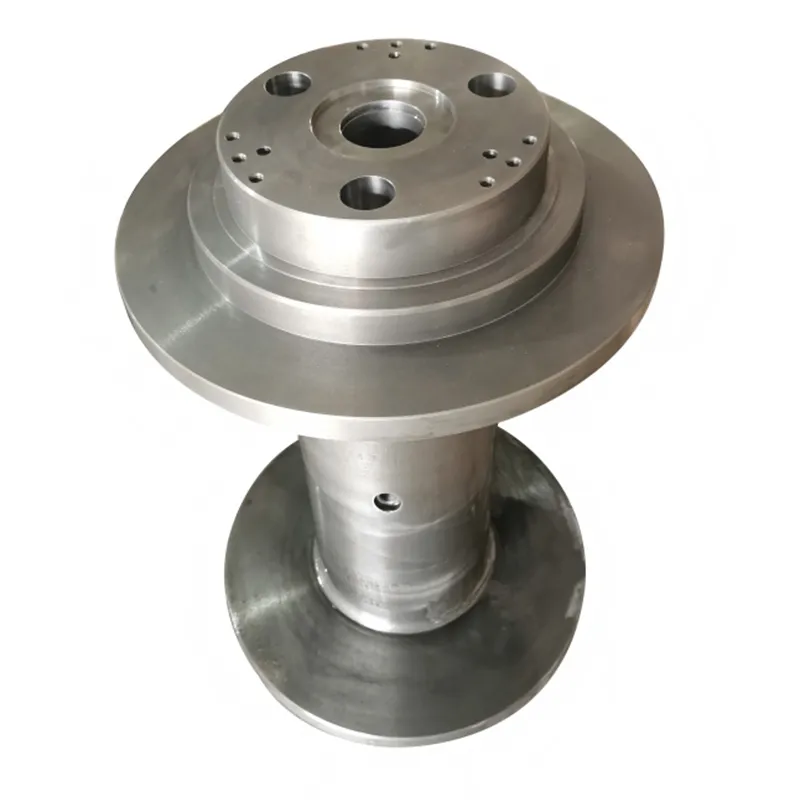
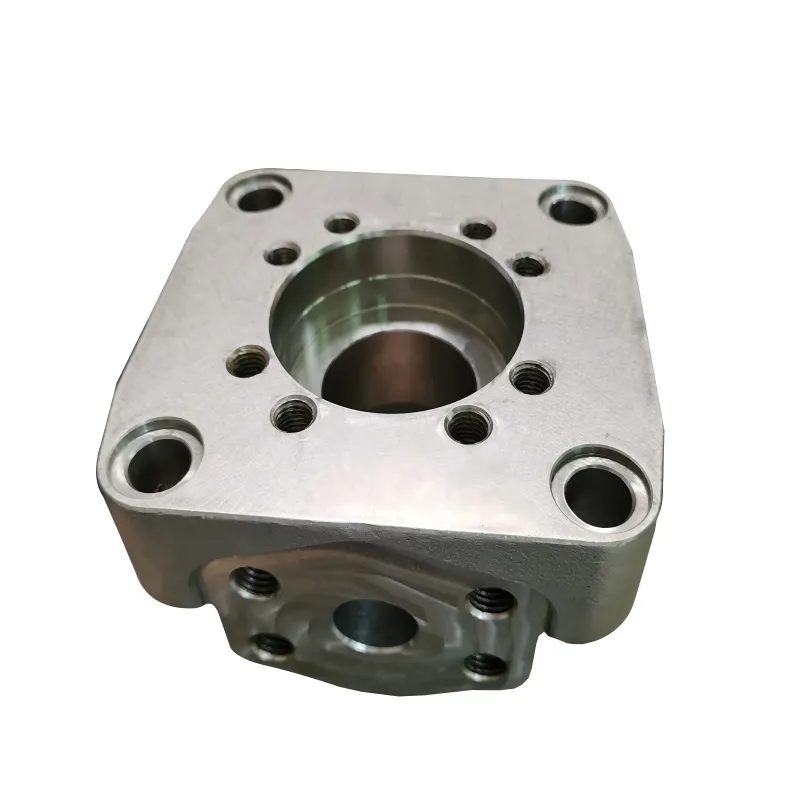
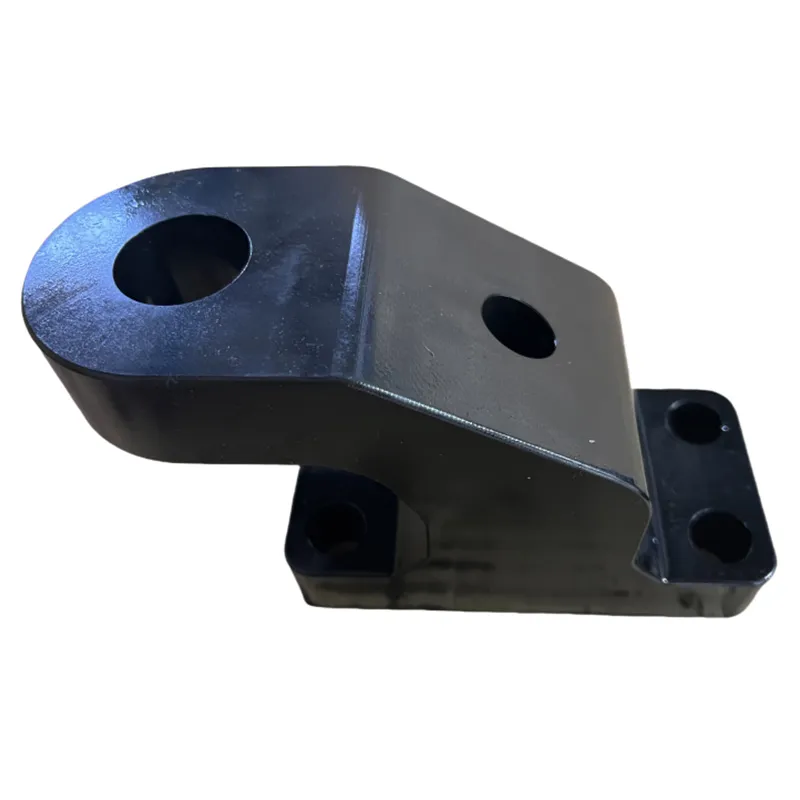
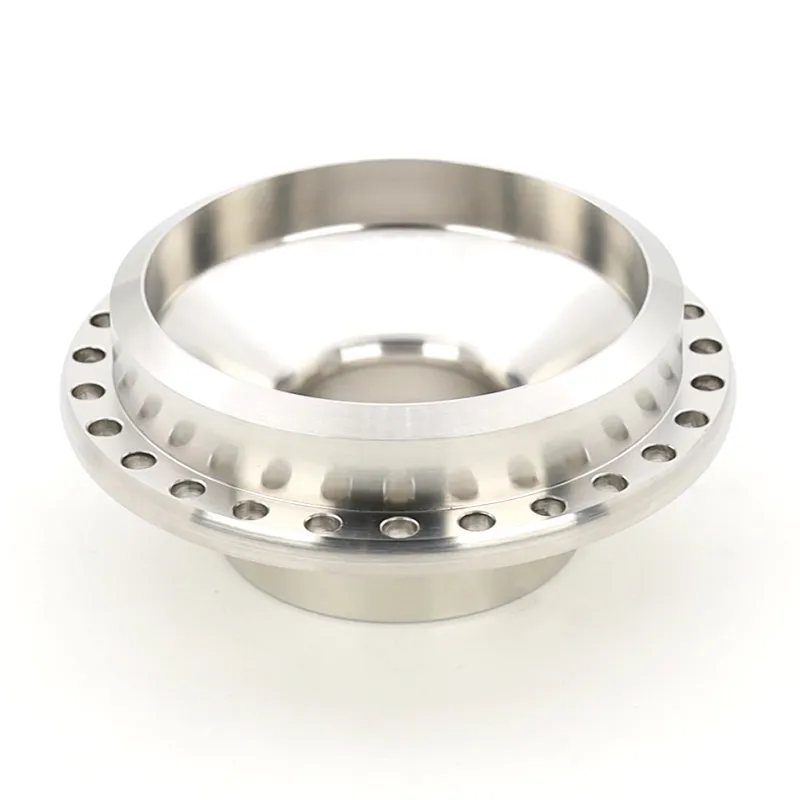
You see a lot of RFQs for Tribaloy parts, especially T400 and T800, and immediately there's a split. Some shops see it as just another hard-facing alloy, others get nervous about the cobalt base. Both views miss the point. It's not just about hardness or heat resistance; it's about the specific wear mechanism you're fighting – adhesive wear, galling, that kind of thing. I've seen too many designs default to T800 because it's harder, ignoring that T400's better crack resistance might be the real answer for a shock-loaded seal surface. The naming itself, Tribaloy T400, T800 parts, can be a trap, making people think they're directly interchangeable grades. They're not.
The Alloy Itself – More Than a Datasheet
Working with QSY on a pump sleeve project last year really cemented this. The spec called for T800. The datasheet says ~58 HRC, great. But when we got into the machining strategy with their engineering team, the conversation wasn't about speeds and feeds first. It was about the casting integrity. With these cobalt-chromium-molybdenum alloys, the microstructure from the casting process – whether it's shell mold or investment casting – dictates everything that comes after. A poor cast structure means you'll chase hardness variations all day, and tooling will get murdered.
That's where a foundry's experience shows. Qingdao Qiangsenyuan Technology Co., Ltd. (QSY), for instance, their three decades in shell and investment casting means they've likely seen the solidification patterns for these alloys a thousand times. They know where to place gates and risers for a Tribaloy T400 part to minimize Laves phase formation in critical wear zones. You can't just CNC machine your way out of a bad casting. The part might dimensionally be correct, but its service life will be a fraction.
I recall a failed attempt earlier in my career, sourcing a simple T400 washer from a generic machine shop. They bought bar stock, machined it. It looked perfect. Failed in the field in 200 hours. The bar stock had directional grain structure from the rolling process; it wore completely unevenly. Lesson learned: for true performance, these parts often need to be near-net-shape cast, then precision machined. The starting form is half the battle.
Machining – The Real Cost Driver
This is where the rubber meets the road. Everyone quotes the material cost per kilo for Tribaloy, but the real expense is in the toolpath. It's not like machining stainless. It work-hardens aggressively. If your feed rate drops too low, you're just polishing the surface and hardening it beyond the tool's ability to cut. You need rigid setups, positive rake geometries, and sometimes you just accept that carbide will be a consumable.
QSY's integrated approach, handling both the casting and the CNC machining in-house, makes a tangible difference. They're not just a machining shop receiving a mystery casting. They cast it, they know its hardness pockets, they can plan the machining sequence accordingly. For a complex Tribaloy T800 valve seat, they might rough machine after casting, then apply a stress relief, then come back for finish machining. That intermediate step is crucial for dimensional stability but is often skipped by shops just looking to make a chip.
Coolant is another subtlety. You need high-pressure, volume flood coolant, not just for heat, but to wash away the chips which are sharp and can re-weld. We learned this the hard way on a run of T400 bushings. Tool life was abysmal until we switched to a specific high-lubricity coolant and opened up the nozzle pressure. A small detail, but it doubled our tool life.
Application Pitfalls and Design Talk
Engineers love to specify Tribaloy for the wrong reasons. High wear resistance is too vague. I've pushed back on designs where a plasma-sprayed coating or even a hardened steel would have sufficed at a third of the cost. The sweet spot for T400 and T800 is truly where you have metal-to-metal sliding contact without adequate lubrication, or in corrosive-wear environments. Think pump plungers, seal rings in chemical mixers, or certain food processing extruder components where you can't use lubricants.
A specific case with QSY comes to mind. A client wanted a full T800 rotor for a progressive cavity pump. Massive, expensive. After reviewing the application, we suggested a composite design: a steel rotor core with Tribaloy T400 stellite overlays on the high-wear lobes. It performed identically for the specific wear mode, survived the corrosion, and cut the component cost by over 40%. The client just hadn't considered that a part could be a hybrid. That's the value of working with a fabricator who understands the material's role, not just its specs.
The other pitfall is fit and clearance. These alloys have a different coefficient of thermal expansion than the carbon steel housings they're usually paired with. If you don't account for that, what fits at room temperature binds or loosens at operating temp. It sounds basic, but I've seen it cause catastrophic failures. Always a thermal gap analysis.
Sourcing and the Supplier Relationship
You don't buy these parts off a shelf. You develop them with a supplier. The RFQ package needs to be more than a drawing. It needs context: operating temperature, mating material, type of motion (rotating, oscillating), presence of chemicals or particulates. This allows a technical partner like QSY to potentially suggest alternatives or optimizations.
Their website, https://www.tsingtaocnc.com, shows their range in special alloys, which is a good starting point. But the real question isn't can you cast this? It's how have you cast something like this before? Their long history with cobalt and nickel-based alloys suggests they've built a knowledge base on gating design, heat treatment, and machining parameters for these tricky materials. That institutional knowledge is what you're really paying for.
Lead times are another reality. Good Tribaloy T800 parts aren't fast. Between the pattern/mold creation, the casting cycle, possible HIPping (hot isostatic pressing) for critical density, heat treatment, and the slow, careful machining, you're looking at a timeline measured in weeks, not days. Planning for that is part of the professional sourcing process.
Concluding Unscientific Postscript
So, when you're next looking at a drawing calling for Tribaloy, pause. Is it T400 for toughness against impact, or T800 for maximum hardness against abrasion? Is it truly necessary, or is it a spec copied from a previous project? And most importantly, are you talking to a vendor who sees it as a material to be shaped, or as a functional solution to be engineered?
The difference determines cost, lead time, and performance. It's the difference between a part that meets print and a component that survives in the field. My experience, reinforced through collaborations with integrated manufacturers, is that success with these alloys lies in treating the entire process – from melt to final grind – as a single, interconnected problem. You can't optimize one stage in isolation.
It's niche work. But when you get it right, and a part you sourced runs for years in a punishing environment where everything else failed, that's the proof. The material is just a starting point; the real magic is in how it's made into a part.