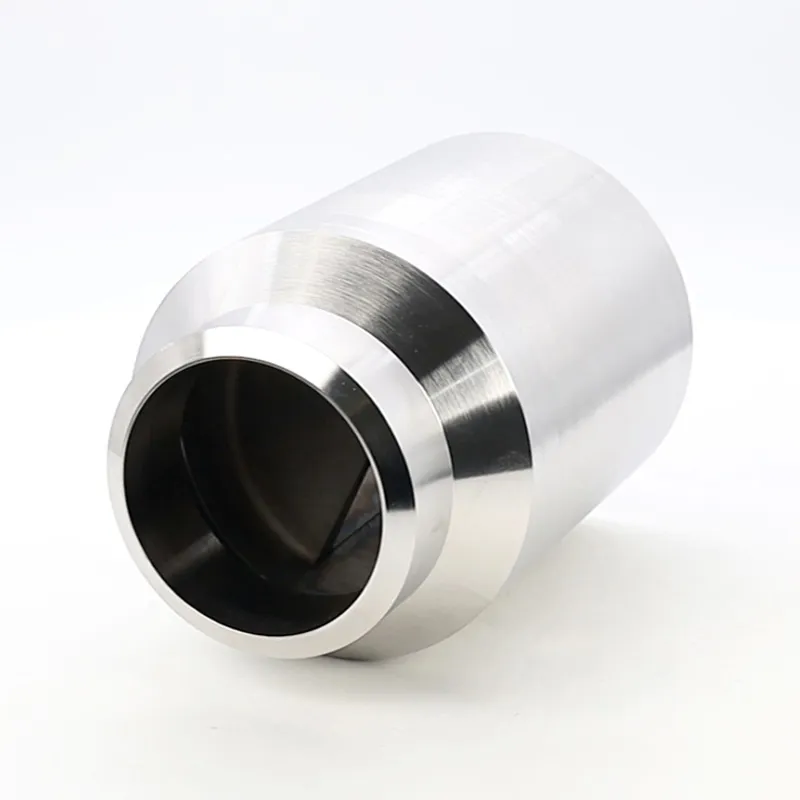
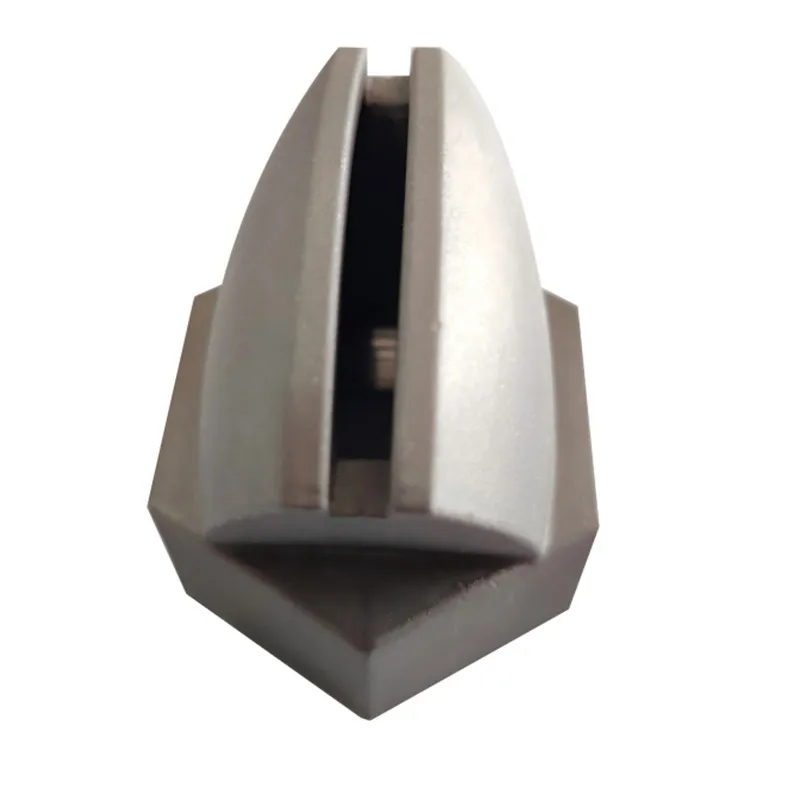
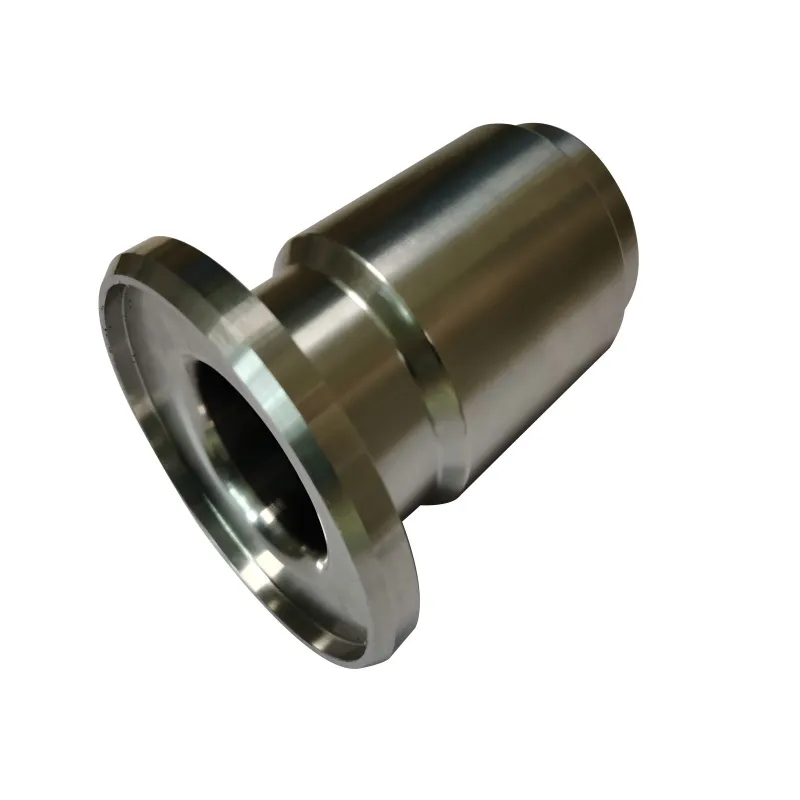
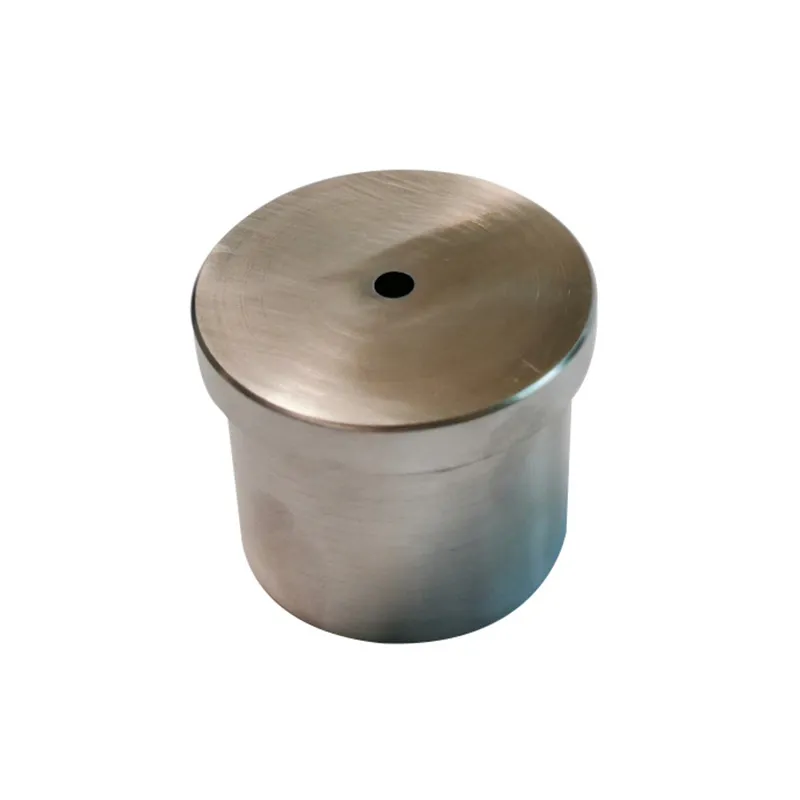
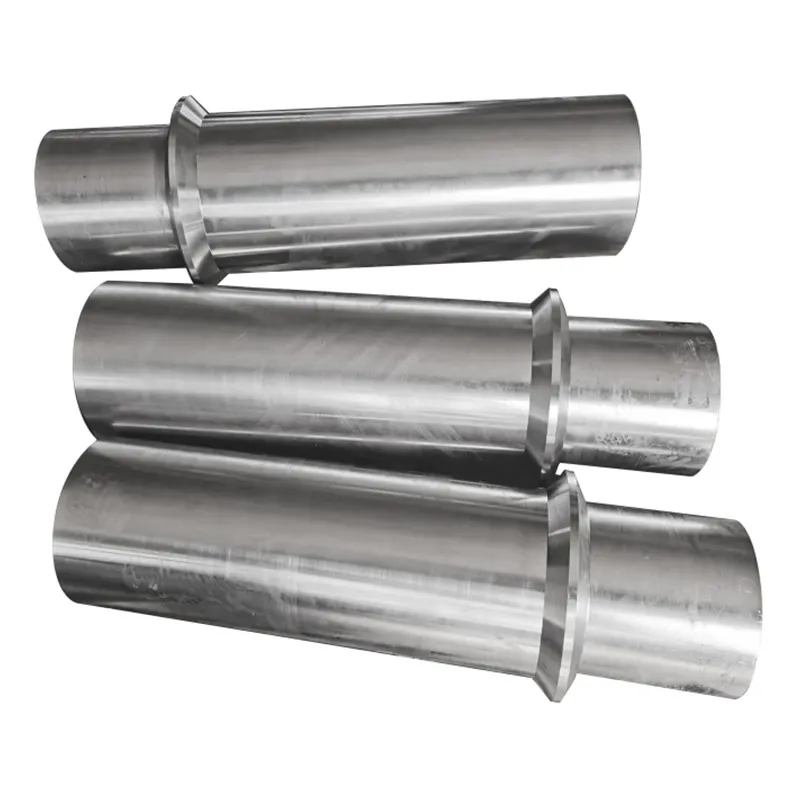
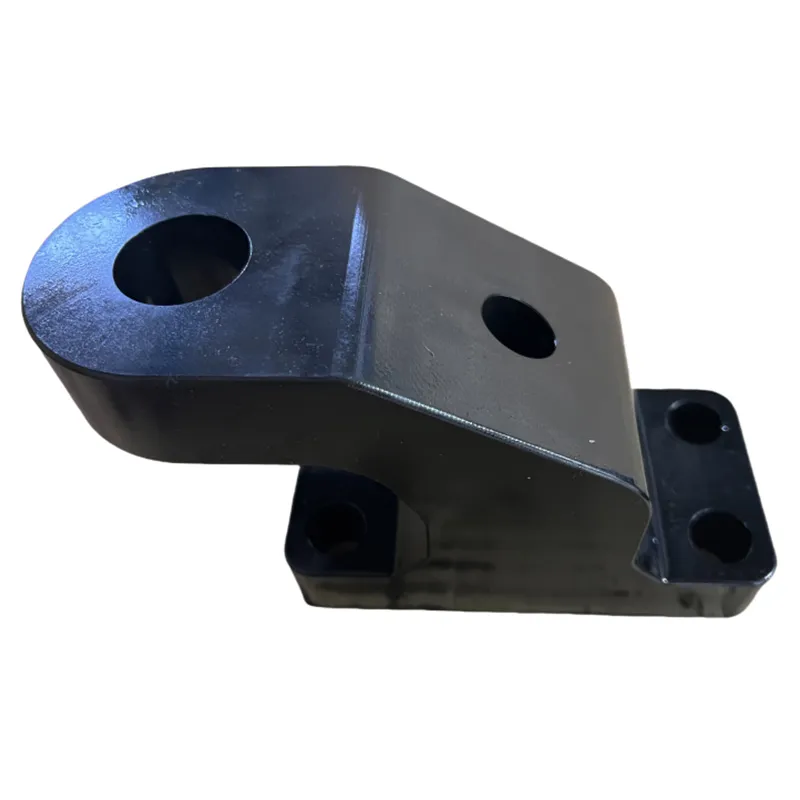
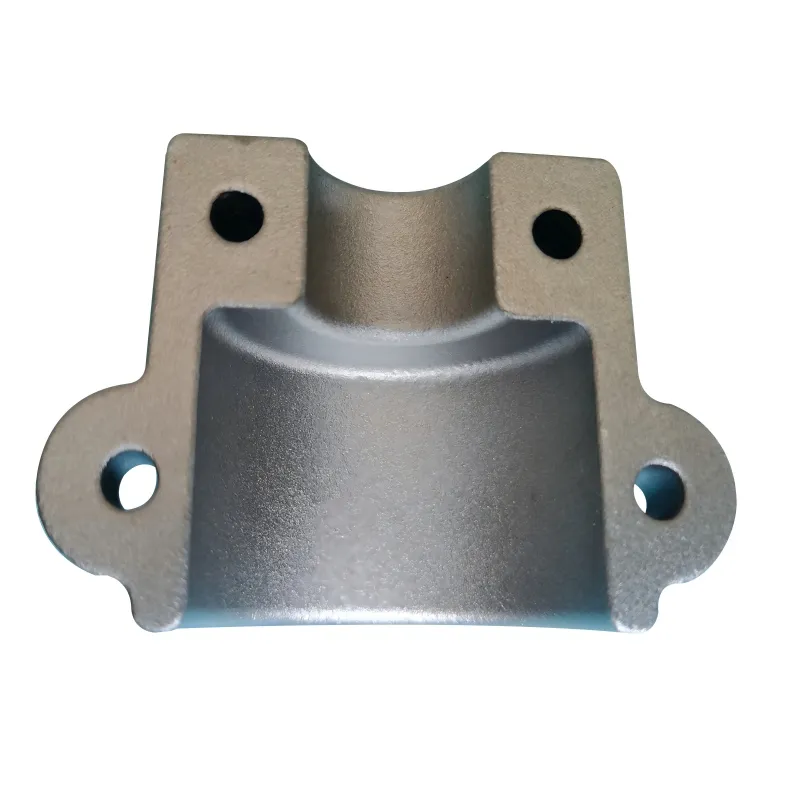
When most people hear 'turbine blades', they picture these sleek, shiny airfoils spinning in a jet engine or a power plant. The common misconception is that it's all about the aerodynamic shape. While that's critical, the real story—the one that keeps engineers up at night—happens long before it sees any airflow. It's about surviving inside a literal hell: extreme heat, centrifugal forces trying to rip the metal apart, and corrosive gases. Getting the geometry right is one challenge, but making a piece of metal live reliably in that environment is where the decades of foundry and machining craft come in. That's where the real expertise of companies with deep material and processing history, like Qingdao Qiangsenyuan Technology Co., Ltd. (QSY), becomes non-negotiable. They've been in the casting and precision machining game for over 30 years, which in this field, means they've likely seen every kind of porosity, hot tear, and dimensional drift you can imagine.
The Foundation: It Starts with the Mold and the Melt
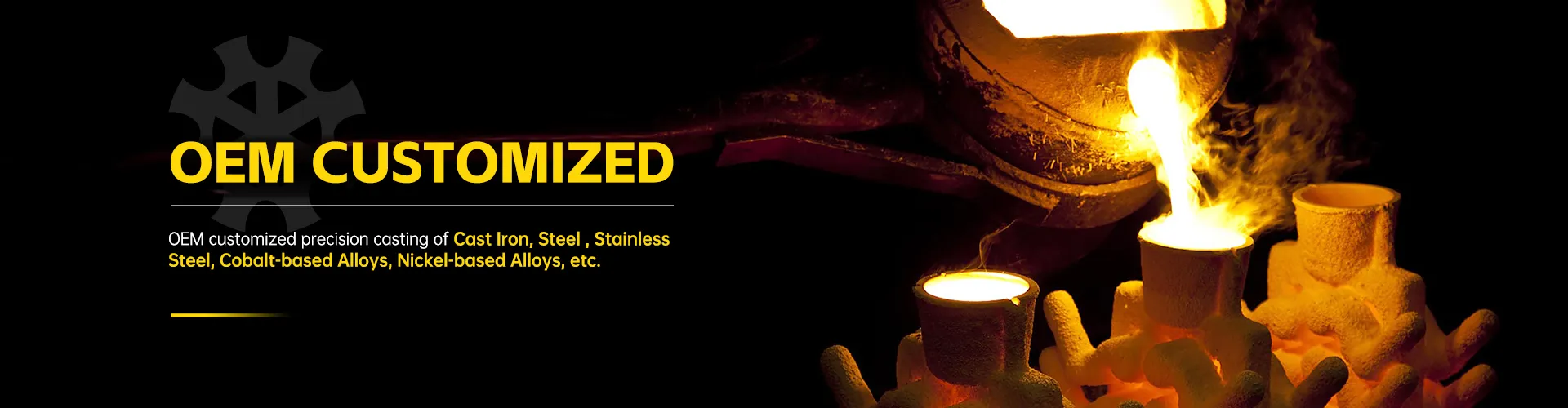
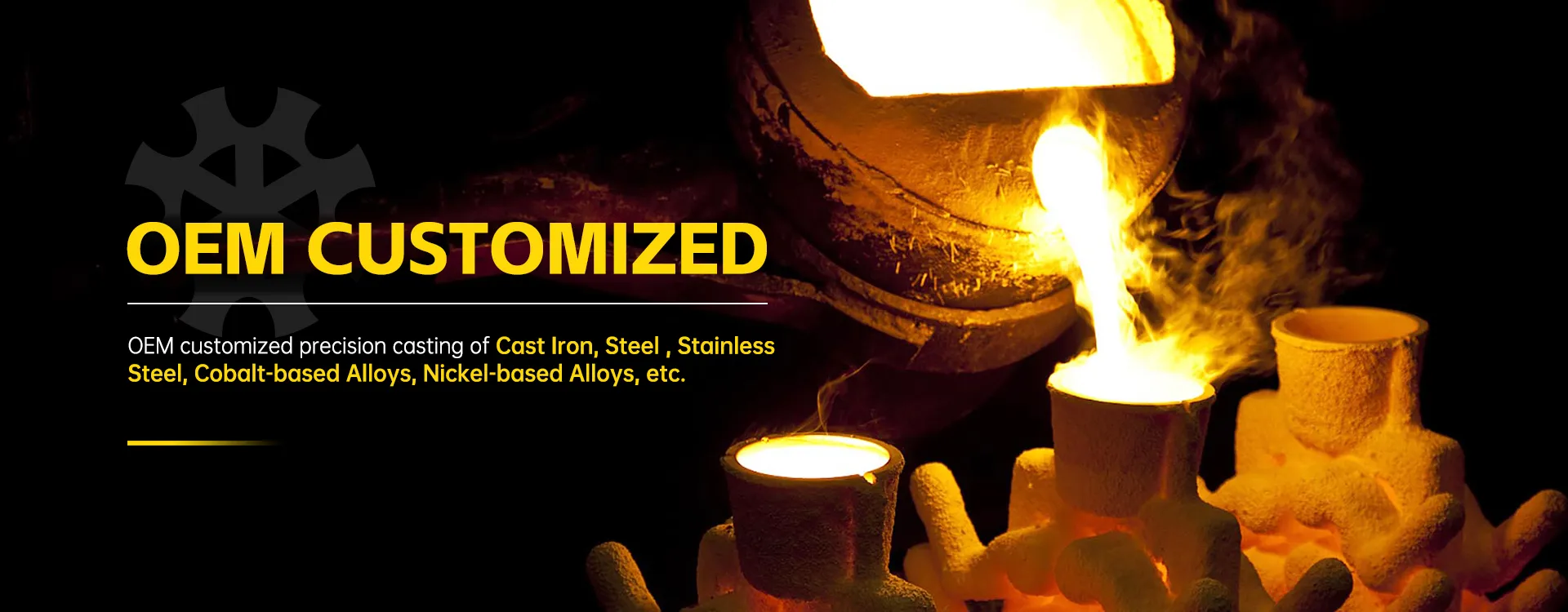
You can't machine a perfect blade from a flawed casting. It's that simple. For high-performance turbine blades, especially in aerospace or high-temperature industrial turbines, we're almost always talking about investment casting, or shell mold casting. The wax pattern process gets you the complex internal cooling channels—those serpentine passages inside the blade that are a miracle of modern engineering. But the magic, or the disaster, happens during the pour. With materials like nickel-based superalloys, the pouring temperature and the mold pre-heat need to be in a perfect dance. Too cold, and you get misruns; too hot, and you can get mold reaction or excessive grain growth. QSY's long focus on shell mold and investment casting for special alloys isn't a marketing line; it's the foundational step. I recall a project years back where we had consistent issues with micro-porosity in the blade root area—the part that locks into the disk. It turned out the gating system design from the pattern shop was slightly off, causing turbulent fill in that critical high-stress zone. Took weeks of trial runs with different sprue designs to fix it.
Then there's the material itself. Stainless steel is a vast category, but for many industrial gas turbine blades, you're moving into cobalt or nickel-based alloys. These aren't your everyday metals. They're viscous when molten, they shrink in specific ways, and they're brutally hard on tooling later. The choice between a directionally solidified casting or even a single-crystal casting is a fundamental cost-vs-performance decision made right here. The foundry's ability to control the solidification front is everything. A company's 30-year tenure, like QSY's, suggests they've built up the tacit knowledge—the kind not in manuals—on how to handle these finicky melts for different blade sizes and applications.
Post-cast, the first critical check isn't dimensional. It's radiographic and ultrasonic inspection. Looking for those internal defects. You can have a blade that looks perfect on the outside but has a cluster of porosity right along the leading edge. That's a time bomb. The foundry and the machining shop need to be in sync here, because if NDT finds a flaw in a critical area, the part is scrap. No amount of CNC magic can fix a subsurface void.
The Machining Tightrope: Holding Tolerances on a Distorted Part
This is where the rubber meets the road. A cast turbine blade blank is not a nice, stress-free block of aluminum. It's a distorted, hard-as-hell airfoil-shaped object with residual stresses from cooling. The first machining op, often the root (fir-tree or dovetail), sets the datum for everything that follows. If you don't establish that reference correctly, the entire aerodynamic profile will be off. We use specialized fixtures that clamp on the airfoil surfaces without deforming them, which is a trick in itself. The clamping force has to be just enough to hold it against cutting forces, but not so much it springs back later.
CNC machining these alloys is a slow, expensive process. You're not taking deep cuts. It's about high spindle speeds, precise feed rates, and premium carbide or ceramic tooling that wears out surprisingly fast. The sound of the cut changes when the tool starts to go—you get a higher-pitched whine. A good machinist listens for it. Coolant pressure and placement are critical too, especially when milling the thin trailing edge. You can't let heat build up, or you induce thermal stresses that warp the part after unclamping. I've seen a batch of blades where the trailing edge dimensions were perfect on the CMM right after machining, but shifted by a few thou after sitting overnight. That was a coolant delivery issue; we were flooding it but not getting the stream right into the cut zone on that thin section.
This is the value of a vertically integrated provider. When the casting and CNC machining are under one roof, like at QSY's operation, the feedback loop is short. If the machinists find a consistent hard spot or a shift in dimensions traceable to a casting characteristic, they can walk back to the foundry and adjust the process. Trying to do this between two separate vendors involves weeks of emails, blame-shifting, and delays.
Surface Integrity: More Than Just Smoothness
After machining, the surface isn't ready. The milling and grinding leaves a micro-layer of disturbed material, often with tiny tears or residual tensile stress. For a part under cyclic loading, this is a prime site for crack initiation. That's why processes like shot peening are mandatory. It bombards the surface with small media to induce a compressive stress layer, effectively closing the door on surface cracks. But it has to be controlled—the intensity, the coverage, the angle. Peening the thin leading edge too aggressively can peen it right out of shape.
Then there are coatings. Thermal Barrier Coatings (TBCs) are the ceramic topcoat you often see giving blades that matte, slightly rough texture. But beneath that is usually a bond coat, like MCrAlY (M being nickel or cobalt), applied via plasma spray or HVOF. This bond coat is what provides oxidation resistance and adheres the TBC. The preparation for this coating is another precision step. The surface needs a specific roughness profile (often through grit blasting) for mechanical adhesion, and it must be utterly clean. Any oil residue will cause delamination later. I remember a failure analysis where a blade shed its TBC in service. The root cause? A change in the cleaning solvent before coating that left a faint, non-visible film. Took months to trace it back.
For some blades, especially in the hotter sections, you might also have the cooling holes drilled via EDM or laser. These holes are tiny, often angled, and their placement and edge quality are vital for forming the protective cooling film over the blade surface. Drilling a hole that breaks out slightly off-position can disrupt that film and create a local hot spot.
The Real-World Compromises and Failure Modes
Textbook designs rarely survive first contact with reality. A classic trade-off is between aerodynamic efficiency and manufacturability. The designer might want a beautifully thin, sculpted airfoil with a tight radius on the trailing edge. The foundry engineer will say it's impossible to cast without a high scrap rate due to mistuns. The machinist will say it's too fragile to fixture and machine without chatter or bending. The compromise often ends up being a slightly thicker section, or a design tweak to allow for a more robust tooling path. This is the constant negotiation.
Failure modes are instructive. Fatigue failure often starts at the root serrations or at the junction of the airfoil and platform. Creep—the slow, permanent deformation under heat and stress—shows up as a gradual elongation and untwist of the blade over thousands of hours. Erosion from particulates in the intake stream can wear away the leading edge, like sandblasting. But one of the sneakiest ones is fretting wear at the root contact faces with the turbine disk. Microscopic movement under load causes wear, which can lead to stress concentration and crack initiation. That's why the precision of those root features, machined by a capable CNC shop, is so vital—to minimize that initial micro-movement.
You learn to respect the entire chain. A perfect casting ruined by a bad machining setup. A perfectly machined blade compromised by an uncontrolled coating process. It's a chain with many links, and the overall reliability is only as good as the weakest one. This is why partnering with a supplier that controls multiple links, from the melt to the finished machined component, reduces risk. It's not just about convenience; it's about process accountability.
Looking Ahead: The Constant Push
The field never stands still. There's always a push for higher temperature capability to improve engine efficiency, which drives new alloy development and more aggressive internal cooling channel designs. Additive manufacturing (3D printing) is now in the mix for prototyping complex cooling geometries that are impossible to cast. But for high-volume, high-reliability production, investment casting paired with precision CNC machining is going to be the workhorse for a long time to come. The knowledge isn't just in the software or the machine tools; it's in the collective memory of the engineers and technicians who have run thousands of heats, set up thousands of fixtures, and analyzed hundreds of failed parts.
That's the intangible asset. When you look at a company's profile, like the one for Qingdao Qiangsenyuan Technology (QSY) at tsingtaocnc.com, the key line isn't just the list of services like investment casting and CNC machining. It's the over 30 years part. In this business, that timeline implies they've navigated these material challenges, solved these distortion problems, and built the necessary quality controls. They've probably machined everything from massive industrial power turbine blades to smaller, intricate ones for auxiliary units. That experience translates directly into fewer unknowns and fewer surprises during production—which, for something as critical as a turbine blade, is what you're ultimately paying for.
So next time you see a turbine blade, forget the shiny surface for a second. Think about the journey: the precise ceramic mold, the controlled pour of a superalloy at blinding heat, the slow, careful removal of metal by a CNC program to uncover the final form, and the surface treatments that armor it for battle. It's a masterpiece of applied metallurgy and mechanical craft, where every micron of deviation tells a story.