When people talk about 'types of precision machining', they often just list processes like milling, turning, grinding. That's not wrong, but it misses the point. The real story is about choosing the right process for the material in your hands and the tolerance on the drawing, and how those processes often have to work together. I've seen too many designs that specify a surface finish only achievable by grinding, but the part geometry makes clamping for grinding nearly impossible. That's where the real 'types' come into play—not just the machines, but the sequence and the purpose.
It Starts with the Casting: The Foundation for Machining
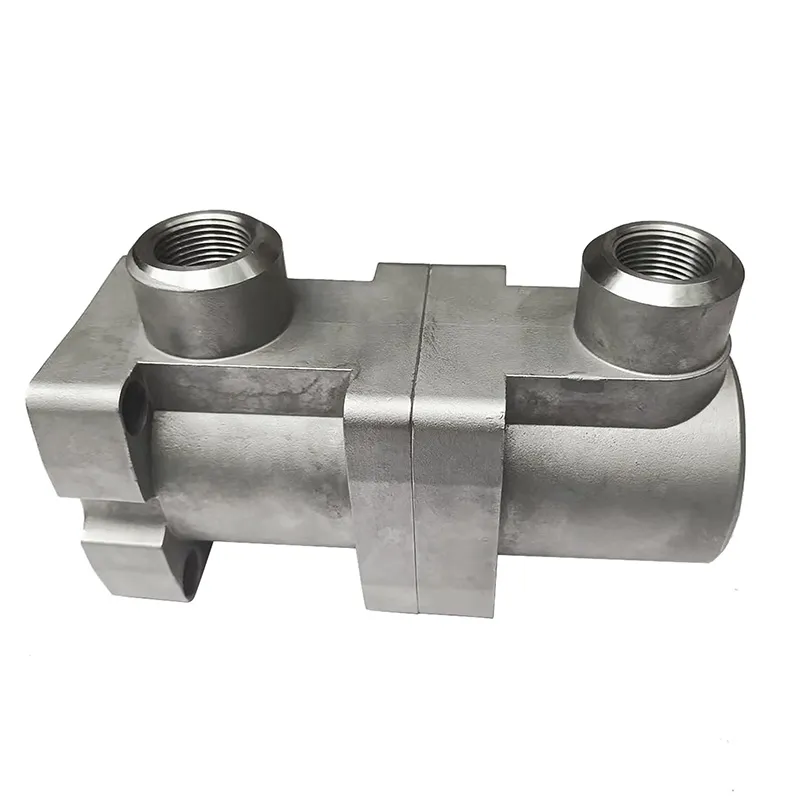
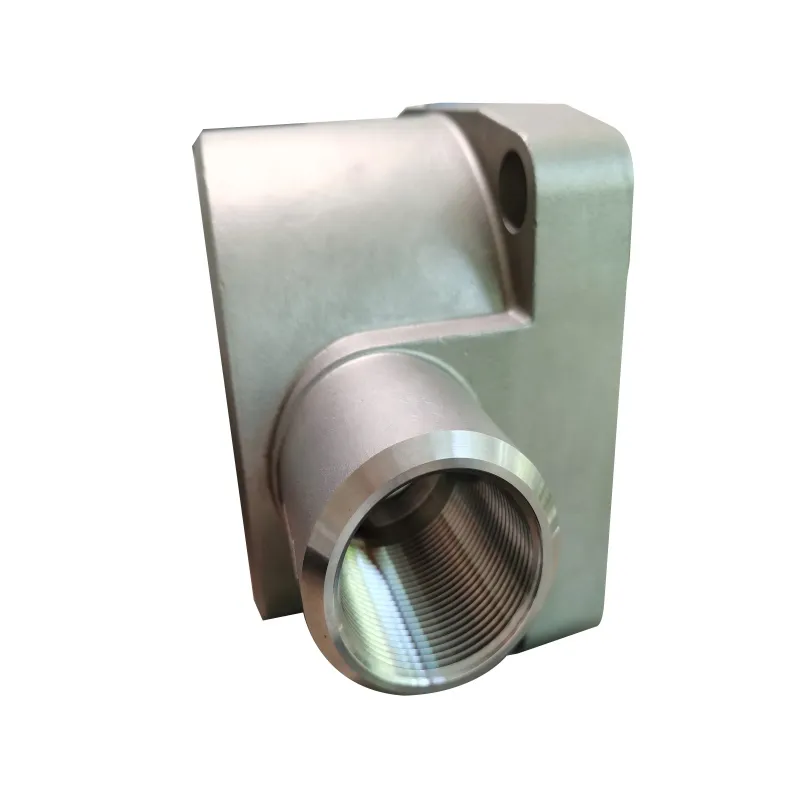
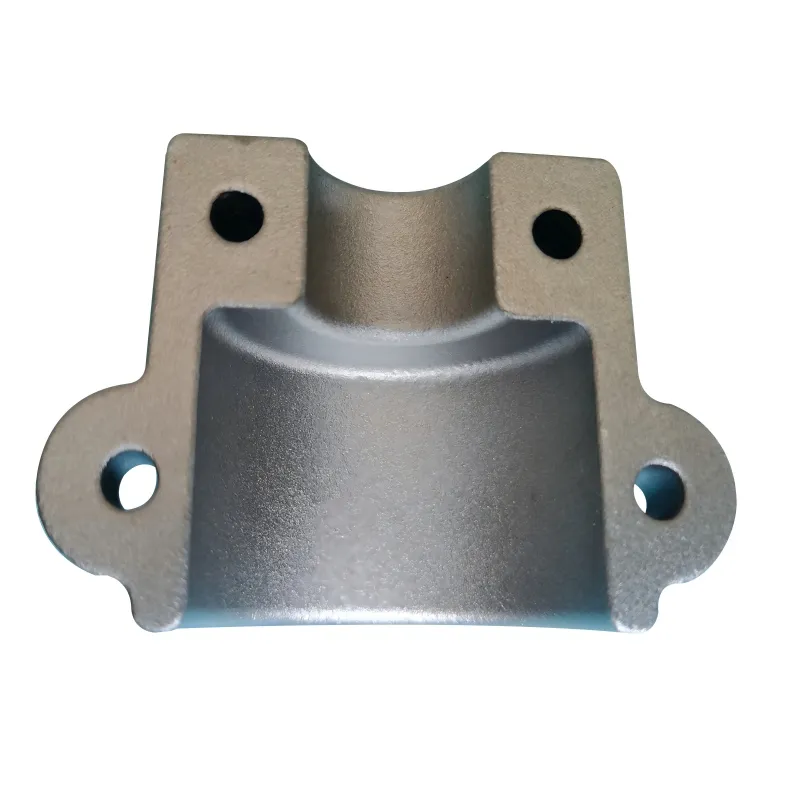
This might seem obvious, but you can't talk about precision machining in our context without starting with the casting. A bad casting guarantees a machined part full of headaches. I've worked with suppliers who treat casting and machining as separate worlds, and the result is always extra cost and time. A company that gets this right, like Qingdao Qiangsenyuan Technology Co., Ltd. (QSY), operates differently. With over 30 years in both casting and machining, they understand that a good shell mold or investment casting isn't just about shape; it's about providing a consistent, sound base with minimal residual stress. Machining a part from their cobalt-based alloy investment casting is a different experience than starting with a wrought bar stock—the machining parameters, the tool wear, everything changes.
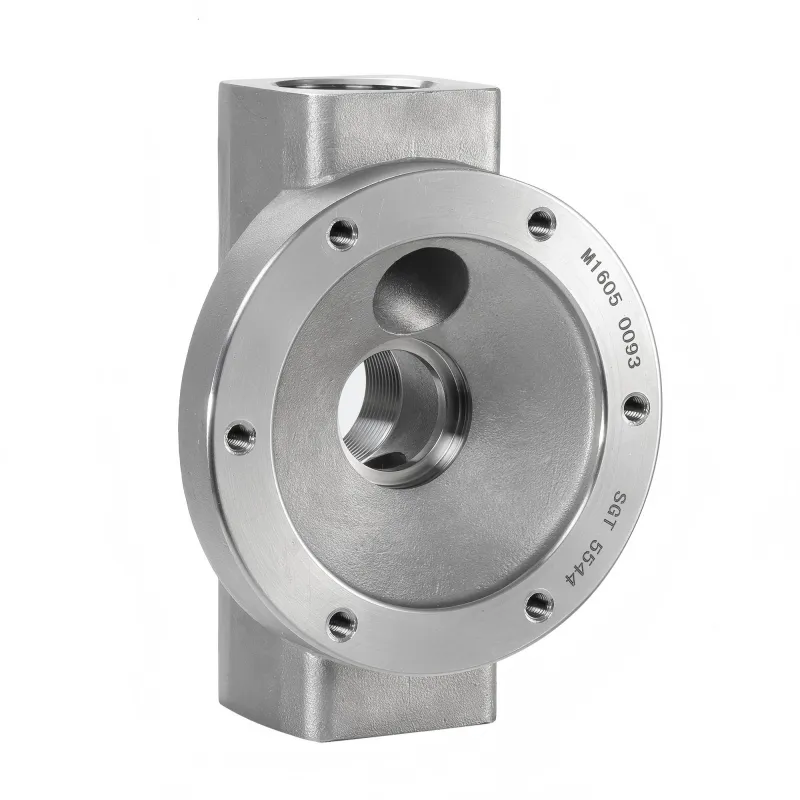
Their approach with materials like ductile iron or 316 stainless steel is to consider the machining from the pattern stage. The draft angles, the parting lines, they're all placed with a machinist's eye. This isn't theoretical; it's about avoiding a scenario where you're trying to take a heavy cut on a thin casting wall, causing vibration and ruining the finish. I recall a pump housing project where the initial casting design had a critical sealing surface in a location that was almost unmachinable. It was only because the foundry (one with integrated machining like you'd find at tsingtaocnc.com) was involved early that we redesigned the core to allow for proper tool access.
The synergy is key. Their specialization in both shell mold casting and CNC machining under one roof means the process planning is integrated. The casting isn't just a blank; it's the first, crucial step in the precision machining sequence. This eliminates a lot of the guesswork and blame-shifting that happens when sourcing from separate vendors.
CNC Machining: The Workhorse and Its Nuances
Now, onto the main event. When we say CNC machining, it's a broad church. For high-volume, relatively simpler parts from their castings, multi-axis milling centers are the go-to. But the term 'precision' here is relative. Holding ±0.05mm on a steel bracket is one thing; achieving ±0.005mm on a valve seat for a special alloy is another beast entirely.
The choice between 3-axis, 4-axis, or 5-axis isn't just about complexity; it's often about reducing setups. Every time you re-fixture a part, you introduce potential error. For a complex investment-cast turbine component in nickel-based alloy, we'd always opt for a 5-axis machine to finish critical surfaces in one setup. The cost per hour is higher, but the final part accuracy and consistency are dramatically better. I've made the mistake of trying to save money by splitting operations between 3-axis machines, and the cumulative tolerance stack-up was a nightmare to correct.
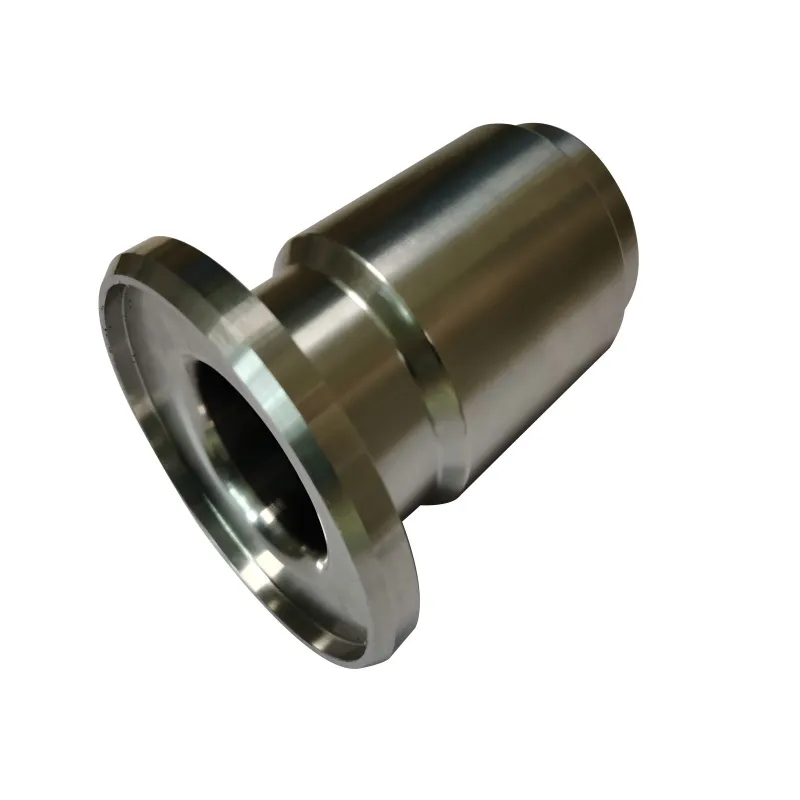
Then there's turning. For rotational parts from their cast iron or steel stock, CNC turning with live tooling is indispensable. But precision turning on stainless steel, especially the harder grades, is a dance between speed, feed, and coolant. The wrong combination leads to work hardening, which then destroys your tool and ruins the surface integrity. It's a tactile knowledge—listening to the cut, watching the chip color and form. No programming manual can fully teach that.
The Finishing Touches: Where True Precision Emerges
This is where many discussions on types of precision machining fall short. They treat milling/turning as the end. In reality, for parts that need real precision—think hydraulic manifolds, bearing seats, or sealing surfaces—that's just the semi-finish stage. Grinding is where the magic happens. But even grinding has its types: surface grinding, cylindrical grinding, centerless grinding.
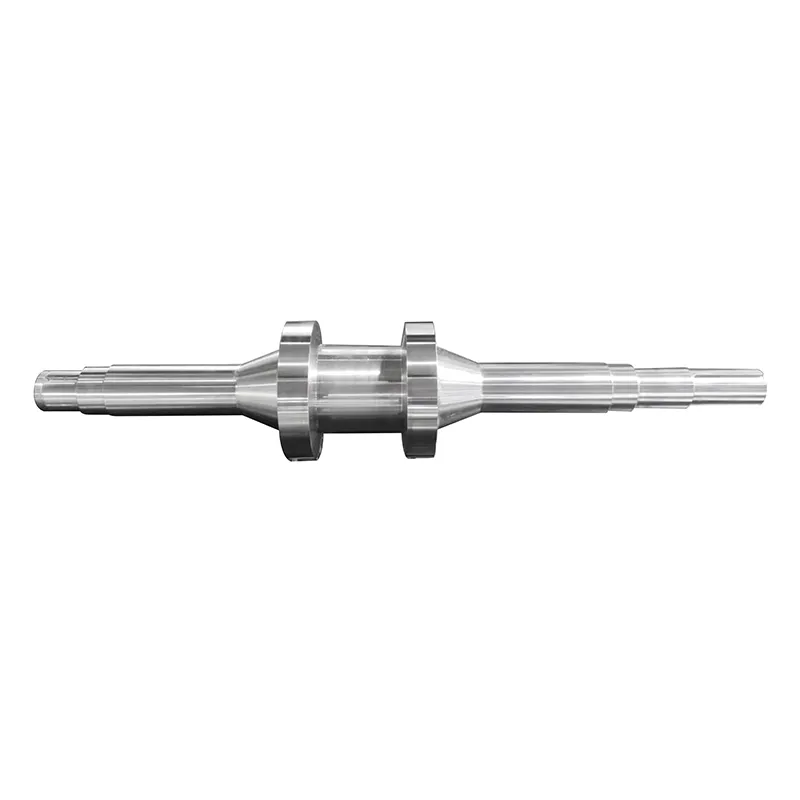
We had a project for a shaft from hardened steel. The turning got it close, but the bearing fit required a Ra 0.2μm finish and a geometric tolerance of just a few microns. That's cylindrical grinding territory. The trick was the sequence: rough turn, heat treat, finish turn, then grind. If you try to grind off too much material after heat treat, you generate too much heat and risk tempering the surface. It's a balancing act.
Sometimes, even grinding isn't enough. For ultra-smooth surfaces or to remove the microscopic peaks left by grinding, honing or lapping comes in. These are less common in general job shops but are critical in industries like fluid power or aerospace. I remember a valve spool we made that kept sticking after grinding. The problem was a slight, sub-micron-level waviness on the cylindrical surface. The solution was a quick honing process. It didn't change the dimensions much, but it altered the surface texture just enough for perfect function. This is the nuance: precision isn't just a number; it's the right characteristic for the application.
Material is the Dictator
You can't separate the type of machining from the material. Working with QSY's common materials like cast iron is forgiving; it machines beautifully, produces short chips, and is kind to tools. Steel is tougher but predictable. Stainless steel, especially the austenitic grades, is gummy and prone to built-up edge. You need sharp tools, positive rake angles, and maybe a different coating.
But the real challenge is their specialty: cobalt-based and nickel-based alloys. These are the stuff of nightmares for an unprepared machinist. They work-harden rapidly, are highly abrasive, and their thermal conductivity is poor, so heat concentrates at the cutting edge. For these, everything changes. Speeds are lower, feeds might be higher to get under the work-hardened layer, and carbide grade selection is critical. We learned the hard way that using a standard TiAlN coated end mill on a Stellite part just resulted in a melted tool and a scrapped casting. Switching to a specialized grade with high cobalt content and a different geometry was the only way. This is where a supplier's experience, like the 30 years noted for Qingdao Qiangsenyuan Technology Co., Ltd., becomes tangible—they've likely burned through enough tools to know what works.
Coolant strategy becomes paramount here. High-pressure, through-tool coolant isn't a luxury; it's a necessity to break the chips and carry heat away. Sometimes, for finishing passes on these superalloys, we'd even use a minimum quantity lubrication (MQL) approach to achieve a better surface finish without thermal shock. There's no one-size-fits-all.
Putting It All Together: The Real-World Sequence
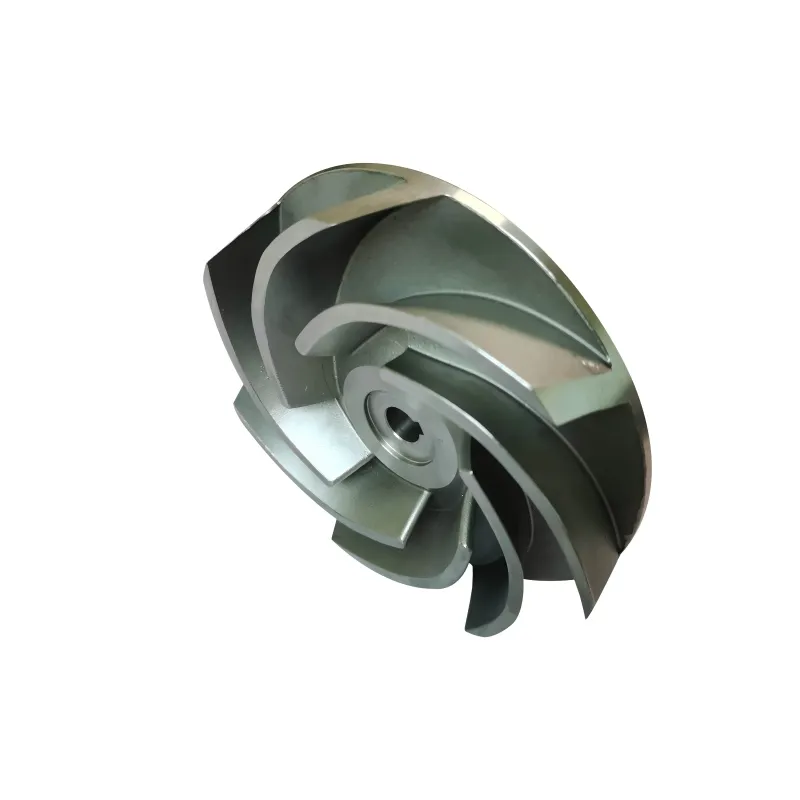
So, what does a typical precision machining process look like for a complex part? Let's take a hypothetical but very real pump impeller in duplex stainless steel, coming from an investment casting. First, the casting from the foundry needs to be evaluated. Maybe a quick shot blasting to clean it up. Then, it goes to a CNC lathe for turning the bore and the back face—this establishes the primary datum. Next, it's moved to a 4 or 5-axis mill. Here, the blades, the front shroud, and any ports are machined. This is heavy, interrupted cutting, so tool stability is key.
After that, maybe there's a stress relief step if the machining has been aggressive. Then, back to the lathe or a grinder for finishing the critical sealing surfaces and the bore to final tolerance. Finally, deburring, cleaning, and maybe a passivation process for the stainless steel. Throughout this, inspection is interleaved—after the first op, after roughing, after finishing. You can't inspect quality into a part at the end.
The point is, the 'types' of precision machining are these stages, each chosen for a reason. It's a flow. A shop that only does milling might produce a part, but a shop that understands the entire chain, from the casting method to the final honing, like an integrated operation, produces a reliable component. The failures I've seen often come from disconnects in this chain—a machingist pushing feeds too high to save time, ruining the subsurface for the next grinding step, or a heat treat process that wasn't accounted for in the machining allowances.
In the end, categorizing by machine type is a start. But true expertise lies in understanding how these processes interact, how materials dictate their rules, and how the foundation—a well-made casting—makes all the subsequent precision not just possible, but economically viable. That's the perspective you gain from being in the shop, not just reading a catalog.