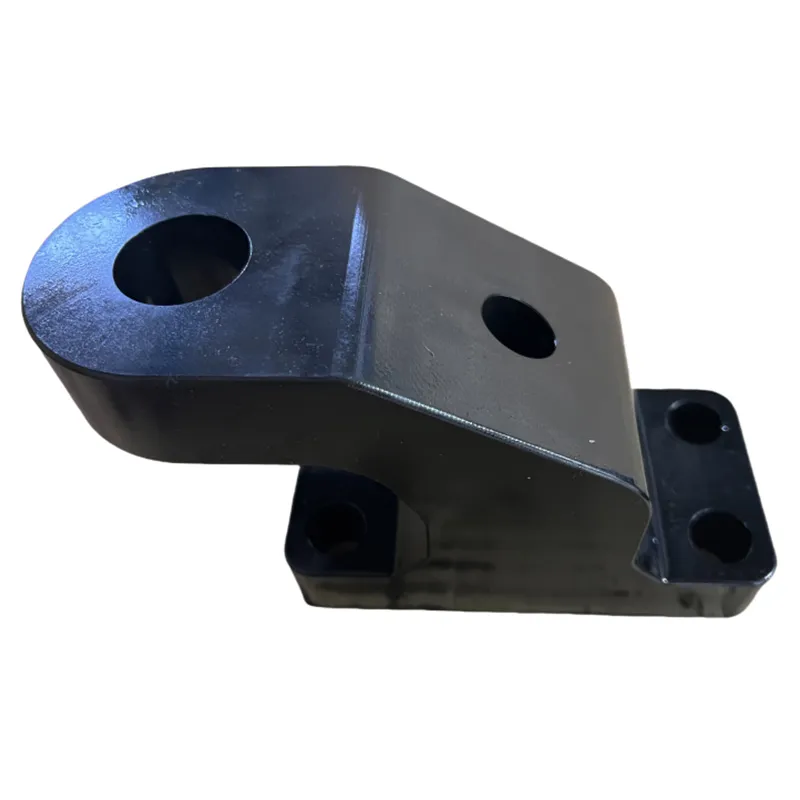
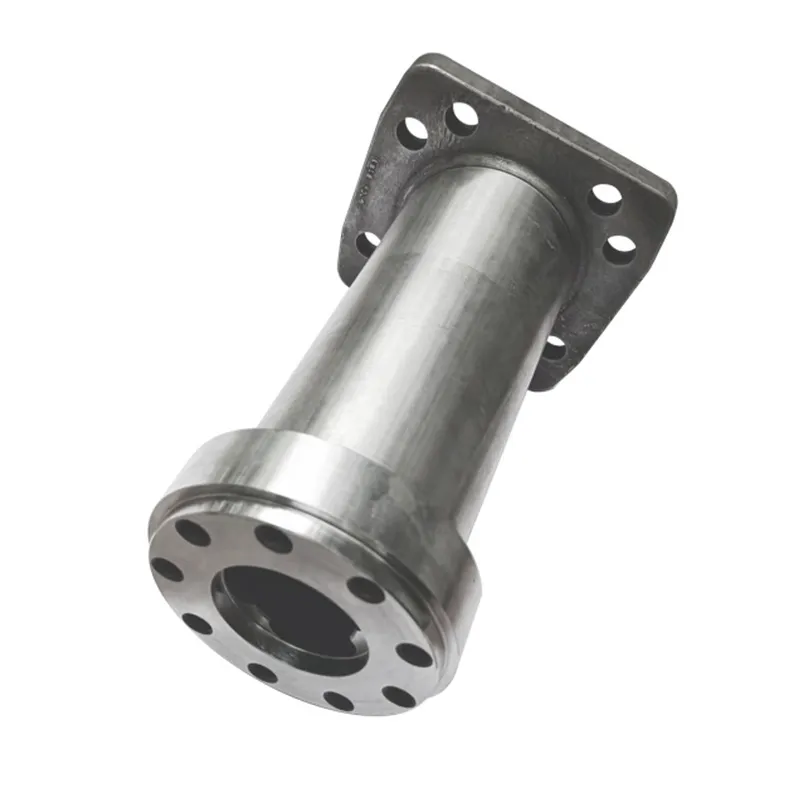
When you hear 'ultra precision machining', most folks immediately picture a pristine, temperature-controlled room with a multi-axis machine humming away. That's part of it, sure, but it's also where the common misconception starts. It's not just about the machine's nameplate or its theoretical resolution. The real challenge, the part that keeps you up at night, is holding that sub-micron tolerance not on a perfect aluminum test block, but on a hardened, asymmetrical Inconel 718 turbine component after the 30th piece, when thermal drift, tool wear, and even the coolant's temperature start whispering in your ear. That's the gap between the spec sheet and the shop floor. I've seen too many projects stumble by treating it as a simple 'buy the best machine, get the best parts' equation. It's a system, a discipline, and frankly, a bit of an art.
The Foundation: It Starts Before the Spindle Turns
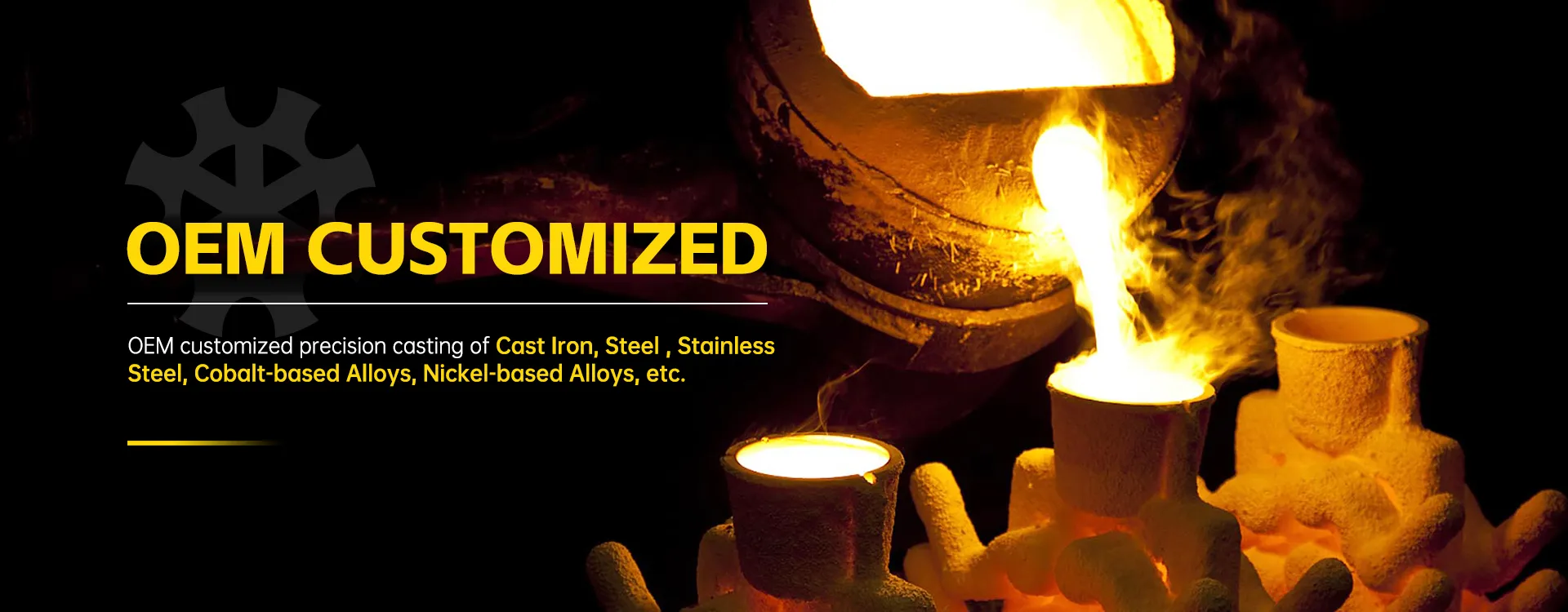
You can't talk about ultra precision machining without first talking about what you're putting into the machine. This is where decades of material experience become non-negotiable. We work with a lot of nickel-based and cobalt-based superalloys at our facility. These aren't your standard 304 stainless blocks. The casting process—whether it's the shell mold or investment casting we do—sets the stage. Internal stress, grain structure, even minor porosity from the casting can become catastrophic flaws when you're taking passes measured in microns. A perfect CNC program is useless if the blank has hidden tensions that release mid-cut. So, our first rule is to treat the machining process as the final, critical step in a much longer chain. The foundry and the machine shop can't be silos; they have to speak the same language of thermal history and stress relief.
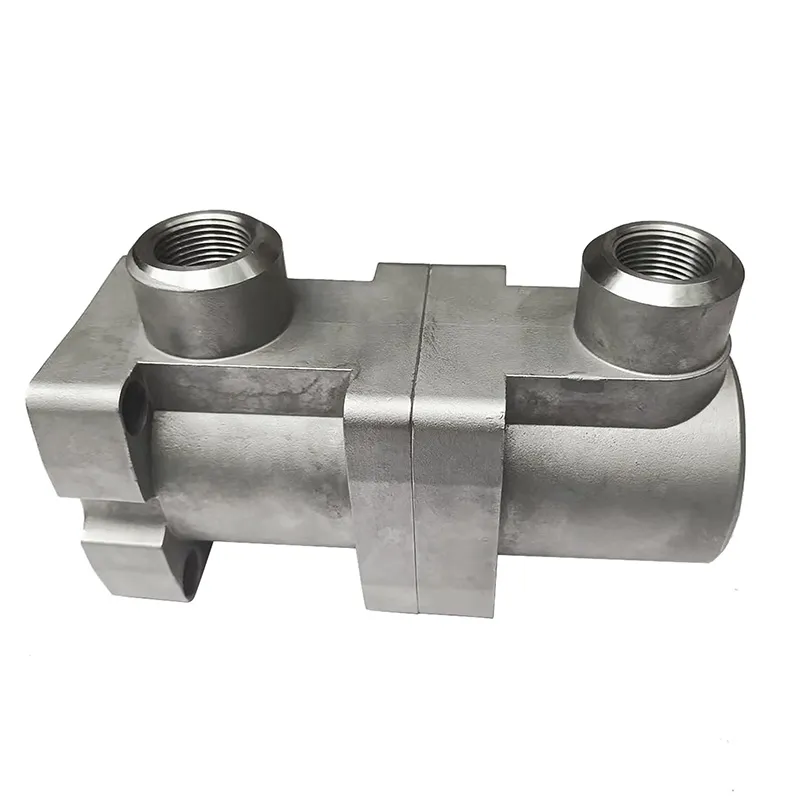
I recall a project for a sensor housing in Monel K-500. The prints called for a 0.005mm true position tolerance on some deep, small-diameter bores. The investment castings looked beautiful. But during the first article run, we got sporadic drift. Not much, but enough to scrap the part. After two days of chasing machine geometry and tool runout, we went back to the casting data. The issue was the solution annealing cycle. It was consistent, but the fixturing during heat treat created a barely measurable but consistent directional stress. The fix wasn't in the CNC code; it was a tweak to the racking configuration in the furnace before the casting ever saw a machine tool. That's system thinking.
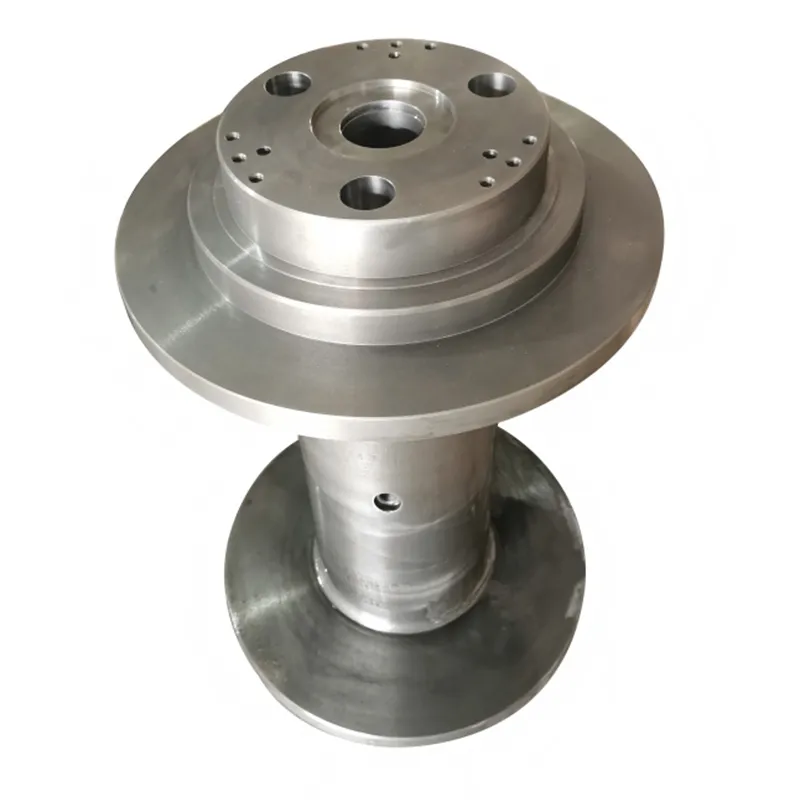
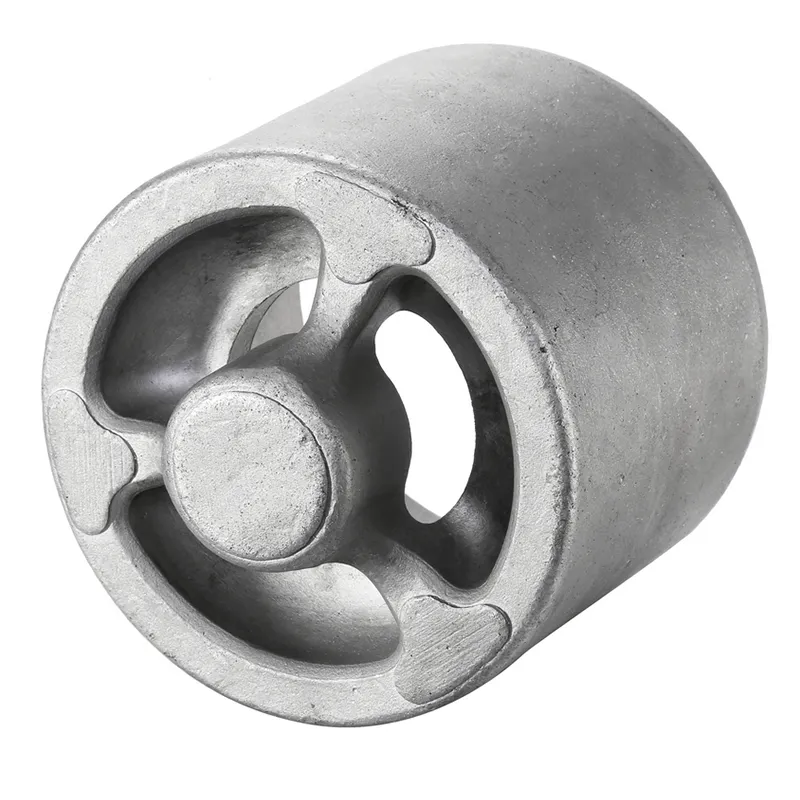
This is why a company's background matters. A shop that just buys billets off the shelf might never encounter this, or might spend weeks debugging a problem they didn't create. Our integrated approach at QSY—leveraging thirty years in both casting and machining—means we control more variables from the melt onward. It's less about fixing problems and more about designing the process to avoid them. The machining strategy for a sand-cast ductile iron valve body is worlds apart from that for a precision investment-cast stainless steel surgical component, even if the same CNC machining center runs both.
The Machine is Just the Actor; The Process is the Director
Alright, so you have a stable, predictable blank. Now the machine. The obsession is always on the newest, fastest, most accurate model. And don't get me wrong, a high-precision 5-axis mill with linear motors and sub-micron feedback is a marvel. But it's a temperamental marvel. The real work is in the ancillary systems and the environmental control. Your foundation matters more than the brochure specs. A monolithic granite base isn't a luxury; it's a necessity. The floor it sits on needs to be decoupled from ambient vibration—forklifts, other machines, even traffic outside can be a factor.
Then there's temperature. The rule of thumb is that a 1°C change in a meter of steel is about 11.5 microns of expansion. When you're working at the ultra precision level, that's a mountain. We maintain a ±0.5°C envelope in our precision cell. But it's not just the room air. The coolant temperature is actively controlled. The spindle is warmed up with a specific cycle to reach thermal equilibrium. We even let the raw material sit in the cell for 24 hours to normalize. You're not just machining metal; you're managing its entire thermal reality.
Tooling is another rabbit hole. Off-the-shelf carbide end mills won't cut it, pun intended. We're talking diamond-turned tool holders, balanced to G2.5 or better. The tool presetter isn't a nice-to-have; its calibration is as critical as the CMM's. And tool wear compensation isn't a scheduled event; it's a continuous, real-time consideration based on spindle load monitoring and surface finish analysis. You develop a feel for it. The sound of the cut changes, almost imperceptibly, before the numbers on the monitor tell you. That's the 'art' part—knowing when to trust the sensor and when to trust your gut, which is really just years of pattern recognition.
Measurement: The Unforgiving Judge
This is where dreams meet reality. You can believe your machine's positioning feedback all you want, but the part is only as good as your ability to measure it. In ultra precision machining, your metrology equipment must be an order of magnitude more precise than your target tolerances. A CMM with a stated uncertainty of 1.5 microns is barely adequate for holding 5-micron features. We rely heavily on optical comparators with laser scanning and form testers for critical geometries like true position and profile of a surface.
The environment I mentioned for machining? It's doubly true for measurement. The CMM room has its own, even tighter thermal controls. You handle parts with gloves, not just to keep oils off, but to prevent your body heat from distorting them during the 15-minute measurement cycle. I've seen a 50mm diameter gauge pin fail certification because the inspector held it in his bare hand for too long before calibration.
The most humbling lessons come from measurement disagreements. We once had a customer reject parts based on their in-house CMM data, while ours showed them well within spec. After a week of tension, we discovered the root cause: different fitting algorithms in the two CMM software packages for establishing the datum reference frame. Both were correct mathematically, but they interpreted the imperfect real-world surface differently. The solution was to align on the measurement protocol first, before a single part was cut. Now, for critical jobs, we often share measurement plans and even simulate them. It turned a confrontation into a collaboration.
When It Doesn't Work: The Value of Failure
Nobody likes to talk about scrap, but in pushing the limits of precision, you learn more from the rejects than the successes. Early on, we took on a job for a research institute needing beryllium-copper mirrors with a surface finish better than 10Ra nanometers. We thought our processes were dialed in. We failed. Spectacularly. The material was a nightmare—toxic, required special handling, and was incredibly gummy. Our beautiful diamond tools loaded up immediately. Coolant, which was essential for heat control, left residues that ruined the finish during cleaning.
That project was a pivot point. We didn't just give up. We had to go back to first principles. We ended up implementing a near-dry machining (MQL) system for that specific material class and switched to a different diamond tool coating. The breakthrough came from talking to a tooling supplier who had experience in the optical industry, not our usual aerospace or medical contacts. It was a reminder that ultra precision machining isn't a single domain; techniques from semiconductors, optics, and watchmaking can cross-pollinate. That painful, expensive lesson now informs how we approach all exotic, gummy materials, from certain special alloys to high-performance plastics.
The Human Factor in a Digital Process
With all this talk of automation and environmental control, it's easy to think the operator's role is diminished. I'd argue the opposite. The skill set changes, but it becomes more critical. The programmer isn't just writing G-code; they're building a thermal model in their head, anticipating stress, selecting not just a toolpath but a heat path. The machine operator is less a button-pusher and more a systems monitor, watching for the subtle signs—a slight change in coolant flow sound, a tiny variation in chip color—that indicate something is drifting out of parameter.
At Qingdao Qiangsenyuan Technology Co., Ltd. (QSY), this depth is what our 30-year history is really about. It's the accumulated tribal knowledge. It's the veteran machinist who can listen to a spindle and say, The front bearing preload feels light, before any vibration analysis flags it. It's the quality engineer who knows that a specific lot of material, even within spec, might need a 5% reduction in feed rate based on a gut feeling from a similar job five years ago. This isn't replacing science with superstition; it's human intuition built on a foundation of deep, repetitive observation. You can't automate that. You can only cultivate it through time and trust.
So, when we look at a complex component drawing—say, a cobalt-chrome alloy orthopedic implant with porous surfaces for bone integration next to mirror-finished articulation surfaces—we're not just seeing geometries and tolerances. We're seeing a story. We see the investment casting tree it will grow on, the delicate EDM operation to separate it, the multi-stage heat treatment, and finally, the delicate, final ultra precision machining passes that will define its function. Every step informs the last. That's the reality behind the buzzword. It's not a single operation; it's a philosophy of control, from the raw material to the final inspection report.