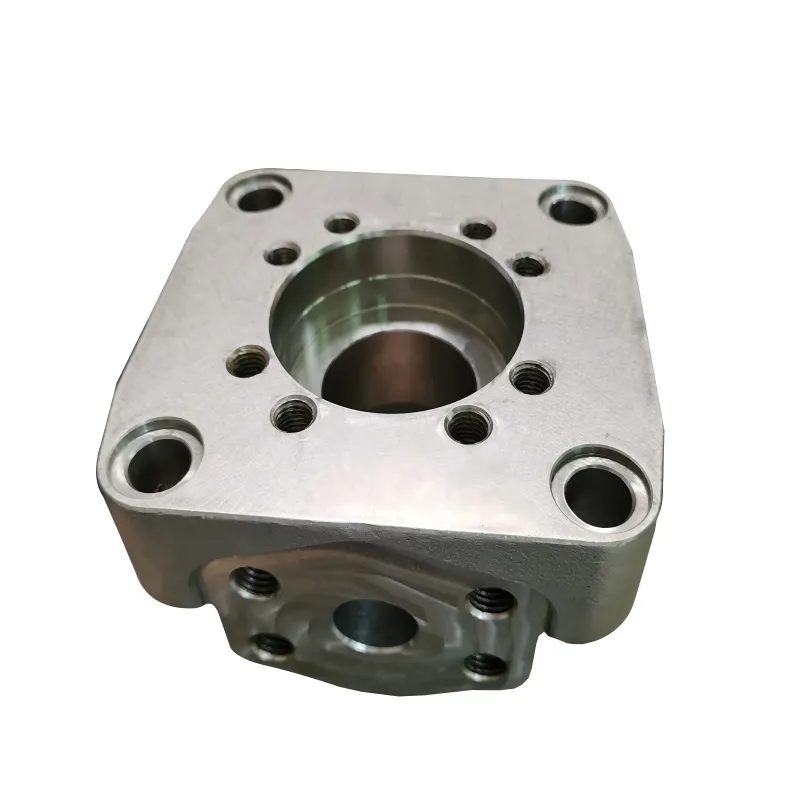
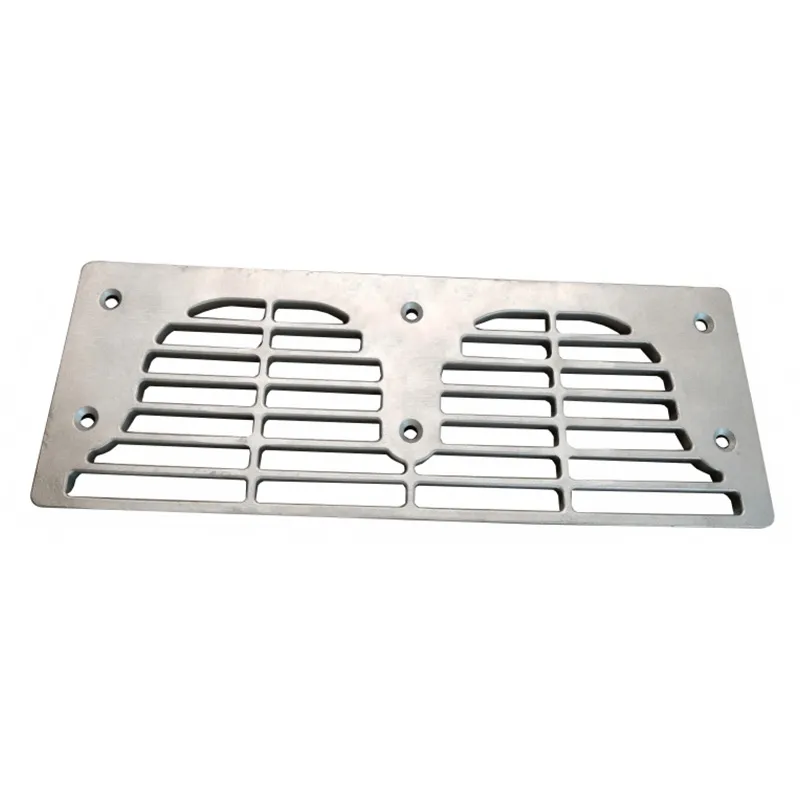
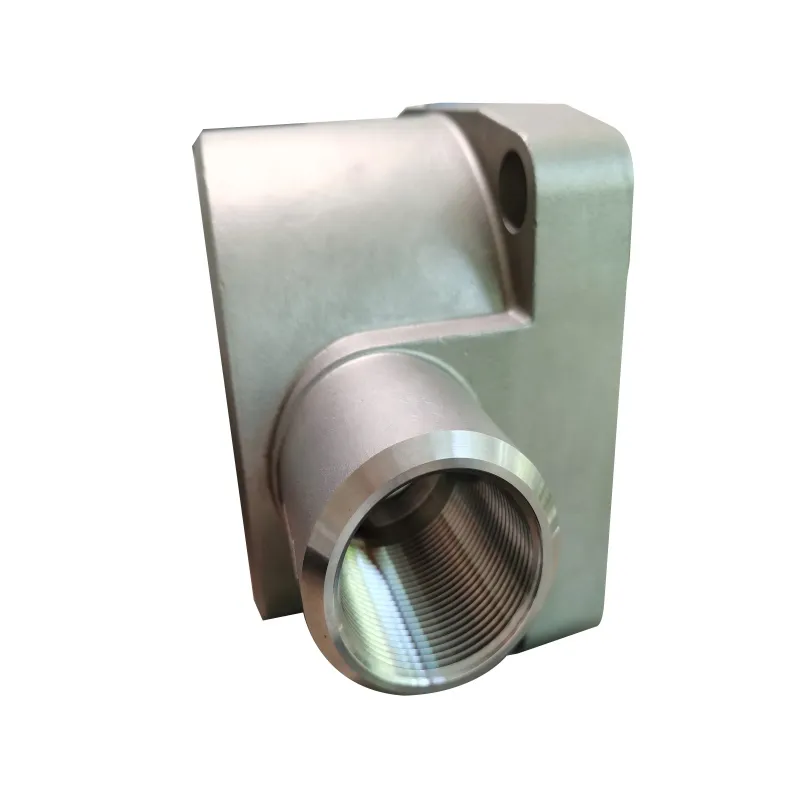
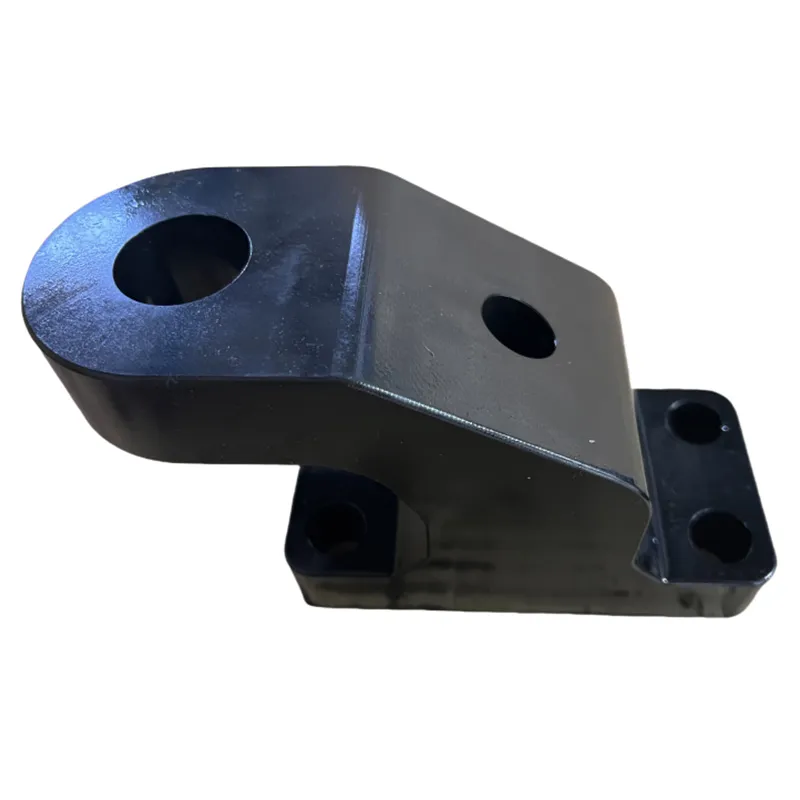
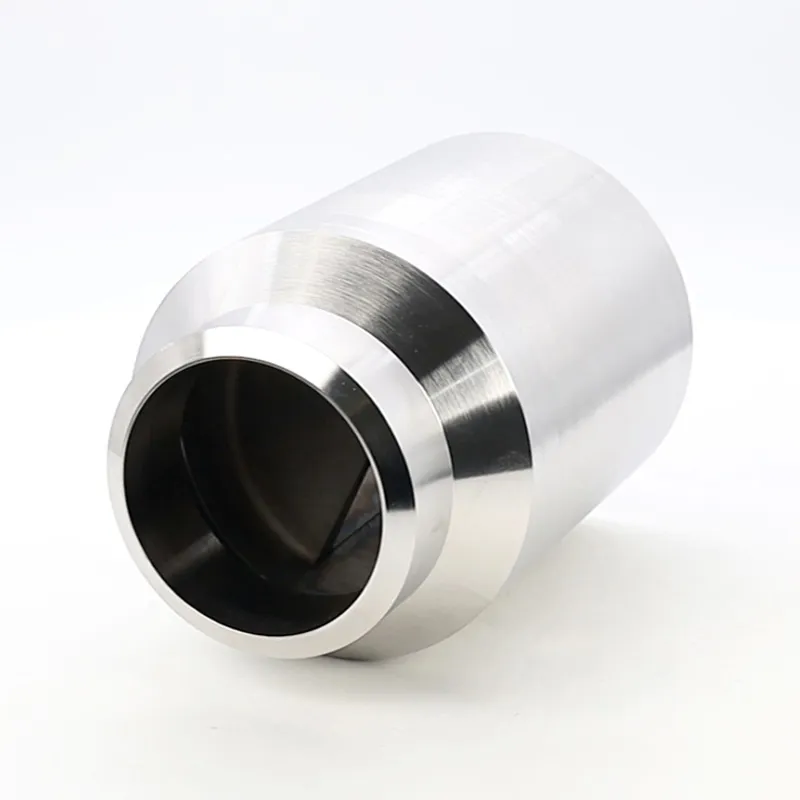
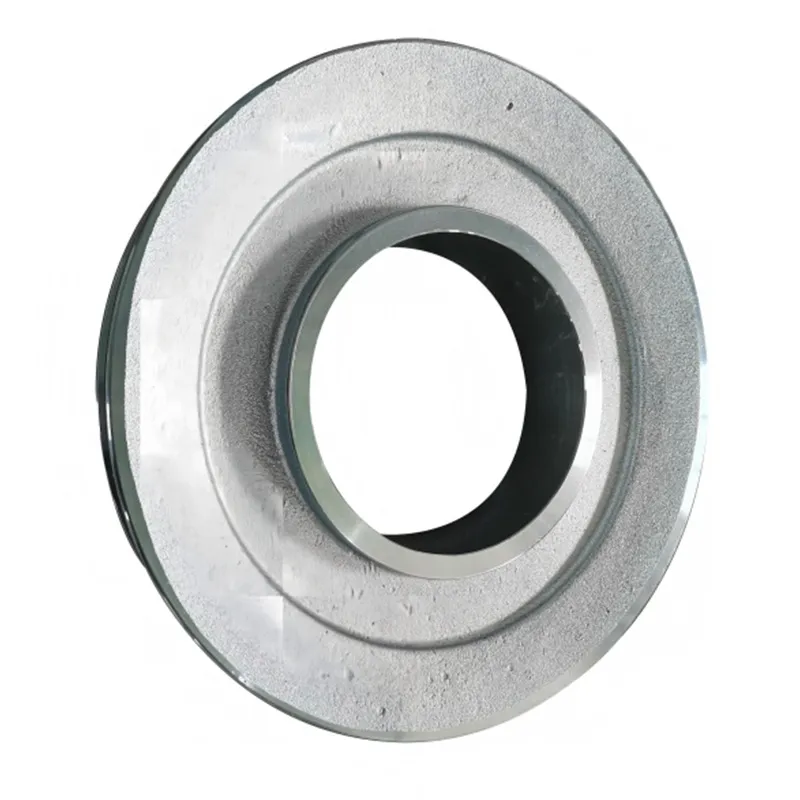
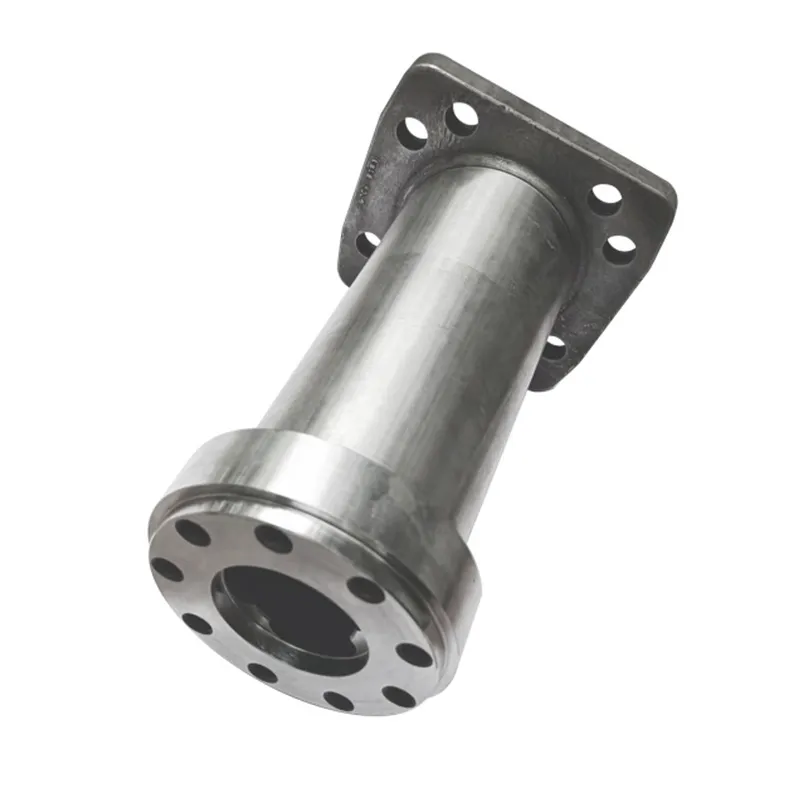
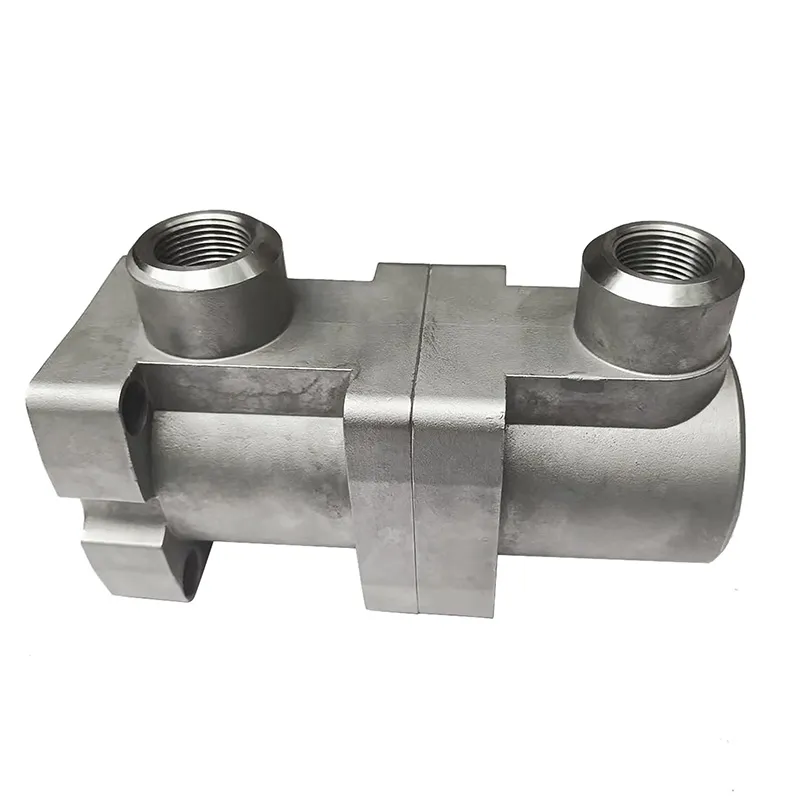
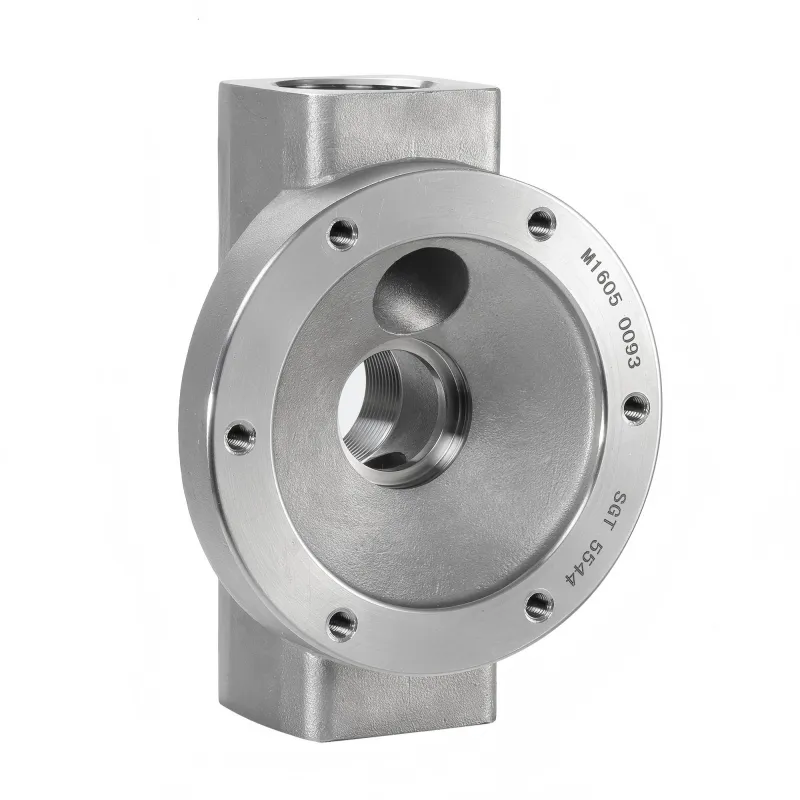
You know, when most people hear 'valve body,' they picture a generic, heavy block with some holes drilled in it. That's the first big mistake. In our line of work at Qingdao Qiangsenyuan Technology Co., Ltd. (QSY), we've seen that mindset lead to all sorts of downstream issues—premature wear, leakage, catastrophic system failure. The reality is, a valve body is the foundational chassis; its integrity dictates everything. It's not just about containing pressure; it's about precise flow paths, thermal stability under crazy gradients, and resisting corrosion from media you wouldn't believe. Getting it wrong is expensive, and I've got the scrapped parts to prove it.
The Casting Conundrum: Where It All Starts (or Stops)
Everyone wants to jump straight to the CNC machining tolerances. I get it, that's the sexy part. But if your casting is garbage, no amount of fancy machining will save it. This is where our three decades in shell mold and investment casting really bite. For a valve body destined for high-pressure steam or corrosive chemicals, the internal soundness is non-negotiable. A microscopic shrinkage cavity you can't even see on an X-ray? That's a future fatigue crack waiting to happen. We learned this the hard way early on with a batch for a petrochemical client. The parts passed initial pressure tests, but failed in-situ after a few thermal cycles. The root cause? Inconsistent cooling in a thick section of the investment casting process. It wasn't a design flaw; it was a process control hiccup.
That's why material selection isn't a checkbox. Stainless steel is a starting point, not a solution. Is it 304 for general corrosion, or 316 for chlorides? For extreme heat and sulfidation, you're looking at Inconel 625 or Hastelloy C-276—those nickel-based alloys we specialize in. The casting technique shifts completely. With these superalloys, the pour temperature, mold pre-heat, and cooling rate have to be in a perfect dance. A slight deviation and you get segregation, brittle phases. The valve body might look perfect, but it'll crack during machining or, worse, in service. We spend more time qualifying our process parameters for each new alloy than we do on the actual production run for the first article.
I remember a project for a geothermal application. The spec called for a duplex stainless steel valve body. The challenge? Maintaining the near 50/50 austenite-ferrite phase balance through the casting and subsequent heat treatment to get that perfect blend of strength and chloride stress corrosion cracking resistance. Too fast a cool, and you skew the ratio. It took us four pilot batches, cutting up samples for metallographic analysis each time, to lock in the procedure. The client's engineers thought we were being overly meticulous. Until their competitor's valves, sourced from a cheaper foundry, started failing within a year. Ours are still in the ground.
Machining: Where Geometry Meets Reality
This is where the blueprint comes alive, and where most of the headaches become visible. You get a casting from the foundry floor. It looks good. Then you put it on the CMM (Coordinate Measuring Machine) after the first roughing operation, and you see the core shift. Maybe it's only half a millimeter, but when you have a complex network of intersecting bores for the valve trim, that half-millimeter is a disaster. All your datums are off. Do you try to salvage it by adjusting your machining program, potentially compromising wall thickness? Or do you scrap a $5,000 casting? These are the daily calls.
CNC machining a valve body isn't just about hitting +/- 0.01mm. It's about sequence. Do you machine the flange faces first to establish a primary datum, or do you rough out the internal cavities to relieve stress? For large, complex bodies like those for main steam isolation valves, we often do a stress-relief anneal after rough machining. You have to leave enough stock so that after the part moves slightly in the furnace, you can still clean it up in the finish passes. If you don't plan for that movement, you'll find your finish-machined seat pockets are no longer concentric.
Tooling strategy is another silent killer. Drilling deep, cross-holes for instrumentation or bleed ports in an austenitic stainless steel casting? That material loves to work-harden. Use the wrong feed/speed, or a drill that's even slightly dull, and you'll glaze the hole wall. The next tool, like a reamer, will just skate off the hardened surface, ruining the diameter and finish. We standardized on specific carbide grades and rigid coolant-fed tooling for these operations after scrapping too many nearly-finished parts. It's these minute, unglamorous details that separate a part that functions from one that excels. You can find some of our approach to these complex machining challenges on our site at https://www.tsingtaocnc.com, though the real nuance is always job-specific.
The Special Alloys Rabbit Hole
Clients come to us at QSY often because they've hit a material limit. Standard steels aren't cutting it. This is where it gets interesting, and frankly, where you earn your reputation. Cobalt-based alloys like Stellite 6, often used as hard-faced seats within the valve body, present a paradox. They're incredibly wear and corrosion-resistant, but they're a nightmare to machine. They're gummy, they abrade cutting tools, and they generate intense heat. You can't just throw a standard insert at it.
We had to develop entire custom protocols: super-slow speeds, high feeds, specialized tool geometries with extreme positive rakes, and massive high-pressure coolant to break the chip and carry heat away. Sometimes, for the hardest variants, we abandon traditional machining altogether for grinding or even EDM (Electrical Discharge Machining) on certain features. The point is, the material of the valve body itself, or the alloys you're machining into it, dictates the entire manufacturing roadmap. There's no one-size-fits-all CNC program. It's a constant process of adaptation.
And it's not just machining. Welding a nozzle or a repair patch onto a nickel-based alloy valve body requires surgical precision. Pre-heat, interpass temperature control, specific filler wires, and a rigorous PWHT (Post-Weld Heat Treatment) to restore the microstructure. Get any step wrong, and you create a zone of weakness more susceptible to failure than the original flaw. We maintain a dedicated cell for this kind of precision weld repair because it's such a critical, specialized skill. It's not factory work; it's closer to metallurgy art.
Testing & The Ghost in the Machine
Final inspection is where your confidence gets tested, not just the part. Hydro-testing to 1.5x design pressure is standard, of course. But that's a pass/fail snapshot. It doesn't tell you about long-term creep in a high-temperature service, or fatigue life. For critical applications, we push for more. Dye penetrant testing (PT) on all machined surfaces to find surface cracks. Magnetic particle testing (MT) for ferritic materials. But the gold standard, especially for thick-section investment castings, is radiographic testing (RT).
You're looking for those internal defects—shrinkage, porosity, inclusions. The acceptance criteria per ASTM E standards are brutal, and they should be. I've approved RT films where the casting had a tiny, isolated cluster of porosity well away from any pressure boundary or stress concentration. Technically, it might pass a loose spec. But if it's my name on the certification, and I imagine that valve body on a subsea Christmas tree or a nuclear coolant line, I'll often reject it. It's a judgment call. The cost of a re-make is nothing compared to the cost of a field failure. This conservative ethos is baked into our operations at QSY, born from those 30+ years of seeing what can go wrong.
Then there's dimensionals. A CMM report is just numbers. You have to read it. If all bore diameters are in spec but show a slight taper, what does that mean? Maybe the tool deflected. Maybe there's residual stress. It might be acceptable, but it flags a potential process instability for the next part. Quality isn't just about passing; it's about understanding the margin of the pass and the trend. We treat the first article inspection report like a forensic document.
Back to the Big Picture
So, after all this—the alloy debates, the casting trials, the machining headaches, the inspection angst—what do you have? You have a valve body. Just a component. But it's a component that embodies a chain of decisions, expertise, and, yes, a bit of paranoia. It's not a commodity. When you source from a shop like ours, you're not just buying a machined shape. You're buying the decades of ingrained caution that made us run that extra RT shot, the willingness to scrap and re-start, and the accumulated knowledge of how cobalt-based alloy chips should look when they're coming off the tool correctly.
The industry is full of shops that can make a shape that looks like a valve body. The trick is making the one that disappears into the system for 30 years and just works, forgotten. That's the goal. It starts with respecting the complexity hidden in that simple term, valve body, and ends with a part on a ship or in a plant that nobody ever has to think about twice. That's the real success metric, far beyond the inspection certificate.