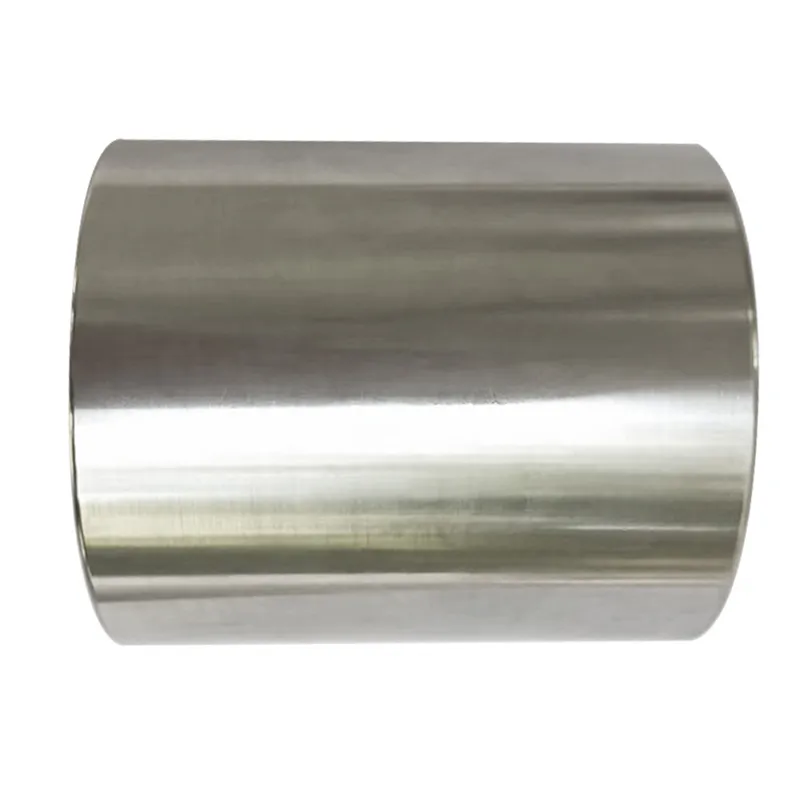
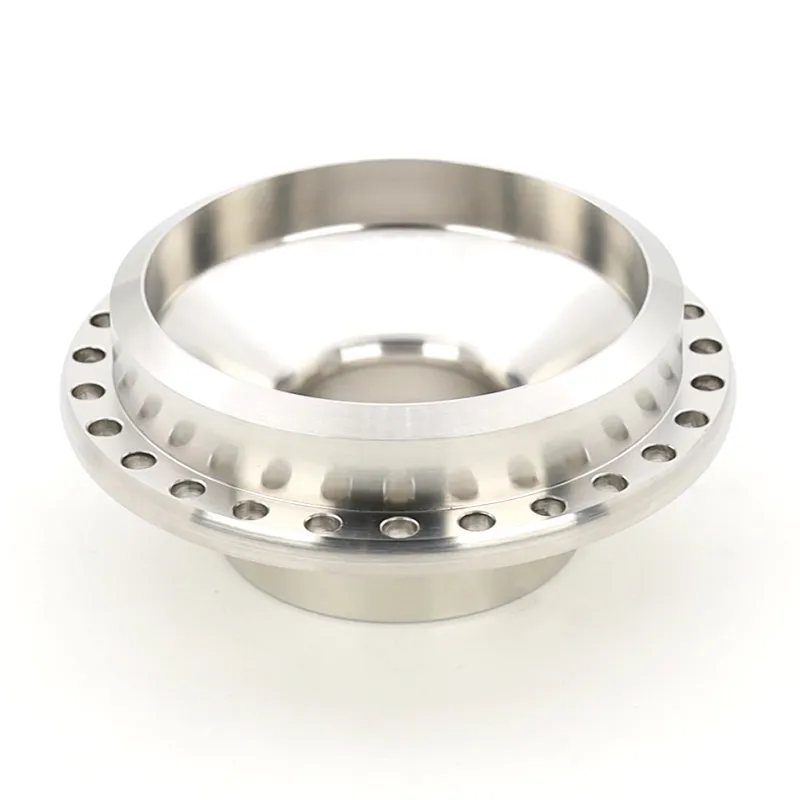
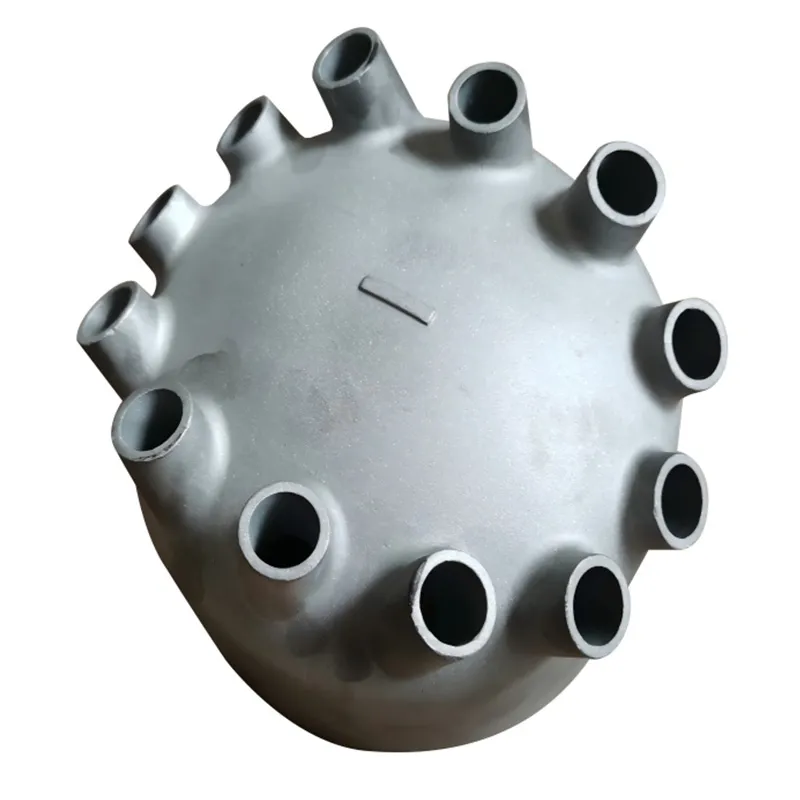
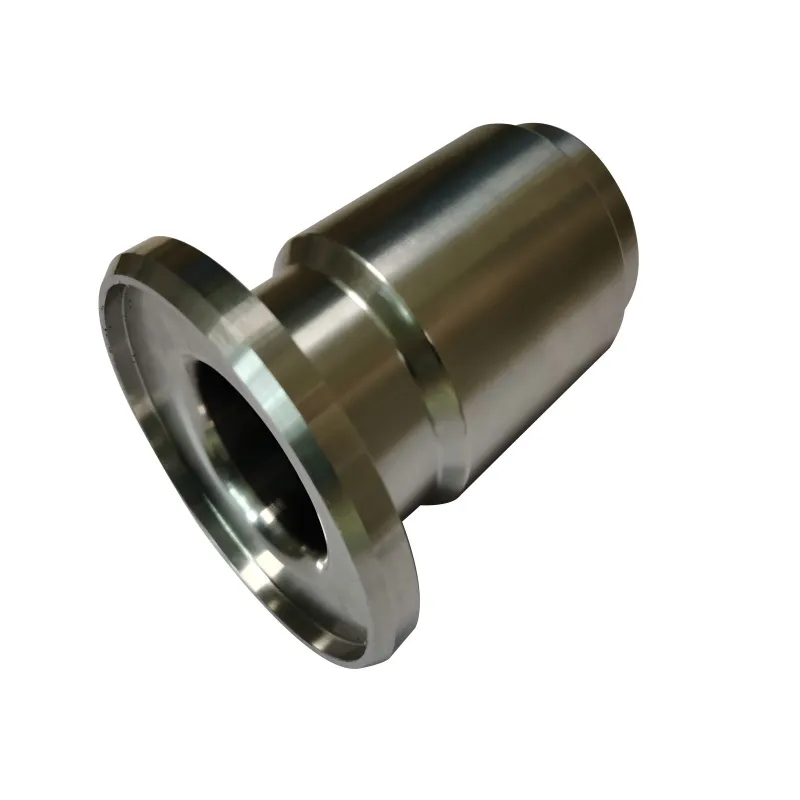
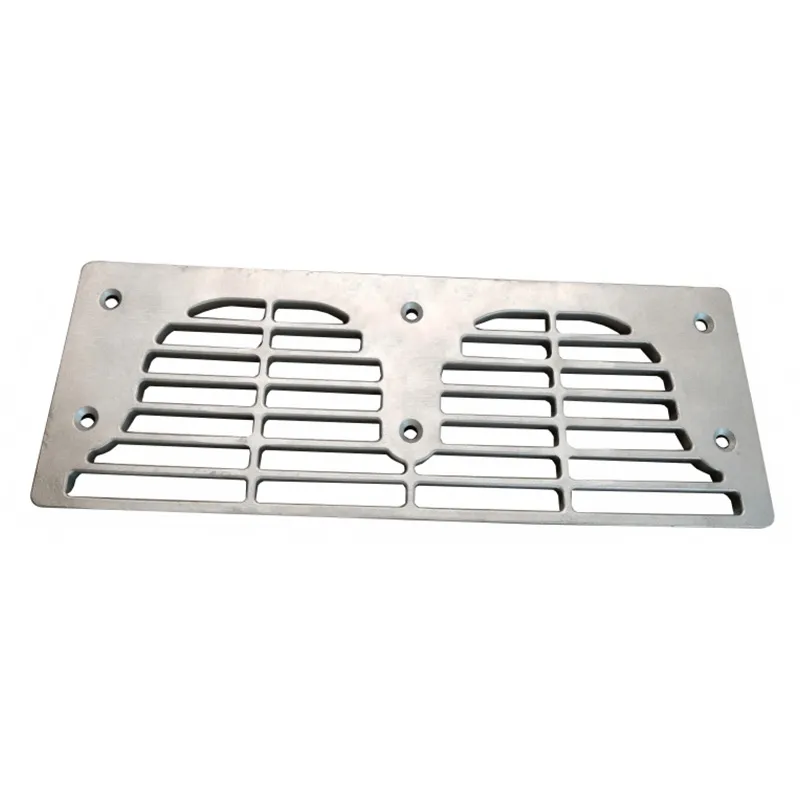
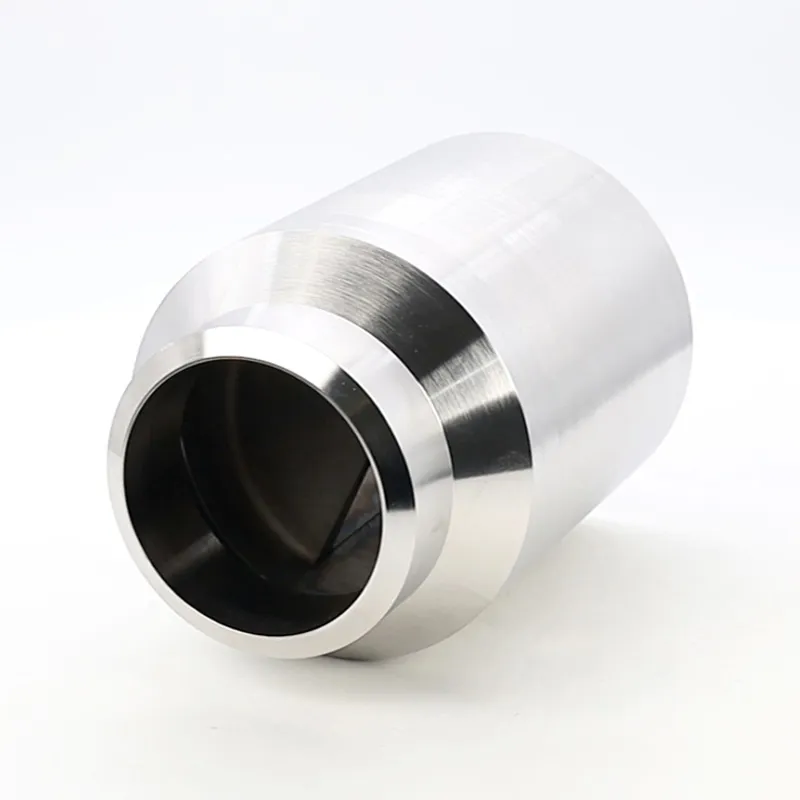
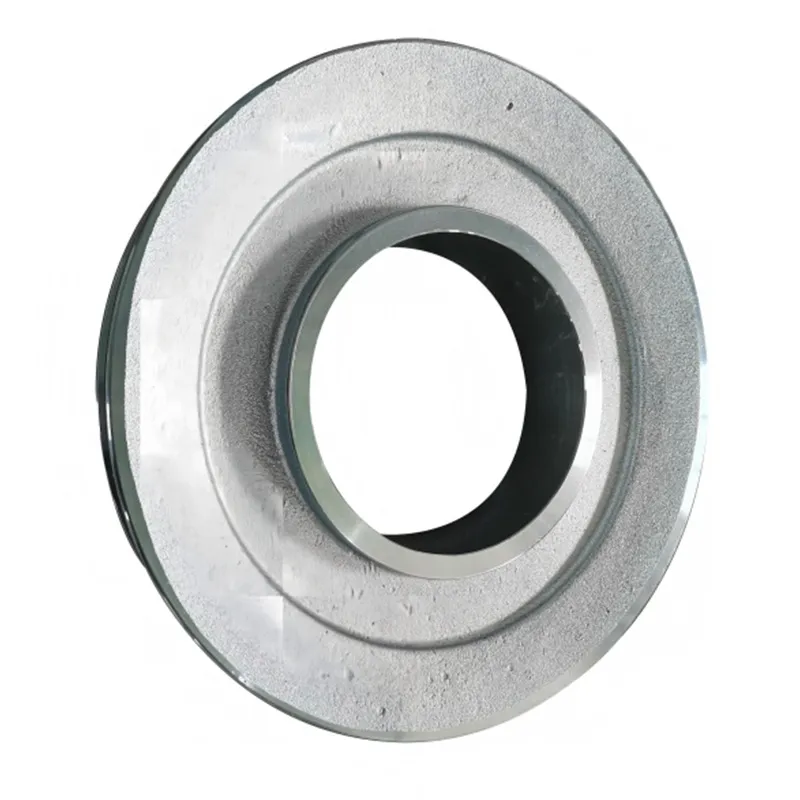
When you hear 'valve cage', if you think it's just a sturdy housing for the trim, you're not wrong, but you're missing the point. It's the unsung hero defining control, longevity, and often, the entire valve's personality in severe service.
The Core Misconception and Material Reality
Too many specs treat the cage as a commodity item, focusing only on the trim material. That's a fast track to premature failure. The cage isn't just there to hold parts; it's the primary element guiding flow, controlling velocity, and taking the brunt of cavitation and erosion. I've seen valves fail because the trim was Inconel 625 but the cage was a standard 316SS that washed out in six months, leaving a perfectly good plug rattling around.
This is where the foundry and machining pedigree of a supplier becomes non-negotiable. You need someone who understands that the integrity starts in the melt. A company like Qingdao Qiangsenyuan Technology Co., Ltd. (QSY), with their three decades in shell and investment casting, gets this. It's not just about making a shape; it's about achieving a homogenous, defect-free grain structure in the likes of duplex steels or cobalt-based alloys from the very first pour. A microscopic shrinkage cavity in a critical flow path is a ticking time bomb.
The choice between shell mold and investment casting for a cage is a classic trade-off. For larger, less complex cages in carbon or low-alloy steel, shell mold is robust and cost-effective. But when you're dealing with the intricate multi-hole designs for anti-cavitation or low-noise trims in super duplex or Hastelloy, investment casting is the only way to get those internal passages smooth and accurate without a fortune in EDM work. QSY's dual capability here is a practical advantage, allowing a fit-for-purpose recommendation rather than a one-process-fits-all approach.
Precision Isn't Just a Tolerance on a Drawing
Okay, so you have a sound casting. Now the real work begins. The mating surfaces with the bonnet and the plug, the concentricity of the flow holes, the finish of the internal bores—these are what separate a component from a precision instrument. A slight misalignment here doesn't just cause a leak; it induces asymmetric flow, uneven wear, and stem binding. I recall a case with a high-pressure let-down valve where chatter and shortened seal life were traced back to a cage whose bore was a few microns off-center, causing the plug to seat unevenly.
This is pure CNC machining territory, and it demands more than just a modern machine shop. It requires fixturing and process planning that respects the part's final function. The machinist needs to know which surfaces are critical for sealing and guiding versus which are merely structural. A shop that only does structural fabrication will miss these nuances. The machining expertise, like what QSY highlights, is critical for transforming a good casting into a reliable, high-performance component.
And let's talk about those flow holes. Drilling a pattern of holes is easy. Drilling a pattern where each hole has a consistent, burr-free edge and precise hydrodynamic angle to control flow coefficient (Cv) and noise? That's an art. Deburring is not an afterthought; it's a mandatory step. A loose burr can break off, travel downstream, and wreak havoc. I've spent days troubleshooting erratic valve control only to find a tiny sliver of metal from a poorly finished cage port lodged in a seat ring.
The Alloy Selection Dilemma: It's Contextual
Spec sheets love to trumpet Alloy 20 or Monel as cure-alls. But material selection for a valve cage is a dialogue between corrosion, erosion, pressure, and temperature. 17-4PH might be great for strength and moderate corrosion, but it's a poor choice for continuous chlorides. Likewise, a cobalt-based alloy like Stellite 6 is fantastic for abrasive service, but its machinability is a nightmare and cost is high—you only specify it when you absolutely need it.
This is where a supplier's material experience pays off. A shop that routinely works with the spectrum—from cast irons and carbon steels up through nickel-based alloys like Inconel 718—develops a gut feel. They can push back on an over-spec or warn against an under-spec. For instance, in a sour gas application (H2S present), specifying a high-hardness material without proper heat treatment for sulfide stress cracking resistance is a recipe for disaster. The cage could crack catastrophically. A knowledgeable partner should flag that.
I remember a project for a geothermal plant where the fluid was a brutal mix of high temperature, slight acidity, and suspended silica. We initially tried a hardened 440C stainless cage. It eroded into a shapeless tube within a year. The solution was a shift to a custom-poured nickel-chromium-boron alloy with superior hot hardness and corrosion resistance. It wasn't on any standard valve BOM, but it was the right engineering answer. Suppliers with advanced alloy experience enable these solutions.
Failure as a Teacher: The Case of the Vibrating Valve
Some of the best lessons come from things going wrong. We had a control valve on a steam line that developed a severe, high-frequency vibration. The trim was a standard characterized cage with slots. Diagnostics pointed to flow-induced vibration, but the velocities were supposedly within range.
Upon tear-down, we found the issue. The slots in the cage, while dimensionally correct, had a slight as-cast surface finish on their trailing edges instead of being machined smooth. This created tiny, turbulent vortices shedding at a regular frequency—a classic Kármán vortex street—that matched the natural frequency of the cage itself. The cage was literally singing itself to death. The fix was to re-machine all internal flow passages to a finer surface finish, breaking up the harmonic. It taught me that for cages in high-velocity gas or steam service, surface finish on flow paths is as critical as the geometry.
This kind of problem-solving often falls to the manufacturer. Can they not just make a replacement, but help diagnose and iterate the design? It requires a collaborative, engineering-minded partner rather than just an order-taker.
Integration and the Bigger Picture
Finally, the valve cage never works in isolation. Its performance is tied to the plug, the seat, the stem, and the actuator. A perfectly machined cage is useless if the plug doesn't match its guiding surfaces with the right clearance. This is why some of the most reliable severe-service valves come from manufacturers who control the entire trim stack's manufacturing, ensuring holistic fit.
For component suppliers like QSY, the implication is clear: understanding the assembly is key. They need to ask, What plug design is this mating with? Is it a parabolic, V-port, or multi-stage design? The machining specs for a cage paired with a balanced plug are different from those for a single-seated, high-recovery design. Providing dimensional and finish consistency lot after lot is what allows valve assemblers to achieve reliable, predictable performance.
In the end, specifying a valve cage is an exercise in systems thinking. It's a pressure boundary component, a flow director, an anti-cavitation device, and a guiding mechanism. Treating its procurement as a simple material purchase underestimates its role. You need a source that grasps the metallurgy, masters the precision manufacturing, and, crucially, understands the brutal environment this part has to survive in. That's the difference between a part that fits and a component that functions.