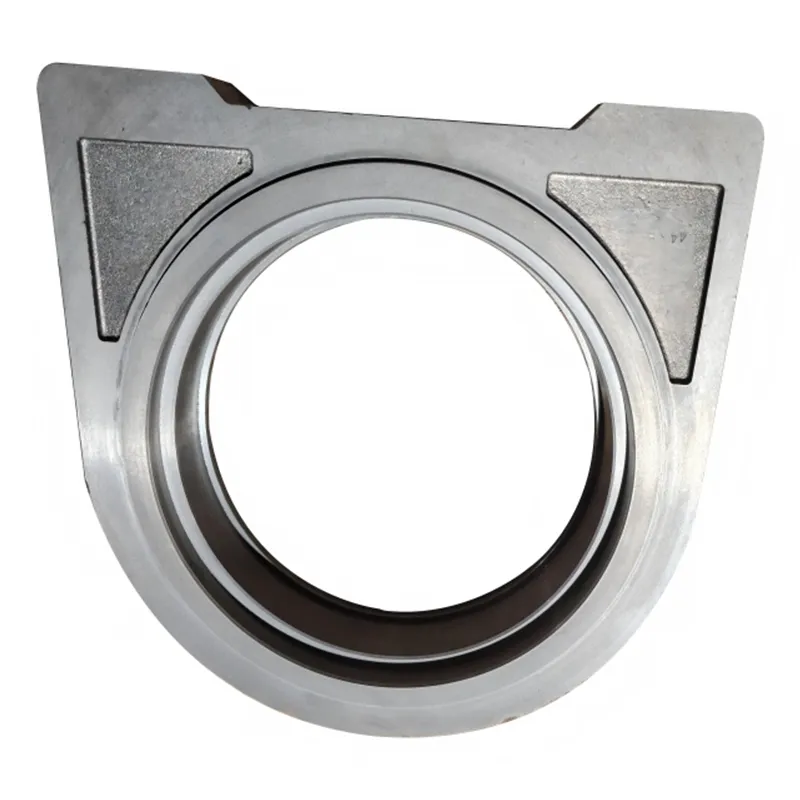
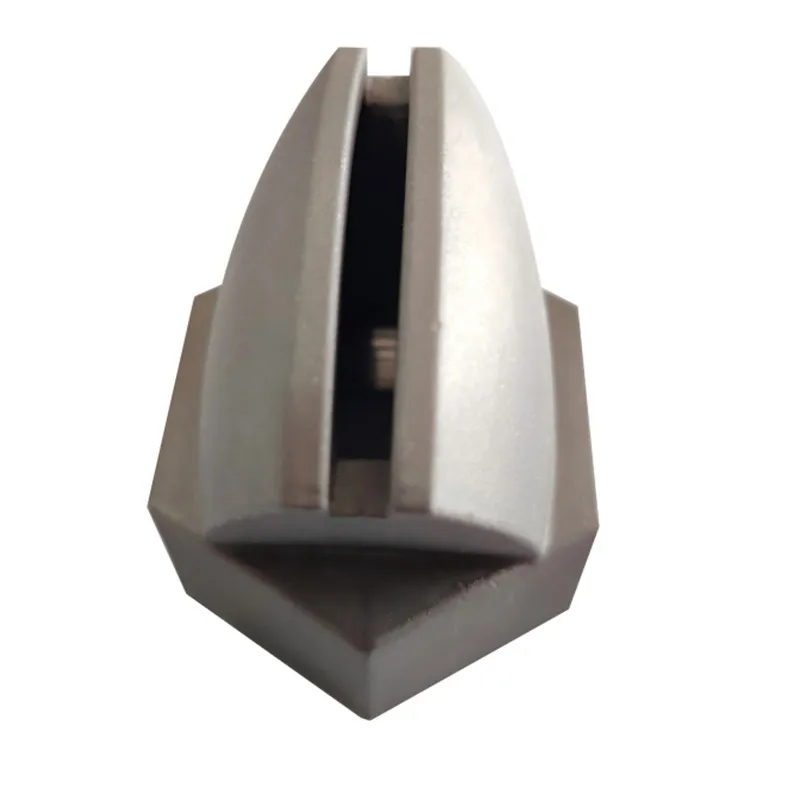
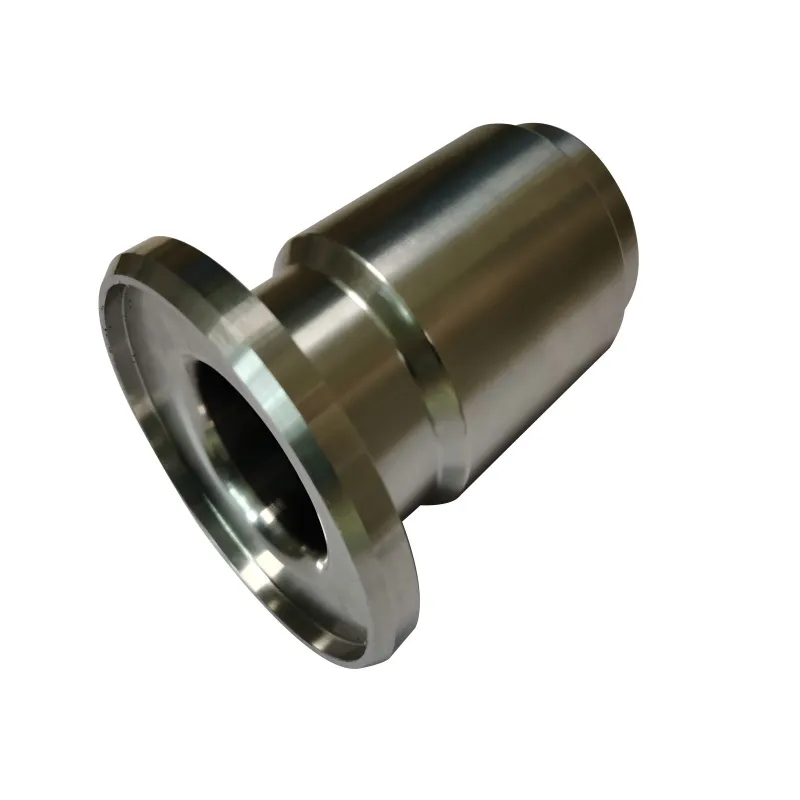
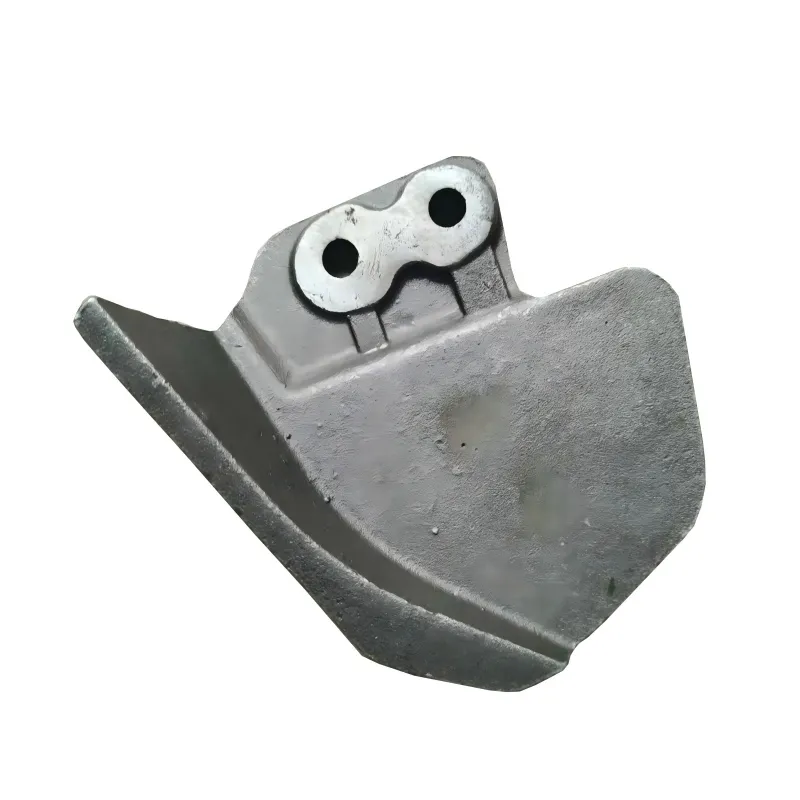
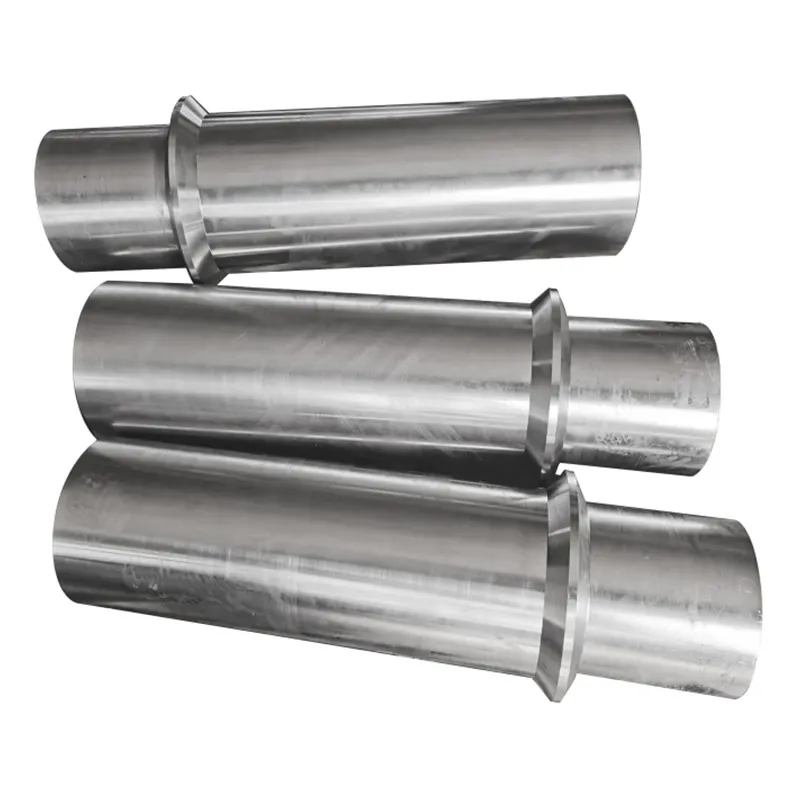
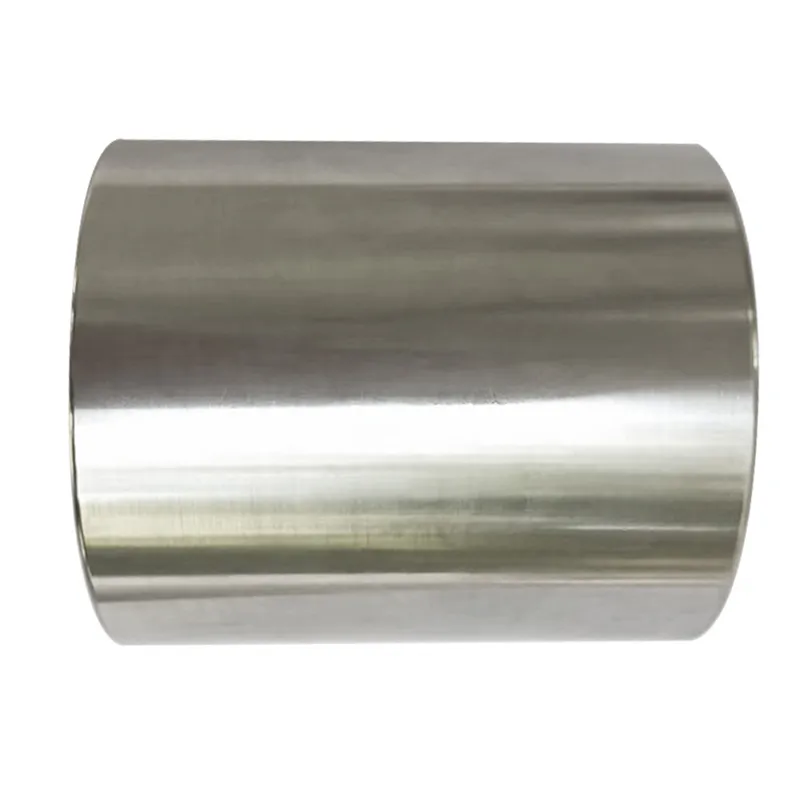
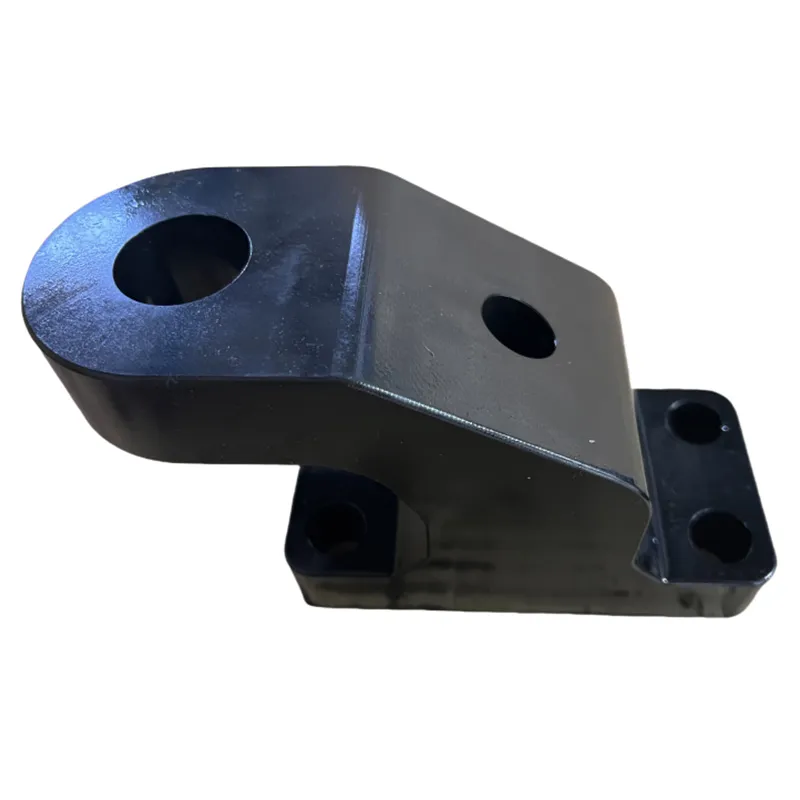
When you hear 'valve insert', most folks picture a simple metal ring pressed into a cylinder head. That's the textbook definition, but it misses the nuance. In practice, it's the interface between combustion fury and mechanical order, and getting it wrong is costly. I've seen too many projects treat it as a commodity part, only to face premature wear or catastrophic seat drop. The reality is, its performance hinges on a trifecta: material compatibility, precise manufacturing, and that often-overlooked transition fit. It's not just a component; it's a commitment to the engine's lifespan.
The Material Conundrum: It's Not Just About Hardness
Picking the alloy for a valve insert feels like a balancing act. You need hardness to resist wear, but enough ductility to handle thermal cycling without cracking. Cast iron? Good for cost, okay for some diesel apps. But for anything high-performance or running lean mixtures, you're looking at powdered metal or special alloys. I recall a batch for a natural gas compressor where standard steel inserts eroded within months. The culprit? Trace hydrogen sulfide in the gas. We switched to a nickel-based alloy from a supplier like Qingdao Qiangsenyuan Technology (QSY), who've got deep experience with those special materials, and the problem vanished. The lesson wasn't about the hardest material, but the most chemically inert one for the environment.
Then there's the thermal expansion coefficient. It has to be damn close to the parent material of the cylinder head—usually aluminum these days. A mismatch means the insert goes loose when hot, losing heat transfer and causing local overheating. I've measured heads where the seat runout went out of spec after a thermal cycle test, all due to a fractional difference in expansion rates. You can't just look at a spec sheet; you sometimes need to prototype and test.
This is where a foundry's metallurgical know-how is critical. A company like QSY, with 30 years in casting, understands that the melt chemistry, the cooling rate during solidification of the valve insert casting, all affect the final grain structure. You're not buying a shape; you're buying a material history that dictates performance.
Precision is Non-Negotiable: The Machining Dance
Casting gets you close, but machining gets you there. The OD for interference fit, the seat angles (often 45 degrees, but sometimes 30), the concentricity—every micron counts. I've worked with CNC shops that treat it as a simple turning operation, and the fallout is inconsistent press-fit pressure. QSY's approach of integrating investment casting with in-house CNC machining makes sense here. Having casting and machining under one roof reduces baseline variability. The casting is the embryo, and the CNC machining is the finishing school.
The real devil is in the surface finish of the OD. Too smooth, and it won't retain the interference fit under thermal stress; too rough, and you risk galling during press-fit or micro-cracks in the head. There's a specific Ra value you aim for, and it's not something you find in general engineering manuals. It's tribal knowledge, often refined through failed samples. We once had a batch that pressed in beautifully but started seeping coolant after engine dyno testing. The root cause was a tooling mark pattern on the OD that created a microscopic leakage path after thermal cycling.
And let's talk about the seat. After the insert is pressed, you often have to cut the valve seat directly into it. The machinability of the insert material is paramount. If it's too hard or abrasive, it eats cutting tools and risks poor surface integrity on the final seat. A good partner will provide inserts in a state that's optimized for this final machining step—sometimes a specific heat treatment condition, not the final hardest state.
The Installation Pitfall: Pressing Matters
This is where field failures often originate. The theory is simple: chill the insert, maybe heat the head, and press it in. The practice is messy. Uneven cooling of the insert can cause distortion before it even enters the bore. If you're not using a guided, arbor press and relying on an impact or a misaligned hydraulic ram, you're asking for trouble. I've seen inserts go in cocked, scoring the head bore and creating a weak point that eventually fails under fatigue.
The interference fit numbers are a guideline, not gospel. The actual bore diameter of the head, post-machining, has its own tolerance. You need a selective assembly process sometimes—sorting inserts into size groups to match measured bores. It's tedious but prevents having to apply excessive press force, which can distort the relatively soft aluminum head around the valve insert pocket. That distortion can wipe out your valve guide alignment.
A common, almost silly-sounding mistake is not cleaning the bore and the insert OD thoroughly. A tiny metal shaving or dust particle acts as a lubricant during pressing, drastically reducing the effective interference and leading to a loose fit later. The protocol should be surgical: clean, clean, and then clean again with the right solvent, handled with clean gloves.
When Things Go Wrong: The Diagnostic Trail
Failure analysis of a dropped seat or a leaking valve insert is forensic work. Was it a material defect? Look for abnormal wear patterns, signs of adhesive wear or micro-welding. Was it a machining issue? Check for concentricity error between the insert OD and the finished seat face. A dial indicator can tell a vivid story. I remember a case where the seat was perfectly concentric to the insert's ID, but the insert's own OD was machined off-center relative to the ID. That meant the wall thickness varied, creating a high-stress zone that cracked under thermal load.
Sometimes the failure is indirect. Poor heat transfer from the valve through the insert into the head causes valve burning. You're chasing a valve problem, but the root is an insert with poor contact or the wrong material conductivity. Thermal imaging or simply checking for localized discoloration on the head around the insert can be a giveaway.
This is why traceability matters. Knowing the melt batch, the machining lot, even the operator shift for critical components isn't bureaucracy; it's how you isolate problems. A supplier with integrated processes like shell mold casting, investment casting, and CNC machining under one entity, as QSY operates, typically has better inherent traceability than a supply chain fragmented across multiple vendors.
The Evolving Context: Not Just for Combustion Anymore
While internal combustion engines are the classic home for valve inserts, the principle is migrating. I'm seeing similar inserts used in high-pressure fluid control valves, in compressor housings, anywhere a wear-resistant seat needs to be embedded in a softer or more cost-effective housing. The demands shift—maybe corrosion resistance overtakes high-temperature strength as the key driver.
This expands the material palette further. Cobalt-based alloys for severe erosion, super duplex stainless for chloride environments. The manufacturing challenge remains: achieving a reliable, leak-tight interference fit between often vastly different materials. The fundamentals we learned in engines still apply, but the spec sheet gets more exotic. It pushes foundries and machinists to adapt their shell mold casting techniques and tooling strategies for these new alloys, which can be notoriously difficult to machine in their hardened state.
So, the next time you specify a valve insert, think beyond the ring. You're specifying a material system, a precision geometry, and an installation method. It's a small part that carries a massive responsibility. Getting it right is quiet engineering; getting it wrong is loudly, expensively obvious. The difference often lies in partnering with fabricators who view it not as a stamped-out part, but as a critical, engineered interface whose production requires control over every step, from the furnace to the final cut.