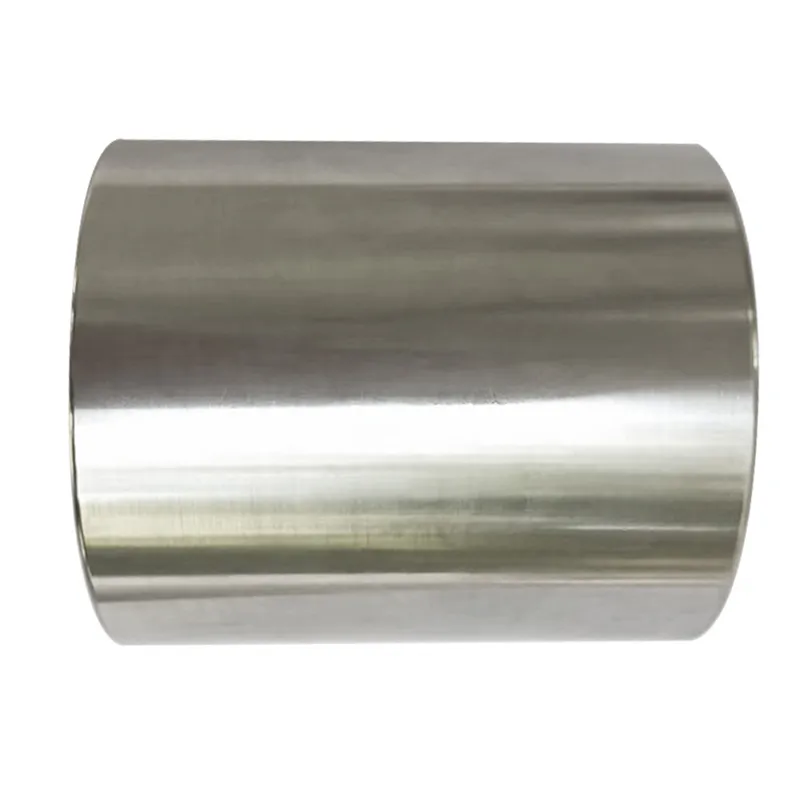
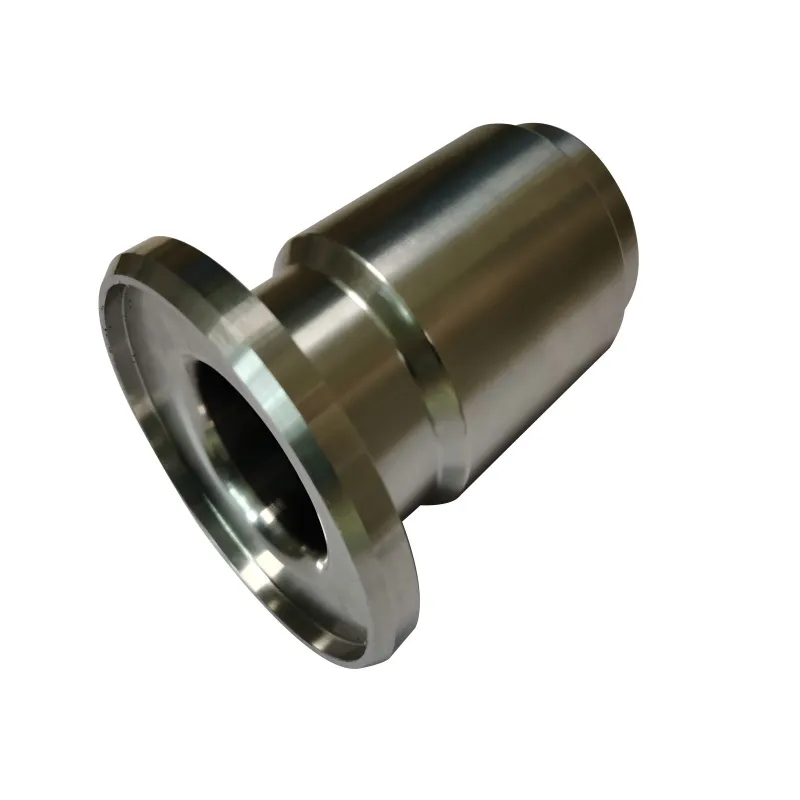
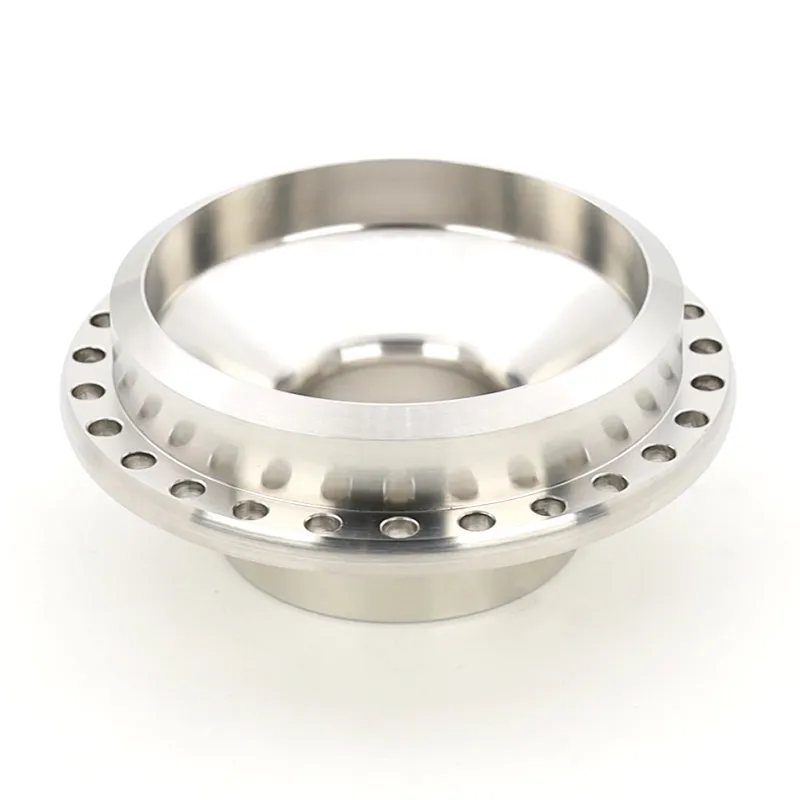
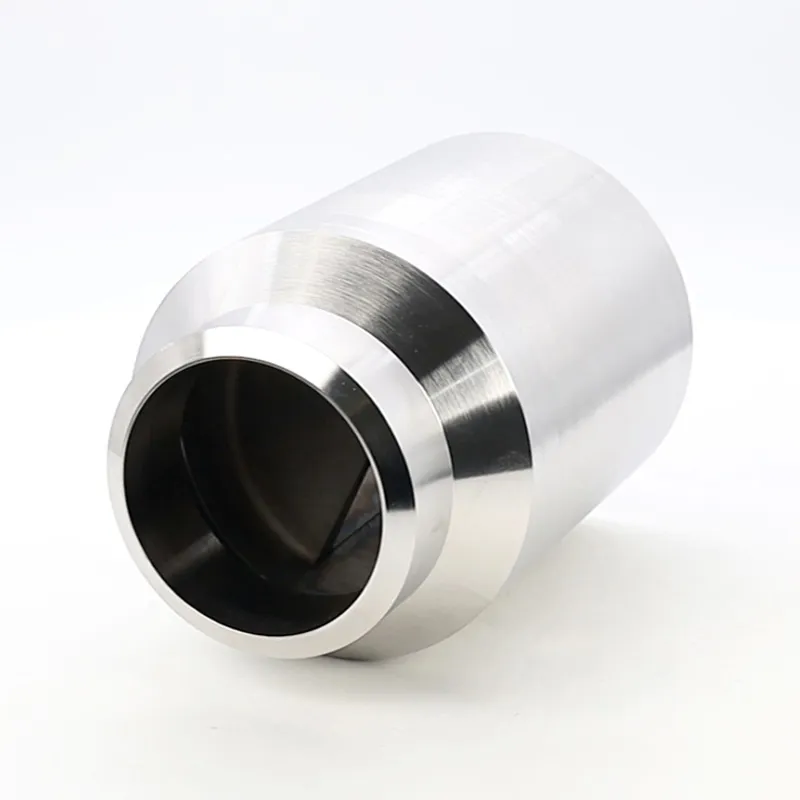
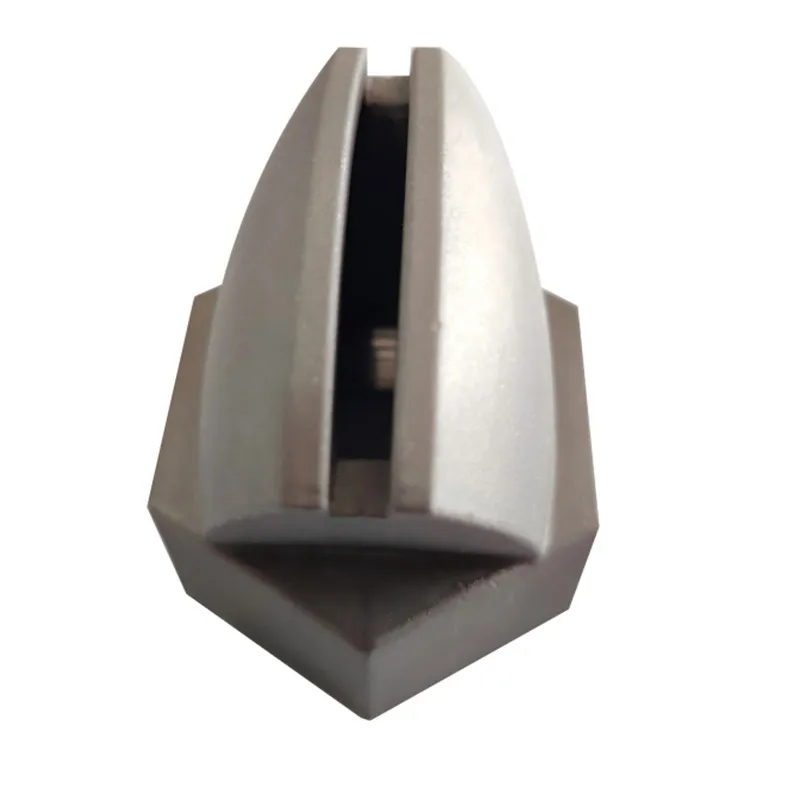
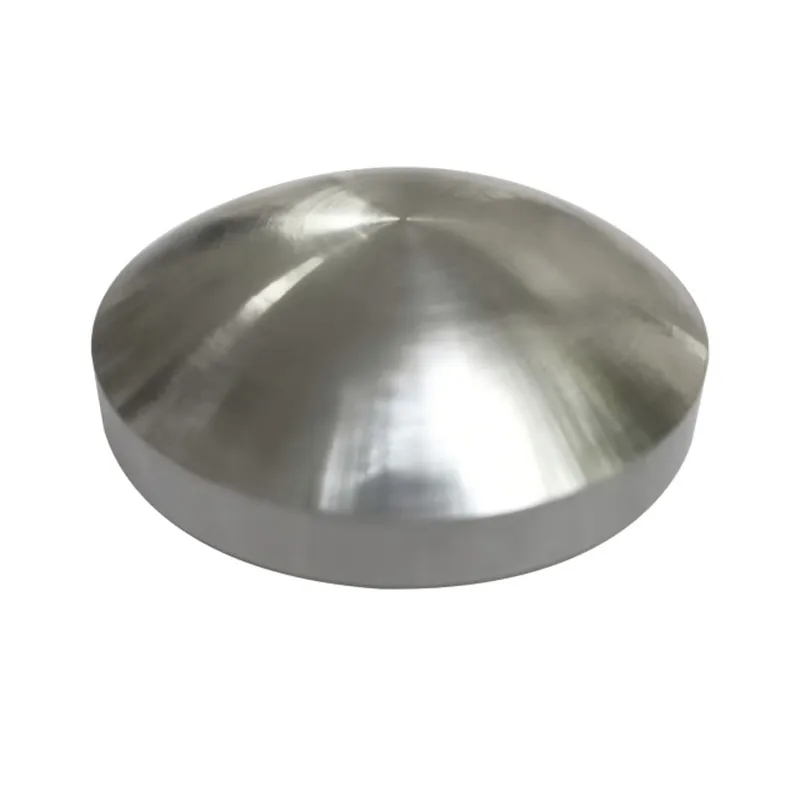
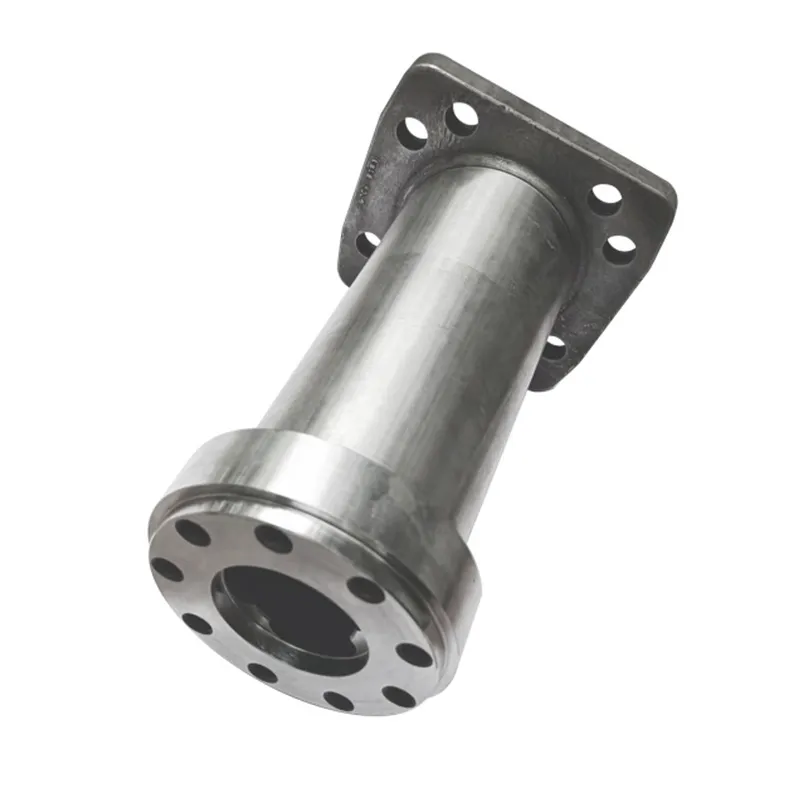
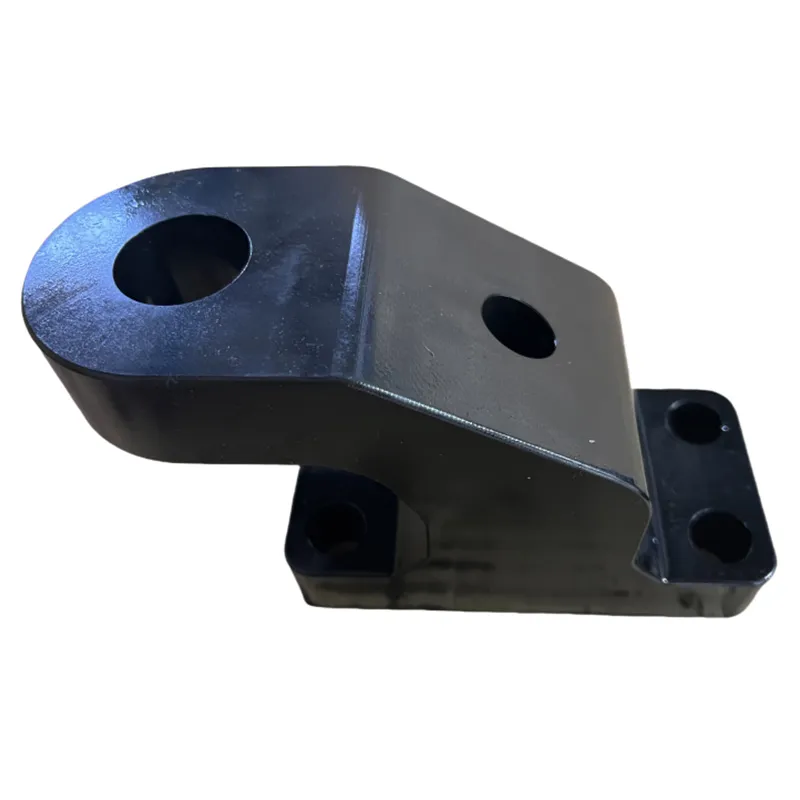
When you hear 'valve ring', most think of a simple sealing component. That's the first misconception. In reality, a valve ring is a critical interface, a wear component that dictates service life and system integrity. It's not just about holding pressure; it's about managing friction, thermal cycles, and material compatibility under dynamic loads. I've seen too many projects where the ring was an afterthought, leading to premature failure. The truth is, its performance is often the bottleneck for the entire valve assembly.
The Material Conundrum: It's Never Just Steel
Specifying the material for a valve ring is where theory meets the grinder. Literally. A generic call for stainless steel is a recipe for trouble. Is it operating in a sour gas environment? You're likely looking at a super duplex or a nickel-based alloy like Inconel 625. The ring isn't just sitting there; it's constantly engaging and disengaging. We had a case for a client in the chemical sector where standard 316L rings corroded and galled within months. The failure analysis pointed to chloride-induced stress corrosion cracking. The solution wasn't just a grade change; it was a shift in the entire manufacturing approach.
This is where foundries with deep material expertise become invaluable. I've worked with suppliers like Qingdao Qiangsenyuan Technology Co., Ltd. (QSY) on similar challenges. Their three decades in casting special alloys isn't just a sales pitch. For a high-pressure steam valve project, we needed rings in a cobalt-based alloy (Stellite 6) for extreme wear and heat resistance. The challenge wasn't just casting it; it was achieving a homogeneous microstructure to prevent cracking during subsequent CNC machining. QSY's experience with shell mold and investment casting for such alloys meant they could advise on the optimal pre-heat temperatures and gating system design to minimize internal stresses from the start. That practical, process-level knowledge is what separates a parts supplier from a manufacturing partner.
The choice between casting methods directly impacts the ring's final properties. For complex geometries or superior surface finish, investment casting is king. But for certain high-volume, simpler profiles, a well-executed shell mold casting can offer a better cost-performance ratio. The key is understanding the trade-offs: investment casting might give you a near-net shape requiring less machining, but for some alloy families, the finer grain structure from a shell mold might be preferable for final hardness. There's no universal answer.
Precision is a Process, Not a Step
You can't cast a perfect valve ring ready for installation. The as-cast part is just the blank. The real magic—and where most dimensional failures occur—is in the machining. Tolerances for ring grooves, face flatness, and surface finish (often Ra 0.4 or better) are brutal. I recall a batch where the rings passed dimensional checks but caused persistent leaks. The issue? Micrometer-level waviness on the sealing face that wasn't caught by standard Ra measurement. It required a profilometer and a machinist who understood that the final finishing pass needed a specific tool path and rigidity.
This underscores the need for integrated manufacturing. Having casting and CNC machining under one roof, as QSY does, eliminates a huge layer of risk. The machinists there work with the castings their own foundry produces. They know the specific material behaviors, the potential for hard spots, and the optimal feeds and speeds. This continuity prevents the classic blame game between the casting vendor and the machine shop when a part fails. The feedback loop is immediate: if a tool is wearing too fast during the turning of a nickel-based alloy ring, the foundry team can review the heat treatment data from that batch in real time.
Fixture design is another unsung hero. Holding a thin-walled, hardened valve ring without distortion during final machining is an art. We've moved from standard three-jaw chucks to custom, thermally stable mandrels that grip on the ID with controlled pressure. Any deflection during machining will spring back later, creating a leak path. It's these gritty, shop-floor details that you only learn through repetition and, frankly, through scrapping a few expensive pieces.
The Fitting & Failure Modes You Don't Read About
Installation is where even a perfect ring can be ruined. The feel for proper seating is something manuals don't capture. It's not about torque alone. For metal-seated rings, there's a running-in process. We once assembled a set of large bore valve rings that met every spec but squealed and overheated during the first pressure test. The problem? The assembly was too clean. A slight, controlled abrasive paste (sometimes just a micron-grade compound) was needed during the initial lapping to establish a conforming seal. Without that initial wear-in, the high spots on the mating surfaces just welded themselves together under load.
Common failure modes often trace back to system issues, not the ring itself. A classic one is thermal cycling causing differential expansion. The valve body and the ring material have different coefficients. If the ring fit is too tight at ambient but designed for operating temperature, it can bind and fracture on startup. Conversely, a fit that's right at temperature might be too loose at ambient, leading to hammering and fretting wear. I've spent weeks with thermocouples and strain gauges mapping this behavior on a test rig to define the correct clearance. It's never just a number from a handbook.
Erosion is another silent killer, especially in control or choke valves. The media, often with particulates, cuts the ring material. Sometimes, the solution is counter-intuitive: a slightly softer material can be better because it absorbs the particle impact rather than fracturing. We tested this with hardened steel versus a more ductile stainless variant in a slurry application; the softer ring wore more evenly and lasted three times longer before leakage exceeded limits. It challenged the default harder is better mindset.
Beyond the Standard: When You Need a Hybrid
Sometimes, a monolithic metal valve ring isn't the answer. For severe services involving both high temperature and corrosive media, we've moved to engineered combinations. Think of a metal ring body (for structural strength and thermal conductivity) with a plasma-transferred arc (PTA) welded hard-facing layer on the sealing face. Or, in some severe chemical duties, a ring with a pressed-in PTFE or Graphite insert for the primary seal. The design and manufacturing complexity jumps exponentially.
Making these hybrid rings reliable is about managing interfaces. The coefficient of thermal expansion between the base metal and the hard-facing layer must be matched. If not, the coating spalls off in service. I've seen beautiful Stellite overlays peel off like an orange skin because the substrate was a low-alloy steel with a vastly different expansion rate. The supplier's role shifts from pure manufacturing to co-engineering. They need the metallurgical capability to select compatible materials and the process control (like precise pre-heat and interpass temperature during welding) to execute it. A company like QSY, with its background in both complex castings and machining for special alloys, is positioned for this kind of work because they control the entire chain from the melt to the finished face geometry.
The testing regimen for these parts is also different. Beyond standard pressure tests, you're looking at thermal cycle testing and metallographic cross-sections to check for diffusion bonding and the absence of micro-cracks at the interface. It's a commitment. You're not just buying a part; you're qualifying a manufacturing process.
Looking Back: The Ring as a System Barometer
After years of dealing with these components, I've come to see the valve ring as a diagnostic tool. Its condition during maintenance tells a story about the entire valve's life: scoring indicates misalignment or contamination; uniform wear suggests normal service; localized pitting points to cavitation or corrosion. It's the first component to show symptoms of a larger system problem.
This perspective changes the procurement strategy. It's no longer about buying a cheap replacement ring. It's about sourcing a component from a partner who understands its role in the system. You need a supplier who asks questions about the application—pressure, temperature, media, cycle frequency—and can advise on material and design choices. The goal is to move from a transactional relationship to a technical collaboration where the ring is engineered for the specific duty, not just selected from a catalog.
In the end, the humble valve ring encapsulates the entire challenge of industrial manufacturing: material science, precision engineering, practical tribology, and systemic thinking. Getting it right feels unglamorous, but it's one of those small victories that keeps everything else running. And when you get it wrong, it's a very expensive, very clear lesson in why the details matter.