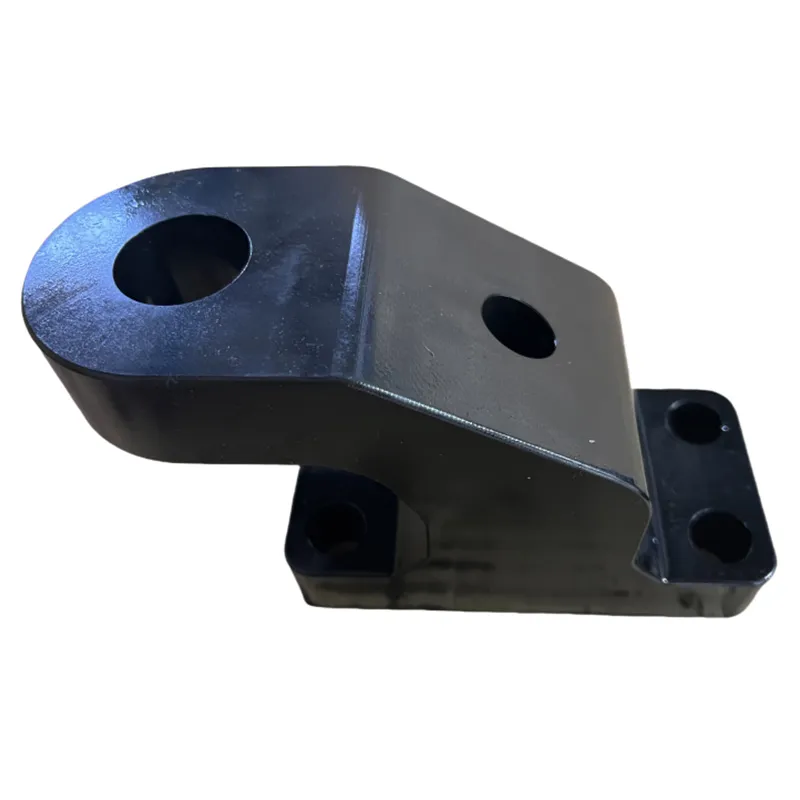
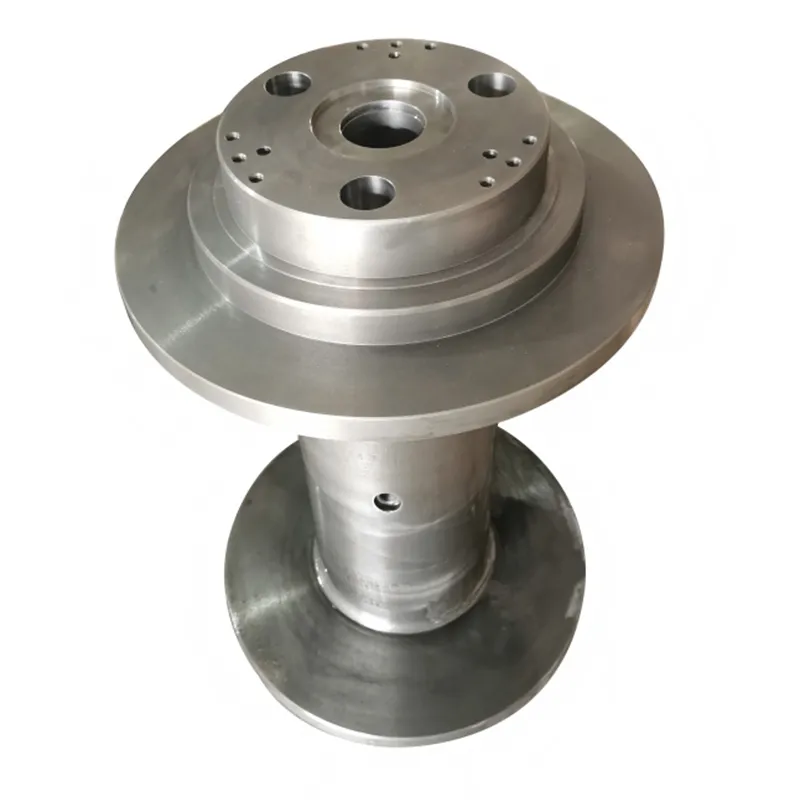
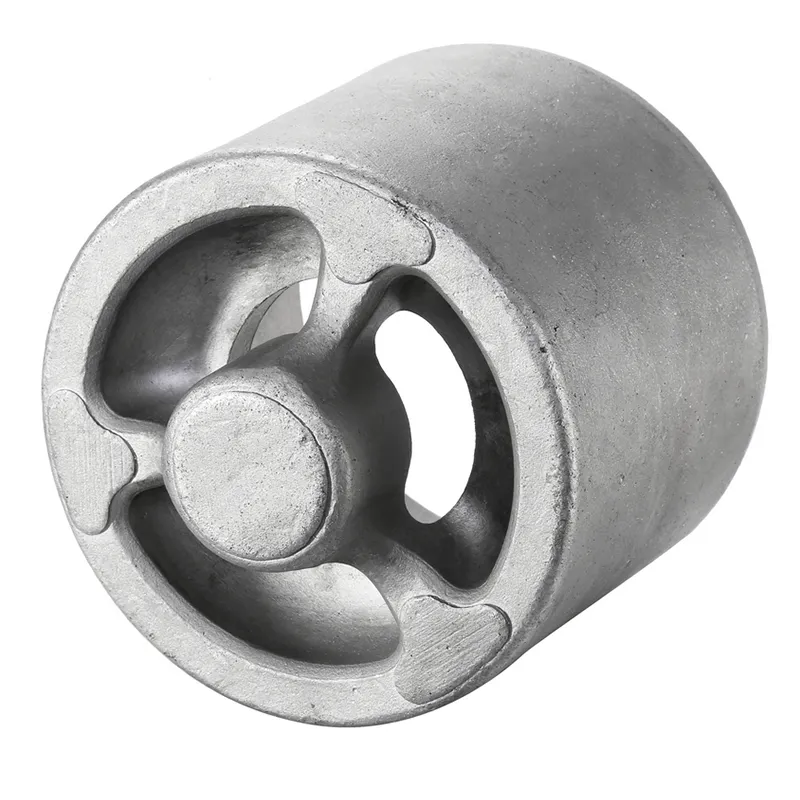
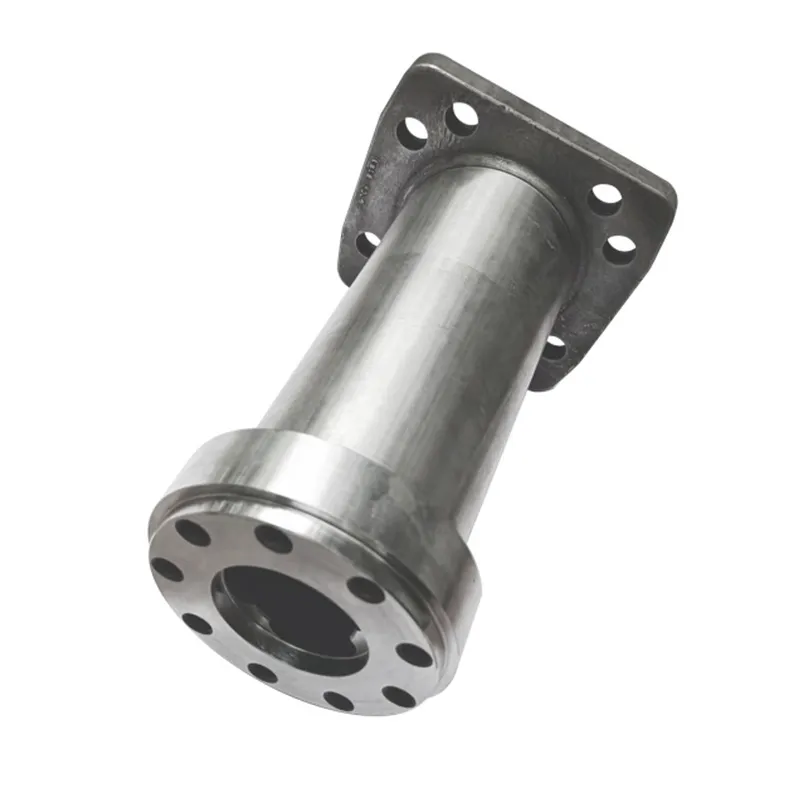
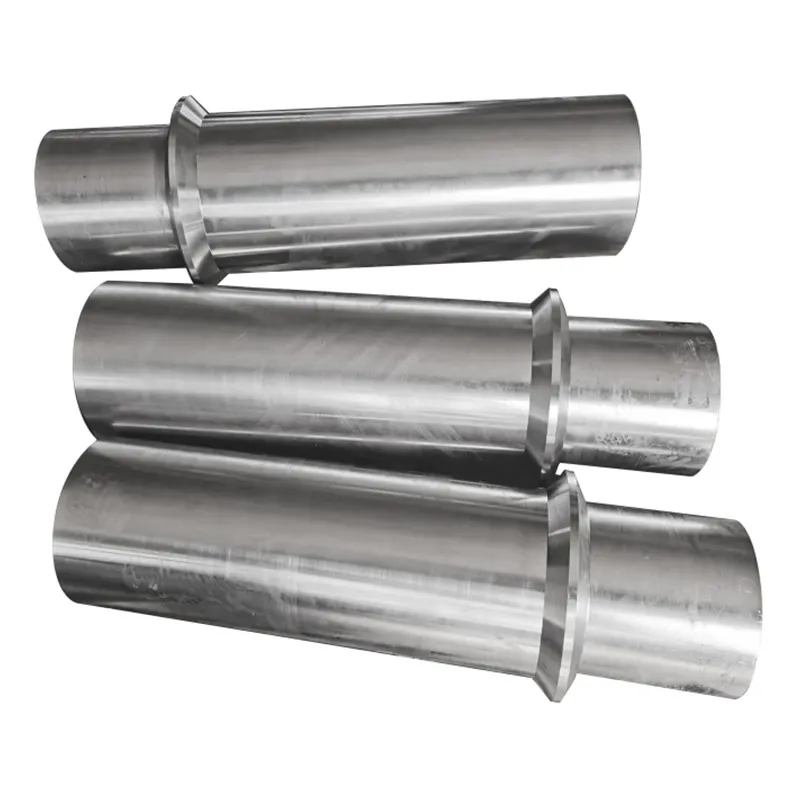
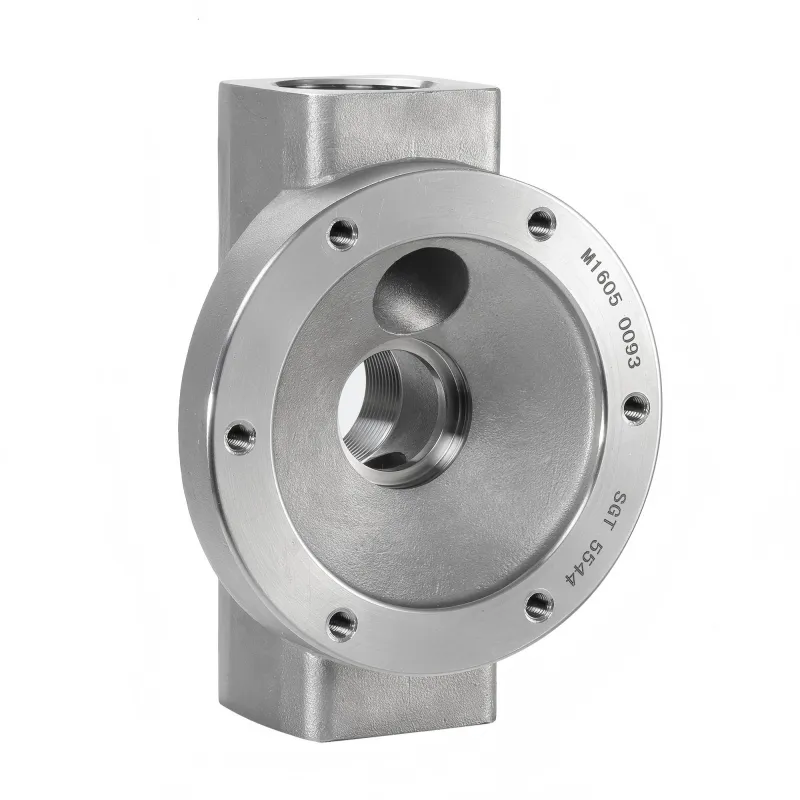
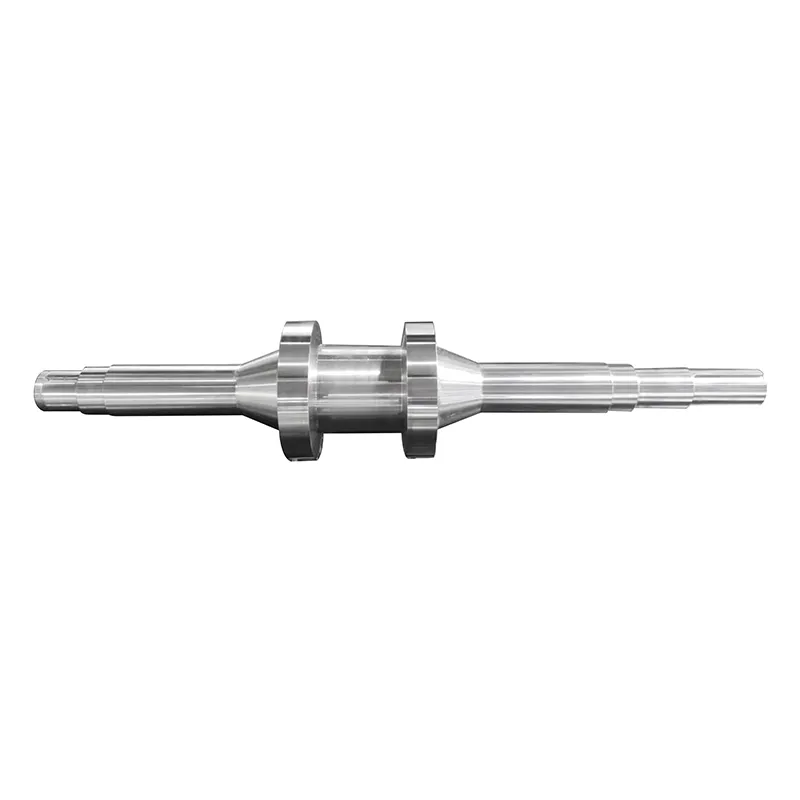
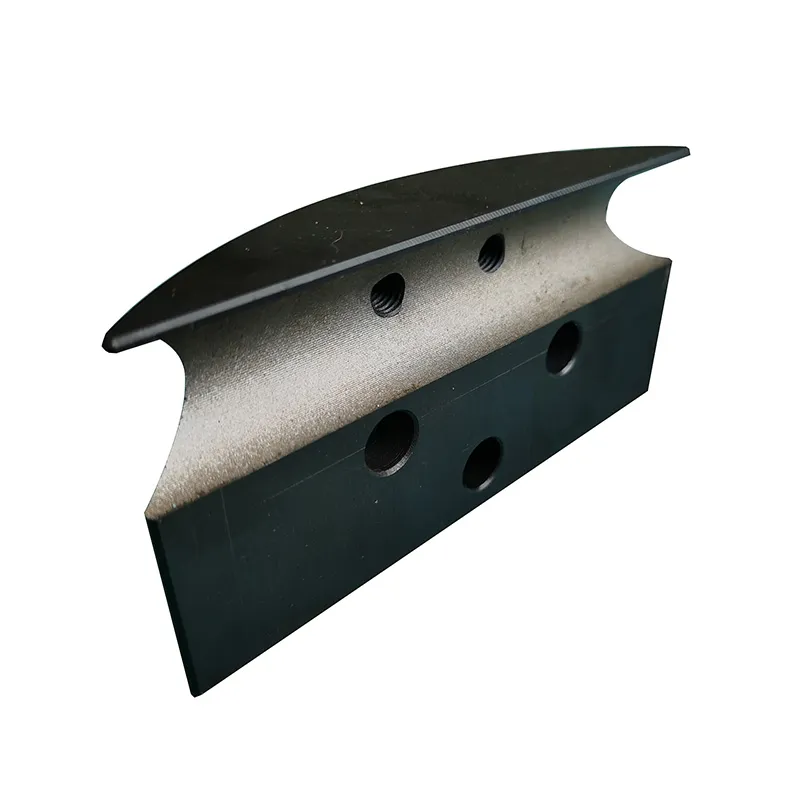
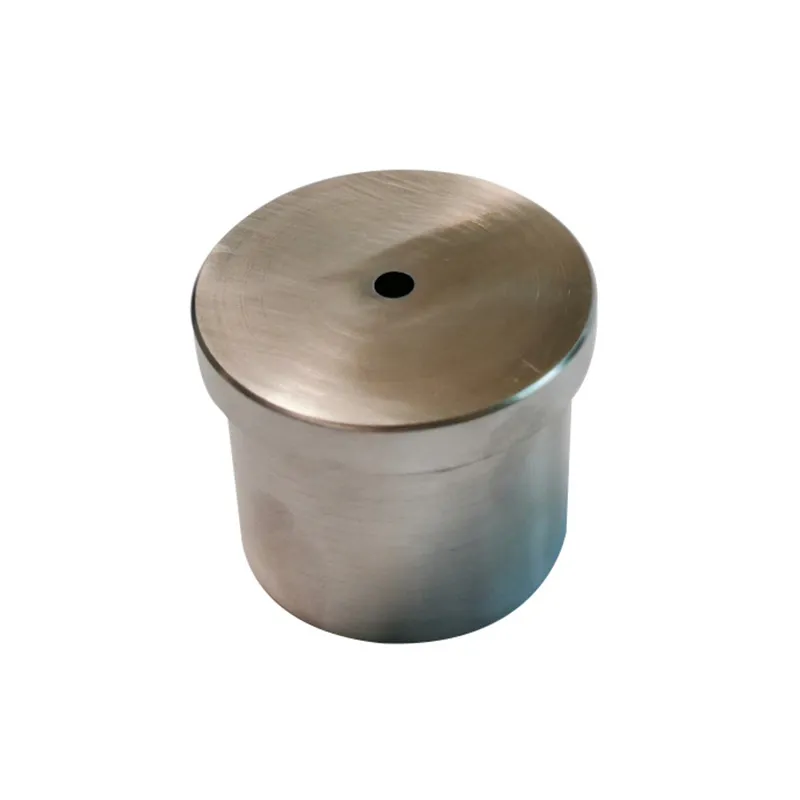
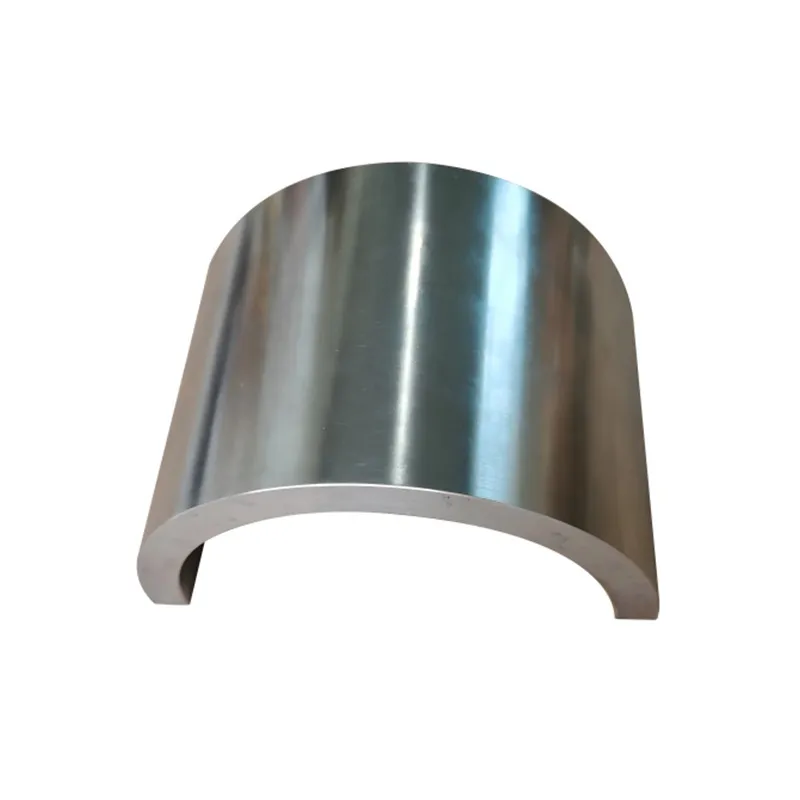
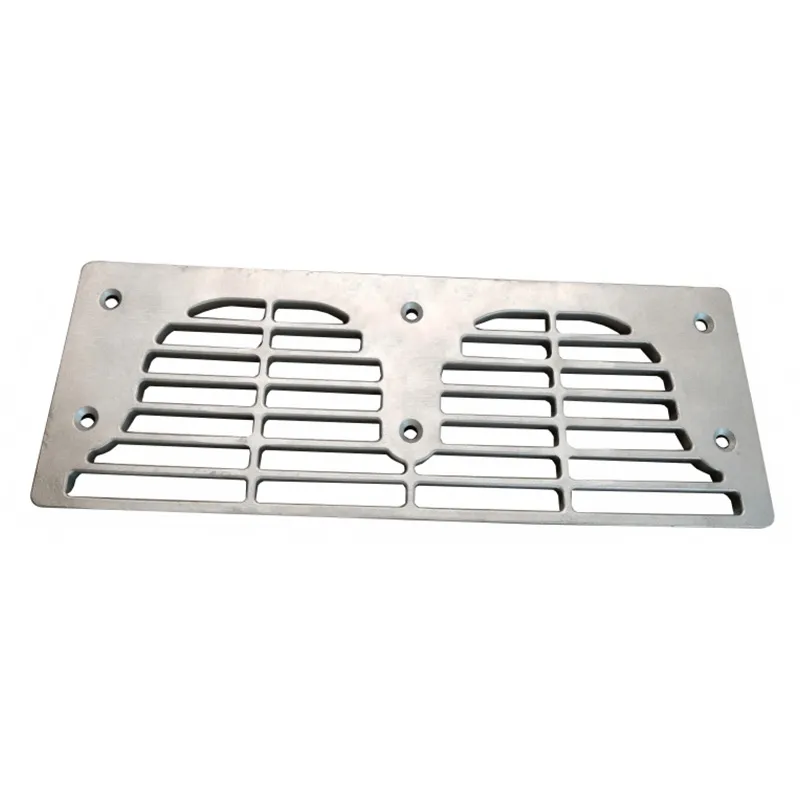
When most people hear investment casting, they think of the high-end ceramic shell process. But in the trenches, for a huge chunk of industrial parts, it's the water glass casting process that's doing the heavy lifting. It's cheaper, faster for certain geometries, and frankly, more forgiving in a shop environment. The main gripe I have is when folks dismiss it as low-quality outright. That's not the full picture. Its quality is entirely dependent on the foundry's skill and the application's demands. For many valve bodies, pump impellers, or machinery brackets, it's more than adequate and the most cost-effective route.
The Core of the Process: Sodium Silicate and Sand
The name gives it away: water glass casting uses sodium silicate, that viscous, glue-like binder, mixed with refractory sand to create the mold. It's a two-stage hardening process. First, you blow CO2 through the mold to set it initially—that's the quick grab. Then, you often follow up with a thermal dehydration to burn off the remaining moisture and boost the mold's strength. This is where the first pitfall appears. If you rush the dehydration or get the temperature profile wrong, the mold can retain what we call residual strength issues, leading to veining or even collapse during pouring. I've seen it happen with complex cores.
The pattern equipment is usually aluminum or resin. The surface finish won't rival ceramic shell, but with a fine-grade facing sand, you can achieve a respectable Ra value. The real advantage is in the mold's permeability. Because the sand grains are bonded rather than coated, the mold breathes better during the pour, reducing gas defects. This is a godsend for compact, chunky steel castings where gas entrapment is a constant battle.
Where it struggles is with extreme thin sections or super intricate details. The sand mold simply can't replicate the fidelity of a ceramic slurry. So, if a client comes with a part covered in fine lettering or razor-thin fins, I'd steer them towards the ceramic shell process every time. But for a robust gear housing or a marine fitting? Water glass casting is the first process I consider.
Material Compatibility and Real-World Limits
We run everything from carbon steel to duplex stainless through our water glass casting lines. The process is surprisingly versatile material-wise. The catch is with high-alloy stuff, like some nickel-based grades. The mold's chemical environment during pouring can sometimes lead to a harder-than-usual surface scale, which eats into machining time later. It's a trade-off. For standard 304 or 316 stainless, it's rarely an issue.
One specific headache I recall was with a batch of pump casings in CF8M. The castings came out with a peculiar, localized rough texture. After ruling out metal temperature and pouring speed, we traced it back to the sand mix. The silica sand's grain size distribution was off, and the sodium silicate ratio was a touch too high for that particular geometry, causing a slight reaction at the metal-mold interface. A tweak to the sand blend and a reduction in binder percentage cleared it right up. It's these subtle, hands-on adjustments you never read about in textbooks.
This is where a foundry's experience is everything. A company like Qingdao Qiangsenyuan Technology Co., Ltd. (QSY), with their 30 years in casting and machining, would have a deep library of these recipes for different materials and part shapes. That institutional knowledge is what separates a job-shop from a reliable supplier. They'd know, for instance, that for their specialty cobalt-based alloys, a specific pre-heat temperature for the water glass casting mold is non-negotiable to prevent cracking.
The Machining Handshake
This is critical and often poorly communicated. A water glass casting will have a thicker allowance and a more variable surface than a precision investment casting. That's a given. The synergy between the foundry and the machine shop needs to be tight. The foundry must understand where the critical machining datum points are and ensure those surfaces are cast as cleanly as possible. Conversely, the machinist needs to understand the casting's likely shrinkage and potential hard spots.
QSY's model of offering integrated shell mold casting, investment casting, and CNC machining under one roof is smart. It eliminates the finger-pointing. They can control the casting process with the final machining in mind, adding stock exactly where it's needed and minimizing it elsewhere. For a water glass cast valve body, they might leave a generous 3mm on flange faces but only 1.5mm on non-critical interior walls, optimizing both casting yield and machining cost.
I've dealt with separated vendors, and the headaches are real. The machinist blames the foundry for a hard spot that's chewing up tools; the foundry blames the material. When it's one entity, they solve the problem. They might adjust the cooling rate of the casting or select a different grade of sand for the core to improve machinability. This integration is a massive value-add for any buyer.
Economic Reality and When to Choose It
Let's talk numbers. For medium-to-high volume runs (say, 500 to 5,000 pieces) of parts weighing between 1kg and 50kg, water glass casting is almost always the most economical choice. The pattern cost is lower than for ceramic shell, and the unit cost drops significantly with quantity. The break-even point with sand casting can be tricky; for simpler shapes, sand casting might win. But for anything requiring a decent internal cavity or moderate complexity, water glass's ability to produce a one-piece core assembly gives it the edge.
The biggest failure I've witnessed with this process wasn't a technical one, but a planning one. A client insisted on using it for a part that was essentially a large, flat plate with some threaded holes. The part warped like a potato chip during cooling. It was the wrong process for the geometry. We should have pushed back and recommended a fabricated plate or a simple sand casting with a stress-relief anneal. Lesson learned: don't try to force a square peg into a round hole, no matter how cost-effective the hole seems.
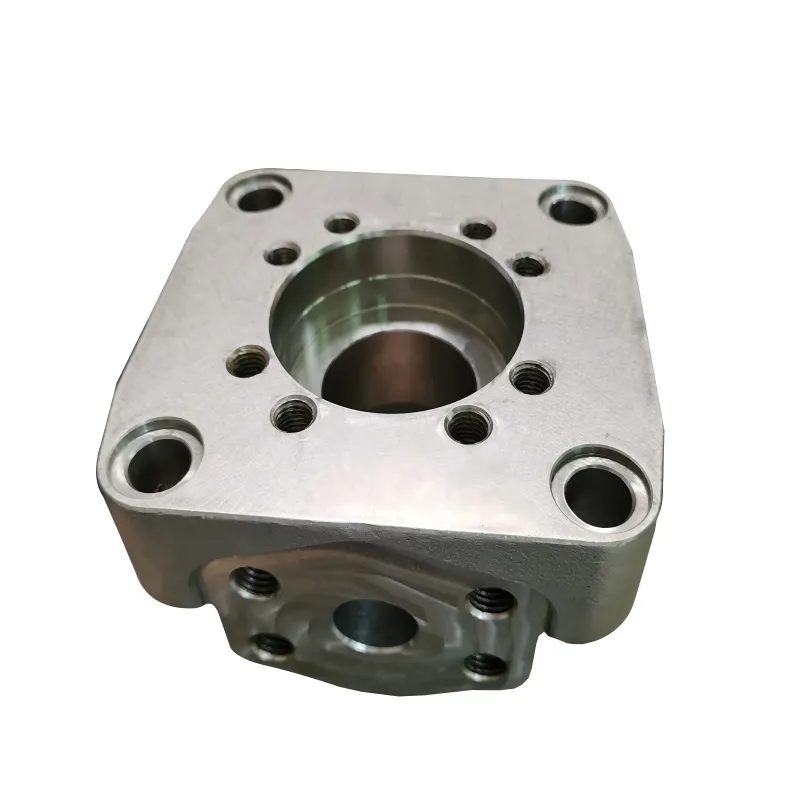
So, when do you spec it? Think of components that are functional first, aesthetic second. Think hydraulic manifolds, agricultural tooling, food processing equipment frames, and the kind of industrial hardware that QSY likely produces tons of. It's for parts that live inside a machine, getting covered in grease and taking loads, not sitting on a display shelf.
The Future: Niche but Enduring
It's not a glamorous process. It won't be used for aerospace turbine blades or medical implants. But for the vast landscape of general industry, water glass casting is here to stay. The development focus seems to be on refining the binder systems—making them more environmentally friendly and improving shakeout properties so the sand breaks down easier after casting, improving reclamation rates.
For a manufacturer, the key is to know its limits and strengths intimately and to communicate them honestly to clients. It's about setting the right expectations for surface finish, dimensional tolerance (typically CT8-CT10 per ISO 8062), and machining needs. In the hands of a seasoned foundry, it produces reliable, durable components that keep the world's machinery turning. It's the unsung hero of the casting world, and dismissing it is a mistake born of inexperience. You work with it long enough, you develop a respect for its rough, dependable character.