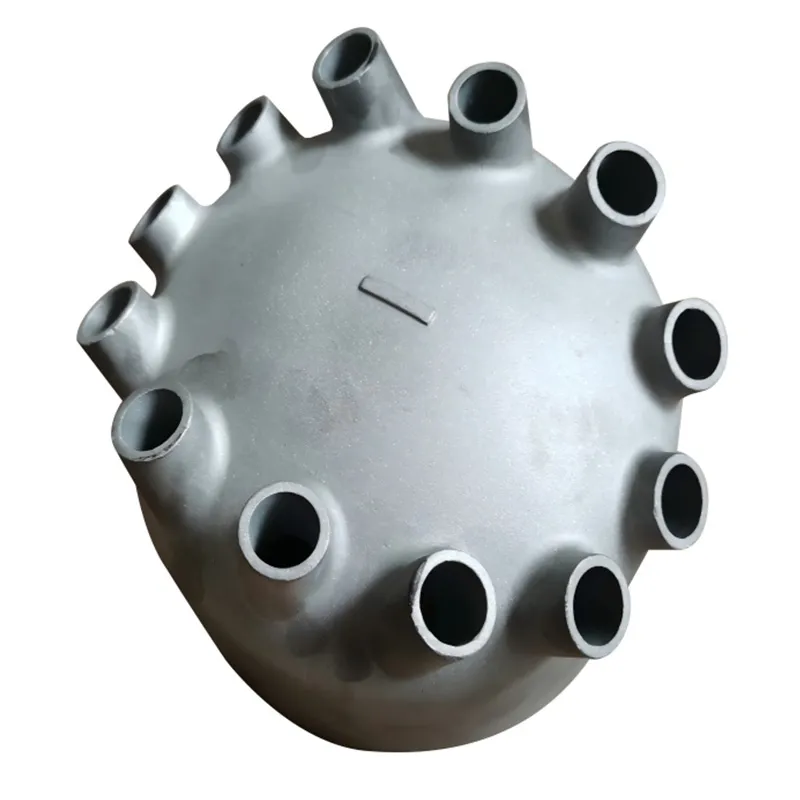
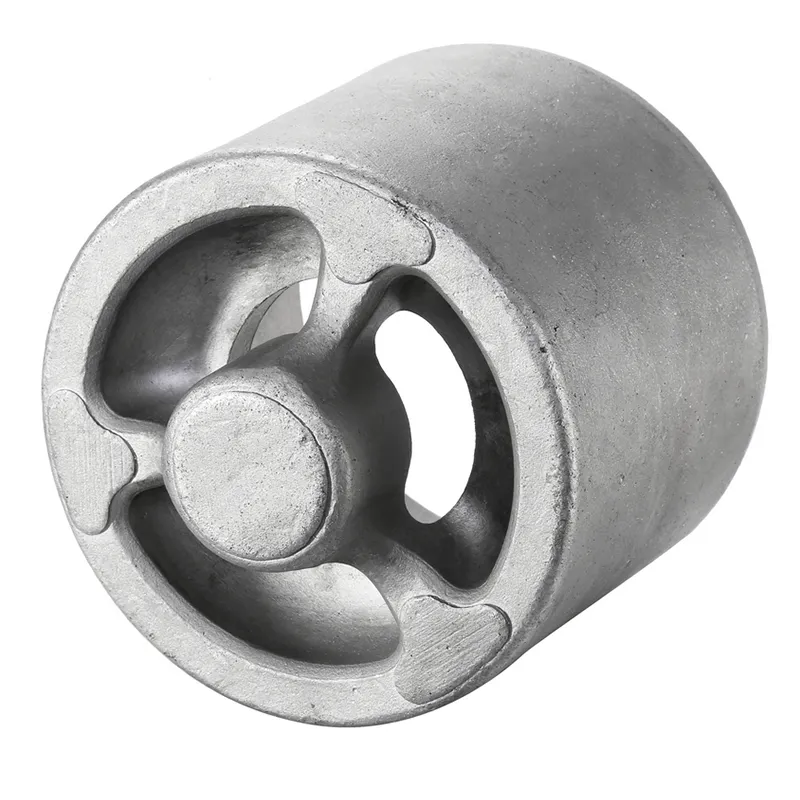
Let's be honest, when most folks hear 'wax metal casting', they picture a lone artisan carefully carving a beeswax sculpture before it vanishes in a puff of smoke to be replaced by gleaming metal. That romantic image is part of the story, but the industrial reality—what we call investment casting—is a gritty, precise, and often frustrating ballet of chemistry, thermodynamics, and sheer patience. The biggest misconception? That it's a simple, one-step 'lost wax' process. It's not. It's a chain, and every link, from the initial wax pattern to the final shakeout, is a potential point of failure. I've seen more castings scrapped from a tiny air bubble trapped in a ceramic shell than from any metallurgical flaw. That's where the real work happens.
The Wax is Just the Beginning
Everyone obsesses over the wax, and sure, it's critical. But the type of wax? It's not artistic sculpting wax. We use engineered injection waxes, blends formulated for specific shrinkage rates, ash content, and rigidity. At a place like Qingdao Qiangsenyuan Technology Co., Ltd. (QSY), with their decades in the game, they'll have a library of waxes for different jobs. A thin-walled aerospace bracket needs a different flow characteristic than a solid valve body. Getting the injection parameters wrong here—temperature, pressure, cycle time—means the pattern distorts later. And distortion at the wax stage multiplies in the final metal part. I learned that the hard way early on, producing a batch of gear blanks that were mysteriously out-of-round; traced it back to the wax cooling too slowly in the die.
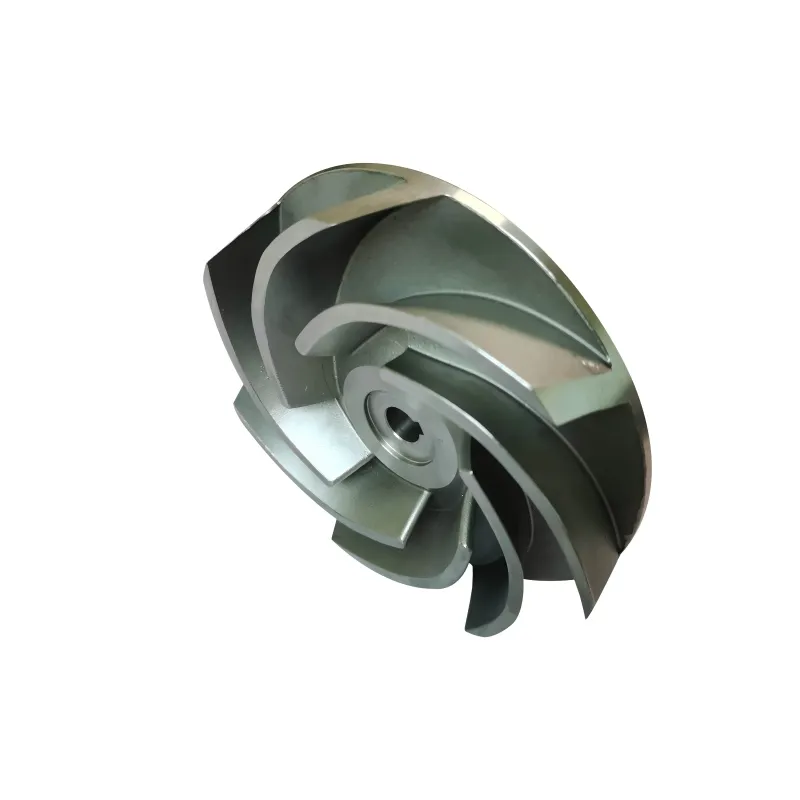
The pattern assembly, or 'tree', is another underrated art. It's not just sticking wax parts on a sprue. You're designing the feeding system for molten metal. How you orient the parts, the diameter of the runners, the placement of the gates—this all dictates solidification. Poor gating leads to shrinkage cavities, internal defects that might only show up in X-ray. I recall a project for a pump impeller in duplex stainless steel where we kept getting porosity in the hub. We redesigned the wax tree, adding smaller, targeted feeder channels, and it cleared right up. It's these tweaks, born from failure, that separate a job shop from a specialist.
Then comes the primary coat, the first ceramic dip. This isn't a casual dunk. The slurry, a mix of fine silica flour and binder, has to wet the wax perfectly to capture every detail. Any tiny patch the slurry doesn't cling to becomes a 'fins' or a bump on the casting. The stucco, or refractory sand, is applied immediately after. The grit size of this first coat is the finest—it's what gives you the surface finish. I've spent hours with a microscope comparing zircon flour vs. fused silica for that first coat on a part requiring a Ra 3.2 microinch finish. The choice matters.
The Shell Building: A Test of Patience
Building the shell is a marathon, not a sprint. You apply coat after coat, alternating between slurry and progressively coarser stucco (like aluminosilicate), letting each layer dry completely in a controlled environment. Humidity is the enemy here. High humidity slows drying, leading to shell weakness. Too fast, and you get cracks. We aim for 7 to 9 layers typically, but for a large steel casting, it might be 12 or more. Each layer adds thickness and strength to withstand the ferrostatic pressure of the molten metal. I've had shells fail—a catastrophic crack during pouring—because we rushed the drying cycles on a humid summer day. A costly lesson in respecting the process.
Dewaxing is where the 'lost wax' name comes from, and it's a violent phase. We don't melt the wax out gently. The standard method is autoclave dewaxing: the shell is subjected to high-pressure steam, which rapidly heats the wax, causing it to expand and flow out. If the shell isn't fully dry, the steam pressure can blow it apart from the inside. Alternatively, flash fire dewaxing—tossing the shell into a hot furnace—is faster but riskier for thermal shock. The goal is to leave a perfect, clean ceramic cavity. Any residual wax ash can contaminate the metal surface later.
After dewaxing, the shell is fired in a furnace at high temperature, often around 1000°C. This does two things: it burns out any last traces of wax or binder, and it sinters the ceramic particles together, creating a strong, permeable mold ready for pouring. The firing schedule is crucial. Ramp up too quickly, and thermal stress cracks the shell. The fired shell is fragile but incredibly resilient to heat. You handle it with a kind of tense reverence.
Pouring, Shakeout, and the Moment of Truth
Pouring is the dramatic part. The mold, still hot from the furnace, is placed in a sand-filled flask for support. The metal—say, a nickel-based alloy for a turbine blade—is melted in a vacuum or induction furnace to precise superheat temperatures. The pour needs to be swift and continuous to avoid cold shuts. You see the metal flood into the sprue cup, and then it's a waiting game as it solidifies. The shell's thermal properties directly influence the grain structure of the metal. That's why the ceramic recipe is so proprietary for many foundries.
Once cooled, it's time for shakeout. This is brute force meets finesse. You break the ceramic shell away, usually with a pneumatic hammer or vibration table. It's loud, dusty work. What's left is the metal tree, covered in a rough ceramic coating. The parts are cut off from the central sprue using abrasive wheels or band saws. This is the first time you really see the raw casting. The feeling when you see a clean, complete form emerge is pure relief. The feeling when you see a missing section or a massive shrink? Dread.
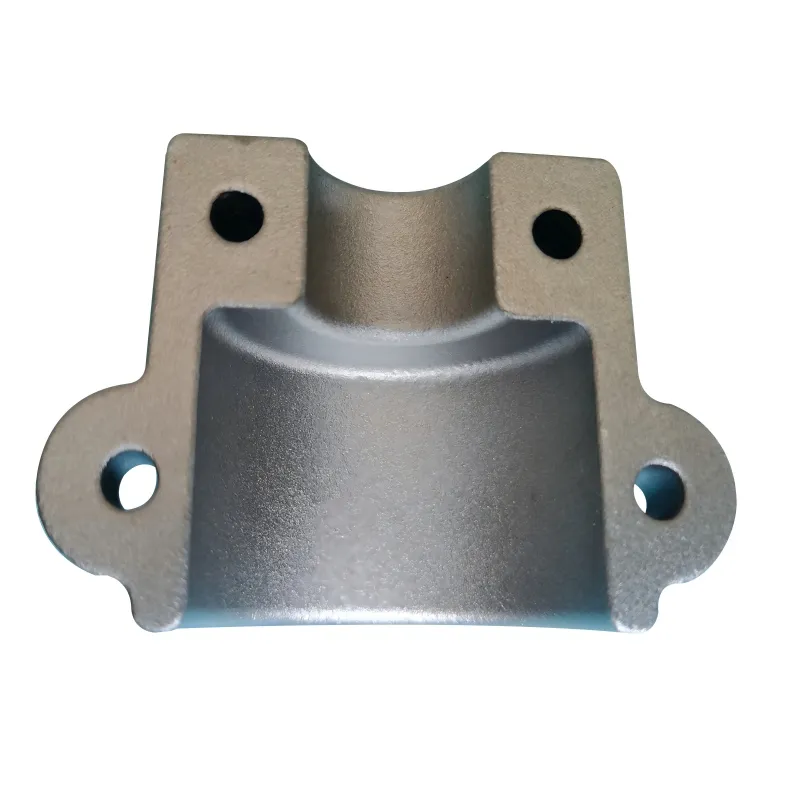
Initial cleaning involves sand blasting or chemical cleaning to remove the last bits of shell. Then inspection begins. Dimensional checks, visual inspection for surface defects, dye penetrant testing for cracks. For critical components, like those QSY produces for machining into final parts, you move to radiographic (X-ray) or ultrasonic testing to find internal flaws. This is where the earlier steps are judged. A cluster of porosity on the X-ray film can often be traced back to a wax pattern issue or a gating design flaw from days before.
Why It's Never Just About Casting
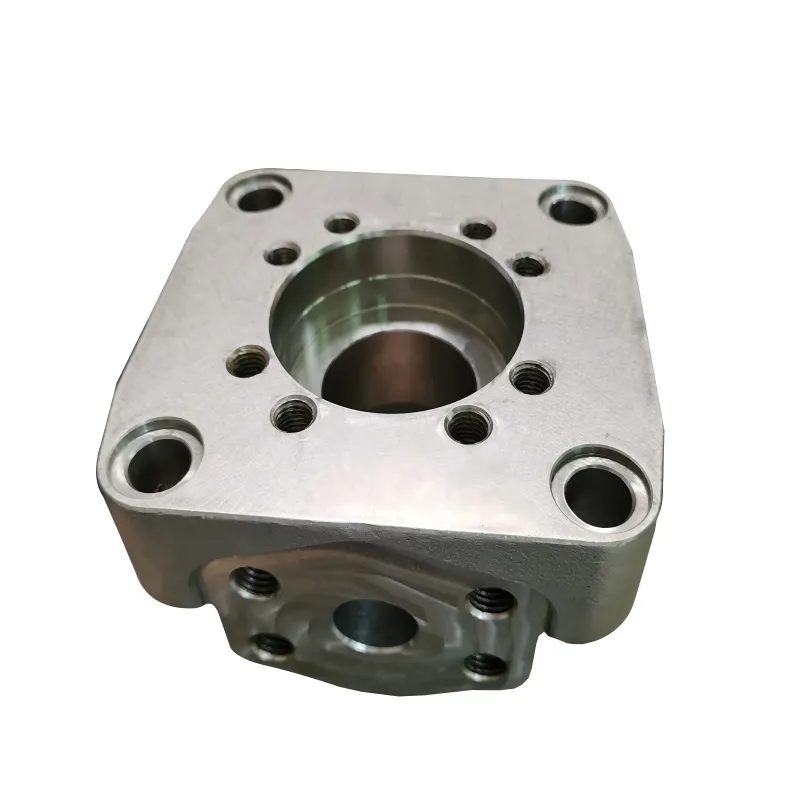
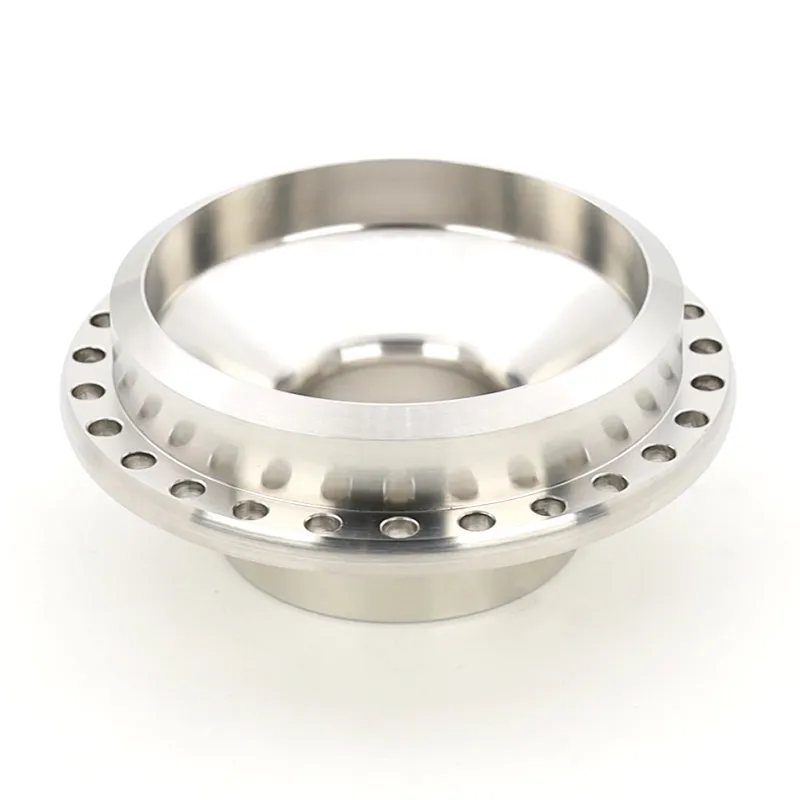
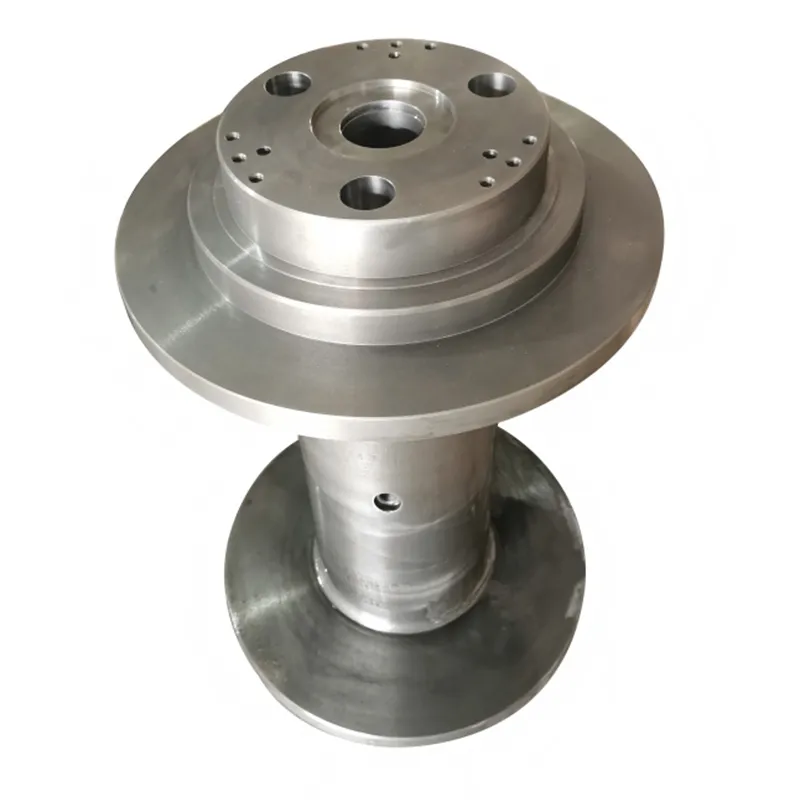
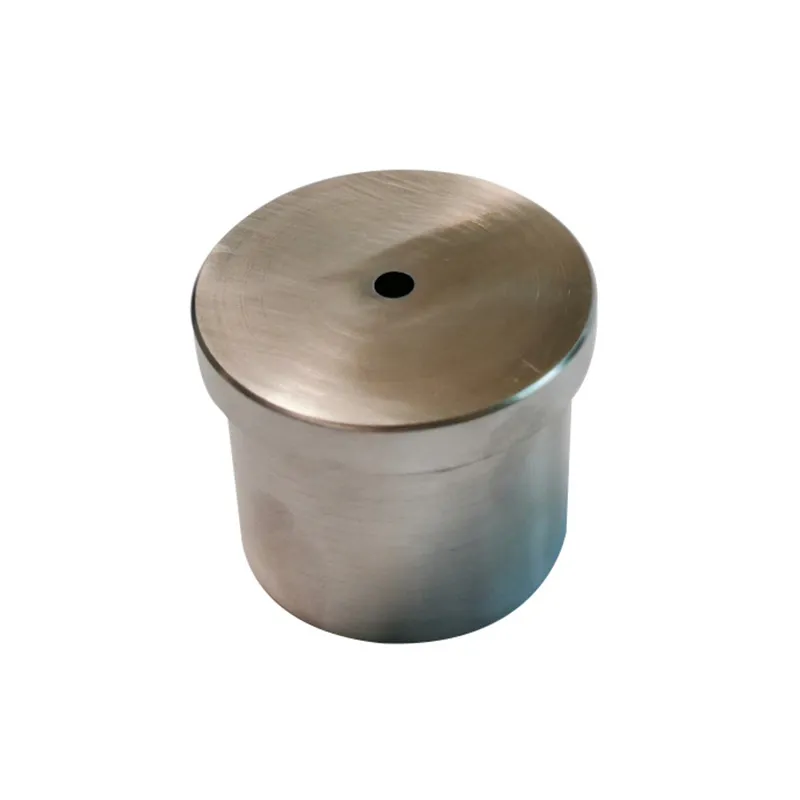
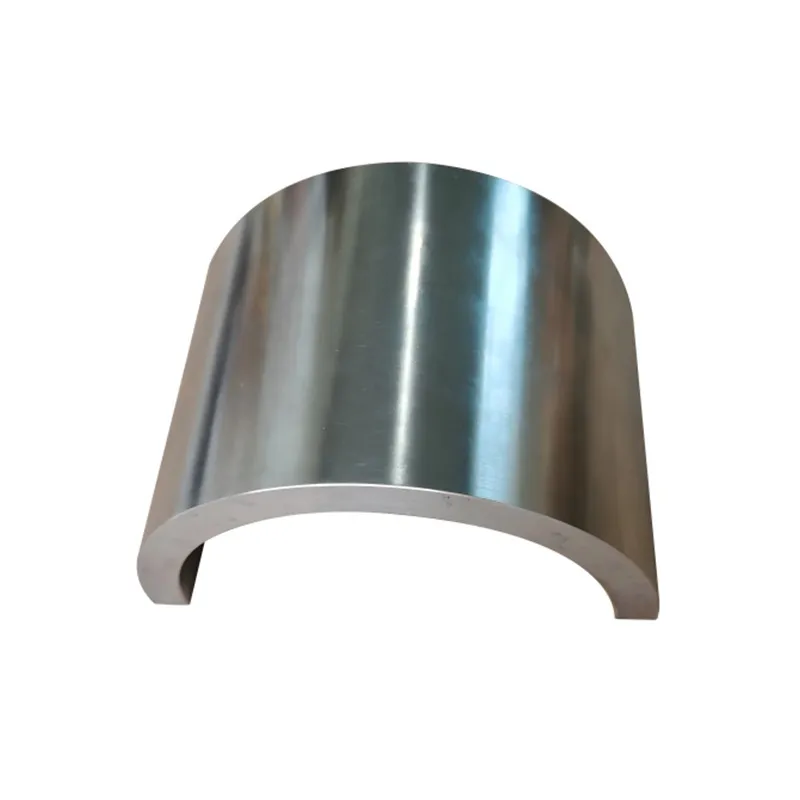
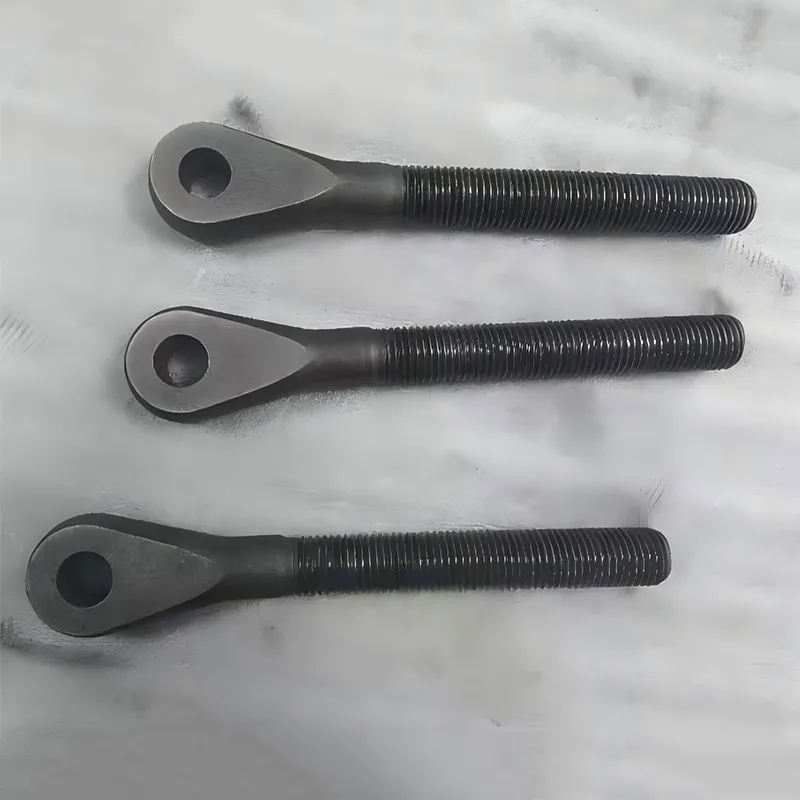
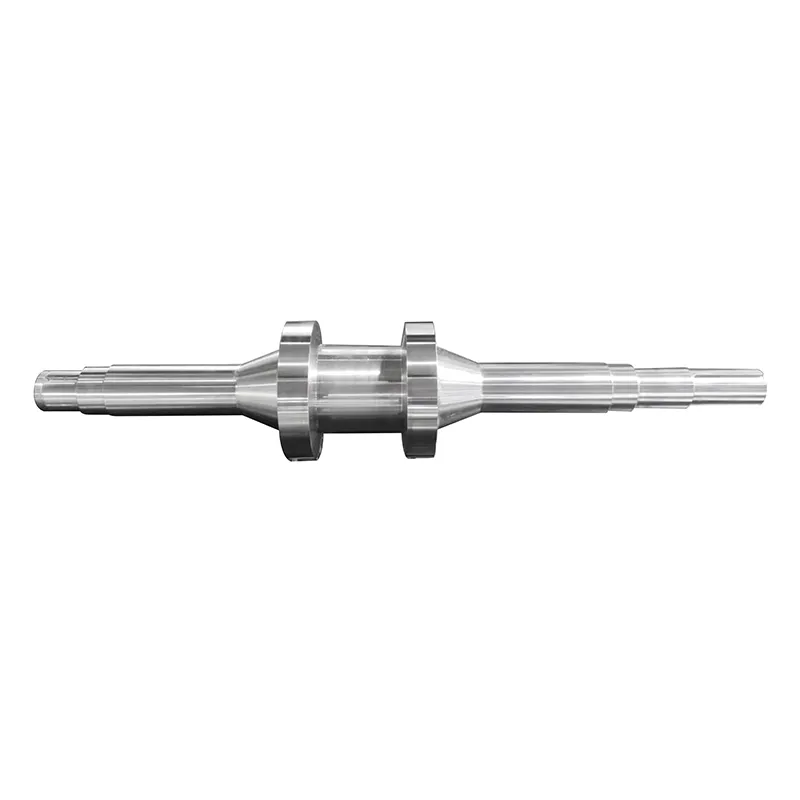
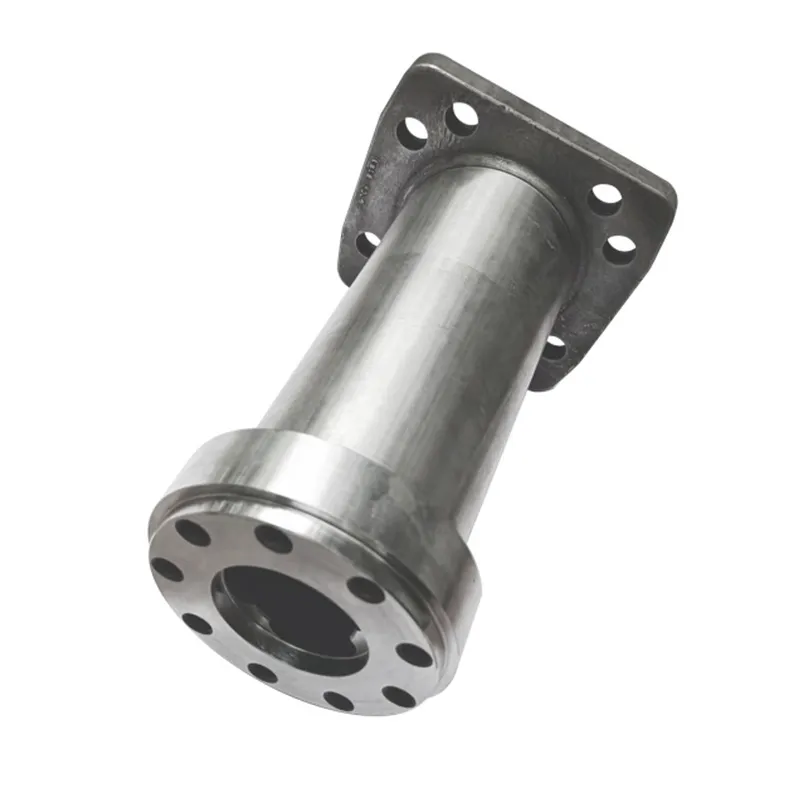
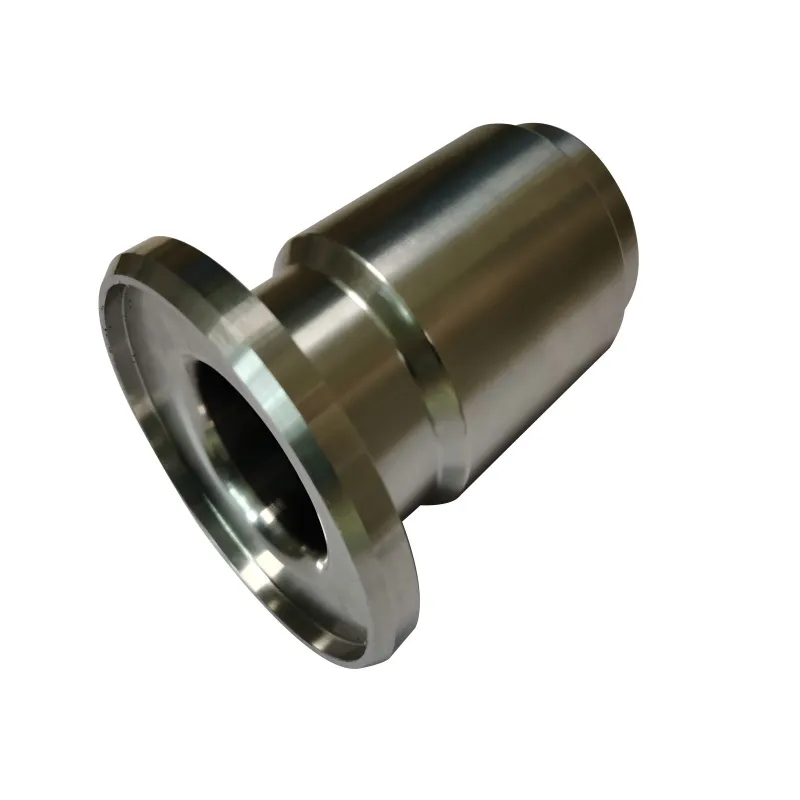
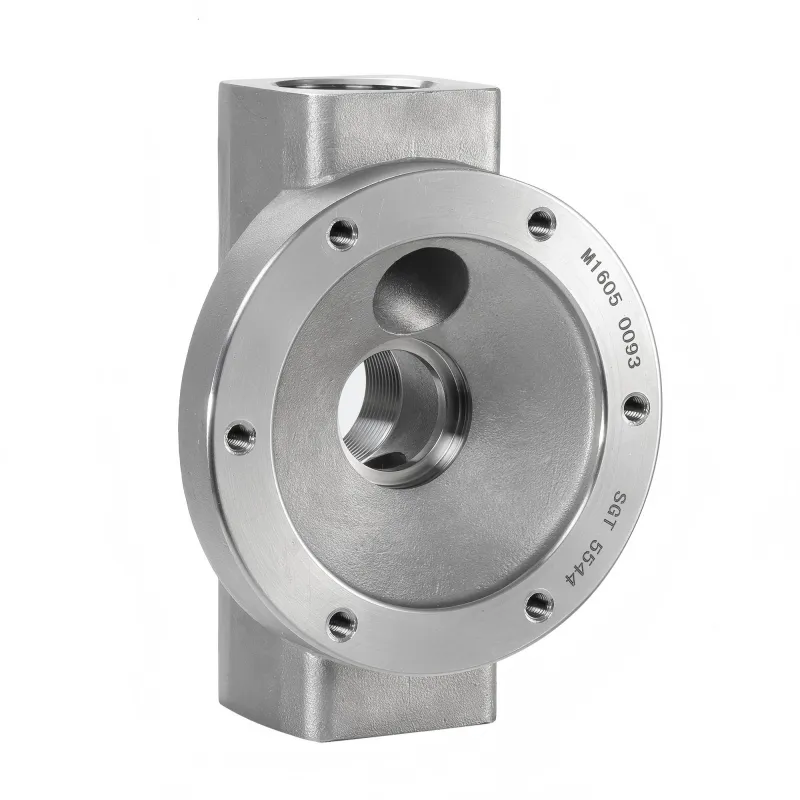
Here's the thing about modern wax metal casting: it's rarely the end of the line. The as-cast part is a near-net-shape blank. For it to be functional, it almost always needs machining. This is where integration matters. A foundry that understands machining is gold. They'll design the casting with machining datums in mind, add minimal but sufficient stock allowance, and consider clamping points. QSY's model of offering both investment casting and CNC machining under one roof makes perfect sense. They can cast a 17-4PH stainless steel valve body with critical seal faces left as-cast, knowing exactly how much stock to leave for their CNC mills to finish to a perfect Ra 0.8. It eliminates the finger-pointing between separate casting and machine shops.
The material choice is also integral to the process. Investment casting excels with alloys that are difficult to machine. It's more economical to cast a complex shape from Inconel 718 than to machine it from a solid block. The process waste is minimal. For high-volume small parts, like golf club heads or dental implants, they use multi-cavity wax dies and automated tree assembly. For low-volume, large parts—think a single pump housing for a mining operation—it might be a hand-assembled tree from patterns made via rapid prototyping. The process scales, but the core principles don't change.
I've seen shops try to cut corners—reusing slurry too many times, shortening drying times, skipping the full thermal analysis on a new part design. It almost always backfires, resulting in higher scrap rates that wipe out any perceived savings. The companies that last, like those with 30 years of history, understand it's a system. It's about controlling hundreds of variables to achieve consistency. It's not magic; it's meticulous, sometimes tedious, control.
Final Thoughts: A Process of Refinement
So, wax metal casting, or investment casting, isn't a single technique. It's a framework. The wax is the starting point, but the ceramic shell system is the true heart, and the metallurgy is the soul. Success lies in how you manage the interactions between them. It's a process suited for complexity, for alloys that laugh at cutting tools, and for applications where performance trumps everything.
For engineers designing a new part, my unsolicited advice is to talk to your foundry early. Don't just send a final CAD model for a quote. Involve them in the design-for-manufacturability stage. A slight draft angle change, a subtle radius adjustment, or a relocated gate can mean the difference between a 95% yield and a 70% yield. The expertise at a integrated manufacturer isn't just in pouring metal; it's in navigating the entire chain from wax to finished machined component.
In the end, what comes out of the broken ceramic shell is more than metal. It's the culmination of a long sequence of controlled steps, each one leaning on the last. When it works, it feels less like manufacturing and more like alchemy, earned through trial, error, and accumulated grit. That's the real story behind the wax.