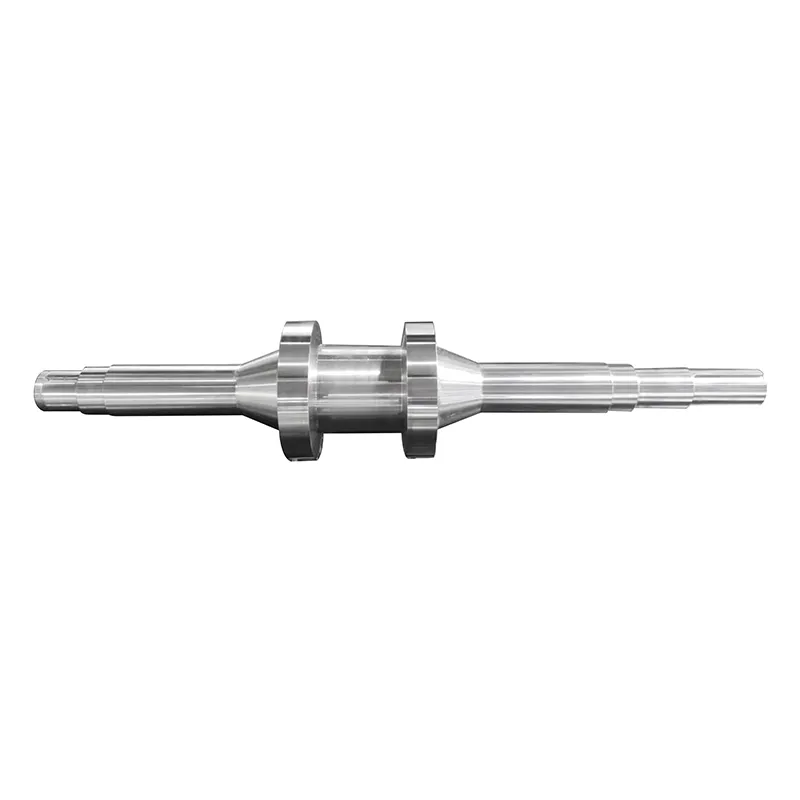
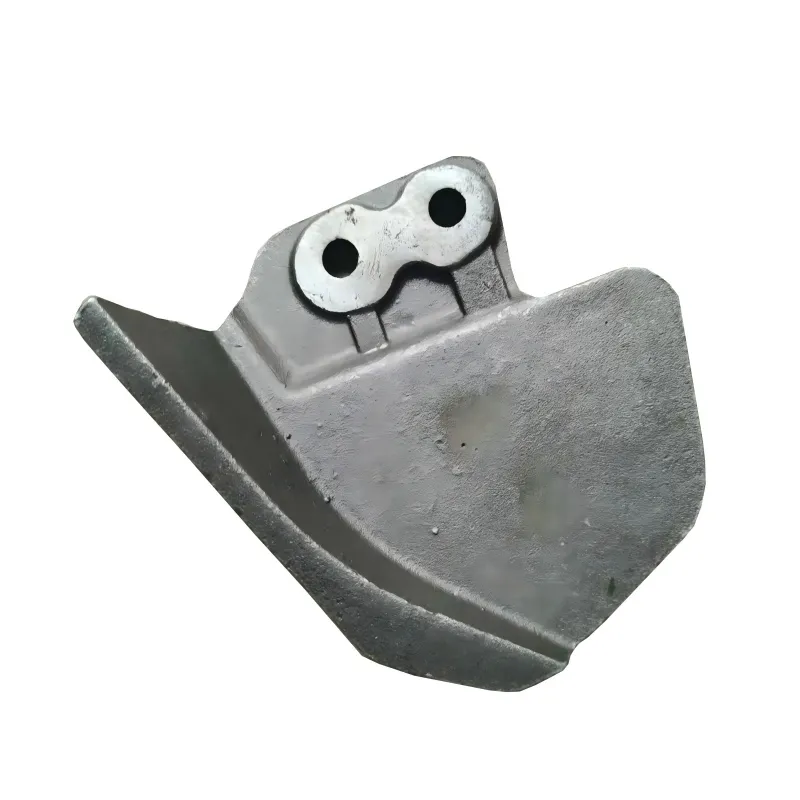
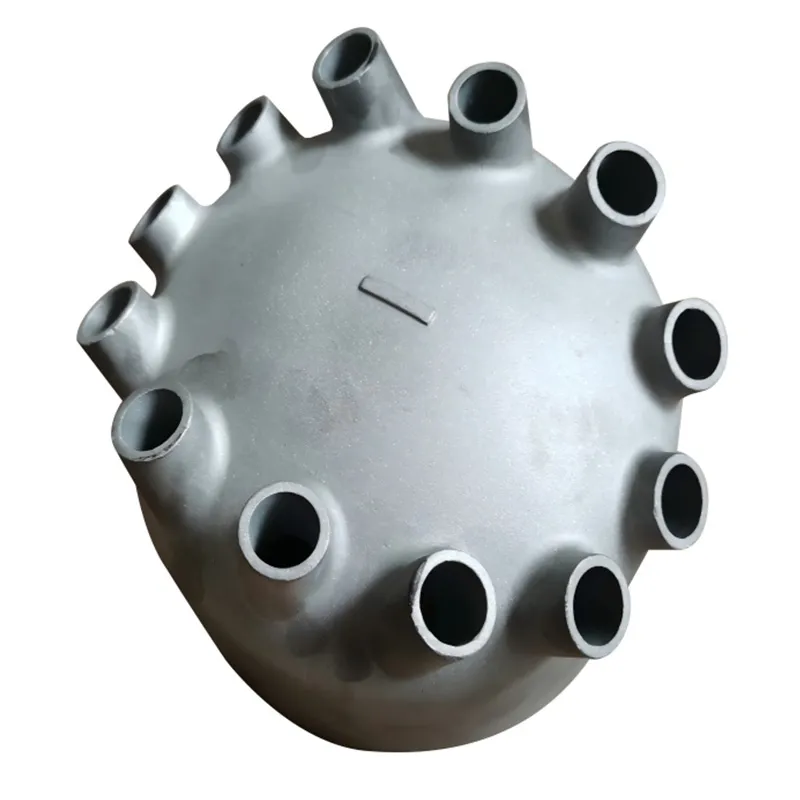
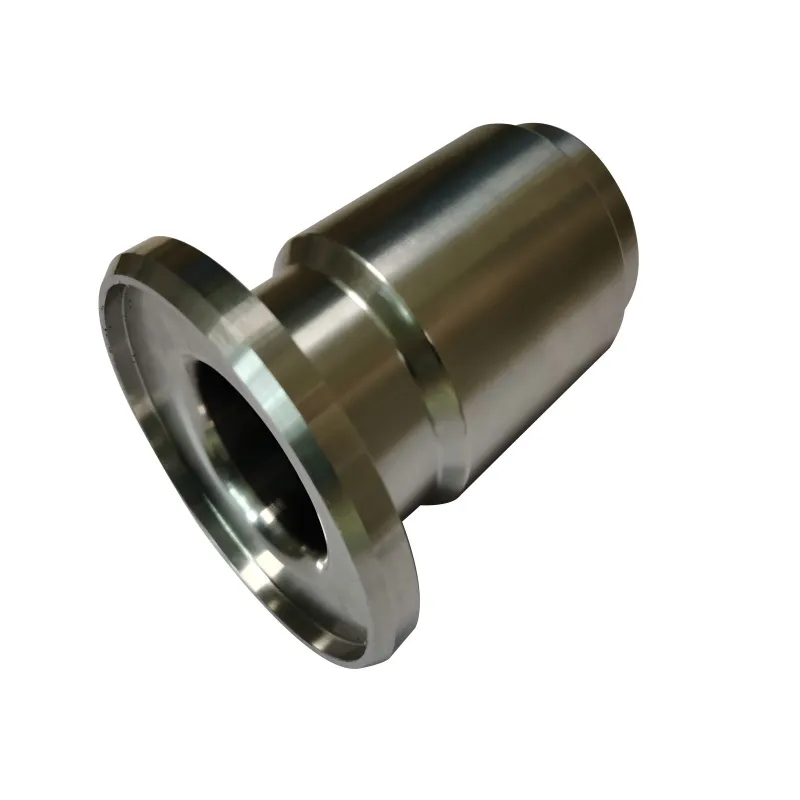
When you hear 'wear-resistant parts', most people immediately think of hardness. Rockwell this, Brinell that. It's the first number everyone asks for, and honestly, it's a decent starting point. But if you've been in this game long enough, you know that's where the real conversation begins, not ends. I've seen too many projects stall because someone ordered a part based solely on a hardness rating from a catalog, only to have it fail in a matter of weeks. The reality is, wear isn't a single enemy; it's a combination of abrasion, impact, adhesion, and often corrosion, all dancing together in a harsh environment. Treating it as a one-dimensional problem is the biggest, and most expensive, mistake you can make.
The Material Maze: It's Never Just About Steel
So you need something tough. Your first instinct might be to go for a high-chromium cast iron or a tool steel. Good choices, for certain applications. But let's say you're dealing with a slurry pump impeller. You've got high-velocity solids scouring the surface, but also potential for chloride exposure. A super-hard steel might crack under the cavitation, or corrode at the grain boundaries. This is where the alloy conversation gets deep. We've had success, and failures, that pushed us toward more tailored solutions.
I recall a project for a cement plant, a fan blade assembly facing extreme abrasion from raw meal dust. We tried a standard NM400 wear plate. Hard as nails, but the vibration and minor impact from larger particles led to fatigue cracks at the mounting points. The hardness came at the cost of toughness. That was a learning moment. We shifted to a lower hardness but higher toughness steel with a modified carbide distribution in the microstructure. It wore more evenly and didn't crack. The lifecycle cost dropped dramatically, even though the initial material spec looked softer on paper.
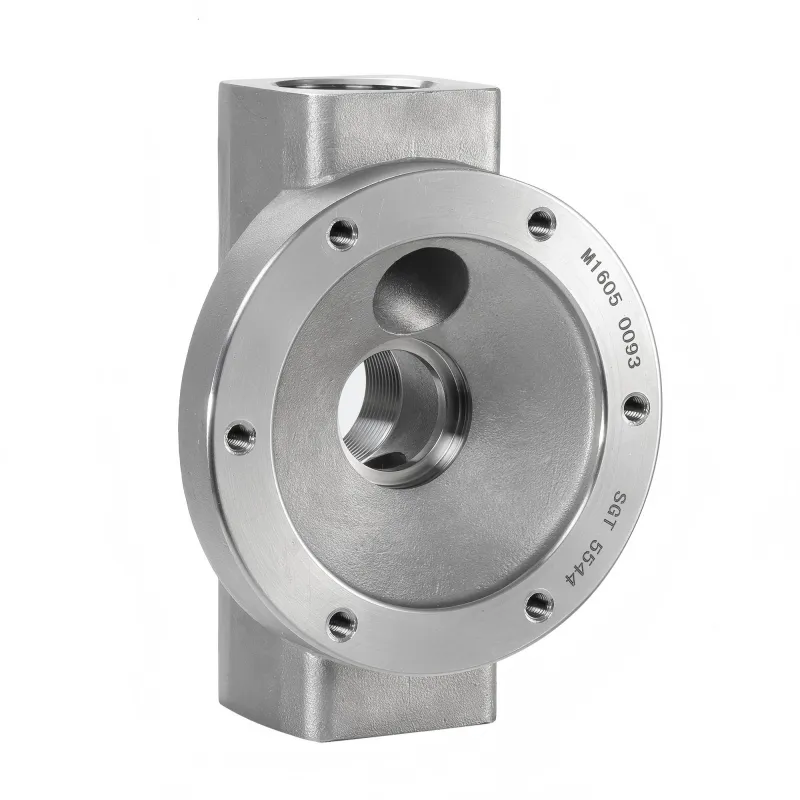
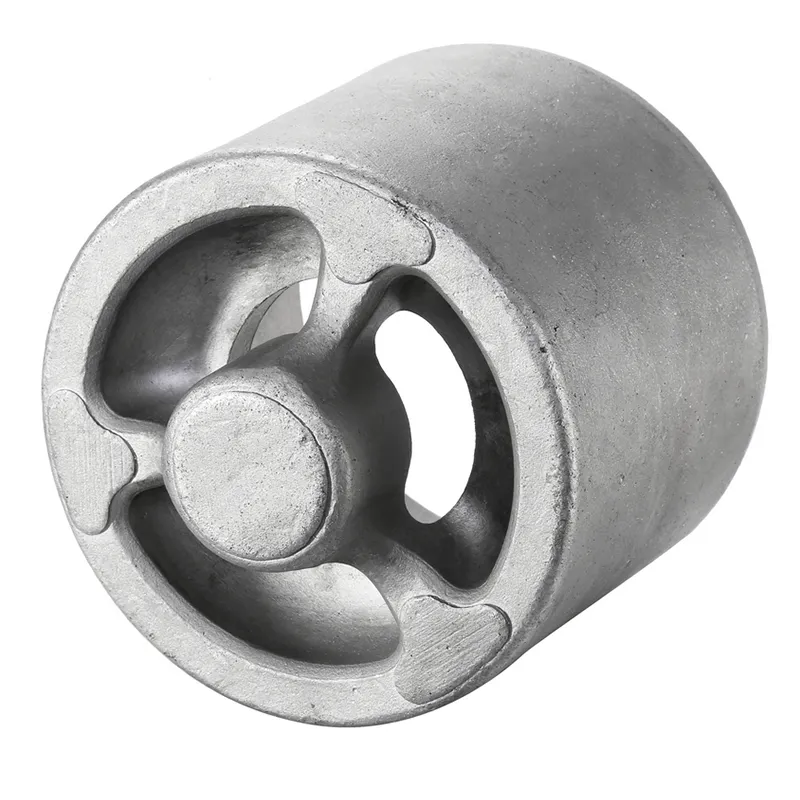
This is why companies that truly understand this, like Qingdao Qiangsenyuan Technology Co., Ltd. (QSY), don't just sell materials; they have to understand the failure mode. With their background in shell mold casting and investment casting, they can play with the metallurgy from the liquid state. It's a different level of control compared to just machining a bar stock. For wear-resistant parts, the casting process itself allows for creating complex, near-net-shape geometries that are difficult to machine, and you can design the wear characteristics into the part's very fabric—like placing more wear-resistant alloys exactly where the abrasion happens thickest.
The Process is Part of the Performance
Speaking of process, this is another layer often overlooked. You can have the perfect alloy composition, but if the heat treatment is off, or the casting cools wrong, you're left with a part that's brittle, has internal stresses, or inconsistent properties. I've witnessed parts that met every chemical analysis spec fail prematurely because the post-casting quench was too aggressive, creating micro-cracks.
CNC machining comes in here, but it's a delicate dance. Machining a hardened wear-resistant part is not like machining mild steel. You're dealing with a material that's fighting back. Tool wear is insane, and if you generate too much heat, you can anneal the surface layer you worked so hard to create, creating a soft skin that wears out fast. The skill is in knowing the sequences: sometimes you machine before final heat treat, sometimes after, and the tool paths and feeds need to respect the material's nature. A shop that only does light machining won't have the setup or the know-how for this. It's a specialized skill set, one that integrates with the foundry side of things.
This integration is key. A company that handles both casting and machining under one roof, like QSY (you can see their approach at https://www.tsingtaocnc.com), has an advantage. They can make a decision early on: For this crusher liner, we'll cast it to 95% net shape in this high-manganese steel, then only machine the mounting interfaces to avoid compromising the work-hardened surface structure. That kind of process flow thinking saves cost and preserves performance. It's not just a manufacturing step; it's a design-for-manufacture and design-for-function decision.
When Special Alloys Aren't Just a Luxury
Now, into the exotic territory: cobalt and nickel-based alloys. The price tag makes people flinch. You don't specify these for fun. But in environments where high-temperature wear meets corrosion—think valve seats in a petrochemical cracker or turbine blades in a hot gas path—they're not an upgrade; they're the only thing that will work. The wear here is often oxidation and sulfidation at 800°C+, combined with erosive particles.
We tested a stainless steel part in a high-temperature ash-handling system. It looked great on day one. Within a month, the surface had oxidized and spalled off, and the underlying material was being gouged out rapidly. We switched to a nickel-based alloy with high chromium content. The wear rate slowed to a crawl because the alloy formed a stable, adherent oxide layer that actually protected the substrate. The part wore by slowly shedding this layer and reforming it, not by catastrophic material loss. That's a different philosophy of wear resistance altogether.
This is where a foundry's experience with special alloys is critical. Casting these materials is a different beast. They have different shrinkage, different fluidity, and are wildly reactive if the atmosphere in the furnace isn't controlled. A foundry that casually says yeah, we can do that without a track record is a red flag. You need evidence, like a history of producing functional parts that have survived in the field. It's not about pouring metal; it's about controlling an incredibly complex chemical and physical reaction to yield a predictable microstructure.
The Fit and the Context
Here's a practical headache that never makes the brochure: fit and installation. You can design the world's best wear-resistant liner, but if the mounting holes are off by half a millimeter, or if the part warps slightly during heat treatment, the fitter on site is going to have to grind it to fit. You're grinding away the very surface you paid a premium for. I've seen it happen. The tolerance specification for a wear part isn't just about function; it's about installability. Sometimes you need to specify as-cast surfaces in non-critical areas and machined surfaces only where mating occurs. It's a cost-performance-installation triangle.
Another context point: the mating material. A part's wear resistance is meaningless in isolation. It's a system. A super-hard ceramic-coated chute liner might be fantastic against silica sand, but if it's constantly being hit by a manganese steel hammer, you might get catastrophic chipping. Sometimes, you need a softer, more sacrificial material in one part of the system to protect a more critical, expensive component downstream. It's about managing the wear path through the entire process, not just buying the hardest thing for every component.
This systems-thinking is what separates a parts supplier from a solutions partner. It requires asking a lot of questions upfront: What is it wearing against? What's the temperature? Is there chemical exposure? What's the impact angle? How is it installed? What's the expected lifecycle? The answers guide everything from material selection to casting method to post-processing.
Looking Back to Move Forward
After three decades, you see patterns. The companies that last in this field, like QSY with their 30 years, aren't just surviving on price. They've built a repository of failure analyses and success stories. They've learned, often the hard way, that a wear-resistant part is a promise of uptime. It's not a commodity. The value isn't in the kilogram of metal; it's in the hours of operation it delivers before needing replacement.
The future, I think, lies in even tighter integration of design, material science, and process control. Maybe it's more sophisticated simulation of wear patterns during the design phase, or advanced non-destructive testing to guarantee internal soundness in complex cast parts. The goal remains the same: to match the right material, shaped and treated in the right way, to a very specific set of destructive forces. It's a never-ending puzzle, but that's what makes it real work. It's never just about hardness. Anyone who tells you otherwise probably hasn't spent enough time on the maintenance floor, looking at a failed part and wondering what to try next.