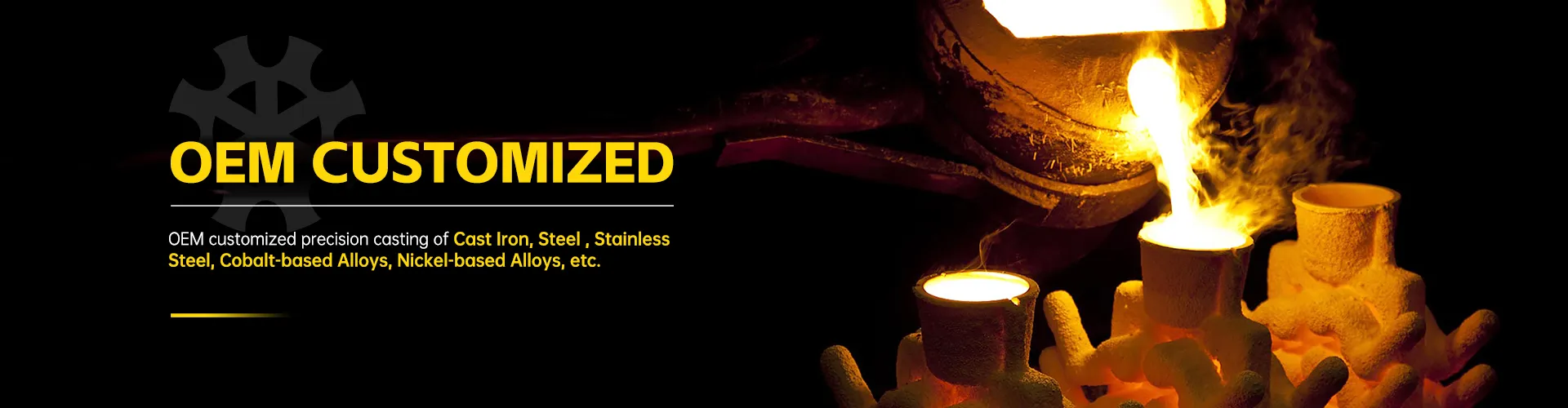
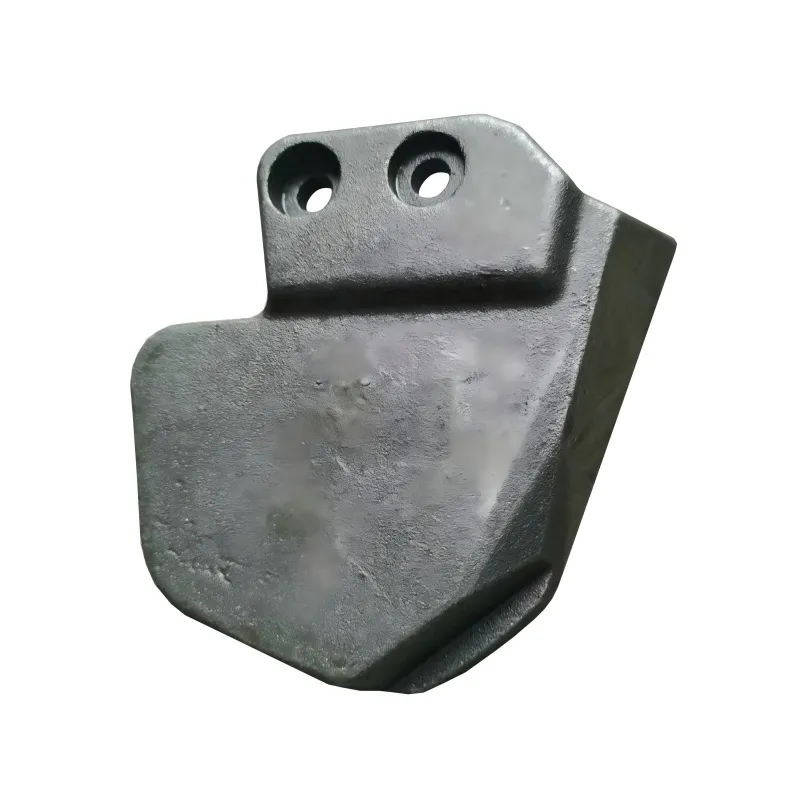
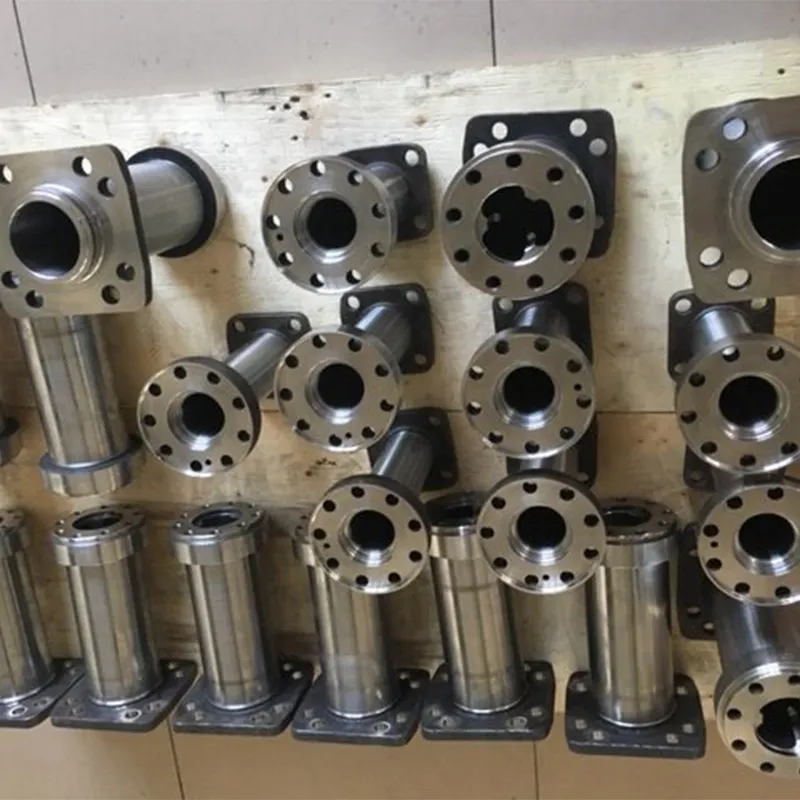
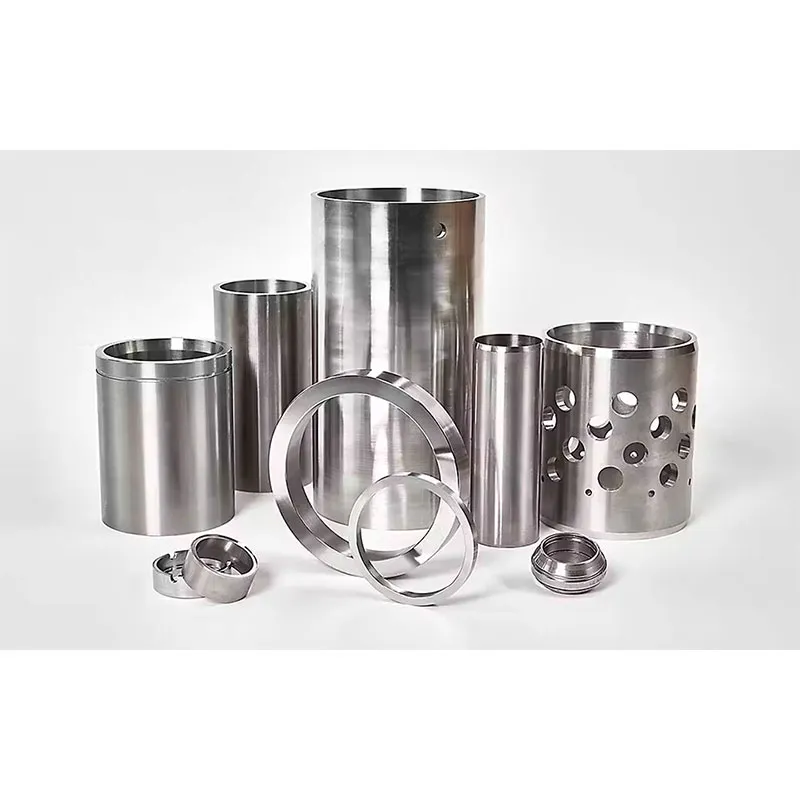
Air set sand casting is a specialized no-bake molding process that utilizes chemical binders cured at ambient temperatures to produce high-precision, dimensionally stable metal components. Unlike traditional green sand or resin-bonded methods, the air set technique eliminates the need for thermal curing ovens, allowing for the production of large, complex geometries with superior surface finish and tighter tolerances. This method is particularly valued in heavy industry for manufacturing OEM parts where structural integrity and dimensional accuracy are critical, offering a cost-effective solution for low-to-medium volume production runs without the high tooling costs associated with investment casting.
What Is Air Set Sand Casting? Understanding the No-Bake Process
Air set sand casting, frequently referred to as no-bake casting, represents a significant evolution in foundry technology. The term “air set” derives from the fact that the sand mold sets or hardens at room temperature through a chemical reaction, rather than requiring heat or compacting force alone. This process bridges the gap between the low-cost, lower-precision green sand casting and the high-cost, high-precision investment casting.
In this manufacturing method, silica sand is mixed with a liquid organic binder and a catalyst. Once mixed, the sand remains pliable for a short working time, allowing foundry workers to pack it around a pattern. As the chemical reaction progresses, the mold hardens into a rigid structure capable of withstanding the pressure of molten metal. The absence of thermal curing not only reduces energy consumption but also minimizes thermal distortion in the mold, resulting in castings with exceptional dimensional stability.
The Core Mechanism: Chemical Bonding Without Heat
The fundamental difference between air set and other casting methods lies in the bonding mechanism. In green sand casting, clay and water provide cohesion, which can lead to moisture-related defects such as gas porosity. In contrast, air set systems use synthetic resins—typically furan, phenolic, or alkyd-based—that polymerize upon contact with an acid catalyst. This chemical bond is strong and thermally stable, ensuring that the mold maintains its shape even when exposed to extreme pouring temperatures.
This chemical curing process allows for the creation of molds with high hot strength and low expansion rates. For engineers and procurement specialists, this translates to fewer machining allowances and reduced material waste. The ability to control the setting time by adjusting the catalyst ratio provides foundries with the flexibility to handle both small, intricate components and massive industrial parts weighing several tons.
How Air Set Sand Casting Works: Step-by-Step Production Flow
Understanding the operational workflow of air set sand casting is essential for evaluating its suitability for specific OEM projects. The process is methodical and relies heavily on precise chemical ratios and skilled manual labor. Below is the detailed production sequence.
1. Pattern Preparation and Coating
The process begins with the preparation of the pattern, which can be made from wood, metal, plastic, or foam. To ensure easy removal and a smooth surface finish, the pattern is coated with a parting agent. This step is critical because the air set sand is sticky before it cures. A high-quality release agent prevents the sand from adhering to the pattern, reducing the risk of mold damage during stripping.
2. Sand Mixing and Binder Addition
Silica sand is fed into a continuous mixer where it is blended with the liquid binder and catalyst. The mixing must be thorough and uniform to ensure consistent mold strength. The ratio of binder to sand typically ranges from 1.0% to 2.5%, depending on the required strength and the type of metal being cast. Over-mixing can cause premature setting, while under-mixing leads to weak spots in the mold.
3. Molding and Compaction
The prepared sand mixture is placed into a flask or directly onto the pattern board. Workers manually or mechanically ram the sand around the pattern to ensure density. Because the sand is self-setting, excessive compaction is not required, which reduces stress on the pattern. For large parts, the mold may be built in sections (cope and drag) using wooden or metal frames to support the uncured sand until it hardens.
4. Curing and Pattern Removal
Once the sand is packed, it is left to cure at ambient temperature. The curing time varies from minutes to hours, depending on the chemistry used and the ambient humidity. After the initial set, the pattern is carefully removed. The resulting mold cavity is a precise negative of the original pattern. At this stage, any necessary repairs or touch-ups are performed by skilled foundry technicians.
5. Assembly and Gating System Installation
The cope and drag halves of the mold are assembled. A gating system, including sprues, runners, and risers, is cut into the sand or pre-formed using printed cores. These channels guide the molten metal into the cavity and allow gases to escape. Proper gating design is crucial to prevent turbulence and oxidation during pouring.
6. Pouring and Cooling
Molten metal is poured into the mold at controlled temperatures. The high thermal stability of the air set sand prevents erosion of the mold walls, ensuring a clean casting. After pouring, the casting is allowed to cool and solidify completely. The slow cooling rate inherent in sand casting helps relieve internal stresses in the metal.
7. Shakeout and Cleaning
Once cooled, the mold is broken apart (shakeout), and the casting is removed. The sand can often be reclaimed and reused after reconditioning. The casting then undergoes cleaning processes such as shot blasting, grinding, and cutting off gates and risers to achieve the final near-net shape.
Key Advantages of Air Set Sand Casting for OEM Parts
For B2B buyers and engineering teams, selecting the right casting method involves balancing cost, quality, and lead time. Air set sand casting offers a unique value proposition, particularly for complex, low-to-medium volume orders.
- Superior Dimensional Accuracy: The rigid nature of the chemically bonded sand minimizes mold wall movement during pouring. This results in tighter tolerances compared to green sand casting, often achieving CT10-CT12 standards, which reduces the need for extensive secondary machining.
- Excellent Surface Finish: Air set molds produce a smoother surface texture, typically ranging from 250 to 500 micro-inches Ra. This reduces the workload for post-casting finishing and improves the aesthetic quality of visible components.
- No Limit on Part Size: Unlike die casting or investment casting, which are constrained by machine size or wax tree limitations, air set casting can accommodate extremely large and heavy parts. This makes it ideal for industrial machinery bases, pump housings, and valve bodies.
- Lower Tooling Costs: Patterns for air set casting do not need to withstand high pressures or temperatures, allowing for the use of less expensive materials like wood or urethane. This significantly lowers the upfront investment for prototypes and short production runs.
- Design Flexibility: The process supports complex geometries, undercuts, and internal passages when combined with sand cores. Engineers have greater freedom to optimize part designs for weight reduction and functional performance without being restricted by draft angles required in permanent mold casting.
- Material Versatility: Air set casting is compatible with a wide range of alloys, including carbon steel, stainless steel, ductile iron, gray iron, and various non-ferrous metals like bronze and aluminum. This versatility allows manufacturers to source diverse components from a single foundry partner.
Air Set vs. Other Casting Methods: A Technical Comparison
To make an informed sourcing decision, it is vital to understand how air set sand casting compares to other prevalent manufacturing techniques. The following table highlights key differences in terms of cost, precision, and application suitability.
| Feature | Air Set Sand Casting | Green Sand Casting | Investment Casting | Die Casting |
| Tooling Cost | Low to Medium | Low | High | Very High |
| Dimensional Tolerance | +/- 0.5mm to 1.5mm | +/- 1.5mm to 3.0mm | +/- 0.1mm to 0.5mm | +/- 0.1mm to 0.3mm |
| Surface Finish | Good (250-500 Ra) | Rough (500-1000 Ra) | Excellent (50-125 Ra) | Excellent (50-125 Ra) |
| Part Size Limit | Virtually Unlimited | Limited by Flask Size | Limited by Wax Tree | Limited by Machine Tonage |
| Production Volume | Low to Medium | High | Low to Medium | Very High |
| Lead Time | Short (No baking required) | Very Short | Long (Wax pattern creation) | Medium (Mold fabrication) |
| Best For | Large, complex, low-volume | Simple, high-volume, low-cost | Small, intricate, high-precision | Small, thin-walled, high-volume |
This comparison illustrates that air set sand casting occupies a strategic niche. It offers better precision than green sand without the prohibitive tooling costs of die casting or the lengthy process of investment casting. For OEMs requiring large, structurally sound components with moderate precision, it is often the most economically viable option.
Materials Compatible with Air Set Sand Casting
The versatility of the air set process extends to the materials it can process. The chemical inertness of the cured sand allows it to interact safely with various molten metals, minimizing reactions that could compromise casting integrity.
Carbon Steel and Alloy Steel
Steel castings produced via air set methods are widely used in construction, mining, and energy sectors. The process handles the high pouring temperatures of steel (above 1500°C) effectively. The rigid mold prevents expansion defects, which are common in steel casting due to high shrinkage rates. Common grades include ASTM A216 WCB, ASTM A352 LCB, and various stainless steel grades like CF8M and CF8.
Ductile Iron and Gray Iron
Iron castings benefit from the smooth surface finish provided by air set molds. Ductile iron, known for its toughness and impact resistance, is frequently cast using this method for automotive components, pipe fittings, and machinery frames. The process ensures consistent graphite structure formation, which is critical for the mechanical properties of ductile iron.
Non-Ferrous Alloys
While less common than ferrous applications, air set casting is also suitable for bronze, brass, and aluminum alloys. These materials are often used in marine environments and chemical processing equipment due to their corrosion resistance. The low thermal expansion of the sand mold helps prevent hot tearing in these sensitive alloys.
Common Defects in Air Set Casting and How to Prevent Them
Even with advanced processes, casting defects can occur. Understanding these potential issues demonstrates technical expertise and helps buyers specify quality requirements effectively.
Veining and Cracking
Veining appears as fine, irregular lines on the casting surface, caused by the expansion of silica sand grains under heat. To prevent this, foundries may add ceramic flour or zircon sand to the mixture, which has a lower thermal expansion coefficient. Controlling the pouring temperature also mitigates this risk.
Gas Porosity
Although air set sand is drier than green sand, the organic binders can generate gases when exposed to molten metal. If these gases cannot escape, they become trapped in the casting. Proper venting of the mold and controlling the binder content are essential preventive measures. Using scavengers in the sand mix can also help absorb excess gases.
Inclusions and Slag
Sand particles or slag from the melting furnace can become embedded in the casting. This is often a result of mold erosion during pouring. Ensuring the mold has sufficient hot strength and using ceramic filters in the gating system can significantly reduce inclusion defects.
Dimensional Deviation
While air set casting is precise, deviations can occur if the pattern is worn or if the mold shifts during assembly. Regular inspection of patterns and strict adherence to assembly protocols ensure that tolerances remain within specified limits.
Applications of Air Set Sand Castings Across Industries
The robustness and flexibility of air set sand casting make it a preferred choice for various industrial sectors. Here are some prominent applications where this technology excels.
Pump and Valve Manufacturing
Pumps and valves require complex internal passages and high pressure resistance. Air set casting allows for the creation of intricate core structures that form these internal geometries. The smooth surface finish reduces fluid friction, enhancing efficiency. Materials like stainless steel and duplex steel are commonly used for corrosion-resistant applications in oil and gas.
Heavy Machinery and Equipment
Large base frames, gearboxes, and housing units for construction and agricultural machinery are often produced using air set methods. The ability to cast large, single-piece components reduces assembly time and increases structural rigidity. The high damping capacity of cast iron produced via this method also helps reduce vibration in operating machinery.
Energy and Power Generation
In the power sector, components such as turbine housings, generator frames, and nuclear valve bodies demand high integrity and precision. Air set casting provides the necessary dimensional accuracy and material consistency to meet stringent safety and performance standards. The process is capable of producing thick-walled sections required for high-pressure environments.
Marine and Offshore
Marine applications require materials that withstand harsh saline environments. Bronze and nickel-aluminum bronze castings produced via air set methods are used for propellers, stern tubes, and pump impellers. The process ensures dense, pore-free structures that resist cavitation and corrosion.
Choosing the Right Air Set Sand Casting Manufacturer
Selecting a manufacturing partner is a critical decision that impacts product quality, lead time, and total cost. When evaluating potential suppliers for air set sand casting, consider the following factors.
Technical Capability and Equipment
Assess the foundry’s mixing equipment, pattern-making facilities, and quality control labs. Modern continuous mixers ensure consistent sand quality, while in-house pattern shops allow for rapid prototyping. Ask about their maximum pouring capacity and flask sizes to ensure they can handle your part dimensions.
For instance, Qingdao Qiangsenyuan Technology Co., Ltd. (QSY) exemplifies the kind of robust infrastructure required for high-quality casting production. With over 30 years of experience in the casting and machining industry, QSY operates a production workshop covering over 50,000 square meters. Their facility encompasses specialized production lines for shell mold and investment casting, alongside a comprehensive CNC machining workshop, quality inspection center, and packaging department. While QSY specializes in shell mold and lost wax casting, their extensive expertise in handling diverse materials—including cast iron, steel, stainless steel, and special alloys like cobalt and nickel-based variants—demonstrates the level of technical proficiency buyers should look for. Their one-stop customized service model, serving clients in over 20 countries across industries such as agricultural machinery, medical equipment, and petrochemicals, highlights the importance of choosing a partner with both deep industry knowledge and scalable production capabilities.
Quality Certifications
Look for manufacturers with ISO 9001 certification, which indicates a standardized quality management system. For specific industries, additional certifications such as ISO/TS 16949 for automotive or PED for pressure equipment may be required. Verify their testing capabilities, including spectroscopy for material analysis and X-ray or ultrasound for internal defect detection.
Experience with Similar Parts
Request case studies or samples of parts similar to your project. A manufacturer with experience in your specific industry will better understand the critical features and potential challenges. Their expertise can guide design optimizations that improve castability and reduce costs.
Supply Chain and Lead Times
Evaluate the supplier’s ability to meet your delivery schedules. Inquire about their raw material sourcing, production capacity, and logistics partners. A reliable supply chain ensures consistent quality and timely delivery, which is crucial for maintaining your own production schedules.
Frequently Asked Questions (FAQ) About Air Set Sand Casting
What is the typical tolerance range for air set sand casting?
Air set sand casting typically achieves dimensional tolerances of +/- 0.5mm to 1.5mm, depending on the part size and complexity. This is significantly tighter than green sand casting but slightly broader than investment casting. For critical features, machining allowances of 2-3mm are usually recommended.
Can air set sand be recycled?
Yes, one of the environmental benefits of air set casting is the recyclability of the sand. After shakeout, the sand can be reclaimed, crushed, and treated to remove residual binders. Reclaimed sand can often be reused in the process, reducing waste and raw material costs. However, the reuse rate is typically limited to maintain optimal mold strength.
What is the minimum order quantity (MOQ) for air set casting?
Due to the low tooling costs and flexible setup, air set casting is suitable for low volumes. MOQs can be as low as a single piece for prototyping. For production runs, economies of scale kick in at quantities of 50 to 100 units, but there is no strict upper limit. This makes it ideal for custom OEM orders.
How does humidity affect the air set process?
Humidity can influence the curing time of the chemical binders. High humidity may slow down the setting process, while very low humidity might accelerate it. Experienced foundries adjust the catalyst ratio based on daily weather conditions to ensure consistent mold hardness and quality.
Is air set casting suitable for thin-walled parts?
While air set casting can produce relatively thin walls, it is not the best choice for extremely thin sections (under 3mm) compared to die casting or investment casting. The fluidity of the molten metal and the permeability of the sand limit the minimum wall thickness. For thin-walled components, alternative methods should be considered.
Design Guidelines for Optimizing Air Set Castings
To maximize the benefits of air set sand casting, designers should adhere to certain best practices. These guidelines help minimize defects and reduce manufacturing costs.
- Uniform Wall Thickness: Aim for consistent wall thickness to prevent uneven cooling and shrinkage defects. Sudden changes in section thickness can lead to stress concentrations and cracking.
- Generous Fillets and Radii: Use generous fillets at internal corners to reduce stress and improve metal flow. Sharp corners can act as stress risers and are prone to cracking during cooling.
- Draft Angles: Although air set sand is less sticky than green sand, providing slight draft angles (1-3 degrees) facilitates pattern removal and reduces the risk of mold damage.
- Core Support: For internal features, ensure adequate support for sand cores. Core prints should be designed to hold the core securely in place during pouring to prevent shifting.
- Machining Allowances: Include sufficient machining allowances on critical surfaces. While air set casting offers good surface finish, machining ensures precise final dimensions and removes any surface imperfections.
Environmental Considerations and Sustainability
In 2026, sustainability is a key concern for manufacturing procurement. Air set sand casting offers several environmental advantages. The no-bake process consumes significantly less energy than baked sand methods, as it eliminates the need for ovens. Additionally, the high reclaim rate of the sand reduces landfill waste. Many modern binders are formulated to be low-emission, reducing the environmental footprint of the foundry operation. Choosing a manufacturer with robust environmental management systems aligns with corporate sustainability goals.
Conclusion: Leveraging Air Set Sand Casting for Precision OEM Solutions
Air set sand casting stands out as a versatile, cost-effective, and high-quality manufacturing solution for a wide range of industrial applications. Its ability to produce large, complex parts with superior dimensional accuracy and surface finish makes it an ideal choice for OEMs in sectors such as energy, heavy machinery, and fluid handling. By eliminating the need for thermal curing, it offers faster lead times and lower energy consumption compared to traditional methods.
For businesses seeking a balance between precision and cost, particularly for low-to-medium volume production, air set casting provides a compelling value proposition. It allows for design flexibility, reduced tooling investment, and high material versatility. Whether you require robust steel components for high-pressure environments or intricate iron castings for machinery, this process delivers reliable performance.
When selecting a partner for your next project, prioritize manufacturers with proven expertise in air set technology, robust quality control systems, and a commitment to sustainability. By leveraging the technical advantages of this process, you can optimize your supply chain, reduce total cost of ownership, and bring high-quality products to market faster.
Ready to explore how air set sand casting can enhance your product development? Contact our engineering team today to discuss your specific requirements, request a quote, or learn more about our custom OEM casting solutions.