For industrial procurement teams, design engineers, and OEM equipment manufacturers working in extreme operating conditions, selecting the right cast components directly impacts equipment lifespan, safety performance, and long-term operational cost. If you have ever dealt with unexpected part failures in high-temperature flue gas, corrosive chemical media, or sustained high-load scenarios, you will understand that ordinary carbon steel or standard stainless steel castings often cannot meet the requirements. Nickel alloy casting parts are engineered to maintain stable mechanical properties and corrosion resistance in environments where most common metals would rapidly degrade. This article breaks down the core material options, manufacturing processes, performance matching rules, and procurement checkpoints for nickel alloy casting parts, to help you make more informed decisions for your next special alloy component project.
1. What Are Nickel Alloy Casting Parts?
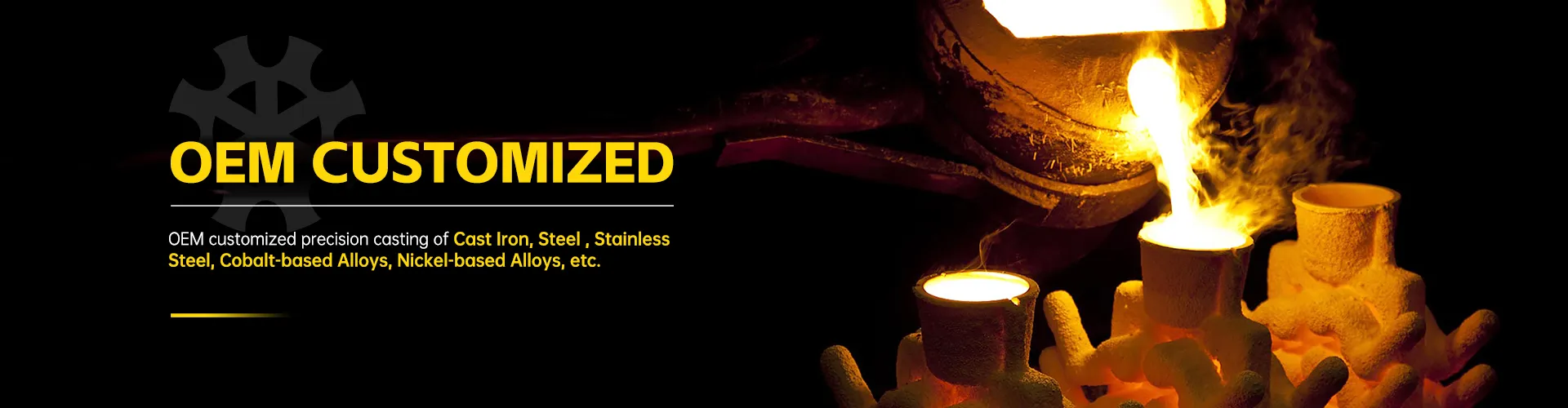
Nickel alloy casting parts refer to components manufactured by melting nickel-based or high-nickel alloy raw materials at temperatures typically ranging from 1300℃ to 1500℃, then pouring the molten metal into custom molds to form near-net-shape structures. Their core value lies in the unique combination of the base nickel element’s inherent properties with other alloying elements, which delivers performance that single-metal or low-alloy castings cannot achieve.
Compared with conventional steel castings, nickel alloy casting parts are not just a simple “higher strength” upgrade. They are purpose-built to address pain points that standard materials cannot solve, such as rapid oxidation at sustained high temperatures, severe pitting corrosion in mixed chemical media, and permanent creep deformation under long-term high-temperature load. This makes them irreplaceable for many high-demand industrial scenarios.
2. Common Nickel Alloy Materials for Cast Components
Different nickel alloy series are formulated with distinct element ratios, so their performance advantages and applicable scenarios vary significantly. Selecting the correct material grade at the design stage can avoid unnecessary cost waste or premature component failure.
- Monel: Nickel-copper series, optimized for hydrofluoric acid and strong alkaline environments
- Inconel: Nickel-chromium series, for ultra-high temperature and strong oxidation working conditions
- Incoloy: Iron-nickel-chromium series, balanced performance with higher cost efficiency
- Hastelloy: Nickel-molybdenum-chromium series, for the most aggressive multi-medium corrosion scenarios
Monel Alloy Castings
Monel alloy parts are nickel-copper series alloys, with nickel content usually above 60% and copper content around 30%. This material series stands out for its exceptional resistance to hydrofluoric acid, dilute sulfuric acid, and strong alkaline solutions, even at moderate temperatures. Unlike many stainless steels that suffer severe corrosion in fluoride-containing environments, Monel castings can maintain stable performance in these harsh conditions, making them a preferred choice for chemical processing equipment handling fluoride media.
Inconel Alloy Castings
Inconel alloy parts are nickel-chromium-iron-molybdenum based high-temperature alloys, designed to operate reliably under extreme high-temperature and high-oxidation conditions. Many grades in this series can retain high tensile strength, fatigue resistance, and oxidation resistance even when working continuously at temperatures above 1000℃. These properties make them ideal for components exposed to direct high-temperature flue gas, combustion chambers, and high-pressure hot working environments.
Incoloy Alloy Castings
Incoloy alloy parts are iron-nickel-chromium based alloys, which strike a balance between high-temperature performance and cost efficiency. Compared with pure nickel-chromium Inconel series, Incoloy materials add a higher proportion of iron, making them more cost-effective for long-term operation at 600℃ to 900℃ in moderately corrosive environments. They are widely used for heat exchanger components, furnace fixtures, and power plant boiler parts that do not require the absolute maximum temperature resistance of top-tier Inconel grades.
Hastelloy Alloy Castings
Hastelloy alloy parts are nickel-molybdenum-chromium superalloys, specifically developed for the most aggressive corrosive working conditions. This series has excellent resistance to pitting corrosion, crevice corrosion, and strong oxidizing chemical media such as concentrated sulfuric acid, hydrochloric acid, and chloride ion-rich solutions. In scenarios where even 316L stainless steel would suffer rapid corrosion, Hastelloy castings can extend component service life by several times, drastically reducing equipment maintenance frequency.
3. Nickel Alloy Casting Process Overview
There is no single universal casting process that fits all nickel alloy casting parts. The selection of manufacturing method depends on the component’s structure complexity, required dimensional accuracy, overall size, and final performance requirements.
Sand Casting for Nickel Alloys
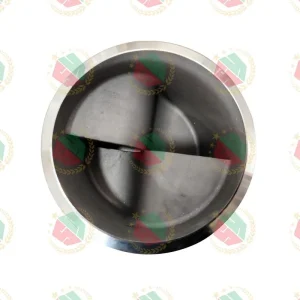
Sand casting is a cost-effective process for producing large, heavy nickel alloy components with relatively simple structures. It is especially suitable for parts such as large pump bodies, valve housings, and industrial furnace support structures that do not require ultra-high precision. For large nickel casting projects, sand casting allows manufacturers to produce large tonnage parts at a relatively low tooling cost, making it a practical choice for bulk heavy industrial components.
Investment Casting / Lost Wax Casting
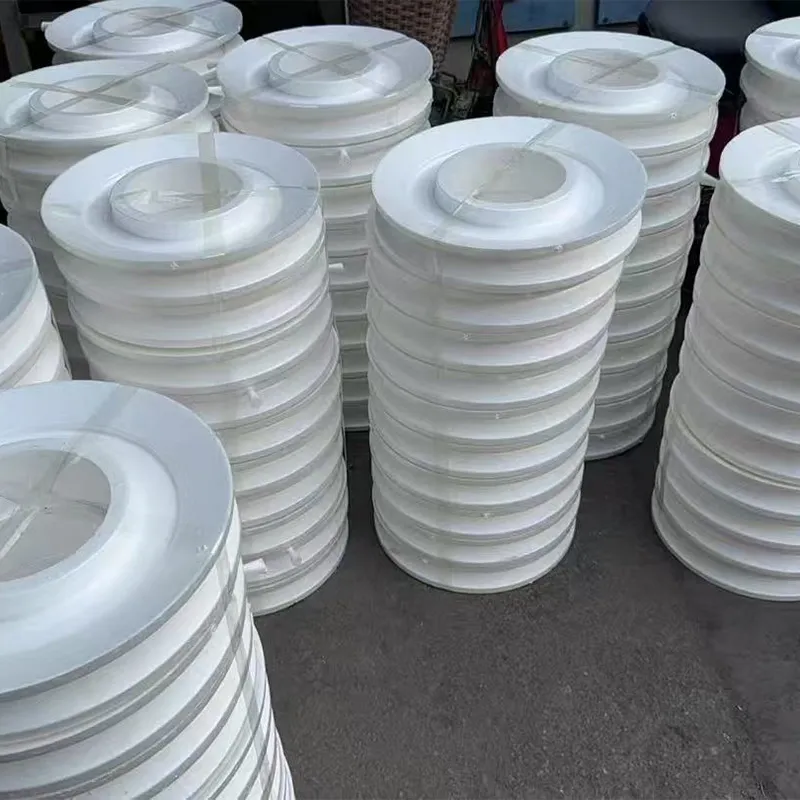
Investment casting parts, also known as lost wax casting, is the mainstream precision casting process for complex nickel alloy components. This process uses wax patterns to form an integral ceramic mold, which allows the production of thin-walled, intricately structured parts that cannot be easily achieved by sand casting. Precision nickel alloy cast parts made via this process can normally reach a general tolerance of around ±0.1mm for small to medium dimensions, significantly reducing the workload of subsequent machining.
Vacuum Casting
Vacuum casting is a special controlled-atmosphere casting process, mainly used for high-performance superalloy components that require extremely low gas content and impurity levels. Melting and pouring nickel alloys in a vacuum environment effectively avoids element oxidation and pore formation inside the casting, ensuring the internal metallographic structure of the parts meets the strictest aerospace and high-end energy equipment standards.
4. Key Performance Advantages Matched to Working Conditions
The value of nickel alloy casting parts is not reflected in abstract material parameters, but in their precise matching with actual working conditions that ordinary materials cannot handle:
- High-temperature structural stability: When the ambient temperature exceeds 600℃, ordinary stainless steel will experience a sharp drop in yield strength, while qualified nickel alloy castings can maintain stable load-bearing performance for thousands of hours of continuous operation.
- Multi-medium corrosion resistance: For equipment that needs to contact multiple mixed chemical media at the same time, nickel alloys avoid the selective corrosion problem that single corrosion-resistant materials often face.
- Anti-creep performance: Under long-term sustained high-temperature load, nickel alloy components will not undergo permanent slow deformation, which is critical for sealing surfaces and high-pressure connection structures.
- Long service life: Although the initial material cost is higher, the extended replacement cycle of nickel alloy components often reduces the total lifecycle cost of equipment significantly.
5. Typical Nickel Alloy Cast Components
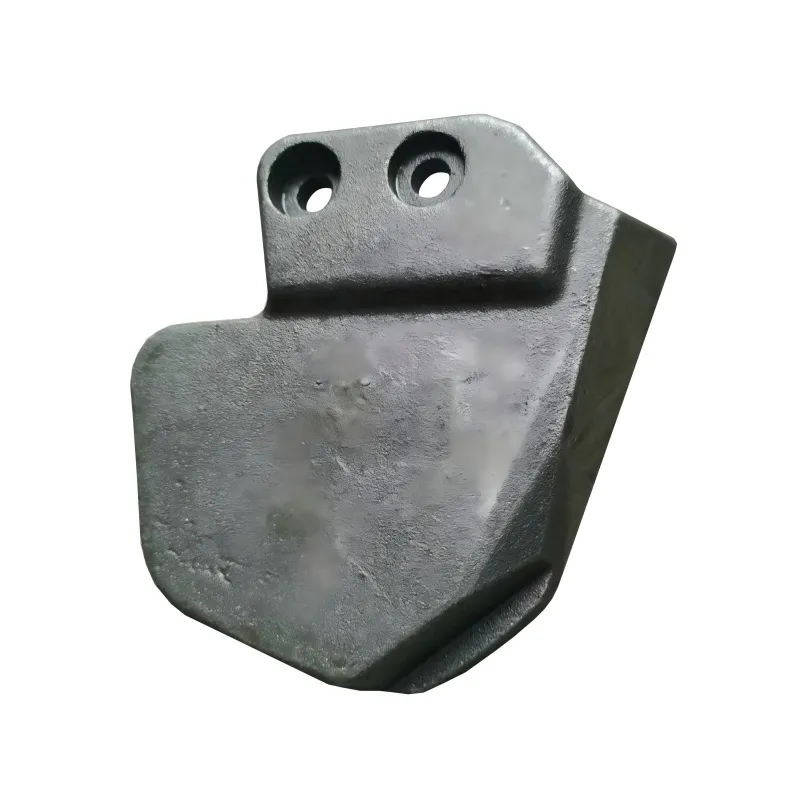
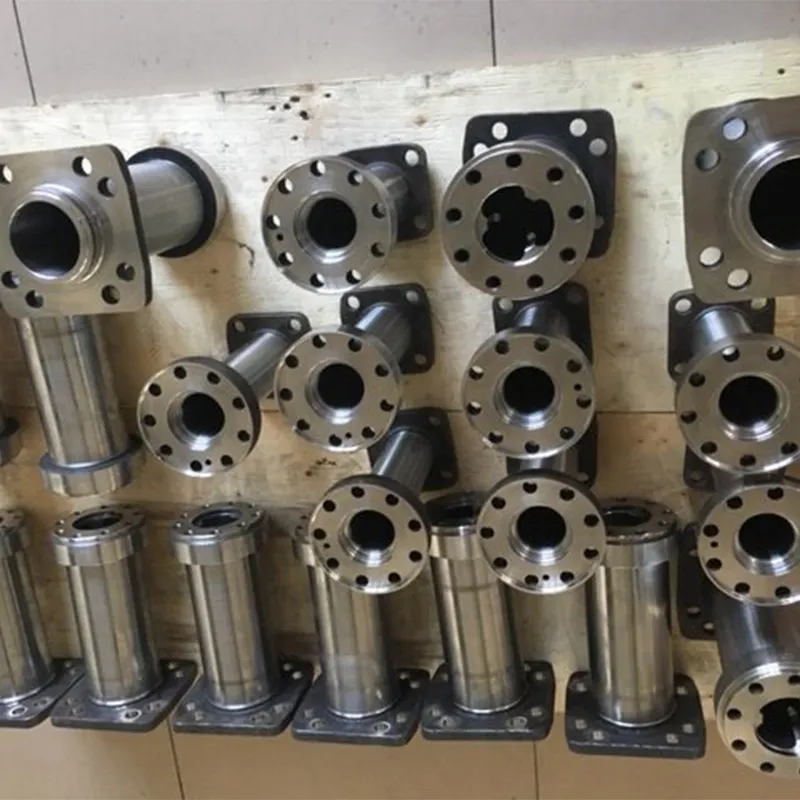
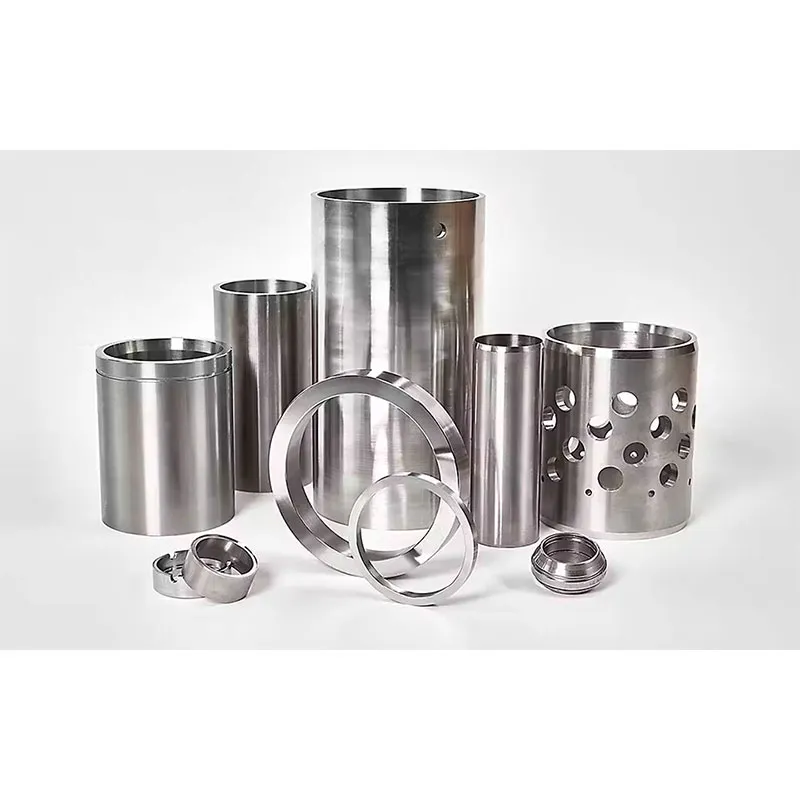
In industrial practice, many core mechanical parts are produced as nickel-based alloy mechanical parts through integral casting, rather than by welding assembled structures, to eliminate the risk of weld seam failure under extreme conditions:
- High-temperature and corrosion-resistant valve bodies and valve trim
- Chemical process pump casings and impellers
- Heat exchanger connection headers and flow diversion components
- Industrial furnace rollers and high-temperature support fixtures
- Turbine hot-end components for energy equipment
- Marine and offshore engineering fluid handling parts
6. Quality Control and Inspection for Nickel Alloy Castings
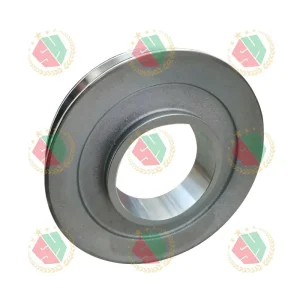
Nickel alloy casting inspection runs through the entire production process, not just a final check after the part is completed. Standard quality control procedures for qualified nickel alloy component manufacturing include the following core links:
- Raw material composition verification: Before melting, all incoming nickel alloy raw materials and return materials are tested to ensure the final molten metal composition meets the required grade standard.
- Melting process monitoring: Strict temperature control and slag removal operations are carried out to reduce non-metallic inclusions inside the molten metal.
- Post-casting non-destructive testing (NDT): Common inspection methods include penetrant testing for surface defects, X-ray or ultrasonic testing for internal pores and shrinkage cavities.
- Performance sampling inspection: For parts with strict requirements, sampling is carried out to verify tensile strength, hardness, and corrosion resistance performance to confirm they meet specification requirements.
7. Post-Casting Machining and Dimensional Accuracy
Due to the high work-hardening characteristics of nickel alloys, nickel alloy machining parts require special tool materials and optimized cutting parameters to achieve the required final dimensional accuracy. For nickel alloy casting parts, different casting processes reserve different machining allowances on mating surfaces, sealing faces, and threaded holes.
- Sand cast nickel alloy parts usually leave a larger machining allowance for large flat and mating surfaces
- Precision investment cast nickel alloy parts can directly reach near-final dimensions on non-mating surfaces, only requiring a small amount of finishing on key assembly positions
- After proper CNC machining, qualified nickel alloy machined components can fully meet the strict tolerance requirements for dynamic fit and high-pressure sealing applications.
8. Major Industrial Applications of Nickel Alloy Casting Parts
Nickel alloy cast components are widely used in almost all industrial fields that involve extreme working conditions:
- Aerospace: For gas turbine hot-end components that need to withstand high temperature and high pressure for a long time
- Power generation and energy: For boiler superheater components and waste heat recovery equipment in thermal power plants
- Petrochemical industry: For reactors, cracking equipment, and various acid and alkali conveying system components
- Offshore and marine engineering: For seawater desalination equipment and underwater fluid system parts that face long-term seawater corrosion
- Nuclear industry: For special process components that require strict material stability and corrosion resistance under radiation environments.
9. Key Technical Points to Confirm Before Procurement
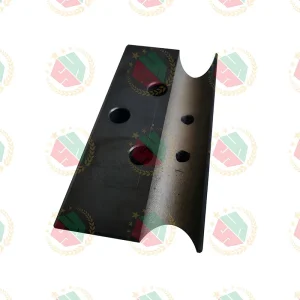
Before placing an order for nickel alloy casting parts, confirming the following technical information with your supplier in advance can effectively avoid delivery discrepancies that do not meet usage requirements:
- Confirm the exact material grade and the corresponding industry standard number that the material certificate will follow
- Clarify the required casting process and the maximum allowable internal defect level
- Specify the key dimensional tolerances of assembly and sealing surfaces, and provide complete technical drawings
- Confirm the required non-destructive testing items and whether special corrosion test reports are needed
- Clearly communicate the actual working conditions, including operating temperature, contact medium, and continuous service life requirements.
Custom nickel alloy castings that fully match your specific working conditions often perform far better than generic standard parts selected only by approximate material grades.
Final Thoughts
Nickel alloy casting parts are not just a high-cost alternative to ordinary steel castings — they are a targeted solution for the most challenging working conditions in modern industry. By selecting the right nickel alloy series, matching it with a suitable casting process, and establishing clear quality control and inspection standards at the procurement stage, you can obtain nickel-based alloy parts that deliver stable performance, long service life, and reliable safety. If you have a project requiring special alloy cast components, preparing complete working condition descriptions and technical drawings in advance will help you and your supplier quickly confirm a feasible manufacturing solution.