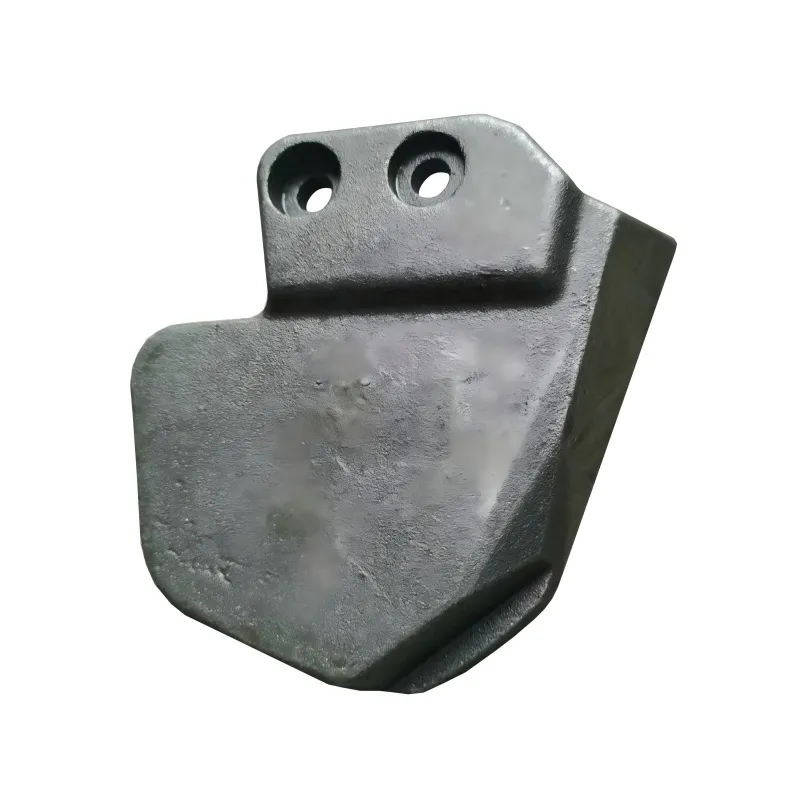
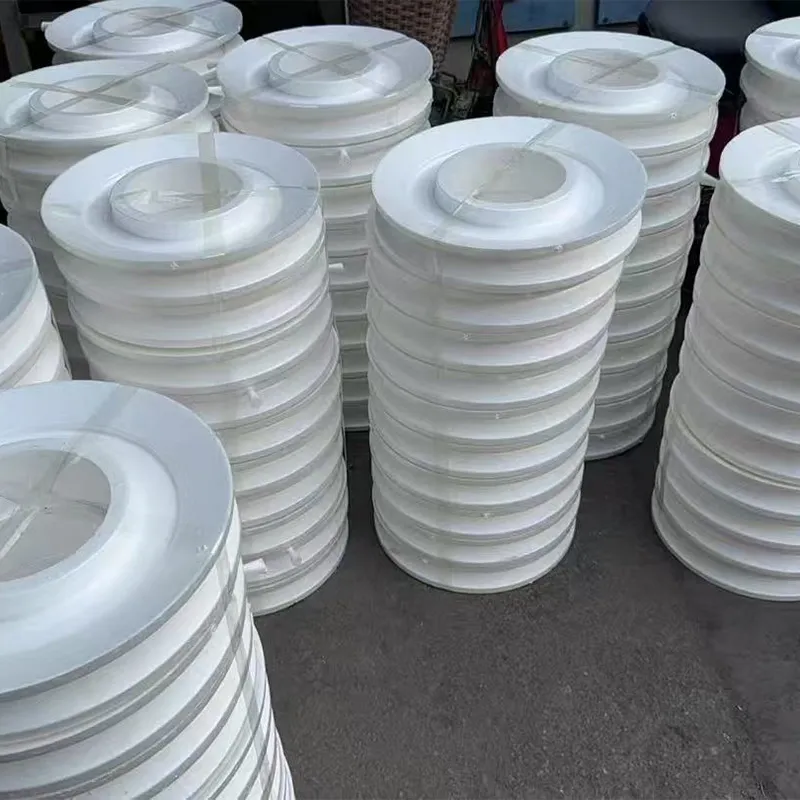
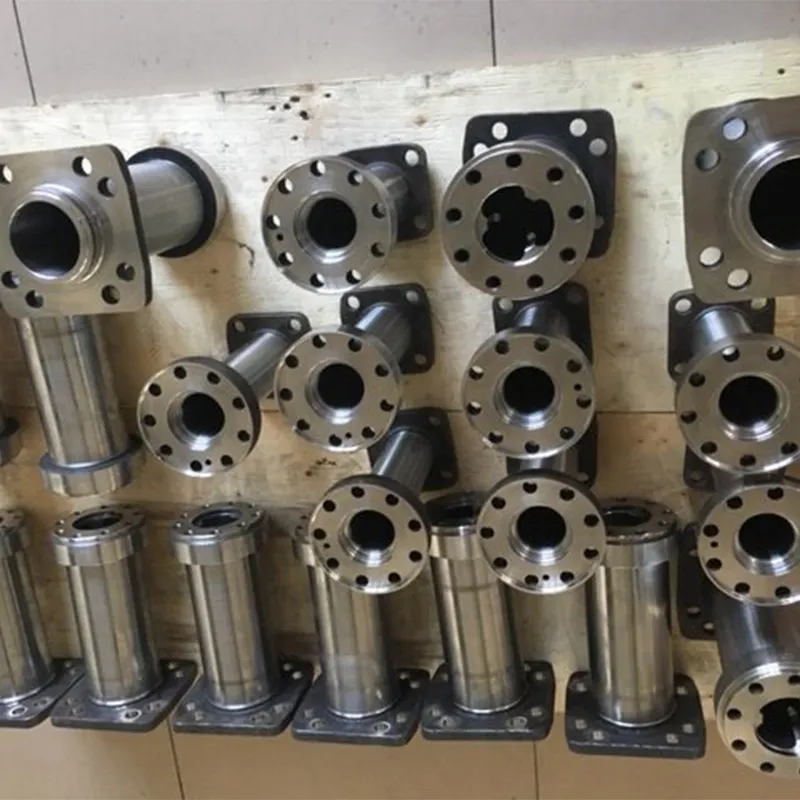
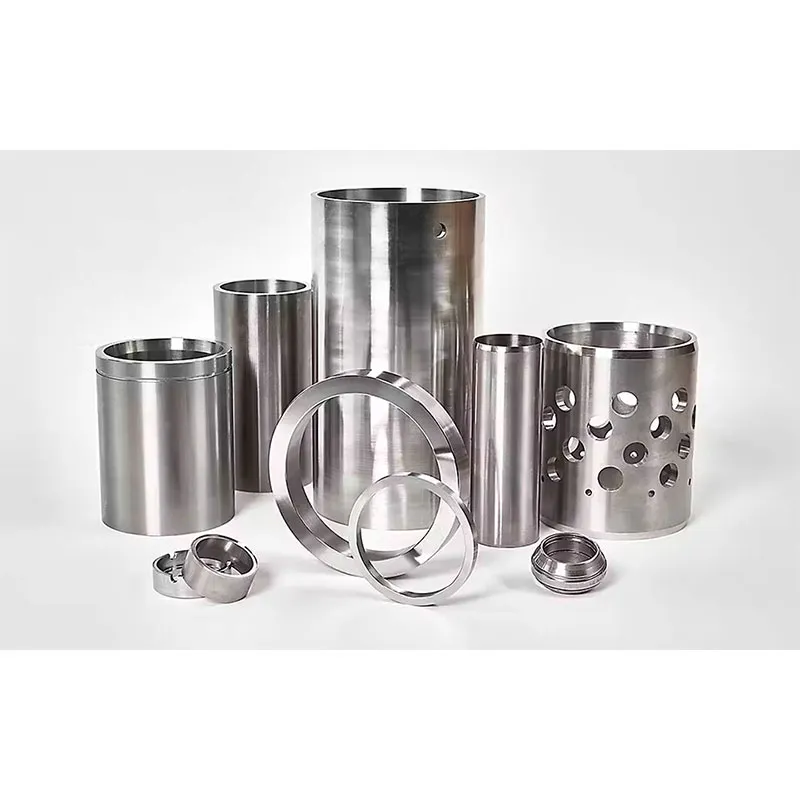
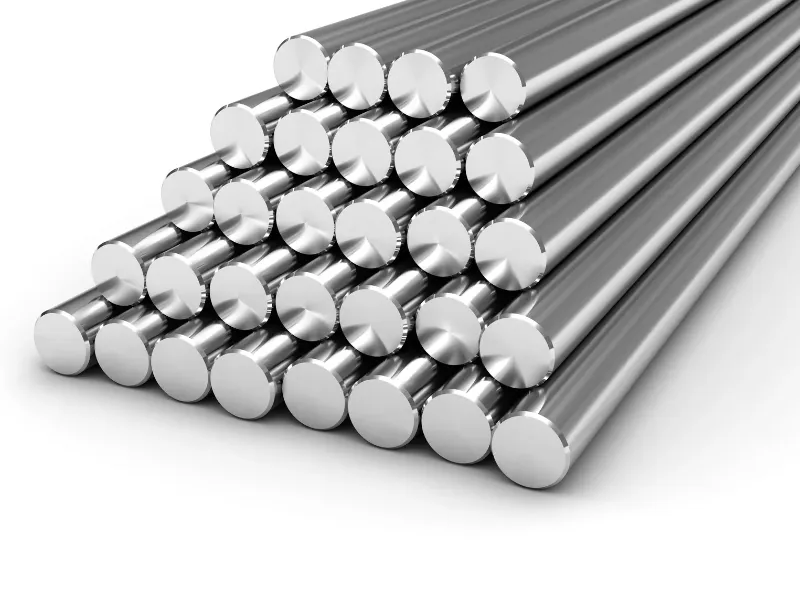
Cast iron gear parts are precision-engineered components essential for transmitting torque and motion in heavy-duty industrial machinery. Manufactured through sand casting or investment casting processes, these gears offer superior vibration damping, wear resistance, and cost-effectiveness compared to steel alternatives. As a specialized OEM manufacturer, QINGDAO QIANGSENYUAN TECHNOLOGY CO., LTD. delivers high-tolerance cast iron gears tailored for hydraulic systems, engineering vehicles, and pump assemblies, ensuring structural integrity under high-pressure conditions.
What Are Cast Iron Gear Parts and Why Do They Matter?
Cast iron gear parts are mechanical elements produced by pouring molten iron into molds to create specific tooth profiles and hub geometries. Unlike machined-from-solid steel gears, cast iron gears leverage the material’s inherent microstructure—specifically graphite flakes or nodules—to provide unique operational benefits. These components are critical in applications where noise reduction, shock absorption, and manufacturing efficiency are prioritized without compromising load-bearing capacity.
In industrial sectors such as oil and gas, construction, and marine engineering, the reliability of gear systems directly impacts equipment uptime. Cast iron, particularly Gray Cast Iron (GGG) and Ductile Iron (ADI), offers an optimal balance between hardness and machinability. This makes it ideal for complex gear shapes that require subsequent CNC finishing to meet strict Geometric Dimensioning and Tolerancing (GD&T) standards.
The Role of Microstructure in Gear Performance
The performance of cast iron gears is dictated by their metallurgical structure. Gray cast iron contains graphite flakes that act as natural lubricants and vibration dampers. This structure is beneficial for reducing gear mesh noise in high-speed applications. Conversely, ductile iron features spheroidal graphite nodes, providing higher tensile strength and impact resistance, making it suitable for heavy-load scenarios such as winch systems and excavator transmissions.
Key Advantages of Using Cast Iron for Gears
Selecting cast iron for gear manufacturing involves evaluating several engineering advantages. For B2B buyers and design engineers, understanding these benefits is crucial for optimizing both performance and total cost of ownership.
- Vibration Damping: The graphite structure in cast iron absorbs vibrational energy more effectively than steel, leading to quieter operation and reduced stress on bearings and housings.
- Wear Resistance: Cast iron exhibits excellent sliding wear characteristics, especially when paired with compatible mating materials. This extends the service life of gear trains in abrasive environments.
- Cost-Effective Manufacturing: Casting allows for the near-net-shape production of complex gear geometries, minimizing material waste and reducing CNC machining time compared to forging or bar stock machining.
- Machinability: Cast iron is easier to machine than many steel alloys, allowing for tighter tolerances and smoother surface finishes during the final finishing stages.
- Thermal Stability: Cast iron maintains dimensional stability under fluctuating thermal conditions, which is vital for pumps and engines operating in variable temperature ranges.
Common Types of Cast Iron Used in Gear Manufacturing
Not all cast iron is created equal. The choice of material grade depends on the specific mechanical requirements of the application. At QINGDAO QIANGSENYUAN TECHNOLOGY CO., LTD., material selection is a collaborative process involving technical consultation to ensure the chosen alloy meets functional demands.
Gray Cast Iron (GGG)
Gray cast iron is the most common material for general-purpose gears. It offers good compressive strength and excellent machinability. It is typically used in low-to-medium load applications such as conveyor systems, agricultural machinery, and standard pump drives.
Ductile Iron (Nodular Iron)
Ductile iron provides higher strength and toughness due to its nodular graphite structure. It is often used as a cost-effective alternative to steel forgings in high-stress applications like automotive differentials, heavy truck transmissions, and engineering vehicle winches.
Austempered Ductile Iron (ADI)
ADI undergoes a specialized heat treatment process that enhances its mechanical properties, offering strength comparable to medium-carbon steel while retaining the damping benefits of cast iron. This material is ideal for high-performance gears requiring high fatigue resistance.
Manufacturing Process: From Pattern to Precision Gear
The production of high-quality cast iron gear parts requires a vertically integrated approach. QINGDAO QIANGSENYUAN TECHNOLOGY CO., LTD. employs a rigorous manufacturing workflow that combines traditional casting expertise with modern CNC precision.
1. Design and Pattern Making
The process begins with detailed CAD modeling and simulation. Engineers analyze the gear geometry to optimize shrinkage allowances and gating systems. This stage ensures that the final casting minimizes internal defects such as porosity or shrinkage cavities.
2. Casting Process Selection
Depending on the volume and complexity, either sand casting or investment casting is selected. Sand casting is preferred for larger, heavier gears typical in engineering vehicles, while investment casting may be used for smaller, intricate components requiring finer surface finishes.
3. Heat Treatment
Post-casting heat treatment, such as annealing or normalizing, is applied to relieve internal stresses and refine the microstructure. For ADI gears, austempering is performed to achieve the desired hardness and toughness profile.
4. Precision CNC Machining
Raw castings undergo multi-axis CNC machining to achieve final dimensions. This includes hobbing or shaping of gear teeth, boring of hub holes, and facing of mounting surfaces. QINGDAO QIANGSENYUAN utilizes advanced CMM (Coordinate Measuring Machine) inspection to verify tooth profile accuracy and runout tolerances.
5. Surface Finishing and Quality Control
Final steps include deburring, shot blasting, and optional coating for corrosion resistance. Every batch undergoes strict quality assurance, including visual inspection, dimensional verification, and material composition analysis to ensure compliance with international standards.
Applications of Cast Iron Gear Parts Across Industries
Cast iron gears are versatile components found in a wide array of industrial sectors. Their ability to withstand harsh operating conditions makes them indispensable in mission-critical applications.
| Industry Sector | Typical Applications | Key Requirements |
| Hydraulic Systems | Pump drive gears, motor housings | High pressure resistance, low noise, precise tolerances |
| Engineering Vehicles | Excavator slew drives, winch systems, transmission gears | High impact load capacity, wear resistance, durability |
| Oil & Gas Equipment | Drilling rig transmissions, valve actuators | Corrosion resistance, reliability in extreme environments |
| Specialized Pumps | Piston pump cylinder housings, gear pumps | Dimensional stability, fluid compatibility, structural integrity |
| Marine Industry | Winch gears, propulsion system components | Resistance to saltwater corrosion, high torque transmission |
Cast Iron vs. Steel Gears: How to Choose?
One of the most common questions faced by procurement managers and engineers is whether to specify cast iron or steel for gear applications. The decision hinges on factors such as load type, speed, noise constraints, and budget.
| Feature | Cast Iron Gears | Steel Gears |
| Vibration Damping | Excellent (Graphite structure absorbs energy) | Poor (Transmits vibration) |
| Noise Level | Quieter operation | Noisier, requires additional dampening |
| Strength-to-Weight | Moderate | High (Better for lightweight, high-load apps) |
| Machinability | Superior (Easier to cut, faster production) | Moderate to Difficult (Tool wear is higher) |
| Cost | Lower (Less material waste, faster machining) | Higher (More raw material cost, longer machining) |
| Impact Resistance | Good (Ductile Iron), Moderate (Gray Iron) | Excellent (Especially alloy steels) |
For applications where noise reduction and cost-efficiency are paramount, such as in stationary hydraulic pumps or urban construction equipment, cast iron is often the superior choice. However, for extremely high-speed or ultra-high-load applications where weight is a critical constraint, steel may be preferred. QINGDAO QIANGSENYUAN TECHNOLOGY provides expert guidance to help clients make this determination based on their specific operational parameters.
Quality Assurance and Standards Compliance
In the B2B industrial sector, consistency and traceability are non-negotiable. QINGDAO QIANGSENYUAN TECHNOLOGY CO., LTD. operates an ISO-compliant facility that embeds quality control at every stage of production. This disciplined approach ensures that every cast iron gear part meets the rigorous demands of global markets.
Material Traceability
The company sources certified raw materials and maintains technical collaboration with suppliers to ensure consistent metallurgical properties. Full traceability is retained for critical components, allowing customers to verify material grades and heat treatment batches.
Advanced Inspection Capabilities
Quality control is not just a final step but an integrated process. In-process dimensional inspection using CMM and optical measuring instruments ensures that gear tooth profiles, pitch diameters, and bore alignments meet specified GD&T requirements. Final functional assessments verify smooth operation and absence of surface defects.
Documentation and Certification
Customers receive comprehensive documentation, including material certificates, inspection reports, and conformity statements. This transparency builds trust and facilitates seamless integration into the customer’s supply chain, particularly for regulated industries like oil and gas.
Why Partner with QINGDAO QIANGSENYUAN TECHNOLOGY?
Choosing the right manufacturer for cast iron gear parts involves more than just comparing prices. It requires a partner with deep technical competence, vertical integration, and a commitment to quality. QINGDAO QIANGSENYUAN TECHNOLOGY CO., LTD. stands out as a reliable OEM supplier for several key reasons.
Deep Technical Competence in Alloys
While specializing in cast iron, the company also possesses profound expertise in processing high-performance alloys such as cobalt-nickel and AMS 5387 materials. This broader metallurgical knowledge informs their cast iron production, ensuring best practices in melting, molding, and heat treatment are consistently applied.
Vertically Integrated Manufacturing
By combining casting, CNC machining, and finishing under one roof, QINGDAO QIANGSENYUAN maintains tight control over dimensional stability and surface quality. This integration reduces lead times, minimizes communication errors, and lowers overall production costs for clients.
Global Service Philosophy
Serving customers across North America, Europe, and Southeast Asia, the company emphasizes responsive technical consultation and transparent communication. Project management support includes drawing validation and manufacturability feedback, enabling early risk mitigation and cost-effective design realization.
Frequently Asked Questions (FAQ)
What is the maximum module size for cast iron gears you can produce?
The maximum module size depends on the casting method and machining capacity. QINGDAO QIANGSENYUAN can produce large-scale gears for engineering vehicles and winch systems. Please contact our engineering team with your specific drawings for a feasibility assessment.
Can you customize the material grade for specific wear resistance needs?
Yes. We offer various grades of gray and ductile iron, and can adjust heat treatment processes to enhance surface hardness or core toughness. Our technical team can recommend the optimal material based on your application’s load and wear conditions.
Do you provide prototyping services for new gear designs?
Absolutely. We support both prototype and medium-volume production orders. Our lean workflow practices ensure stable delivery timelines for prototypes, allowing for rapid iteration and validation before full-scale production.
How do you ensure the accuracy of gear tooth profiles?
We utilize precision CNC hobbing and shaping machines, followed by rigorous inspection using CMM and gear measuring centers. This ensures that tooth profile deviations, pitch errors, and runout are within strict tolerance limits.
What industries do you primarily serve?
Our core sectors include hydraulic systems, engineering vehicles, oil and gas equipment, and specialized pump assemblies. We have extensive experience producing components like pressure valves, piston pump cylinder housings, and winch center shaft rollers.
Conclusion: Securing Reliable Supply for Critical Components
Cast iron gear parts remain a cornerstone of industrial machinery design, offering an unmatched combination of performance, durability, and cost-efficiency. For businesses seeking to optimize their supply chain, partnering with a manufacturer that understands the nuances of metallurgy and precision machining is essential.
QINGDAO QIANGSENYUAN TECHNOLOGY CO., LTD. brings together decades of expertise in casting and CNC machining to deliver high-quality gear solutions. Whether you require standard components or custom-engineered parts for demanding applications, our vertically integrated facility and disciplined quality management ensure consistent results.
If you are looking for a reliable OEM partner for cast iron gear parts, we invite you to discuss your project requirements. Our team is ready to provide technical consultation, drawing validation, and competitive quotes tailored to your needs.
Contact QINGDAO QIANGSENYUAN TECHNOLOGY for Custom Cast Iron Gear Solutions