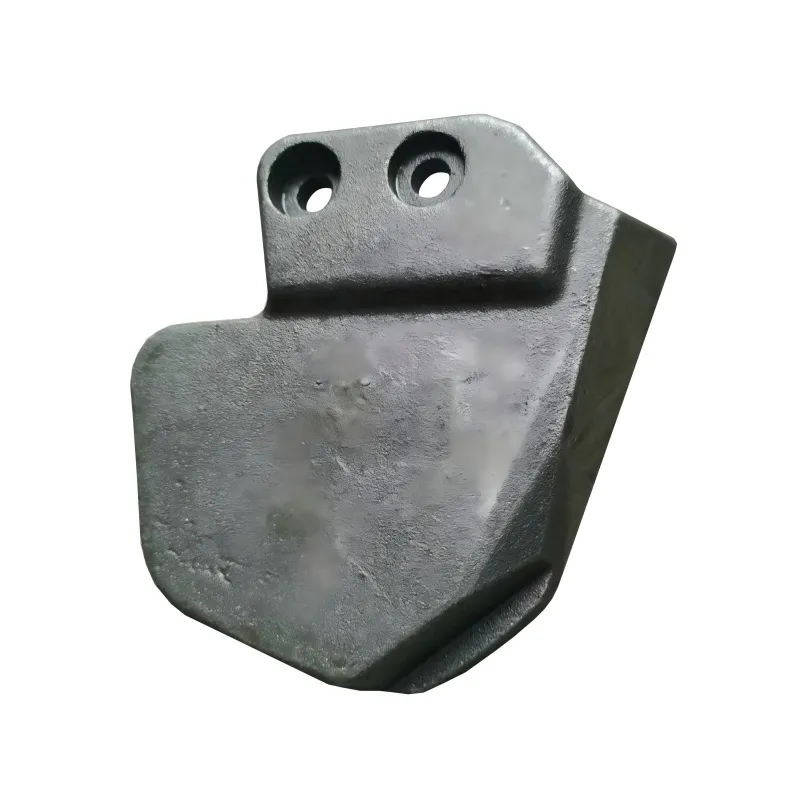
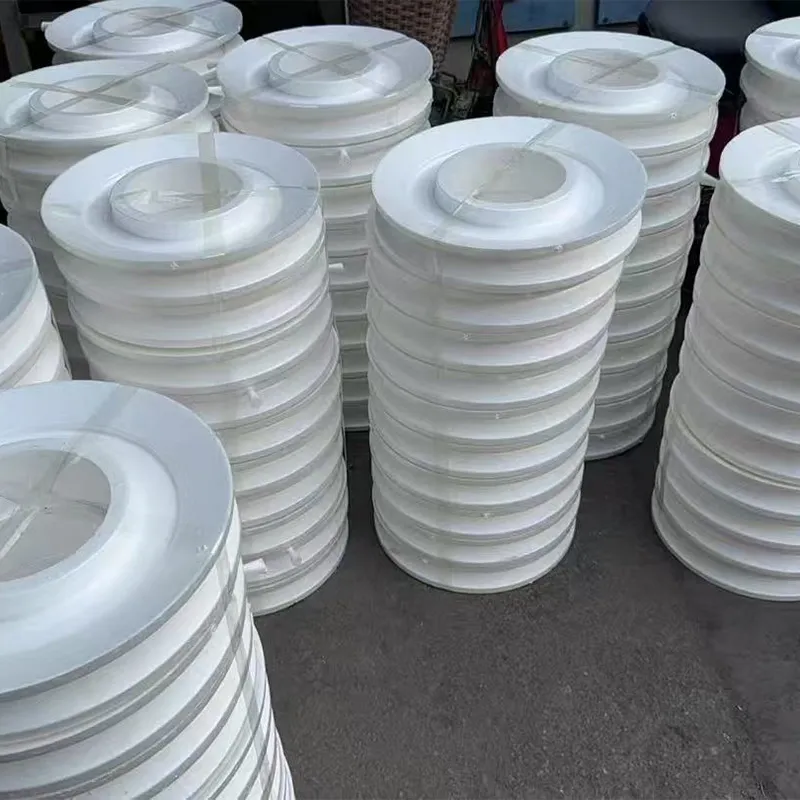
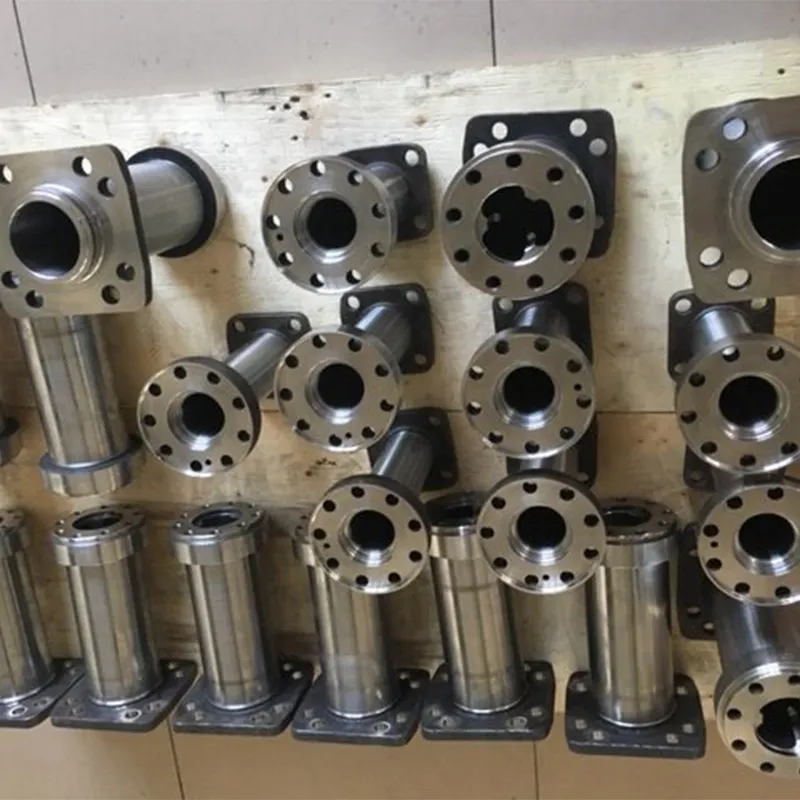
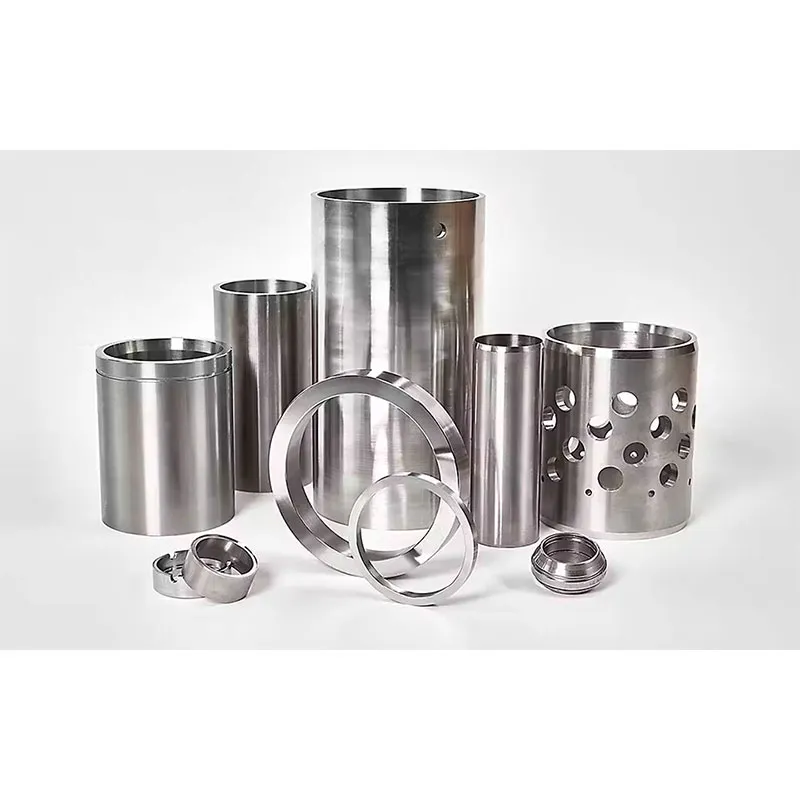
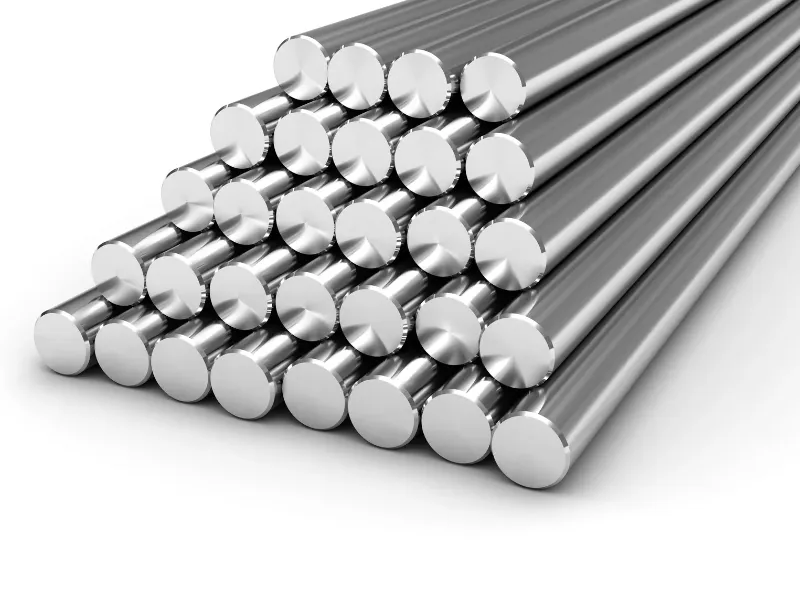
A cast iron casing is a robust, precision-engineered housing component designed to protect internal mechanical systems while maintaining structural integrity under high pressure and thermal stress. Manufactured primarily from gray or ductile iron, these casings serve as the foundational enclosure for pumps, valves, hydraulic motors, and engineering vehicle components. At QINGDAO QIANGSENYUAN TECHNOLOGY CO., LTD., we specialize in producing OEM and custom cast iron casings that meet rigorous dimensional tolerances and metallurgical standards. Our integrated manufacturing process combines advanced sand casting with multi-axis CNC machining to deliver components that ensure leak-proof performance, vibration damping, and long-term durability in demanding industrial environments.
What Is a Cast Iron Casing and Why Is It Critical?
In heavy machinery and fluid power systems, the casing is not merely a cover; it is a load-bearing structural element. A cast iron casing provides the necessary rigidity to hold rotating shafts, gears, and pistons in precise alignment. Without this stability, microscopic misalignments can lead to premature wear, seal failure, and catastrophic system breakdowns.
Cast iron is the material of choice for many industrial applications due to its unique combination of properties:
- High Compressive Strength: Ideal for containing high-pressure fluids in hydraulic pumps and oil gas equipment.
- Excellent Vibration Damping: The graphite microstructure in gray iron absorbs vibrations, reducing noise and protecting sensitive internal components.
- Thermal Stability: Cast iron maintains its shape and strength across a wide range of operating temperatures, preventing warping during thermal cycling.
- Cost-Effectiveness: Compared to steel fabrication, casting allows for complex geometries to be produced in near-net shape, reducing machining time and material waste.
For sectors like engineering vehicles and specialized pump assemblies, the reliability of the casing directly correlates with the uptime of the entire machine. This is why partners like QINGDAO QIANGSENYUAN TECHNOLOGY prioritize strict quality assurance and material traceability in every production batch.
Types of Cast Iron Used in Industrial Casings
Selecting the correct grade of cast iron is fundamental to the performance of the final component. Different applications require specific microstructures to handle varying levels of stress, wear, and corrosion. Understanding these distinctions helps engineers specify the right material for their design.
Gray Cast Iron (GG/GJL)
Gray cast iron is characterized by graphitic microstructure, which makes the material appear gray when fractured. It is the most common material for general-purpose casings, such as pump housings and valve bodies.
- Key Feature: Superior machinability and vibration damping.
- Typical Applications: Hydraulic pump bodies, gearboxes, and non-pressure-bearing covers.
- Limitations: Lower tensile strength and impact resistance compared to ductile iron.
Ductile Cast Iron (GGG/GJS)
Also known as nodular iron, ductile cast iron contains spheroidal graphite structures. This modification significantly improves toughness and tensile strength, making it suitable for high-stress applications.
- Key Feature: High elongation and impact resistance.
- Typical Applications: Heavy-duty winch housings, piston pump cylinder casings, and components subject to shock loads.
- Advantage: Can often replace steel castings with weight savings and better damping characteristics.
Alloyed Cast Irons
For extreme environments involving high wear or corrosion, alloying elements such as nickel, chromium, or molybdenum are added. While QINGDAO QIANGSENYUAN TECHNOLOGY is renowned for its expertise in cobalt-nickel alloys like AMS 5387 and T800, similar principles apply to enhanced iron castings where specific chemical compositions are required to meet industry-specific standards.
Manufacturing Process: From Pattern to Precision Component
Producing a high-quality cast iron casing involves a multi-stage process that integrates traditional foundry techniques with modern precision machining. At QINGDAO QIANGSENYUAN TECHNOLOGY CO., LTD., our ISO-compliant facility ensures that each step adheres to strict quality protocols.
1. Design Validation and Mold Making
The process begins with a thorough review of customer drawings. Our engineering team evaluates Geometric Dimensioning and Tolerancing (GD&T) to ensure manufacturability. We provide feedback on draft angles, wall thickness uniformity, and potential shrinkage issues. Once the design is optimized, precise patterns are created for sand casting. This stage is critical for minimizing defects such as porosity or shrinkage cavities.
2. Casting and Solidification
We utilize both green sand and resin sand casting methods depending on the complexity and surface finish requirements of the casing. Molten iron is poured into the molds under controlled conditions to ensure proper filling and solidification. Temperature control is monitored rigorously to maintain consistent metallurgical properties throughout the batch.
3. Heat Treatment
After casting, components may undergo heat treatment processes such as annealing or normalizing. These treatments relieve internal stresses generated during cooling and refine the grain structure, enhancing the mechanical properties of the iron. For specific high-performance applications, this step is crucial for achieving the required hardness and toughness.
4. Precision CNC Machining
Casting alone rarely achieves the tight tolerances required for sealing surfaces and bearing bores. Our facility employs multi-axis CNC machining centers to mill, turn, and drill critical features. This hybrid approach—casting for shape and CNC for precision—ensures that the casing fits perfectly with mating components. Key machined areas include:
- Bearing seats for shaft support.
- Flange faces for gasket sealing.
- Threaded ports for fluid connections.
- Mounting interfaces for assembly.
5. Quality Control and Inspection
Quality is embedded at every stage. We use Coordinate Measuring Machines (CMM) and optical measuring instruments to verify dimensional accuracy against customer specifications. Material certification is provided for every batch, ensuring traceability from raw material to finished product. Visual inspections check for surface defects, while functional tests may be performed if required by the application.
Key Applications of Cast Iron Casings
Cast iron casings are versatile components used across various heavy industries. Their ability to withstand harsh conditions makes them indispensable in several key sectors.
Hydraulic Systems and Pump Assemblies
In hydraulic pumps, the casing houses the gears, vanes, or pistons that generate fluid pressure. It must resist high internal pressures without deforming. Any distortion can lead to internal leakage and efficiency loss. Our piston pump cylinder housings are engineered to maintain precise clearances, ensuring optimal volumetric efficiency and longevity.
Engineering Vehicles and Winch Systems
Construction and mining vehicles operate in high-vibration, high-shock environments. The onboard winch center shaft rollers and transmission casings in these vehicles require exceptional durability. Ductile iron casings provide the necessary impact resistance to survive rough terrain and heavy loading cycles, reducing maintenance frequency and downtime.
Oil and Gas Equipment
Valves and flow control devices in the oil and gas sector face corrosive media and extreme pressures. Cast iron casings, often coated or treated for corrosion resistance, provide a robust barrier against environmental factors. The structural integrity of these casings is vital for safety and regulatory compliance in upstream and downstream operations.
Industrial Machinery and Gearboxes
General industrial machinery relies on gearboxes to transmit power. The gearbox casing supports the bearings and shafts, keeping them aligned under load. The vibration-damping properties of gray cast iron help reduce noise levels in factory environments, contributing to better working conditions and equipment health.
Cast Iron vs. Steel Castings: Selection Guide
Choosing between cast iron and steel for a casing depends on the specific mechanical requirements of the application. Below is a comparison to aid in material selection.
| Feature | Cast Iron Casing | Steel Casting |
| Tensile Strength | Moderate (Higher in Ductile Iron) | High |
| Vibration Damping | Excellent | Poor |
| Machinability | Excellent (Easy to cut) | Moderate to Difficult |
| Cost | Lower (Material and Processing) | Higher |
| Impact Resistance | Low (Gray Iron) to High (Ductile) | Very High |
| Weight | Similar Density | Similar Density |
| Best For | Pumps, Valves, Gearboxes, Static Loads | High Shock Loads, Structural Frames |
For most hydraulic and rotational applications, cast iron offers a superior balance of performance and cost. However, for components subjected to extreme shock loads, ductile iron or steel may be preferred. QINGDAO QIANGSENYUAN TECHNOLOGY provides technical consultation to help clients choose the optimal material based on their specific operational conditions.
Common Defects in Cast Iron Casings and How We Prevent Them
Understanding potential manufacturing defects helps in setting realistic quality expectations and inspection criteria. Common issues include:
- Porosity: Small voids caused by trapped gas or shrinkage. We prevent this through optimized gating systems and controlled pouring temperatures.
- Sand Inclusions: Particles of sand embedded in the metal surface. Strict mold preparation and cleaning processes minimize this risk.
- Cold Shuts: Lines where molten metal failed to fuse properly. Proper mold design and pouring speed control eliminate this defect.
- Dimensional Deviation: Variations from the drawing due to pattern wear or shrinkage errors. Regular pattern maintenance and CNC machining correction ensure final dimensions meet tolerance specs.
Our disciplined quality management approach includes documented inspection procedures that catch these issues early. Full material traceability ensures that any critical component can be tracked back to its production batch, providing peace of mind for mission-critical applications.
Why Choose QINGDAO QIANGSENYUAN TECHNOLOGY for Your Cast Iron Casings?
As a technology-driven enterprise headquartered in Qingdao, China, QINGDAO QIANGSENYUAN TECHNOLOGY CO., LTD. has established itself as a reliable partner for complex, mission-critical parts. Our value proposition extends beyond simple manufacturing; we offer a comprehensive solution that integrates design support, material science, and precision engineering.
Vertically Integrated Capabilities
Unlike suppliers who outsource various stages of production, we control the entire process in-house. From initial casting to final CNC machining and surface finishing, our vertically integrated model allows for tight control over dimensional stability and microstructure integrity. This integration reduces lead times and eliminates communication gaps between different vendors.
Expertise in High-Performance Alloys
While we excel in standard cast irons, our deep technical competence in processing cobalt-nickel and other high-performance alloys sets us apart. Our experience with AMS 5387 and T800 grade materials demonstrates our ability to handle difficult-to-machine superalloys. This expertise translates to better process control even when working with standard iron castings, ensuring superior quality consistency.
Global Service and Technical Support
We serve customers across North America, Europe, and Southeast Asia through direct B2B engagement. Our service philosophy centers on responsive technical consultation and transparent communication. During the engineering review phase, we provide valuable feedback on manufacturability, enabling early risk mitigation and cost-effective design realization. Whether you need a prototype for testing or medium-volume production orders, our lean workflow practices ensure stable delivery timelines.
Frequently Asked Questions (FAQ)
What is the typical lead time for custom cast iron casings?
Lead times vary based on complexity and volume. Prototypes can typically be produced within 2-4 weeks, including mold making and machining. Medium-volume production orders are scheduled based on capacity, with structured planning ensuring consistent delivery. We prioritize transparent communication to provide accurate timelines for each project.
Can you manufacture casings with complex internal geometries?
Yes. Our sand casting capabilities allow for the creation of complex internal passages and contours that would be impossible or prohibitively expensive to machine from solid stock. We work closely with clients to optimize these geometries for both function and manufacturability.
Do you provide material certifications?
Absolutely. We adhere to documented inspection protocols and retain full traceability for critical components. Each batch comes with material certification verifying chemical composition and mechanical properties, ensuring compliance with international standards.
What industries do you primarily serve?
Our core focus includes hydraulic systems, engineering vehicles, oil and gas equipment, and specialized pump assemblies. We also produce components for sectors requiring high-wear resistance and dimensional accuracy, such as mining and heavy construction.
How do you ensure dimensional accuracy?
We employ a combination of precise pattern making and advanced CNC machining. Final dimensions are verified using Coordinate Measuring Machines (CMM) and optical measuring instruments. This dual approach ensures that both the overall shape and critical mating surfaces meet strict GD&T requirements.
Conclusion: Partnering for Precision and Reliability
A high-quality cast iron casing is the backbone of reliable industrial machinery. It protects sensitive internals, maintains alignment, and ensures system efficiency under pressure. Choosing the right manufacturer involves more than just comparing prices; it requires a partner with technical expertise, vertical integration, and a commitment to quality.
QINGDAO QIANGSENYUAN TECHNOLOGY CO., LTD. offers the perfect blend of traditional foundry skills and modern precision engineering. With our ISO-compliant facilities, expertise in both standard irons and advanced alloys, and a customer-centric approach to technical consultation, we are equipped to meet your most demanding casing requirements. Whether you are developing a new hydraulic pump or replacing worn components in engineering vehicles, our team is ready to deliver solutions that enhance performance and durability.
Ready to optimize your component supply chain? Contact our engineering team today to discuss your specific casting and machining needs. Let us help you achieve cost-effective, high-performance results for your next project.
Explore Our Cast Iron & CNC Machining Solutions