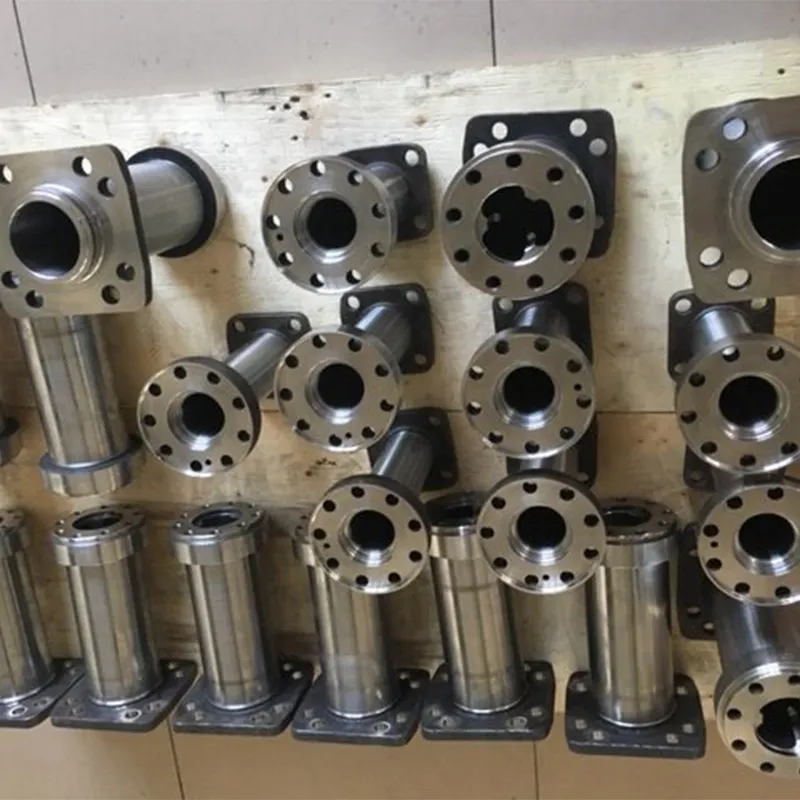
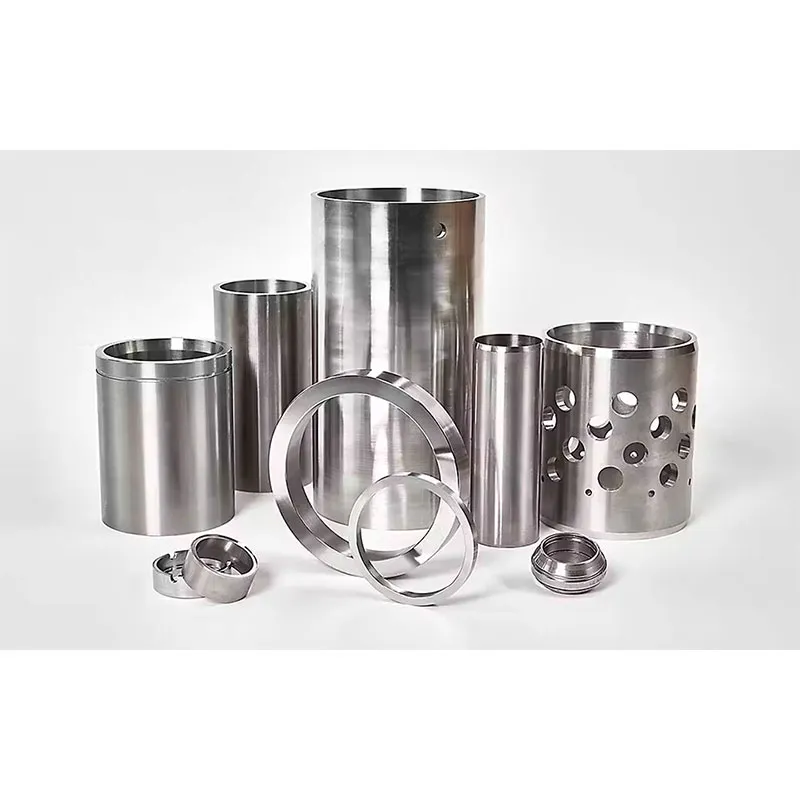
In 2026, casting metal prices are primarily driven by raw material volatility, energy costs, and the complexity of alloy processing. For industrial buyers sourcing from China, understanding these dynamics is critical for accurate budgeting. At QINGDAO QIANGSENYUAN TECHNOLOGY CO., LTD., we provide transparent, factory-direct quotes for precision iron, steel, and high-performance cobalt-nickel alloy castings. This guide breaks down current pricing factors, material-specific cost structures, and strategies to optimize procurement without compromising on dimensional accuracy or metallurgical integrity.
Understanding Casting Metal Price Drivers in 2026
The global foundry landscape in 2026 reflects a shift towards high-efficiency, low-defect manufacturing. While base metal indices fluctuate, the final casting metal price for engineered components depends on several interconnected variables. Buyers must look beyond simple per-kilogram rates to understand the total cost of ownership.
Raw Material Volatility and Alloy Complexity
Base materials such as iron ore, scrap steel, nickel, and cobalt remain the foundational cost drivers. However, the grade of alloy significantly impacts pricing. Standard gray iron castings are less sensitive to minor market shifts compared to superalloys like AMS 5387 Cobalt Alloy 6 or T800 cobalt-based materials. These high-performance alloys require precise sourcing of certified raw materials, often involving long-term contracts with specialized suppliers to ensure consistent metallurgical properties.
For instance, cobalt-nickel alloys used in high-wear environments command a premium due to their scarcity and the technical expertise required to melt and cast them without segregation defects. In contrast, standard carbon steel castings offer more stable pricing but may lack the corrosion resistance or hardness required for specialized pump assemblies or hydraulic systems.
Energy Costs and Manufacturing Efficiency
Energy consumption during melting, heat treatment, and CNC machining constitutes a significant portion of production costs. In 2026, foundries utilizing lean workflow practices and energy-efficient induction furnaces can offer more competitive quotes. QINGDAO QIANGSENYUAN TECHNOLOGY integrates these efficiencies into its ISO-compliant production facility, reducing waste and stabilizing costs for clients. The ability to perform both investment casting and sand casting allows for optimized energy use depending on part geometry and volume requirements.
Complexity, Tolerances, and Secondary Processing
Geometric complexity directly influences mold creation time, machining hours, and inspection protocols. Components requiring tight Geometric Dimensioning and Tolerancing (GD&T), such as piston pump cylinder housings or winch center shaft rollers, incur higher costs due to the need for multi-axis CNC machining and rigorous quality control. Surface finishing requirements, including shot blasting, polishing, or specialized coatings for corrosion resistance, also add to the final unit price.
Material-Specific Pricing Analysis: Iron, Steel, and Superalloys
Selecting the right material is a balance between performance requirements and budget constraints. Below is a detailed breakdown of common casting materials and their relative cost implications in the current market.
| Material Category | Key Applications | Cost Driver Factors | Relative Price Index |
| Gray & Ductile Iron | Pump foundations, valve bodies, engineering vehicle parts | Scrap availability, molding complexity, machining ease | Low to Medium |
| Carbon & Stainless Steel | Pressure valves, structural components, corrosive environments | Alloying elements (Cr, Ni), heat treatment, welding repairs | Medium |
| Cobalt-Nickel Alloys (e.g., AMS 5387) | Pump nozzles, plugs, high-wear hydraulic components | Raw material scarcity, precise melting control, difficult machining | High |
| T800 Cobalt-Based Alloys | Non-standard custom geometries, extreme temperature applications | Specialized sourcing, R&D involvement, strict traceability | Very High |
Iron Castings: Cost-Effective Durability
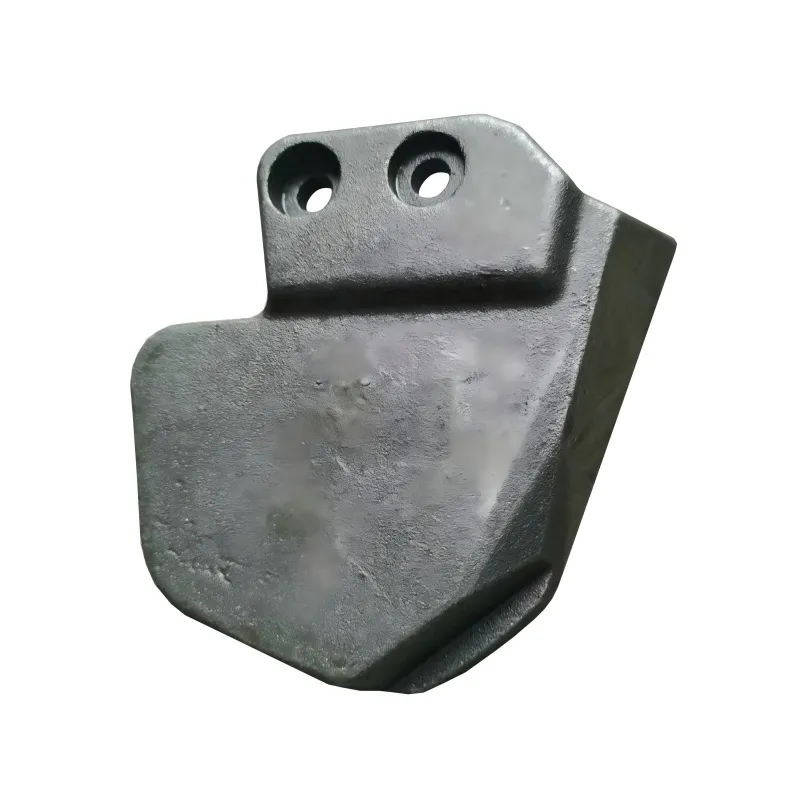
Iron castings remain the backbone of heavy industrial applications. Gray iron offers excellent damping capacity and machinability, making it ideal for pump foundations and housing units where vibration resistance is crucial. Ductile iron provides superior tensile strength and impact resistance, suitable for engineering vehicle onboard winch components. The pricing for iron castings is relatively stable, but variations occur based on wall thickness and the need for post-casting heat treatment to relieve internal stresses.
Steel and Stainless Steel Castings: Strength and Corrosion Resistance
Steel castings are preferred when higher mechanical properties are required. Carbon steel offers robustness for structural parts, while stainless steel grades (such as 304, 316, or duplex steels) are essential for oil and gas equipment exposed to corrosive media. The cost here is driven by the alloy content and the difficulty of casting thin walls without defects. QINGDAO QIANGSENYUAN TECHNOLOGY employs advanced sand casting techniques to ensure dimensional stability in complex steel geometries, reducing the need for expensive rework.
Superalloys: Precision for Critical Missions
For mission-critical parts in hydraulic systems and specialized pumps, cobalt-nickel alloys like AMS 5387 are indispensable. These materials maintain hardness and structural integrity under high pressure and abrasive conditions. The casting metal price for these superalloys is significantly higher due to the stringent control required during melting to prevent contamination and ensure homogeneous microstructure. Additionally, machining cobalt alloys requires specialized tooling and slower feed rates, increasing manufacturing time. However, the extended service life and reliability of these components often justify the initial investment.
How QINGDAO QIANGSENYUAN TECHNOLOGY Optimizes Casting Costs
As a technology-driven manufacturer headquartered in Qingdao, QINGDAO QIANGSENYUAN TECHNOLOGY CO., LTD. focuses on delivering value through vertical integration and technical expertise. By controlling the entire production chain—from design support to final inspection—we minimize inefficiencies that typically inflate costs in fragmented supply chains.
Vertically Integrated Manufacturing
Our facility combines precision CNC machining with both investment and sand casting processes. This integration allows us to handle complex contours and tight tolerances in-house, eliminating the markup associated with outsourcing secondary operations. For example, a piston pump cylinder housing can be cast, heat-treated, machined, and inspected within a single workflow, ensuring faster turnaround and consistent quality.
Design for Manufacturability (DFM) Support
Early engagement in the design phase is crucial for cost optimization. Our engineering team provides DFM feedback, helping clients adjust geometries to reduce material waste, simplify mold creation, and improve casting yield. By validating drawings and interpreting GD&T requirements upfront, we mitigate risks of non-conformance and costly revisions later in the production cycle. This proactive approach is particularly valuable for non-standard components fabricated from difficult-to-machine materials like T800 alloys.
Strict Quality Assurance and Traceability
Quality issues are a hidden cost in casting procurement. Rejected parts lead to delays and additional expenses. QINGDAO QIANGSENYUAN TECHNOLOGY adheres to documented inspection protocols, utilizing CMM and optical measuring instruments for in-process dimensional checks. Full material traceability ensures that every batch meets specified metallurgical standards, reducing the risk of field failures. This disciplined quality management approach builds trust and long-term value for our partners in North America, Europe, and Southeast Asia.
Strategic Sourcing: Getting Accurate Factory Quotes
To obtain precise and competitive casting metal price quotes from Chinese manufacturers, buyers should provide comprehensive technical data. Vague specifications often lead to conservative, inflated pricing as suppliers buffer for unknown risks.
Essential Information for Quotation
- Detailed Drawings: Provide 2D/3D CAD files with clear GD&T specifications. Highlight critical dimensions and functional surfaces.
- Material Specifications: Specify exact alloy grades (e.g., AMS 5387, ASTM A536) and any required certifications (e.g., Mill Test Reports).
- Volume Requirements: Indicate annual usage and batch sizes. This helps determine the most cost-effective molding method (sand vs. investment casting).
- Surface Finish and Testing: Define surface roughness requirements (Ra values) and any non-destructive testing (NDT) needs such as X-ray or ultrasonic inspection.
- Application Context: Describe the operating environment (pressure, temperature, media). This allows engineers to suggest optimal material choices that balance performance and cost.
Common Mistakes in Procurement
Many buyers focus solely on the per-unit price, ignoring factors like tooling amortization, lead times, and defect rates. Choosing a supplier based only on the lowest initial quote can result in higher total costs due to quality issues or delivery delays. It is essential to evaluate a manufacturer’s technical competence, quality systems, and communication responsiveness. QINGDAO QIANGSENYUAN TECHNOLOGY emphasizes transparent communication during engineering review, ensuring that all cost drivers are understood and agreed upon before production begins.
FAQ: Frequently Asked Questions About Casting Metal Prices
What factors cause the biggest fluctuations in casting metal prices?
The primary drivers are raw material costs (especially for alloys containing nickel, cobalt, or molybdenum), energy prices, and labor costs. Geopolitical events affecting supply chains can also cause sudden spikes in specific alloy prices. Additionally, changes in environmental regulations may increase compliance costs for foundries.
Is it cheaper to source castings from China in 2026?
Yes, for many industrial applications, sourcing from China remains cost-effective due to established supply chains, skilled labor, and scalable manufacturing capabilities. However, buyers must prioritize suppliers with robust quality control systems and international certification compliance to avoid hidden costs associated with poor quality. QINGDAO QIANGSENYUAN TECHNOLOGY serves global markets by maintaining ISO-compliant standards and offering direct B2B engagement.
How does order volume affect the unit price?
Higher volumes generally reduce the unit price by amortizing fixed costs such as tooling, setup, and programming over more units. For prototype or low-volume orders, the per-unit cost is higher due to these fixed expenses. Manufacturers often offer tiered pricing structures to accommodate both prototype development and medium-volume production runs.
Why are cobalt alloy castings significantly more expensive?
Cobalt alloys are expensive due to the high cost of raw materials and the technical challenges involved in processing them. They require precise temperature control during melting to prevent segregation and specialized machining techniques due to their hardness and work-hardening tendencies. However, their superior wear and corrosion resistance make them cost-effective for high-performance applications where failure is not an option.
Can you customize non-standard components?
Yes, customization is a core competency. QINGDAO QIANGSENYUAN TECHNOLOGY specializes in fabricating non-standard components from materials like T800 cobalt-based alloys. Our engineering team supports drawing validation and manufacturability feedback to ensure that custom geometries meet functional performance requirements while remaining cost-effective to produce.
Conclusion: Partnering for Value and Precision
Navigating the casting metal price landscape in 2026 requires a strategic approach that balances material performance, manufacturing efficiency, and quality assurance. For industries relying on hydraulic systems, engineering vehicles, and oil and gas equipment, the integrity of precision metal components is paramount. QINGDAO QIANGSENYUAN TECHNOLOGY CO., LTD. offers a reliable partnership through its vertically integrated capabilities, deep expertise in high-performance alloys, and commitment to transparent, responsive service.
By choosing a manufacturer that prioritizes technical consultation and strict quality control, businesses can mitigate risks, optimize costs, and ensure the longevity of their critical infrastructure. Whether you require standard iron castings or specialized cobalt-nickel alloy components, our team is equipped to deliver solutions that meet your exact specifications and delivery timelines.
Ready to optimize your supply chain with high-precision casting solutions? Contact our engineering team today for a detailed consultation and competitive factory quote tailored to your project needs.
Explore Our Precision Casting Solutions and Request a Quote