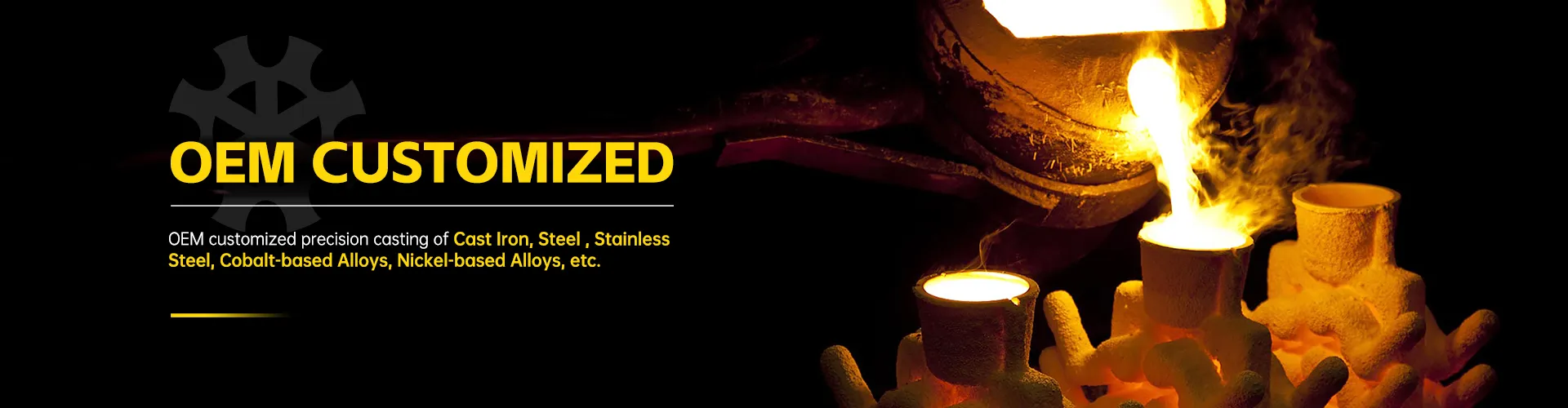
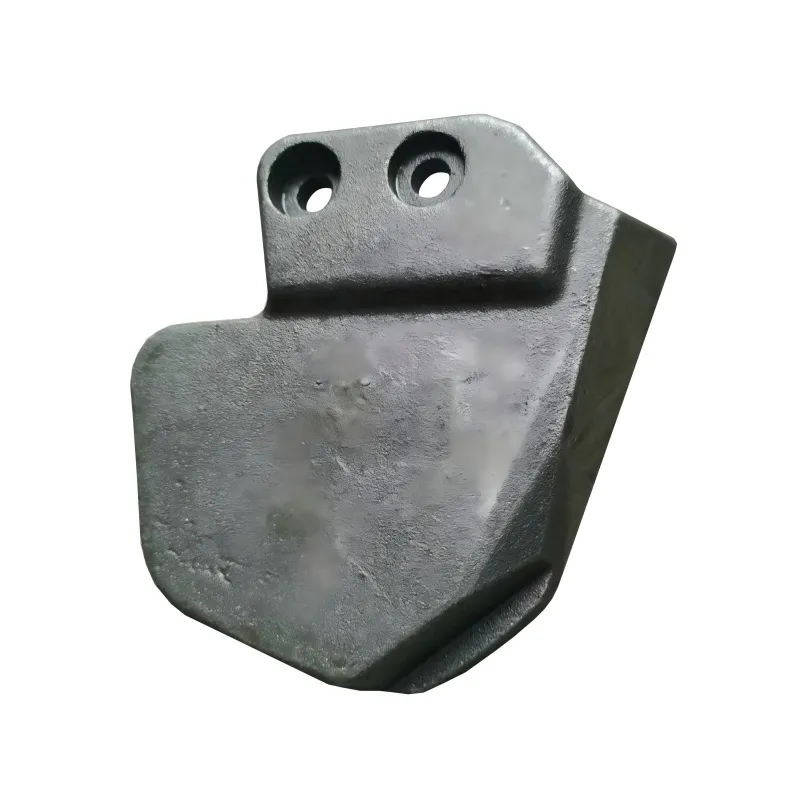
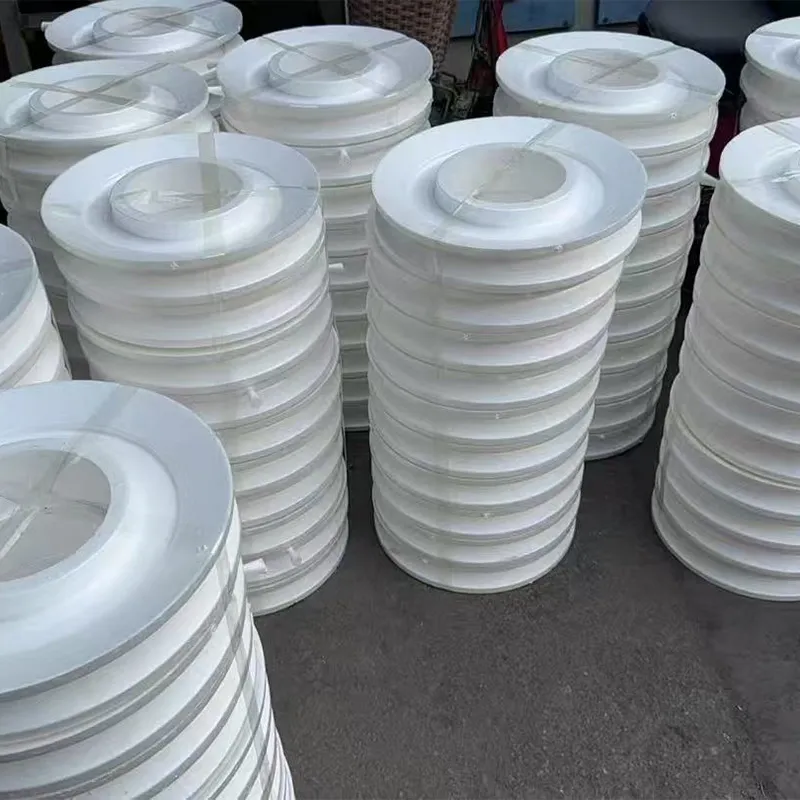
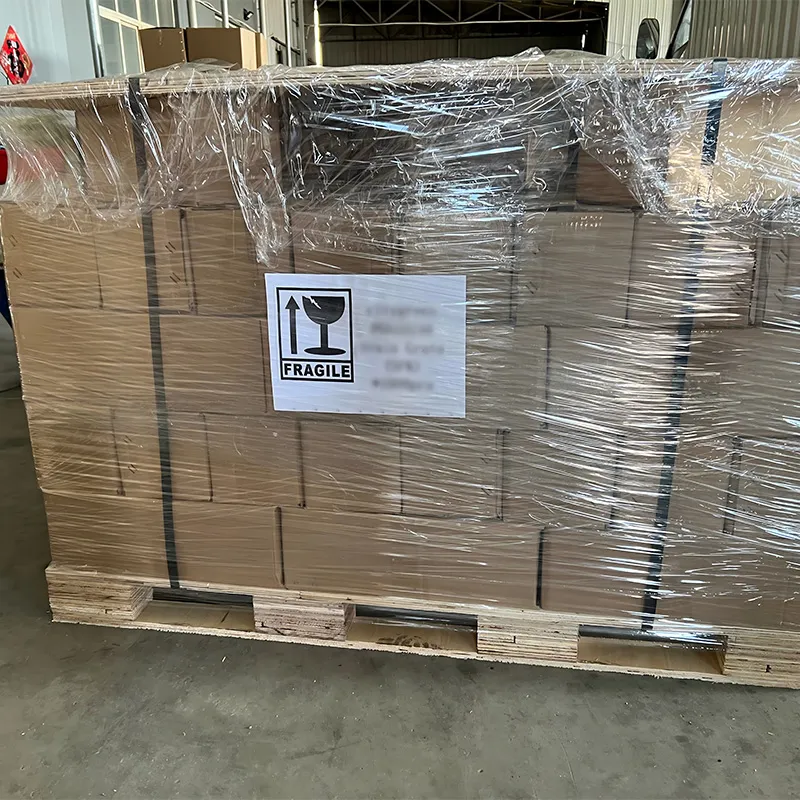
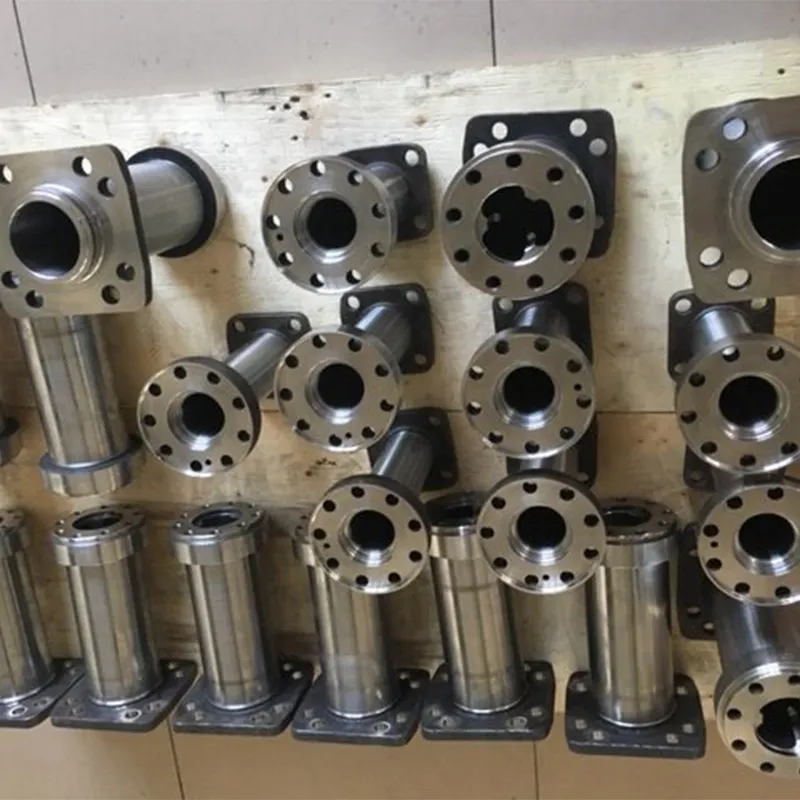
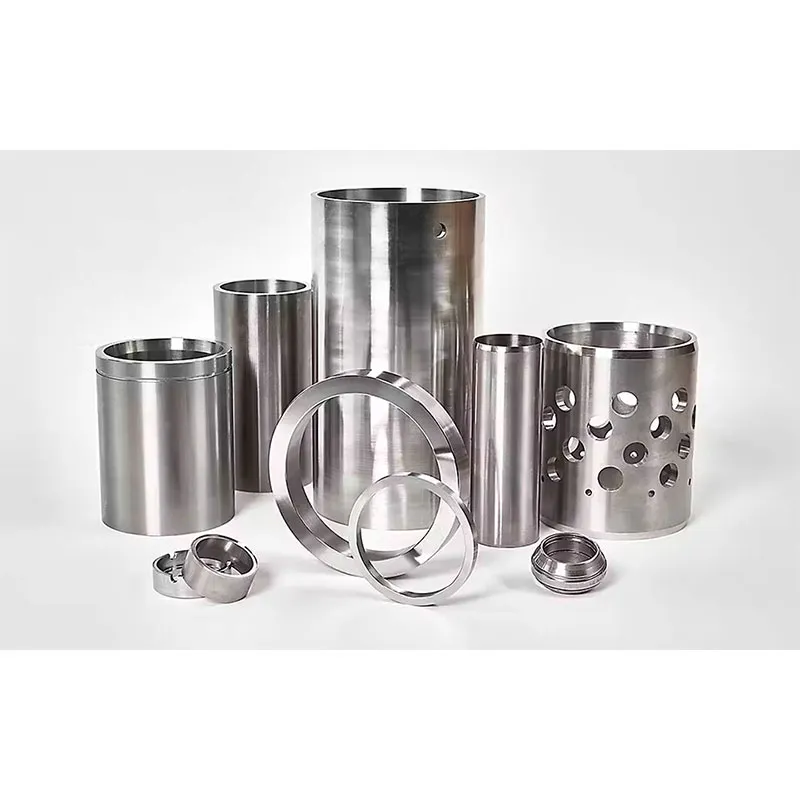
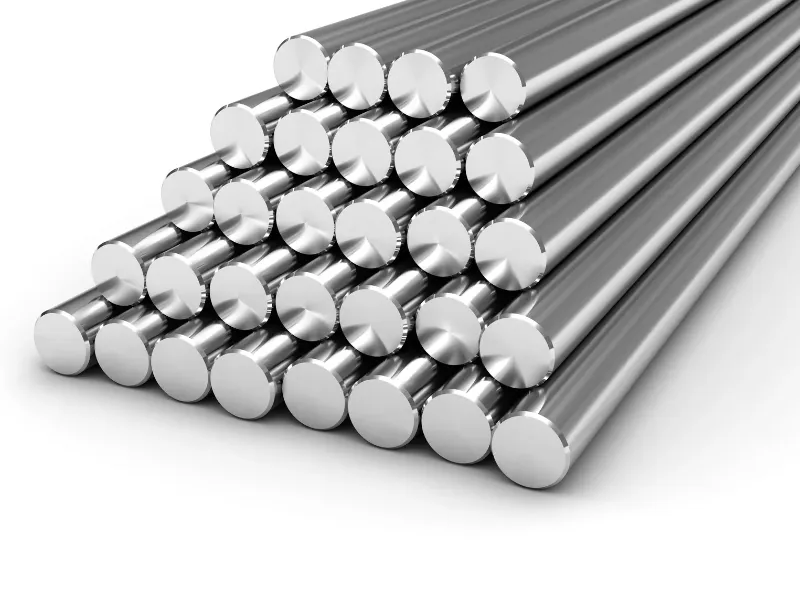
Metal investment casting is a precision manufacturing process that produces complex, high-tolerance metal components by pouring molten metal into a ceramic mold created from a wax pattern. This method, also known as lost-wax casting, is essential for industries requiring intricate geometries, superior surface finishes, and tight dimensional accuracy without extensive secondary machining. For B2B buyers sourcing from China, selecting a manufacturer with integrated capabilities in alloy selection, pattern engineering, and CNC finishing is critical to ensuring component reliability in high-pressure and high-wear applications.
What Is Metal Investment Casting? Process and Principles
Metal investment casting is a foundational technique in modern industrial manufacturing, particularly valued for its ability to create near-net-shape parts from difficult-to-machine alloys. Unlike sand casting, which relies on reusable sand molds, investment casting uses a disposable ceramic shell formed around a wax replica of the final part. This allows for exceptional detail reproduction and smooth surface finishes, typically ranging from 125 to 63 RMS microinches.
The process begins with the creation of a master die, usually made from steel or aluminum, which injects wax into specific patterns. These wax patterns are assembled into a “tree” structure, dipped into a silica slurry, and stuccoed with sand to build the ceramic shell. Once hardened, the wax is melted out (hence “lost-wax”), leaving a hollow cavity. Molten metal is then poured into this preheated shell. After cooling, the ceramic is broken away, revealing the cast metal component.
This methodology is particularly advantageous for producing small to medium-sized parts with complex internal passages, thin walls, or undercuts that would be impossible or prohibitively expensive to machine from solid stock. At QINGDAO QIANGSENYUAN TECHNOLOGY CO., LTD., this process is optimized for high-performance alloys, including stainless steel, carbon steel, and specialized cobalt-nickel superalloys, ensuring structural integrity for mission-critical industrial applications.
Key Advantages of Investment Casting Over Other Methods
- Design Freedom: Enables the production of complex geometries, including internal channels and intricate contours, reducing the need for assembly of multiple parts.
- Material Versatility: Compatible with a wide range of ferrous and non-ferrous alloys, including high-melting-point superalloys like AMS 5387 Cobalt Alloy 6.
- Surface Quality: Delivers superior surface finish compared to sand casting, minimizing post-cast grinding and polishing requirements.
- Dimensional Accuracy: Achieves tight tolerances, often within ±0.005 inches per inch, reducing the volume of material removed during subsequent CNC machining.
- Cost Efficiency for Complex Parts: While tooling costs exist, the reduction in machining time and material waste makes it cost-effective for medium to high-volume production of complex components.
Why Choose Qingdao Qiangsenyuan for Precision Castings?
In the competitive landscape of global manufacturing, QINGDAO QIANGSENYUAN TECHNOLOGY CO., LTD. distinguishes itself through a technology-driven approach to precision metal components. Headquartered in Qingdao, China, the company specializes in serving demanding sectors such as hydraulic systems, engineering vehicles, oil and gas equipment, and specialized pump assemblies. Their operational model integrates design support, material selection, precision manufacturing, and strict quality assurance, positioning them as a reliable partner for complex parts.
The company’s core competency lies in its vertically integrated capabilities. Rather than outsourcing critical stages, Qiangsenyuan manages the entire workflow from casting to final CNC machining and surface finishing. This integration ensures tight control over dimensional stability, microstructure integrity, and surface quality. For instance, their expertise in processing cobalt-nickel and other high-performance alloys, particularly AMS 5387 and T800 grade materials, is supported by proven application experience in pump and valve systems.
Quality control is embedded at every stage of production. The facility utilizes ISO-compliant protocols, employing Coordinate Measuring Machines (CMM) and optical measuring instruments for in-process dimensional inspection. Full traceability is maintained for critical components, ensuring that every batch meets consistent metallurgical properties. This disciplined approach allows Qiangsenyuan to deliver stable timelines for both prototype development and medium-volume production orders, serving customers across North America, Europe, and Southeast Asia.
Applications of Metal Investment Casting in Industry
Metal investment casting is not a one-size-fits-all solution; it is specifically chosen for applications where performance, durability, and geometric complexity intersect. The following sectors represent the primary demand drivers for high-quality investment castings.
Hydraulic Systems and Pump Assemblies
Hydraulic components operate under extreme pressure and require leak-proof integrity. Investment casting allows for the creation of complex internal flow paths in valve bodies and pump housings that cannot be easily machined. Qiangsenyuan’s portfolio includes pressure valves, piston pump cylinder housings, and pump foundations. These components often utilize stainless steel or specialized alloys to resist corrosion and wear. The precision of the casting process ensures that sealing surfaces are accurate, reducing the risk of fluid leakage and system failure.
Engineering Vehicles and Heavy Machinery
Engineering vehicles, such as excavators and loaders, rely on robust mechanical linkages and drive systems. Components like onboard winch center shaft rollers require high tensile strength and resistance to abrasive wear. Investment casting provides the necessary grain structure and density to withstand these dynamic loads. By using high-grade steel castings, manufacturers can achieve the required hardness and toughness, extending the service life of heavy machinery in rugged environments.
Oil and Gas Equipment
The oil and gas industry demands components that can withstand harsh chemical environments, high temperatures, and high pressures. Investment casting is ideal for producing valve trim, nozzles, and plugs from corrosion-resistant alloys. Qiangsenyuan’s capability to fabricate non-standard components from T800 cobalt-based materials highlights their ability to meet the stringent requirements of this sector. These materials offer superior resistance to galling and erosion, which is critical for maintaining operational safety and efficiency in upstream and downstream operations.
Specialized Industrial Components
Beyond standard categories, investment casting serves niche applications requiring custom geometries. Examples include cobalt alloy nozzles and plugs used in high-temperature processing equipment. The ability to cast near-net shapes from difficult-to-machine superalloys reduces lead times and costs associated with extensive CNC milling. This flexibility allows engineers to design components optimized for functional performance rather than manufacturability constraints.
Material Selection Guide for Investment Casting
Selecting the right alloy is crucial for the performance of the final component. Different materials offer varying levels of strength, corrosion resistance, and heat tolerance. Below is a comparison of common materials used in investment casting, highlighting their typical applications.
| Material Category | Common Alloys | Key Properties | Typical Applications |
| Stainless Steel | 304, 316, 17-4PH | High corrosion resistance, good strength, aesthetic finish | Pump housings, valve bodies, food processing equipment, marine components |
| Carbon Steel | 1020, 1045, 4140 | High strength, good wear resistance, cost-effective | Structural parts, gears, shafts, engineering vehicle components |
| Cobalt-Nickel Superalloys | AMS 5387 (Alloy 6), T800 | Exceptional heat resistance, wear resistance, high-temperature strength | Turbine blades, high-pressure valve seats, nozzles, aerospace components |
| Iron Castings | Ductile Iron, Gray Iron | Good damping capacity, machinability, compressive strength | Pump foundations, housing bases, automotive parts |
At Qiangsenyuan, material selection is supported by technical collaboration with certified raw material suppliers. This ensures consistent metallurgical properties across batches. For projects involving difficult-to-machine superalloys, their engineering team provides feedback on manufacturability, helping clients optimize designs for both performance and cost.
The Manufacturing Workflow: From Design to Delivery
Understanding the manufacturing workflow helps buyers anticipate lead times and quality checkpoints. Qiangsenyuan’s process is designed to mitigate risks early and ensure compliance with international standards.
1. Design Review and Tooling Engineering
The process begins with a thorough review of customer drawings and GD&T (Geometric Dimensioning and Tolerancing) specifications. Engineers assess the design for castability, identifying potential issues such as shrinkage pockets or incomplete filling. Feedback is provided to optimize the design for investment casting, ensuring cost-effective realization. Once approved, precision tooling is manufactured to create the wax patterns.
2. Pattern Assembly and Shell Building
Wax patterns are injected and assembled into trees. The assembly is then dipped into ceramic slurry and stuccoed with refractory sand. This layering process is repeated to build a shell of sufficient thickness to withstand the thermal shock of molten metal. The shell is then dewaxed in an autoclave or furnace, leaving a precise ceramic mold.
3. Melting and Pouring
Metal is melted in induction furnaces under controlled atmospheric conditions to prevent oxidation. The molten metal is poured into the preheated ceramic shells. Temperature control is critical to ensure proper fluidity and minimize defects such as porosity or cold shuts. Qiangsenyuan’s facility is equipped to handle various alloys, including high-melting-point cobalt blends.
4. Cut-Off, Grinding, and Heat Treatment
After cooling, the ceramic shell is removed via vibratory decapping. The castings are cut from the tree, and gates are ground flush. Depending on the material and application, heat treatment processes such as annealing, quenching, or tempering are applied to achieve desired mechanical properties. This step is vital for enhancing hardness and relieving internal stresses.
5. CNC Machining and Finishing
While investment casting produces near-net shapes, critical features often require CNC machining to meet tight tolerances. Qiangsenyuan’s multi-axis machining capabilities allow for the precise finishing of complex contours, threads, and sealing surfaces. Final surface treatments, such as passivation or coating, are applied to enhance corrosion resistance.
6. Quality Inspection and Traceability
Every component undergoes rigorous inspection. Dimensional checks are performed using CMM and optical instruments. Material composition is verified through spectroscopy, and structural integrity is assessed via visual and functional tests. Full traceability is maintained, documenting each step from raw material intake to final shipment. This disciplined quality management approach ensures consistent compliance with international standards.
Common Challenges and Solutions in Investment Casting
Even with advanced technology, investment casting presents certain challenges. Understanding these helps in setting realistic expectations and collaborating effectively with manufacturers.
- Porosity: Gas entrapment can cause voids in the casting. Solution: Proper gating design, vacuum pouring, and controlled shell drying minimize this risk. Qiangsenyuan employs optimized pouring techniques to ensure dense microstructures.
- Shrinkage Defects: Metals shrink as they cool, potentially causing cracks or depressions. Solution: Strategic placement of risers and chills directs shrinkage away from critical areas. Simulation software is often used to predict and mitigate shrinkage patterns.
- Dimensional Variation: Thermal expansion of the shell and metal can affect final dimensions. Solution: Precise control of shell temperature and alloy composition, along with experienced tooling compensation, ensures dimensional accuracy.
- Surface Roughness: Inconsistent slurry application can lead to rough surfaces. Solution: Automated dipping systems and strict viscosity control maintain uniform shell quality, resulting in smoother finishes.
FAQ: Frequently Asked Questions About Metal Investment Casting
What is the minimum order quantity (MOQ) for investment casting?
MOQ varies depending on the complexity of the part and tooling requirements. For prototype runs, low quantities are often acceptable to validate design and fit. For production orders, medium volumes are typically more cost-effective due to the amortization of tooling costs. Qiangsenyuan supports both prototype and medium-volume production, offering flexible engagement models for global B2B clients.
How does investment casting compare to sand casting?
Investment casting offers superior surface finish and tighter tolerances compared to sand casting. It is better suited for complex, smaller parts made from high-performance alloys. Sand casting is generally more economical for larger, simpler parts where surface finish is less critical. The choice depends on the specific geometric and material requirements of the application.
Can you cast difficult-to-machine alloys like Cobalt 6?
Yes. Qiangsenyuan specializes in processing high-performance alloys, including AMS 5387 Cobalt Alloy 6 and T800 materials. Their expertise in handling these difficult-to-machine superalloys allows them to deliver custom geometries that align with functional performance requirements, particularly in pump and valve systems.
What certifications does the manufacturer hold?
Qiangsenyuan operates an ISO-compliant production facility and adheres to documented inspection protocols. They maintain full traceability for critical components and collaborate with material suppliers to ensure certified raw materials. Specific industry certifications can be discussed based on project requirements, with ongoing efforts to expand their certification portfolio.
How long does the tooling and production process take?
Lead times depend on part complexity and order volume. Tooling fabrication typically takes a few weeks. Once tooling is approved, sample production and validation follow. Mass production timelines are managed through structured production planning and lean workflow practices, ensuring stable delivery commitments.
Conclusion: Partnering for Precision and Performance
Metal investment casting remains a cornerstone of precision manufacturing for industries that demand reliability, complexity, and material performance. Whether for hydraulic systems, engineering vehicles, or oil and gas equipment, the quality of the casting directly impacts the longevity and efficiency of the final product. Choosing a manufacturer with deep technical competence, vertically integrated capabilities, and a disciplined quality management approach is essential.
QINGDAO QIANGSENYUAN TECHNOLOGY CO., LTD. offers a compelling value proposition for B2B buyers seeking high-performance metal components. With expertise in cobalt-nickel alloys, integrated CNC machining, and a commitment to transparent communication, they provide more than just parts—they deliver engineered solutions. Their focus on domain-relevant engineering insight ensures that every component, from pressure valves to winch shaft rollers, meets the rigorous demands of modern industrial applications.
For engineers and procurement specialists looking to optimize their supply chain for precision castings, partnering with a specialist like Qiangsenyuan mitigates risk and enhances product quality. If you have specific drawing requirements or need consultation on material selection for your next project, reaching out for a technical review is the best first step.
Explore our full range of CNC machined parts and investment casting solutions to discuss your project requirements and receive a customized quote.