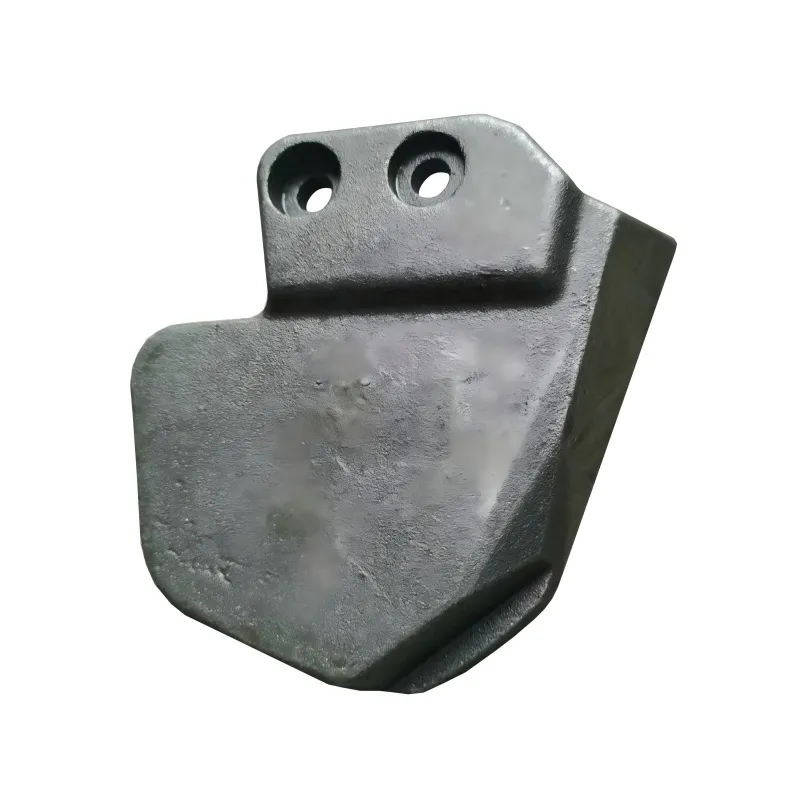
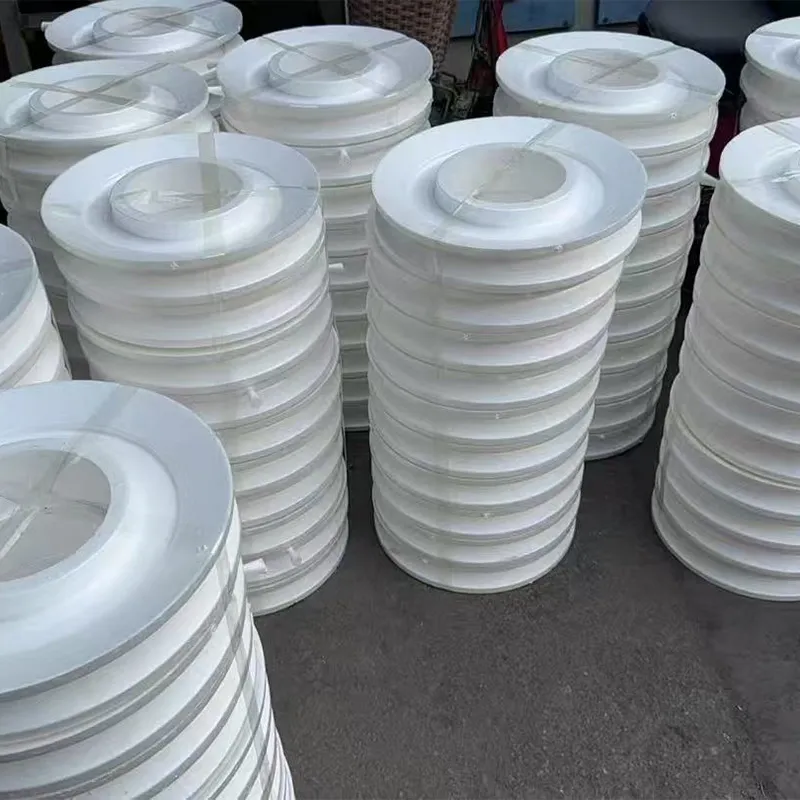
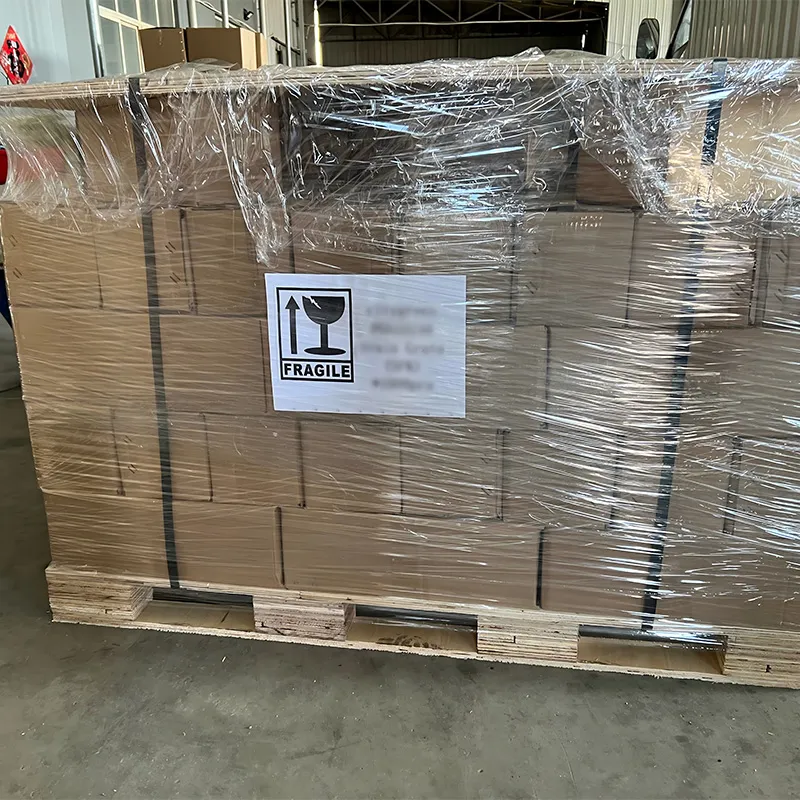
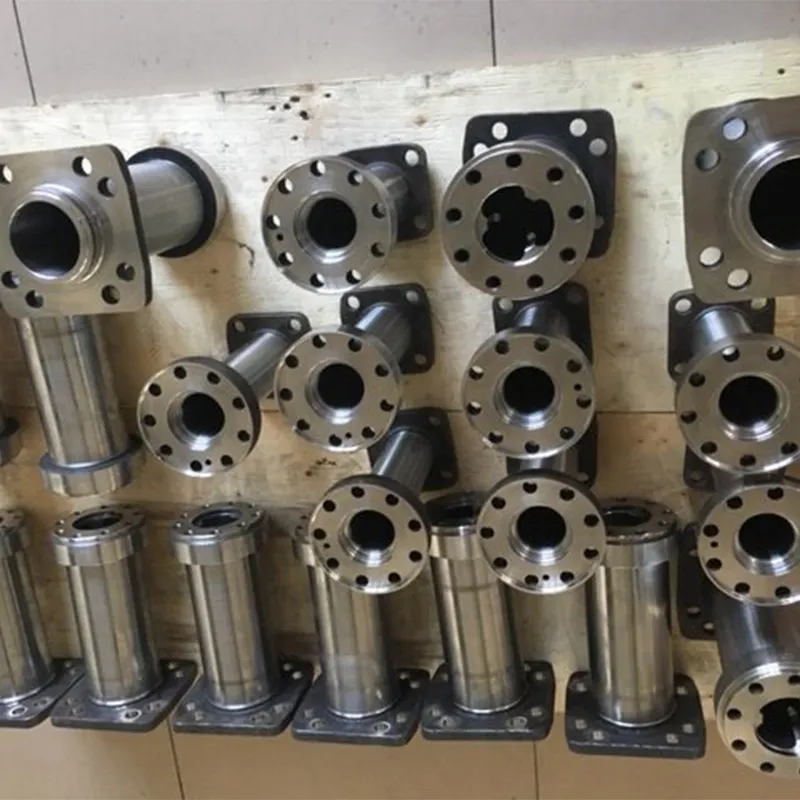
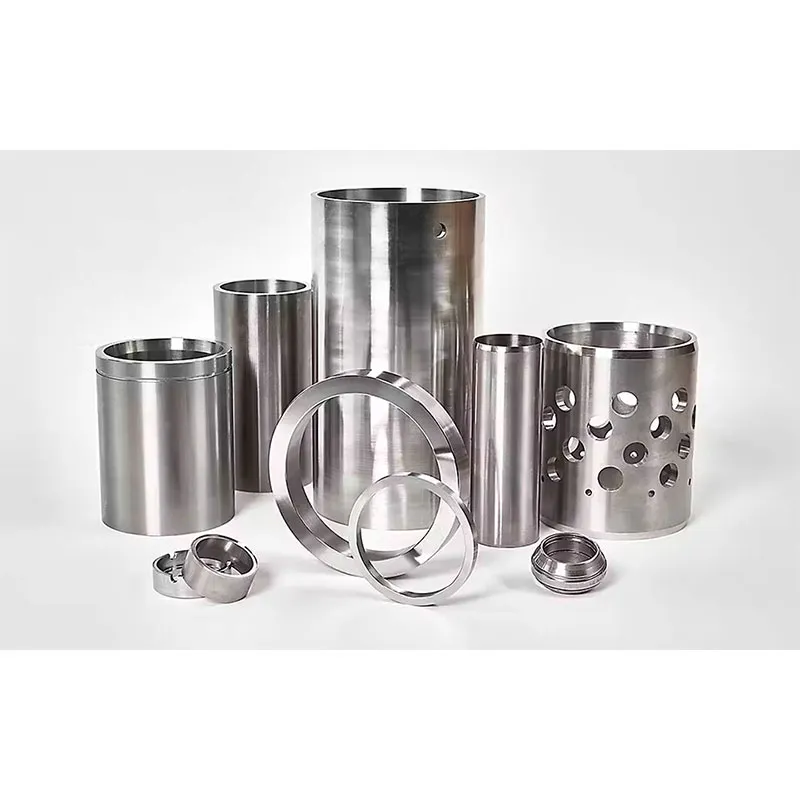
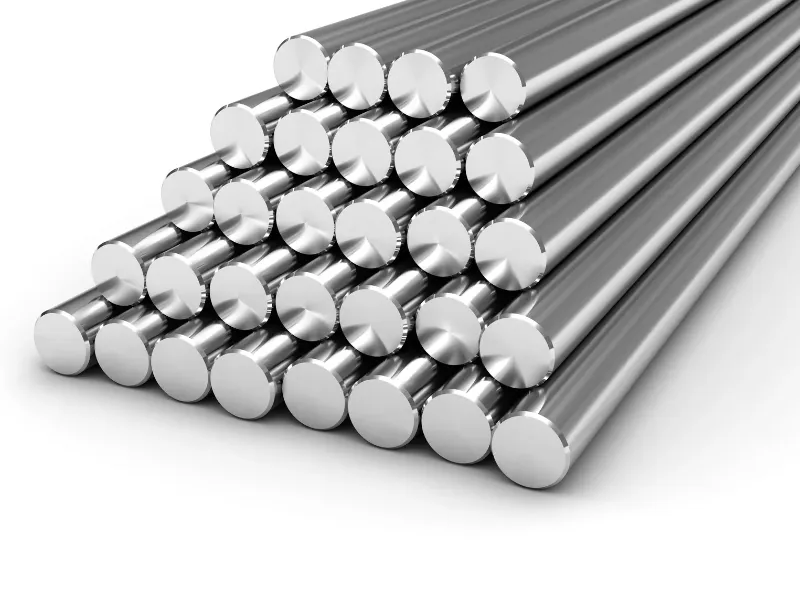
Iron sand casting is a versatile metal forming process that utilizes silica-based molds to produce complex iron components with high dimensional accuracy and superior mechanical properties. As a specialized manufacturer, we provide comprehensive OEM and custom solutions for grey iron, ductile iron, and malleable iron castings. Our facility integrates advanced resin sand technology, automated molding lines, and rigorous quality control systems to deliver cost-effective parts for automotive, machinery, and infrastructure sectors. Whether you require high-volume production or intricate prototype development, our engineering team ensures optimal material selection, design for manufacturability (DFM), and strict adherence to international standards such as ISO 9001 and ASTM specifications.
What Is Iron Sand Casting? Core Principles and Process Overview
Iron sand casting remains the dominant method for producing ferrous metal components globally. The process involves pouring molten iron into a mold cavity formed by compacting sand around a pattern. Once the metal solidifies and cools, the sand mold is broken away to reveal the final casting. This method is favored for its ability to create complex geometries, internal cavities, and large-scale components that are difficult or impossible to achieve through machining or other forming processes.
The fundamental advantage of iron sand casting lies in the flexibility of the mold material. Sand can be shaped into virtually any configuration, allowing engineers to design parts with intricate details, undercuts, and varying wall thicknesses. Furthermore, sand acts as an insulator, controlling the cooling rate of the molten iron. This controlled cooling is critical for determining the microstructure of the iron, directly influencing its hardness, tensile strength, and machinability.
The Role of Sand in Metal Casting
Sand is not merely a placeholder; it is a functional engineering material. In modern foundries, the sand mixture typically consists of silica sand, a bonding agent, and additives. The bonding agent holds the sand grains together to maintain the mold’s shape against the pressure of the molten metal. Common bonding systems include green sand (clay-bonded) and chemically bonded sands like furan resin or phenolic urethane. The choice of sand system impacts the surface finish, dimensional tolerance, and environmental footprint of the casting process.
- Permeability: Allows gases generated during pouring to escape, preventing defects like blowholes.
- Refractoriness: Resists the high temperatures of molten iron without fusing or breaking down.
- Collapse: The ability of the sand to yield slightly as the metal contracts during cooling, reducing hot tearing.
- Reusability: High-quality sand systems allow for significant reclamation and reuse, lowering material costs.
Types of Iron Used in Sand Casting Applications
Selecting the correct grade of iron is paramount to the performance of the final component. Different iron alloys offer distinct mechanical properties suited for specific industrial applications. Understanding these differences is essential for effective design and procurement.
Grey Iron Casting
Grey iron is characterized by its graphitic microstructure, which appears grey when fractured. It is the most widely used cast iron due to its excellent castability, machinability, and damping capacity. The graphite flakes in grey iron act as natural lubricants, making it ideal for applications involving sliding wear, such as engine blocks, brake discs, and pump housings. Additionally, grey iron exhibits high compressive strength and thermal conductivity.
However, grey iron has lower tensile strength and shock resistance compared to ductile iron. Designers must account for this brittleness by avoiding sharp corners and ensuring uniform wall thicknesses to prevent stress concentrations. Despite these limitations, its cost-effectiveness and ease of machining make it a preferred choice for high-volume automotive and industrial machinery parts.
Ductile Iron (Nodular Iron) Casting
Ductile iron, also known as nodular iron, contains spheroidal graphite structures formed by adding magnesium or cerium during the melting process. This spherical graphite structure significantly enhances the material’s toughness and ductility, allowing it to withstand higher impact loads and deformation without fracturing. Ductile iron offers tensile strength comparable to some steel grades while retaining the casting advantages of iron.
This material is extensively used in critical applications such as pipe fittings, automotive suspension components, wind turbine hubs, and heavy-duty gears. Its superior fatigue resistance and yield strength make it suitable for dynamic loading conditions. While slightly more expensive than grey iron due to the additional alloying and processing steps, ductile iron provides a better strength-to-weight ratio for many structural applications.
Malleable Iron Casting
Malleable iron is produced by heat-treating white iron castings to convert the carbon content into temper carbon nodules. This process results in a material with good ductility and toughness, bridging the gap between grey and ductile iron. Malleable iron is often chosen for small, thin-walled castings that require good shock resistance and machinability, such as hand tools, electrical fittings, and agricultural equipment parts.
| Property | Grey Iron | Ductile Iron | Malleable Iron |
| Tensile Strength | Low to Medium | High | Medium to High |
| Ductility | Low (Brittle) | High | Medium |
| Machinability | Excellent | Good | Good |
| Damping Capacity | Excellent | Moderate | Moderate |
| Cost | Lowest | Higher | Medium-High |
| Typical Applications | Engine blocks, bases | Pipes, gears, hubs | Fittings, tools |
Our Iron Sand Casting Manufacturing Process
At Qingdao Qiangsenyuan Technology Co., Ltd. (QSY), we bring over 30 years of industry experience to every project. While we specialize in a broad spectrum of manufacturing capabilities—including shell mold casting, lost wax casting, and precision CNC machining—our expertise in iron sand casting is backed by a massive 50,000-square-meter production facility. This expansive workshop encompasses dedicated production lines for various casting methods, a state-of-the-art CNC machining center, and rigorous quality inspection departments, allowing us to offer true one-stop customized processing services.
Our process integrates traditional foundry expertise with modern automation to meet the demanding requirements of global B2B clients across more than 20 countries. Whether working with cast iron, steel, stainless steel, or special alloys like cobalt and nickel-based materials, our streamlined workflow ensures consistency and quality.
1. Pattern and Mold Design
The process begins with precise pattern manufacturing. We utilize CAD/CAM software to design patterns that account for metal shrinkage, machining allowances, and draft angles. Patterns can be made from wood, aluminum, or resin, depending on the production volume and complexity. For complex internal geometries, core boxes are designed to create sand cores that form hollow sections within the casting.
We emphasize Design for Manufacturability (DFM) at this stage. Our engineers collaborate with clients to optimize part geometry, reducing the risk of defects such as shrinkage cavities or warping. This proactive approach minimizes tooling costs and accelerates time-to-market.
2. Sand Preparation and Molding
High-quality sand preparation is critical for surface finish and dimensional accuracy. Our automated sand mixing systems ensure consistent distribution of binders and additives. We primarily use resin sand systems for precision castings, which offer superior dimensional stability and smoother surfaces compared to traditional green sand.
The molding process involves compacting the sand mixture around the pattern using high-pressure molding machines. This ensures uniform density throughout the mold, preventing defects caused by uneven compaction. For large or complex parts, we may use no-bake molding techniques, where the sand hardens chemically at room temperature, allowing for greater flexibility in mold size and shape.
3. Melting and Pouring
Molten iron is prepared in induction furnaces or cupola furnaces, depending on the alloy requirements. Strict chemical composition control is maintained through spectral analysis of the melt. Alloying elements such as silicon, manganese, and carbon are adjusted to meet specific grade standards. For ductile iron, a nodulizing treatment is performed immediately before pouring to ensure the formation of spheroidal graphite.
The pouring temperature is carefully monitored to ensure proper fluidity and minimize oxidation. Automated pouring systems can be employed for high-volume runs to maintain consistent fill rates and reduce labor intensity. Safety protocols are strictly enforced to protect workers from high-temperature hazards.
4. Cooling and Shakeout
After pouring, the molds are allowed to cool for a predetermined period to ensure complete solidification. Controlled cooling rates are essential to achieve the desired microstructure and mechanical properties. Once cooled, the sand molds are broken apart in a shakeout process. The raw castings are separated from the sand, which is then reclaimed and recycled for future use.
5. Cleaning and Finishing
Raw castings undergo extensive cleaning to remove gating systems, risers, and residual sand. This involves shot blasting, grinding, and cutting operations. Shot blasting not only cleans the surface but also improves the mechanical properties by inducing compressive stresses. Our finishing team ensures that all parts meet specified surface roughness requirements before inspection.
6. Quality Inspection and Testing
Quality assurance is embedded in every step of our production process. Final inspections include dimensional verification using CMM (Coordinate Measuring Machines), visual inspection for surface defects, and non-destructive testing (NDT) such as ultrasonic, magnetic particle, or dye penetrant testing. Mechanical property tests, including tensile strength and hardness measurements, are conducted on sample coupons from each batch to verify material compliance.
Advantages of Choosing Professional OEM Iron Sand Casting Services
Partnering with a specialized manufacturer like QSY offers significant advantages over generic sourcing options. Our OEM capabilities are designed to support your product development lifecycle from prototype to mass production, leveraging our extensive experience in serving industries such as agricultural machinery, medical and food processing, industrial equipment, mining, and petrochemicals.
- Customization Flexibility: We accommodate complex designs, varying wall thicknesses, and integrated features that reduce assembly requirements. Our tooling expertise allows for rapid iteration and modification.
- Cost Efficiency: Sand casting is inherently cost-effective for medium to high-volume production. Our optimized gating systems and sand reclamation processes further reduce material waste and overall unit costs.
- Material Versatility: We offer a wide range of iron grades, as well as steel, stainless steel, and special alloys, allowing you to select the optimal balance of strength, weight, and cost for your application. Our metallurgists can recommend alloys based on operational conditions.
- Scalability: Our 50,000 square meter facility is equipped to handle both low-volume prototype runs and high-volume production orders. This scalability supports your growth without the need to switch suppliers.
- Engineering Support: Our team provides technical assistance with DFM, material selection, and tolerance analysis. This collaborative approach reduces development time and ensures manufacturability.
Key Industries and Applications for Iron Sand Castings
Iron sand castings are foundational components in numerous industries due to their durability, wear resistance, and cost-effectiveness. Understanding these applications helps in identifying the right specifications for your project.
Automotive Industry
The automotive sector is a major consumer of iron castings. Engine blocks, cylinder heads, brake calipers, and suspension components are commonly produced using sand casting. Grey iron is preferred for engine blocks due to its vibration damping properties, while ductile iron is used for crankshafts and differential carriers due to its high strength and fatigue resistance. The ability to cast complex internal cooling passages makes sand casting indispensable for engine manufacturing.
Heavy Machinery and Equipment
Construction and agricultural machinery rely on robust iron castings for structural integrity. Excavator buckets, tractor housings, and gearboxes are typical examples. These components must withstand harsh operating environments, heavy loads, and abrasive conditions. Ductile iron’s toughness makes it ideal for these demanding applications, ensuring longevity and reduced maintenance costs.
Pump and Valve Manufacturing
Pumps and valves require materials that resist corrosion and wear while maintaining tight seals. Iron sand castings provide the necessary structural strength and dimensional accuracy for pump housings, impellers, and valve bodies. The smooth surface finish achievable with resin sand casting reduces friction and improves flow efficiency. Custom alloys can be developed to enhance resistance to specific fluids or chemicals.
Energy and Infrastructure
In the energy sector, iron castings are used in wind turbine hubs, gearbox housings, and pipeline fittings. Wind turbine components require high strength-to-weight ratios and excellent fatigue resistance, making ductile iron a preferred choice. Pipeline fittings, such as elbows and tees, benefit from the corrosion resistance and durability of coated iron castings. Infrastructure projects also utilize iron castings for manhole covers, drainage grates, and structural supports.
How to Choose the Right Iron Sand Casting Manufacturer
Selecting the right partner is critical for project success. Several factors should be evaluated to ensure the manufacturer can meet your technical and commercial requirements.
Technical Capability and Equipment
Assess the manufacturer’s equipment portfolio. Do they have automated molding lines for consistency? What type of furnaces do they use for melting? Advanced spectroscopy and testing equipment indicate a commitment to quality control. A manufacturer with diverse molding technologies (green sand, resin sand, no-bake) can offer more flexible solutions for different part complexities.
Quality Certifications and Standards
Verify that the manufacturer holds relevant certifications such as ISO 9001 for quality management. Industry-specific certifications, such as IATF 16949 for automotive suppliers, are also valuable indicators of reliability. Ask about their testing protocols and whether they provide detailed inspection reports with each shipment. Compliance with international standards like ASTM, DIN, or JIS ensures that the materials meet global benchmarks.
Engineering and Design Support
A strong manufacturing partner should offer engineering support. Look for companies with in-house design teams that can assist with DFM, simulation, and prototyping. Their ability to identify potential issues early in the design phase can save significant time and money. Ask about their experience with similar projects and request case studies or references.
Production Capacity and Lead Times
Ensure the manufacturer has the capacity to meet your volume requirements and delivery schedules. Inquire about their lead times for tooling and production. A transparent communication channel regarding production status and potential delays is essential for supply chain management. Flexibility in handling rush orders or design changes is also a valuable trait.
Common Defects in Iron Sand Casting and Prevention Strategies
Understanding common casting defects helps in setting realistic expectations and implementing effective quality control measures. Here are some frequent issues and how they are mitigated in professional foundries.
- Porosity: Caused by trapped gas or shrinkage. Prevented by optimizing gating systems, ensuring proper sand permeability, and controlling pouring temperatures.
- Shrinkage Cavities: Occur when metal contracts during solidification without adequate feed. Mitigated by using properly sized risers and chills to direct solidification.
- Sand Inclusions: Result from sand erosion during pouring. Prevented by using high-strength sand binders and optimizing pouring speeds to reduce turbulence.
- Cold Shuts: Happen when molten metal streams meet but fail to fuse due to low temperature. Avoided by maintaining appropriate pouring temperatures and improving mold venting.
- Misruns: Caused by incomplete filling of the mold. Addressed by ensuring adequate metal volume and proper gating design to facilitate smooth flow.
Our quality control team employs rigorous inspection techniques to detect and eliminate these defects. Statistical process control (SPC) is used to monitor key parameters and ensure consistent production quality.
FAQ: Frequently Asked Questions About Iron Sand Casting
What is the minimum wall thickness for iron sand casting?
The minimum wall thickness depends on the size of the casting and the type of iron used. Generally, for grey iron, walls as thin as 3-4 mm are possible for small parts. For larger components, a minimum of 6-8 mm is recommended to ensure proper filling and structural integrity. Ductile iron may require slightly thicker walls due to its different flow characteristics. Our engineers can provide specific recommendations based on your part geometry.
How does sand casting compare to die casting for iron parts?
Die casting is typically used for non-ferrous metals like aluminum and zinc due to the high melting point of iron. Iron sand casting is the standard method for ferrous alloys. While die casting offers tighter tolerances and smoother surfaces, it is not economically or technically feasible for most iron applications. Sand casting provides greater flexibility in part size and complexity for iron components.
What is the typical lead time for custom iron castings?
Lead times vary based on complexity and volume. Tooling fabrication usually takes 2-4 weeks. Production lead times can range from 2-6 weeks after tooling approval, depending on order quantity and factory schedule. Rush services may be available for urgent prototypes. We provide detailed timelines during the quotation phase to help you plan your project.
Can you produce large-scale iron castings?
Yes, our facility is equipped to handle large-scale castings weighing several tons. We utilize no-bake molding techniques and large-capacity furnaces to accommodate oversized parts. Our engineering team specializes in designing gating and rigging systems for heavy castings to ensure safety and quality during production.
What surface finish can be expected from sand casting?
Standard sand casting typically achieves a surface roughness of Ra 6.3 to Ra 12.5 microns. Using resin sand systems can improve this to Ra 3.2 to Ra 6.3 microns. Additional finishing processes like shot blasting, grinding, or machining can further refine the surface to meet specific requirements. We work with you to determine the most cost-effective finish for your application.
Sustainability and Environmental Responsibility in Casting
Modern foundry practices prioritize environmental sustainability. We implement comprehensive sand reclamation systems that recycle up to 90% of used sand, reducing waste and raw material consumption. Energy-efficient melting furnaces and emission control systems minimize our carbon footprint. Additionally, we adhere to strict environmental regulations regarding waste disposal and air quality. Choosing a responsible manufacturer aligns with your corporate sustainability goals and contributes to a greener supply chain.
Our commitment to sustainability extends to material efficiency. By optimizing gating designs and using simulation software, we minimize metal waste during the pouring process. Scrap metal is fully recycled back into the melting furnace, creating a closed-loop material cycle. These practices not only benefit the environment but also contribute to cost stability for our clients.
Conclusion: Partner with Us for Premium Iron Sand Casting Solutions
Iron sand casting remains a cornerstone of modern manufacturing, offering unmatched versatility, strength, and cost-efficiency for ferrous components. Whether you need high-volume automotive parts, robust machinery components, or intricate custom designs, selecting the right manufacturing partner is crucial. With over three decades of experience, Qingdao Qiangsenyuan Technology Co., Ltd. (QSY) combines deep expertise in grey and ductile iron casting with advanced technology and rigorous quality control to ensure your products meet the highest standards of performance and reliability.
We understand the complexities of global supply chains and the importance of timely, high-quality delivery. Our team is dedicated to supporting your engineering needs, from initial design consultation to final production. By leveraging our one-stop OEM capabilities—spanning casting, machining, and finishing—you gain a competitive edge through optimized costs, superior quality, and accelerated time-to-market.
Ready to start your next project?
Contact our engineering team today for a free consultation and quote. Let us help you transform your designs into high-performance iron castings.
Explore Our Iron Casting Products and Technical Solutions