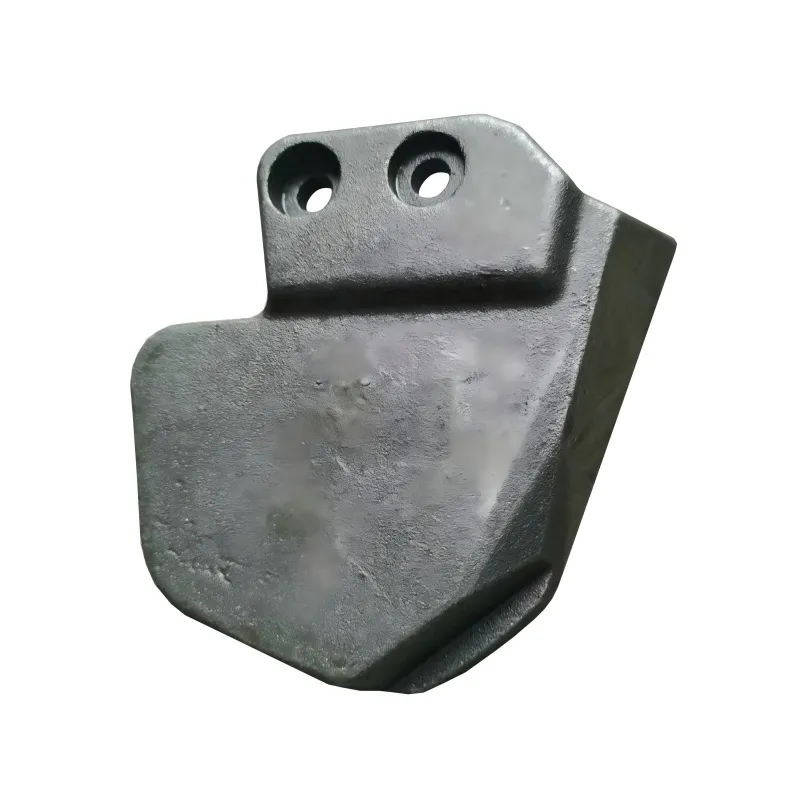
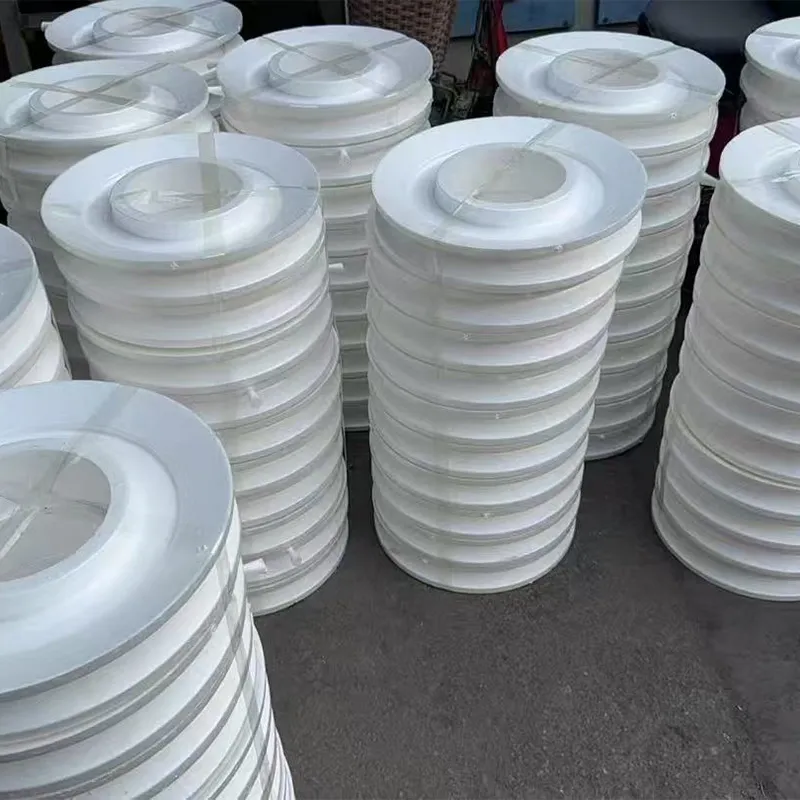
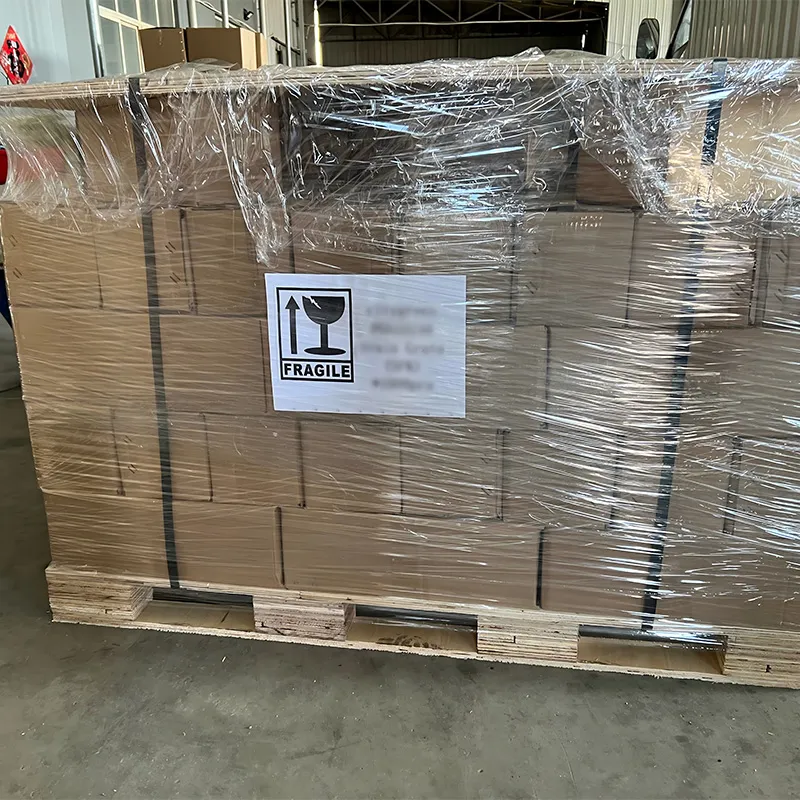
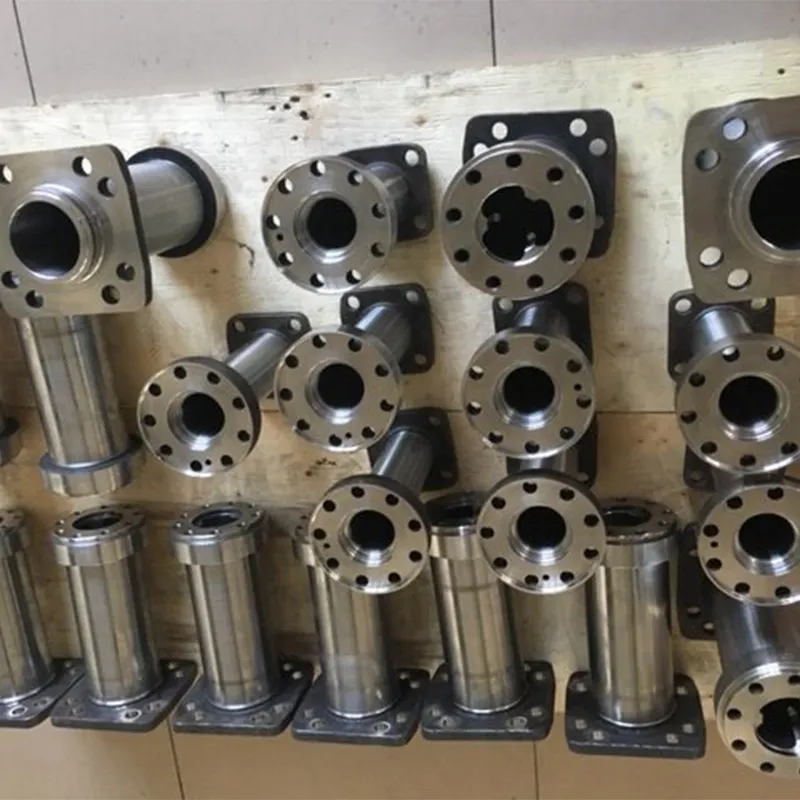
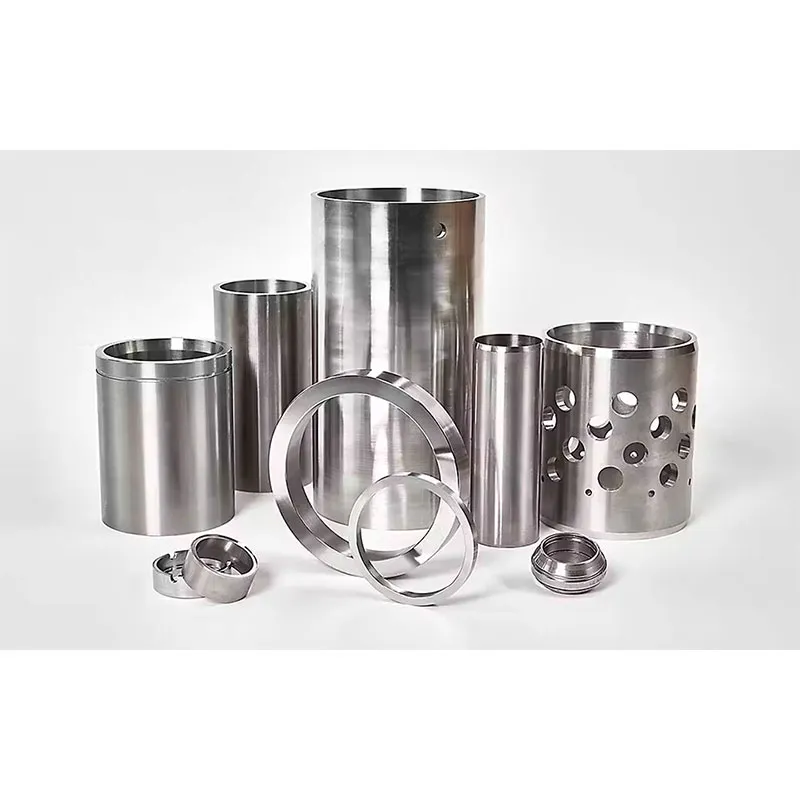
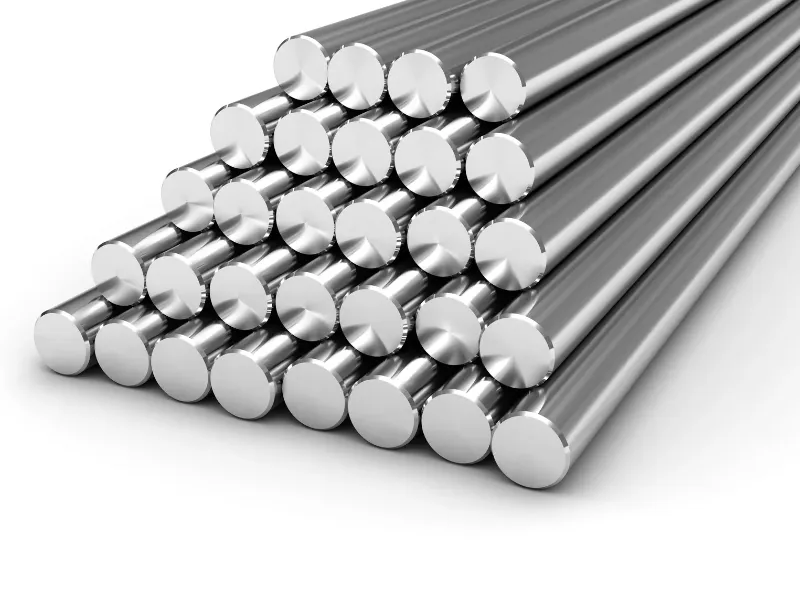
When engineers select stainless steel casting parts for high-load service with moderate corrosion exposure, ASTM A747 is one of the most frequently referenced material standards. ASTM A747 covers precipitation-hardening stainless steel castings, a category of cast steel parts that deliver a balanced combination of high strength, controllable hardness and corrosion resistance. Unlike common austenitic stainless steel castings such as CF8M, these alloys develop superior mechanical performance through controlled heat treatment, instead of relying only on solid-solution strengthening. This guide covers the standard scope, available grades, mechanical limits, corrosion behaviour, heat treatment rules, typical applications and key sourcing considerations for ASTM A747 castings.
What Is ASTM A747?
ASTM A747 is the ASTM standard specification for precipitation-hardening stainless steel castings. It defines requirements for chemical composition, mechanical properties, heat treatment, testing, inspection and marking for cast components made from this alloy family.
This standard applies to cast parts manufactured via common casting processes, including investment casting. It targets components that require higher strength than conventional austenitic stainless steel castings while maintaining practical corrosion-resistant performance. ASTM A747 does not cover wrought precipitation-hardening stainless steel products. It also excludes cast austenitic, ferritic and martensitic stainless grades defined under separate standards such as ASTM A351.
Designers often specify ASTM A747 on engineering drawings for valve trim, pump components and structural hardware exposed to mild to moderately corrosive environments.
Verification note: Confirm the latest active ASTM A747 revision number and the official full standard title before releasing final drawings.
ASTM A747 Standard Grades Overview
ASTM A747 defines a lineup of precipitation-hardening stainless steel casting grades. Each grade features a custom chemical formulation to reach a specific balance of strength, hardness and corrosion resistance after age hardening.
Grades are identified by standard designations. Many cast grades under ASTM A747 are the casting equivalent of well-known wrought precipitation-hardening alloys. However, cast microstructures and property limits differ from their wrought counterparts and cannot be treated as interchangeable.
- Grades are grouped by target strength levels
- Alloying elements including copper, niobium and molybdenum enable the precipitation-hardening reaction
- Grade selection must always be paired with a defined heat treatment condition
Verification note: Retrieve the complete official grade list from the current ASTM A747 document for formal specification work.
Mechanical Properties of ASTM A747 Castings
Mechanical properties of ASTM A747 cast steel parts are strongly dependent on the applied heat treatment condition. The same grade returns very different tensile strength, yield strength, elongation and hardness results when tested in the solution-treated state versus the aged state.
Properties are validated using separately cast test coupons or representative test blocks following the sampling rules in the standard. Acceptance is judged against minimum required values rather than nominal target values.
Table note: The table below is a template. Populate all cells with official minimum values from the active ASTM A747 revision before technical use. Do not substitute wrought 17-4 PH property data for casting requirements.
| Grade | Heat Treatment Condition | Tensile Strength, min | Yield Strength, min | Elongation, min | Hardness, typical range |
| [Grade placeholder] | Solution treated + aged | [Value] | [Value] | [Value] | [Value] |
These high-strength characteristics make ASTM A747 stainless steel casting parts suitable for loaded components where CF8 or CF8M castings do not meet yield strength requirements.
Corrosion Resistance of ASTM A747 Stainless Steel Castings
ASTM A747 precipitation-hardening cast stainless steels offer reliable corrosion resistance for mild and moderately corrosive environments, but they do not match the performance of high-alloy austenitic or super duplex cast stainless steels.
Corrosion performance is determined by grade chemistry, heat treatment quality, surface finish and service environment:
- Suitable for freshwater, atmospheric exposure, dilute organic acids and low-chloride service
- Higher risk of pitting and crevice corrosion in concentrated chloride, brine or strong acidic environments
- Improper aging or overaging can degrade both mechanical performance and localised corrosion resistance
Many engineers reference PREN (Pitting Resistance Equivalent Number) values when screening grades for chloride-containing service.
Verification note: Confirm standard commentary and representative PREN reference ranges for each ASTM A747 grade.
Heat Treatment Requirements for ASTM A747 Castings
Heat treatment is not an optional finishing step for ASTM A747 castings. It is mandatory to achieve the material’s specified properties. The standard specifies a two-stage sequence: solution treatment followed by precipitation hardening (aging).
- Solution treatment: The casting is heated within a defined temperature range and held to dissolve intermetallic precipitates into the metal matrix, then cooled appropriately. This produces a soft, uniform baseline microstructure.
- Aging / precipitation hardening: The casting is reheated to a lower, tightly controlled temperature and held. Fine precipitates form inside the matrix, raising yield strength, tensile strength and hardness while reducing ductility.
Different aging cycles produce different strength tiers for the same grade. Purchase orders and engineering drawings must clearly state both the grade and the required heat treatment condition. Castings supplied without the correct aging cycle will fail mechanical property acceptance tests.
Verification note: Collect the official temperature bands, hold times and cooling requirements for each grade and condition from ASTM A747.
Typical Applications of ASTM A747 Cast Steel Parts
ASTM A747 corrosion-resistant castings are selected when designs require high mechanical strength combined with moderate corrosion resistance. Common use cases span fluid handling, power equipment, general industry and auxiliary oil & gas hardware.
Typical ASTM A747 cast components include:
- Pump impellers, pump casings and wear rings
- Valve bodies, valve trim and seating components
- Fluid control hardware and connector parts
- High-load structural castings exposed to moisture or mild chemical attack
- Mechanical fastener assemblies and brackets requiring hardness and corrosion resistance
Thin-wall, high-precision variants of these parts are commonly manufactured using silica sol investment casting. Heavier structural castings may use alternative casting processes when surface finish and tolerance requirements are less strict.
ASTM A747 vs Other Common Cast Stainless Steel Standards
The most frequent comparison engineers make is ASTM A747 against ASTM A351 CF8M, though other cast stainless specifications are also used in industry.
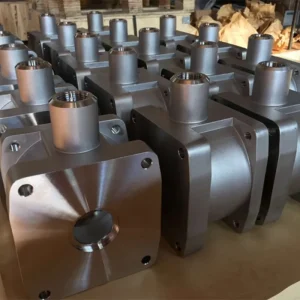
- ASTM A747: Precipitation-hardening stainless steel castings. Delivers high yield and tensile strength after aging; corrosion resistance is moderate. Final properties are fully dependent on heat treatment.
- ASTM A351 CF8M: Austenitic stainless steel casting (cast equivalent of 316). Lower strength, excellent ductility, stable corrosion resistance; no age-hardening process required.
Choose ASTM A747 when high strength or hardness is the primary requirement and corrosion service is mild to moderate. Choose CF8M when consistent austenitic corrosion performance, weldability and ductility carry higher priority than maximum strength.
Verification note: Cross-check standard property tables to ensure comparison values are accurate for formal design review.
Key Considerations When Sourcing ASTM A747 Stainless Steel Casting Parts
Clear specification when sourcing ASTM A747 stainless steel casting parts reduces quotation misunderstandings, production delays and rejected castings.
- List both the grade and required heat treatment condition on drawings and RFQs
- Specify requirements for test coupons, NDT, pressure testing or surface inspection
- Confirm that the foundry understands wrought 17-4 PH cannot be substituted without formal engineering approval
- Clarify casting process requirements: investment casting (silica sol or water glass), sand casting, or other routes
- Require heat treatment traceability certificates; mechanical test reports must match the stated heat treatment condition
Most quality problems with A747 castings originate from incomplete specifications, rather than poor casting workmanship. Ambiguous heat treatment requirements are the most common root cause.
Frequently Asked Questions About ASTM A747
Can ASTM A747 castings be welded?
ASTM A747 precipitation-hardening cast stainless steel can be welded. However, welding alters the local microstructure and material properties. Weld zones lose their age-hardened condition, and post-weld heat treatment may be required to restore target mechanical performance. Weld procedures must be qualified for the specific grade and service application, and designers should anticipate reduced local strength in the weld region.
Is ASTM A747 the same as wrought 17-4 PH?
No. While many ASTM A747 grades are the casting counterpart to wrought 17-4 PH, castings feature different microstructures, impurity limits and minimum mechanical properties defined by the standard. Direct substitution between cast and wrought forms requires formal engineering approval.
What casting processes are suitable for ASTM A747?
ASTM A747 itself does not mandate a specific casting process. Investment casting is widely used for complex, precision ASTM A747 stainless steel casting parts. Sand casting is also viable for larger components with looser dimensional requirements, subject to the foundry’s capability.
Can ASTM A747 replace CF8M?
Only after the design team evaluates strength, ductility, corrosion environment, welding performance and heat treatment constraints. ASTM A747 provides higher strength, yet it is not universally superior in corrosion resistance or fabrication flexibility.
Conclusion
ASTM A747 is the primary specification for precipitation-hardening stainless steel cast steel parts. Its core advantage is the ability to achieve high strength and controlled hardness through precipitation hardening, while retaining usable corrosion resistance for many industrial environments.
Correct specification and sourcing rely on three key points: selecting the correct grade, defining the required heat treatment condition, and confirming the foundry provides compliant test documentation. For applications needing higher strength than standard austenitic stainless steel castings, ASTM A747 stainless steel casting parts offer a reliable technical solution — provided the service environment matches the alloy’s corrosion limits.