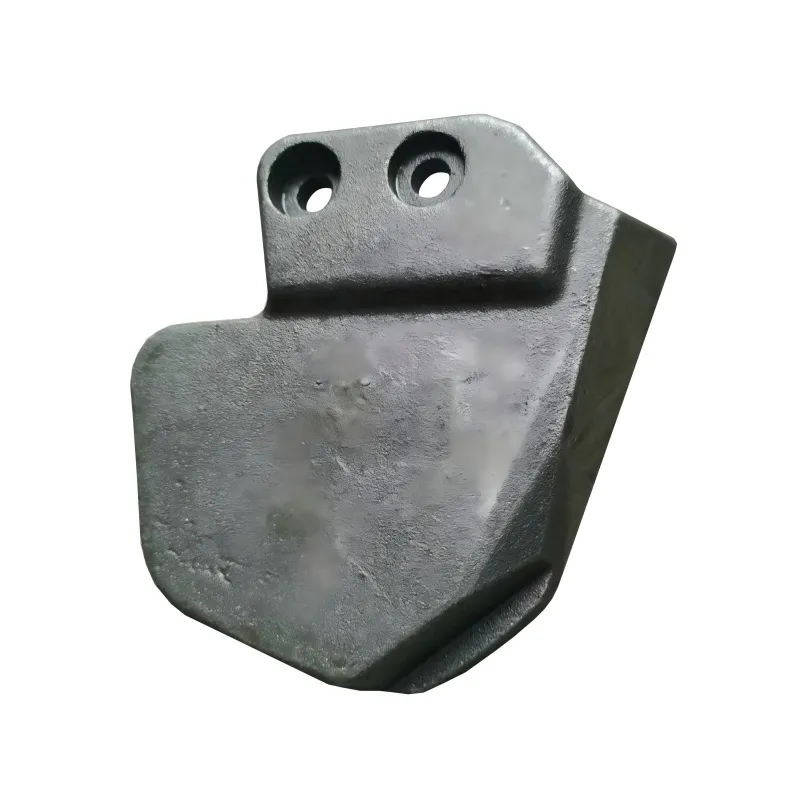
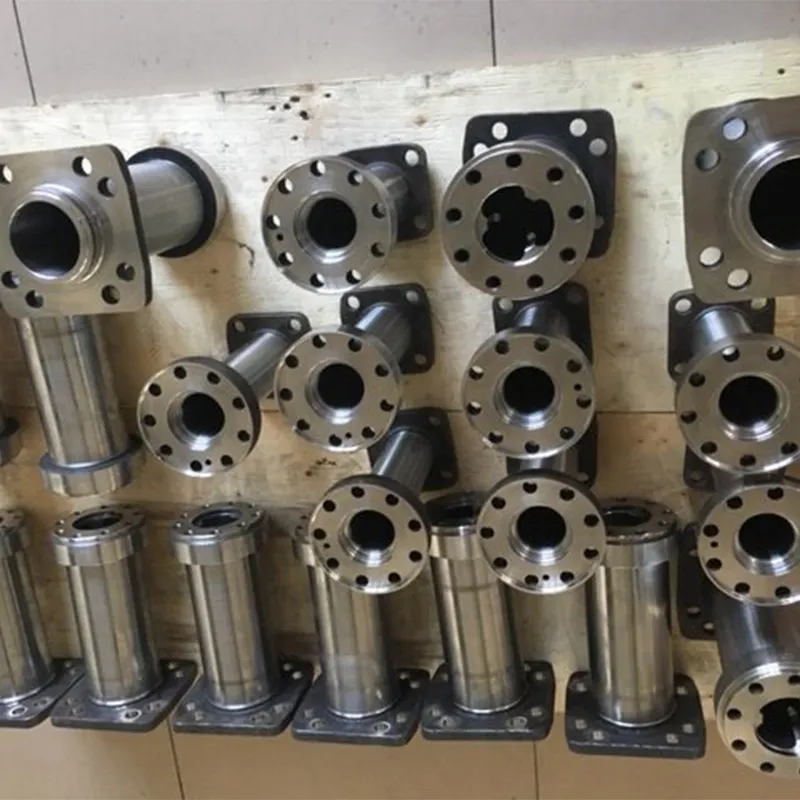
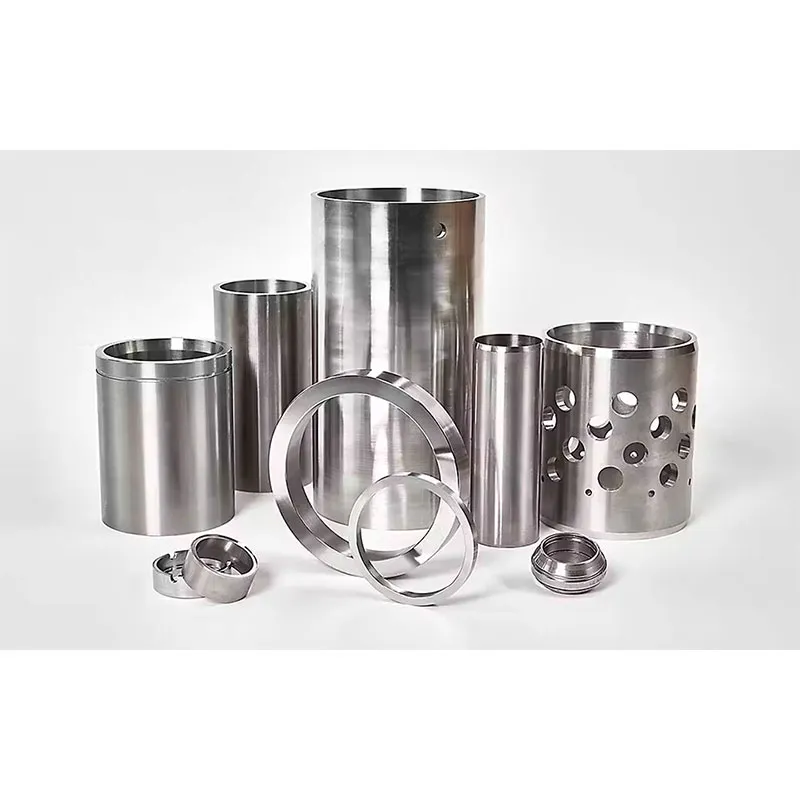
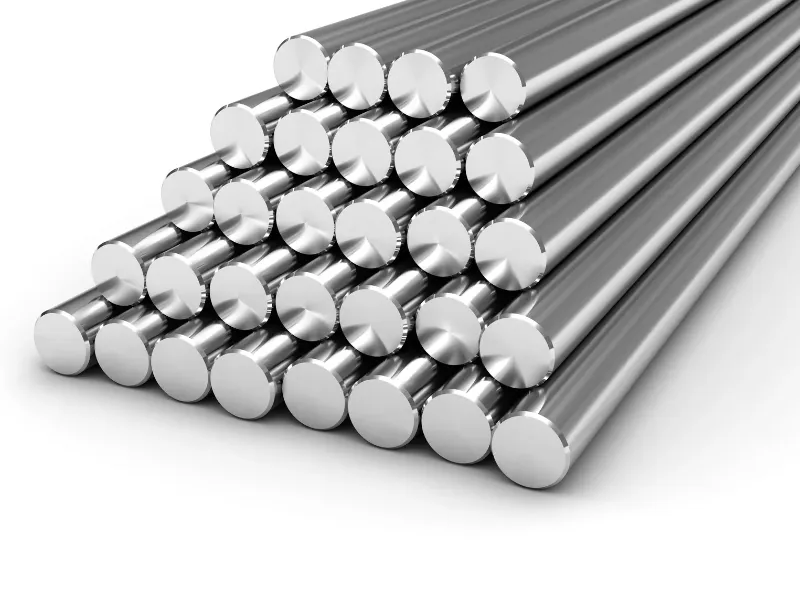
Stainless steel sand casting foundry services provide a cost-effective and versatile manufacturing solution for producing complex, high-durability metal components. By utilizing silica-based molds and molten stainless steel alloys such as 304, 316, and 17-4 PH, this process enables the creation of parts with superior corrosion resistance, mechanical strength, and dimensional stability. As an OEM manufacturer, we specialize in delivering precision-engineered castings for industries ranging from marine engineering to food processing, ensuring strict adherence to international quality standards and custom design specifications.
Understanding Stainless Steel Sand Casting: Process and Capabilities
Stainless steel sand casting is a foundational manufacturing method where liquid stainless steel is poured into a mold cavity formed by compacted sand. Unlike investment casting, which uses wax patterns and ceramic shells, sand casting relies on reusable or single-use sand molds bound by chemical or clay agents. This distinction makes it particularly suitable for larger components and lower-volume production runs where tooling costs must be minimized.
The core advantage of this process lies in its flexibility. Engineers can design intricate geometries with internal cavities, undercuts, and varying wall thicknesses that would be difficult or prohibitively expensive to machine from solid billet. The sand mold acts as a negative impression of the final part, allowing for rapid iteration during the prototyping phase and scalable production for medium-sized batches.
How the Sand Casting Process Works
The workflow in a professional stainless steel sand casting foundry follows a rigorous sequence to ensure metallurgical integrity and dimensional accuracy. Understanding these steps helps buyers evaluate the technical competence of their manufacturing partner.
- Pattern Creation: A precise pattern, typically made from wood, metal, or high-density plastic, is created based on the CAD model. This pattern includes allowances for shrinkage and machining.
- Mold Preparation: High-quality silica sand is mixed with binders (such as resin or clay) and packed around the pattern. The mold is split into two halves: the cope (upper part) and the drag (lower part).
- Core Insertion: For parts with internal hollows, sand cores are placed inside the mold cavity before closing.
- Melting and Pouring: Stainless steel scrap and alloying elements are melted in an electric induction furnace at temperatures exceeding 1500°C. The molten metal is poured into the mold through a gating system designed to minimize turbulence and oxidation.
- Cooling and Shakeout: After solidification, the mold is broken away (shakeout), and the raw casting is retrieved.
- Finishing and Inspection: Gates and risers are cut off, surfaces are ground, and the part undergoes heat treatment if required. Final inspection involves dimensional checks and non-destructive testing.
Key Alloys Used in Stainless Steel Casting
Selecting the right grade of stainless steel is critical for performance. Our foundry works extensively with austenitic, ferritic, martensitic, and precipitation-hardening grades. Each alloy offers distinct properties tailored to specific environmental stresses.
| Alloy Grade | Type | Key Characteristics | Typical Applications |
| CF8M (316) | Austenitic | Superior corrosion resistance, especially against chlorides; good weldability. | Marine hardware, chemical processing pumps, valve bodies. |
| CF8 (304) | Austenitic | General-purpose corrosion resistance; excellent formability and toughness. | Food processing equipment, architectural fittings, general industrial parts. |
| CA15 (410) | Martensitic | High hardness and strength after heat treatment; moderate corrosion resistance. | Turbine blades, fasteners, wear-resistant components. |
| CB7Cu-1 (17-4 PH) | Precipitation Hardening | Very high strength and hardness; good corrosion resistance. | Aerospace components, high-stress mechanical parts, oil and gas tools. |
| CD4MCu | Duplex/Austenitic-Ferritic | High yield strength, excellent resistance to stress corrosion cracking. | Offshore platforms, desalination plants, heavy-duty pumps. |
Why Choose Sand Casting Over Other Manufacturing Methods?
When sourcing metal components, engineers often debate between sand casting, investment casting (lost wax), and die casting. Each method has its place, but stainless steel sand casting offers unique benefits for specific project requirements. It bridges the gap between low-cost, low-precision methods and high-cost, high-precision techniques.
Cost Efficiency for Medium to Large Parts
One of the primary drivers for choosing sand casting is economic efficiency. The tooling required for sand casting—typically wooden or aluminum patterns—is significantly cheaper than the steel dies used in die casting or the complex wax injection molds used in investment casting. For large components weighing over 5 kg, sand casting becomes the most cost-effective option because the per-unit cost does not escalate dramatically with size, unlike other methods.
Design Flexibility and Complexity
Sand casting allows for greater design freedom. There are fewer restrictions on part geometry compared to die casting, which requires draft angles and uniform wall thicknesses to facilitate ejection. In sand casting, complex internal passages can be achieved using soluble cores or multi-part core assemblies. This capability is essential for manufacturing valve bodies, pump housings, and manifold systems where fluid dynamics dictate complex internal shapes.
Material Versatility
While die casting is largely limited to non-ferrous metals like aluminum and zinc due to melting point constraints, sand casting accommodates high-melting-point alloys like stainless steel, carbon steel, and superalloys. This makes it the go-to choice for applications requiring high thermal stability and structural integrity under extreme conditions.
About Qingdao Qiangsenyuan Technology Co., Ltd. (QSY)
With over 30 years of experience in the casting and machining industry, Qingdao Qiangsenyuan Technology Co., Ltd. (QSY) stands as a premier partner for global manufacturers seeking reliability and precision. While our expertise spans shell mold casting, lost wax casting, and CNC machining, our robust capabilities in stainless steel casting serve as a cornerstone of our one-stop customized processing services.
Our state-of-the-art facility covers over 50,000 square meters, housing dedicated production lines for various casting methods, a comprehensive CNC machining workshop, and advanced quality inspection centers. This extensive infrastructure allows us to handle diverse materials—including cast iron, steel, stainless steel, and special alloys like cobalt and nickel-based superalloys—ensuring that we can meet the specific demands of industries ranging from agricultural and mining machinery to medical, food processing, and petrochemical sectors.
Having successfully cooperated with clients in more than 20 countries, QSY is committed to delivering high-quality solutions that combine traditional craftsmanship with modern technological efficiency. Whether you require complex sand castings for industrial equipment or precision-machined components for medical devices, our integrated approach ensures seamless production from prototype to final delivery.
Technical Advantages of Our OEM Foundry Services
As a specialized stainless steel sand casting foundry, we integrate advanced technology with traditional craftsmanship to deliver superior results. Our approach focuses on minimizing defects, enhancing surface finish, and ensuring consistent mechanical properties across every batch.
Advanced Mold Making Technology
We utilize both green sand and resin-bonded sand systems depending on the project needs. Green sand casting is ideal for high-volume runs of simpler parts, offering quick turnaround times. For higher precision and better surface finish, we employ no-bake resin sand molding. This method produces rigid molds with excellent dimensional stability, reducing the risk of casting defects such as shift or expansion.
Furthermore, our adoption of 3D printing for pattern making and core boxes has revolutionized our prototyping speed. Complex geometries that previously took weeks to machine can now be printed in days, allowing for faster design validation and time-to-market for our clients.
Rigorous Quality Control and Testing
Quality assurance is embedded in every stage of production. We adhere to ISO 9001 standards and implement a multi-layered inspection protocol:
- Chemical Analysis: Spectrometry is used to verify the exact composition of the molten metal before pouring, ensuring alloy compliance.
- Dimensional Inspection: Coordinate Measuring Machines (CMM) and laser scanning verify that critical dimensions match the CAD drawings within specified tolerances.
- Non-Destructive Testing (NDT): We offer penetrant testing (PT) to detect surface cracks, radiographic testing (RT) for internal voids, and ultrasonic testing (UT) for subsurface defects.
- Mechanical Testing: Tensile, yield, and impact tests are conducted on sample coupons from each heat to confirm mechanical properties meet ASTM or DIN standards.
Surface Finish and Post-Processing
Raw sand castings typically have a rough surface texture. Our facility provides comprehensive finishing services to meet functional and aesthetic requirements. This includes shot blasting to remove scale and improve surface uniformity, grinding to remove gate remnants, and polishing for sanitary applications. For parts requiring enhanced corrosion resistance or specific visual appeal, we offer passivation and electropolishing services.
Industries and Applications Served
The versatility of stainless steel sand casting makes it indispensable across various sectors. Our OEM capabilities support diverse industries, each with unique regulatory and performance demands.
Marine and Offshore Engineering
The marine environment poses severe challenges due to saltwater corrosion and biofouling. Stainless steel grades like 316 and duplex steels are preferred for their resistance to pitting and crevice corrosion. Common cast components include propeller hubs, rudder fittings, deck hardware, and pump impellers. The ability to cast large, robust structures ensures longevity and safety in offshore operations.
Oil and Gas Industry
In upstream and downstream oil and gas applications, components must withstand high pressure, extreme temperatures, and corrosive fluids. Sand-cast stainless steel valves, wellhead components, and pipe fittings are critical for maintaining system integrity. Our use of precipitation-hardening alloys allows for the production of parts that combine high strength with corrosion resistance, essential for drilling equipment and subsea systems.
Food and Beverage Processing
Hygiene is paramount in food processing. Stainless steel 304 and 316 castings are widely used for mixers, conveyor components, and piping systems because they are non-porous, easy to clean, and resistant to acidic food products. Our foundry ensures that all castings intended for food contact meet sanitary standards, with smooth surface finishes that prevent bacterial growth.
Chemical and Pharmaceutical Manufacturing
Handling aggressive chemicals requires materials that do not react or degrade. Stainless steel castings provide the necessary chemical inertness for reactor vessels, heat exchangers, and dosing pumps. The precision of our sand casting process ensures tight seals and reliable performance in critical processing lines.
Common Defects in Sand Casting and How We Prevent Them
Understanding potential defects is crucial for evaluating a foundry’s expertise. While sand casting is robust, it is susceptible to specific issues if not managed correctly. Our engineering team proactively addresses these risks through process optimization.
Porosity and Gas Holes
Gas porosity occurs when trapped air or gases from the binder material cannot escape during pouring. This weakens the part and can lead to leaks in pressure-containing components. We mitigate this by designing efficient gating and venting systems that allow gases to escape while preventing metal splash. Additionally, we control the moisture content in green sand and cure resin bonds thoroughly to minimize gas generation.
Shrinkage Cavities
As stainless steel cools, it shrinks. If the mold does not feed enough liquid metal to compensate for this volume reduction, shrinkage cavities form. These are typically located in thick sections of the casting. We use computer-aided solidification simulation to predict hot spots and strategically place risers and chills to ensure directional solidification towards the feeders.
Sand Inclusions
Sand inclusions happen when loose sand particles become embedded in the metal surface. This compromises surface integrity and machinability. We prevent this by using high-strength binders, optimizing ramming density, and applying ceramic coatings to mold surfaces to create a barrier between the sand and the molten metal.
Misruns and Cold Shuts
If the molten metal cools too quickly before filling the mold, misruns or cold shuts occur. This is often a result of poor gating design or low pouring temperature. Our foundry maintains strict temperature controls and simulates flow patterns to ensure complete mold filling without turbulence.
Selection Guide: Choosing the Right Foundry Partner
Selecting a stainless steel sand casting foundry involves more than just comparing prices. It requires assessing technical capability, quality systems, and communication efficiency. Here are key factors to consider when evaluating potential suppliers.
Technical Expertise and Engineering Support
Look for a partner that offers Design for Manufacturability (DFM) feedback. A competent foundry will review your CAD files and suggest modifications to improve castability, reduce weight, or lower costs without compromising function. Ask about their experience with similar parts and their ability to handle complex core assemblies.
Quality Certifications and Traceability
Ensure the foundry holds relevant certifications such as ISO 9001. For specialized industries like aerospace or nuclear, additional certifications like AS9100 or NADCAP may be required. Request documentation on their traceability procedures. You should be able to track each batch of castings back to the original melt heat number and material certification.
Production Capacity and Lead Times
Evaluate whether the foundry can meet your volume requirements and delivery schedules. Inquire about their monthly capacity, current workload, and flexibility in handling rush orders. A reliable partner will provide realistic lead times and keep you informed of any potential delays.
Communication and Transparency
Effective communication is vital for successful OEM projects. Choose a supplier that responds promptly, provides detailed quotations with breakdowns, and offers regular updates during production. Transparency regarding testing results and any deviations from the original design builds trust and ensures long-term collaboration.
Frequently Asked Questions (FAQ)
What is the typical tolerance range for stainless steel sand casting?
Standard tolerances for stainless steel sand casting generally fall within ±0.5 mm to ±1.5 mm per 100 mm of dimension, depending on the part size and complexity. Tighter tolerances can be achieved through secondary machining operations. We recommend discussing specific tolerance requirements during the DFM phase to optimize cost and feasibility.
How does the cost of sand casting compare to investment casting?
Sand casting is generally more cost-effective for larger parts (over 2-3 kg) and lower to medium volumes due to lower tooling costs. Investment casting offers better surface finish and tighter tolerances but involves higher pattern costs and longer lead times. For small, intricate parts, investment casting may be cheaper per unit at high volumes, but sand casting remains superior for large, heavy components.
Can you produce prototypes using sand casting?
Yes, sand casting is excellent for prototyping. Since patterns can be made quickly from wood or 3D-printed materials, we can produce functional prototypes in a short timeframe. This allows for real-world testing of material properties and fitment before committing to hard tooling for mass production.
What post-processing services do you offer?
We provide a full range of post-processing services, including shot blasting, grinding, welding, heat treatment (annealing, quenching, tempering), CNC machining, and surface treatments like passivation and electropolishing. This one-stop approach ensures that you receive finished components ready for assembly.
Is stainless steel sand casting environmentally friendly?
Modern foundries prioritize sustainability. Sand can be reclaimed and reused multiple times, reducing waste. Stainless steel itself is 100% recyclable, and scrap generated during the casting process is melted down and reused. We adhere to environmental regulations regarding emissions and waste disposal to minimize our ecological footprint.
Conclusion: Partnering for Precision and Durability
Choosing the right stainless steel sand casting foundry is a strategic decision that impacts the quality, reliability, and cost-efficiency of your final product. With its ability to produce complex, durable, and corrosion-resistant components, sand casting remains a cornerstone of modern industrial manufacturing. Whether you need rugged marine hardware, precision chemical valves, or sanitary food processing parts, our OEM services deliver the engineering excellence and quality assurance you require.
We combine decades of metallurgical expertise with advanced manufacturing technologies to bring your designs to life. From initial concept and DFM analysis to final inspection and delivery, we are committed to providing transparent, high-quality solutions tailored to your specific needs.
Ready to start your next project? Contact our engineering team today for a free consultation and quote. Let us help you optimize your design for manufacturability and deliver superior stainless steel castings on time and within budget.
Explore our full range of casting capabilities and request a custom quote here.