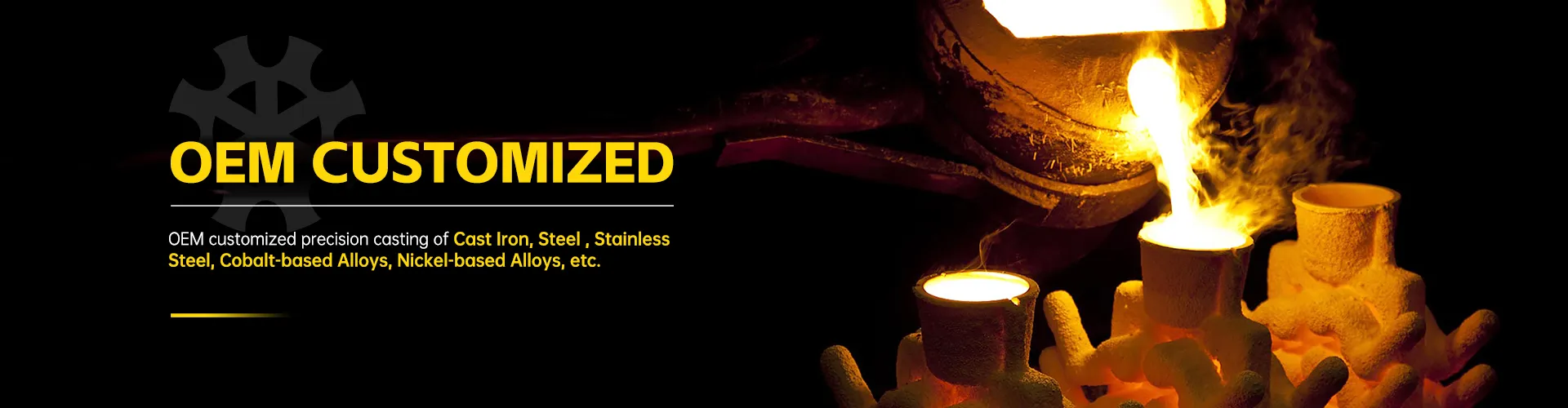
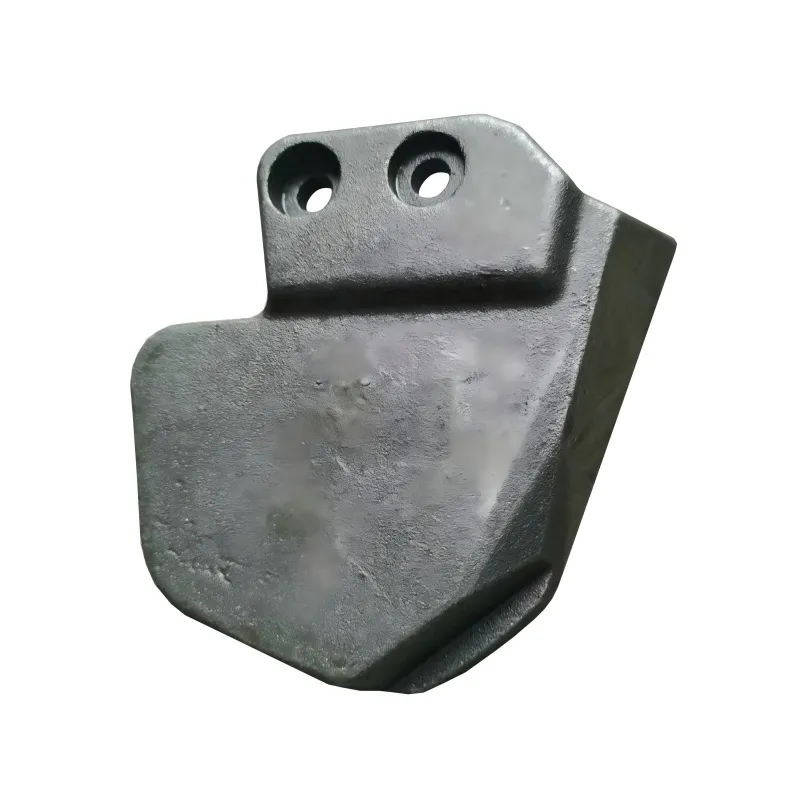
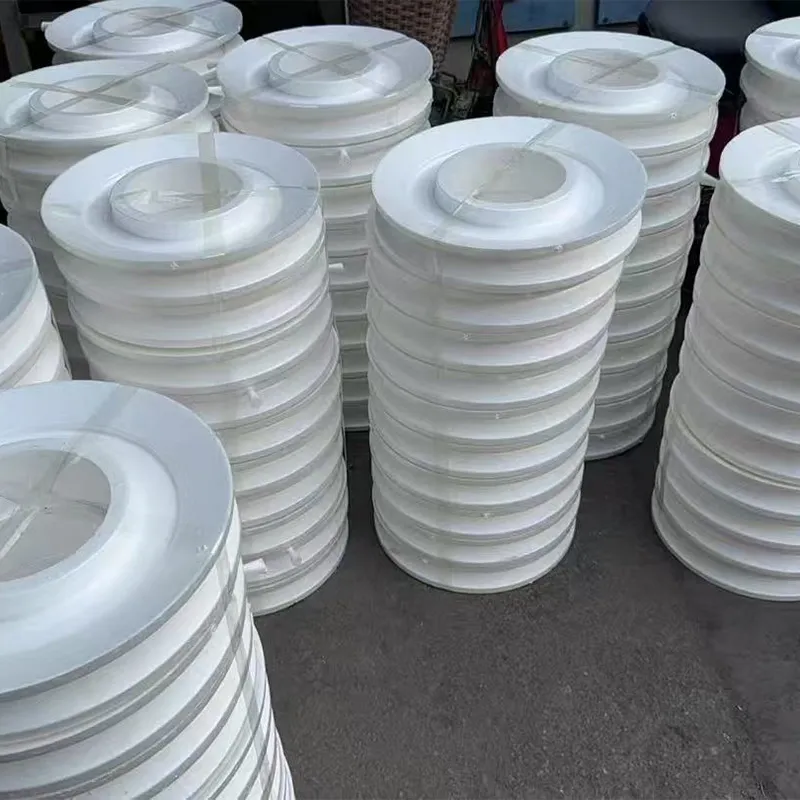
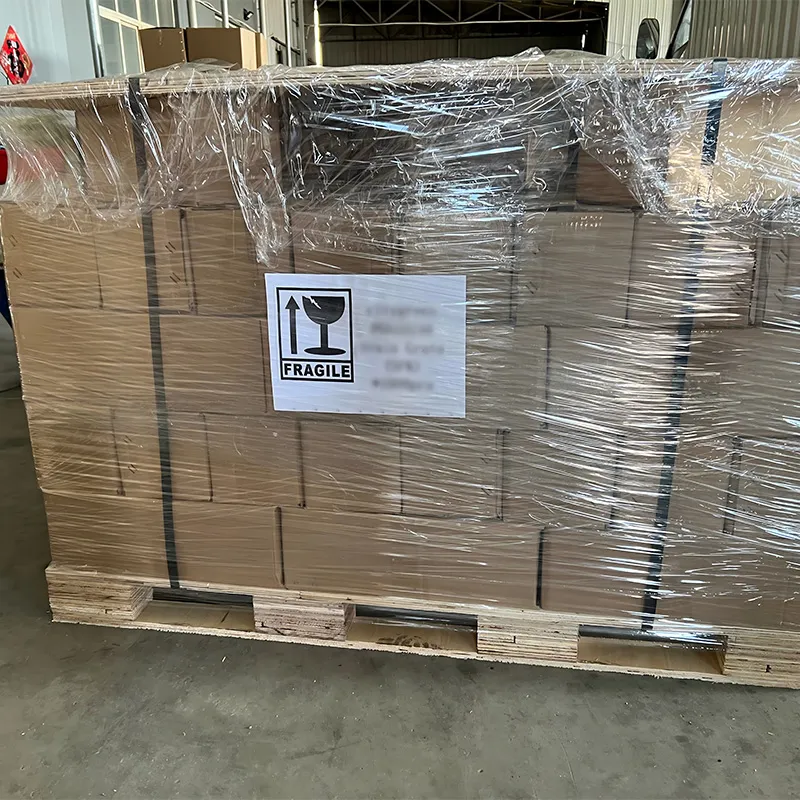
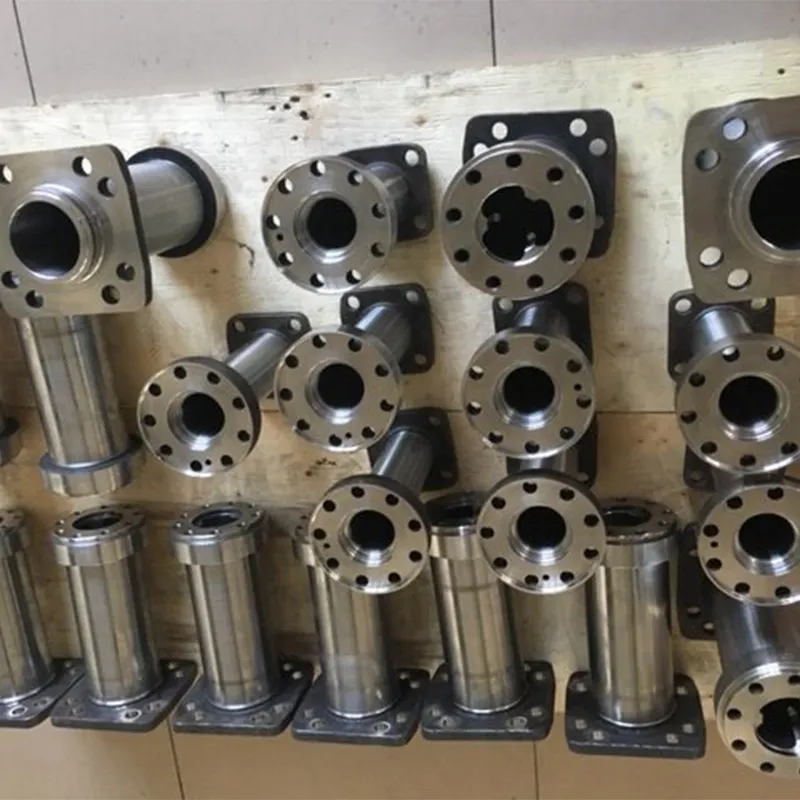
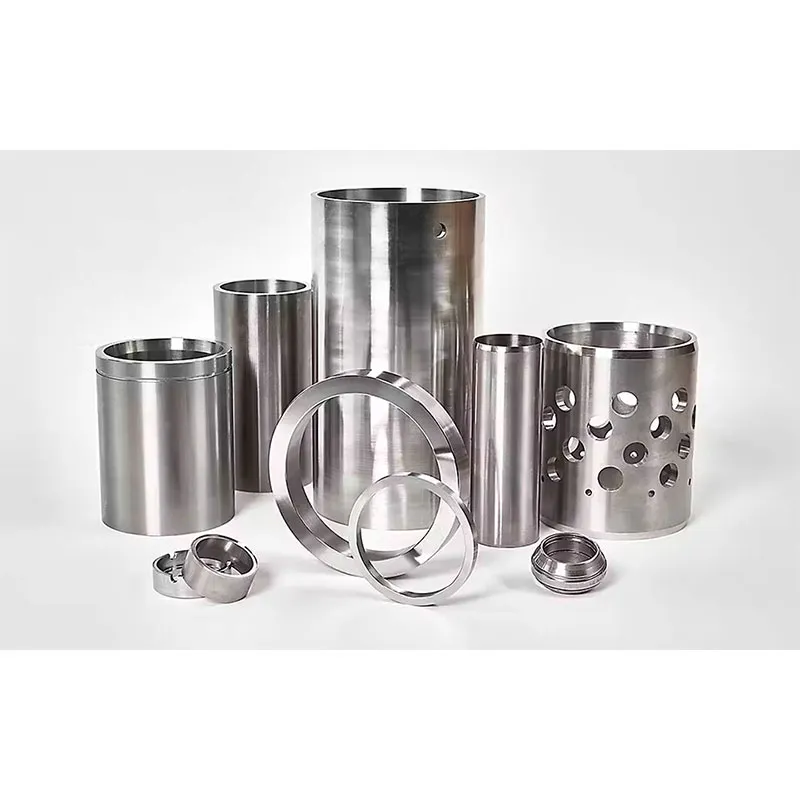
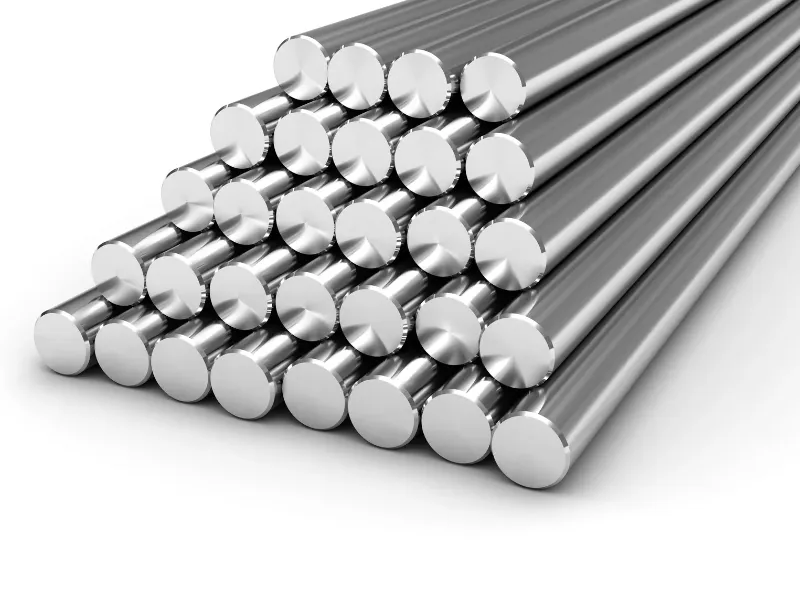
Shell molding steel casting parts are high-precision metal components manufactured using the shell molding process, a variation of sand casting that utilizes a thin, hardened shell of sand and thermosetting resin. This method delivers superior dimensional accuracy, excellent surface finish, and complex geometric capabilities compared to traditional green sand casting. Ideal for medium-to-high volume production, shell molded steel castings are widely used in hydraulic systems, automotive engineering, and industrial pump assemblies where structural integrity and tight tolerances are critical. As an OEM manufacturer, QINGDAO QIANGSENYUAN TECHNOLOGY CO., LTD. leverages this technology to produce mission-critical components such as pressure valves, piston pump cylinder housings, and winch shaft rollers, ensuring consistent metallurgical properties and compliance with international standards.
What Is Shell Molding Steel Casting?
Shell molding, often referred to as the Croning process, is a specialized expendable mold casting method. Unlike conventional sand casting, which uses a bulk sand mold held together by clay or chemical binders, shell molding creates a hollow, rigid “shell” around a heated metal pattern. This shell serves as the mold cavity into which molten steel is poured.
The process begins with mixing fine silica sand with a phenolic resin binder. When this mixture contacts a heated metal pattern (typically heated to 200–300°C), the resin cures instantly, forming a hard shell. The thickness of this shell is precisely controlled, usually between 10 to 20 millimeters, providing sufficient strength to withstand the pressure of molten metal while allowing for rapid heat dissipation during cooling.
For steel casting applications, this technique offers distinct advantages. The smooth internal surface of the shell mold reduces the need for extensive post-casting machining. Furthermore, the uniform cooling rate minimizes internal stresses and microstructural defects, resulting in steel parts with enhanced mechanical properties. At QINGDAO QIANGSENYUAN TECHNOLOGY, this process is integrated with advanced CNC machining to deliver net-shape or near-net-shape components for demanding sectors like oil and gas equipment and specialized pump assemblies.
The Shell Molding Process: Step-by-Step Manufacturing Logic
Understanding the manufacturing workflow is essential for engineers and procurement specialists evaluating suppliers. The production of shell molding steel casting parts involves several precise stages, each contributing to the final quality and performance of the component.
1. Pattern Design and Preparation
The process starts with the creation of a master pattern, typically made from cast iron or steel. This pattern is an exact replica of the desired part, including allowances for shrinkage and machining. At QINGDAO QIANGSENYUAN TECHNOLOGY, patterns are designed using CAD software to optimize gating systems and ensure proper metal flow, reducing the risk of turbulence and oxidation during pouring.
2. Sand-Resin Mixing
High-purity silica sand is thoroughly mixed with a thermosetting phenolic resin. The ratio of resin to sand is carefully calibrated to balance shell strength with gas permeability. This step is critical for preventing defects such as blowholes or surface veining in the final steel casting.
3. Shell Formation
The sand-resin mixture is dumped onto the heated pattern. The heat causes the resin to cure, forming a hard shell around the pattern’s contours. After a specific curing time, the excess un-cured sand is drained away, leaving only the hardened shell attached to the pattern.
4. Curing and Ejection
The pattern with the attached shell is placed in an oven for further curing to ensure complete polymerization of the resin. Once fully cured, the shell is mechanically ejected from the pattern. For complex geometries, two half-shells are produced and later bonded together.
5. Assembly and Pouring
The half-shells are clamped or glued together to form the complete mold cavity. Molten steel, heated to temperatures exceeding 1500°C, is poured into the mold. The thin shell allows for rapid heat transfer, promoting a fine grain structure in the solidified steel.
6. Cooling, Shaking Out, and Finishing
After solidification, the shell is broken away (shaken out), and the casting is removed. The part then undergoes shot blasting to remove residual sand and oxide layers. Finally, QINGDAO QIANGSENYUAN TECHNOLOGY performs precision CNC machining, heat treatment, and surface finishing to meet strict dimensional specifications and functional requirements.
Key Advantages of Shell Molding for Steel Components
When selecting a casting method for steel parts, engineers must balance cost, precision, and volume. Shell molding offers a compelling value proposition for specific industrial applications.
- Superior Dimensional Accuracy: Shell molds maintain their shape better than green sand molds, resulting in tighter tolerances (typically ±0.5 mm or better). This reduces the amount of material that needs to be machined away, lowering overall production costs.
- Excellent Surface Finish: The fine grain structure of the silica sand and the smooth surface of the cured resin produce castings with a superior surface finish (often 125–250 micro-inches Ra). This is particularly beneficial for hydraulic components and valve bodies where surface roughness can affect performance.
- Complex Geometry Capability: The rigidity of the shell allows for the casting of intricate features, thin walls, and undercuts that might be difficult or impossible to achieve with traditional sand casting.
- Reduced Machining Requirements: Due to the high precision and smooth surface, shell molded parts often require minimal secondary machining. This accelerates lead times and reduces tool wear during CNC operations.
- Consistent Metallurgical Properties: The controlled cooling rate associated with shell molding promotes a uniform microstructure, enhancing the mechanical strength and durability of the steel parts.
These advantages make shell molding an ideal choice for producing components such as piston pump cylinder housings and pressure valves, where leak-tightness and dimensional stability are paramount. QINGDAO QIANGSENYUAN TECHNOLOGY leverages these benefits to deliver high-performance solutions for global clients in North America, Europe, and Southeast Asia.
Shell Molding vs. Traditional Sand Casting: A Technical Comparison
To help decision-makers choose the right manufacturing process, the following table compares shell molding with conventional green sand casting for steel parts.
| Feature | Shell Molding | Green Sand Casting |
| Dimensional Accuracy | High (±0.5 mm) | Moderate (±1.5–2.0 mm) |
| Surface Finish | Smooth (125–250 Ra) | Rougher (250–500 Ra) |
| Tooling Cost | Higher (Metal patterns required) | Lower (Wood or metal patterns) |
| Production Volume | Medium to High | Low to High |
| Complexity | High (Thin walls, intricate details) | Moderate |
| Machining Allowance | Minimal | Significant |
| Material Waste | Lower | Higher |
While green sand casting remains cost-effective for large, simple parts or low-volume runs, shell molding is the preferred choice for smaller, complex steel components requiring high precision and minimal post-processing. For industries such as engineering vehicles and hydraulic systems, the initial investment in shell molding tooling is often offset by reduced machining costs and improved part performance.
Applications of Shell Molding Steel Casting Parts
The versatility of shell molding makes it suitable for a wide range of industrial sectors. At QINGDAO QIANGSENYUAN TECHNOLOGY, we specialize in producing components for applications that demand reliability under high stress and wear conditions.
Hydraulic Systems and Pump Assemblies
Hydraulic components operate under extreme pressure, requiring materials and manufacturing processes that ensure zero leakage and long-term durability. Shell molded steel castings are ideal for:
- Piston Pump Cylinder Housings: These components require precise bore dimensions and smooth internal surfaces to maintain seal integrity. Shell molding provides the necessary accuracy to minimize machining time and ensure consistent performance.
- Pressure Valves: Valve bodies must withstand high fluid pressures without deformation. The fine grain structure of shell molded steel enhances tensile strength and resistance to fatigue.
- Pump Foundations: Structural stability is critical for pump alignment. Shell molding allows for the integration of mounting points and complex internal passages in a single casting.
Engineering Vehicles and Heavy Machinery
Off-road vehicles and construction equipment operate in harsh environments, subjecting components to shock loads and abrasion. Key applications include:
- Winch Center Shaft Rollers: These parts experience significant rotational friction and load. Shell molded steel offers the hardness and toughness needed to resist wear and deformation.
- Transmission Housings: Complex geometries with multiple bearing seats can be cast with high precision, reducing assembly errors and improving drivetrain efficiency.
Oil and Gas Equipment
In the oil and gas sector, components must resist corrosion and high pressures. Shell molding is used to produce:
- Wellhead Components: Precision-cast fittings and connectors that ensure safe and reliable operation in upstream and downstream applications.
- Valve Trim Parts: Internal valve components that regulate flow and pressure, requiring tight tolerances and smooth surfaces to prevent erosion.
Material Selection and Quality Assurance at Qiangsenyuan
The performance of any casting is fundamentally determined by its material composition and manufacturing quality. QINGDAO QIANGSENYUAN TECHNOLOGY CO., LTD. maintains a rigorous approach to material selection and quality control to ensure every part meets customer specifications.
Steel Grades and Alloys
We work with a variety of steel grades, tailored to the specific mechanical requirements of the application:
- Carbon Steel: Used for general-purpose structural components requiring good strength and weldability.
- Alloy Steel: Enhanced with elements like chromium, nickel, and molybdenum to improve hardness, toughness, and heat resistance. Ideal for high-wear applications such as winch rollers.
- Stainless Steel: Selected for components exposed to corrosive environments, such as those in the oil and gas industry.
- Specialty Alloys: While our core focus includes steel, our expertise extends to cobalt-nickel alloys (e.g., AMS 5387, T800) for extreme performance needs. This cross-material knowledge informs our steel casting processes, ensuring best practices in melting and pouring are applied across all product lines.
Integrated Quality Control
Quality is embedded at every stage of our production workflow. Our ISO-compliant facility employs a multi-layered inspection protocol:
- Incoming Material Verification: All raw materials are sourced from certified suppliers and tested for chemical composition before use.
- In-Process Inspection: During casting and machining, we use Coordinate Measuring Machines (CMM) and optical measuring instruments to verify dimensional accuracy against CAD models.
- Non-Destructive Testing (NDT): Where specified, we perform magnetic particle inspection (MPI) or ultrasonic testing to detect internal or surface defects.
- Final Functional Assessment: Each batch undergoes visual and functional checks to ensure compliance with customer drawings and GD&T (Geometric Dimensioning and Tolerancing) standards.
- Full Traceability: We retain detailed records for every component, allowing full traceability from raw material batch to finished product. This is crucial for mission-critical parts in regulated industries.
Common Defects in Shell Molding and How We Mitigate Them
Even with advanced processes, casting can present challenges. Understanding potential defects helps in designing robust manufacturing strategies.
Gas Porosity
Cause: Trapped gases from the resin binder during pouring.
Mitigation: QINGDAO QIANGSENYUAN TECHNOLOGY optimizes the resin content and ensures adequate venting in the mold design. Controlled pouring speeds also help gases escape before solidification.
Shell Cracking
Cause: Thermal shock or insufficient shell strength.
Mitigation: We precisely control the curing temperature and time to ensure uniform shell hardness. Proper handling procedures prevent mechanical damage before pouring.
Dimensional Deviation
Cause: Pattern wear or improper clamping.
Mitigation: Regular pattern maintenance and calibration of clamping fixtures ensure consistent mold dimensions. Our CNC machining capability further corrects minor deviations, ensuring final parts meet tight tolerances.
Why Choose QINGDAO QIANGSENYUAN TECHNOLOGY as Your OEM Partner?
Selecting the right manufacturing partner is as critical as choosing the right material. QINGDAO QIANGSENYUAN TECHNOLOGY CO., LTD. stands out as a reliable partner for complex, mission-critical steel casting projects.
Vertically Integrated Capabilities
Unlike suppliers who outsource key steps, we offer end-to-end solutions. From initial design support and material selection to precision casting, CNC machining, and surface finishing, we maintain tight control over the entire production chain. This vertical integration ensures dimensional stability, microstructure integrity, and consistent surface quality.
Technical Expertise in High-Performance Alloys
Our experience with difficult-to-machine superalloys like cobalt-nickel and T800 materials has refined our understanding of metallurgy and thermal dynamics. This expertise translates directly to our steel casting operations, allowing us to optimize processes for superior mechanical properties and defect-free outcomes.
Global Service and Responsive Support
We serve customers across North America, Europe, and Southeast Asia through direct B2B engagement. Our service philosophy centers on transparent communication and responsive technical consultation. Our engineering team provides drawing validation, GD&T interpretation, and manufacturability feedback early in the project lifecycle, enabling risk mitigation and cost-effective design realization.
Lean Workflow and Stable Delivery
With structured production planning and lean workflow practices, we ensure stable delivery timelines for both prototype and medium-volume production orders. Our commitment to agreed-upon delivery commitments builds trust and supports our clients’ supply chain efficiency.
Frequently Asked Questions (FAQ)
What is the minimum order quantity (MOQ) for shell molding steel casting parts?
MOQ depends on the complexity of the part and tooling requirements. Generally, shell molding is cost-effective for medium to high volumes. However, QINGDAO QIANGSENYUAN TECHNOLOGY supports prototype orders to validate designs before full-scale production. Contact our engineering team for specific project assessments.
Can you handle complex geometries with thin walls?
Yes. Shell molding is particularly well-suited for complex geometries and thin walls due to the rigidity and smooth surface of the resin-bonded sand shell. We regularly produce intricate components such as valve bodies and pump housings with tight tolerances.
What industries do you primarily serve?
We specialize in serving industries with demanding performance requirements, including hydraulic systems, engineering vehicles, oil and gas equipment, and specialized pump assemblies. Our components are designed to withstand high pressure, wear, and corrosive environments.
Do you provide secondary machining services?
Yes. Our facility is equipped with multi-axis CNC machining centers. We offer integrated casting and machining services, ensuring that final parts meet precise dimensional specifications and surface finish requirements without the need for third-party vendors.
How do you ensure material traceability?
We adhere to documented inspection protocols and retain full traceability for critical components. Every batch of raw material is verified, and test reports are maintained throughout the production process. Final certification packages can be provided upon request.
Conclusion: Precision Steel Castings for Industrial Excellence
Shell molding steel casting parts represent a optimal balance of precision, performance, and cost-efficiency for industrial applications. By leveraging the superior surface finish and dimensional accuracy of the shell molding process, manufacturers can reduce machining costs and enhance the reliability of critical components. Whether for hydraulic valves, pump housings, or heavy machinery rollers, the quality of the casting directly impacts the longevity and efficiency of the final product.
QINGDAO QIANGSENYUAN TECHNOLOGY CO., LTD. combines advanced shell molding techniques with rigorous quality control and vertical integration to deliver exceptional value to global partners. Our expertise in high-performance materials, coupled with a commitment to technical transparency and on-time delivery, makes us a trusted OEM manufacturer for demanding industrial sectors.
If you are seeking a reliable partner for precision steel casting and machining solutions, we invite you to discuss your project requirements. Our engineering team is ready to provide design feedback, material recommendations, and competitive quotes tailored to your specific needs.
Ready to optimize your supply chain with high-quality shell molded steel parts?
Contact QINGDAO QIANGSENYUAN TECHNOLOGY today for a custom quote and technical consultation.