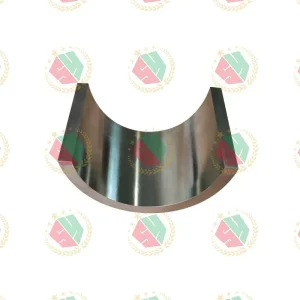
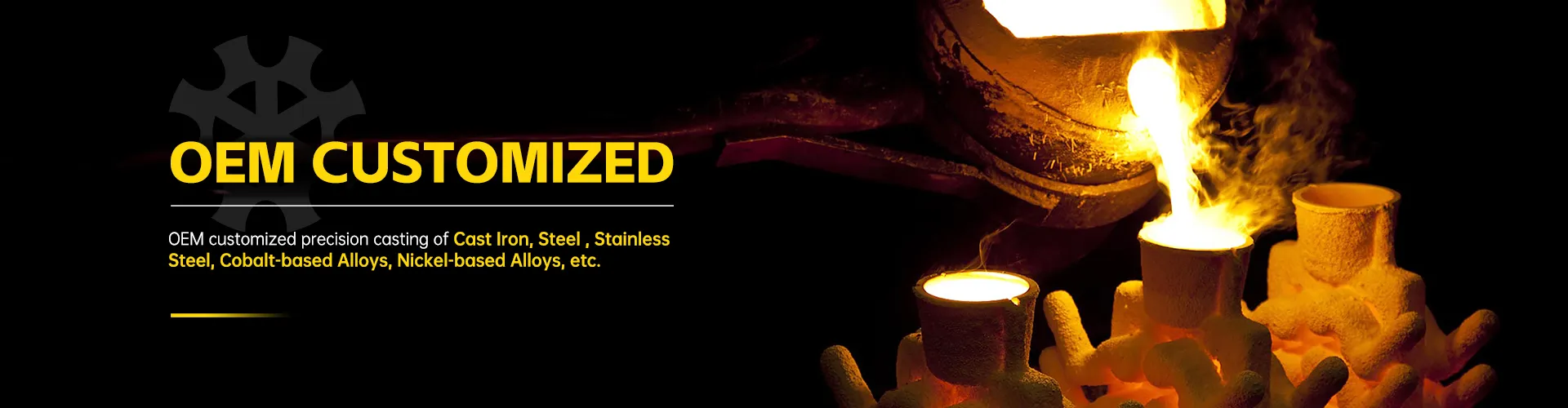
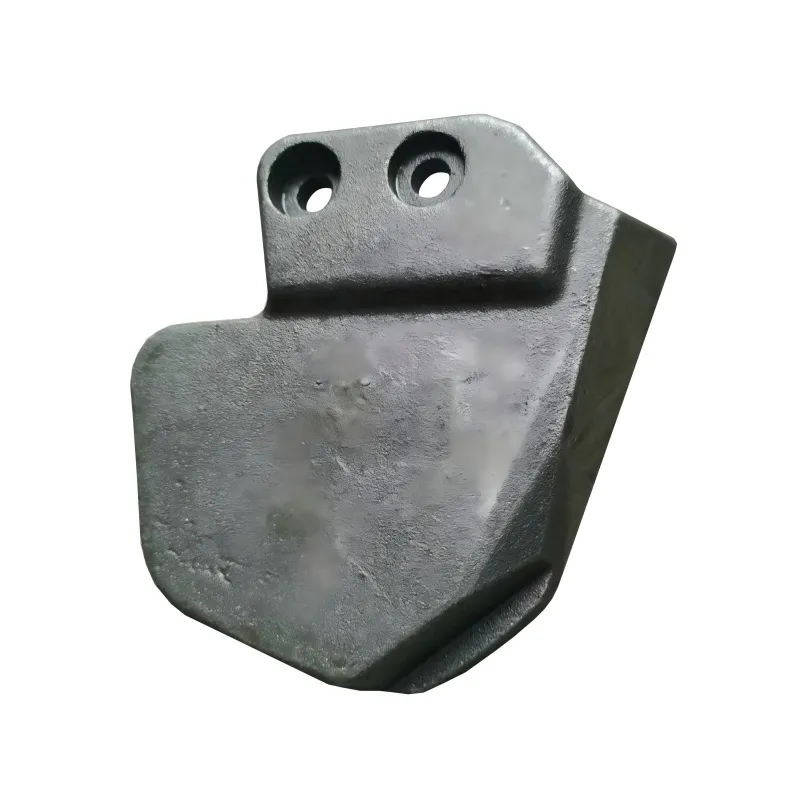
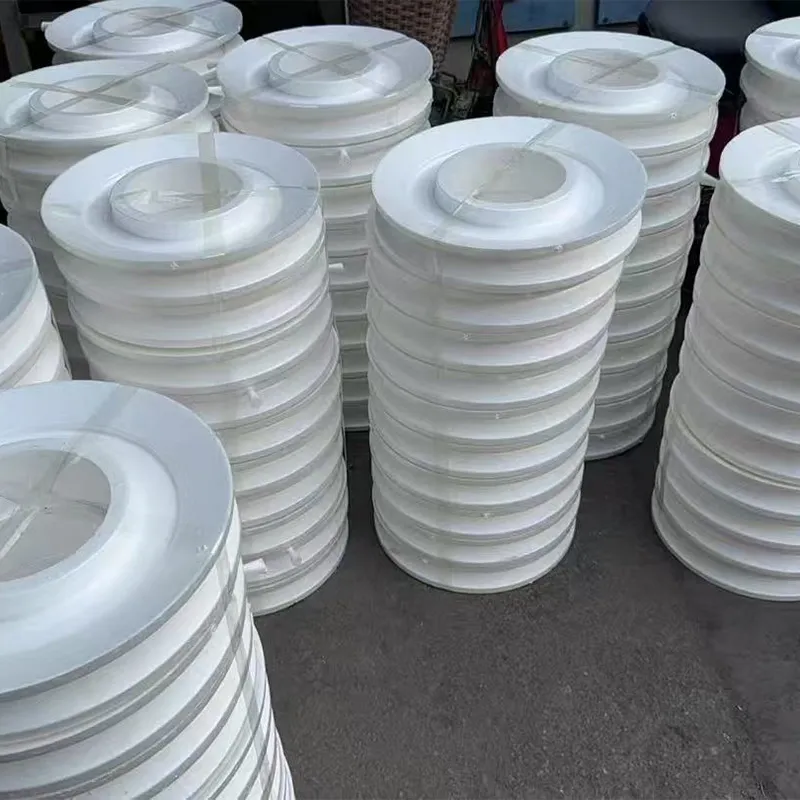
Custom metal casting services provide engineered solutions for producing complex, high-performance components from molten metal into precise solid shapes. For industrial manufacturers, this process is critical for creating parts that withstand extreme pressure, heat, and wear. At QINGDAO QIANGSENYUAN TECHNOLOGY CO., LTD., we specialize in OEM manufacturing of precision castings, including cobalt-nickel alloys, stainless steel, and iron components. Our integrated approach combines advanced casting techniques with CNC machining to deliver mission-critical parts for hydraulic systems, oil and gas equipment, and engineering vehicles. This guide details the technical capabilities, material selection, and quality standards essential for sourcing reliable custom castings.
What Is Custom Metal Casting and Why Does It Matter?
Metal casting is a manufacturing process where liquid metal is poured into a mold containing a hollow cavity of the desired shape. The metal is then allowed to cool and solidify. The solidified part, known as a casting, is ejected or broken out of the mold to complete the process. While the basic principle is straightforward, custom metal casting for industrial applications requires rigorous control over metallurgy, dimensional tolerance, and surface integrity.
In sectors like aerospace, energy, and heavy machinery, off-the-shelf components often fail to meet specific operational demands. Custom casting allows engineers to design parts with optimized geometries that reduce weight, improve fluid dynamics, or enhance structural strength. For instance, a piston pump cylinder housing must maintain perfect concentricity under high pressure. Standard forging or machining from solid stock may be cost-prohibitive or mechanically inferior for such complex internal structures. Casting enables the creation of these intricate forms in a single piece, eliminating weak points associated with welding or assembly.
The Role of Precision in Industrial Casting
Precision is not merely about aesthetics; it is a functional requirement. In hydraulic systems, even micron-level deviations can lead to seal failures, fluid leakage, and catastrophic system downtime. Therefore, the choice of a casting partner involves evaluating their ability to hold tight tolerances consistently. QINGDAO QIANGSENYUAN TECHNOLOGY addresses this by integrating precision CNC machining directly after the casting process. This hybrid approach ensures that while the casting provides the near-net shape and material integrity, the machining achieves the final critical dimensions required for assembly and performance.
Core Casting Processes: Investment vs. Sand Casting
Selecting the right casting method is fundamental to balancing cost, quality, and production volume. Two primary methods dominate the industrial landscape: investment casting (lost-wax) and sand casting. Understanding the differences helps buyers make informed decisions based on their project requirements.
Investment Casting (Lost-Wax Process)
Investment casting is ideal for complex shapes requiring high surface finish and tight tolerances. The process involves creating a wax pattern, coating it with ceramic slurry, melting out the wax, and pouring molten metal into the ceramic shell. This method is particularly suited for smaller, intricate components such as valve bodies, nozzles, and impellers.
- High Dimensional Accuracy: Capable of holding very tight tolerances, reducing the need for extensive secondary machining.
- Superior Surface Finish: Produces smooth surfaces that are critical for fluid flow applications and corrosion resistance.
- Material Versatility: Compatible with a wide range of alloys, including difficult-to-machine superalloys like cobalt and nickel-based materials.
Sand Casting for Larger Components
Sand casting uses sand as the mold material. It is generally more cost-effective for larger parts and lower-volume production runs. This method is commonly used for engine blocks, pump foundations, and large structural components. While the surface finish is rougher than investment casting, it offers excellent flexibility in part size and geometry.
At QINGDAO QIANGSENYUAN TECHNOLOGY, our facility is equipped for both processes. This dual capability allows us to recommend the most efficient manufacturing route. For example, a large pump foundation might be sand cast for structural mass, while the internal valve components within the same assembly are investment cast for precision. This strategic selection optimizes both performance and cost.
Material Selection: From Stainless Steel to Cobalt Superalloys
The performance of a cast component is largely dictated by its material composition. Different industries require specific properties such as corrosion resistance, heat resistance, or high tensile strength. Choosing the wrong alloy can lead to premature failure, especially in harsh environments like offshore oil rigs or chemical processing plants.
Stainless Steel and Iron Castings
Stainless steel castings are widely used for their balance of strength and corrosion resistance. Grades like 304 and 316 are standard for general industrial applications. However, for high-wear environments, duplex stainless steels offer superior strength. Iron castings, including ductile and gray iron, remain essential for applications requiring damping capacity and compressive strength, such as machine bases and gearboxes.
Specialty Alloys: Cobalt-Nickel and AMS 5387
For extreme conditions, standard steels are insufficient. This is where expertise in superalloys becomes critical. QINGDAO QIANGSENYUAN TECHNOLOGY specializes in processing cobalt-nickel alloys, which are renowned for their ability to retain strength at high temperatures and resist severe wear.
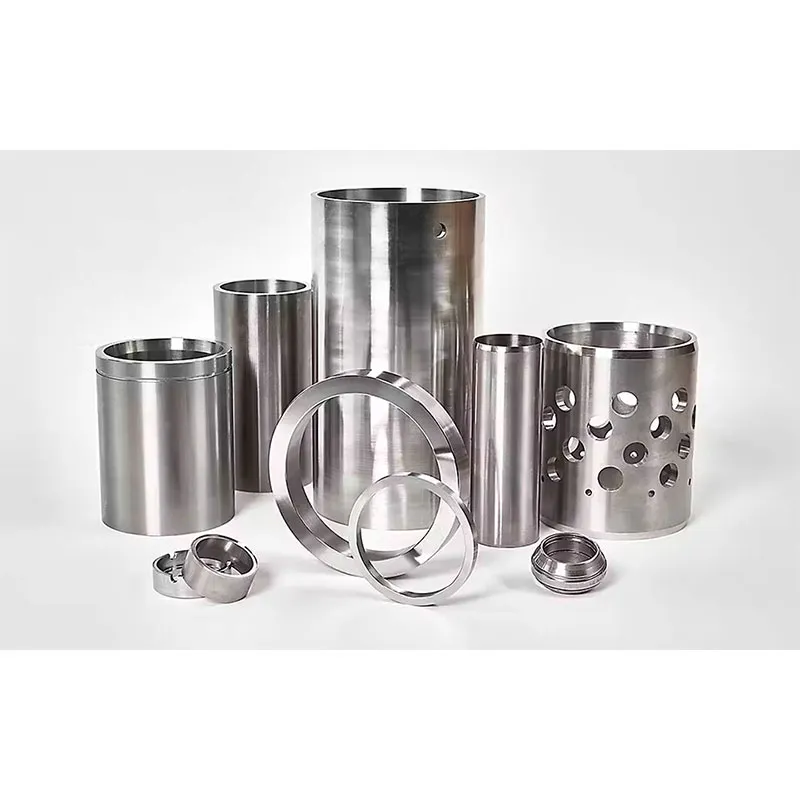
A notable example is the use of AMS 5387 Cobalt Alloy 6. This material is frequently specified for pump parts, nozzles, and plugs in the oil and gas sector. Its microstructure provides exceptional resistance to cavitation erosion and galling. Manufacturing these components requires precise control over melting and cooling rates to prevent defects like porosity or segregation. Our technical collaboration with certified raw material suppliers ensures that every batch of T800 cobalt-based or AMS 5387 material meets strict metallurgical standards before it enters production.
| Material Type | Key Properties | Typical Applications | Processing Challenge |
| Stainless Steel (304/316) | Corrosion resistance, moderate strength | Food processing, marine hardware, general valves | Standard machining, good castability |
| Ductile Iron | High impact resistance, damping | Pipe fittings, automotive components, machinery bases | Control of graphite structure |
| Cobalt-Nickel Alloy (AMS 5387) | High-temperature strength, wear resistance | Pump nozzles, valve seats, aerospace components | Difficult to machine, requires precise thermal control |
| T800 Cobalt-Based Alloy | Extreme hardness, chemical stability | Chemical processing, high-pressure seals | Specialized tooling required for post-cast machining |
Integrated Manufacturing: Casting and CNC Machining
Casting alone rarely produces a finished part ready for immediate assembly. Most industrial components require secondary operations to achieve final dimensions, surface finishes, and functional features like threads or keyways. This is where vertical integration provides a significant advantage.
QINGDAO QIANGSENYUAN TECHNOLOGY operates an ISO-compliant facility that houses both casting and multi-axis CNC machining centers. This integration eliminates the logistical risks and quality inconsistencies associated with outsourcing machining to third-party vendors. By keeping the entire process in-house, we maintain strict control over the workflow from raw material to finished product.
Why Vertical Integration Matters for Quality
When casting and machining are separated, communication gaps can lead to errors. For instance, a machinist might remove too much material from a casting that already has slight variations, resulting in a part that is out of specification. In an integrated environment, our engineers monitor the casting process with the final machining requirements in mind. We adjust gating systems and cooling rates to minimize distortion, ensuring that the CNC machines have a consistent starting point.
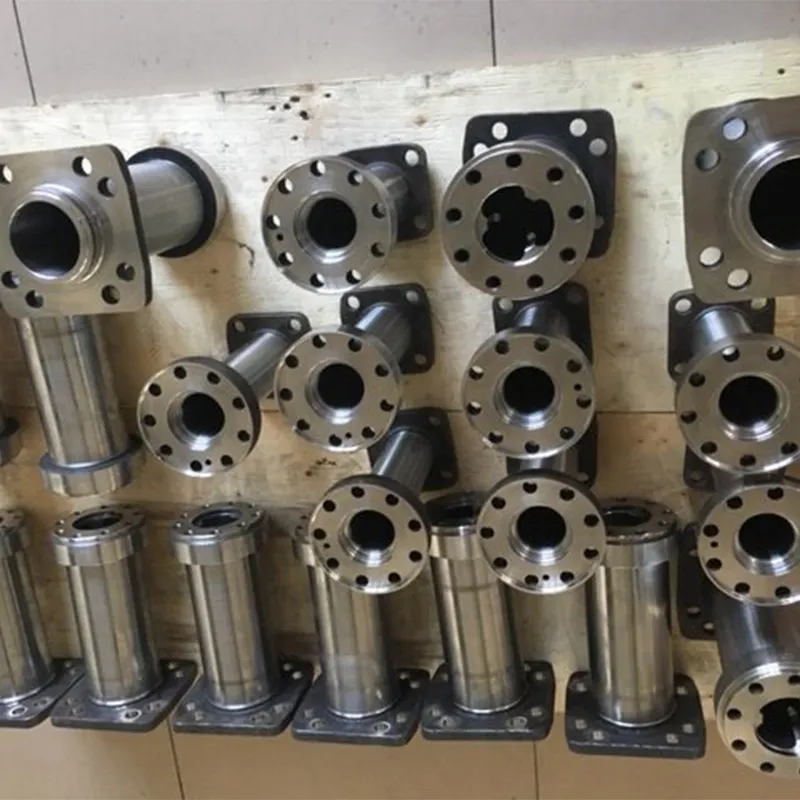
Our facility supports multi-axis machining of complex contours. This is essential for parts like engineering vehicle onboard winch center shaft rollers, which require precise geometric relationships between multiple surfaces. Heat treatment integration is also available where specified, allowing us to enhance the mechanical properties of the metal after casting and before final machining.
Quality Assurance and Traceability
In B2B industrial supply chains, trust is built on consistency and transparency. Quality assurance (QA) is not just a final inspection step; it is embedded at every stage of production. For mission-critical parts, documentation is as important as the physical component itself.
Inspection Protocols and Equipment
Our quality control process begins with incoming material verification. We ensure that all raw metals come with certified mill test reports (MTRs) confirming their chemical composition. During production, in-process dimensional inspections are conducted using Coordinate Measuring Machines (CMM) and optical measuring instruments. These tools allow us to verify complex geometries and tight tolerances with high accuracy.
Final assessment includes both visual and functional testing. We adhere to documented inspection protocols that align with international standards. For critical components, full traceability is retained. This means that any finished part can be traced back to its original material batch, production date, and inspection records. This level of accountability is crucial for industries like oil and gas, where regulatory compliance and safety are paramount.
Common Defects and How We Mitigate Them
Casting defects such as porosity, shrinkage, and inclusions can compromise part integrity. Our team employs lean workflow practices and structured production planning to mitigate these risks. By simulating the filling and solidification process during the design phase, we identify potential problem areas and adjust the mold design accordingly. This proactive approach reduces scrap rates and ensures stable delivery timelines for both prototype and medium-volume production orders.
Applications Across Key Industries
Custom metal casting serves a diverse range of industries, each with unique challenges. Understanding these applications highlights the versatility and necessity of high-quality casting services.
Hydraulic Systems and Pump Assemblies
Hydraulic systems operate under extreme pressure. Components like pressure valves, piston pump cylinder housings, and pump foundations must resist deformation and leakage. Any failure in these parts can lead to system inefficiency or hazardous situations. Our expertise in producing high-precision hydraulic components ensures that these systems operate reliably under demanding conditions.
Oil and Gas Equipment
The oil and gas industry requires materials that can withstand corrosive environments and high pressures. Components made from AMS 5387 cobalt alloy and other superalloys are essential for downhole tools, wellhead equipment, and processing machinery. Our ability to handle these difficult-to-machine materials makes us a preferred partner for suppliers in this sector.
Engineering Vehicles and Heavy Machinery
Heavy machinery, such as excavators and cranes, relies on robust structural components. Parts like winch center shaft rollers and structural brackets must endure significant mechanical stress and wear. Our sand and investment casting capabilities allow us to produce these large, durable components with the necessary structural integrity.
How to Choose a Reliable Metal Casting Manufacturer
Selecting the right manufacturing partner is a strategic decision. Here are key factors to consider when evaluating potential suppliers for custom casting projects.
- Technical Competence: Does the manufacturer have experience with your specific material requirements? For example, if you need cobalt alloys, ensure they have proven expertise in handling superalloys.
- Vertical Integration: Look for suppliers who offer both casting and machining. This reduces lead times and improves quality control.
- Quality Certifications: Verify that the facility operates under ISO standards and has robust inspection capabilities, including CMM and material traceability.
- Engineering Support: A good partner will offer design for manufacturability (DFM) feedback. They should help you optimize your design to reduce costs and improve performance.
- Communication and Transparency: Effective project management requires clear communication. Ensure the supplier provides regular updates and is responsive to technical queries.
QINGDAO QIANGSENYUAN TECHNOLOGY exemplifies these qualities. With a focus on responsive technical consultation and transparent communication, we support customers from drawing validation to final delivery. Our project management team assists with GD&T interpretation and manufacturability feedback, enabling early risk mitigation and cost-effective design realization.
Frequently Asked Questions (FAQ)
What is the difference between casting and forging?
Casting involves pouring molten metal into a mold, allowing for complex shapes and internal cavities. Forging involves shaping solid metal using compressive forces, which generally results in higher strength but limits geometric complexity. Casting is often more cost-effective for complex parts, while forging is preferred for simple shapes requiring maximum strength.
Can you produce prototypes before full-scale production?
Yes, we support both prototype and medium-volume production orders. Our structured production planning allows for rapid turnaround on prototypes, enabling customers to validate designs before committing to larger batches. This agile approach helps reduce development time and costs.
What industries do you serve?
We primarily serve industries including hydraulic systems, engineering vehicles, oil and gas equipment, and specialized pump assemblies. Our customers are located in North America, Europe, and Southeast Asia, relying on our precision components for mission-critical applications.
How do you ensure material quality?
We source certified raw materials from trusted suppliers and maintain technical collaborations to ensure consistent metallurgical properties. Every batch undergoes incoming material verification, and we retain full traceability for all critical components. Final products are inspected using CMM and optical instruments to ensure compliance with customer specifications.
What is the lead time for custom casting orders?
Lead times vary depending on the complexity of the part, the material used, and the order volume. However, our lean workflow practices and efficient production planning ensure stable and competitive delivery timelines. We provide clear delivery commitments during the project planning phase.
Conclusion: Partnering for Precision and Performance
Custom metal casting is a cornerstone of modern industrial manufacturing, enabling the production of complex, high-performance components that drive efficiency and reliability. Whether you need corrosion-resistant cobalt alloy nozzles for the oil and gas sector or precise stainless steel valve bodies for hydraulic systems, the quality of your casting partner directly impacts your product’s success.
QINGDAO QIANGSENYUAN TECHNOLOGY CO., LTD. stands out as a technology-driven enterprise dedicated to delivering excellence in precision metal components. With deep technical competence in high-performance alloys, vertically integrated manufacturing capabilities, and a disciplined approach to quality assurance, we are positioned as a reliable partner for your most challenging projects. Our commitment to responsive service, transparent communication, and engineering support ensures that your components meet the highest standards of performance and durability.
If you are looking for a manufacturer who understands the nuances of complex geometries, difficult-to-machine materials, and strict quality requirements, we invite you to connect with our engineering team. Let us help you realize your design goals with cost-effective, high-quality casting solutions.
→ Contact us today to discuss your custom casting requirements and request a quote.