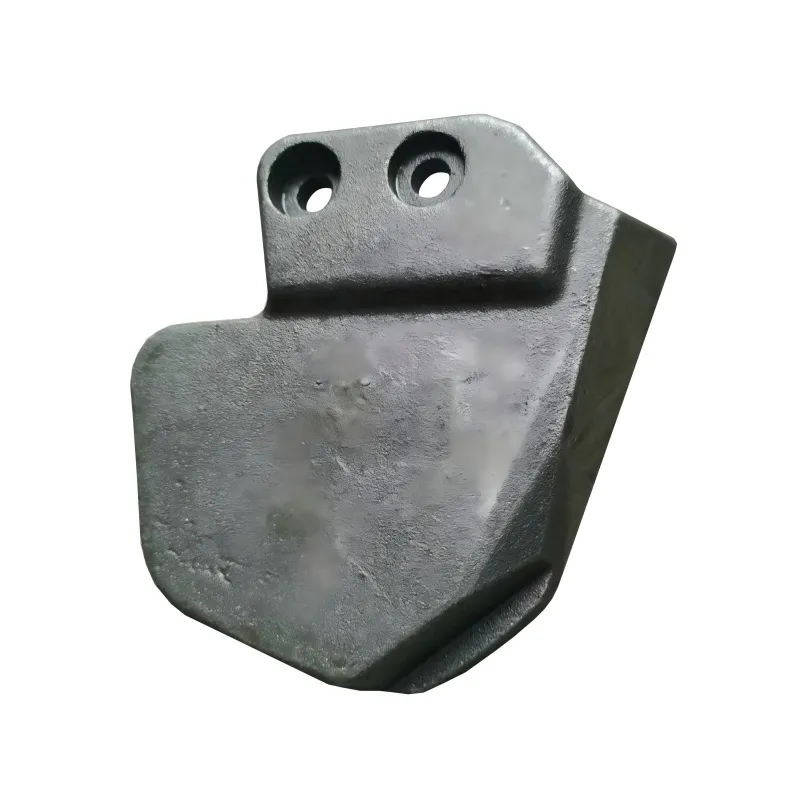
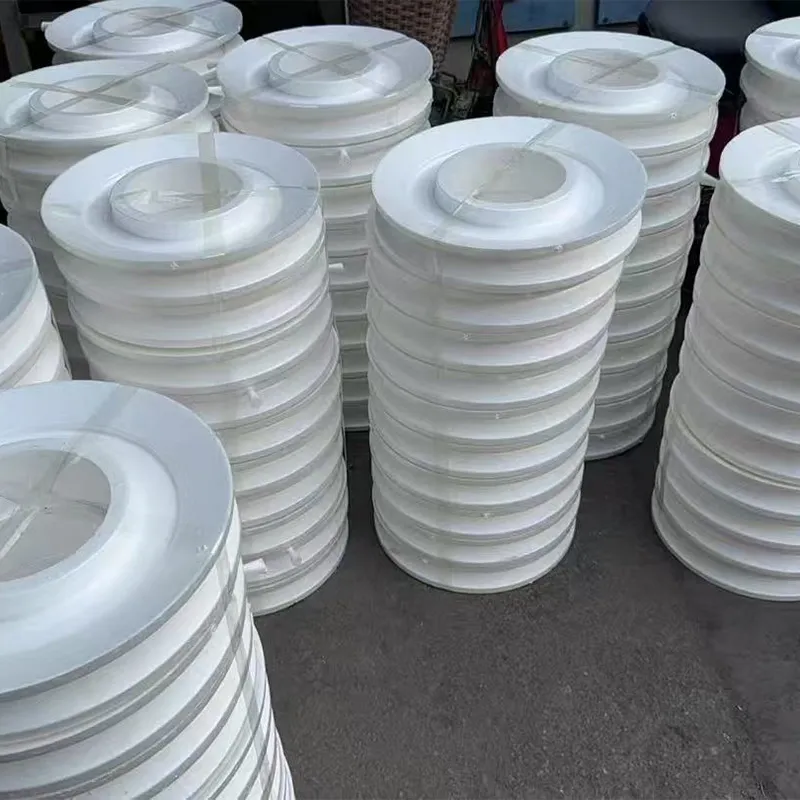
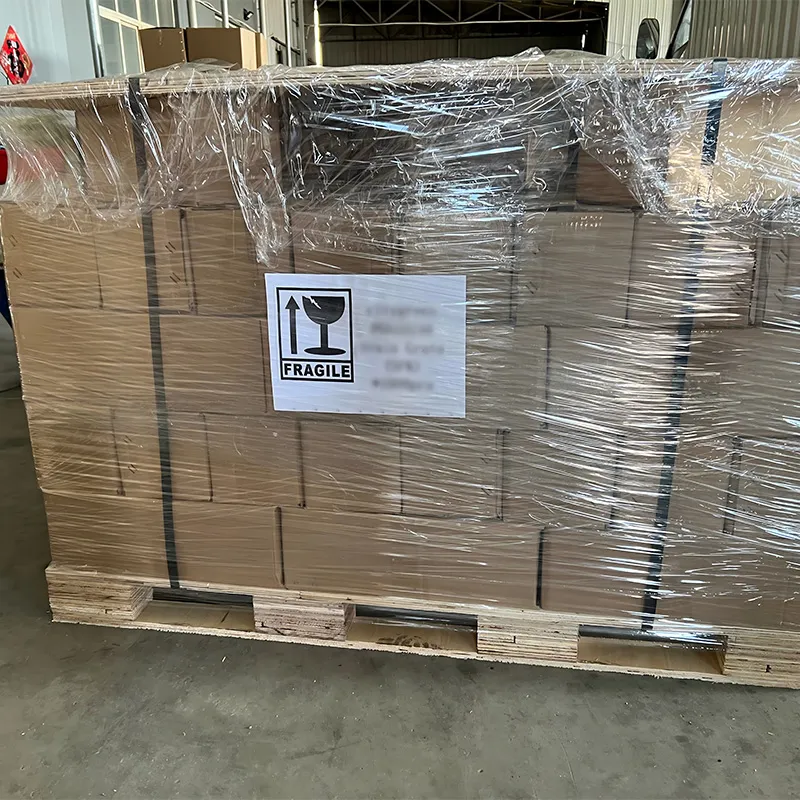
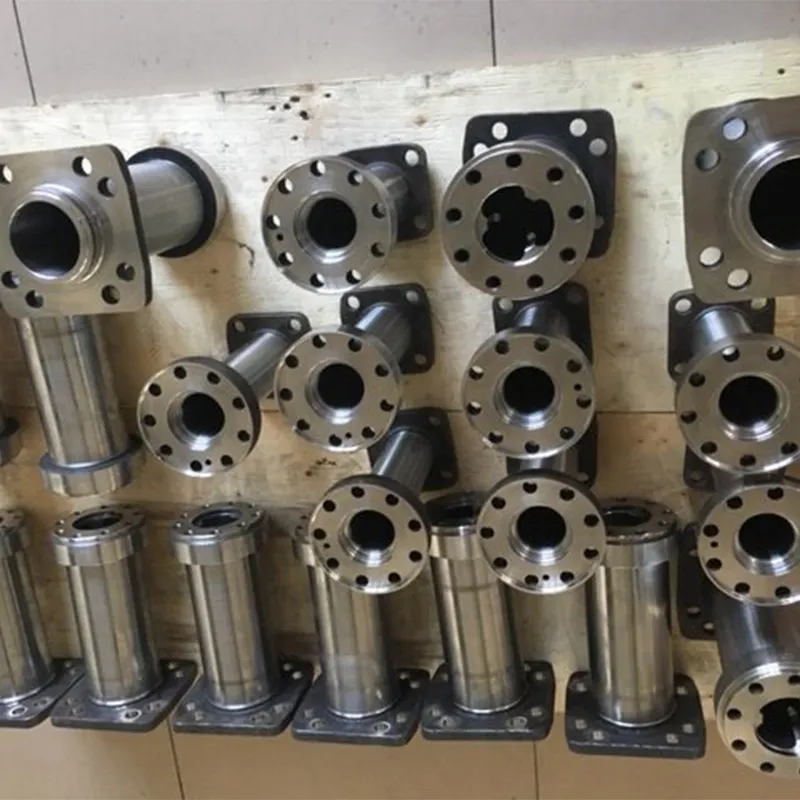
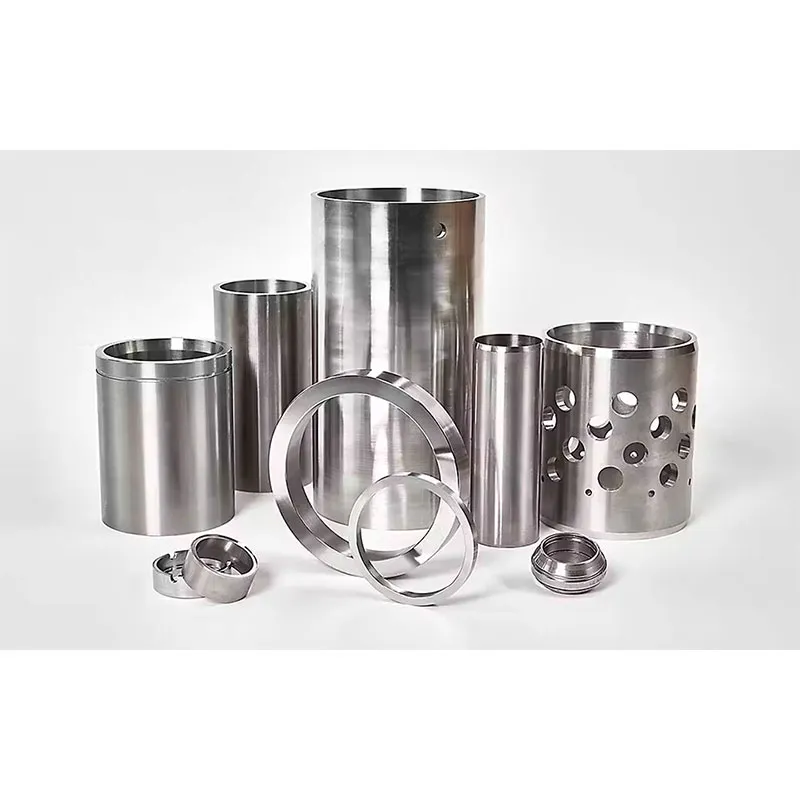
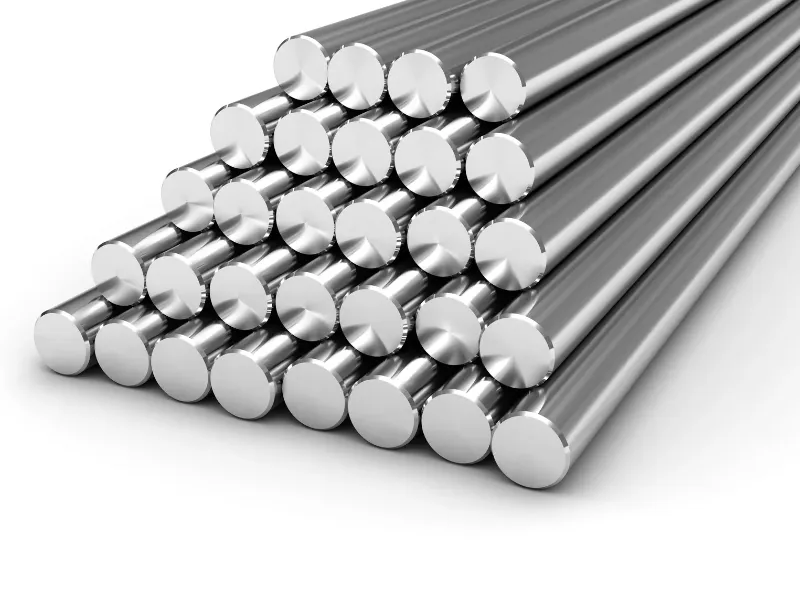
Custom steel and stainless steel casting parts are precision-engineered metal components manufactured through investment or sand casting processes, tailored for high-stress industrial applications. These parts offer superior structural integrity, corrosion resistance, and dimensional accuracy compared to standard off-the-shelf alternatives. At QINGDAO QIANGSENYUAN TECHNOLOGY CO., LTD., we specialize in producing complex geometries for hydraulic systems, oil and gas equipment, and engineering vehicles. Our vertically integrated facility in Qingdao combines ISO-compliant casting with multi-axis CNC machining to deliver mission-critical components that meet strict international standards, ensuring reliability in demanding operational environments.
Why Choose Custom Steel & Stainless Steel Casting Parts?
Industrial machinery operates under extreme conditions involving high pressure, abrasive wear, and corrosive media. Standard manufacturing methods often fail to meet the specific metallurgical and geometric requirements of these applications. Custom casting allows engineers to optimize part performance by selecting exact alloy compositions and designing complex internal structures that are impossible to achieve with simple machining or welding.
The primary advantage of custom casting lies in its ability to produce near-net-shape components with consistent microstructure integrity. This reduces material waste and minimizes the need for secondary machining, ultimately lowering the total cost of ownership for heavy-duty equipment. For sectors like hydraulic systems and specialized pump assemblies, where failure can lead to catastrophic downtime, the reliability of cast steel and stainless steel parts is non-negotiable.
Key Benefits of Precision Casting
- Design Freedom: Castings allow for complex internal passages, hollow sections, and intricate contours that reduce weight while maintaining strength.
- Material Versatility: Access to a wide range of carbon steels, alloy steels, and stainless grades (such as 304, 316, and duplex steels) ensures optimal chemical resistance and mechanical properties.
- Structural Integrity: The casting process creates isotropic properties, meaning the part has uniform strength in all directions, unlike welded assemblies which have weak points at joints.
- Cost-Effectiveness for Medium Volumes: Once molds are created, casting becomes highly economical for medium-volume production runs, offering a balance between prototype flexibility and mass-production efficiency.
Manufacturing Processes: Investment vs. Sand Casting
Selecting the right casting method is critical to achieving the desired surface finish, dimensional tolerance, and cost structure. At QINGDAO QIANGSENYUAN TECHNOLOGY, we utilize both investment casting (lost-wax) and sand casting techniques, depending on the component’s functional requirements.
Investment Casting (Lost-Wax Process)
Investment casting is ideal for components requiring high precision and smooth surface finishes. This process involves creating a wax pattern of the part, coating it with ceramic slurry, and then melting out the wax to leave a hollow mold. Molten steel or stainless steel is poured into this ceramic shell.
This method is particularly suited for smaller, complex parts such as cobalt alloy nozzles, pressure valves, and intricate pump components. It offers tight tolerances (often within ±0.1mm) and eliminates the need for extensive post-casting machining. For industries like medical devices or aerospace-adjacent hydraulic systems, investment casting provides the necessary fidelity for mission-critical performance.
Sand Casting for Large-Scale Components
For larger, heavier components such as pump foundations, engineering vehicle onboard winch center shaft rollers, and large valve bodies, sand casting is the preferred method. This process uses sand-based molds that can accommodate substantial volumes of molten metal.
While sand casting typically results in a rougher surface finish than investment casting, it is far more cost-effective for large parts and allows for the use of a broader range of alloys. At our ISO-compliant facility, we enhance sand-casted parts through rigorous post-processing, including shot blasting, heat treatment, and precision CNC machining to meet final dimensional specifications.
Material Selection Guide for Industrial Castings
The performance of a casting part is directly linked to its material composition. Choosing the wrong alloy can lead to premature failure due to corrosion, fatigue, or wear. Our engineering team assists clients in selecting the optimal material based on operating environment, load requirements, and regulatory standards.
| Material Type | Key Properties | Typical Applications |
| Carbon Steel | High strength, good toughness, cost-effective | Structural supports, winch shafts, general machinery parts |
| Stainless Steel (304/316) | Excellent corrosion resistance, hygienic, moderate strength | Food processing pumps, marine equipment, chemical valves |
| Duplex Stainless Steel | Superior strength and chloride corrosion resistance | Oil and gas pipelines, offshore platforms, high-pressure pumps |
| Cobalt-Nickel Alloys (AMS 5387) | Extreme wear resistance, high-temperature stability | Piston pump cylinder housings, high-wear nozzles, plugs |
| T800 Alloy | Specialized hardness, difficult-to-machine superalloy | Non-standard custom components, specialized wear parts |
Our expertise extends to handling difficult-to-machine superalloys like AMS 5387 cobalt alloy 6 and T800 cobalt-based materials. These materials are essential for components subjected to extreme abrasion and high temperatures, such as those found in specialized pump assemblies. By maintaining technical collaborations with certified raw material suppliers, we ensure consistent metallurgical properties across every batch, providing full traceability for critical industrial applications.
Applications Across Key Industries
Custom steel and stainless steel castings are foundational to the reliability of heavy industry. Our product portfolio is designed to address the specific challenges faced by sectors where equipment failure is not an option.
Hydraulic Systems and Pump Assemblies
Hydraulic systems operate under immense pressure, requiring components that can withstand cyclic loading without deformation. We manufacture piston pump cylinder housings and pressure valves that maintain precise sealing surfaces even after thousands of operational cycles. The use of high-grade stainless steel and cobalt alloys ensures these parts resist erosion from hydraulic fluids and particulate contamination.
Engineering Vehicles and Heavy Machinery
Construction and mining vehicles endure severe shock loads and abrasive environments. Our onboard winch center shaft rollers and structural castings are engineered for maximum durability. By integrating heat treatment processes, we enhance the surface hardness of these components, extending their service life and reducing maintenance frequency for fleet operators.
Oil and Gas Equipment
In the oil and gas sector, corrosion resistance is paramount. Components exposed to sour gas or saline environments require specialized alloys like duplex stainless steel. We produce valve bodies, flanges, and connection points that meet stringent industry standards for safety and longevity, ensuring uninterrupted operation in remote and harsh locations.
Quality Assurance and Technical Capabilities
At QINGDAO QIANGSENYUAN TECHNOLOGY CO., LTD., quality is not just a final inspection step; it is embedded in every stage of our production workflow. Our ISO-compliant facility employs a disciplined quality management approach that guarantees consistency and compliance with international standards.
Advanced Inspection and Testing
We utilize state-of-the-art metrology equipment to verify dimensional accuracy. Our quality control process includes:
- CMM (Coordinate Measuring Machine): For precise 3D dimensional verification of complex geometries.
- Optical Measuring Instruments: For rapid, non-contact inspection of surface features and small details.
- Material Verification: Spectrometry analysis to confirm alloy composition matches specified grades (e.g., verifying chromium and nickel content in stainless steel).
- Functional Testing: Pressure testing and visual assessment per customer specifications to ensure leak-tightness and structural soundness.
Full traceability is maintained for all critical components. From incoming raw material certification to final shipment documentation, we provide a complete data trail that supports regulatory compliance and risk mitigation for our clients.
Integrated Manufacturing Workflow
Our vertically integrated capabilities allow us to control the entire manufacturing process. After casting, parts undergo precision CNC machining to achieve final tolerances. We support multi-axis machining of complex contours, ensuring that mating surfaces and critical interfaces meet exact GD&T (Geometric Dimensioning and Tolerancing) requirements. Where specified, we also integrate heat treatment and surface finishing processes to enhance functional performance and corrosion resistance.
How to Order Custom Casting Parts: A Step-by-Step Guide
Partnering with a manufacturer for custom components requires clear communication and technical alignment. Here is how we streamline the procurement process to ensure your project meets timeline and budget expectations.
- Initial Consultation and Drawing Review: Submit your CAD files or technical drawings. Our engineering team reviews the design for manufacturability, offering feedback on draft angles, wall thickness, and potential cost-saving modifications.
- Material and Process Selection: Based on your application’s operating conditions, we recommend the optimal alloy and casting method (investment vs. sand).
- Prototyping and Sampling: For new designs, we produce sample parts for validation. This allows you to verify fit, form, and function before committing to full-scale production.
- Production Planning: Using lean workflow practices, we schedule production to ensure stable delivery timelines. Regular updates are provided during the manufacturing phase.
- Quality Inspection and Delivery: Finished parts undergo rigorous inspection. We provide detailed inspection reports along with the shipment, ensuring transparency and confidence in the delivered product.
Frequently Asked Questions (FAQ)
What is the difference between cast steel and machined steel parts?
Cast steel parts are formed by pouring molten metal into a mold, allowing for complex shapes and internal structures that are difficult or expensive to machine from a solid block. Machined parts are cut from solid stock, offering higher precision for simple geometries but generating more material waste. For complex, medium-volume industrial components, casting is often more cost-effective and structurally superior.
Can you handle small-batch or prototype orders?
Yes, QINGDAO QIANGSENYUAN TECHNOLOGY supports both prototype and medium-volume production orders. Our flexible production planning and lean workflow practices allow us to accommodate smaller batches without compromising on quality or delivery timelines, making us an ideal partner for R&D projects and replacement part sourcing.
What industries do you primarily serve?
We specialize in serving demanding industrial sectors, including hydraulic systems, engineering vehicles, oil and gas equipment, and specialized pump assemblies. Our expertise in high-performance alloys like cobalt-nickel makes us particularly suited for applications involving high wear, high pressure, or corrosive environments.
Do you provide secondary machining services?
Absolutely. Our facility is equipped for precision CNC machining following the casting process. This vertically integrated approach ensures tight control over dimensional stability and surface quality, eliminating the need for third-party vendors and reducing lead times.
How do you ensure material consistency?
We source certified raw materials from trusted suppliers and maintain technical collaborations to ensure consistent metallurgical properties. Every batch undergoes spectral analysis and mechanical testing to verify compliance with specified standards such as AMS 5387 or ASTM grades.
Partner with a Reliable Casting Manufacturer
Choosing the right manufacturing partner is crucial for the success of your industrial projects. QINGDAO QIANGSENYUAN TECHNOLOGY CO., LTD. stands out as a technology-driven enterprise dedicated to delivering high-performance machining and casting solutions. With deep technical competence in processing high-performance alloys, vertically integrated capabilities, and a disciplined approach to quality assurance, we are positioned as a reliable partner for complex, mission-critical parts.
Whether you need durable winch shaft rollers for engineering vehicles, corrosion-resistant valve bodies for oil and gas applications, or precision cobalt alloy components for hydraulic pumps, our team is ready to support your engineering goals. We serve customers across North America, Europe, and Southeast Asia, providing responsive technical consultation and transparent communication throughout the project lifecycle.
Don’t compromise on the integrity of your equipment. Leverage our expertise in custom steel and stainless steel casting to enhance performance, reduce downtime, and optimize costs.
Ready to start your project? Contact our engineering team today for a comprehensive review of your drawings and a competitive quote. Let us help you realize cost-effective, high-quality manufacturing solutions tailored to your specific needs.
Explore Our Full Product Range and Technical Solutions