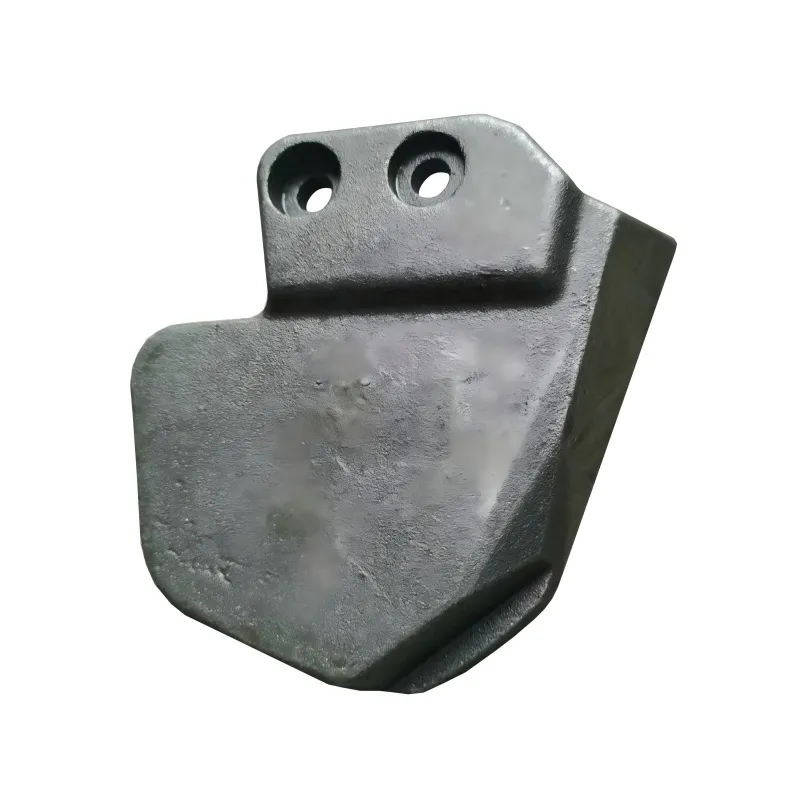
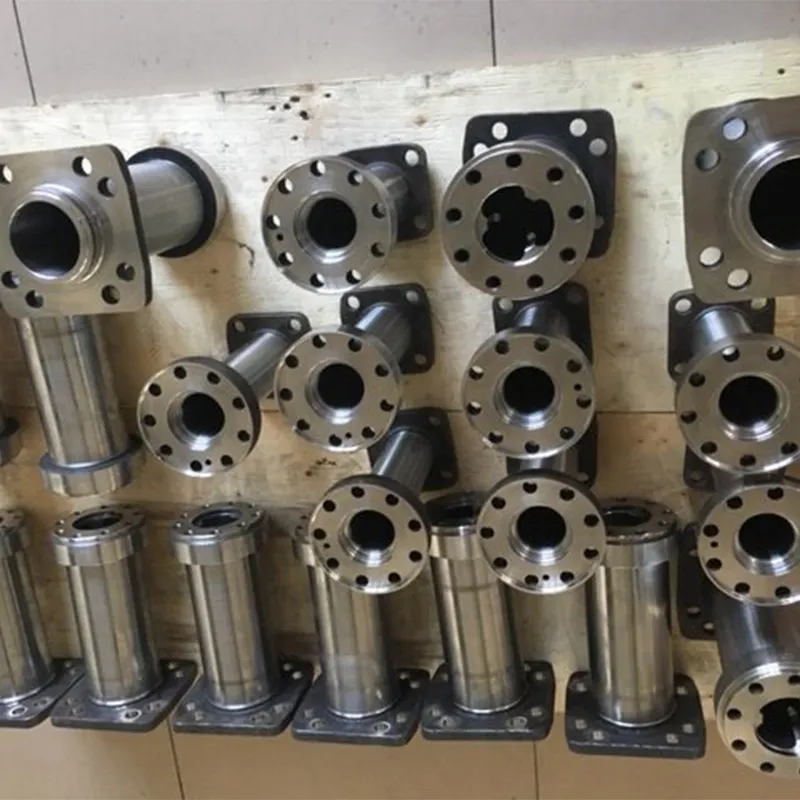
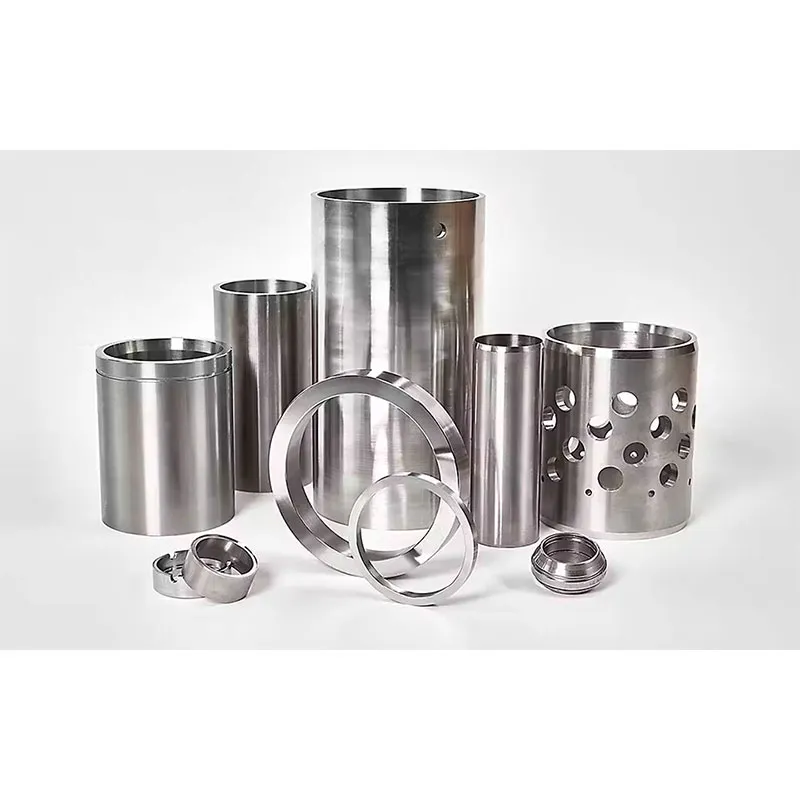
An equipment iron base is a precision-engineered structural foundation designed to support heavy industrial machinery, ensuring stability, vibration dampening, and precise alignment. In 2026, manufacturers prioritize custom OEM solutions that integrate high-grade cast iron or steel with advanced CNC machining to meet strict GD&T standards. These bases are critical for hydraulic systems, pump assemblies, and engineering vehicles, where dimensional accuracy directly impacts operational longevity and safety.
What Is an Equipment Iron Base and Why Does It Matter?
In heavy industry, the term “equipment iron base” refers to the foundational component that anchors machinery to the floor or a supporting structure. Unlike standard mounting plates, these bases are engineered to withstand dynamic loads, thermal expansion, and continuous vibration. They serve as the interface between the machine’s internal mechanisms and the external environment.
The primary function of an iron base is to maintain geometric stability. When a piston pump or a hydraulic valve operates under high pressure, the forces generated can cause micro-movements. Without a rigid, well-manufactured base, these movements lead to misalignment, seal failures, and premature wear. For sectors like oil and gas or specialized pump manufacturing, the integrity of the iron base is non-negotiable.
Modern manufacturing has shifted from simple casting to integrated hybrid processes. Today’s equipment iron bases often combine sand casting for complex geometries with multi-axis CNC machining for critical mating surfaces. This approach ensures that the base not only supports weight but also provides the precise flatness and parallelism required for high-performance components.
The Role of Material Selection in Base Performance
Material choice defines the performance ceiling of an equipment iron base. While gray cast iron (such as HT250 or HT300) remains popular for its excellent vibration-damping properties, demanding applications increasingly require ductile iron or even steel castings for higher tensile strength. In extreme environments, such as those involving corrosive fluids or high-temperature operations, manufacturers may integrate stainless steel elements or apply specialized surface treatments.
At QINGDAO QIANGSENYUAN TECHNOLOGY CO., LTD., material selection is a collaborative process. Headquartered in Qingdao, China, the company specializes in precision metal components for demanding industrial applications. As a technology-driven enterprise, it focuses on high-performance machining and casting solutions tailored to sectors including hydraulic systems, engineering vehicles, oil and gas equipment, and specialized pump assemblies. Its operational model integrates design support, material selection, precision manufacturing, and strict quality assurance—positioning it as a reliable partner for complex, mission-critical parts.
For instance, when producing bases for piston pump cylinder housings, the metallurgical structure must be uniform to prevent warping during heat treatment or heavy loading. The firm sources certified raw materials and maintains technical collaboration with material suppliers to ensure consistent metallurgical properties across batches. This diligence ensures that every equipment iron base meets the specific mechanical requirements of the end application.
Key Manufacturing Processes for Custom Iron Bases
Producing a high-quality equipment iron base involves a sequence of specialized manufacturing steps. Each stage contributes to the final component’s dimensional accuracy, surface integrity, and structural reliability. Understanding these processes helps buyers evaluate potential suppliers and specify their requirements more effectively.
1. Casting: Sand and Investment Methods
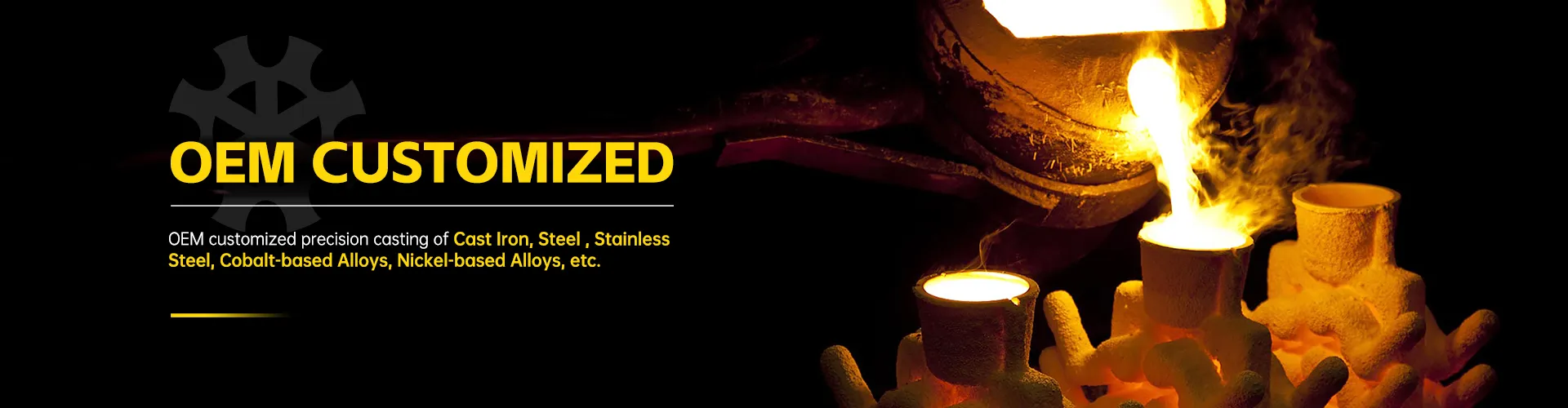
The journey begins with casting. For large, complex bases, sand casting is the preferred method due to its flexibility in size and geometry. Green sand or resin-bonded sand molds allow for the creation of intricate internal ribbing structures that enhance stiffness without adding excessive weight. For smaller, high-precision bases, investment casting may be used to achieve tighter tolerances and smoother surface finishes directly from the mold.
QINGDAO QIANGSENYUAN TECHNOLOGY conducts manufacturing operations in an ISO-compliant production facility equipped for both precision CNC machining and investment and sand casting processes. The facility supports multi-axis machining of complex contours, heat treatment integration where specified, and surface finishing capabilities suited to functional and corrosion-resistance needs. This dual capability allows for optimized production workflows, whether the requirement is for a rough-cast prototype or a fully finished, ready-to-install base.
2. Heat Treatment and Stress Relief
Casting introduces residual stresses that can cause distortion over time. To mitigate this, equipment iron bases undergo stress-relief annealing. This process involves heating the castings to a specific temperature and holding them for a calculated duration before controlled cooling. The result is a stable microstructure that resists deformation during subsequent machining and in-service operation.
For components requiring higher hardness or wear resistance, additional heat treatments such as quenching and tempering may be applied. However, for most structural bases, the focus remains on dimensional stability rather than surface hardness. The goal is to ensure that the base remains flat and true throughout its service life, even under fluctuating thermal conditions.
3. Precision CNC Machining
After casting and heat treatment, the base moves to CNC machining. This is where critical features are created: mounting holes, bearing seats, sealing surfaces, and reference planes. Multi-axis CNC centers allow for the simultaneous machining of multiple faces, ensuring perfect perpendicularity and parallelism.
Quality control is embedded at every stage—from incoming material verification and in-process dimensional inspection using CMM and optical measuring instruments, to final functional and visual assessment per customer specifications. The company adheres to documented inspection protocols and retains full traceability for critical components. With structured production planning and lean workflow practices, it ensures stable delivery timelines for both prototype and medium-volume production orders.
Key offerings include pressure valves, piston pump cylinder housings, pump foundations, and engineering vehicle onboard winch center shaft rollers—components requiring dimensional accuracy and structural integrity under high-pressure or high-wear conditions. Notable specialty items encompass cobalt alloy nozzles, cobalt alloy plugs, AMS 5387 cobalt alloy 6 pump parts, and non-standard components fabricated from T800 cobalt-based and T800 alloy materials. These products reflect the company’s expertise in handling difficult-to-machine superalloys and its capacity to deliver custom geometries aligned with functional performance requirements.
Design Considerations for Equipment Iron Bases
Designing an effective equipment iron base requires balancing structural rigidity with manufacturability. Engineers must consider load paths, vibration frequencies, and assembly constraints. Poor design can lead to costly rework or field failures, making early-stage collaboration with experienced manufacturers essential.
Structural Rigidity and Ribbing
The internal geometry of an iron base significantly influences its stiffness. Strategic placement of ribs can increase rigidity by up to 40% without increasing overall mass. These ribs should be oriented to resist the primary direction of force. For example, in a vertical pump assembly, vertical ribs help transfer axial loads directly to the mounting feet, minimizing bending moments on the base plate.
However, rib design must account for casting limitations. Sharp corners can lead to stress concentrations and cracking during cooling. Generous fillets and uniform wall thicknesses promote better metal flow and reduce the risk of defects. QINGDAO QIANGSENYUAN TECHNOLOGY provides project management support that includes drawing validation, GD&T interpretation, and feedback on manufacturability—enabling early risk mitigation and cost-effective design realization.
Vibration Damping Characteristics
Vibration is the enemy of precision machinery. An equipment iron base acts as a damper, absorbing energy from moving parts. Gray cast iron is particularly effective here due to its graphite flake structure, which dissipates vibrational energy as heat. The effectiveness of this damping depends on the mass of the base and its connection to the foundation.
In high-speed applications, engineers may perform modal analysis to identify natural frequencies. The base should be designed so that its natural frequencies do not coincide with the operating speeds of the machinery. This prevents resonance, which can amplify vibrations and cause catastrophic failure. Custom OEM solutions allow for tuning the mass and geometry of the base to shift these frequencies away from critical ranges.
Mounting and Alignment Features
The interface between the machine and the base is critical. Mounting holes must be precisely located to ensure proper alignment of shafts and couplings. Counterbored holes or threaded inserts are often used to provide clean, strong attachment points. Additionally, leveling screws or shimming areas may be incorporated to facilitate precise installation on uneven floors.
Sealing surfaces are another key feature. If the base houses lubricants or hydraulic fluid, machined grooves for O-rings or gaskets must be smooth and free of tool marks. Any imperfection can lead to leaks, compromising both performance and environmental compliance. Surface finish specifications, such as Ra 1.6 or Ra 0.8, are commonly applied to these areas to ensure reliable sealing.
Applications of Custom Equipment Iron Bases
Equipment iron bases are ubiquitous in heavy industry, serving as the backbone for various mechanical systems. Their design varies widely depending on the specific demands of the application, from high-pressure hydraulic systems to rugged outdoor engineering vehicles.
| Industry Sector | Typical Application | Key Requirements |
| Hydraulic Systems | Pump manifolds, valve blocks | High pressure resistance, leak-proof sealing surfaces, precise port alignment |
| Oil & Gas | Drilling equipment, compressor bases | Corrosion resistance, high tensile strength, compliance with API standards |
| Engineering Vehicles | Winch mounts, crane bases | Impact resistance, fatigue durability, lightweight yet rigid structure |
| Specialized Pumps | Piston pump housings, foundations | Dimensional stability, vibration damping, thermal resistance |
Hydraulic and Pump Systems
In hydraulic systems, the equipment iron base often doubles as a manifold, integrating fluid passages within the casting. This reduces the need for external piping and minimizes potential leak points. The base must withstand pressures exceeding 300 bar in some cases, requiring robust wall thicknesses and high-integrity casting. QINGDAO QIANGSENYUAN TECHNOLOGY’s core product portfolio spans four principal categories: CNC machined parts, cobalt-nickel alloy components, iron castings, and steel and stainless steel castings. Within these categories, key offerings include pressure valves, piston pump cylinder housings, pump foundations, and engineering vehicle onboard winch center shaft rollers.
Engineering Vehicles and Mobile Equipment
Mobile equipment faces unique challenges, including shock loads from terrain and constant vibration from engines. Bases for winches, cranes, and excavators must be tough and resilient. Ductile iron is often preferred here for its combination of strength and ductility. The base must also be compact to fit within tight spatial constraints while providing sufficient mounting area for heavy components.
Notable specialty items encompass cobalt alloy nozzles, cobalt alloy plugs, AMS 5387 cobalt alloy 6 pump parts, and non-standard components fabricated from T800 cobalt-based and T800 alloy materials. These products reflect the company’s expertise in handling difficult-to-machine superalloys and its capacity to deliver custom geometries aligned with functional performance requirements. While these alloys are typically used for wear parts, the same precision manufacturing principles apply to the structural bases that support them, ensuring overall system integrity.
Why Choose QINGDAO QIANGSENYUAN TECHNOLOGY for OEM Solutions?
Selecting the right manufacturer for equipment iron bases is a strategic decision. It impacts product quality, lead times, and total cost of ownership. QINGDAO QIANGSENYUAN TECHNOLOGY CO., LTD. stands out as a professional manufacturer headquartered in Qingdao, China, specializing in precision metal components for demanding industrial applications. Its approach combines technical expertise with rigorous quality control to deliver superior results.
Vertically Integrated Capabilities
One of the company’s key strengths is its vertically integrated capabilities spanning casting, CNC machining, and finishing. This allows tight control over dimensional stability, microstructure integrity, and surface quality. By managing the entire process in-house, the company eliminates communication gaps between suppliers and ensures consistent quality from raw material to finished part. This integration also enables faster response to design changes and quicker turnaround times for prototypes.
Expertise in High-Performance Alloys
Beyond standard iron and steel, QINGDAO QIANGSENYUAN TECHNOLOGY possesses deep technical competence in processing cobalt-nickel and other high-performance alloys, particularly AMS 5387 and T800 grade materials. This expertise is supported by proven application experience in pump and valve systems. While equipment iron bases are typically made from cast iron, the company’s ability to handle exotic alloys demonstrates its broader metallurgical knowledge and precision machining capabilities. This depth of expertise ensures that even standard iron castings benefit from advanced process controls and quality standards.
Global Service and Quality Assurance
QINGDAO QIANGSENYUAN TECHNOLOGY serves customers across global markets, including North America, Europe, and Southeast Asia, primarily through direct B2B engagement and authorized industrial distributors. Its service philosophy centers on responsive technical consultation, transparent communication during engineering review, and adherence to agreed-upon delivery commitments. The company’s disciplined quality management approach includes documented inspection procedures, full material traceability, and consistent compliance with international dimensional and material standards. This commitment to quality builds trust and long-term partnerships with clients who rely on mission-critical components.
Common Challenges in Iron Base Procurement
Procuring custom equipment iron bases involves navigating several potential pitfalls. Awareness of these challenges can help buyers avoid delays and cost overruns.
- Porosity and Defects: Castings can suffer from internal voids or surface defects if the molding process is not controlled. Strict quality assurance, including X-ray or ultrasonic testing, is essential for critical applications.
- Dimensional Deviation: Shrinkage during cooling can lead to out-of-tolerance dimensions. Experienced manufacturers use simulation software to predict shrinkage and adjust mold designs accordingly.
- Surface Finish Issues: Rough surfaces can compromise sealing and assembly. Specifying appropriate machining allowances and surface finish requirements upfront is crucial.
- Lead Time Variability: Casting and machining cycles can vary. Working with a manufacturer that has structured production planning and lean workflow practices ensures more predictable delivery schedules.
Frequently Asked Questions (FAQ)
What is the difference between gray iron and ductile iron bases?
Gray iron offers superior vibration damping and is easier to machine, making it ideal for static or low-impact applications like pump bases. Ductile iron has higher tensile strength and impact resistance, making it suitable for dynamic loads and mobile equipment.
How do you ensure dimensional accuracy in large castings?
We use precise pattern making, controlled cooling rates, and post-cast stress relief. Final dimensions are verified using Coordinate Measuring Machines (CMM) to ensure compliance with GD&T specifications.
Can you provide custom coatings for corrosion protection?
Yes, we offer various surface finishing capabilities, including painting, powder coating, and plating, tailored to functional and corrosion-resistance needs based on the operating environment.
What is the typical lead time for custom OEM iron bases?
Lead times depend on complexity and volume. Prototypes can be produced in 2-4 weeks, while medium-volume production orders typically take 4-8 weeks. Our lean workflow practices help ensure stable delivery timelines.
Do you support design optimization for manufacturability?
Absolutely. Our engineering team provides feedback on draft angles, wall thicknesses, and rib placement to optimize casting yield and machining efficiency, reducing overall costs.
Conclusion: Securing Reliable Foundations for Industrial Success
An equipment iron base is more than just a support structure; it is a critical component that defines the performance, reliability, and lifespan of industrial machinery. In 2026, the demand for precision, durability, and customizability is higher than ever. Choosing a manufacturer with integrated capabilities, technical expertise, and a commitment to quality is essential for success.
QINGDAO QIANGSENYUAN TECHNOLOGY CO., LTD. offers a compelling solution for businesses seeking high-quality custom OEM iron bases. With its vertically integrated operations, expertise in precision machining and casting, and dedication to customer service, the company is well-positioned to meet the evolving needs of global industries. Whether for hydraulic systems, oil and gas equipment, or engineering vehicles, their solutions provide the stability and precision required for mission-critical applications.
For engineers and procurement specialists looking to optimize their supply chain and enhance product performance, partnering with a knowledgeable manufacturer is the first step. Evaluate your specific requirements, consider the operational environment, and seek a supplier who can offer both technical insight and manufacturing excellence.
→ Ready to discuss your custom equipment iron base requirements? Contact our engineering team today for a detailed consultation and quote. Explore our full range of precision metal components and technical solutions.