Metal casting is a foundational manufacturing process where molten metal is poured into a mold to create complex geometric shapes. As we approach 2026, the fundamentals of metal casting remain critical for industries requiring high-strength, durable components such as hydraulic systems and oil gas equipment. This guide details the core processes, material science, and quality standards essential for sourcing precision castings, highlighting how advanced manufacturers integrate design support with strict metallurgical control.
What Is Metal Casting? Core Principles Defined
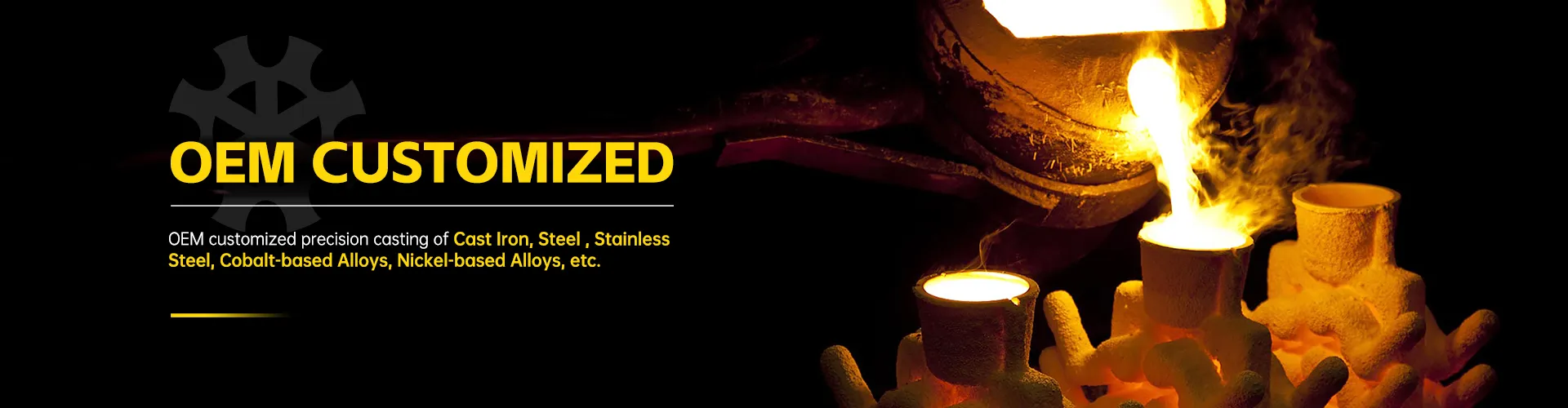
Metal casting is one of the oldest known manufacturing techniques, yet it remains indispensable in modern engineering. At its simplest, the process involves creating a hollow mold, heating metal until it becomes liquid, pouring or injecting that liquid into the mold, and allowing it to solidify. Once cooled, the mold is removed, revealing the final part.
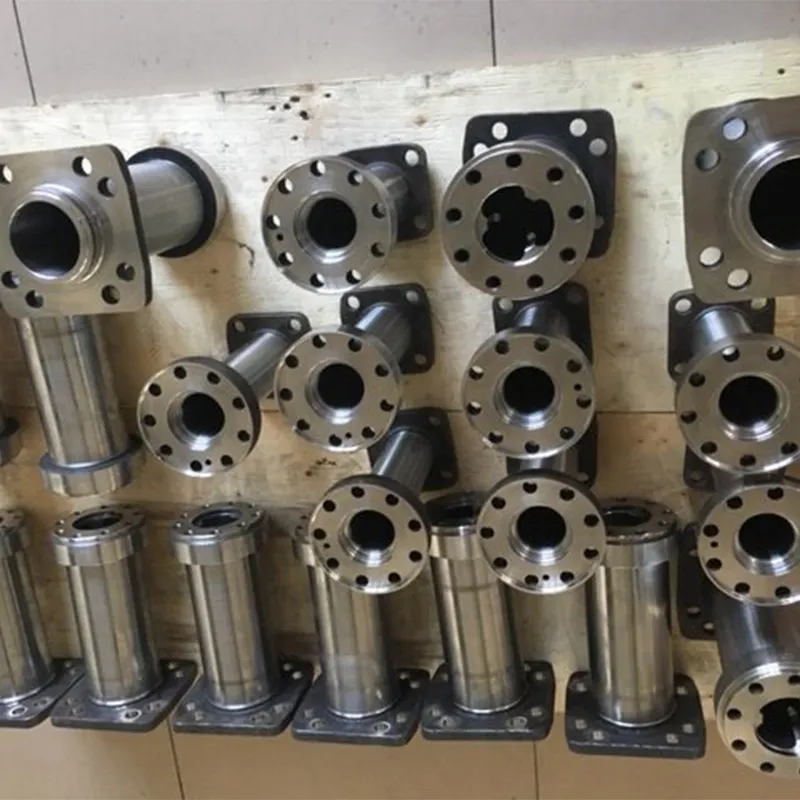
For B2B industrial applications, casting is not merely about shape formation; it is about achieving specific mechanical properties. The process allows for the creation of parts with internal cavities, complex contours, and varying wall thicknesses that would be impossible or prohibitively expensive to machine from solid blocks. In sectors like engineering vehicles and specialized pump assemblies, the structural integrity of these cast components directly impacts system safety and performance.
The versatility of casting lies in its compatibility with a wide range of metals. From common iron and steel to exotic superalloys like cobalt-nickel variants, the choice of material dictates the casting method and the subsequent machining requirements. Understanding these fundamentals is the first step in selecting the right manufacturing partner for mission-critical parts.
The Metal Casting Process: Step-by-Step Workflow
While specific techniques vary, the fundamental workflow of metal casting follows a consistent logical sequence. Each stage requires precise control to ensure dimensional accuracy and microstructure integrity.
- Pattern Making: A replica of the final part, called a pattern, is created. This includes allowances for shrinkage during cooling and machining stock for final finishing.
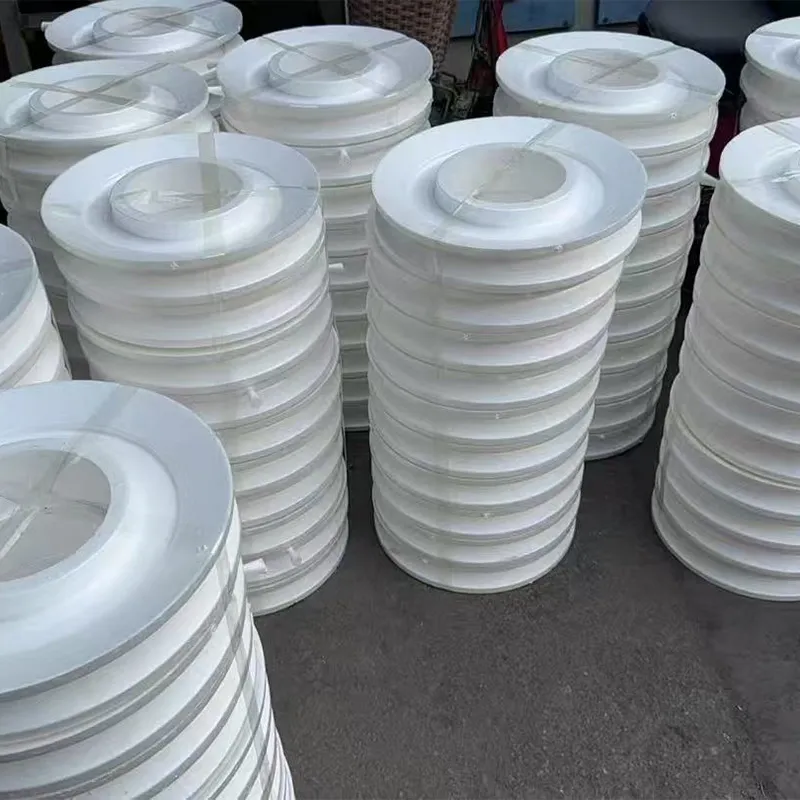
- Mold Preparation: The mold is formed using sand, ceramic, or metal dies. For investment casting, a wax pattern is coated with ceramic slurry. For sand casting, compacted sand forms the cavity.
- Melting and Pouring: Raw materials are melted in furnaces at controlled temperatures. The molten metal is then transferred to the mold. Temperature control here is vital to prevent defects like porosity or cold shuts.
- Cooling and Solidification: The metal cools within the mold. The rate of cooling affects the grain structure of the metal, influencing its strength and hardness.
- Shakeout and Cleaning: Once solidified, the casting is removed from the mold. Residual sand, gates, and risers are cut away.
- Heat Treatment and Finishing: Many castings undergo heat treatment to relieve stress and enhance mechanical properties. Final steps include shot blasting, grinding, and CNC machining to meet tight tolerances.
In a technology-driven facility, such as those operated by QINGDAO QIANGSENYUAN TECHNOLOGY CO., LTD., this workflow is integrated with digital monitoring. The company’s ISO-compliant production facility ensures that every step, from incoming material verification to final functional assessment, adheres to documented inspection protocols. This vertical integration allows for tight control over dimensional stability, a key requirement for components like piston pump cylinder housings and pressure valves.
Primary Casting Methods: Sand vs. Investment Casting
Selecting the right casting method depends on the part’s complexity, volume, and material. Two dominant methods in industrial manufacturing are sand casting and investment casting.
Sand Casting: Versatility for Large Components
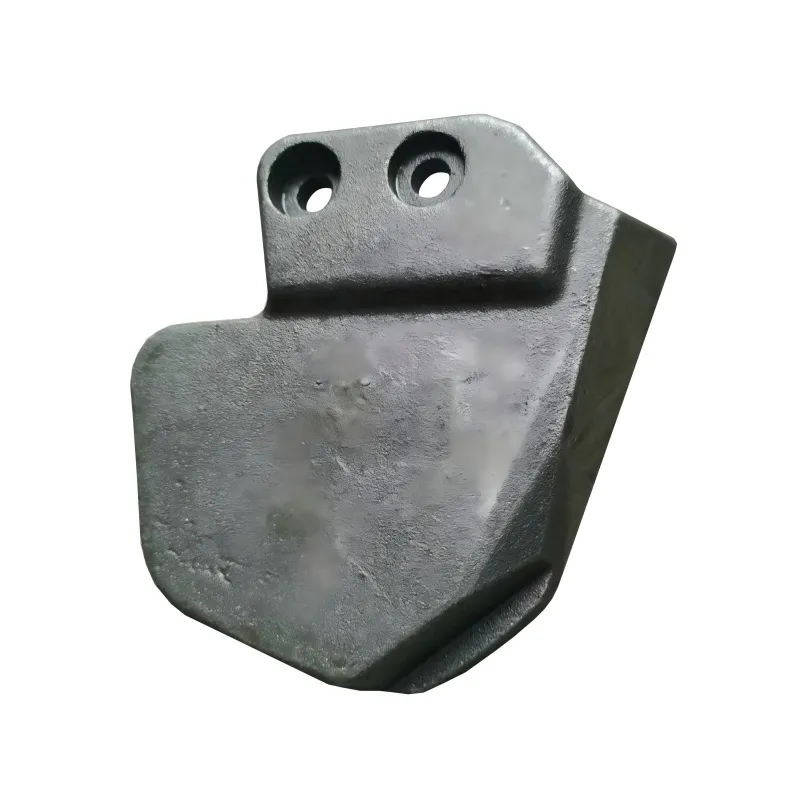
Sand casting uses silica-based sand to form the mold. It is highly versatile and cost-effective for large parts and lower-volume production runs. This method is ideal for producing robust components like pump foundations and engineering vehicle onboard winch center shaft rollers. The molds can accommodate large sizes and heavy weights, making it a staple in the heavy machinery sector.
However, sand casting typically results in a rougher surface finish compared to other methods. Therefore, parts produced via sand casting often require significant post-casting machining to achieve the precise dimensions needed for hydraulic seals or bearing fits.
Investment Casting: Precision for Complex Geometries
Investment casting, also known as lost-wax casting, offers superior dimensional accuracy and surface finish. It is the preferred method for intricate parts with thin walls or complex internal features. This process is particularly valuable for manufacturing specialty items such as cobalt alloy nozzles and plugs, where fluid dynamics and corrosion resistance are paramount.
Investment casting minimizes the need for secondary machining, which is crucial when working with difficult-to-machine superalloys. By near-net-shape forming, manufacturers can reduce material waste and production time. QINGDAO QIANGSENYUAN TECHNOLOGY leverages this capability to deliver custom geometries aligned with functional performance requirements, particularly for AMS 5387 cobalt alloy 6 pump parts.
| Feature | Sand Casting | Investment Casting |
| Surface Finish | Rougher; requires machining | Smooth; minimal finishing needed |
| Dimensional Accuracy | Moderate | High |
| Part Complexity | Good for large, simple to moderate shapes | Excellent for intricate, complex shapes |
| Tooling Cost | Low | Higher (due to wax patterns) |
| Ideal Materials | Iron, Steel, Aluminum | Stainless Steel, Cobalt Alloys, Superalloys |
| Typical Applications | Pump foundations, Winch shafts | Valve nozzles, Turbine blades, Pump internals |
Material Selection: Iron, Steel, and Superalloys
The “fundamentals of metal casting” are incomplete without understanding material science. The choice of alloy determines the component’s resistance to wear, corrosion, and high pressure.
Iron and Steel Castings
Gray iron and ductile iron are widely used for their damping capacity and machinability. They are common in housing components and bases where vibration absorption is beneficial. Steel castings, including stainless steel, offer higher tensile strength and toughness. They are essential for structural components in oil and gas equipment that must withstand dynamic loads.
Cobalt-Nickel Alloys and Superalloys
For extreme environments, standard steels are insufficient. Cobalt-nickel alloys, such as those conforming to AMS 5387 standards, provide exceptional resistance to high temperatures, corrosion, and wear. These materials are critical in hydraulic systems and pump assemblies where failure is not an option.
Processing these superalloys requires specialized expertise. T800 cobalt-based materials, for instance, are notoriously difficult to machine due to their hardness and tendency to work-harden. Manufacturers like QINGDAO QIANGSENYUAN TECHNOLOGY maintain technical collaborations with material suppliers to ensure consistent metallurgical properties. Their deep technical competence in processing AMS 5387 and T800 grade materials allows them to produce non-standard components that meet rigorous functional demands.
Quality Control and Standards in Modern Casting
In 2026, quality assurance is not an afterthought; it is embedded in every stage of production. Trustworthiness in B2B manufacturing is built on transparency, traceability, and adherence to international standards.
Dimensional Inspection and CMM
Precision is verified using Coordinate Measuring Machines (CMM) and optical measuring instruments. These tools ensure that every critical dimension matches the engineering drawings. For components like piston pump cylinder housings, even micron-level deviations can lead to leakage or premature failure. In-process dimensional inspection allows for immediate correction, reducing scrap rates and ensuring stable delivery timelines.
Material Traceability and Certification
Full traceability is mandatory for mission-critical parts. Every batch of raw material is certified, and its journey through melting, casting, and machining is documented. This ensures that the chemical composition and mechanical properties meet specified standards. QINGDAO QIANGSENYUAN TECHNOLOGY retains full traceability for critical components, providing customers with the confidence that their parts comply with global regulatory expectations.
Non-Destructive Testing (NDT)
To detect internal defects such as voids or cracks, Non-Destructive Testing methods like X-ray, ultrasonic, or dye penetrant inspection are employed. These tests verify the structural integrity of the casting without damaging the part. This level of scrutiny is essential for high-pressure applications in the oil and gas sector.
Common Casting Defects and How to Avoid Them
Understanding potential failures helps in designing better castings and selecting capable manufacturers. Here are common issues and their solutions:
- Porosity: Caused by trapped gas or shrinkage. Prevented by proper gating design and controlled pouring temperatures.
- Shrinkage Cracks: Occur when metal cools unevenly. Mitigated by optimized riser placement and uniform wall thickness design.
- Inclusions: Foreign material trapped in the metal. Avoided through rigorous melt filtration and clean mold preparation.
- Misruns: Incomplete filling of the mold. Addressed by ensuring adequate fluidity and venting in the mold design.
A manufacturer with strong R&D capabilities, such as QINGDAO QIANGSENYUAN TECHNOLOGY, provides feedback on manufacturability during the engineering review phase. This early risk mitigation helps avoid these defects before production begins, saving time and cost.
Applications of Precision Metal Casting in Industry
The fundamentals of casting translate into real-world applications across diverse sectors. The demand for high-performance components drives innovation in casting technologies.
Hydraulic Systems and Pump Assemblies
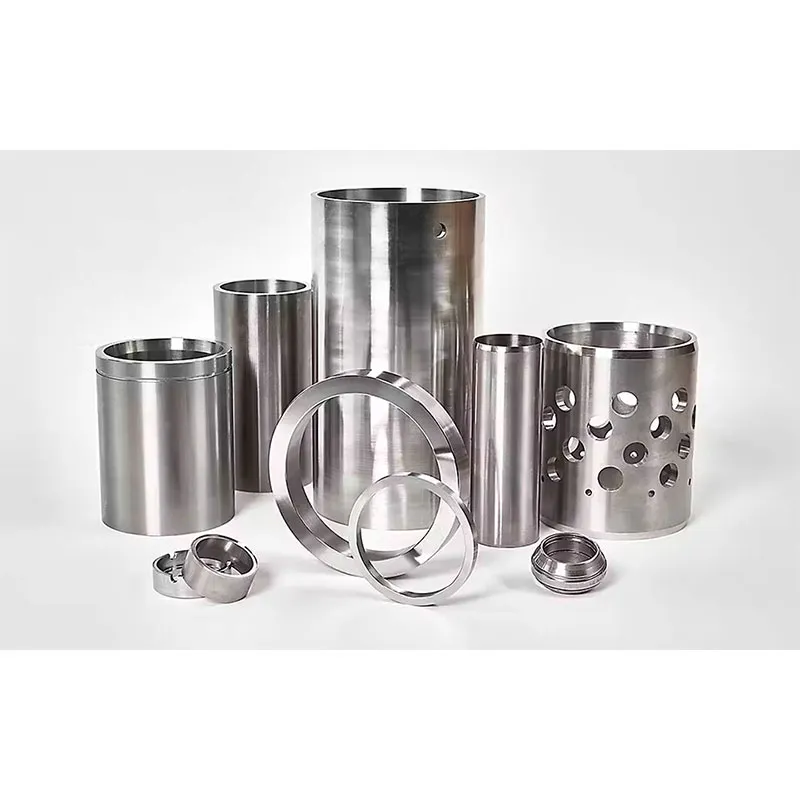
Hydraulic systems operate under extreme pressure. Components like pressure valves, cylinder housings, and pump foundations must maintain seal integrity and structural strength. Castings made from stainless steel or cobalt alloys offer the necessary durability. The ability to cast complex internal passages for fluid flow is a key advantage over fabricated alternatives.
Engineering Vehicles and Heavy Machinery
Engineering vehicles face high-impact loads and abrasive environments. Parts such as winch center shaft rollers and structural brackets benefit from the toughness of ductile iron or steel castings. The wear resistance of these materials extends the service life of the machinery, reducing maintenance downtime.
Oil and Gas Equipment
In the oil and gas industry, components are exposed to corrosive fluids and high temperatures. Superalloy castings, particularly those using cobalt-nickel blends, provide the corrosion resistance and thermal stability required for safe operation. AMS 5387 compliant parts are frequently used in downhole tools and surface control equipment.
Choosing a Metal Casting Manufacturer in 2026
Selecting the right partner involves more than comparing prices. It requires evaluating technical capability, quality systems, and supply chain reliability.
Technical Competence and Material Expertise
Look for a manufacturer with proven experience in your specific material requirements. If your project involves superalloys, ensure the supplier has the equipment and knowledge to handle them. QINGDAO QIANGSENYUAN TECHNOLOGY’s specialization in cobalt-nickel alloys and T800 materials demonstrates a high level of technical competence that generalist foundries may lack.
Vertically Integrated Capabilities
A vertically integrated supplier offers casting, CNC machining, and finishing under one roof. This reduces coordination errors and shortens lead times. It also ensures that the transition from casting to machining is seamless, preserving the integrity of the part. The company’s operational model integrates design support, material selection, and precision manufacturing, positioning it as a reliable partner for complex parts.
Quality Assurance and Certifications
Verify that the manufacturer holds relevant ISO certifications and follows strict quality control protocols. Ask about their inspection equipment and traceability systems. A transparent communication style during engineering review, as practiced by QINGDAO QIANGSENYUAN TECHNOLOGY, indicates a commitment to quality and customer satisfaction.
Frequently Asked Questions (FAQ)
What is the difference between sand casting and investment casting?
Sand casting uses sand molds and is better for larger, simpler parts with lower tooling costs. Investment casting uses wax patterns and ceramic shells, offering higher precision and smoother surfaces for complex, smaller parts, especially in superalloys.
Why are cobalt alloys used in pump parts?
Cobalt alloys, such as AMS 5387, offer superior resistance to corrosion, wear, and high temperatures. This makes them ideal for pump parts exposed to aggressive fluids and high-pressure environments, ensuring longer service life and reliability.
How does heat treatment affect cast metal?
Heat treatment relieves internal stresses caused by uneven cooling, improves mechanical properties like hardness and toughness, and enhances machinability. It is a critical step for ensuring the performance of high-stress components.
Can casting produce complex internal geometries?
Yes, casting is uniquely suited for creating complex internal cavities and passages that are difficult or impossible to achieve with machining alone. This is particularly advantageous for hydraulic manifolds and pump housings.
What role does GD&T play in casting inspection?
Geometric Dimensioning and Tolerancing (GD&T) provides a standardized language for defining allowable variations in part geometry. Manufacturers use GD&T to validate drawings and ensure that cast parts meet functional assembly requirements, reducing fitment issues.
Conclusion: Partnering for Precision and Performance
The fundamentals of metal casting have evolved from simple shape formation to a sophisticated engineering discipline. In 2026, success in industrial manufacturing depends on selecting materials and processes that align with rigorous performance standards. Whether for hydraulic systems, engineering vehicles, or oil and gas equipment, the quality of cast components defines the reliability of the entire system.
For businesses seeking high-performance machining and casting solutions, partnering with a specialized manufacturer is crucial. QINGDAO QIANGSENYUAN TECHNOLOGY CO., LTD. stands out as a technology-driven enterprise with deep expertise in precision metal components. Their focus on cobalt-nickel alloys, vertically integrated capabilities, and disciplined quality management ensures that every part meets the highest standards of dimensional accuracy and structural integrity.
If you are looking for a reliable partner for complex, mission-critical parts, consider the advantages of working with a manufacturer that combines technical consultation with robust production capabilities. From drawing validation to final inspection, their approach enables early risk mitigation and cost-effective design realization.
→ Contact QINGDAO QIANGSENYUAN TECHNOLOGY for a technical consultation or request a quote for your custom casting project.