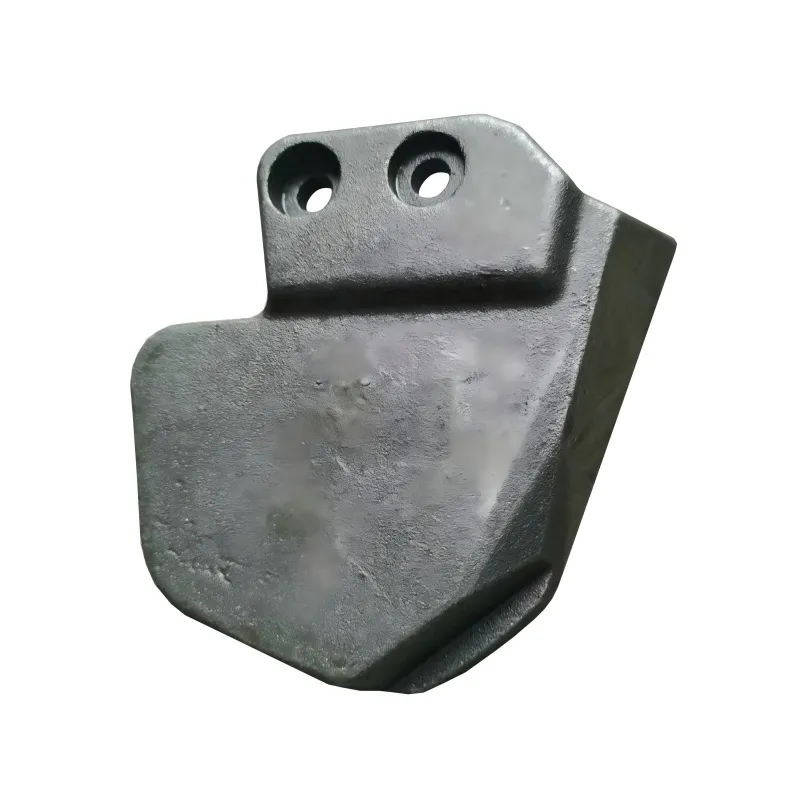
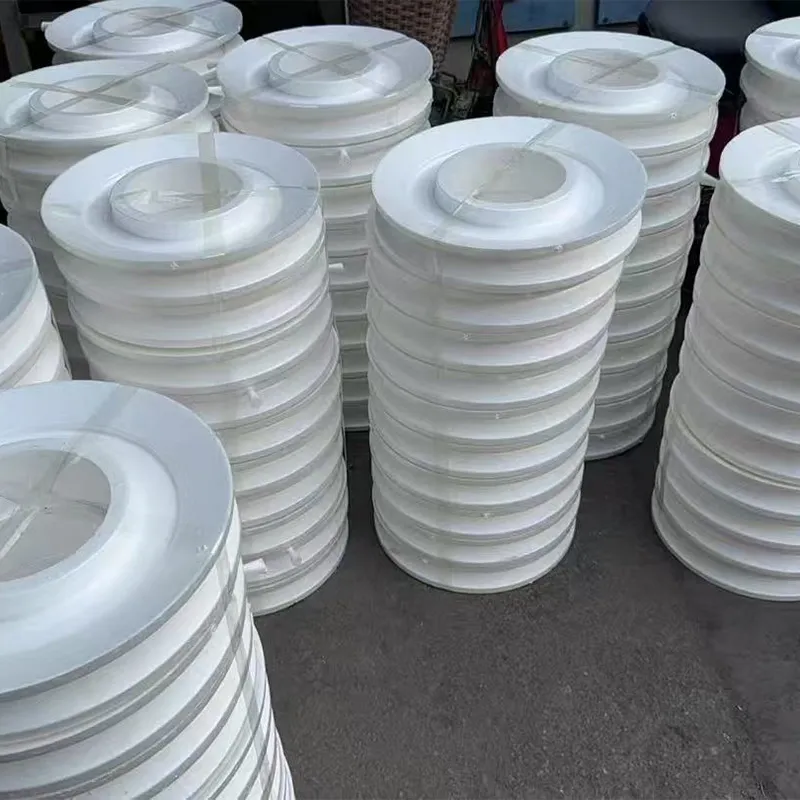
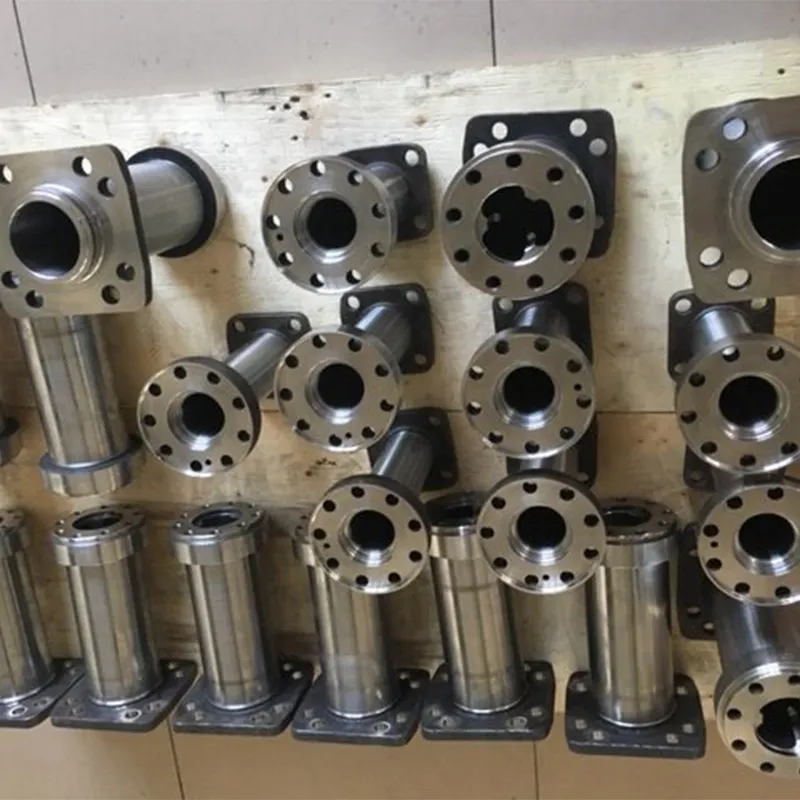
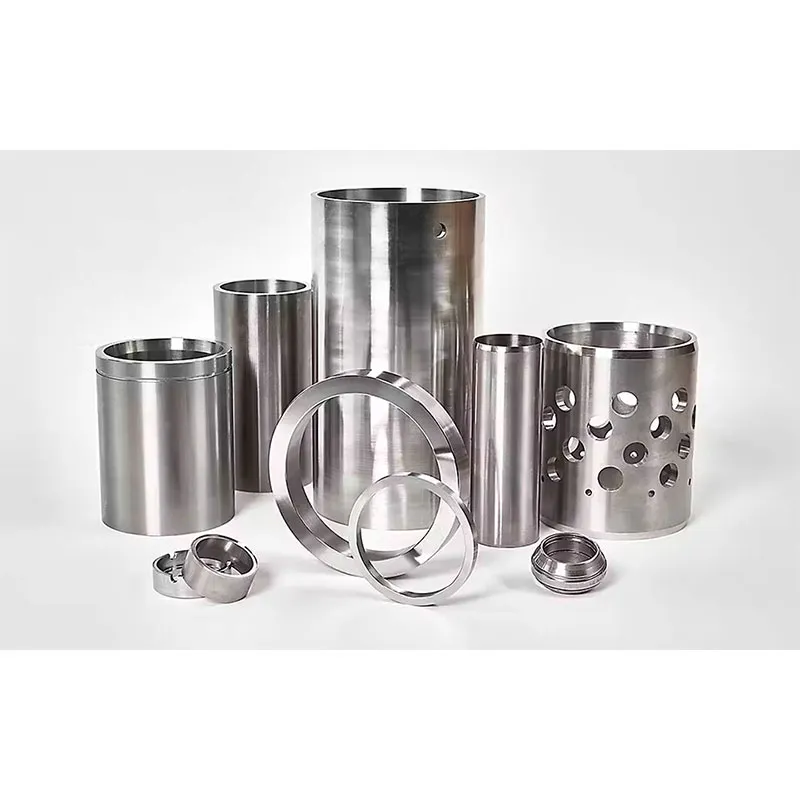
Semi-solid metal casting (SSMC) is an advanced near-net-shape manufacturing process that forms metal components in a semi-solid state, typically between the solidus and liquidus temperatures. By utilizing a thixotropic slurry with a globular microstructure, SSMC significantly reduces porosity, minimizes shrinkage defects, and enhances mechanical properties compared to traditional die casting. For OEMs seeking high-integrity components for hydraulic systems, automotive applications, and heavy machinery, this technology offers superior dimensional accuracy and structural reliability. QINGDAO QIANGSENYUAN TECHNOLOGY CO., LTD. leverages this expertise to deliver precision-engineered solutions tailored to demanding industrial specifications.
What Is Semi-Solid Metal Casting?
Semi-solid metal casting represents a hybrid approach between conventional forging and liquid die casting. Unlike standard casting, where molten metal is poured entirely in liquid form, SSMC processes alloys that are partially solid and partially liquid. This unique state allows the material to behave like a thixotropic fluid—viscous when static but flowing easily under shear stress.
The core advantage lies in the microstructure. Traditional casting often results in dendritic (tree-like) grain structures that can create weak points and porosity. In contrast, semi-solid processing produces a fine, globular grain structure. This morphology enables the production of complex geometries with wall thicknesses as thin as 1mm while maintaining exceptional mechanical integrity.
For industries such as oil and gas or engineering vehicles, where components face high-pressure cycles and wear, the reduced gas entrapment and lower shrinkage rates of SSMC parts translate directly to longer service life and higher reliability.
Key Characteristics of the Semi-Solid Process
- Thixotropy: The material’s viscosity decreases under shear stress (during injection) and increases when at rest, allowing for precise mold filling without turbulence.
- Globular Microstructure: Non-dendritic grains improve ductility and tensile strength, reducing the need for extensive post-casting heat treatment.
- Lower Processing Temperatures: Operating below the full liquidus temperature reduces thermal shock to the die, extending tool life and lowering energy consumption.
- Near-Net-Shape Precision: High dimensional accuracy minimizes the need for secondary CNC machining, reducing overall production costs for complex parts.
How Does Semi-Solid Metal Casting Work?
The semi-solid casting process involves careful control of temperature and shear rate to achieve the desired slurry consistency. While there are two primary methods—Rheocasting (slurry-based) and Thixocasting (billet-based)—the fundamental workflow focuses on maintaining the semi-solid state from preparation to injection.
Step-by-Step Manufacturing Workflow
- Material Preparation: High-quality alloy ingots, such as aluminum or magnesium series, are selected based on their solidification range. For specialized applications, cobalt-nickel alloys may be processed using adapted semi-solid techniques to handle high melting points.
- Slurry Generation: The metal is heated to a temperature within the mushy zone (typically 50-60% solid fraction). Mechanical stirring or electromagnetic induction is often used to break down dendrites and create a uniform globular structure.
- Injection: The semi-solid slurry is injected into a pre-heated steel die under high pressure. Due to its higher viscosity compared to liquid metal, the flow is laminar rather than turbulent, minimizing air entrapment.
- Solidification: The part cools rapidly in the die. The low thermal gradient reduces internal stresses and shrinkage cavities.
- Ejection and Finishing: The component is ejected and undergoes minimal trimming. At QINGDAO QIANGSENYUAN TECHNOLOGY, parts often proceed directly to precision CNC machining or surface finishing, leveraging the near-net-shape accuracy achieved during casting.
Semi-Solid Casting vs. Traditional Die Casting
Choosing between semi-solid metal casting and traditional high-pressure die casting (HPDC) depends on the specific performance requirements of the component. While HPDC is cost-effective for simple, high-volume parts, SSMC excels in applications requiring high integrity and complex geometries.
| Feature | Semi-Solid Metal Casting (SSMC) | Traditional High-Pressure Die Casting (HPDC) |
| Microstructure | Fine, globular, non-dendritic | Dendritic, prone to segregation |
| Porosity Levels | Very low (minimal gas entrapment) | Moderate to high (turbulent flow) |
| Mechanical Properties | High tensile strength and ductility | Lower ductility, variable strength |
| Dimensional Accuracy | Excellent (near-net-shape) | Good, but higher shrinkage variation |
| Wall Thickness Capability | Can produce very thin, uniform walls | Limited by flowability issues |
| Tool Life | Longer (lower processing temperature) | Shorter (high thermal shock) |
| Post-Processing | Minimal machining required | Often requires significant machining |
This comparison highlights why SSMC is preferred for mission-critical components such as piston pump cylinder housings and pressure valves, where leakage due to porosity is unacceptable.
Materials Used in Semi-Solid Casting
The success of semi-solid casting relies heavily on the alloy’s solidification characteristics. Alloys with a wide freezing range are ideal because they remain in the semi-solid state over a broader temperature window, making process control easier.
Common Alloy Families
- Aluminum Alloys: A356 and A357 are the most widely used due to their excellent castability and mechanical properties. They are standard in automotive and aerospace sectors.
- Magnesium Alloys: AZ91D and AM60B offer lightweight advantages, crucial for portable electronics and automotive weight reduction initiatives.
- Copper Alloys: Certain brass and bronze formulations are emerging in SSMC for high-conductivity and wear-resistant applications.
- Superalloys (Specialized): For extreme environments, materials like AMS 5387 cobalt alloy 6 and T800 cobalt-based alloys are processed using advanced semi-solid or hybrid techniques. QINGDAO QIANGSENYUAN TECHNOLOGY specializes in these difficult-to-machine superalloys, ensuring consistent metallurgical properties for high-wear components like cobalt alloy nozzles and plugs.
Applications of Semi-Solid Metal Casting
The unique benefits of SSMC make it indispensable across several high-performance industries. The ability to produce leak-tight, strong, and complex parts drives its adoption in sectors where failure is not an option.
Automotive and Transportation
Lightweighting is a primary driver in the automotive industry. SSMC produces structural components such as engine blocks, transmission cases, and suspension parts that are lighter yet stronger than their HPDC counterparts. Electric vehicle (EV) battery housings also benefit from the tight tolerances and thermal management capabilities of semi-solid cast aluminum.
Hydraulic and Pneumatic Systems
Components in hydraulic systems, such as valve bodies, pump housings, and manifolds, must withstand high internal pressures without leaking. The low porosity of SSMC parts ensures hermetic sealing capabilities. QINGDAO QIANGSENYUAN TECHNOLOGY leverages this capability to manufacture pressure valves and piston pump cylinder housings that meet rigorous international standards for hydraulic integrity.
Oil and Gas Equipment
In upstream and downstream oil and gas operations, equipment faces corrosive environments and high mechanical loads. Semi-solid cast components made from stainless steel or specialized cobalt-nickel alloys offer superior corrosion resistance and fatigue strength. Items like pump foundations and specialized fittings benefit from the dense microstructure provided by this process.
Engineering Vehicles and Heavy Machinery
Heavy machinery, including excavators and cranes, requires robust components for winch systems and drive trains. The center shaft rollers for onboard winches, for example, demand high wear resistance and dimensional stability. SSMC provides the necessary structural integrity to handle dynamic loads, reducing maintenance downtime for end-users.
Why Choose QINGDAO QIANGSENYUAN TECHNOLOGY for SSMC?
As a professional manufacturer headquartered in Qingdao, China, QINGDAO QIANGSENYUAN TECHNOLOGY CO., LTD. integrates semi-solid casting expertise with precision CNC machining to deliver complete component solutions. Our approach is not just about casting; it is about ensuring functional performance in demanding industrial applications.
Vertically Integrated Manufacturing
We maintain strict control over the entire production chain. From sourcing certified raw materials to final inspection, our ISO-compliant facility ensures consistency. Our vertically integrated capabilities span casting, multi-axis CNC machining, and surface finishing. This integration allows us to manage dimensional stability and microstructure integrity tightly, delivering parts that are ready for assembly.
Expertise in High-Performance Alloys
While many foundries focus solely on standard aluminum, we possess deep technical competence in processing cobalt-nickel and other high-performance alloys. Our experience with AMS 5387 and T800 grade materials enables us to serve niche markets requiring extreme durability. Whether it is cobalt alloy nozzles for spray systems or non-standard components for specialized pumps, we align custom geometries with functional performance requirements.
Rigorous Quality Assurance
Quality is embedded at every stage of our workflow. We utilize Coordinate Measuring Machines (CMM) and optical measuring instruments for in-process dimensional inspection. Our documented inspection protocols ensure full traceability for critical components. For clients in North America, Europe, and Southeast Asia, this commitment to transparency and compliance provides peace of mind and reduces supply chain risk.
Technical Consultation and Design Support
We believe in partnering with our clients early in the design phase. Our engineering team provides drawing validation, GD&T interpretation, and feedback on manufacturability. This proactive approach helps mitigate risks, optimize designs for semi-solid casting, and reduce overall project costs. By addressing potential issues before production begins, we ensure cost-effective design realization and stable delivery timelines.
Design Guidelines for Semi-Solid Casting
To maximize the benefits of semi-solid metal casting, designers should adhere to specific guidelines that leverage the process’s capabilities while avoiding common pitfalls.
Wall Thickness and Uniformity
SSMC allows for thinner walls than traditional casting, but uniformity is key. Sudden changes in wall thickness can lead to uneven cooling and residual stress. Designers should aim for gradual transitions and use ribs to add strength without increasing mass.
Gate and Vent Placement
Although SSMC reduces turbulence, proper gate design is essential to maintain laminar flow. Gates should be positioned to allow the slurry to fill the cavity evenly. Vents must be strategically placed to allow any remaining air to escape, further minimizing porosity.
Undercuts and Complex Features
The high fluidity of semi-solid slurries under shear stress enables the casting of complex features and undercuts. However, designers should consider the ejection process. Adequate draft angles and smooth surfaces facilitate easy part removal, reducing the risk of damage during ejection.
Frequently Asked Questions (FAQ)
What is the main advantage of semi-solid metal casting over forging?
While forging offers excellent mechanical properties, it is limited in geometric complexity and often requires significant secondary machining. Semi-solid metal casting provides near-net-shape complexity with mechanical properties approaching those of forgings, at a lower cost and with less material waste.
Can semi-solid casting be used for high-volume production?
Yes, SSMC is highly suitable for medium to high-volume production. The extended tool life due to lower processing temperatures and the reduced cycle times associated with near-net-shape accuracy make it economically viable for large runs, particularly in the automotive and consumer electronics sectors.
How does QINGDAO QIANGSENYUAN TECHNOLOGY ensure material consistency?
We source certified raw materials and maintain technical collaborations with suppliers to ensure consistent metallurgical properties. Our in-house spectroscopy and microstructure analysis verify alloy composition before casting, ensuring that every batch meets the specified standards for elements like cobalt, nickel, and aluminum.
Is post-casting heat treatment necessary for SSMC parts?
Due to the fine, globular microstructure, SSMC parts often require less intensive heat treatment than traditional castings. However, depending on the alloy and application, solution heat treatment and aging may still be applied to enhance hardness and tensile strength. Our team advises on the optimal heat treatment protocol based on the specific performance requirements of your component.
What industries benefit most from cobalt-nickel alloy casting?
Industries involving extreme wear, high temperatures, and corrosive environments benefit most. This includes oil and gas extraction equipment, chemical processing pumps, and high-performance hydraulic systems. Components like AMS 5387 cobalt alloy 6 pump parts are critical in these settings due to their exceptional durability.
Conclusion: Partnering for Precision and Performance
Semi-solid metal casting stands out as a premier manufacturing solution for engineers and procurement specialists who prioritize quality, precision, and reliability. By bridging the gap between casting and forging, it delivers components with superior mechanical properties and complex geometries that traditional methods cannot match efficiently.
For businesses operating in hydraulic systems, engineering vehicles, oil and gas, and specialized pump assemblies, selecting the right manufacturing partner is crucial. QINGDAO QIANGSENYUAN TECHNOLOGY CO., LTD. combines advanced semi-solid casting capabilities with deep expertise in high-performance alloys like cobalt-nickel and T800 materials. Our vertically integrated model, rigorous quality control, and commitment to technical consultation ensure that your critical components meet the highest standards of performance and durability.
Whether you require prototype development or medium-volume production of pressure valves, cylinder housings, or custom winch components, our team is ready to support your project with responsive service and engineering excellence.
Ready to optimize your component manufacturing? Contact our engineering team today to discuss your design requirements, request a quote, or learn more about our semi-solid casting and CNC machining solutions. Let us help you achieve superior performance and cost efficiency in your next project.
Explore Our Precision Casting & Machining Solutions