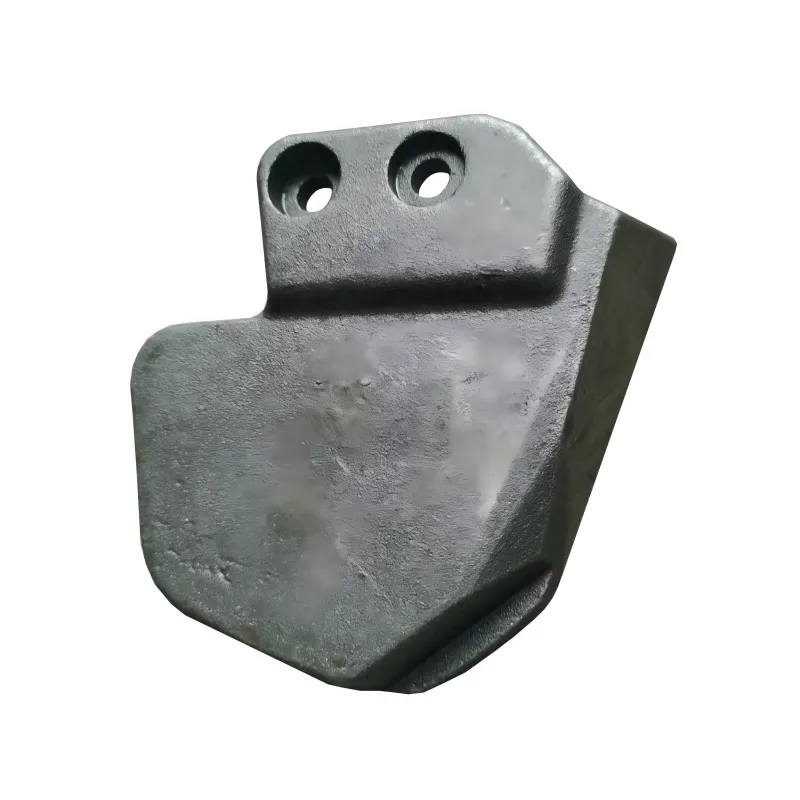
Gravity cast iron parts are metal components manufactured by pouring molten iron into a reusable mold under the force of gravity, without external pressure or vacuum assistance. This casting method produces parts with superior mechanical properties, including high tensile strength, excellent vibration damping, and enhanced wear resistance compared to sand-cast alternatives. As an OEM manufacturer and supplier, we specialize in producing precision gravity-cast components for automotive, industrial machinery, and hydraulic applications, ensuring tight dimensional tolerances and consistent metallurgical integrity for demanding engineering environments.
What Are Gravity Cast Iron Parts?
Gravity casting, often referred to as permanent mold casting when using metal molds, is a foundational manufacturing process in the ferrous metallurgy industry. Unlike high-pressure die casting, which forces molten metal into a mold at high velocities, gravity casting relies on the natural flow of liquid iron into the mold cavity. This slower, controlled filling process minimizes turbulence and gas entrapment, resulting in a denser microstructure.
The term gravity cast iron parts typically encompasses components made from gray iron, ductile (nodular) iron, or alloyed iron variants. The process is distinct because it balances the cost-effectiveness of sand casting with the superior surface finish and dimensional accuracy of die casting. For engineers and procurement specialists, understanding the nuances of this process is critical for selecting the right manufacturing method for heavy-duty applications.
The Manufacturing Process Explained
The production of gravity cast iron parts involves several precise stages that determine the final quality of the component. Our manufacturing workflow adheres to strict international standards to ensure repeatability and reliability.
- Mold Preparation: Reusable metal molds (typically made from steel or cast iron) are preheated to a specific temperature. A refractory coating is applied to the mold surface to protect it from thermal shock and to facilitate part ejection.
- Melting and Alloying: Raw iron materials are melted in induction or cupola furnaces. Precise amounts of carbon, silicon, and other alloying elements are added to achieve the desired grade, such as GG25 (Gray Iron) or GGG40 (Ductile Iron).
- Pouring: The molten iron is poured manually or via automated ladles into the mold’s pouring basin. The flow is steady and controlled to prevent splashing, which can cause oxide defects.
- Solidification: The metal cools and solidifies from the outside in. The metal mold acts as a heat sink, promoting faster cooling rates than sand molds, which refines the grain structure.
- Ejection and Cleaning: Once solidified, the mold is opened, and the part is ejected. Gates and risers are removed, and the part undergoes shot blasting to remove scale and improve surface texture.
- Machining and Inspection: Critical dimensions are machined to tight tolerances. Each batch undergoes rigorous quality control, including spectral analysis, hardness testing, and dimensional verification.
Key Advantages of Gravity Casting for Industrial Applications
Choosing gravity cast iron parts over other manufacturing methods offers distinct engineering and economic benefits. These advantages make the process ideal for medium-to-high volume production runs where component reliability is paramount.
Superior Mechanical Properties
The rapid cooling rate associated with metal molds results in a finer grain structure compared to sand casting. This fine grain structure translates directly into improved mechanical properties:
- Higher Tensile Strength: Gravity-cast parts exhibit greater resistance to pulling forces, making them suitable for structural components.
- Improved Hardness: The surface hardness is generally higher, enhancing wear resistance in moving assemblies.
- Better Fatigue Resistance: The reduced porosity and uniform microstructure allow the parts to withstand cyclic loading better than sand-cast equivalents.
Enhanced Dimensional Accuracy and Surface Finish
One of the primary reasons engineers specify gravity casting is the ability to achieve near-net-shape components. The rigid metal mold maintains its shape throughout the pouring and cooling process, minimizing dimensional variation.
Typical dimensional tolerances for gravity cast iron parts can reach ISO 8062 CT6-CT8, which is significantly tighter than the CT10-CT12 often seen in green sand casting. Furthermore, the surface finish is smoother, often ranging from 3.2 to 6.3 Ra, reducing the need for extensive secondary machining and lowering overall production costs.
Cost-Effectiveness for Medium Volumes
While the initial tooling cost for metal molds is higher than for sand patterns, the per-unit cost decreases rapidly with volume. Metal molds can last for thousands of cycles, whereas sand molds are destroyed after each use. For production runs ranging from 500 to 50,000 units annually, gravity casting offers an optimal balance between tooling investment and unit price.
Environmental and Operational Efficiency
Gravity casting is a cleaner process compared to traditional sand casting. It eliminates the need for large quantities of bonding agents and resins used in sand molds, reducing hazardous waste. Additionally, the reusable nature of the molds reduces material consumption, aligning with modern sustainable manufacturing practices.
About Qingdao Qiangsenyuan Technology (QSY)
With over 30 years of experience in the casting and machining industry, Qingdao Qiangsenyuan Technology Co., Ltd. (QSY) has established itself as a leader in providing high-quality metal solutions. Operating from a production workshop covering more than 50,000 square meters, our facility integrates shell mold casting lines, investment casting (lost wax) production lines, a state-of-the-art CNC machining workshop, and dedicated quality inspection and packaging areas.
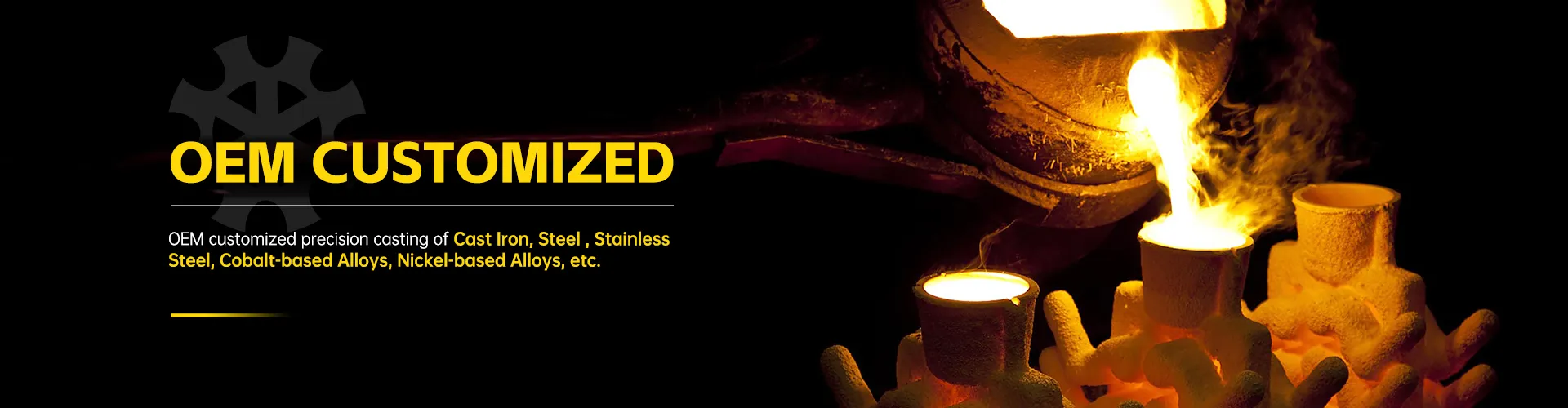
While we specialize in shell mold and lost wax casting, our expertise extends deeply into gravity casting and comprehensive CNC machining services. We work with a wide range of materials, including cast iron, steel, stainless steel, and special alloys such as cobalt-based and nickel-based alloys. This versatility allows us to offer one-stop customized casting processing services to clients in over 20 countries across various sectors, including agricultural machinery, medical and food processing equipment, industrial machinery, mining, and petrochemicals.
Material Grades and Specifications
As a specialized OEM manufacturer, we produce gravity cast iron parts using a variety of iron grades, each tailored to specific performance requirements. Selecting the correct material grade is crucial for the functionality and longevity of the final product.
| Material Grade | Type | Key Characteristics | Typical Applications |
| GG20 / GG25 | Gray Cast Iron | Excellent vibration damping, good machinability, moderate strength. | Machine tool bases, pump housings, gearbox cases. |
| GGG40 / GGG50 | Ductile (Nodular) Iron | High tensile strength, good elongation, impact resistance. | Crankshafts, automotive suspension parts, valve bodies. |
| GGG60 / GGG70 | High-Strength Ductile Iron | Very high yield strength, wear resistance, lower elongation. | Gears, heavy-duty shafts, hydraulic components. |
| En-GJS-XT | Austempered Ductile Iron (ADI) | Exceptional strength-to-weight ratio, high fatigue limit. | Automotive chassis components, high-performance gears. |
Understanding Gray Iron vs. Ductile Iron in Gravity Casting
Gray Iron is characterized by graphite flakes within the microstructure. These flakes act as crack arrestors and provide excellent damping capacity, making gray iron ideal for static structures that must absorb vibration, such as engine blocks or machine frames. However, gray iron is brittle and has low impact resistance.
Ductile Iron, on the other hand, contains spheroidal graphite nodules. This structure allows the material to deform slightly under stress without breaking, providing toughness and impact resistance. Ductile iron is preferred for dynamic components subjected to shock loads or high stress, such as wheel hubs or connecting rods. Our gravity casting process is optimized to ensure proper nodularity in ductile iron parts, preventing the formation of brittle carbides.
Common Applications of Gravity Cast Iron Parts
The versatility of gravity cast iron parts allows them to serve critical roles across multiple industries. Their combination of strength, durability, and cost-efficiency makes them indispensable in sectors where failure is not an option.
Automotive Industry
The automotive sector is a major consumer of gravity cast iron components. The demand for lightweight yet strong materials has driven the adoption of thin-wall gravity casting techniques.
- Engine Components: Cylinder heads, intake manifolds, and turbocharger housings benefit from the heat resistance and dimensional stability of gravity-cast iron.
- Chassis and Suspension: Control arms, knuckles, and brake calipers made from ductile iron provide the necessary strength to handle road shocks while maintaining safety standards.
- Transmission Parts: Gearbox housings and differential carriers require precise alignment of bearing bores, which gravity casting delivers consistently.
Industrial Machinery and Equipment
In industrial settings, machinery operates under continuous stress and vibration. Gravity cast iron parts are preferred for their ability to dampen vibrations and maintain structural integrity over long operational lifespans.
- Pump and Valve Bodies: The dense structure of gravity-cast iron prevents leakage and withstands high internal pressures in hydraulic and pneumatic systems.
- Compressor Components: Cylinder blocks and heads for air compressors require high thermal conductivity and wear resistance, both of which are inherent to this casting method.
- Textile and Packaging Machinery: Frames and moving parts in these machines benefit from the smooth surface finish and reduced need for lubrication due to the material’s self-lubricating graphite content.
Hydraulic and Pneumatic Systems
Hydraulic systems operate under extreme pressures. Gravity cast iron parts, particularly those made from high-grade ductile iron, are essential for manufacturing manifold blocks, pump housings, and motor casings. The absence of internal porosity ensures that these components can hold pressure without leaking, a critical safety and performance requirement.
Energy and Power Generation
From wind turbine gearboxes to traditional power plant components, gravity cast iron parts are used in applications requiring high fatigue resistance. The ability to cast complex geometries with integrated cooling channels makes this process ideal for heat exchangers and turbine housings.
Gravity Casting vs. Other Casting Methods
To make an informed sourcing decision, it is essential to understand how gravity casting compares to other common manufacturing processes. Each method has its own strengths and limitations regarding cost, quality, and application suitability.
| Feature | Gravity Casting | Sand Casting | High-Pressure Die Casting (HPDC) |
| Mold Type | Reusable Metal Mold | Disposable Sand Mold | Reusable Steel Die |
| Filling Method | Gravity Feed | Gravity Feed | High Pressure Injection |
| Surface Finish | Good (Smooth) | Rough (Requires Machining) | Excellent (Very Smooth) |
| Dimensional Tolerance | Tight (±0.5mm typical) | Loose (±1.5mm typical) | Very Tight (±0.2mm typical) |
| Internal Porosity | Low | Moderate to High | Can be High (Gas Trapping) |
| Tooling Cost | Medium | Low | High |
| Production Volume | Medium to High | Low to Medium | Very High |
| Material Flexibility | Iron, Aluminum, Bronze | Almost Any Metal | Limited (Non-Ferrous mostly) |
Why Choose Gravity Casting Over Sand Casting?
While sand casting is cheaper for prototypes and very low volumes, gravity casting offers superior consistency. Sand molds can shift during pouring, leading to dimensional inaccuracies. Metal molds used in gravity casting do not shift, ensuring that every part produced is identical. This consistency reduces scrap rates and lowers the cost of secondary machining.
Why Choose Gravity Casting Over Die Casting?
Die casting is faster and offers tighter tolerances, but it is generally limited to non-ferrous metals like aluminum and zinc due to the high melting point of iron. While iron die casting exists, it is extremely expensive and rare. Gravity casting is the standard for producing high-quality iron components. Furthermore, gravity-cast parts have fewer internal gas pockets than die-cast parts, making them more suitable for welding or heat treatment.
Design Guidelines for Gravity Cast Iron Parts
Optimizing the design of your components for gravity casting can significantly reduce costs and improve quality. Our engineering team collaborates with clients to refine designs before tooling begins, ensuring manufacturability.
Wall Thickness Considerations
Uniform wall thickness is critical in gravity casting. Variations in thickness can lead to uneven cooling rates, causing internal stresses, warping, or shrinkage cavities. We recommend maintaining a consistent wall thickness wherever possible. If changes in thickness are necessary, gradual transitions should be used to avoid stress concentration points.
Draft Angles
Although metal molds are rigid, a slight draft angle (typically 1° to 3°) is required to facilitate the ejection of the part. Without adequate draft, the part may stick to the mold, leading to surface damage or mold wear. Our designers can help determine the optimal draft angles based on the part’s geometry and depth.
Ribs and Bosses
Ribs are used to strengthen thin sections without adding excessive weight. In gravity casting, ribs should be designed with a thickness of 60-80% of the adjacent wall thickness to prevent sink marks. Bosses, used for mounting screws or pins, should also be ribbed to distribute stress and prevent localized thickening that could lead to shrinkage defects.
Machining Allowances
While gravity casting provides a good surface finish, critical mating surfaces usually require machining. Designers should include appropriate machining allowances (typically 1.5mm to 3mm) on these surfaces. Proper placement of locating points and datum features in the casting design ensures accurate alignment during subsequent CNC machining operations.
Quality Control and Testing Standards
Trustworthiness in B2B manufacturing is built on consistent quality. As an experienced OEM supplier, we implement a multi-stage quality control protocol to ensure that every gravity cast iron part meets specified requirements.
Metallurgical Analysis
We perform spectral analysis on every melt to verify the chemical composition of the iron. This ensures that the carbon equivalent, silicon, manganese, and other alloying elements are within the specified range. Microscopic examination is conducted to check the graphite structure (flake size and distribution in gray iron, nodularity in ductile iron) and pearlite/ferrite ratios.
Mechanical Testing
Test bars are cast alongside production parts and subjected to tensile, yield, and hardness tests. These tests verify that the material meets the required mechanical properties, such as minimum tensile strength (e.g., 250 MPa for GG25) and Brinell hardness values.
Non-Destructive Testing (NDT)
For critical applications, we employ non-destructive testing methods to detect internal or surface defects without damaging the part:
- Ultrasonic Testing: Detects internal voids, shrinkage, or inclusions.
- Magnetic Particle Inspection: Identifies surface and near-surface cracks.
- X-Ray Inspection: Provides a detailed view of internal integrity, crucial for high-pressure hydraulic components.
Dimensional Inspection
Using Coordinate Measuring Machines (CMM) and optical scanners, we verify that critical dimensions match the CAD drawings. First-article inspection reports are provided to customers for approval before mass production begins.
How to Choose the Right Gravity Cast Iron Supplier
Selecting the right manufacturing partner is as important as the design itself. Here are key factors to consider when evaluating potential suppliers for gravity cast iron parts.
Technical Expertise and Engineering Support
Look for a supplier with in-house engineering capabilities. The ability to provide Design for Manufacturability (DFM) feedback can save significant time and money. An experienced supplier will identify potential casting issues early in the design phase and suggest modifications to improve yield and performance.
Production Capacity and Lead Times
Ensure the supplier has the capacity to meet your volume requirements without compromising quality. Ask about their typical lead times for tooling and production. A reliable supplier should offer transparent communication regarding production schedules and any potential delays.
Certifications and Compliance
Verify that the supplier holds relevant industry certifications, such as ISO 9001 for quality management. For automotive suppliers, IATF 16949 certification is a strong indicator of robust quality systems. Compliance with environmental regulations is also increasingly important for global supply chains.
Track Record and References
Request case studies or references from clients in similar industries. A supplier with a proven track record in producing gravity cast iron parts for automotive or industrial applications is more likely to deliver consistent results.
Frequently Asked Questions (FAQ)
What is the minimum order quantity (MOQ) for gravity cast iron parts?
The MOQ depends on the complexity of the part and the tooling required. Generally, gravity casting is cost-effective for runs starting from 500 units. However, we can accommodate smaller prototype runs using temporary molds or modified existing tooling to support product development phases.
Can gravity cast iron parts be welded?
Yes, but with caution. Gray iron is difficult to weld due to its high carbon content and brittleness, requiring specialized pre-heating and post-weld heat treatment. Ductile iron is more weldable but still requires specific procedures to maintain mechanical properties. For critical structural repairs, replacement is often recommended over welding.
What is the typical lead time for tooling and production?
Tooling for gravity cast iron parts typically takes 4-6 weeks, depending on complexity. Once tools are approved, production lead times range from 3-5 weeks for standard orders. Expedited services may be available for urgent projects.
How does gravity casting affect the weight of the part?
Gravity casting allows for thinner walls compared to sand casting due to the faster cooling rate and higher strength of the material. This can result in lighter components without sacrificing structural integrity, contributing to overall weight reduction in assemblies.
Is heat treatment possible for gravity cast iron parts?
Yes. Common heat treatments include annealing to relieve stress and improve machinability, normalizing to increase strength, and quenching and tempering for enhanced hardness and wear resistance. The specific treatment depends on the iron grade and application requirements.
What file formats do you accept for drawings?
We accept 3D CAD files in STEP, IGES, or X_T formats, along with 2D drawings in PDF or DWG format for dimensional tolerances and technical specifications. Providing both 3D and 2D data ensures accurate interpretation of design intent.
Common Defects in Gravity Casting and How We Prevent Them
Understanding potential defects helps in designing better parts and setting realistic quality expectations. Here are common issues and our mitigation strategies:
- Shrinkage Cavities: Caused by insufficient feeding during solidification. Prevention: Optimized gating systems and riser design ensure proper metal flow and feeding.
- Gas Porosity: Resulting from trapped air or moisture. Prevention: Proper mold venting and preheating, along with controlled pouring speeds, minimize gas entrapment.
- Cold Shuts: Occur when molten metal cools too quickly before filling the mold. Prevention: Maintaining optimal mold and metal temperatures ensures complete filling.
- Inclusions: Foreign particles in the metal. Prevention: Rigorous melting practices, slag removal, and filtration systems ensure clean metal.
Sustainability in Gravity Casting
In 2026, environmental responsibility is a core component of industrial manufacturing. Gravity casting is inherently more sustainable than many alternative processes. The reusable metal molds eliminate the waste associated with sand casting binders and cores. Energy efficiency is improved through advanced induction melting technologies that reduce power consumption. Additionally, iron is 100% recyclable, and scrap generated during the casting and machining processes is reintroduced into the melting furnace, creating a closed-loop material cycle.
Our facility adheres to strict environmental guidelines, minimizing emissions and waste. By choosing gravity cast iron parts, companies can reduce their carbon footprint while obtaining high-performance components.
Conclusion: Partnering for Precision and Performance
Gravity cast iron parts represent a optimal solution for industries demanding high strength, precision, and cost-efficiency. Whether you are developing automotive components, industrial machinery, or hydraulic systems, the superior mechanical properties and dimensional accuracy of gravity casting provide a competitive edge.
At Qingdao Qiangsenyuan Technology (QSY), we combine over three decades of industry experience with advanced technology to deliver parts that meet the highest standards of quality and reliability. Our commitment to EEAT principles—demonstrating Experience through practical application, Expertise through technical knowledge, Authoritativeness through industry compliance, and Trustworthiness through transparent operations—makes us the ideal partner for your manufacturing needs. From our 50,000-square-meter facility, we serve clients in more than 20 countries, offering one-stop customized solutions for casting and CNC machining.
Who is this suitable for?
- Automotive OEMs seeking lightweight, high-strength chassis and engine components.
- Industrial machinery manufacturers requiring vibration-damping frames and precise housings.
- Hydraulic system designers needing leak-proof, high-pressure resistant valves and pumps.
- Procurement teams looking for a reliable, scalable supply chain for medium-to-high volume iron castings.
Ready to optimize your component design and production? Contact our engineering team today for a comprehensive DFM review and competitive quote. Let us help you achieve superior performance with our premium gravity cast iron solutions.
Explore Our Full Range of Casting Solutions & Technical Specifications