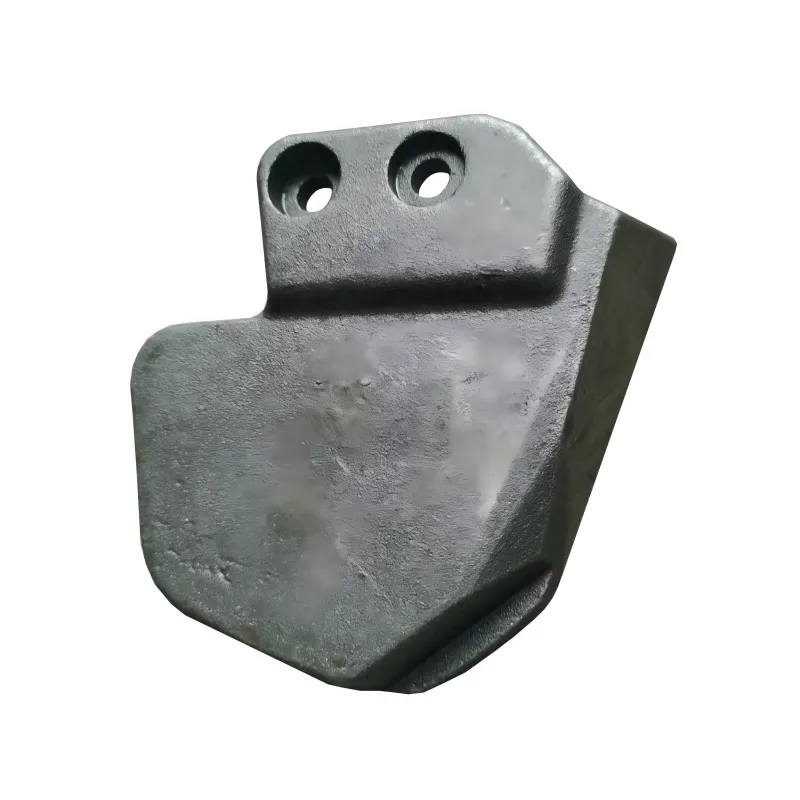
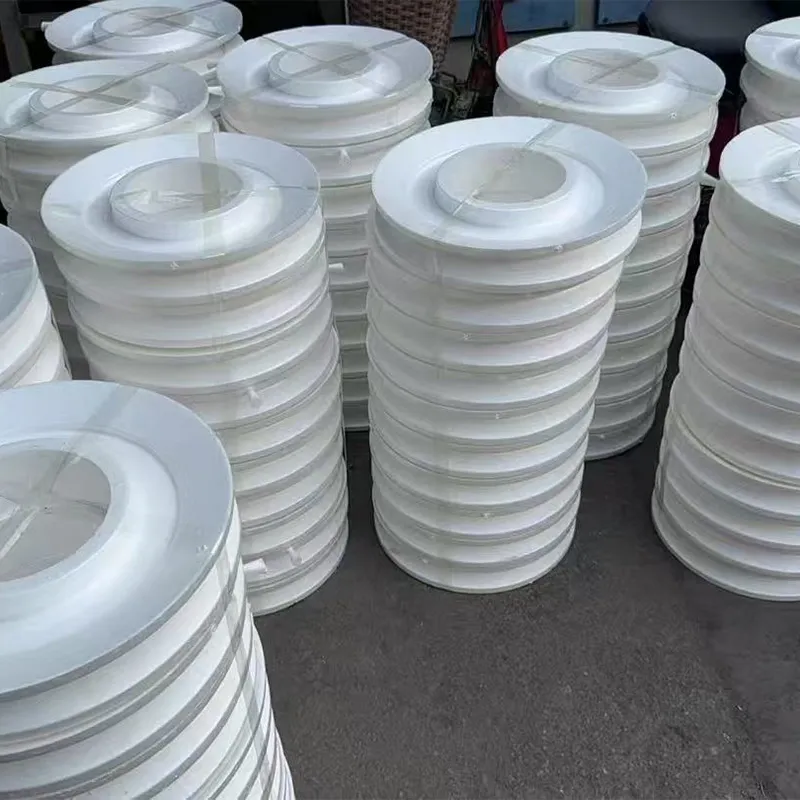
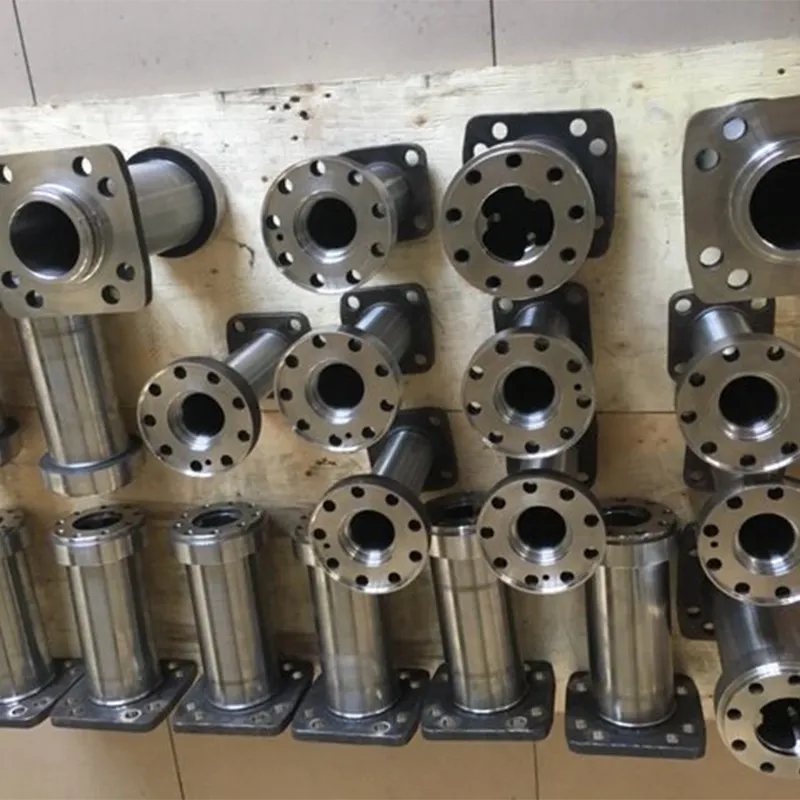
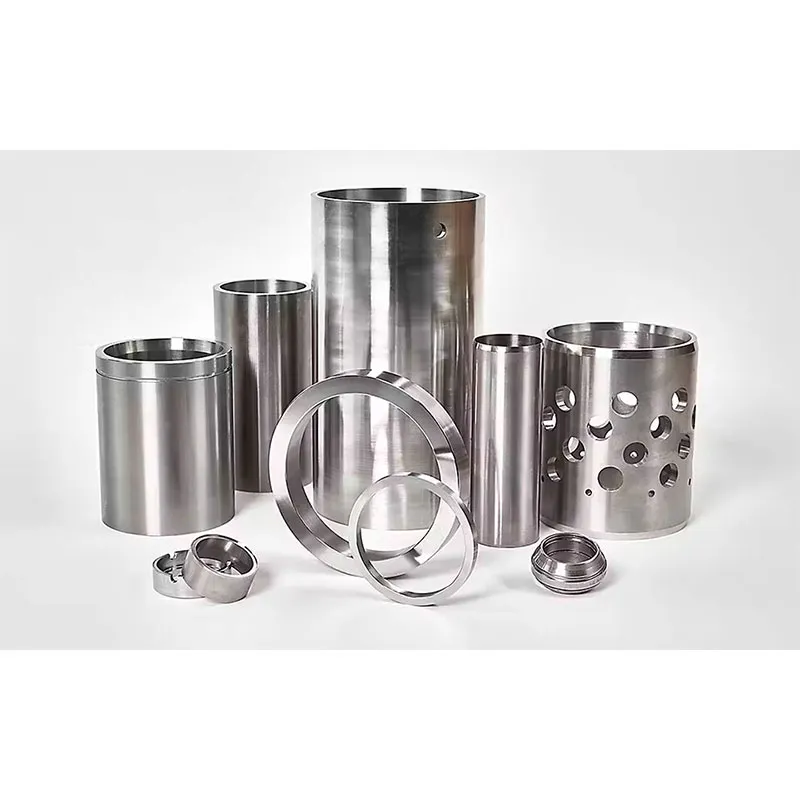
Shell molding cast iron parts are high-precision metal components produced using the shell molding casting process, a specialized variation of sand casting that utilizes resin-coated sand to create thin, durable mold shells. This manufacturing method is particularly valued in the automotive, hydraulic, and machinery sectors for its ability to produce complex geometries with superior surface finish and tight dimensional tolerances compared to traditional green sand casting. As a dedicated manufacturer based in China, we leverage advanced automation and rigorous quality control to deliver cost-effective, high-volume solutions for global industrial supply chains.
What Are Shell Molding Cast Iron Parts?
Shell molding, often referred to as the Croning process, is a precision casting technique where a mixture of fine silica sand and thermosetting phenolic resin is used to form the mold. Unlike conventional sand casting, which uses bulky sand flasks, shell molding creates a hollow, hard shell that serves as the mold cavity. When molten cast iron is poured into this shell, the resulting parts exhibit exceptional accuracy and minimal post-processing requirements.
The core advantage of shell molding cast iron parts lies in the consistency of the mold material. The resin-coated sand cures rapidly when heated, forming a rigid structure that resists erosion from the flowing metal. This results in components with smoother surfaces, typically ranging from 150 to 300 micro-inches Ra, and tighter tolerances, often within ±0.5 mm depending on the part size. For engineers and procurement specialists, this means reduced machining time and lower overall production costs for medium-to-high volume runs.
The Manufacturing Process: Step-by-Step
Understanding the production lifecycle is critical for evaluating supplier capability. The creation of shell molded cast iron parts involves a precise sequence of thermal and mechanical steps:
- Pattern Preparation: A heated metal pattern, typically made from cast iron or steel, is coated with a release agent to ensure easy separation of the sand shell.
- Sand Application: The pattern is inverted over a box containing the resin-sand mixture. The box is flipped, allowing the sand to coat the pattern surface for a predetermined duration, usually 10-20 seconds.
- Curing: The heat from the pattern melts the resin, bonding the sand grains together to form a hard shell, typically 10-20 mm thick.
- Shell Removal: The pattern is flipped again, and excess uncured sand falls away. Ejector pins then push the hardened shell off the pattern.
- Assembly: Two half-shells (cope and drag) are glued or clamped together to form the complete mold cavity. Cores may be inserted for internal features.
- Pouring: Molten cast iron is poured into the assembled shell molds. The rigid shell minimizes expansion, ensuring dimensional stability.
- Cooling and Cleaning: After solidification, the shell is broken away (vibration or shot blasting), and the casting is cleaned and inspected.
Why Choose Shell Molding for Cast Iron Components?
In the competitive landscape of metal fabrication, selecting the right casting process is pivotal. Shell molding offers a distinct middle ground between the low cost of green sand casting and the high precision of investment casting. For shell molding cast iron parts, the benefits are multifaceted, addressing both engineering performance and economic efficiency.
Superior Dimensional Accuracy and Surface Finish
One of the primary drivers for adopting shell molding is the quality of the final product. The smooth interior surface of the resin-bonded sand mold translates directly to the cast iron part. This reduces the need for extensive grinding or machining, which is particularly beneficial for parts with complex external contours. The dimensional accuracy allows for tighter assembly fits, reducing leakage risks in hydraulic applications and improving aerodynamic efficiency in automotive components.
Enhanced Mechanical Properties
The rapid cooling rate associated with shell molding, due to the thinner mold wall compared to green sand, often results in a finer graphite structure in cast iron. This can lead to improved tensile strength and hardness. For gray iron and ductile iron parts, this microstructure refinement enhances wear resistance and fatigue life, critical factors for components subjected to dynamic loads.
Cost Efficiency for Medium to High Volumes
While the initial pattern cost for shell molding is higher than for green sand due to the complexity of the metal patterns, the per-unit cost decreases significantly with volume. The process is highly automatable, reducing labor costs. Furthermore, the reclaimed sand usage is efficient, and the reduction in machining time offsets the higher material cost of the resin-sand mixture. For orders exceeding 1,000 units, shell molding often becomes the most economical choice.
About Qingdao Qiangsenyuan Technology (QSY)
With over 30 years of experience in the casting and machining industry, Qingdao Qiangsenyuan Technology Co., Ltd. (QSY) stands as a premier partner for manufacturers seeking reliability and scale. Our facility spans over 50,000 square meters, housing dedicated production lines for shell mold casting, investment casting, CNC machining, quality inspection, and packaging. This integrated infrastructure allows us to provide true one-stop customized casting processing services.
While this article focuses on shell molding, our expertise extends to lost wax casting and precision CNC machining, working with a diverse range of materials including cast iron, steel, stainless steel, and special alloys such as cobalt-based and nickel-based alloys. We serve a global clientele across more than 20 countries, supporting industries ranging from agricultural and mining machinery to medical equipment, food processing, and petrochemicals. Our commitment to combining decades of engineering heritage with modern manufacturing capabilities ensures that every component meets the highest international standards.
Material Specifications: Gray Iron vs. Ductile Iron
When sourcing shell molding cast iron parts, understanding the material grade is essential. We primarily work with two types of cast iron, each offering unique properties suited to specific applications.
| Property | Gray Cast Iron (GG) | Ductile Cast Iron (GGG) |
| Microstructure | Flake graphite | Nodular (spheroidal) graphite |
| Tensile Strength | Moderate (150-400 MPa) | High (400-900 MPa) |
| Ductility | Low (brittle) | High (elongation 2-18%) |
| Vibration Damping | Excellent | Good |
| Machinability | Excellent | Good |
| Typical Grades | HT200, HT250, HT300 | QT400-15, QT500-7, QT600-3 |
Gray Cast Iron is preferred for applications requiring excellent vibration damping and machinability, such as engine blocks, pump housings, and machine tool bases. Its flake graphite structure absorbs energy, reducing noise and wear in moving assemblies.
Ductile Cast Iron, also known as nodular iron, is chosen for parts requiring higher strength and some degree of flexibility. The spherical graphite nodes prevent crack propagation, making it ideal for crankshafts, gears, and structural components in heavy machinery. Both materials are fully compatible with the shell molding process, allowing for optimized performance based on functional requirements.
Key Applications of Shell Molding Cast Iron Parts
The versatility of shell molding makes it suitable for a wide range of industries. Our manufacturing capabilities support diverse sectors where precision and reliability are non-negotiable.
Automotive Industry
The automotive sector is the largest consumer of shell molding cast iron parts. Components such as brake calipers, intake manifolds, turbocharger housings, and suspension brackets benefit from the process’s ability to produce thin walls and complex internal passages. The high dimensional accuracy ensures proper fitment in assembly lines, reducing warranty claims and improving vehicle performance.
Hydraulic and Pneumatic Systems
Hydraulic valves, pump bodies, and compressor parts require leak-proof integrity and smooth internal surfaces to minimize fluid friction. Shell molding provides the necessary surface finish to reduce turbulence and wear in high-pressure environments. The consistency of the process ensures that each batch meets strict pressure ratings, crucial for safety-critical systems.
General Machinery and Equipment
From agricultural machinery to construction equipment, shell molded parts are used for gears, pulleys, and housing components. The durability of cast iron combined with the precision of shell molding extends the service life of these machines, reducing maintenance downtime. The ability to cast near-net shapes reduces the weight of components, contributing to overall equipment efficiency.
Energy and Power Generation
In the energy sector, components for wind turbines, solar tracking systems, and traditional power plants rely on robust cast iron parts. Shell molding produces large, complex housings and brackets that withstand harsh environmental conditions. The corrosion resistance of certain cast iron grades, enhanced by protective coatings, ensures long-term reliability in outdoor installations.
Technical Advantages Over Other Casting Methods
To make an informed sourcing decision, it is helpful to compare shell molding with other common casting techniques. This comparison highlights where shell molding excels and where alternative methods might be more appropriate.
| Feature | Shell Molding | Green Sand Casting | Investment Casting |
| Dimensional Tolerance | ±0.5 mm | ±1.5 – 2.0 mm | ±0.1 – 0.3 mm |
| Surface Finish (Ra) | 150-300 μin | 250-500 μin | 50-125 μin |
| Minimum Wall Thickness | 3-4 mm | 5-6 mm | 1-2 mm |
| Tooling Cost | Medium-High | Low | High |
| Production Speed | High (Automated) | Medium | Low |
| Best For Volume | 1,000 – 100,000+ | 1 – 10,000 | 10 – 5,000 |
As shown, shell molding cast iron parts offer a superior balance of precision and cost for medium-to-high volume production. While investment casting offers tighter tolerances, it is significantly more expensive and slower, making it less viable for large iron components. Green sand casting is cheaper for prototypes but lacks the consistency required for high-performance applications.
Quality Control and Standards Compliance
Trustworthiness in manufacturing is built on transparent and rigorous quality assurance. As a leading manufacturer, we adhere to international standards to ensure every batch of shell molding cast iron parts meets client specifications.
Inspection Protocols
- Dimensional Inspection: We utilize Coordinate Measuring Machines (CMM) and optical scanners to verify critical dimensions against CAD models. First-article inspection reports are provided for approval before mass production.
- Material Analysis: Spectrometry is used to verify chemical composition, ensuring the correct grade of gray or ductile iron. Mechanical testing, including tensile and hardness tests, confirms material properties.
- Non-Destructive Testing (NDT): Magnetic particle inspection (MPI) and ultrasonic testing are employed to detect surface and subsurface defects such as cracks, porosity, or inclusions.
- Visual and Surface Check: Each part undergoes visual inspection for surface defects like sand inclusion, misruns, or shrinkage. Surface roughness is measured using profilometers.
Certifications and Compliance
Our facility operates under ISO 9001:2015 quality management standards. For automotive clients, we align with IATF 16949 requirements, ensuring robust process control and traceability. All materials comply with ASTM, DIN, JIS, and GB standards, providing global compatibility for our clients’ engineering drawings.
Common Defects and How We Mitigate Them
Even with advanced processes, casting defects can occur. Understanding these potential issues demonstrates our expertise and proactive approach to quality.
Veining and Cracking
Veining appears as irregular ridges on the casting surface, caused by the expansion of silica sand under heat. We mitigate this by using high-quality silica sand with low thermal expansion and adding iron oxide additives to the sand mixture. Additionally, optimizing the curing temperature prevents excessive stress in the shell.
Porosity and Gas Holes
Gas porosity results from trapped gases during pouring. Our solution involves designing molds with adequate venting channels and controlling the moisture content of the sand. Proper pouring speed and temperature management also reduce turbulence, minimizing gas entrapment.
Dimensional Variation
Variations can occur due to pattern wear or inconsistent shell thickness. We implement regular pattern maintenance schedules and use automated sand dispensing systems to ensure uniform shell formation. Real-time monitoring of process parameters allows for immediate adjustments.
How to Select the Right Manufacturer for Shell Molding Parts
Choosing a partner for shell molding cast iron parts requires evaluating several key factors beyond price. Here is a guide to help you make an informed decision.
1. Technical Capability and Equipment
Assess the manufacturer’s equipment list. Look for automated shell molding machines, modern melting furnaces (induction or cupola), and advanced cleaning lines. The ability to handle complex patterns and large-scale production indicates a mature operation.
2. Engineering Support
A reliable manufacturer offers Design for Manufacturability (DFM) feedback. They should analyze your CAD files to suggest optimizations for wall thickness, draft angles, and gating systems. This collaborative approach reduces costs and improves part quality.
3. Quality Assurance Infrastructure
Verify the presence of an in-house laboratory with spectrometers, CMMs, and NDT equipment. Ask for sample inspection reports to gauge their attention to detail. Certifications like ISO 9001 are baseline requirements; industry-specific certifications add value.
4. Supply Chain Stability
Evaluate their raw material sourcing and production capacity. A stable supply chain ensures consistent quality and on-time delivery. Inquire about their contingency plans for raw material shortages or energy fluctuations.
5. Communication and Transparency
Effective communication is vital for international partnerships. Look for suppliers who provide regular updates, clear documentation, and responsive customer service. Transparency in pricing and lead times builds long-term trust.
Design Guidelines for Shell Molding
To maximize the benefits of shell molding, designers should follow specific guidelines. These recommendations help avoid common pitfalls and optimize production efficiency.
- Wall Thickness: Maintain uniform wall thickness to prevent shrinkage and warping. Minimum wall thickness should be 3-4 mm for small parts and 5-6 mm for larger components.
- Draft Angles: Incorporate draft angles of 1-2 degrees on vertical surfaces to facilitate easy removal from the pattern. This reduces the risk of shell damage and improves surface finish.
- Fillets and Radii: Use generous fillets at intersections to reduce stress concentrations and improve metal flow. Sharp corners can lead to cracking and hot spots.
- Coring: Use cores for internal features rather than complex pattern designs. This simplifies the molding process and reduces tooling costs.
- Tolerances: Specify realistic tolerances based on the shell molding capability (±0.5 mm). Tighter tolerances increase cost and may require secondary machining.
FAQ: Frequently Asked Questions About Shell Molding Cast Iron Parts
What is the typical lead time for shell molding cast iron parts?
Lead times vary based on complexity and volume. Pattern manufacturing typically takes 15-20 days. Once patterns are approved, sample production takes 7-10 days. Mass production lead times range from 20-30 days depending on order size. We prioritize efficient scheduling to meet urgent deadlines.
Can shell molding be used for large cast iron parts?
Shell molding is generally best suited for small to medium-sized parts, typically weighing up to 50 kg. While larger parts are possible, the cost and complexity of handling large shells increase. For very large components, green sand or no-bake sand casting may be more economical.
How does the cost of shell molding compare to green sand casting?
Shell molding has higher initial tooling costs due to the metal patterns. However, for volumes above 1,000 units, the per-unit cost is often lower due to reduced machining and labor. Green sand casting is cheaper for low volumes but incurs higher finishing costs.
What surface treatments are available for cast iron parts?
We offer various surface treatments including shot blasting, painting, powder coating, galvanizing, and black oxide. The choice depends on the application environment and aesthetic requirements. Shot blasting is standard for cleaning and preparing surfaces for further treatment.
Is shell molding environmentally friendly?
Modern shell molding practices focus on sustainability. We use reclaimable sand systems to minimize waste. Phenolic resins are formulated to reduce emissions during curing. Our facility adheres to environmental regulations regarding air quality and waste disposal.
What file formats do you accept for quotations?
We accept 3D CAD files in STEP, IGES, or X_T formats for accurate quoting and DFM analysis. 2D drawings in PDF or DWG format are required for specifying tolerances and technical requirements. Providing both ensures the most accurate quotation.
Logistics and Packaging for International Shipping
Ensuring the safe arrival of shell molding cast iron parts is critical. We employ robust packaging strategies to prevent damage during transit.
- Inner Packaging: Parts are wrapped in anti-rust paper or VCI (Volatile Corrosion Inhibitor) film to prevent oxidation during sea freight.
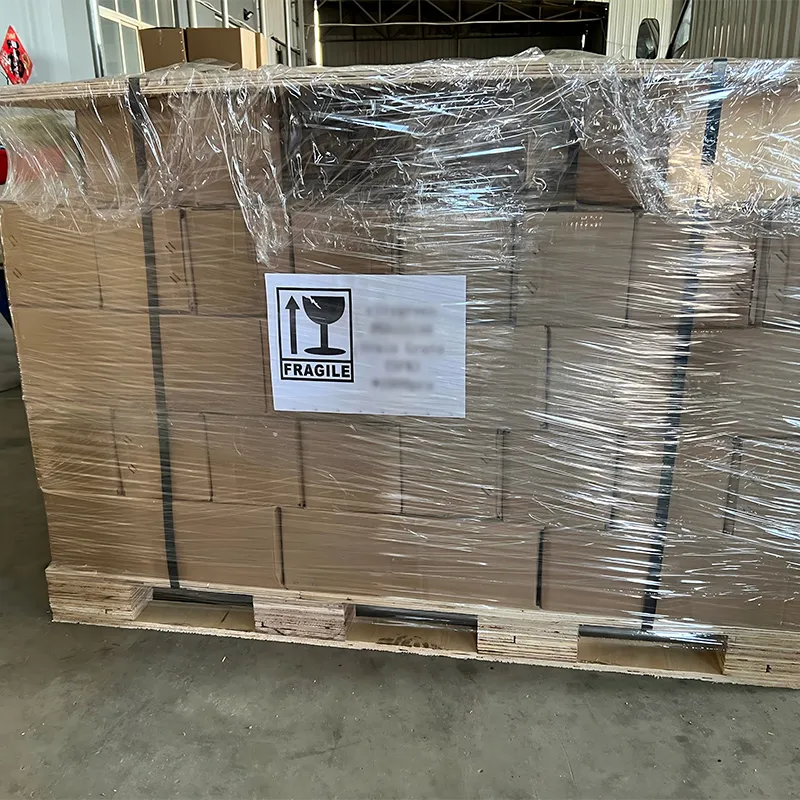
- Outer Packaging: Heavy-duty wooden crates or pallets are used, secured with steel straps. Fragile parts are separated with foam inserts or cardboard dividers.
- Labeling: Clear labeling with part numbers, quantities, and handling instructions ensures easy identification upon arrival.
- Documentation: Complete shipping documents, including packing lists, commercial invoices, and certificates of origin, are provided for smooth customs clearance.
Future Trends in Shell Molding Technology
The casting industry is evolving, and shell molding is at the forefront of technological adoption. Key trends shaping the future include:
- Automation and Robotics: Increased use of robots for sand handling, shell assembly, and pouring improves consistency and safety.
- Digital Simulation: Advanced software for mold filling and solidification simulation helps predict defects before production, reducing trial-and-error costs.
- Eco-Friendly Resins: Development of bio-based and low-emission resins reduces the environmental footprint of the process.
- IoT Integration: Smart sensors monitor process parameters in real-time, enabling predictive maintenance and quality control.
By staying ahead of these trends, we ensure that our clients receive the most advanced and efficient manufacturing solutions available.
Conclusion: Partnering for Precision and Reliability
Shell molding cast iron parts represent a optimal solution for industries demanding high precision, superior surface finish, and cost-effective mass production. Whether you are developing automotive components, hydraulic systems, or industrial machinery, the shell molding process offers the reliability and quality necessary for success.
At Qingdao Qiangsenyuan Technology (QSY), we combine over three decades of engineering expertise with state-of-the-art technology to deliver parts that meet your exact specifications. From our 50,000-square-meter facility, we serve clients in more than 20 countries, providing seamless one-stop solutions from casting to CNC machining. Our commitment to quality, transparency, and customer satisfaction makes us the ideal partner for your casting needs.
Who is this suitable for?
- Automotive OEMs and Tier 1 suppliers seeking high-volume, precise components.
- Hydraulic and pneumatic equipment manufacturers requiring leak-proof, smooth-surface parts.
- Industrial machinery companies needing durable, complex cast iron structures.
- Procurement teams looking for a reliable, ISO-certified source in China.
Ready to optimize your supply chain with high-quality shell molded cast iron parts? Contact our engineering team today for a free DFM analysis and competitive quotation. Let us help you bring your designs to life with precision and efficiency.
Explore Our Full Range of Casting Solutions and Technical Capabilities