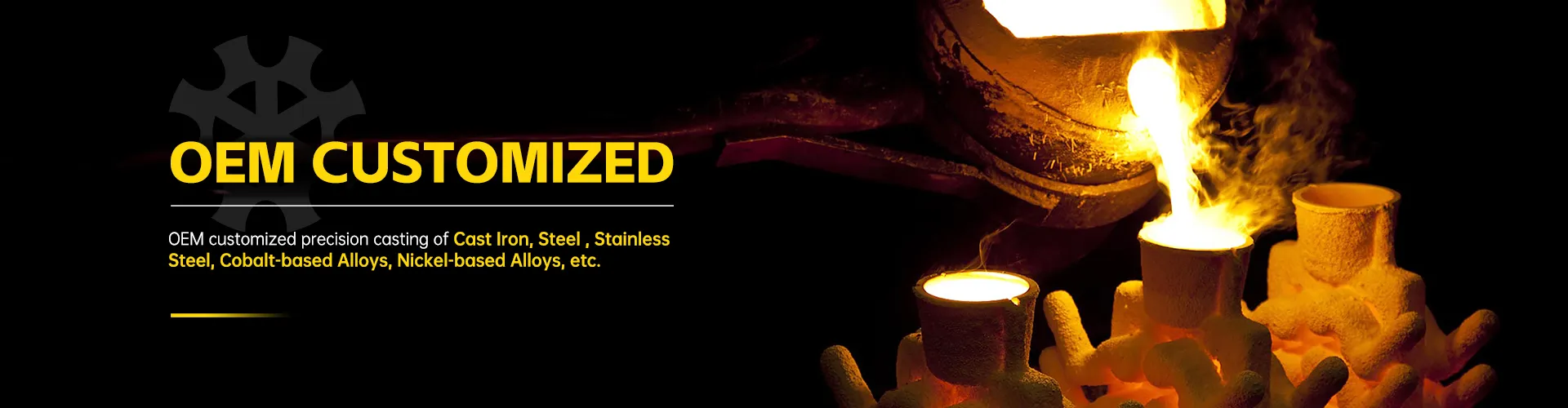
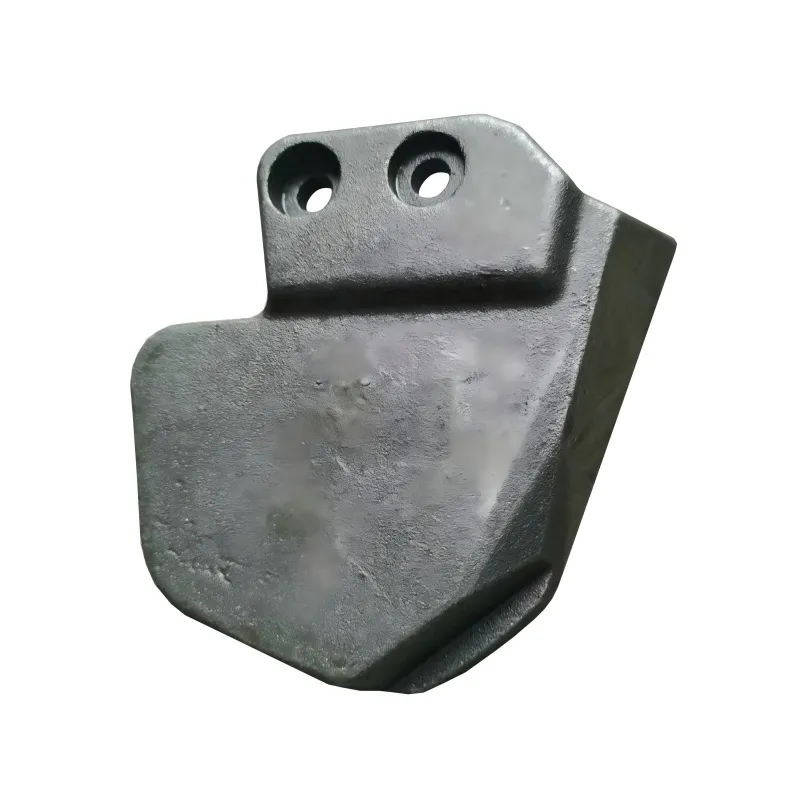
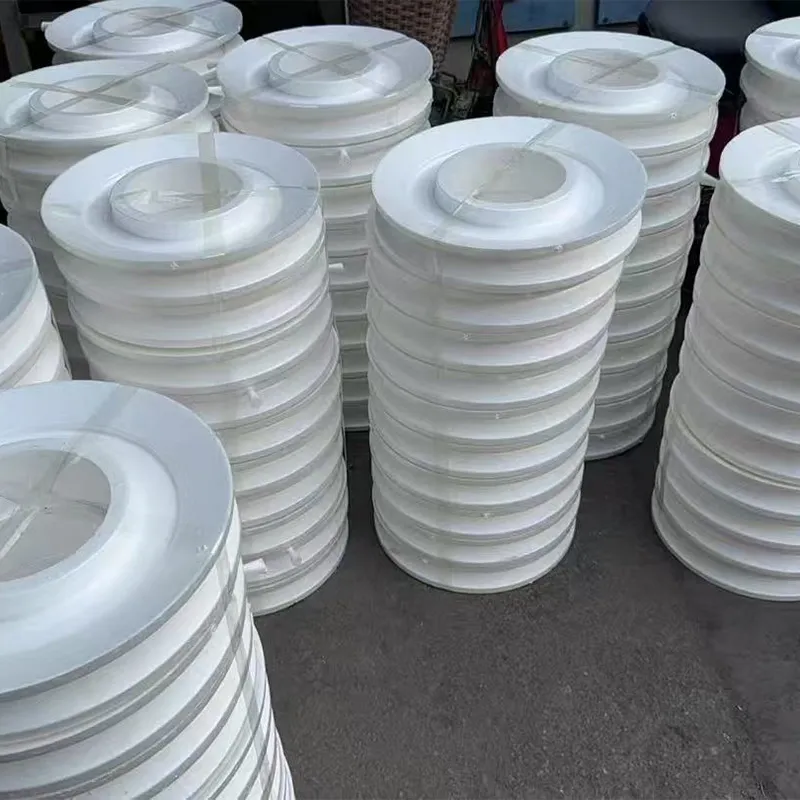
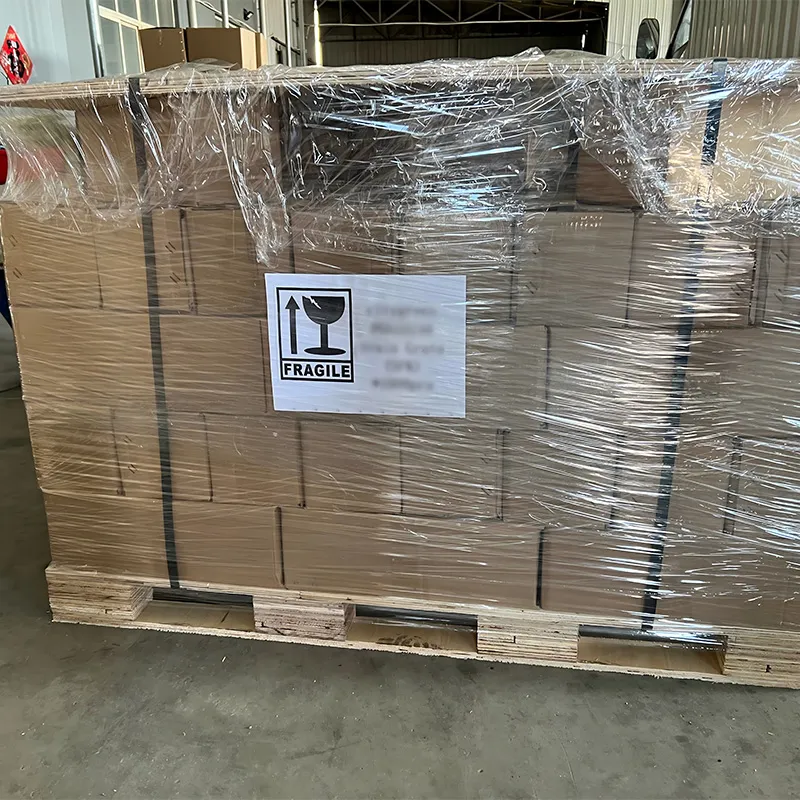
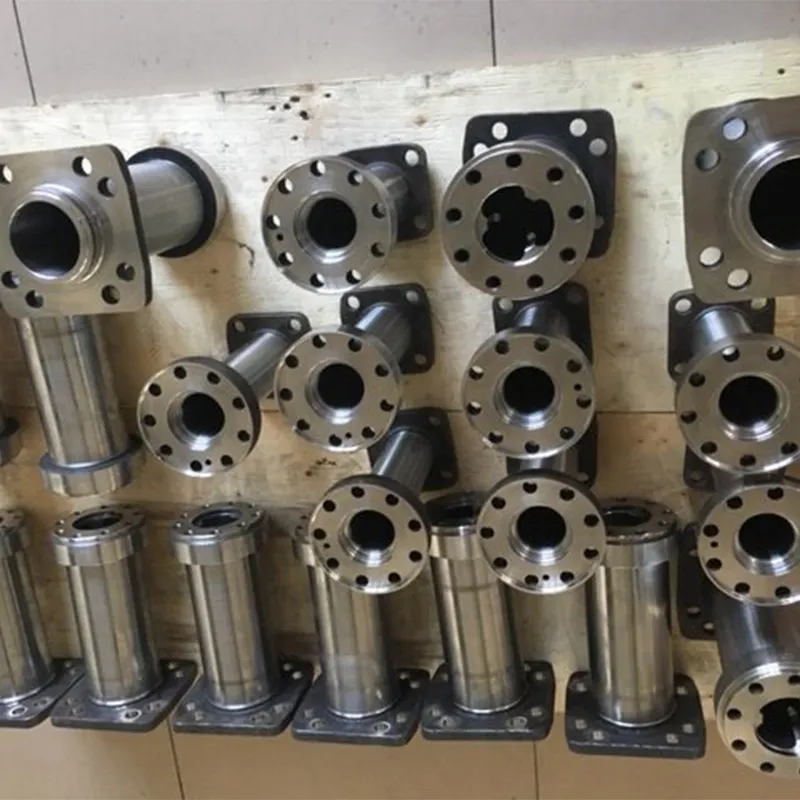
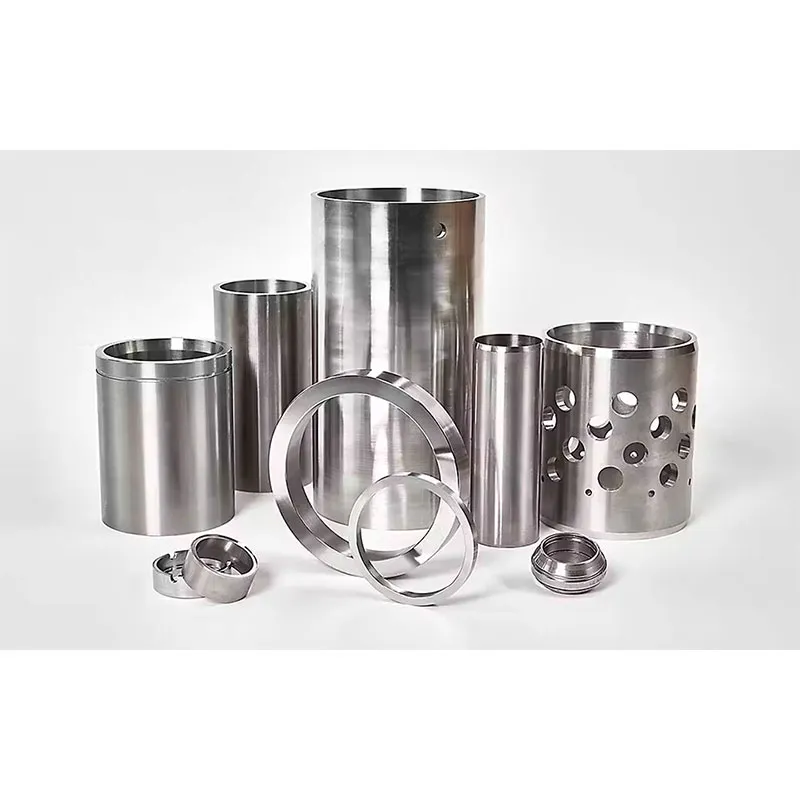
Gravity sand casting is a precision metal forming process that utilizes gravity to fill molds with molten metal, offering superior dimensional accuracy and surface finish compared to traditional green sand methods. At QINGDAO QIANGSENYUAN TECHNOLOGY CO., LTD., we specialize in high-performance gravity sand casting solutions for demanding industrial sectors, including hydraulic systems, oil and gas equipment, and engineering vehicles. Our ISO-compliant facility integrates advanced casting techniques with CNC machining to deliver complex components like cobalt-nickel alloy parts, pressure valves, and pump housings that meet strict international standards.
What Is Gravity Sand Casting?
Gravity sand casting, often referred to as noble sand casting or resin sand casting, is a manufacturing process where molten metal is poured into a mold cavity under the influence of gravity alone. Unlike high-pressure die casting or low-pressure casting, this method relies on the natural flow of liquid metal to fill the intricate details of the sand mold.
The “sand” in gravity sand casting typically refers to chemically bonded sand systems, such as furan resin or phenolic resin bonds, rather than simple clay-bonded green sand. This chemical bonding provides higher mold strength, better thermal stability, and significantly improved surface quality. The result is a casting with tighter tolerances, smoother surfaces, and reduced need for post-casting machining.
For manufacturers like QINGDAO QIANGSENYUAN TECHNOLOGY, this process is critical for producing mission-critical components that require structural integrity under high-pressure or high-wear conditions. By controlling the solidification rate through gravity filling, we minimize turbulence and gas entrapment, leading to denser microstructures and fewer internal defects.
How Gravity Sand Casting Works
The process follows a systematic workflow designed to ensure consistency and quality:
- Pattern Creation: A precise pattern, usually made from metal or high-density plastic, is created based on the final part design, accounting for shrinkage rates.
- Mold Preparation: High-quality silica sand is mixed with a resin binder and hardener. This mixture is packed around the pattern to form the mold cavity.
- Curing: The mold is allowed to cure, hardening the sand to maintain its shape during pouring.
- Metal Pouring: Molten metal (such as steel, iron, or cobalt alloys) is poured into the mold’s gating system. Gravity draws the metal down into the cavity.
- Solidification & Cooling: The metal cools and solidifies within the mold. Controlled cooling rates help prevent cracking and warping.
- Mold Breakout: Once cooled, the sand mold is broken away to reveal the raw casting.
- Finishing & Machining: The casting undergoes cleaning, shot blasting, and precision CNC machining to meet final dimensional specifications.
Gravity Sand Casting vs. Other Casting Methods
Choosing the right casting method depends on part complexity, volume, material requirements, and budget. Below is a comparison of gravity sand casting against other common industrial casting processes.
| Feature | Gravity Sand Casting | Green Sand Casting | Investment Casting | Die Casting |
| Surface Finish | Good (Ra 6.3–12.5 μm) | Rough (Ra 12.5–25 μm) | Excellent (Ra 1.6–3.2 μm) | Very Good (Ra 3.2–6.3 μm) |
| Dimensional Accuracy | High (CT8–CT10) | Low (CT11–CT14) | Very High (CT4–CT6) | High (CT5–CT7) |
| Material Versatility | High (Steel, Iron, Alloys) | High (Iron, Steel, Aluminum) | High (Superalloys, Stainless) | Limited (Aluminum, Zinc, Magnesium) |
| Tooling Cost | Moderate | Low | High | Very High |
| Production Volume | Low to Medium | High | Low to Medium | Very High |
| Part Size Limit | Large to Very Large | Medium to Large | Small to Medium | Small to Medium |
Gravity sand casting strikes an optimal balance for medium-volume production of large, complex parts requiring high mechanical properties. It is particularly suitable for materials that are difficult to machine or cast using other methods, such as the cobalt-nickel alloys processed at QINGDAO QIANGSENYUAN TECHNOLOGY.
Key Advantages of Gravity Sand Casting
Industrial engineers and procurement specialists prefer gravity sand casting for several technical and economic reasons:
Superior Mechanical Properties
Because the metal fills the mold under gravity without high-pressure turbulence, the resulting microstructure is dense and uniform. This reduces the likelihood of porosity and inclusions, which are critical failure points in high-pressure applications like hydraulic valves and pump housings.
Design Flexibility for Complex Geometries
The process accommodates intricate internal passages, undercuts, and varying wall thicknesses. At QINGDAO QIANGSENYUAN TECHNOLOGY, we leverage this flexibility to produce non-standard components like piston pump cylinder housings and winch center shaft rollers, which require precise internal geometries for functional performance.
Cost-Effectiveness for Medium Volumes
Unlike die casting, which requires expensive steel molds, gravity sand casting uses reusable patterns and expendable sand molds. This lowers upfront tooling costs, making it ideal for prototype runs and medium-volume production orders where design iterations may still occur.
Material Compatibility
Gravity sand casting supports a wide range of ferrous and non-ferrous metals. Our expertise extends to high-performance superalloys, including AMS 5387 cobalt alloy 6 and T800 cobalt-based materials. These difficult-to-machine alloys retain their metallurgical integrity through the gravity casting process, ensuring consistent performance in corrosive and high-temperature environments.
Applications of Gravity Sand Casting in Industry
Gravity sand casting is indispensable in sectors where component failure is not an option. QINGDAO QIANGSENYUAN TECHNOLOGY serves global markets in North America, Europe, and Southeast Asia, delivering components for the following key industries:
Hydraulic Systems and Pump Assemblies
Hydraulic pumps operate under extreme pressure, requiring components with zero leakage and high wear resistance. Gravity sand casting produces robust pump foundations, cylinder housings, and pressure valves. Our use of cobalt-nickel alloys ensures these parts withstand abrasive fluids and high cyclic loads without deformation.
Oil and Gas Equipment
In upstream and downstream oil and gas operations, equipment faces corrosive environments and high temperatures. Cast components such as valve bodies, nozzles, and plugs must resist sulfide stress cracking and erosion. Our AMS 5387 compliant cobalt alloy parts provide the necessary corrosion resistance and structural strength for these critical applications.
Engineering Vehicles and Heavy Machinery
Construction and mining vehicles require durable undercarriage and drivetrain components. We manufacture onboard winch center shaft rollers and structural supports using high-strength steel and iron castings. The gravity casting process ensures these large parts have the toughness to absorb shock loads and resist fatigue.
Specialized Industrial Machinery
From textile machinery to power generation equipment, custom cast parts are essential for unique mechanical configurations. Our ability to handle non-standard geometries and specialized materials allows us to support diverse industrial needs with rapid turnaround times.
Why Choose QINGDAO QIANGSENYUAN TECHNOLOGY for Gravity Sand Casting?
As a technology-driven enterprise headquartered in Qingdao, China, QINGDAO QIANGSENYUAN TECHNOLOGY CO., LTD. combines traditional casting expertise with modern manufacturing precision. Our operational model integrates design support, material selection, precision manufacturing, and strict quality assurance.
Expertise in High-Performance Alloys
One of our distinct strengths is our deep technical competence in processing cobalt-nickel and other high-performance alloys. Handling materials like T800 and AMS 5387 requires precise temperature control and specialized molding techniques. Our team maintains technical collaboration with material suppliers to ensure consistent metallurgical properties across batches, reducing the risk of batch-to-batch variation.
Vertically Integrated Manufacturing
We offer end-to-end solutions under one roof. Our ISO-compliant facility is equipped for both precision CNC machining and casting processes. This vertical integration allows us to control dimensional stability, microstructure integrity, and surface quality from the raw material stage to the finished product. Clients benefit from streamlined communication and faster delivery timelines.
Rigorous Quality Control and Traceability
Quality is embedded at every stage of our production workflow. We adhere to documented inspection protocols, including:
- Incoming Material Verification: Spectrometric analysis to confirm alloy composition.
- In-Process Inspection: Dimensional checks using Coordinate Measuring Machines (CMM) and optical measuring instruments.
- Final Assessment: Functional testing and visual assessment per customer specifications.
- Full Traceability: Every critical component is tracked from raw material batch to final shipment, ensuring compliance with international standards.
Engineering Support and DFM Analysis
We do not just manufacture; we partner with our clients. Our project management support includes drawing validation, GD&T interpretation, and Design for Manufacturability (DFM) feedback. By identifying potential issues early in the engineering review phase, we help mitigate risks and optimize costs before production begins.
Technical Specifications and Material Capabilities
Our gravity sand casting capabilities cover a broad spectrum of materials and sizes. Understanding these parameters helps engineers select the right solution for their applications.
| Parameter | Specification |
| Primary Materials | Carbon Steel, Stainless Steel, Gray Iron, Ductile Iron, Cobalt-Nickel Alloys (AMS 5387, T800) |
| Casting Weight Range | 0.5 kg to 500+ kg (depending on geometry and material) |
| Dimensional Tolerance | ISO 8062 CT8–CT10 (Standard), tighter tolerances achievable with machining |
| Surface Roughness | Ra 6.3–12.5 μm (As-cast) |
| Wall Thickness | Minimum 5 mm (varies by material and part size) |
| Heat Treatment | Available (Annealing, Normalizing, Quenching & Tempering) |
| Surface Finishing | Shot blasting, painting, powder coating, electroplating |
Common Challenges and Solutions in Gravity Sand Casting
While gravity sand casting is highly effective, it presents specific challenges that require expert management. At QINGDAO QIANGSENYUAN TECHNOLOGY, we address these proactively.
Gas Porosity
Challenge: Trapped gases from the resin binder or moisture can create voids in the casting.
Solution: We use high-quality, low-gas-emission resins and ensure proper mold venting. Our controlled pouring techniques minimize turbulence, allowing gases to escape safely.
Shrinkage Defects
Challenge: Uneven cooling can lead to shrinkage cavities, especially in thick sections.
Solution: Our engineers use simulation software to optimize gating and riser designs. We implement directional solidification strategies to ensure feed metal reaches all parts of the casting as it cools.
Surface Veining
Challenge: Thermal expansion of sand grains can cause cracks on the casting surface.
Solution: We add zircon flour or other refractory coatings to the mold surface to improve thermal stability and prevent sand-metal reaction.
Frequently Asked Questions (FAQ)
What is the difference between gravity sand casting and green sand casting?
Gravity sand casting uses chemically bonded sand (resin), resulting in harder molds, better surface finish, and higher dimensional accuracy. Green sand casting uses clay-bonded sand, which is softer and cheaper but produces rougher surfaces and lower tolerances. Gravity sand casting is preferred for higher-quality, complex parts.
Can gravity sand casting be used for mass production?
It is most cost-effective for low to medium volumes (prototypes to thousands of units). For very high volumes (tens of thousands), die casting or automated green sand lines may be more economical. However, gravity sand casting remains viable for large, heavy parts where die casting tools would be prohibitively expensive.
What materials can be cast using gravity sand casting?
Almost any metal can be cast, including carbon steel, stainless steel, cast iron, aluminum, copper alloys, and superalloys like cobalt-nickel. QINGDAO QIANGSENYUAN TECHNOLOGY specializes in ferrous alloys and high-performance cobalt-based superalloys.
How does QINGDAO QIANGSENYUAN TECHNOLOGY ensure quality?
We employ a multi-stage quality control process involving spectral analysis of raw materials, in-process dimensional inspection with CMM, and final functional testing. All critical components come with full material traceability and inspection reports.
Do you offer CNC machining services for cast parts?
Yes, we provide vertically integrated services. After casting, parts can be machined to precise tolerances using our multi-axis CNC equipment. This ensures that final dimensions meet strict GD&T requirements without the need for external vendors.
Conclusion: Partnering for Precision and Performance
Gravity sand casting remains a cornerstone of modern industrial manufacturing, offering the perfect blend of design flexibility, material versatility, and structural integrity. For components subjected to high pressure, wear, and corrosion, the quality of the casting process directly impacts operational safety and longevity.
QINGDAO QIANGSENYUAN TECHNOLOGY CO., LTD. stands out as a reliable partner for these demanding applications. With our expertise in high-alloy precision components, vertically integrated manufacturing capabilities, and disciplined quality management, we deliver solutions that meet the rigorous standards of global industries. Whether you need standard iron castings or specialized AMS 5387 cobalt alloy parts, our team is equipped to support your project from design validation to final delivery.
If you are looking for a manufacturer who combines technical depth with responsive service, contact us today. Let us help you optimize your supply chain with high-quality, precision-engineered gravity sand castings.
Explore Our Gravity Sand Casting Solutions and Request a Quote