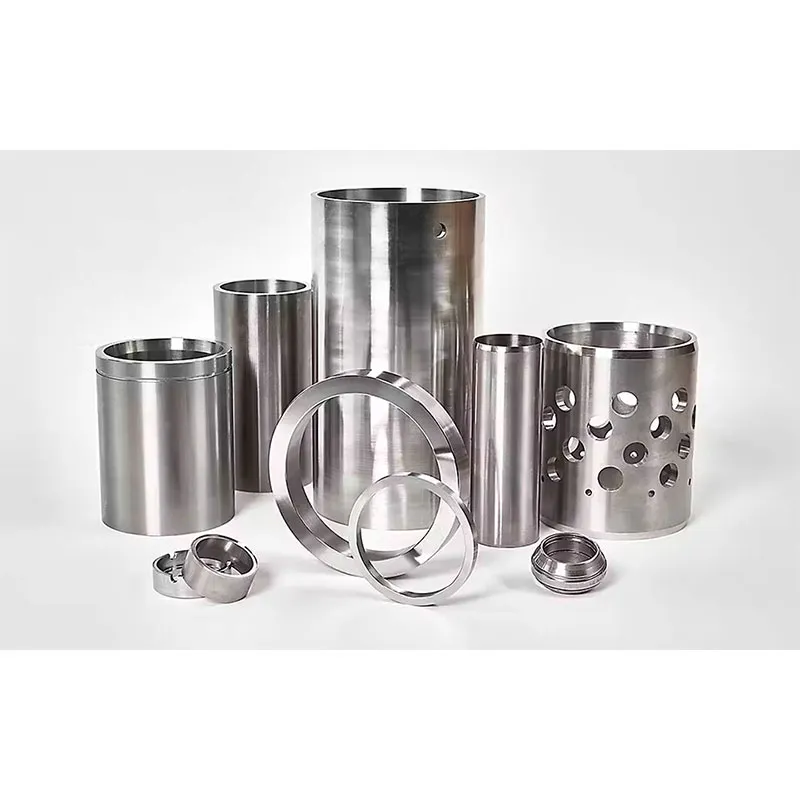
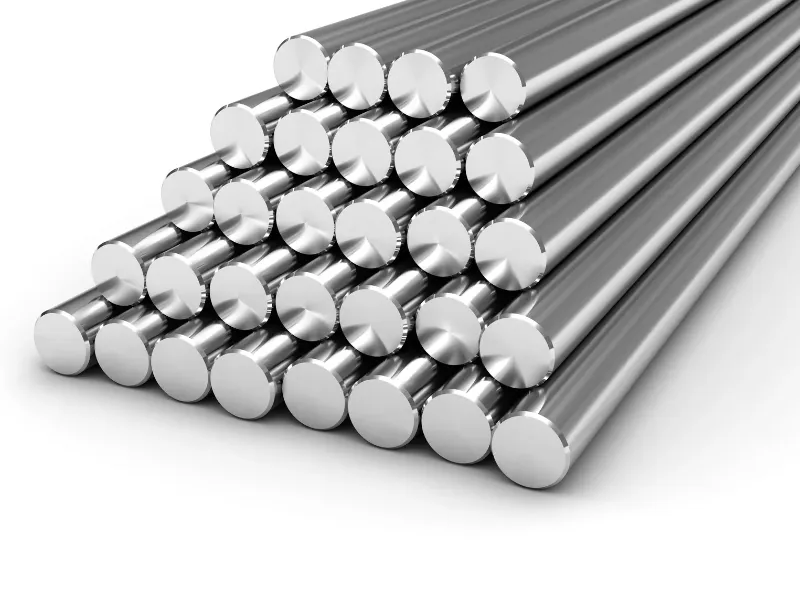
For piping engineers and procurement teams, joint connections are among the highest-risk failure points in seawater and chemical processing systems. Chloride pitting, crevice attack and galvanic corrosion quickly degrade standard carbon steel and stainless steel fittings, triggering unplanned shutdowns, extra maintenance cost and safety hazards. When specifying corrosion-resistant piping hardware for chloride-rich service, monel fitting remains a well-established candidate. This selection guide covers the role of Monel 400 (N04400) fittings, common fitting styles, valid and limiting operating conditions, procurement verification steps and hardware matching rules, so you can make confident decisions for your seawater and chemical piping designs.
Monel 400 Fittings in Seawater and Chemical Piping Systems
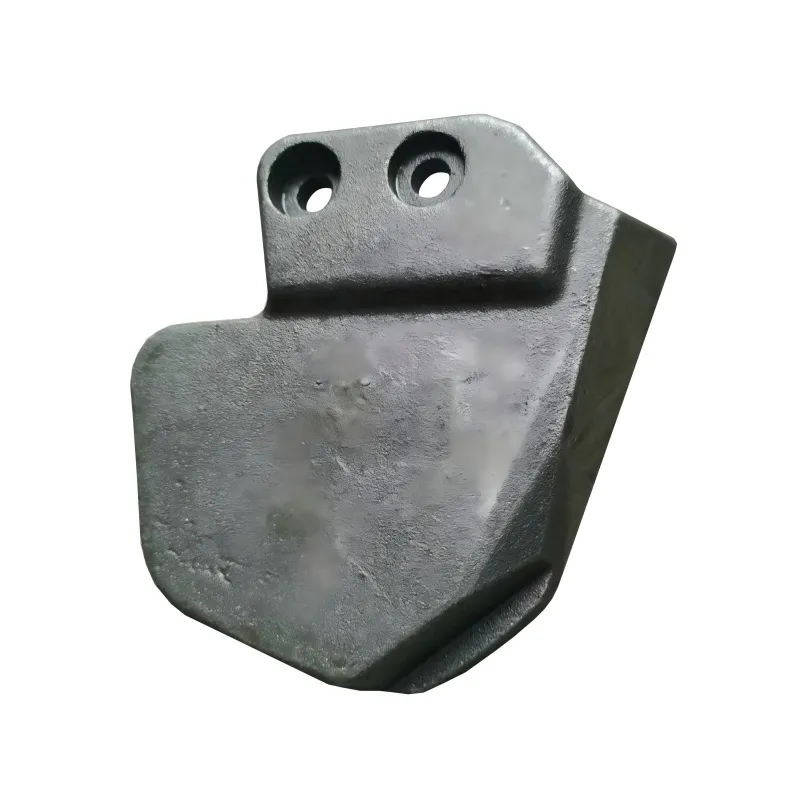
Monel 400, UNS N04400, is a nickel-copper alloy recognised for reliable corrosion resistance in neutral brine and continuously flowing seawater. A monel fitting serves as the pressure-containing connecting component that changes flow direction, creates branches, transitions pipe sizes or forms bolted joints in a piping circuit. It differs from general monel alloy parts, which are engineered for standalone mechanical functions rather than standard pipe connection duties.
Within seawater piping, the alloy resists uniform corrosion and localised pitting under flow conditions, outperforming many conventional austenitic stainless grades. Its nickel-copper matrix forms a stable passive surface layer that holds up under moderate chloride exposure. This trait makes it widely used for offshore cooling circuits, ballast piping and coastal chemical transfer lines. Even so, this protective performance has clear limits, and Monel 400 is not resistant to all aggressive process fluids.
Common Monel Fitting Types and Suitable Application Scenarios
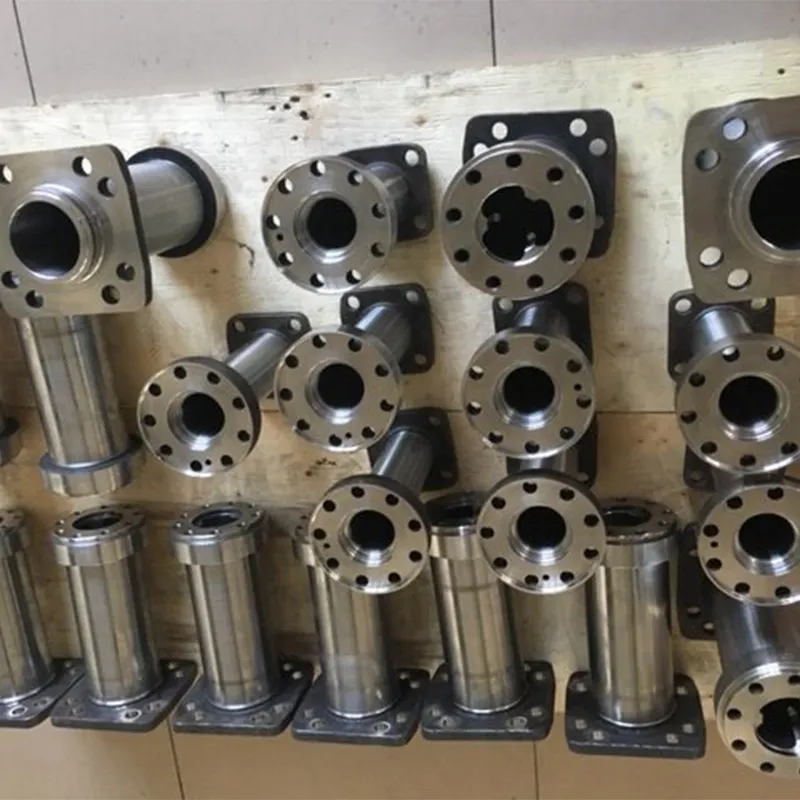
Monel fitting product families include standard geometries widely adopted in marine and chemical piping. Each design serves a distinct installation and maintenance purpose, and bolted assemblies often require matched monel bolts to minimise galvanic corrosion risk.
- Elbow: Redirects pipeline flow. Welded elbows are preferred for permanent, high-flow seawater cooling loops where smooth bends reduce turbulence and erosion.
- Union: Enables fast disassembly without pipe cutting. Best suited for instrument taps, temporary runs and sections scheduled for routine inspection.
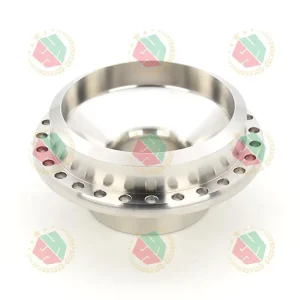
- Flange: Creates bolted joints for larger-diameter, higher-pressure main piping. Sealing depends on gaskets and fasteners; pairing Monel 400 flanges with monel bolts is the industry-preferred configuration.
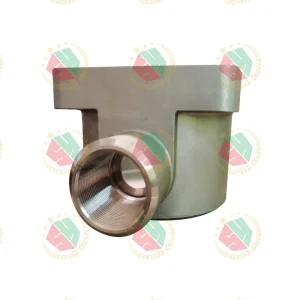
- Tee: Adds branch connections for sampling ports, bypass circuits and secondary takeoffs within chemical distribution networks.
- Reducer: Joins pipe segments of different nominal sizes, typically used where flow velocity or throughput changes within the same corrosion service.
Welded elbows and tees are standard for buried or rarely accessed piping. Unions and flanges are selected for systems that require periodic opening and inspection.
Corrosion Limits: When Monel 400 Fittings Are Not the Best Choice
Monel 400 delivers solid performance in many seawater and mild chemical environments, yet design teams must understand its corrosion boundaries. Specifying monel fitting without reviewing the full operating envelope can lead to unexpected early failure.
First, Monel 400 has poor resistance to strong oxidising acids such as nitric acid, as well as wet chlorine and concentrated hypochlorite solutions, which rapidly break down its passive film. Low-concentration hypochlorite exposure may be tolerable under tightly controlled, intermittent conditions, but it still carries elevated risk. Second, stagnant or low-flow seawater raises the likelihood of chloride pitting and crevice corrosion, even though flowing seawater is generally compatible. Third, galvanic corrosion develops when Monel 400 fittings are electrically coupled to less noble metals such as carbon steel or aluminium with a conductive electrolyte present.
Higher operating temperatures accelerate corrosion rates for borderline media. For these challenging service conditions, alternative nickel alloys, titanium or high-grade super austenitic stainless steels may deliver longer service life.
Specification Checklist for Purchasing Monel 400 Fittings
When sourcing monel fitting, use this checklist to align supplier deliverables with your engineering specification and prevent material substitution or non-conforming hardware.
- Confirm material grade: UNS N04400 / Monel 400, supported by traceable mill test reports.
- Verify fitting geometry: elbow, union, flange, tee, reducer or other required form.
- Confirm nominal pipe size, schedule, pressure class and end preparation (weld end, flange face style).
- Confirm applicable manufacturing standard (e.g. ASME B16.9 for butt-weld fittings, ASME B16.5 for flanges).
- Confirm any project-specified non-destructive testing requirements for critical service.
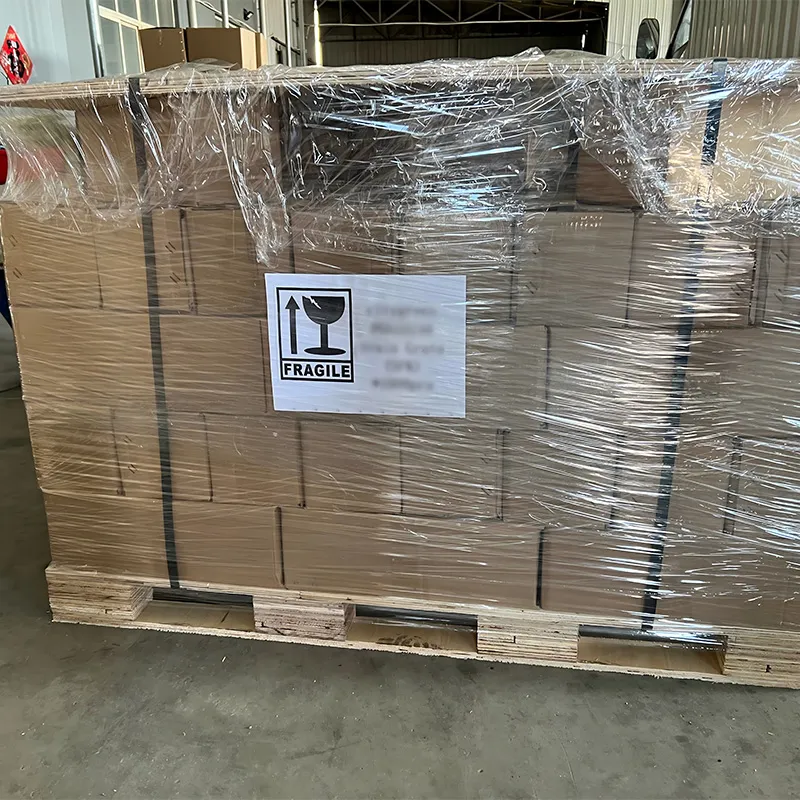
- Confirm surface protection and packaging to avoid iron contamination or damage during transit and storage.
- Cross-check lead time against project milestones, especially for custom non-standard dimensions.
This checklist focuses on fitting-specific attributes. For fastener requirements, refer to dedicated monel bolts specifications.
Compatibility Notes for Matching Monel 400 Fittings, Parts and Bolts
Matching alloy grades is one of the most practical ways to reduce galvanic corrosion risk in assembled piping joints. Where a monel fitting connects to mating hardware or monel alloy parts, same-alloy components represent the conservative first choice.
A frequent design question involves fastener selection for Monel 400 flanges. Stainless steel bolts may appear cost-effective, but continuous seawater exposure creates a dissimilar metal couple that drives corrosion. Monel 400 bolts eliminate this risk for permanent marine service. If dissimilar fasteners must be used for temporary or low-risk systems, isolation gaskets and insulating sleeves are required to break the electrical path.
Gasket material must also be compatible with process fluid and temperature and must not release contaminants that attack Monel 400. When integrating monel alloy parts into the same piping circuit, evaluate the complete assembly rather than qualifying individual components in isolation.
Frequently Asked Questions About Monel 400 Fittings
Are Monel 400 fittings resistant to all chloride-containing seawater?
No. Monel 400 performs reliably in flowing seawater, but stagnant or low-velocity seawater increases chloride pitting and crevice corrosion risk. High-temperature brines and heavily polluted seawater can also shorten service life.
Can I use stainless steel bolts with Monel 400 flanges?
It is not recommended for permanent seawater or continuous chemical service. The dissimilar metal pair creates galvanic corrosion when electrolyte is present. Monel bolts are the preferred matching fastener.
What is the difference between Monel 400 fittings and general Monel alloy parts?
Monel fitting is designed for pipe connection: changing flow direction, branching and forming pressure-containing joints. General monel alloy parts cover custom machined components for separate mechanical functions.
Do Monel 400 fittings require special surface treatment before installation?
Typically no special coating is required. Surface cleanliness is critical. Grease, iron contamination and embedded carbon steel particles should be removed before installation, as these can initiate localised corrosion sites.
What certifications should I ask for when ordering Monel fittings?
At minimum, request mill test reports verifying UNS N04400 chemistry and mechanical properties. Critical service applications may additionally require NDT records and third-party inspection certificates per your project standard.
Get Support for Your Monel 400 Piping Connection Solution
Monel 400 fitting selection depends heavily on process conditions: fluid makeup, temperature, pressure, flow velocity and adjacent construction materials. If you finalise a piping design for seawater or chemical service, review your full operating envelope before locking in material selection.
We can help with selection review and coordinate matched hardware including monel bolts and monel alloy parts for your assembly. Share your medium parameters, design temperature, pressure, pipe schedule and layout requirements, and our team can help assess whether Monel 400 fits your connection points.