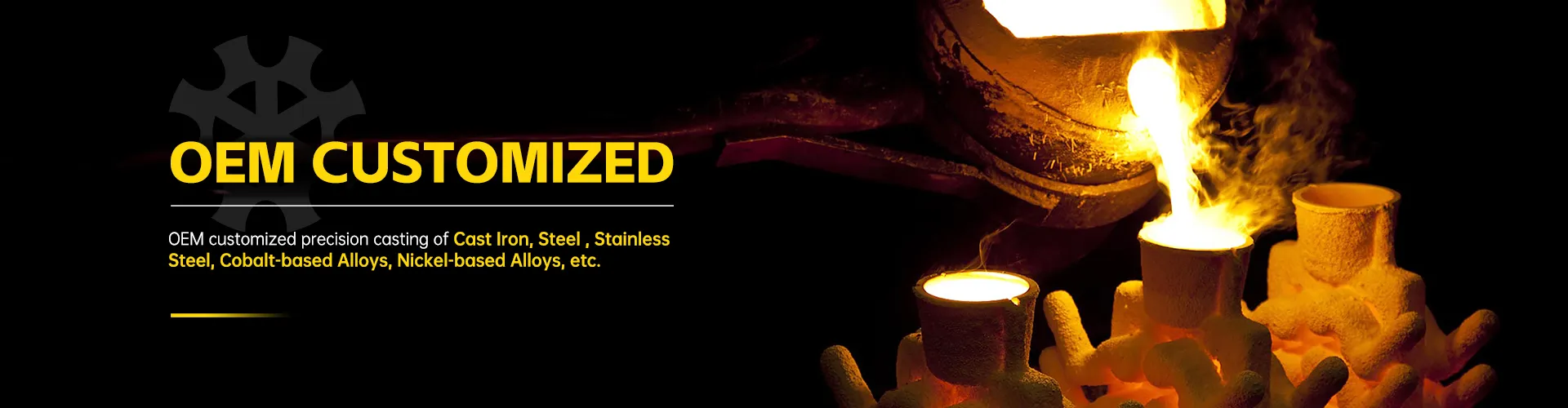
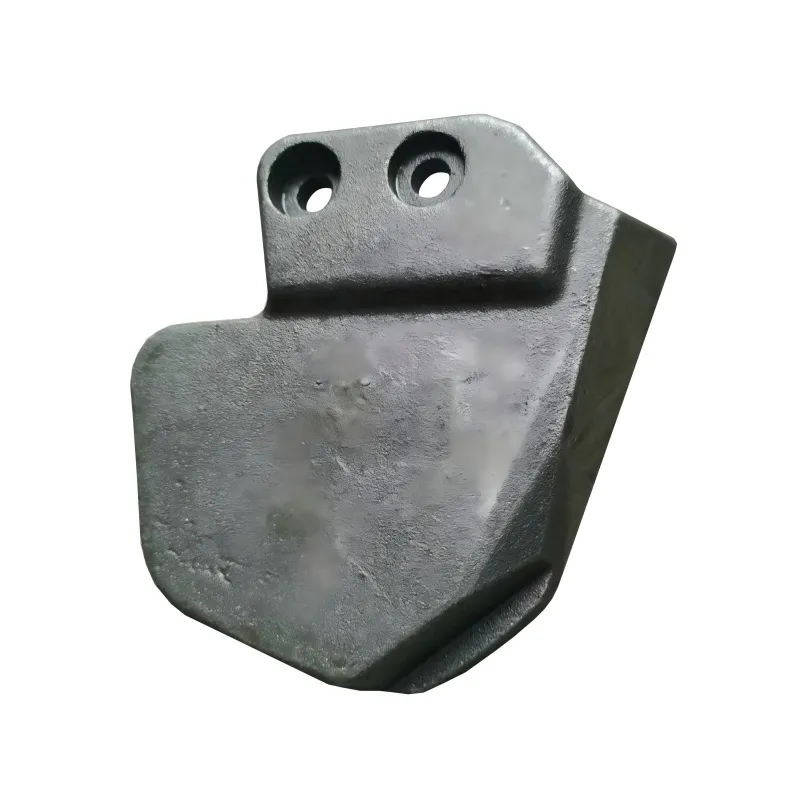
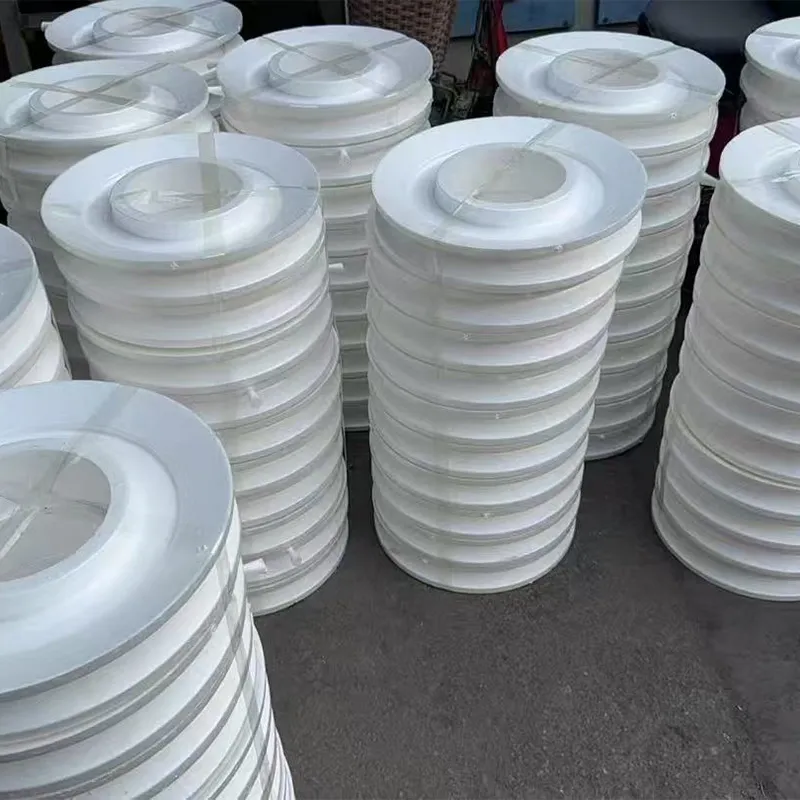
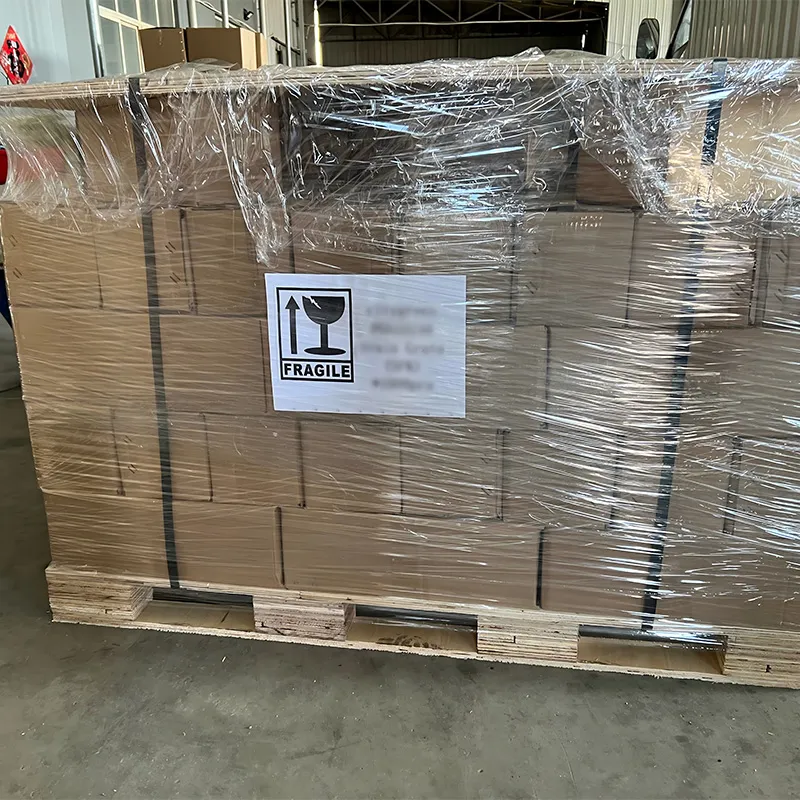
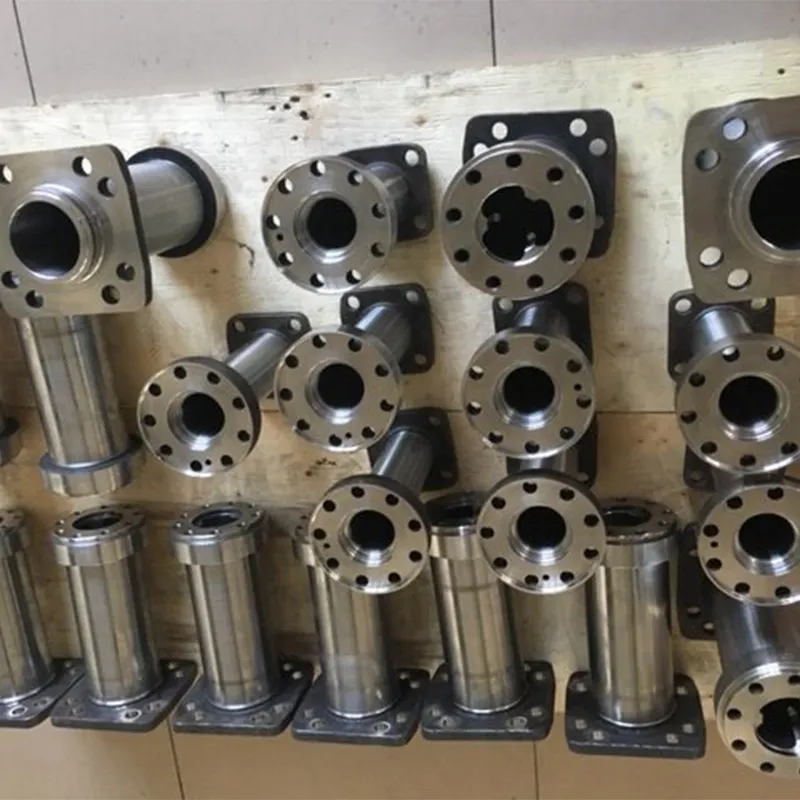
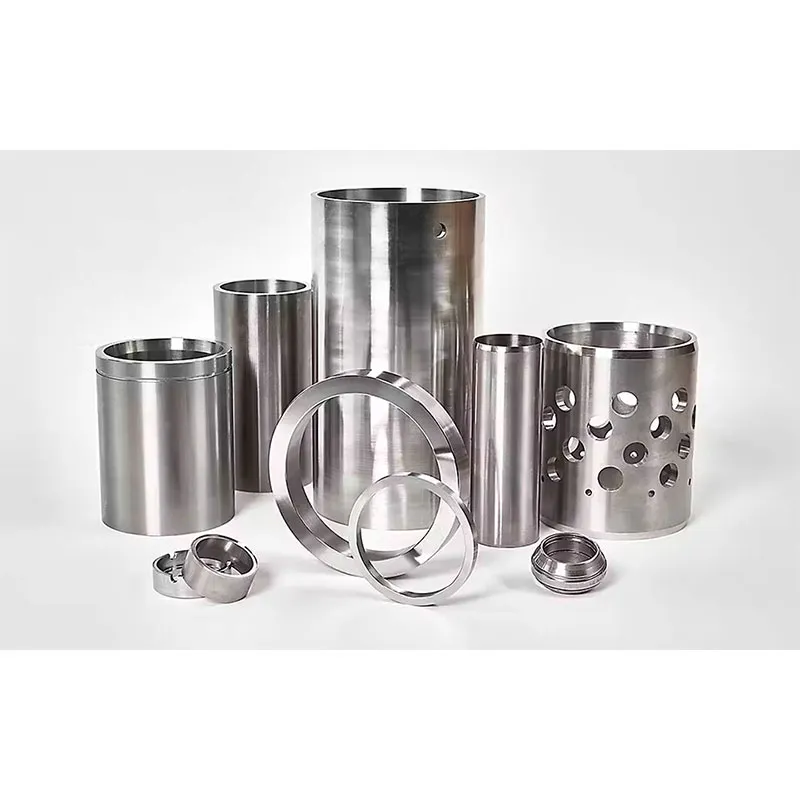
Resin sand casting is a precision manufacturing process that combines silica sand with a chemical resin binder to create high-strength, dimensionally accurate molds for metal casting. Unlike traditional green sand methods, this technique offers superior surface finish and tighter tolerances, making it the preferred choice for complex industrial components. As a specialized resin sand casting manufacturer, we provide comprehensive OEM custom solutions tailored to meet the rigorous demands of automotive, aerospace, heavy machinery, and energy sectors. Our expertise ensures that every cast part meets exact engineering specifications while optimizing production efficiency and cost-effectiveness.
What Is Resin Sand Casting? Understanding the Core Technology
Resin sand casting, often referred to as no-bake or chemical bonding sand casting, represents a significant evolution in foundry technology. The fundamental difference lies in the binding agent. Instead using clay and water (as in green sand casting), this method utilizes organic or inorganic resins that harden at room temperature or with mild heating. This chemical reaction creates a rigid mold structure capable of withstanding the high pressure and temperature of molten metal without deformation.
The process is particularly valued for its ability to produce large, complex geometries that would be difficult or impossible to achieve with other sand casting methods. The rigidity of the resin-bonded sand allows for thinner wall sections and sharper details, reducing the need for extensive post-casting machining. For engineers and procurement specialists, understanding the nuances of this technology is critical for selecting the right manufacturing partner for high-value projects.
The Chemical Bonding Mechanism
The integrity of a resin sand mold depends on the precise mixing of sand, resin, and a catalyst. The most common systems include:
- Furan Resin Systems: Known for excellent strength and resistance to heat, widely used for steel and iron castings.
- Phenolic Urethane (Cold Box): Offers rapid curing times and high dimensional stability, ideal for high-volume production.
- Sodium Silicate (Inorganic): An eco-friendly alternative that eliminates organic emissions, gaining traction in environmentally regulated markets.
Each system has distinct advantages regarding curing time, final mold strength, and environmental impact. A competent manufacturer selects the binder system based on the specific metal alloy being poured and the geometric complexity of the part.
How Does the Resin Sand Casting Process Work?
To appreciate the quality of the final product, it is essential to understand the step-by-step workflow. This transparency highlights where quality control measures are applied and why certain design choices matter. The process is systematic and requires strict adherence to timing and mixing ratios.
Step 1: Pattern Design and Preparation
The journey begins with a detailed CAD model. Engineers analyze the part geometry to determine shrinkage rates, draft angles, and gating systems. Patterns, typically made from wood, metal, or high-density plastic, are prepared with a release agent to ensure easy removal from the sand mold. Precision in this stage directly influences the dimensional accuracy of the final casting.
Step 2: Sand Mixing and Mold Making
Silica sand is mixed with the selected resin and catalyst in a continuous mixer. The mixture must be homogeneous to ensure uniform strength. Once mixed, the sand is packed around the pattern in a flask. Because the resin cures chemically, the mold gains strength rapidly without the need for baking ovens, hence the term “no-bake.” This step is critical for achieving the smooth surface finish characteristic of resin sand casting.
Step 3: Mold Assembly and Gating
After the pattern is removed, the mold halves (cope and drag) are inspected for defects. Cores, which form internal cavities, are inserted. The gating system—channels that guide molten metal into the mold—is carefully constructed to minimize turbulence and prevent air entrapment. Proper gating design is vital to avoid defects like porosity or sand erosion.
Step 4: Pouring and Solidification
Molten metal, whether steel, iron, aluminum, or copper alloys, is poured into the mold at controlled temperatures. The resin bond maintains the mold’s shape under the thermal shock of the liquid metal. The metal fills the cavity, taking the exact shape of the pattern. Cooling rates are monitored to ensure proper metallurgical structure and prevent cracking.
Step 5: Shakeout and Cleaning
Once the metal has solidified and cooled, the sand mold is broken away (shakeout). The resin-bonded sand crumbles easily, facilitating efficient separation of the casting from the mold material. The raw casting then undergoes cleaning processes, including shot blasting, grinding, and cutting off gating systems, to prepare it for inspection.
Key Advantages of Resin Sand Casting for Industrial Applications
Why do leading engineering firms choose resin sand casting over other methods? The benefits extend beyond simple geometry. They impact the total cost of ownership, assembly efficiency, and final product performance.
- Superior Dimensional Accuracy: Resin bonds provide higher mold rigidity than clay bonds, resulting in tighter tolerances. This reduces the amount of machining required after casting, saving time and material costs.
- Excellent Surface Finish: The fine grain structure of the resin-coated sand produces a smoother surface on the casting. This is crucial for parts that require aesthetic appeal or have functional sealing surfaces.
- Design Flexibility: The process accommodates complex internal structures and thin walls. Engineers can design integrated features that would otherwise require multiple welded or machined components.
- Reduced Defect Rates: The stability of the mold minimizes common defects such as mold shift, swelling, and sand inclusion. This leads to higher yield rates and more consistent quality.
- Scalability for Large Parts: Resin sand casting is particularly effective for medium to large-sized castings, where maintaining dimensional stability is challenging with other methods.
Resin Sand Casting vs. Other Casting Methods
Selecting the right casting method is a strategic decision. Below is a comparative analysis to help you understand where resin sand casting fits in the manufacturing landscape.
| Feature | Resin Sand Casting | Green Sand Casting | Investment Casting |
| Surface Finish | Good to Very Good | Rough | Excellent |
| Dimensional Tolerance | Tight (±0.5mm – 1.0mm) | Loose (±1.5mm – 3.0mm) | Very Tight (±0.1mm – 0.5mm) |
| Tooling Cost | Moderate | Low | High |
| Part Size Limit | Very Large (No practical limit) | Large | Limited by wax tree size |
| Production Volume | Low to Medium | High | Low to Medium |
| Lead Time | Short (No baking required) | Very Short | Long (Wax pattern creation) |
This comparison illustrates that resin sand casting occupies a sweet spot for projects requiring high precision and complex geometries in medium volumes, without the prohibitive tooling costs of investment casting or the lower precision of green sand.
Materials and Alloys Compatible with Resin Sand Casting
One of the strengths of our OEM custom solutions is the versatility in material handling. The resin bond system is compatible with a wide range of ferrous and non-ferrous alloys. The choice of alloy depends on the mechanical properties required for the end application.
Ferrous Alloys
Carbon Steel and Alloy Steel: Widely used in construction machinery and mining equipment due to their high strength and wear resistance. Resin sand casting handles the high pouring temperatures of steel effectively, maintaining mold integrity.
Ductile Iron and Gray Iron: Essential for automotive components, pipe fittings, and engine blocks. The damping capacity of iron combined with the precision of resin casting results in parts with excellent vibration resistance and dimensional stability.
Non-Ferrous Alloys
Aluminum Alloys: Preferred for aerospace and automotive applications where weight reduction is critical. Aluminum’s lower melting point allows for faster cycle times and less thermal stress on the mold.
Copper and Bronze: Used in marine environments and electrical applications for their corrosion resistance and conductivity. The smooth surface finish of resin sand casting is particularly beneficial for these materials to reduce friction and wear.
Industries Served by Our Custom Resin Sand Casting Solutions
Our manufacturing capabilities support diverse sectors, each with unique regulatory and performance requirements. We tailor our quality assurance protocols to meet industry-specific standards.
Automotive and Transportation
The automotive industry demands lightweight, high-strength components to improve fuel efficiency and safety. We produce engine blocks, cylinder heads, suspension components, and brake system parts. The precision of resin sand casting ensures that these critical safety components meet strict tolerance requirements.
Heavy Machinery and Construction
Excavators, loaders, and cranes operate in harsh environments. Cast parts such as bucket teeth, boom arms, and hydraulic housings must withstand extreme stress and abrasion. Our resin sand casting process delivers the robustness needed for these heavy-duty applications.
Energy and Power Generation
From wind turbine hubs to oil and gas valve bodies, the energy sector requires reliable components that can operate under high pressure and temperature. We provide certified castings that adhere to international standards for pressure vessels and structural integrity.
Pumps and Valves
Fluid handling equipment requires leak-proof connections and smooth internal passages to minimize flow resistance. The superior surface finish of resin sand casting reduces turbulence and erosion, extending the service life of pumps and valves.
OEM Customization: From Concept to Production
As a dedicated manufacturer, we do not just supply parts; we provide engineering partnerships. Our OEM custom solutions cover the entire product lifecycle, ensuring that your specific requirements are met at every stage.
Design for Manufacturability (DFM) Analysis
Before production begins, our engineering team reviews your CAD files. We identify potential issues such as undercuts, uneven wall thickness, or difficult-to-core features. We provide recommendations to optimize the design for casting, which can significantly reduce costs and improve quality.
Prototype and Sampling
We offer rapid prototyping services to validate designs before full-scale production. Using 3D printing for pattern making, we can produce sample castings quickly. This allows for functional testing and design iteration without the lead time associated with traditional tooling.
Quality Assurance and Certification
Trust is built on verification. Our facility is equipped with advanced inspection tools, including Coordinate Measuring Machines (CMM), X-ray fluorescence spectrometers, and ultrasonic testing equipment. We provide comprehensive material certificates and inspection reports with every shipment, ensuring full traceability.
Common Challenges and How We Mitigate Them
Even with advanced technology, casting involves complex physical phenomena. Understanding potential challenges helps in setting realistic expectations and implementing effective solutions.
Gas Porosity
Resin binders can generate gases when exposed to molten metal. If not vented properly, these gases can become trapped in the casting. We mitigate this by optimizing the resin formulation to reduce gas generation and designing efficient venting systems in the mold.
Veining and Cracking
Thermal expansion of the sand can cause veining (fine cracks) on the casting surface. We address this by using high-quality silica sand with low thermal expansion coefficients and adding additives that enhance the thermal stability of the mold.
Dimensional Variation
Shrinkage during cooling can lead to dimensional deviations. We use sophisticated simulation software to predict shrinkage patterns and adjust the pattern design accordingly. This proactive approach ensures that the final part meets the specified dimensions.
Environmental Considerations in Resin Sand Casting
In 2026, sustainability is not just a regulatory requirement but a business imperative. The foundry industry has made significant strides in reducing its environmental footprint. Modern resin sand casting is cleaner and more efficient than ever before.
- Sand Reclamation: Up to 90% of the sand used in the process can be reclaimed and reused. Advanced thermal and mechanical reclamation systems remove the old resin, allowing the sand to be recycled back into production.
- Low-Emission Resins: We utilize next-generation binders with reduced volatile organic compound (VOC) emissions. These eco-friendly resins improve workplace safety and reduce environmental impact.
- Energy Efficiency: The no-bake nature of the process eliminates the need for large baking ovens, significantly reducing energy consumption compared to other molding methods.
How to Choose the Right Resin Sand Casting Manufacturer
Selecting a partner is a critical decision. Here are key factors to consider to ensure a successful collaboration.
Technical Expertise and Engineering Support
Look for a manufacturer with a strong engineering team that can assist with DFM and problem-solving. Their ability to understand your technical requirements and offer constructive feedback is invaluable.
Quality Control Infrastructure
Verify their quality control capabilities. Do they have in-house testing labs? Are they certified to relevant international standards (e.g., ISO 9001, IATF 16949)? Transparent quality processes are a sign of a reliable partner.
Production Capacity and Lead Times
Ensure that the manufacturer has the capacity to meet your volume requirements and delivery schedules. Ask about their contingency plans for peak demand periods to avoid supply chain disruptions.
Communication and Transparency
Effective communication is key to a successful project. Choose a manufacturer that provides regular updates, clear documentation, and responsive customer service.
Partnering with Qingdao Qiangsenyuan Technology (QSY)
When evaluating potential partners, experience and infrastructure play pivotal roles. Qingdao Qiangsenyuan Technology Co., Ltd. (QSY) brings over 30 years of deep-rooted experience in the casting and machining industry to the table. While we are renowned for our expertise in shell mold casting, lost wax casting, and CNC machining, our comprehensive capabilities extend to supporting complex resin sand casting requirements through our integrated one-stop customized services.
Our state-of-the-art production workshop spans over 50,000 square meters, housing specialized lines for shell mold and investment casting, alongside a dedicated CNC machining workshop, rigorous quality inspection facilities, and professional packaging areas. This vast infrastructure allows us to handle a diverse array of materials, including cast iron, steel, stainless steel, and high-performance special alloys such as cobalt-based and nickel-based alloys.
We serve a global clientele across more than 20 countries, providing critical components for industries ranging from agricultural and medical machinery to food processing, industrial equipment, mining, and petrochemicals. By choosing QSY, you gain a partner committed to delivering precision, reliability, and end-to-end manufacturing solutions that align with your specific industrial needs.
Frequently Asked Questions (FAQ)
What is the typical lead time for resin sand casting?
Lead times vary depending on the complexity of the part and the status of tooling. For existing patterns, production can begin within 2-3 weeks. New tooling development may add 3-4 weeks. We prioritize clear timeline communication during the quoting phase.
Can resin sand casting be used for very small parts?
While technically possible, resin sand casting is most cost-effective for medium to large parts. For very small, high-precision components, investment casting or die casting might be more economical. We can advise on the best method based on your part geometry and volume.
How does the cost compare to green sand casting?
Resin sand casting typically has a higher material cost due to the resin binder. However, it often results in lower overall costs for complex parts due to reduced machining, fewer defects, and better material utilization. A detailed cost analysis is recommended for each project.
What is the maximum size of casting you can produce?
Our facilities can handle castings weighing several tons. The no-bake process is particularly advantageous for large parts because it does not require large ovens for curing. Please contact us with your specific dimensions for a feasibility assessment.
Do you provide secondary machining services?
Yes, we offer integrated secondary machining services including CNC milling, turning, and drilling. This one-stop-shop approach ensures that the final delivered part meets all functional requirements, reducing your supply chain complexity.
Conclusion: Partnering for Precision and Performance
Resin sand casting stands out as a versatile and high-performance manufacturing solution for complex industrial components. Its ability to deliver superior surface finish, tight tolerances, and design flexibility makes it an ideal choice for industries ranging from automotive to heavy machinery. By choosing a specialized manufacturer with deep technical expertise and a commitment to quality, you ensure that your products meet the highest standards of performance and reliability.
Whether you are developing a new prototype or scaling up production for established lines, our OEM custom solutions are designed to support your goals. We combine advanced technology with engineering insight to deliver castings that exceed expectations.
Ready to optimize your manufacturing process?
Contact our engineering team today to discuss your project requirements. Request a quote, submit your CAD files for a DFM review, or learn more about our material capabilities. Let us help you bring your designs to life with precision and efficiency.
Explore Our Resin Sand Casting Capabilities and Request a Quote