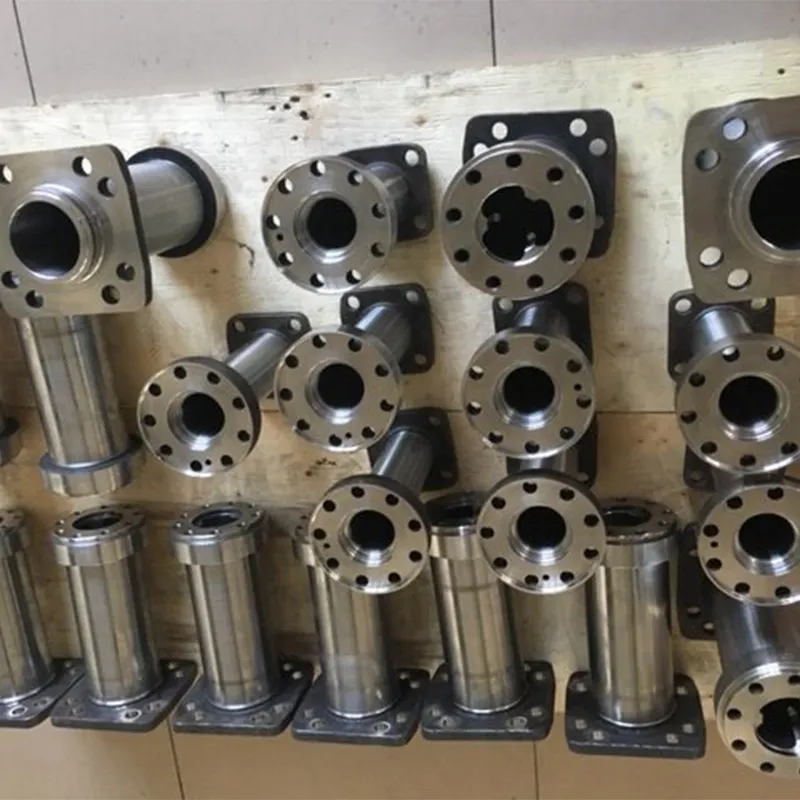
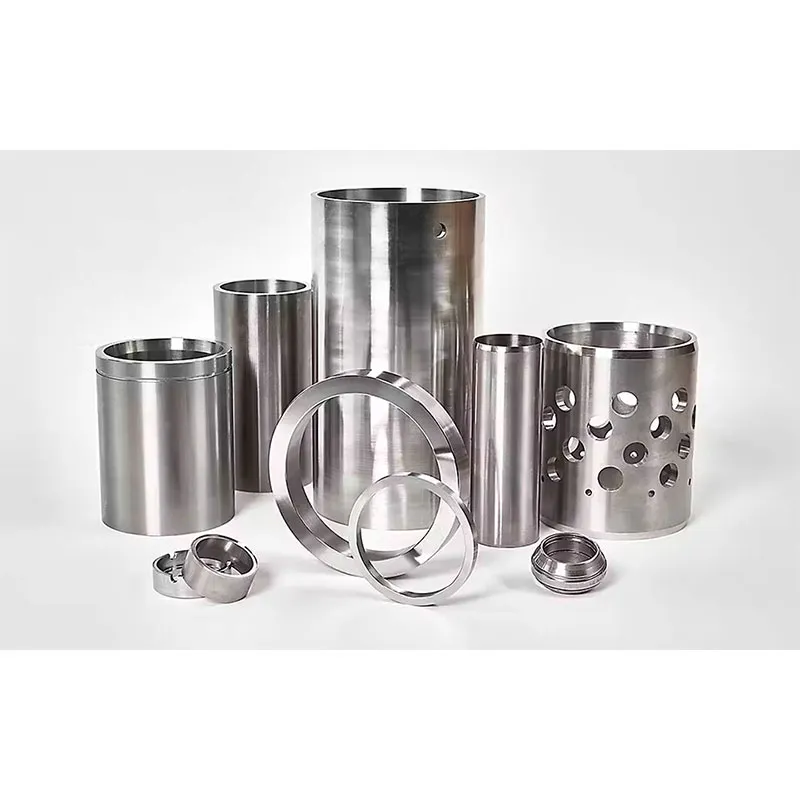
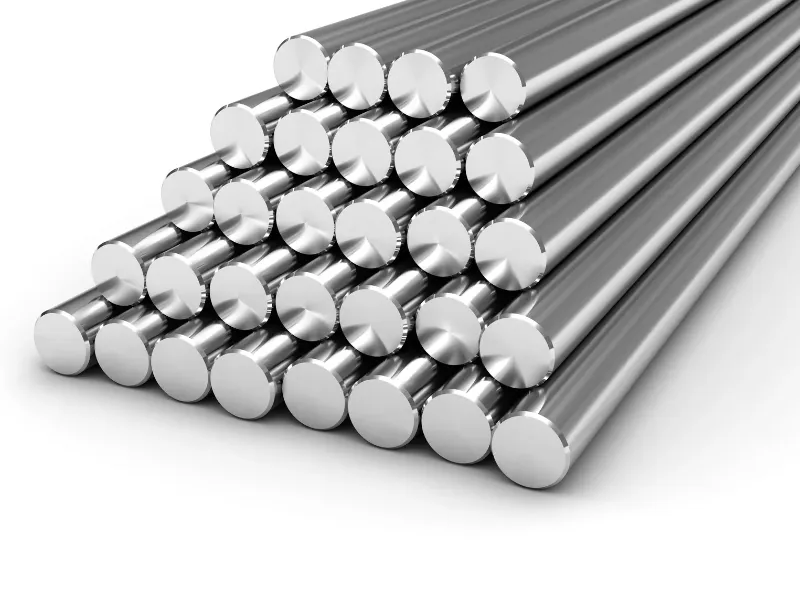
Sand casting cost in 2026 is primarily driven by material volatility, part complexity, and production volume. For most industrial components sourced from China, unit prices typically range from $1.50 to $15.00 per kg, depending on the alloy and finishing requirements. This guide breaks down the exact pricing structures, hidden fees, and strategic sourcing methods to help B2B buyers optimize their supply chain budgets while maintaining strict quality standards.
Understanding Sand Casting Cost Drivers in 2026
Determining the final price of a sand cast component is not a linear calculation. It involves a complex interplay of raw material indices, labor efficiency, energy consumption, and post-processing needs. In 2026, the global manufacturing landscape has shifted towards higher precision expectations and stricter environmental compliance, both of which influence baseline costs.
Buyers often mistake the “per kilogram” price as the sole metric for comparison. However, this approach ignores critical factors like pattern amortization, machining allowances, and defect rates. A comprehensive understanding of these drivers allows procurement teams to negotiate more effectively and select the right manufacturing partner.
Raw Material Volatility and Alloy Selection
The base metal constitutes approximately 40-60% of the total sand casting cost. In 2026, fluctuations in iron ore, scrap steel, aluminum, and copper prices directly impact quotes. Foundries typically adjust their pricing models monthly or quarterly based on London Metal Exchange (LME) or local Chinese commodity indices.
- Gray Iron (HT200/HT250): Generally the most cost-effective option due to abundant scrap availability and lower melting points. Ideal for housing, brackets, and non-structural components.
- Ductile Iron (QT450-10/QT500-7): Commands a premium of 10-20% over gray iron due to the addition of nodulizing agents (such as ferrosilicon magnesium) and stricter process control requirements.
- Steel Castings: Higher melting temperatures increase energy costs and refractory wear, resulting in prices 30-50% higher than iron counterparts.
- Aluminum Alloys (A356/A380): While lighter, aluminum requires careful handling to prevent oxidation and porosity, often leading to higher processing costs despite lower raw material weight.
When requesting quotes, specify the exact standard (e.g., ASTM, DIN, GB) to ensure the foundry accounts for the correct alloy composition costs. Vague specifications often lead to contingency buffers in pricing, inflating the initial quote.
Part Complexity and Geometric Factors
Complexity is a major cost multiplier. Simple geometric shapes with uniform wall thickness are easy to mold and require minimal core usage. Conversely, parts with internal cavities, undercuts, or varying wall thicknesses demand sophisticated core assemblies and specialized molding techniques.
Core Usage: Each sand core adds to the cost through core box fabrication, core shooting time, and assembly labor. Complex parts may require multiple cores, increasing the risk of shift errors and subsequent rejection rates.
Wall Thickness: Extremely thin walls require higher pouring temperatures and faster fill rates, increasing the risk of cold shuts and misruns. This necessitates higher skill levels and slower production cycles, driving up unit costs.
Production Volume and Economies of Scale
Volume significantly influences the amortization of fixed costs, particularly pattern and tooling expenses. In low-volume runs (prototyping or small batches), the tooling cost per unit is high. As volume increases, this fixed cost spreads out, reducing the marginal cost per part.
- Prototype (1-50 units): High unit cost due to manual molding or rapid prototype patterns (3D printed sand molds).
- Medium Volume (50-5,000 units): Balanced cost structure using reusable wooden or metal patterns.
- High Volume (5,000+ units): Lowest unit cost, leveraging automated molding lines and durable metal tooling.
For 2026 sourcing strategies, consolidating orders to achieve higher volume tiers can yield significant savings, provided inventory holding costs do not offset the manufacturing discounts.
Breakdown of Sand Casting Cost Components
To accurately evaluate a quote, it is essential to dissect the cost structure into its constituent elements. Most Chinese manufacturers provide a consolidated price, but understanding the breakdown helps identify areas for optimization.
| Cost Component | Percentage of Total Cost | Description & Optimization Tips |
| Material Cost | 40% – 60% | Raw metal, alloys, and additives. Optimize by selecting standard alloys and minimizing gating system waste. |
| Labor & Overhead | 20% – 30% | Molding, pouring, cleaning, and inspection. Automation reduces this share in high-volume runs. |
| Energy & Utilities | 10% – 15% | Electricity for melting furnaces and sand reclamation systems. Energy-efficient foundries offer better long-term stability. |
| Tooling Amortization | 5% – 10% | Pattern and core box costs spread over the order quantity. Negotiate separate tooling payments for transparency. |
| Post-Processing | 5% – 15% | Shot blasting, grinding, heat treatment, and machining. Complex finishing requirements drastically increase this segment. |
Tooling and Pattern Costs
Tooling is a one-time upfront investment that varies based on material and complexity. In China, pattern costs are generally lower than in Western countries due to competitive mold-making sectors.
- Wooden Patterns: Low cost ($200-$800), suitable for prototypes or very low volumes. Prone to wear and dimensional instability over time.
- Resin/PLA Patterns: Moderate cost ($500-$1,500), good for medium volumes. Offers better surface finish than wood.
- Aluminum/Metal Patterns: High cost ($1,500-$5,000+), essential for high-volume automated production. Provides superior dimensional accuracy and longevity.
Buyers should clarify whether tooling costs are included in the unit price or billed separately. Separate billing is preferred for accounting clarity and asset ownership.
Surface Finishing and Machining Allowances
As-cast surfaces rarely meet final functional requirements. Standard post-processing includes shot blasting to remove sand residue and improve surface texture. Additional costs arise from:
- Grinding: Removal of gates, risers, and flash. Manual grinding is labor-intensive; robotic grinding offers consistency at higher initial setup costs.
- Heat Treatment: Annealing, normalizing, or quenching and tempering to achieve desired mechanical properties. This adds energy and time costs.
- CNC Machining: If tight tolerances are required on specific faces, CNC machining is necessary. Providing detailed machining drawings helps the foundry allocate proper stock allowance, avoiding excessive material removal costs.
China Manufacturer Pricing Analysis 2026
China remains a dominant player in the global sand casting market due to its integrated supply chain, skilled labor force, and scalable infrastructure. However, the cost advantage has evolved from purely cheap labor to efficient manufacturing ecosystems.
Regional Price Variations in China
Manufacturing costs vary across different provinces in China, influenced by local labor rates, environmental regulations, and proximity to raw materials.
- Shandong Province: A hub for heavy iron castings. Competitive pricing due to high concentration of foundries and proximity to iron ore resources. Ideal for large, heavy components.
- Jiangsu & Zhejiang Provinces: Known for higher precision and export-oriented facilities. Slightly higher labor costs but better quality control systems and English-speaking management teams. Suitable for complex automotive and machinery parts.
- Hebei Province: Traditional manufacturing base with lower overheads. Often used for simpler, high-volume commodity castings. Quality consistency can vary, requiring rigorous supplier vetting.
- Guangdong Province: Focus on smaller, high-precision non-ferrous castings (aluminum/zinc). Higher operational costs but advanced technology adoption.
Labor and Environmental Compliance Costs
In 2026, environmental regulations in China are strictly enforced. Foundries must invest in dust collection, sand reclamation, and emission control systems. These compliance costs are passed on to buyers but ensure sustainable and reliable supply chains.
Labor costs have risen steadily, prompting many foundries to automate molding lines. While this increases capital expenditure, it reduces dependency on manual labor, stabilizing long-term pricing and improving consistency. Buyers should prioritize suppliers with automated lines for critical components.
Exchange Rate Impact
The USD/CNY exchange rate plays a crucial role in final landed costs. A stronger Yuan increases prices for US buyers, while a weaker Yuan offers cost advantages. Most contracts in 2026 include currency fluctuation clauses to mitigate this risk. Locking in exchange rates or using hedging strategies can protect margins during volatile periods.
Step-by-Step Guide to Calculating Sand Casting Costs
Accurate cost estimation requires a systematic approach. Follow these steps to generate a realistic budget for your sand casting project.
Step 1: Define Part Specifications
Gather all technical data, including 3D CAD files, 2D drawings with tolerances, material standards, and annual volume forecasts. Clear specifications prevent ambiguity and allow suppliers to provide accurate quotes.
Step 2: Estimate Net Weight and Gating System
Calculate the net weight of the part. Add an estimated 15-30% for the gating system (runners, risers, and sprues) to determine the gross weight. The gross weight determines the raw material cost.
Step 3: Determine Tooling Requirements
Assess the complexity to decide on pattern material. For high volumes, invest in metal tooling to reduce unit costs. For prototypes, consider 3D printed sand molds to bypass tooling costs entirely, albeit at a higher per-unit price.
Step 4: Identify Post-Processing Needs
List all required secondary operations: heat treatment, surface coating, CNC machining, or assembly. Each step adds labor and machine time. Provide detailed drawings for machining to allow precise quoting.
Step 5: Request Detailed Quotes
Send RFQs to at least three qualified suppliers. Ask for a breakdown of material, labor, tooling, and overhead. Compare not just the bottom line, but the cost structure to identify outliers or hidden fees.
Step 6: Factor in Logistics and Duties
Include shipping costs (FOB vs. DDP), insurance, and import duties. Heavy castings incur significant freight charges. Optimizing packaging density can reduce shipping costs per unit.
Comparing Sand Casting with Alternative Processes
While sand casting is versatile, it is not always the most cost-effective method for every application. Understanding when to switch to alternative processes can save money.
| Feature | Sand Casting | Investment Casting | Die Casting |
| Initial Tooling Cost | Low | Medium | High |
| Unit Cost (High Volume) | Medium | High | Low |
| Part Size Limit | Very Large (No practical limit) | Small to Medium | Small to Medium |
| Surface Finish | Rough (Ra 12.5-25 μm) | Smooth (Ra 1.6-3.2 μm) | Very Smooth (Ra 0.8-1.6 μm) |
| Tolerances | ±0.5mm to ±2mm | ±0.1mm to ±0.5mm | ±0.1mm to ±0.3mm |
| Best For | Large, complex, low-to-medium volume | Small, intricate, high precision | High volume, thin-walled, non-ferrous |
Strategic Insight: Use sand casting for large structural components where surface finish is less critical. Switch to investment casting for small, complex parts requiring minimal machining. Choose die casting for high-volume consumer electronics or automotive parts where speed and finish are paramount.
Common Hidden Costs in Sand Casting Procurement
Budget overruns often stem from overlooked expenses. Being aware of these hidden costs helps in creating more accurate financial projections.
- Defect Rates and Rework: Standard quotes assume a certain rejection rate (e.g., 3-5%). If quality issues exceed this, rework or replacement costs can escalate. Establish clear quality agreements and penalty clauses for high rejection rates.
- Pattern Maintenance: Patterns wear out over time. Clarify who bears the cost of pattern repair or replacement. Typically, the buyer pays for new patterns, but maintenance should be part of the supplier’s overhead.
- Expedited Shipping: Delays in production or customs can necessitate air freight instead of sea freight, drastically increasing logistics costs. Build buffer time into your schedule.
- Testing and Certification: Third-party inspection (SGS, BV) or specific material testing (spectrometry, tensile tests) may incur additional fees. Confirm if these are included in the quote.
- Minimum Order Quantities (MOQs): Small orders may incur setup fees or higher unit prices to cover fixed costs. Consolidate orders to meet MOQs or negotiate setup fee waivers for long-term contracts.
How to Reduce Sand Casting Costs Without Compromising Quality
Cost reduction should not come at the expense of performance. Implement these engineering and procurement strategies to optimize spending.
Design for Manufacturing (DFM)
Collaborate with your foundry early in the design phase. Simple design changes can significantly reduce costs:
- Uniform Wall Thickness: Prevents shrinkage defects and reduces the need for complex cooling systems.
- Generous Radii: Sharp corners create stress concentrations and molding difficulties. Adding radii improves flow and reduces cracking.
- Minimize Cores: Redesign internal features to allow self-coring or simplify core assembly. Fewer cores mean lower tooling and labor costs.
- Standardize Components: Use common hardware and fittings to reduce custom machining requirements.
Optimize Material Usage
Work with the foundry to optimize the gating system. Efficient gating reduces metal waste and improves yield. Using simulation software (like MagmaSoft) can predict filling patterns and identify potential defects before production, saving trial-and-error costs.
Strategic Supplier Partnership
Long-term partnerships enable better pricing. Suppliers are more willing to invest in dedicated tooling and process optimization for loyal customers. Share your forecast visibility to help them plan production efficiently, reducing their inventory and overtime costs, which can be passed on as savings.
Quality Control and Standards in Chinese Foundries
Ensuring consistent quality is critical to avoiding costly rejections. In 2026, leading Chinese foundries adhere to international standards.
Key Certifications to Look For
- ISO 9001: Basic quality management system certification.
- IATF 16949: Essential for automotive suppliers, demonstrating rigorous process control.
- ISO 14001: Environmental management, indicating compliance with green manufacturing practices.
Inspection Protocols
Implement a multi-stage inspection process:
- First Article Inspection (FAI): Verify dimensions and material properties of the first batch before full production.
- In-Process Inspection: Monitor key parameters during production to catch deviations early.
- Final Random Inspection (FRI): Check finished goods for surface defects, dimensions, and packaging before shipment.
Use non-destructive testing (NDT) methods like X-ray, ultrasonic, or magnetic particle inspection for critical internal defects. Define acceptance criteria clearly in your quality agreement to avoid disputes.
Industry Spotlight: Integrating Precision and Scale
While understanding cost drivers is essential, selecting a partner with the right infrastructure and experience is equally vital. For instance, Qingdao Qiangsenyuan Technology Co., Ltd. (QSY) exemplifies how modern foundries integrate diverse capabilities to offer comprehensive solutions. With over 30 years of experience in the casting and machining industry, QSY has expanded beyond traditional sand casting to specialize in shell mold casting, lost wax (investment) casting, and precision CNC machining.
Operating from a production workshop covering over 50,000 square meters, QSY encompasses dedicated production lines for shell mold and investment casting, alongside a fully equipped CNC machining workshop, quality inspection center, and packaging facility. This integrated approach allows for seamless transitions between casting methods and final machining, reducing logistical friction and ensuring tighter quality control.
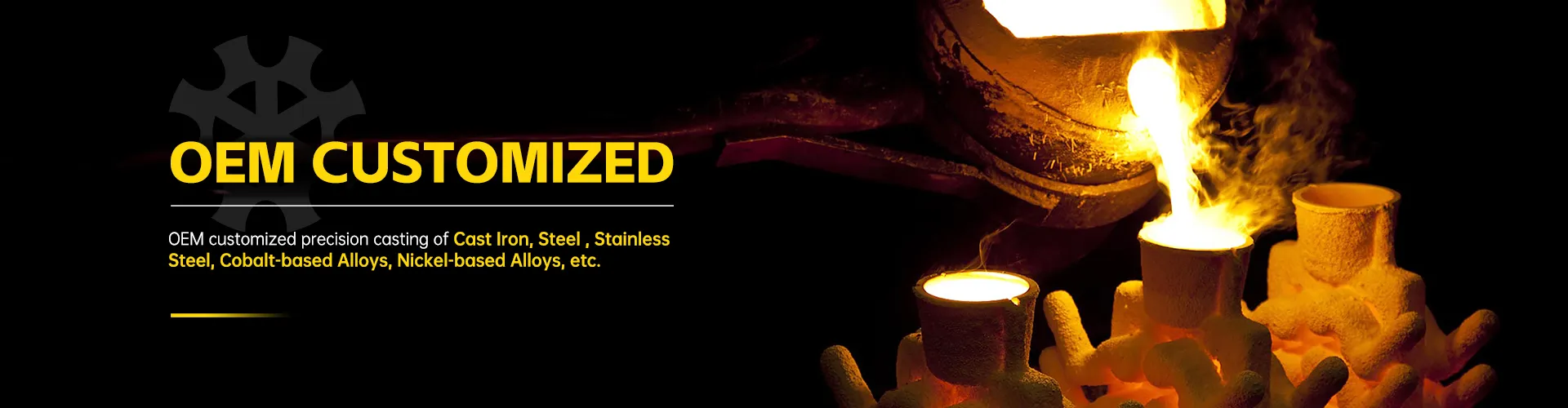
Their material expertise spans cast iron, steel, stainless steel, and special alloys such as cobalt-based and nickel-based alloys, catering to demanding sectors including agricultural machinery, medical and food processing equipment, industrial machinery, mining, and petrochemicals. By providing one-stop customized casting and machining services, QSY serves clients in over 20 countries, demonstrating how established manufacturers leverage scale and specialization to deliver value beyond simple unit pricing.
Frequently Asked Questions (FAQ)
What is the average lead time for sand casting from China?
Typical lead times range from 4 to 8 weeks. This includes 2-3 weeks for pattern making and sample approval, and 2-4 weeks for mass production. Expedited services may reduce this to 3-4 weeks but often incur rush fees.
How does the minimum order quantity (MOQ) affect sand casting cost?
Higher MOQs significantly reduce unit costs by spreading fixed tooling and setup costs over more units. For low volumes, consider sharing tooling costs or using rapid prototyping methods to avoid high MOQ penalties.
Can I get a refund if the castings fail quality inspection?
Reputable suppliers offer warranties against manufacturing defects. If parts fail agreed-upon quality standards, they will typically rework or replace them at their own cost. Ensure your contract specifies rejection criteria and remediation procedures.
What is the difference between green sand and resin sand casting costs?
Green sand casting is generally cheaper and faster, suitable for high-volume, lower-precision parts. Resin sand casting (no-bake) offers better dimensional accuracy and surface finish but involves higher material costs and longer curing times, making it more expensive per unit.
How do I verify the material composition of sand castings?
Request a Mill Test Certificate (MTC) or chemical analysis report from the foundry. For critical applications, conduct independent spectroscopic testing on samples to verify alloy composition against standards like ASTM or GB.
Strategic Sourcing Recommendations for 2026
Navigating the sand casting market in 2026 requires a balanced approach to cost, quality, and risk. Here are final recommendations for B2B buyers:
- Diversify Your Supply Base: Avoid reliance on a single supplier. Maintain relationships with at least two qualified foundries to mitigate risk and leverage competitive pricing.
- Invest in Digital Collaboration: Use cloud-based PLM tools to share CAD files and feedback instantly. This reduces communication errors and accelerates the DFM process.
- Focus on Total Landed Cost: Do not just compare EXW or FOB prices. Calculate the total landed cost, including freight, duties, insurance, and inventory holding, to make informed decisions.
- Prioritize Sustainability: Choose suppliers with strong environmental credentials. This not only ensures regulatory compliance but also aligns with corporate ESG goals, enhancing brand reputation.
Conclusion
Understanding sand casting cost in 2026 involves more than just comparing per-kilogram prices. It requires a holistic view of material trends, design complexity, tooling investments, and logistical realities. By leveraging the cost drivers and strategies outlined in this guide, B2B buyers can secure competitive pricing from Chinese manufacturers without sacrificing quality or reliability.
Whether you are sourcing heavy industrial components or precision machinery parts, the key lies in early supplier engagement, clear technical specifications, and strategic volume planning. Partnering with experienced manufacturers who prioritize transparency and quality assurance will drive long-term value for your supply chain.
Ready to optimize your casting procurement strategy? Contact our engineering team for a detailed cost analysis and customized sourcing solution tailored to your specific project needs.
Explore Our Sand Casting Solutions and Request a Quote