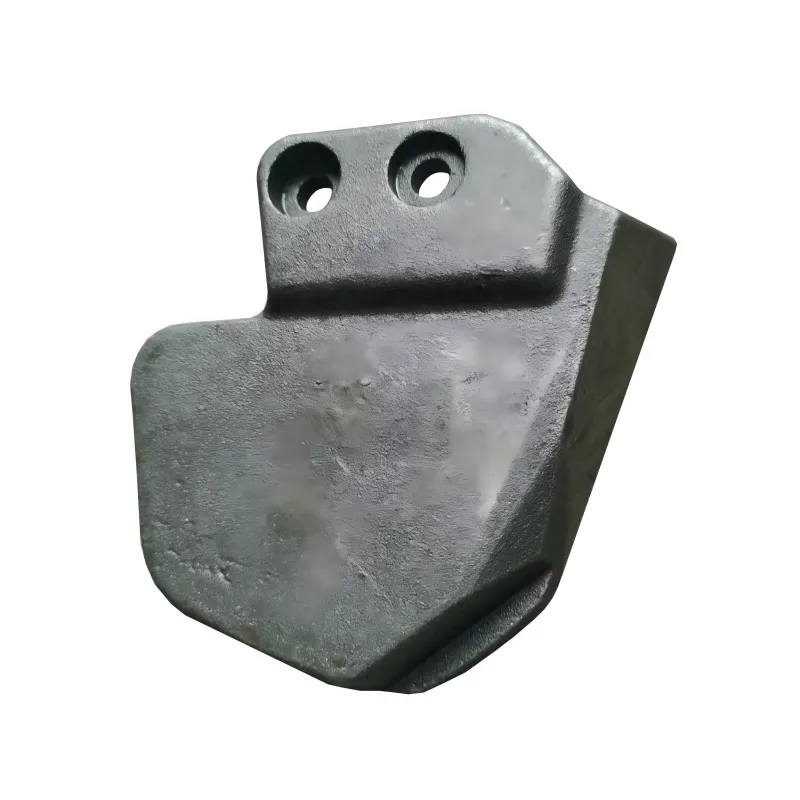
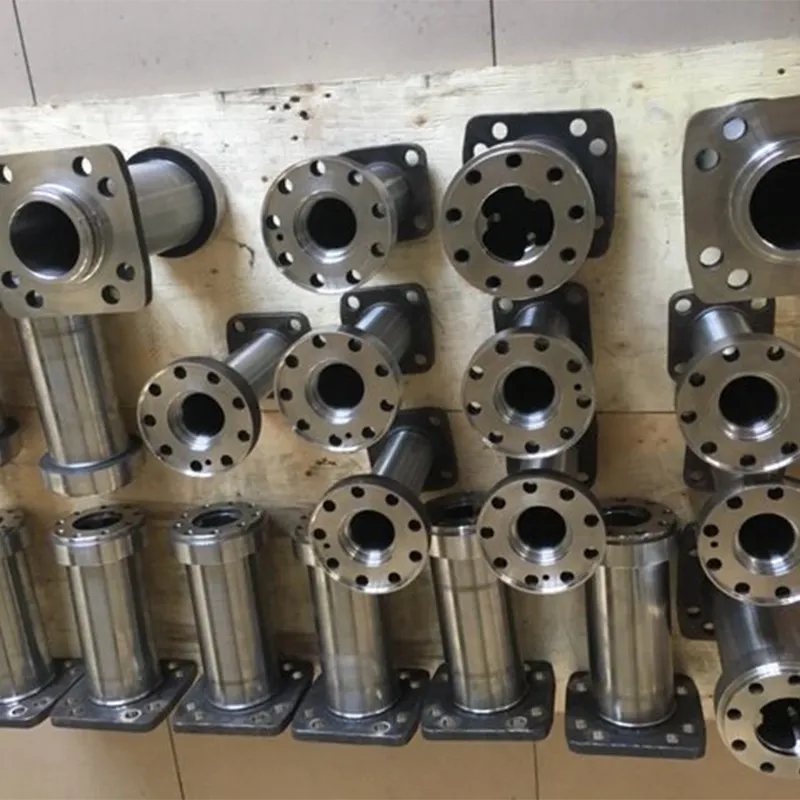
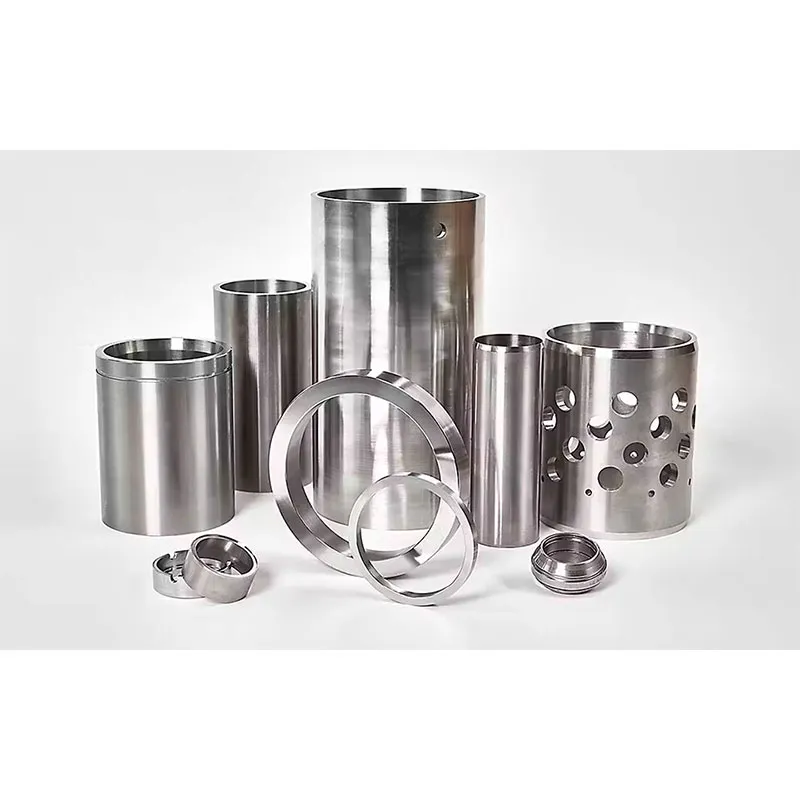
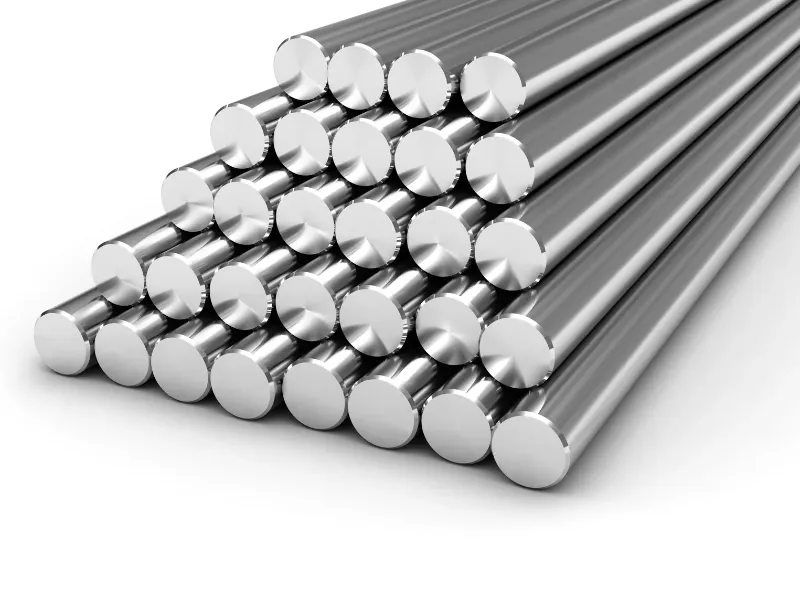
Shell molding cast iron parts are precision-engineered components produced using the shell molding process, a technique that combines fine silica sand with a thermosetting resin to create durable molds. This method is specifically favored by engineers for manufacturing complex cast iron geometries with superior surface finishes and tight dimensional tolerances compared to traditional sand casting. By utilizing pre-coated sands and heated metal patterns, the process forms a hard shell capable of withstanding molten iron, resulting in high-quality parts essential for automotive, hydraulic, and heavy machinery applications.
What Is the Shell Molding Process for Cast Iron?
The shell molding process, often referred to as the “Croning” process, represents a significant evolution in foundry technology for producing cast iron components. Unlike green sand casting, which uses moist clay-bonded sand, shell molding relies on dry, free-flowing sand coated with a phenolic resin. When this sand contacts a heated metal pattern, typically made of iron or steel, the resin cures instantly to form a thin, rigid shell around the pattern shape.
This hardened shell serves as the mold cavity. Once the pattern is removed, two halves of the shell are clamped or glued together to form the complete mold. Molten cast iron is then poured into this assembly. The result is a casting with exceptional dimensional accuracy and a smooth surface finish, reducing the need for extensive post-casting machining. Engineers prefer this method when part complexity and consistency are critical factors in the design phase.
Key Differences Between Shell Molding and Green Sand Casting
Understanding the distinction between shell molding and conventional green sand casting is vital for selecting the right manufacturing route. While both methods produce cast iron parts, their operational mechanics and output characteristics differ significantly. The choice often depends on production volume, required tolerance levels, and budget constraints.
Green sand casting remains the most common method due to its low tooling costs and flexibility for large parts. However, it often struggles with maintaining tight tolerances on intricate features. In contrast, shell molding offers a middle ground between the roughness of green sand and the high cost of investment casting. It provides a repeatable process ideal for medium-to-high volume runs where quality consistency is paramount.
| Feature | Shell Molding Cast Iron Parts | Green Sand Cast Iron Parts |
| Surface Finish | Excellent (smooth, minimal cleaning) | Moderate to Rough (requires more finishing) |
| Dimensional Tolerance | Tight (±0.005 inches typical) | Looser (±0.015 inches or more) |
| Pattern Material | Metal (Iron/Steel/Aluminum) | Wood or Metal |
| Production Speed | High (automatable) | Moderate |
| Best For | Complex, medium-sized parts | Large, simple, or low-volume parts |
| Tooling Cost | Higher initial investment | Lower initial investment |
Step-by-Step Guide: How Shell Molding Works
The creation of shell molding cast iron parts follows a precise sequence of operations designed to ensure mold integrity and casting quality. Each step plays a crucial role in defining the final properties of the component. Automation is frequently employed in modern foundries to enhance consistency and throughput.
The process begins with the preparation of the pattern plate. A metal pattern, machined to the exact specifications of the desired part including shrinkage allowances, is heated to a specific temperature, usually between 400°F and 600°F (200°C – 315°C). This thermal energy is the catalyst for the resin curing reaction.
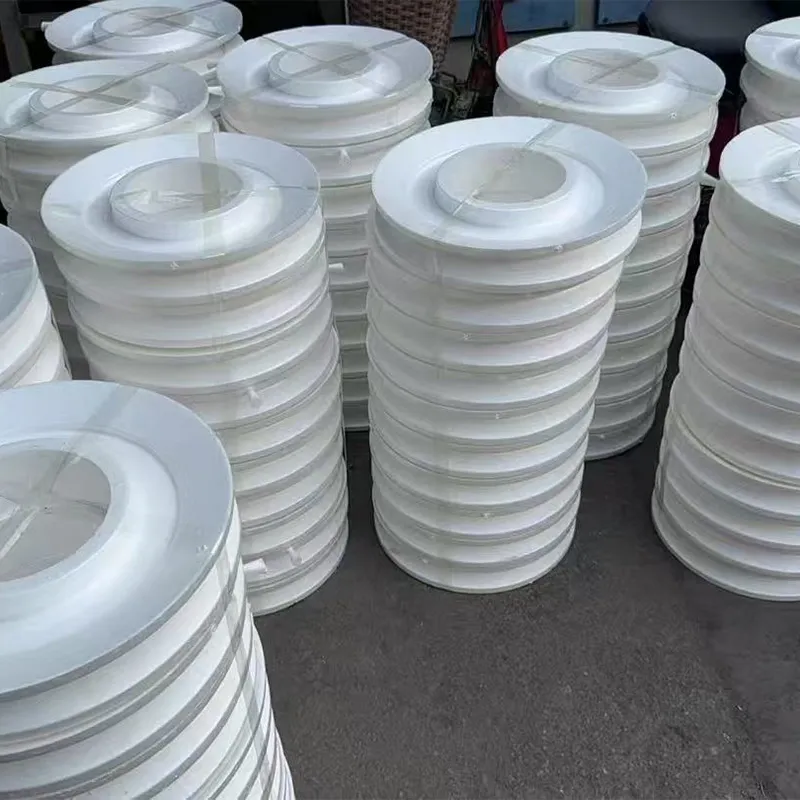
- Sand Application: Pre-coated sand, consisting of silica grains and a thermosetting phenolic resin, is dumped or blown over the heated pattern. The heat causes the resin to melt and coat the sand grains immediately adjacent to the pattern surface.
- Curing Phase: The pattern remains in contact with the sand for a brief period, allowing the resin to cure and form a solid shell. The thickness of this shell, typically ranging from 10 to 20 millimeters, is controlled by the dwell time and pattern temperature.
- Shell Removal: The pattern plate is inverted, allowing the uncured, loose sand to fall away into a reservoir for reuse. What remains is a hollow shell adhering to the pattern.
- Ejection: Ejector pins push the hardened shell off the pattern. At this stage, the shell is semi-permeable, allowing gases to escape during pouring while retaining the molten metal.
- Mold Assembly: Two matching shells (cope and drag) are aligned and joined using mechanical clamps or adhesive resins. Core inserts can be placed inside if internal cavities are required.
- Pouring and Cooling: Molten cast iron is poured into the assembled mold. After solidification and cooling, the brittle sand shell is broken away via vibration or shot blasting to reveal the finished casting.
Material Selection for Shell Molding Patterns
The durability and thermal conductivity of the pattern material directly influence the efficiency of the shell molding cycle. Since the pattern must withstand repeated heating and cooling cycles without warping, material selection is a critical engineering decision.
Cast Iron Patterns: These are the industry standard for high-volume production. They offer excellent thermal mass, ensuring consistent shell thickness across thousands of cycles. Their rigidity prevents deformation under the pressure of the sand dump.
Steel Patterns: Used for applications requiring extreme wear resistance or when very fine details are needed. Steel patterns can be polished to a mirror finish, which translates to smoother surfaces on the final cast iron parts.
Aluminum Patterns: While less durable than iron or steel, aluminum heats up faster, potentially reducing cycle times for specific alloys. However, they are generally reserved for lower-volume runs or prototype phases due to softer physical properties.
Advantages of Shell Molding for Cast Iron Components
Engineers increasingly specify shell molding for critical applications due to its unique blend of economic and technical benefits. The process addresses many limitations associated with traditional casting methods, particularly regarding surface quality and geometric precision.
Superior Surface Finish: The fine grain size of the silica sand used in shell molding, combined with the smooth metal pattern, produces castings with a surface finish often ranging from 125 to 250 micro-inches. This reduces the amount of grinding or machining required post-casting, lowering overall manufacturing costs.
Tight Dimensional Control: Because the mold is rigid and does not expand significantly upon contact with molten metal (unlike green sand), shell molding achieves tighter tolerances. This consistency is vital for parts that must mate with other components without extensive fitting.
Reduced Machining Allowances: The accuracy of the process allows designers to reduce the amount of extra material left for machining. This leads to weight reduction in the final part and savings in raw material costs, which is particularly important given the fluctuating price of iron and energy.
High Production Rates: The shell molding process is highly amenable to automation. Modern machines can produce hundreds of molds per hour, making it an ideal solution for mass production environments where lead time and volume are key constraints.
Limitations and Considerations
While shell molding offers numerous advantages, it is not a universal solution for every casting requirement. Understanding its limitations helps engineers make informed decisions during the product design phase.
Size Constraints: The process is generally best suited for small to medium-sized parts. Very large castings may be difficult to handle due to the fragility of the thin shell before pouring, and the equipment required to manipulate large shells becomes prohibitively expensive.
Pattern Cost: The initial investment for metal patterns is significantly higher than for wood patterns used in green sand casting. This makes shell molding less economical for very low-volume production runs or one-off prototypes unless the part complexity demands it.
Resin Fumes: The curing of phenolic resins generates fumes that must be properly managed. Foundries must invest in adequate ventilation and filtration systems to ensure worker safety and environmental compliance, adding to the operational overhead.
Common Applications of Shell Molded Cast Iron Parts
The versatility of shell molding cast iron parts has led to their widespread adoption across various industrial sectors. The ability to produce complex shapes with high integrity makes them indispensable in applications where failure is not an option.
Automotive Industry
The automotive sector is the largest consumer of shell molded components. Engines and transmission systems rely on parts that can withstand high temperatures, pressures, and dynamic loads. Common examples include cylinder heads, intake manifolds, connecting rods, and differential cases. The smooth internal passages achievable with shell molding improve fluid dynamics in intake and exhaust systems, enhancing engine efficiency.
Hydraulic and Pneumatic Systems
Valve bodies, pump housings, and fittings often require leak-proof integrity and precise bore dimensions. Shell molding provides the necessary surface finish to minimize leakage paths and reduce the need for sealing compounds. The dimensional stability ensures that valves operate smoothly without binding, even after prolonged use.
Agricultural and Construction Machinery
Heavy-duty equipment operates in harsh environments where component reliability is critical. Gearbox housings, brake drums, and suspension components produced via shell molding offer the strength of cast iron with the precision needed for efficient power transmission. The process allows for the integration of mounting bosses and intricate ribbing that strengthens the part without adding excessive weight.
Consumer Appliances and Power Tools
From lawn mower decks to compressor housings, consumer-facing products benefit from the aesthetic quality of shell molded parts. The reduced surface roughness means these parts often require less painting or coating to achieve a premium look, aligning with consumer expectations for quality and durability.
Partnering with Experienced Manufacturers
Selecting the right manufacturing partner is as crucial as choosing the correct casting process. To fully realize the benefits of shell molding, companies require a supplier with deep industry expertise, advanced infrastructure, and a commitment to quality. Qingdao Qiangsenyuan Technology Co., Ltd. (QSY) exemplifies such a partner, bringing over 30 years of specialized experience in the casting and machining industry.
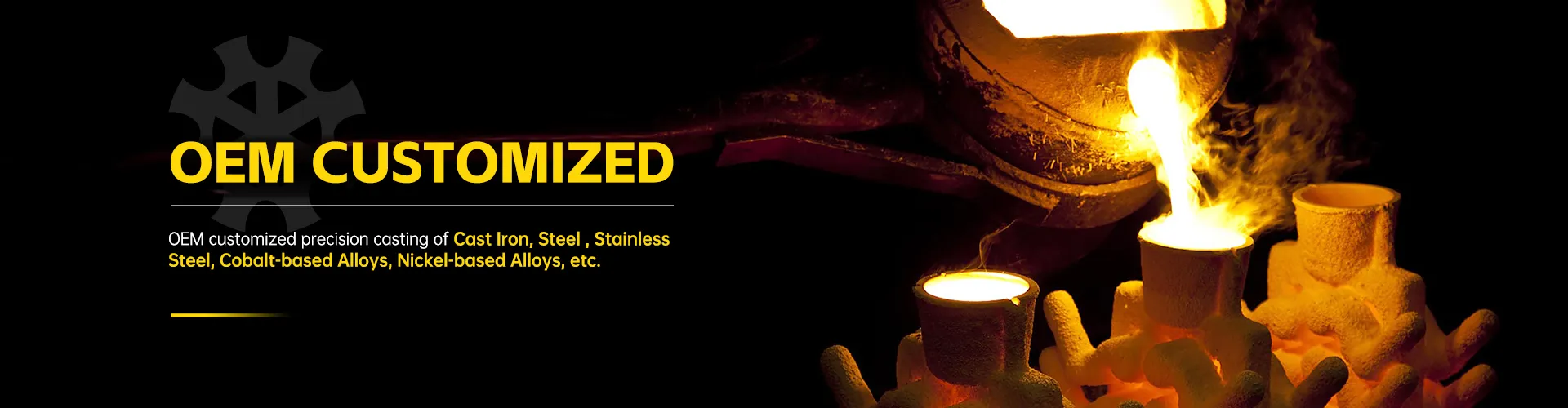
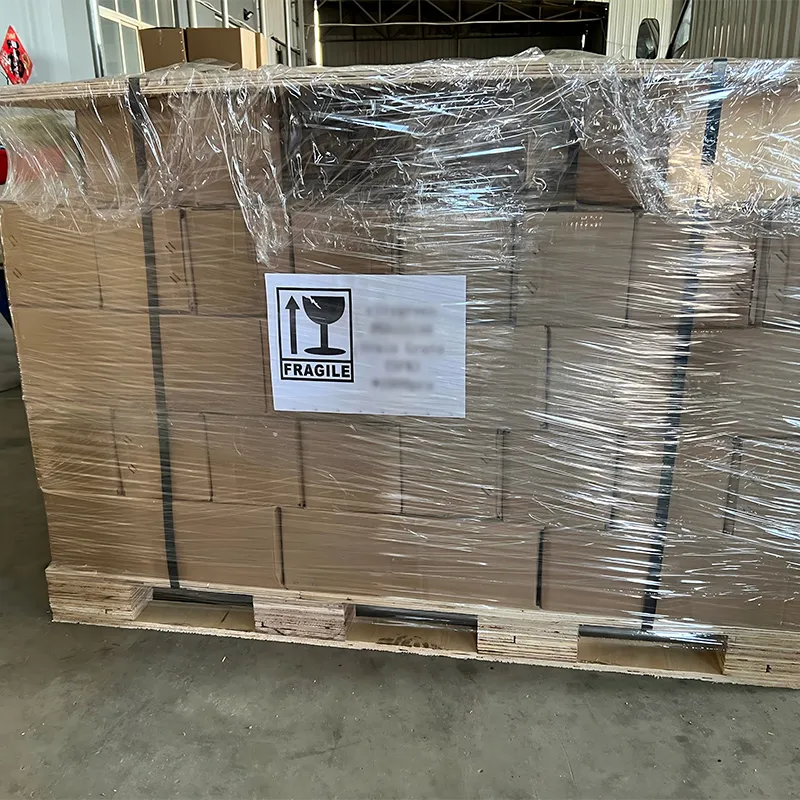
QSY has established itself as a leader in shell mold casting, lost wax casting, and CNC machining, operating out of a massive production facility spanning over 50,000 square meters. This expansive workshop integrates dedicated shell mold casting lines, investment casting lines, a state-of-the-art CNC machining center, and comprehensive quality inspection and packaging departments. This one-stop approach ensures seamless transitions from raw casting to finished, machined components.
Beyond cast iron, QSY’s material capabilities extend to carbon steel, stainless steel, and specialized high-performance alloys, including cobalt-based and nickel-based superalloys. This versatility allows them to serve a diverse global clientele across more than 20 countries. Their portfolio covers critical sectors such as agricultural machinery, medical and food processing equipment, industrial manufacturing, mining, and petrochemicals. By combining decades of technical know-how with robust production capacity, QSY provides customized solutions that meet the rigorous demands of international engineering standards.
Engineering Design Guidelines for Shell Molding
To fully leverage the capabilities of shell molding, engineers should adhere to specific design principles during the conceptualization phase. Optimizing the design for the manufacturing process (DFM) can drastically reduce costs and improve yield rates.
Draft Angles: Although shell molding requires less draft than green sand casting due to the smooth pattern surface, incorporating appropriate draft angles (typically 0.5 to 1 degree) facilitates easy removal of the shell from the pattern and prevents damage to the mold edges.
Wall Thickness Uniformity: Maintaining consistent wall thickness helps prevent hot spots and shrinkage defects. Sudden changes in section thickness can lead to internal stresses and cracking as the cast iron cools. Fillets and radii should be used generously at junctions to promote smooth metal flow and stress distribution.
Machining Allowances: While shell molding reduces the need for machining, critical mating surfaces still require allowance. Engineers should specify machining stock based on the expected tolerance range of the specific foundry, typically adding 1.5mm to 3mm depending on the feature size.
Parting Line Placement: Strategic placement of the parting line is essential to minimize flash and ensure proper venting. The design should allow the parting line to fall on a flat surface or a non-critical area to simplify cleanup and maintain dimensional accuracy.
Quality Control Measures in Shell Molding
Ensuring the reliability of shell molding cast iron parts requires a robust quality control framework. Reputable manufacturers implement multi-stage inspection protocols to verify that every batch meets stringent engineering standards.
- Visual Inspection: Every casting undergoes a visual check for surface defects such as cracks, cold shuts, or incomplete fills. Advanced vision systems are increasingly used to automate this step for high-volume lines.
- Dimensional Verification: Coordinate Measuring Machines (CMM) are employed to validate critical dimensions against CAD models. This ensures that the tight tolerances promised by the shell molding process are actually achieved.
- Non-Destructive Testing (NDT): Techniques like dye penetrant testing, magnetic particle inspection, and X-ray radiography are used to detect subsurface defects that could compromise structural integrity. This is crucial for safety-critical automotive and hydraulic components.
- Material Analysis: Spectrometry is used to verify the chemical composition of the cast iron, ensuring it meets the specified grade (e.g., Gray Iron, Ductile Iron). Mechanical testing, including tensile strength and hardness checks, confirms the material properties.
Frequently Asked Questions (FAQ)
What types of cast iron are suitable for shell molding?
Both Gray Iron and Ductile (Nodular) Iron are commonly used in shell molding. Gray iron is preferred for its excellent machinability and damping capacity, making it ideal for engine blocks and brake components. Ductile iron is chosen when higher tensile strength and impact resistance are required, such as in gears and crankshafts. The choice depends on the specific mechanical requirements of the application.
How does the cost of shell molding compare to investment casting?
Shell molding is generally more cost-effective than investment casting for medium-to-large production runs of cast iron parts. While investment casting offers even finer details and works with a wider range of alloys, its process is slower and more labor-intensive. Shell molding strikes a balance, offering near-investment quality at a lower per-unit cost for ferrous alloys, provided the volumes justify the metal pattern expense.
Can shell molding produce hollow parts?
Yes, shell molding is highly effective for producing hollow parts. This is achieved by inserting sand cores into the mold cavity before pouring. The cores are often made using the same shell molding principle (core shooting) to ensure they match the precision of the outer mold. This capability allows for the creation of complex internal water jackets in engines or fluid passages in valves.
What is the typical lead time for shell molding tooling?
The lead time for manufacturing the metal patterns required for shell molding is typically longer than for wood patterns, ranging from 4 to 8 weeks depending on complexity. However, once the tooling is ready, the production ramp-up is rapid. For established projects, the high cycle speed of shell molding machines ensures quick turnaround for bulk orders.
Is shell molding environmentally friendly?
Modern shell molding foundries have made significant strides in environmental sustainability. The sand used in the process is largely recyclable; unused sand and broken shells can be reprocessed and reused multiple times. Additionally, advanced filtration systems capture resin fumes, and newer bio-based resins are being developed to further reduce the environmental footprint of the process.
Conclusion and Next Steps for Engineers
Shell molding cast iron parts represent a pinnacle of manufacturing efficiency for components requiring a balance of precision, strength, and cost-effectiveness. By leveraging the unique properties of resin-coated sands and heated metal patterns, this process delivers superior surface finishes and tight tolerances that traditional methods struggle to match. From automotive engine components to intricate hydraulic valve bodies, the applications are vast and critical to modern infrastructure.
For engineers and procurement specialists, the decision to utilize shell molding should be driven by production volume and quality requirements. If your project involves medium-to-high volume runs of complex cast iron parts where machining costs need to be minimized, shell molding is likely the optimal solution. The initial investment in metal tooling pays dividends through reduced scrap rates, lower post-processing expenses, and enhanced product performance.
When moving forward with a project, it is advisable to engage with foundries that specialize in shell molding early in the design phase. Collaborative Design for Manufacturability (DFM) reviews can help optimize part geometry for the specific constraints and advantages of the shell molding process. Evaluate potential partners based on their quality control certifications, pattern-making capabilities, and track record with similar cast iron alloys. By aligning your design strategy with the capabilities of shell molding, you can ensure a robust supply chain and a high-quality final product that stands up to the rigors of industrial application.