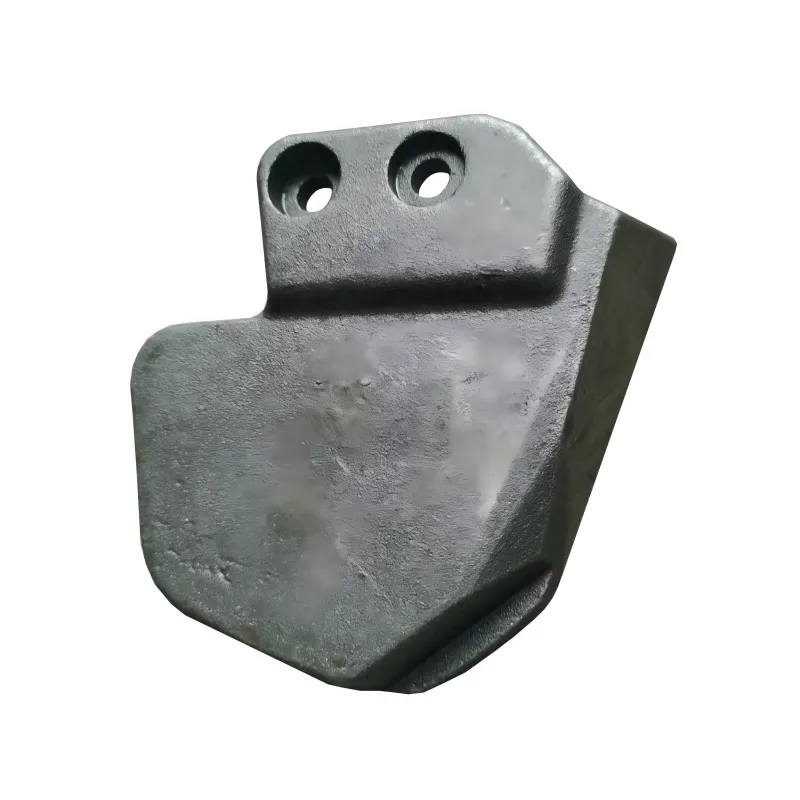
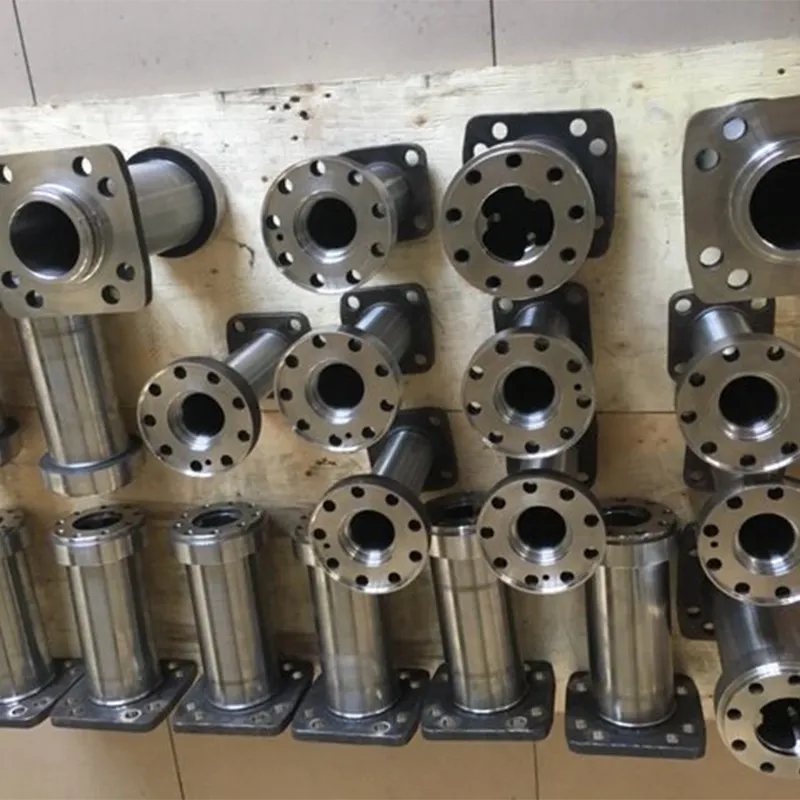
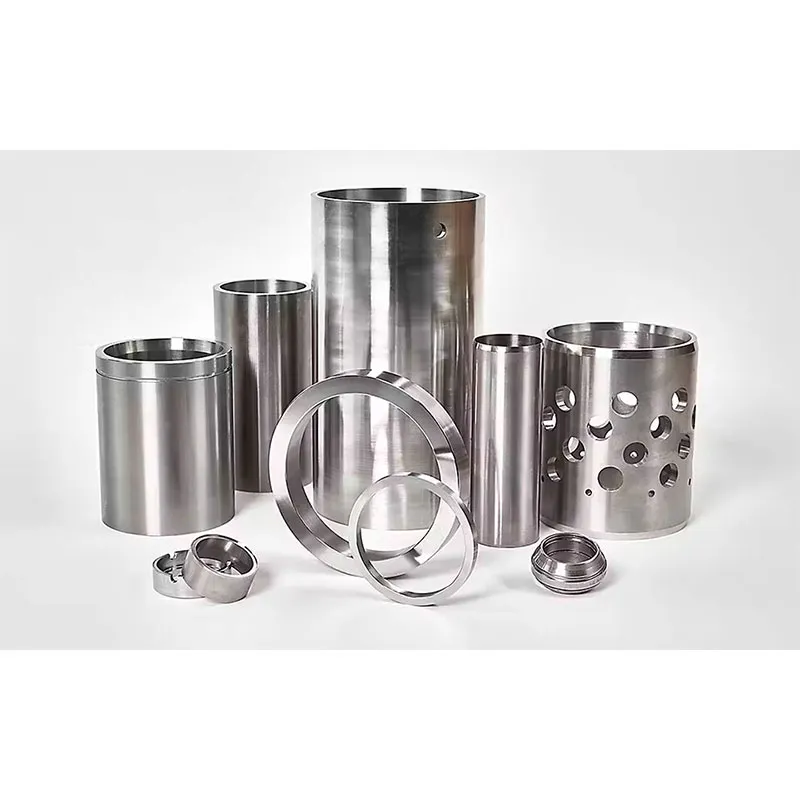
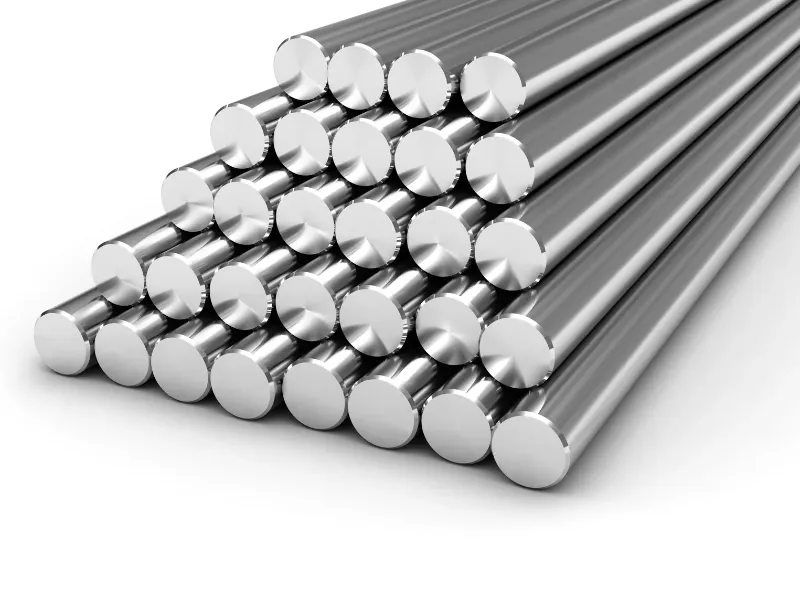
Ductile iron mechanical parts are high-strength, versatile components engineered for demanding industrial applications where toughness and durability are paramount. Unlike standard gray cast iron, ductile iron incorporates spheroidal graphite nodules within its microstructure, granting it superior tensile strength, impact resistance, and elongation properties. This unique material composition makes it the preferred choice for engineers designing gears, housings, valves, and heavy-duty machinery components that must withstand significant stress without fracturing.
What Defines Ductile Iron Mechanical Parts?
Ductile iron, also known as nodular or spheroidal graphite iron, represents a significant evolution in ferrous metallurgy. The defining characteristic of ductile iron mechanical parts lies in their microstructure. During the casting process, magnesium or cerium is added to the molten iron. This treatment causes the graphite to form into spherical nodules rather than the flake-like structures found in gray iron.
These spherical nodules act as crack arrestors. When stress is applied to the component, the cracks cannot propagate easily through the matrix because the round graphite shapes do not create sharp stress concentration points. This fundamental difference allows ductile iron to exhibit mechanical properties closer to steel while retaining the excellent castability and cost-efficiency of iron.
Engineers specify these parts when a balance of strength, machinability, and vibration damping is required. The material can be heat-treated to further enhance hardness or toughness, making it adaptable to a wide range of operational environments. From automotive suspension systems to large-scale wind turbine hubs, the versatility of this material is unmatched in the casting industry.
The Microstructural Advantage
The performance of any ductile iron mechanical part is directly linked to its matrix structure surrounding the graphite nodules. Common matrix types include ferritic, pearlitic, and austempered structures. A ferritic matrix offers maximum ductility and impact resistance, ideal for parts subject to shock loading. Conversely, a pearlitic matrix provides higher strength and wear resistance, suitable for gears and crankshafts.
- Ferritic Ductile Iron: High elongation, excellent impact toughness, lower hardness.
- Pearlitic Ductile Iron: High tensile strength, good wear resistance, moderate ductility.
- Austempered Ductile Iron (ADI): Exceptional combination of strength, toughness, and wear resistance through specialized heat treatment.
Understanding these microstructural variations is crucial for selecting the right grade for specific mechanical applications. The ability to tailor the material properties through alloying and heat treatment gives designers significant flexibility.
Key Mechanical Properties and Performance Metrics
When evaluating ductile iron mechanical parts, engineers focus on a specific set of mechanical properties that distinguish this material from competitors. The industry generally recognizes ductile iron for its high yield strength relative to its cost. It typically offers a yield strength ranging from 40 ksi to over 100 ksi, depending on the grade and heat treatment.
One of the most critical metrics is elongation. While gray iron may have virtually zero elongation, ductile iron can achieve elongation values exceeding 18% in ferritic grades. This means the part can deform significantly under load before failing, providing a vital safety margin in dynamic applications. Furthermore, the material possesses excellent fatigue strength, making it reliable for components undergoing cyclic loading.
Thermal conductivity and vibration damping are also notable. Ductile iron dissipates heat effectively and absorbs vibrations better than steel, reducing noise and wear in moving assemblies. These inherent properties reduce the need for additional dampening mechanisms in machine design.
Comparison with Alternative Materials
To understand the strategic value of ductile iron mechanical parts, it is essential to compare them against common alternatives like gray cast iron and cast steel. Each material serves distinct purposes, but ductile iron often occupies the “sweet spot” between performance and cost.
| Property |
Gray Cast Iron |
Ductile Iron |
Cast Steel |
| Graphite Shape |
Flakes |
Spheres (Nodules) |
N/A |
| Tensile Strength |
Low to Moderate |
High |
Very High |
| Elongation (%) |
< 1% |
2% – 18%+ |
10% – 25% |
| Impact Resistance |
Poor |
Excellent |
Excellent |
| Machinability |
Excellent |
Good to Excellent |
Moderate |
| Cost Efficiency |
High |
Very High |
Moderate |
| Vibration Damping |
Superior |
Good |
Lower |
As illustrated, ductile iron bridges the gap between the brittleness of gray iron and the higher manufacturing costs of cast steel. For many mechanical applications, it offers sufficient strength with better castability and lower melting temperatures than steel, resulting in energy savings during production.
Manufacturing Processes for Ductile Iron Components
The production of high-quality ductile iron mechanical parts requires precise control over the entire manufacturing lifecycle. The process begins with careful raw material selection and melts management. Foundries must ensure that sulfur levels are minimized before the nodulizing treatment, as sulfur interferes with the formation of graphite spheres.
Once the magnesium treatment is applied, the molten iron must be poured quickly before the effect fades, a phenomenon known as “fade.” Modern foundries use automated pouring systems and real-time thermal analysis to maintain consistency. The molding process can vary from green sand casting for high-volume production to resin-bonded sand for larger, more complex geometries.
Step-by-Step Production Workflow
Creating reliable mechanical components involves a rigorous sequence of operations. Deviations at any stage can compromise the integrity of the final part. The following steps outline the standard industry workflow:
- Melting and Refining: Raw materials including pig iron, steel scrap, and returns are melted in cupola or electric induction furnaces. Chemical composition is adjusted to meet target specifications.
- Desulfurization: Sulfur content is reduced to low levels to prepare the melt for nodulization.
- Nodulizing Treatment: Magnesium or rare earth alloys are added to transform graphite morphology from flakes to spheres.
- Inoculation: Ferrosilicon is added to promote graphite nucleation and prevent carbide formation, ensuring a sound microstructure.
- Casting: The treated iron is poured into molds. Temperature control is critical to avoid defects like shrinkage or cold shuts.
- Cooling and Shakeout: Castings are allowed to cool sufficiently before being removed from the sand molds.
- Heat Treatment: Depending on the required grade, parts undergo annealing, normalizing, quenching, and tempering, or austempering.
- Machining and Finishing: Final dimensions are achieved through CNC machining, followed by surface treatments like painting or plating if necessary.
- Quality Inspection: Non-destructive testing (NDT), chemical analysis, and mechanical testing verify compliance with standards.
This structured approach ensures that every ductile iron mechanical part leaving the facility meets stringent engineering requirements. Consistency in the nodulizing and inoculation stages is particularly vital for achieving the promised mechanical properties.
Partnering with Experienced Manufacturers
While understanding the material science behind ductile iron is crucial, selecting the right manufacturing partner is equally important for project success. Producing components that consistently meet the rigorous standards outlined above requires decades of expertise, advanced infrastructure, and a commitment to quality.
Qingdao Qiangsenyuan Technology Co., Ltd. (QSY) exemplifies this level of industrial capability. With over 30 years of experience in the casting and machining industry, QSY has established itself as a trusted provider of one-stop customized solutions. The company operates a massive production facility spanning over 50,000 square meters, housing dedicated lines for shell mold casting, investment (lost wax) casting, and a comprehensive CNC machining workshop.
QSY’s expertise extends beyond standard ductile iron to include a wide array of materials such as carbon steel, stainless steel, and special alloys like cobalt-based and nickel-based superalloys. This versatility allows them to serve diverse sectors ranging from agricultural and mining machinery to medical equipment, food processing, and petrochemicals. By integrating casting, precision machining, quality inspection, and packaging under one roof, QSY ensures seamless production workflows for clients in more than 20 countries. Their ability to handle complex geometries and strict tolerance requirements makes them an ideal partner for engineers seeking reliable ductile iron mechanical parts tailored to specific application needs.
Common Applications Across Industries
The versatility of ductile iron mechanical parts has led to their widespread adoption across diverse sectors. Their ability to handle high loads, resist wear, and dampen vibrations makes them indispensable in heavy machinery and infrastructure.
In the automotive industry, ductile iron is extensively used for crankshafts, camshafts, differential cases, and steering knuckles. These components require high fatigue strength to endure millions of cycles during a vehicle’s lifespan. The material’s weight-to-strength ratio also contributes to overall vehicle efficiency.
The water and wastewater sector relies heavily on ductile iron for valves, pipe fittings, and pump housings. Its corrosion resistance, especially when coated, combined with high pressure tolerance, ensures long-term reliability in municipal infrastructure. Unlike steel, it does not require cathodic protection in many soil conditions.
Specialized Industrial Uses
Beyond automotive and utilities, ductile iron mechanical parts play a critical role in power generation, agriculture, and construction. Wind turbine hubs and main frames are increasingly cast in ductile iron due to its ability to absorb dynamic loads from wind gusts. In agriculture, tractor transmission cases and gearboxes benefit from the material’s wear resistance and toughness against shock loads from uneven terrain.
Construction equipment, such as excavator tracks and hydraulic components, utilizes ductile iron for its durability in abrasive environments. The material’s capacity to be cast into complex shapes allows designers to integrate multiple functions into a single component, reducing assembly time and potential leak paths.
- Power Generation: Turbine housings, generator frames, and engine blocks.
- Railway: Brake beams, couplers, and suspension components.
- Mining: Crusher parts, slurry pump components, and grinding mill liners.
- Oil and Gas: Valve bodies, wellhead components, and compressor parts.
These applications highlight the material’s adaptability. Whether the requirement is high-temperature stability or cryogenic toughness, specific grades of ductile iron can be engineered to meet the challenge.
Advantages and Limitations Analysis
While ductile iron mechanical parts offer numerous benefits, a balanced engineering perspective requires acknowledging both their strengths and limitations. Understanding these factors helps in making informed material selection decisions.
Primary Advantages:
- Cost-Effectiveness: Lower melting point and excellent fluidity reduce energy consumption and allow for thinner wall sections compared to steel, lowering material usage.
- Design Flexibility: Complex geometries with internal cavities can be cast directly, minimizing secondary machining operations.
- Mechanical Performance: Offers a superior combination of strength and ductility, outperforming gray iron and approaching steel in many metrics.
- Machinability: Generally machines well, leading to longer tool life and faster production rates compared to many steels.
- Vibration Damping: Superior ability to absorb vibrational energy reduces noise and extends the life of adjacent components.
Limitations to Consider:
- Weight: Although stronger than gray iron, it is still denser than aluminum or composites, which may be a constraint in weight-sensitive applications.
- Corrosion: While better than some steels, it is not immune to corrosion and often requires protective coatings in aggressive environments.
- Quality Control Sensitivity: The mechanical properties are highly sensitive to the melting and treatment process; inconsistent processing can lead to variable results.
- Weldability: Welding ductile iron is more challenging than welding steel and often requires pre-heating and specialized procedures to avoid cracking in the heat-affected zone.
Engineers must weigh these factors against project requirements. For static or moderately dynamic loads where cost and castability are priorities, ductile iron is often the optimal solution.
Quality Standards and Testing Protocols
Ensuring the reliability of ductile iron mechanical parts demands adherence to rigorous international standards. Organizations such as ASTM, ISO, and EN have established comprehensive specifications covering chemical composition, mechanical properties, and testing methods.
Common standards include ASTM A536 for standard grades of ductile iron and ISO 1083 for spheroidal graphite cast irons. These documents define the minimum requirements for tensile strength, yield strength, and elongation. Compliance with these standards is non-negotiable for safety-critical applications.
Essential Testing Methodologies
Verification of material quality involves a multi-faceted testing approach. Foundries and third-party laboratories employ various techniques to validate the integrity of the castings.
- Tensile Testing: Determines yield strength, ultimate tensile strength, and elongation by pulling a standardized specimen until failure.
- Hardness Testing: Brinell or Rockwell hardness tests assess the material’s resistance to deformation, correlating with wear resistance and machinability.
- Microstructural Analysis: Metallographic examination verifies the nodularity rating, nodule count, and matrix structure, ensuring the graphite is properly spheroidized.
- Non-Destructive Testing (NDT): Methods such as ultrasonic testing, magnetic particle inspection, and dye penetrant testing detect surface and subsurface defects without damaging the part.
- Chemical Analysis: Spectrometry confirms that the elemental composition falls within the specified ranges, particularly for magnesium and rare earth residuals.
Regular implementation of these protocols builds trust and ensures that every batch of ductile iron mechanical parts performs as expected in the field. Documentation of these tests is often required for certification in regulated industries.
Frequently Asked Questions (FAQ)
Engineers and procurement specialists often have specific questions regarding the application and specification of ductile iron mechanical parts. The following answers address common inquiries based on industry practices.
Is ductile iron stronger than steel?
While high-grade ductile iron can approach the strength of some carbon steels, cast steel generally offers higher ultimate tensile strength and toughness. However, ductile iron often provides a better strength-to-cost ratio and superior castability for complex shapes. The choice depends on whether the design prioritizes maximum strength or manufacturing efficiency.
Can ductile iron parts be welded?
Yes, but it requires special procedures. Due to the risk of forming hard, brittle structures in the heat-affected zone, welding ductile iron mechanical parts typically necessitates pre-heating, specific filler metals, and controlled cooling. It is often more practical to design for bolted connections or replace the part rather than weld, unless absolutely necessary.
How does ductile iron perform in corrosive environments?
Ductile iron has moderate corrosion resistance, generally better than plain carbon steel but less than stainless steel or specialized alloys. In corrosive environments, it is standard practice to apply protective coatings such as epoxy, galvanization, or paint systems. Austempered ductile iron (ADI) may offer slightly improved resistance due to its microstructure.
What is the difference between gray iron and ductile iron?
The primary difference is the shape of the graphite. Gray iron contains flake graphite, which acts as stress concentrators, making it brittle. Ductile iron contains spherical graphite nodules, which allow the material to deform and absorb energy, providing significant ductility and impact resistance. This makes ductile iron suitable for dynamic loads where gray iron would fail.
Are there size limitations for ductile iron castings?
Ductile iron can be cast into a wide range of sizes, from small precision components weighing a few grams to massive structural parts weighing several tons. The limitation usually depends on the foundry’s melting capacity and molding equipment rather than the material itself. Large parts may require specialized gating and risering designs to ensure soundness.
Conclusion and Selection Guide
Ductile iron mechanical parts represent a cornerstone of modern engineering, offering an unparalleled blend of strength, durability, and economic efficiency. By leveraging the unique spheroidal graphite microstructure, these components deliver performance characteristics that bridge the gap between traditional cast irons and cast steels. Their widespread adoption in automotive, infrastructure, and heavy industry underscores their reliability and versatility.
For engineers and decision-makers, the key to success lies in matching the specific grade of ductile iron to the application’s demands. Whether the priority is impact resistance, wear tolerance, or complex geometry, there is a ductile iron solution available. Understanding the manufacturing nuances and quality standards ensures that the selected parts will perform reliably throughout their service life.
Who should choose ductile iron? This material is ideal for projects requiring high-strength cast components with complex shapes, where cost-effectiveness and vibration damping are critical. If your application involves dynamic loading, shock absorption, or requires a balance of machinability and strength, ductile iron mechanical parts are likely the optimal choice.
When moving forward with a design, consider consulting with experienced foundry partners who specialize in ductile iron casting. Evaluate your specific load cases, environmental conditions, and production volumes to select the appropriate grade and heat treatment. Investing in proper material selection and quality verification today will yield long-term dividends in performance and reduced maintenance costs tomorrow.