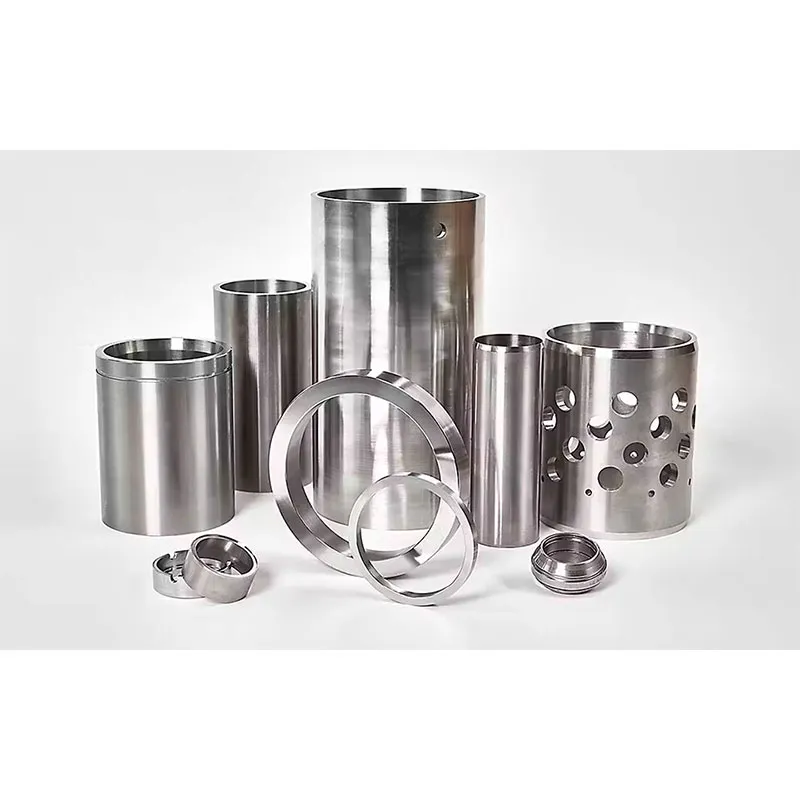
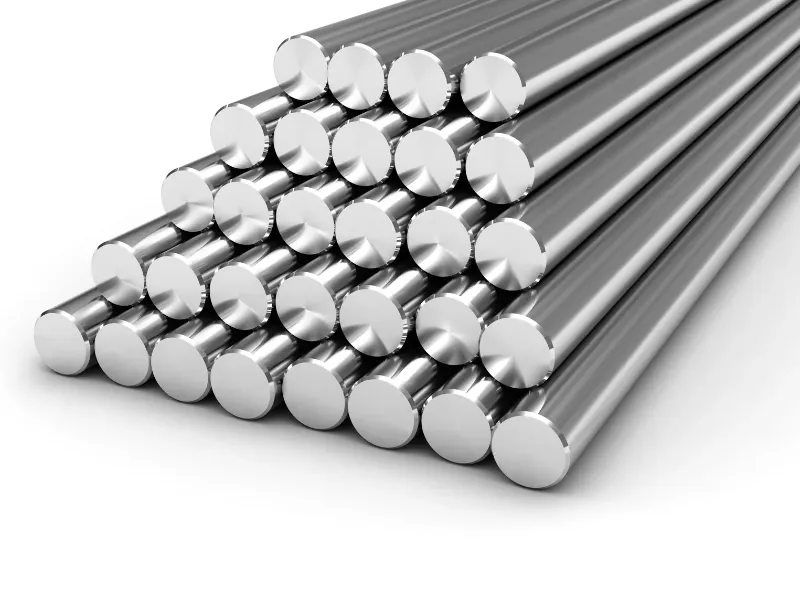
Gray cast iron mechanical parts are essential components in heavy machinery, automotive systems, and industrial equipment due to their exceptional vibration damping and cost-effectiveness. This guide details the properties, manufacturing processes, and engineering applications of gray cast iron, helping professionals select the right material for high-stress, low-cost mechanical solutions.
What Are Gray Cast Iron Mechanical Parts?
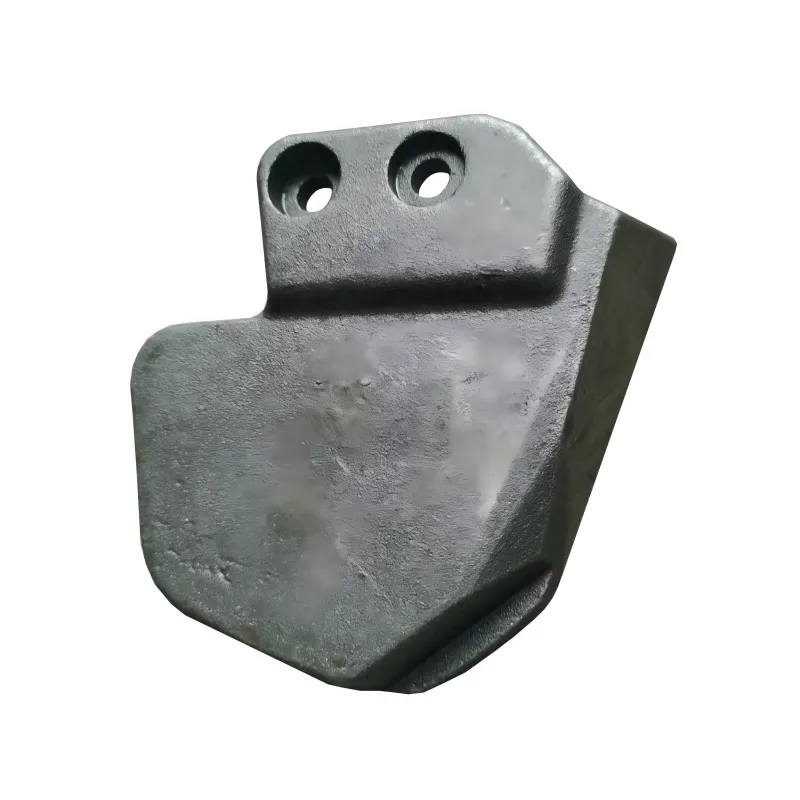
Gray cast iron mechanical parts are components manufactured from an iron-carbon alloy where carbon exists primarily in the form of graphite flakes. This unique microstructure gives the material its characteristic gray appearance when fractured and defines its mechanical behavior.
The presence of graphite flakes acts as internal lubricants and stress concentrators, providing superior vibration damping capabilities compared to steel or ductile iron. This makes them ideal for machine bases, engine blocks, and brake rotors where stability is critical.
Engineers favor these parts for their excellent castability, allowing for complex geometries that would be difficult or expensive to machine from solid stock. The material melts at a lower temperature than steel, reducing energy consumption during production.
While not suitable for high-tensile applications requiring significant elongation, gray cast iron excels in compressive strength. It remains a cornerstone material in the foundry industry for producing durable, static, or low-impact mechanical components.
The Microstructure and Composition
The defining feature of gray cast iron is its flake graphite structure embedded in a ferrite or pearlite matrix. The size and distribution of these flakes directly influence the part’s strength and machinability.
Typical composition includes 2.5% to 4.0% carbon and 1.0% to 3.0% silicon. Silicon promotes the formation of graphite rather than cementite, ensuring the “gray” fracture surface. Minor elements like manganese and sulfur are carefully controlled to refine the grain structure.
- Ferritic Matrix: Offers better machinability but lower strength.
- Pearlitic Matrix: Provides higher strength and wear resistance, common in mechanical parts.
- Graphite Flakes: Disrupt continuity, limiting tensile strength but enhancing damping.
Understanding this microstructure is vital for engineers specifying tolerances and load-bearing limits for final assemblies.
Key Properties Driving Engineering Decisions
When selecting materials for mechanical designs, understanding the specific physical and mechanical properties of gray cast iron is non-negotiable. These properties dictate where the material can succeed and where alternative alloys are required.
Vibration Damping Capacity
The most distinct advantage of gray cast iron mechanical parts is their ability to absorb vibrational energy. The graphite flakes within the matrix create internal friction that dissipates energy as heat.
This property is crucial for machine tool bases, lathe beds, and engine blocks. Reducing vibration improves machining accuracy, extends tool life, and lowers noise levels in operational environments.
Industry data suggests that gray cast iron can dampen vibrations significantly better than steel, often by a factor of ten or more depending on the frequency and amplitude.
Machinability and Wear Resistance
The graphite flakes also act as chip breakers during machining operations. This results in short, brittle chips that do not clog cutting tools, allowing for higher cutting speeds and longer tool life.
Furthermore, as the material wears, the graphite exposes itself on the surface, creating a self-lubricating layer. This reduces friction against mating surfaces, making it ideal for slides, gears, and cylinder liners.
- Chip Formation: Broken chips facilitate automated machining processes.
- Surface Finish: Generally achieves smooth finishes with standard tooling.
- Lubricity: Reduced need for external lubricants in sliding applications.
Compressive Strength vs. Tensile Strength
It is a common misconception that gray cast iron is weak. While its tensile strength is limited by the stress-concentrating effect of graphite flakes, its compressive strength is exceptionally high.
In many structural applications, loads are primarily compressive. In these scenarios, gray cast iron performs comparably to many steels at a fraction of the cost. Engineers must design parts to utilize this compressive capability while avoiding high tensile stress concentrations.
Manufacturing Process of Gray Cast Iron Parts
The production of high-quality gray cast iron mechanical parts involves a precise sequence of melting, molding, pouring, and finishing. Each step influences the final microstructure and performance of the component.
Melting and Alloying
The process begins in a cupola or electric induction furnace. Raw materials, including pig iron, steel scrap, and returns, are melted to achieve the target chemical composition.
Temperature control is critical. Overheating can lead to excessive oxidation, while underheating may result in incomplete graphitization. Foundries often use spectroscopy to verify composition before pouring.
Inoculation is a key step where ferrosilicon is added to the molten metal. This promotes the formation of Type A graphite flakes, which are randomly oriented and provide the best balance of strength and machinability.
Molding and Casting Techniques
Sand casting is the predominant method for producing gray cast iron parts. Green sand molds are widely used for their cost-effectiveness and ability to handle high volumes.
For tighter tolerances and smoother surface finishes, no-bake resin sand molds are employed. These allow for more complex geometries and reduce the amount of post-casting machining required.
- Pattern Making: Creates the negative space for the molten metal.
- Core Placement: Forms internal cavities and hollow sections.
- Pouring: Molten iron is poured into the mold cavity at controlled rates.
Cooling and Solidification
Controlled cooling is essential to prevent the formation of chill (white iron) at the edges, which is hard and unmachinable. The cooling rate determines the ratio of ferrite to pearlite in the matrix.
Thicker sections cool slower, potentially leading to coarser graphite flakes and lower strength. Engineers must account for section sensitivity when designing parts to ensure uniform properties throughout the component.
Post-Casting Processing
After cooling, parts undergo shakeout to remove the sand mold. Shot blasting cleans the surface, removing scale and residual sand.
Heat treatment, such as stress relieving, is often applied to stabilize dimensions and relieve internal stresses caused by uneven cooling. This is particularly important for precision machine components.
Comparative Analysis: Gray Cast Iron vs. Alternatives
Selecting the right material requires comparing gray cast iron against other common engineering alloys. The following table highlights key differences to guide material selection.
| Property |
Gray Cast Iron |
Ductile Iron |
Cast Steel |
Aluminum Alloy |
| Tensile Strength |
Low to Moderate |
High |
Very High |
Moderate |
| Elongation (%) |
< 1% (Brittle) |
10-25% |
15-30% |
5-15% |
| Vibration Damping |
Excellent |
Good |
Poor |
Poor |
| Machinability |
Excellent |
Good |
Fair |
Excellent |
| Cost Efficiency |
Very High |
High |
Moderate |
Low (Material Cost) |
| Primary Application |
Bases, Blocks, Housings |
Gears, Crankshafts |
High Impact Parts |
Lightweight Structures |
This comparison illustrates that while gray cast iron lacks the ductility of ductile iron or the toughness of steel, it dominates in applications requiring damping and cost-effective mass production.
When to Choose Gray Cast Iron
Engineers should specify gray cast iron mechanical parts when the design prioritizes vibration control, compressive loading, and complex casting geometries over impact resistance.
If an application involves sudden shocks or high tensile loads, ductile iron or steel may be more appropriate. However, for static structures like pump housings or valve bodies, gray iron offers the optimal balance of performance and price.
Common Applications in Industry
The versatility of gray cast iron has led to its widespread adoption across various sectors. Its ability to be cast into intricate shapes makes it indispensable for modern manufacturing.
Automotive Sector
In the automotive industry, gray cast iron is extensively used for engine blocks and cylinder heads. The material’s thermal conductivity and damping capacity help manage engine heat and reduce noise, vibration, and harshness (NVH).
Brake discs and drums are another critical application. The graphite flakes provide thermal stability and consistent friction characteristics under high-temperature braking conditions.
- Engine Blocks: Provide rigid structure for moving components.
- Exhaust Manifolds: Withstand thermal cycling effectively.
- Transmission Cases: Offer durability and noise reduction.
Machine Tools and Industrial Equipment
Heavy machine tools rely on gray cast iron for their beds, columns, and bases. The damping properties ensure that vibrations from cutting operations do not transfer to the workpiece, maintaining high precision.
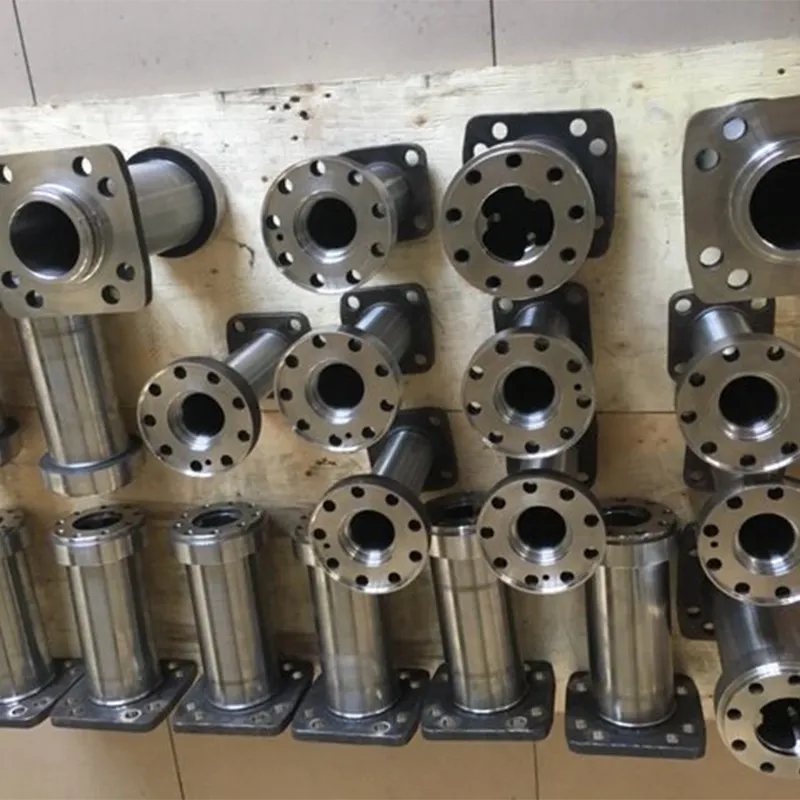
Hydraulic components, such as pump housings and valve bodies, benefit from the material’s pressure tightness and ease of casting complex internal passages.
Infrastructure and Piping
Although ductile iron has replaced gray iron in some pressure pipe applications, gray cast iron is still used for non-pressure drainage pipes, manhole covers, and grates due to its corrosion resistance and low cost.
Agricultural machinery also utilizes gray cast iron for gearboxes and housing units where weight is less of a concern than durability and cost.
Design Guidelines for Engineers
To maximize the performance of gray cast iron mechanical parts, designers must adhere to specific guidelines regarding geometry, wall thickness, and stress management.
Managing Section Thickness
Uniform wall thickness is critical to prevent hot spots and shrinkage defects. Abrupt changes in section thickness can lead to differential cooling rates, causing internal stresses and potential cracking.
Designers should use gradual transitions and fillets at corners. This promotes smooth metal flow during pouring and reduces stress concentration points in the final part.
Avoiding Tensile Stress Concentrations
Since gray cast iron is brittle, sharp notches or holes can act as initiation points for cracks under tensile load. Designs should minimize features that create high local tensile stresses.
Where tensile loads are unavoidable, reinforcing ribs can be added to distribute the load more evenly across the component. Pre-stressing techniques are sometimes employed in critical applications.
Tolerance and Machining Allowances
Cast parts require machining allowances to achieve final dimensions. Gray cast iron typically machines well, but designers must account for potential warping during the cooling phase.
Specifying realistic tolerances based on the casting process capability ensures manufacturability without driving up costs through excessive rework or scrap rates.
Quality Control and Testing Standards
Ensuring the reliability of gray cast iron mechanical parts requires rigorous quality control measures aligned with international standards such as ASTM A48 or ISO 185.
Mechanical Testing
Tensile testing is the primary method for grading gray cast iron. Test bars are cast separately or cut from the actual component to verify that the material meets the specified class (e.g., Class 30, Class 40).
Hardness testing, usually via Brinell method, provides a quick indication of machinability and strength. Consistency in hardness across the batch is a key quality indicator.
Non-Destructive Examination (NDE)
Visual inspection identifies surface defects like sand inclusions or cold shuts. For critical internal integrity, ultrasonic testing can detect subsurface voids or shrinkage.
Microstructural analysis via metallography confirms the graphite flake type and matrix structure. This ensures the inoculation process was effective and the cooling rate was appropriate.
Advantages and Limitations Summary
A clear understanding of the pros and cons helps in making informed procurement and design decisions.
Core Advantages
- Cost-Effective: Low raw material and processing costs make it economical for high-volume production.
- Superior Damping: Unmatched ability to absorb vibrations, enhancing machine stability.
- Easy Machining: Reduces tool wear and cycle times during secondary operations.
- Complex Geometry: Sand casting allows for intricate designs impossible with forging or welding.
Technical Limitations
- Low Ductility: Cannot withstand significant deformation before fracturing.
- Brittleness: Susceptible to cracking under impact or shock loading.
- Weight: Higher density compared to aluminum or magnesium alloys.
- Corrosion: While better than some steels, it still requires protection in aggressive environments.
Frequently Asked Questions (FAQ)
Addressing common queries helps clarify misconceptions and provides quick answers for engineers and procurement specialists.
Is gray cast iron stronger than steel?
In terms of tensile strength, no. Steel is significantly stronger and tougher. However, gray cast iron has higher compressive strength than many grades of steel and offers far superior vibration damping, which is a different form of structural performance.
Can gray cast iron be welded?
Welding gray cast iron is challenging due to its high carbon content and brittleness. Rapid heating and cooling can cause cracking in the heat-affected zone. Specialized procedures, pre-heating, and specific filler metals are required, making brazing or mechanical fastening often preferred.
What does the “Class” number mean in gray iron?
The class number (e.g., Class 30, Class 40) refers to the minimum tensile strength in thousands of pounds per square inch (ksi). A Class 30 iron has a minimum tensile strength of 30,000 psi. Higher classes indicate finer graphite structures and greater strength.
Why is gray cast iron used for engine blocks?
Engine blocks require a material that can dampen the vibrations generated by combustion and moving pistons. Gray cast iron’s graphite structure absorbs this energy, reducing noise and preventing resonance. Additionally, it retains heat well and machines easily for cylinder bores.
How does corrosion affect gray cast iron parts?
Gray cast iron exhibits moderate corrosion resistance. The graphite network can sometimes facilitate galvanic corrosion in wet environments. However, in many atmospheric conditions, it forms a protective oxide layer. Coatings or paints are recommended for harsh chemical or marine environments.
Future Trends in Gray Cast Iron Technology
The evolution of gray cast iron mechanical parts continues with advancements in metallurgy and simulation technologies. Modern foundries are leveraging computer modeling to optimize gating systems and predict solidification patterns.
Research into micro-alloying is yielding new grades with improved strength-to-weight ratios without sacrificing damping capabilities. These developments ensure that gray cast iron remains competitive against emerging composite materials.
Sustainability is also a driving force. The recyclability of cast iron is nearly 100%, and modern melting technologies are reducing the carbon footprint of production, aligning with global environmental goals.
Partnering for Precision: Expert Casting Solutions
While understanding the technical nuances of gray cast iron is crucial for engineers, translating these designs into high-quality reality requires a manufacturing partner with deep expertise and advanced capabilities. This is where Qingdao Qiangsenyuan Technology Co., Ltd. (QSY) stands out as a trusted ally in the global supply chain.
With over 30 years of dedicated experience in the casting and machining industry, QSY has mastered the art of transforming raw materials into precision mechanical components. Their specialization spans both shell mold casting and lost wax casting, complemented by state-of-the-art CNC machining services. This comprehensive approach ensures that every gray cast iron part—from complex engine blocks to intricate industrial housings—is produced with exacting tolerances and superior surface finishes.
Operating out of a massive production facility covering more than 50,000 square meters, QSY integrates every stage of manufacturing under one roof. Their campus includes dedicated shell mold and investment casting production lines, a fully equipped CNC machining workshop, rigorous quality inspection centers, and specialized packaging facilities. This vertical integration allows for seamless workflow management, reduced lead times, and strict quality control from molten metal to final shipment.
QSY’s material expertise extends beyond standard gray cast iron to include a wide range of steels, stainless steels, and special alloys such as cobalt-based and nickel-based superalloys. This versatility enables them to serve diverse sectors including agricultural machinery, medical and food processing equipment, heavy industrial machinery, mining operations, and petrochemical plants. Whether the requirement is for high-volume automotive components or custom one-off prototypes for specialized equipment, QSY provides tailored, one-stop customized casting processing services.
Their commitment to excellence has fostered successful collaborations with clients in over 20 countries, proving their ability to meet international standards and diverse engineering demands. For projects demanding the unique benefits of gray cast iron combined with world-class manufacturing precision, partnering with an experienced provider like QSY ensures that design intent is perfectly realized in the final product.
Conclusion and Selection Guide
Gray cast iron mechanical parts remain a fundamental pillar of industrial engineering, offering an unbeatable combination of vibration damping, machinability, and economic efficiency. While they are not suitable for every application, particularly those involving high impact or tensile loads, their role in static and dynamic structural components is irreplaceable.
Who should use these parts? Engineers designing machine bases, automotive powertrains, hydraulic systems, and heavy-duty housings will find gray cast iron to be the optimal choice. It is best suited for projects where cost control, noise reduction, and complex casting geometries are primary drivers.
When specifying materials, always consider the loading conditions. If the application demands high compressive strength and stability, gray cast iron is likely the superior solution. For high-tensile or impact-heavy scenarios, evaluate ductile alternatives.
To ensure the highest quality for your project, partner with experienced foundries that adhere to strict quality control protocols and understand the nuances of gray iron metallurgy. Proper design, combined with expert manufacturing, unlocks the full potential of this versatile material.