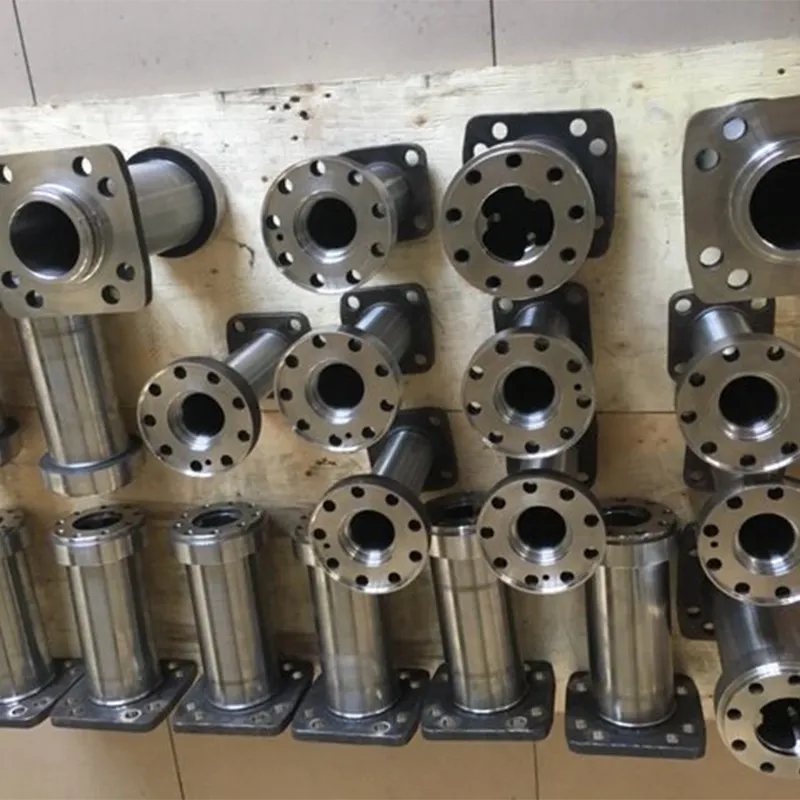
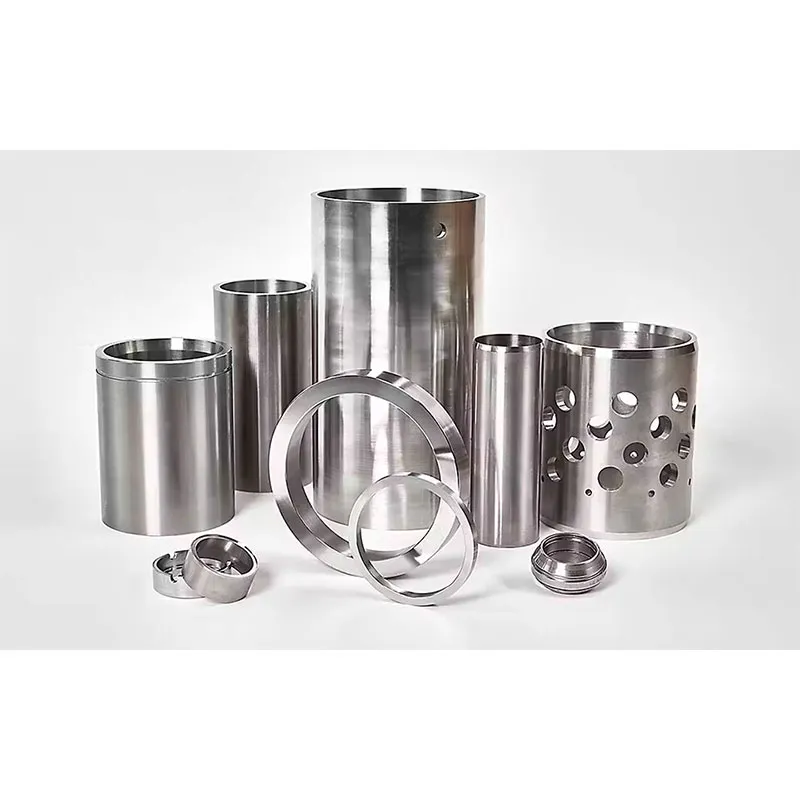
As a specialized OEM cast iron parts manufacturer, we deliver custom precision casting solutions engineered for high durability and tight tolerances. Our expertise spans gray, ductile, and malleable iron grades, serving industries from automotive to heavy machinery. By integrating advanced simulation software with rigorous quality control, we ensure every component meets exact dimensional specifications and mechanical performance standards. Whether you require complex geometries or high-volume production, our foundry processes optimize cost-efficiency without compromising structural integrity. Partner with us for reliable, scalable, and technically superior cast iron components tailored to your engineering requirements.
Understanding Custom Precision Casting for Cast Iron Parts
Cast iron remains a cornerstone material in modern manufacturing due to its exceptional compressive strength, vibration damping capabilities, and cost-effectiveness. However, sourcing high-quality cast iron parts requires more than just selecting a material grade; it demands a manufacturing partner capable of precision engineering. Custom precision casting involves creating metal components by pouring molten iron into a mold that has been shaped to the desired final form. This process allows for the production of complex shapes that would be difficult or prohibitively expensive to machine from solid stock.
In the context of Original Equipment Manufacturer (OEM) services, precision is paramount. It refers not only to dimensional accuracy but also to the consistency of microstructure and mechanical properties across large production runs. For engineers and procurement specialists, understanding the nuances of this process is critical. The ability to control cooling rates, manage shrinkage, and minimize porosity defines the quality of the final part. Our approach combines traditional foundry expertise with modern technological interventions to achieve these standards consistently.
The demand for customized solutions has grown as industries seek to reduce assembly times and improve product performance. By designing near-net-shape components, manufacturers can significantly reduce secondary machining operations. This reduces overall production costs and lead times. Furthermore, precise casting ensures that mating parts fit together seamlessly, enhancing the reliability of the final assembled product. This section explores the technical foundations that make custom precision casting a preferred choice for critical industrial applications.
The Engineering Logic Behind Precision Casting
Precision casting is not merely a molding process; it is a controlled solidification phenomenon. The quality of cast iron parts depends heavily on the thermal dynamics within the mold. When molten iron is poured, it begins to cool immediately. The rate of cooling determines the graphite structure formation, which directly influences the material’s hardness, tensile strength, and machinability. In custom OEM projects, we utilize computational fluid dynamics (CFD) and solidification simulation software to predict these thermal behaviors before any physical mold is created.
This predictive capability allows us to identify potential defects such as shrinkage cavities, cold shuts, or misruns early in the design phase. By adjusting gating systems and riser designs virtually, we optimize the flow of molten metal to ensure uniform filling. This level of engineering rigor distinguishes high-end OEM manufacturers from general job shops. It ensures that every batch of components meets the specified ASTM or ISO standards, providing reliability that downstream assembly lines depend on.
Types of Cast Iron Materials and Their Applications
Selecting the correct type of cast iron is fundamental to the success of any engineering project. Each variant offers distinct mechanical properties suited for specific operational environments. As an experienced manufacturer, we guide clients through the selection process to ensure the material aligns with functional requirements such as load-bearing capacity, wear resistance, and thermal conductivity.
- Gray Cast Iron: Characterized by its graphitic microstructure, gray iron is renowned for its excellent vibration damping and machinability. It is the most commonly used cast iron for machine tool bases, engine blocks, and pump housings where rigidity and noise reduction are critical.
- Ductile (Nodular) Iron: Through the addition of magnesium or cerium, the graphite forms into nodules rather than flakes. This significantly enhances tensile strength and ductility, making it ideal for automotive suspension components, pipe fittings, and heavy-duty gears that undergo dynamic stress.
- Malleable Iron: Produced by heat-treating white cast iron, malleable iron offers good ductility and shock resistance. It is often used in small castings requiring thin sections, such as electrical fittings and hand tools.
- White Cast Iron: Known for its extreme hardness and wear resistance due to carbide formation, white iron is primarily used in applications involving severe abrasion, such as mill liners and shot blasting nozzles.
Understanding these distinctions allows engineers to specify the most cost-effective material that still meets performance criteria. For instance, using ductile iron where gray iron suffices would unnecessarily increase costs, while using gray iron in high-impact scenarios could lead to catastrophic failure. Our technical team assists in validating material choices against operational loads and environmental conditions.
Comparative Analysis of Cast Iron Grades
To facilitate informed decision-making, the following table compares the key mechanical properties and typical applications of the primary cast iron types used in OEM manufacturing.
| Material Type |
Tensile Strength (MPa) |
Elongation (%) |
Hardness (HB) |
Key Advantage |
Typical Applications |
| Gray Iron (Class 30) |
210 |
< 1 |
170-220 |
Vibration Damping |
Machine bases, brake discs, manifolds |
| Ductile Iron (65-45-12) |
450 |
12 |
140-200 |
High Impact Resistance |
Crankshafts, wheel hubs, valve bodies |
| Malleable Iron |
350-550 |
6-18 |
120-180 |
Machinability & Toughness |
Pipe fittings, automotive brackets |
| White Iron |
150-200 |
< 1 |
400-600 |
Abrasion Resistance |
Slurry pumps, mining equipment |
This data serves as a general reference. Specific alloy modifications can tailor these properties further. For example, adding nickel or chromium can enhance heat resistance and corrosion protection, expanding the utility of cast iron into more aggressive chemical environments.
Our Precision Casting Processes: Technology and Methodology
At our facility, we employ a hybrid approach to casting, utilizing both green sand molding and resin sand processes depending on the complexity and volume of the order. This flexibility allows us to cater to both prototype development and mass production needs efficiently. The choice of molding method significantly impacts the surface finish, dimensional tolerance, and cost structure of the final cast iron parts.
Green Sand Molding for High Volume Production
Green sand molding is the most widely used method for producing cast iron components due to its cost-effectiveness and speed. The “green” refers to the moisture content in the sand mixture, which acts as a binder when compacted around the pattern. This process is highly suitable for high-volume runs where tooling costs need to be amortized over thousands of units.
Our automated green sand lines ensure consistent mold hardness, which is crucial for maintaining dimensional stability. We utilize high-pressure compaction techniques to create molds with uniform density, reducing the risk of wall movement during pouring. This results in tighter tolerances and reduced variability between parts. While the surface finish may not be as smooth as resin sand, it is sufficient for many industrial applications, especially when followed by standard machining operations.
Resin Sand Casting for Complex Geometries
For components requiring intricate details, undercuts, or superior surface finishes, we utilize resin-bonded sand systems. This method involves mixing sand with a chemical binder that cures at room temperature or with heat. The resulting molds are rigid and dimensionally stable, allowing for the production of complex shapes with minimal draft angles.
Resin sand casting is particularly advantageous for large, low-volume components or prototypes where pattern costs must be minimized. The superior collapsibility of the resin sand also reduces residual stresses in the casting, minimizing the risk of cracking during cooling. This process is ideal for manufacturing heavy machinery frames, large valve bodies, and artistic architectural elements where aesthetic quality is as important as structural integrity.
Lost Foam Casting Innovation
In recent years, we have integrated lost foam casting into our service portfolio for specific applications. This technique uses polystyrene foam patterns that vaporize upon contact with molten metal. It eliminates the need for parting lines and cores, enabling the creation of highly complex internal passages and external features in a single pour. This method is particularly beneficial for automotive intake manifolds and cylinder heads, where internal geometry complexity is high.
Quality Assurance and Control Standards
Trustworthiness in B2B manufacturing is built on verifiable quality. Our quality assurance protocol is designed to detect and eliminate defects at every stage of production, from raw material inspection to final shipment. We adhere to strict international standards, including ISO 9001, ensuring that our processes are documented, repeatable, and continuously improved.
Dimensional accuracy is verified using Coordinate Measuring Machines (CMM) and laser scanning technologies. These tools provide precise 3D maps of the cast components, allowing us to compare actual dimensions against CAD models with micron-level precision. Any deviations are analyzed to adjust process parameters for subsequent batches, ensuring continuous improvement.
Non-Destructive Testing (NDT) Methods
To ensure internal integrity without damaging the part, we employ several Non-Destructive Testing methods:
- Magnetic Particle Inspection (MPI): Used to detect surface and near-surface discontinuities in ferromagnetic materials. This is critical for identifying cracks or laps that could compromise structural integrity.
- Ultrasonic Testing (UT): Utilizes high-frequency sound waves to detect internal voids, inclusions, or shrinkage cavities. This method is essential for thick-walled components where internal defects are not visible externally.
- Radiographic Testing (RT): X-ray or gamma-ray imaging provides a detailed view of the internal structure, allowing for the detection of subtle porosity or core shifts. This is often required for safety-critical components in the aerospace and energy sectors.
Chemical composition analysis is performed using Optical Emission Spectrometry (OES) for every melt. This ensures that the alloy elements are within the specified range, guaranteeing the expected mechanical properties. Mechanical testing, including tensile, hardness, and impact tests, is conducted on sample coupons from each batch to validate performance claims.
Design for Manufacturability (DFM) in Cast Iron Projects
Successful casting begins with intelligent design. Many manufacturing challenges can be avoided by optimizing the component design for the casting process. Our engineering team works closely with clients during the DFM phase to suggest modifications that enhance castability, reduce material waste, and lower overall costs.
Key considerations in DFM for cast iron include uniform wall thickness, appropriate draft angles, and strategic placement of ribs and bosses. Uniform wall thickness prevents differential cooling rates, which can lead to warping or cracking. Draft angles facilitate the easy removal of the pattern from the sand mold, preventing damage to the mold cavity. Ribs add strength without adding excessive weight, while bosses provide secure mounting points for fasteners.
Common Design Pitfalls to Avoid
Experienced designers know that certain features can complicate the casting process. Sharp corners, for instance, act as stress concentrators and can initiate cracks. We recommend incorporating fillets and radii in all internal and external corners to distribute stress evenly and improve metal flow. Additionally, overly complex core structures can increase tooling costs and the risk of core shift. Simplifying internal geometries where possible can lead to significant cost savings.
Another common issue is the placement of parting lines. Ideally, parting lines should be located in a way that minimizes the number of cores required and facilitates easy molding. Poorly placed parting lines can result in flash, which requires additional finishing work. By addressing these issues early in the design phase, we ensure a smoother transition from concept to production.
Step-by-Step Guide to Ordering Custom Cast Iron Parts
Navigating the procurement process for custom OEM components can be streamlined by following a structured approach. Below is a step-by-step guide to help you engage effectively with your manufacturing partner.
- Submit Technical Drawings and Specifications: Provide detailed 2D drawings and 3D CAD files. Include material specifications, tolerance requirements, and surface finish expectations. Clear communication at this stage prevents misunderstandings later.
- Feasibility Review and DFM Feedback: Our engineers will review your design for manufacturability. We may suggest minor modifications to improve yield or reduce cost. This collaborative step is crucial for optimizing the final product.
- Quotation and Tooling Design: Based on the finalized design, we provide a detailed quotation including tooling costs, unit price, and lead times. Once approved, our tooling department begins designing and fabricating the patterns and core boxes.
- Prototype Production and Validation: Initial samples are produced for validation. These parts undergo rigorous inspection to ensure they meet all dimensional and mechanical requirements. Feedback is incorporated if any adjustments are needed.
- Mass Production and Quality Monitoring: Upon approval of samples, full-scale production begins. Continuous quality monitoring ensures consistency throughout the run. Regular reports are provided to keep you informed of progress.
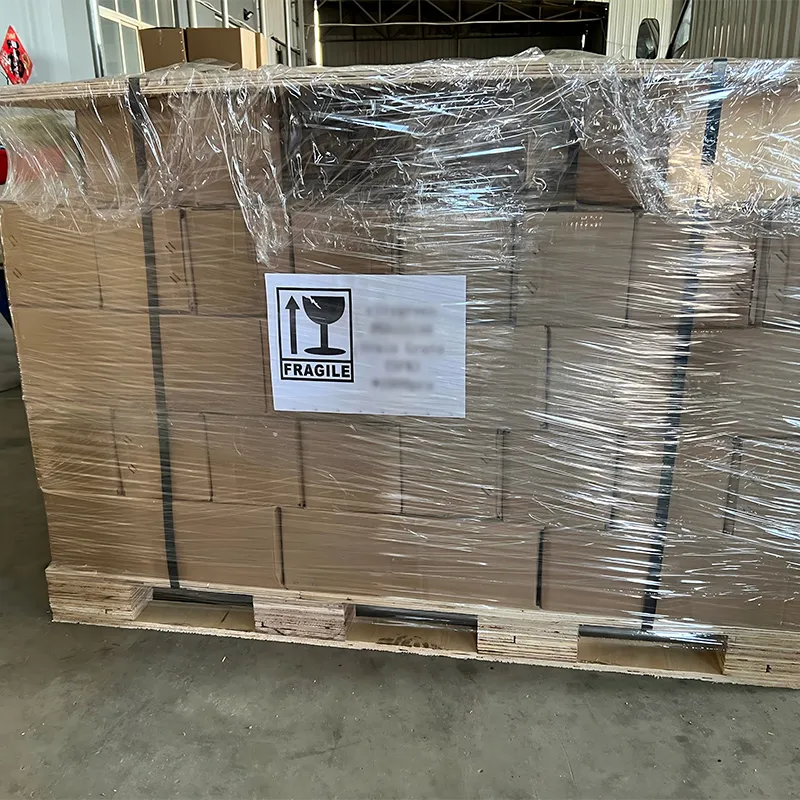
- Finishing and Shipping: Parts are cleaned, shot blasted, and machined as required. Final inspection is conducted before packaging and shipping. We ensure secure packaging to prevent damage during transit.
This transparent process ensures that you remain in control of your project timeline and quality expectations. It fosters a partnership based on trust and mutual success.
Industry Applications of Precision Cast Iron Components
The versatility of cast iron makes it indispensable across a wide range of industries. Our OEM services support diverse sectors, each with unique requirements and challenges.
Automotive and Transportation
In the automotive sector, weight reduction and fuel efficiency are driving forces. However, cast iron remains critical for components requiring high strength and heat resistance, such as engine blocks, cylinder heads, and brake rotors. Ductile iron is increasingly used for suspension components and steering knuckles due to its superior fatigue resistance. Our precision casting capabilities allow for the production of lightweight, high-performance parts that contribute to overall vehicle efficiency.
Heavy Machinery and Construction
Construction equipment operates in harsh environments subject to high impact and abrasion. Cast iron components, such as track shoes, bucket teeth, and hydraulic pump housings, must withstand extreme conditions. The wear resistance and toughness of our specialized cast irons ensure longevity and reduced downtime for heavy machinery operators. We work closely with equipment manufacturers to develop custom alloys that extend service life in abrasive applications.
Energy and Power Generation
The energy sector relies on robust components for turbines, generators, and pipeline systems. Cast iron valves, flanges, and pump bodies are essential for controlling fluid flow in oil, gas, and water applications. Our ability to produce large, complex castings with high pressure ratings ensures the safety and reliability of power generation infrastructure. We adhere to strict industry standards to meet the rigorous demands of this sector.
Agriculture and Farming Equipment
Agricultural machinery requires durable components that can resist soil abrasion and impact from rocks. Gearbox housings, wheel rims, and plow shares are commonly made from cast iron. Our cost-effective manufacturing solutions help farmers maintain equipment affordability while ensuring durability in demanding field conditions.
Frequently Asked Questions (FAQ)
To address common inquiries from our clients, we have compiled a list of frequently asked questions regarding our custom precision casting services.
What is the minimum order quantity (MOQ) for custom cast iron parts?
Our MOQ depends on the complexity of the part and the molding process used. For green sand molding, we typically require higher volumes to justify tooling costs, often starting at 500-1000 units. For resin sand or lost foam processes, we can accommodate lower volumes, sometimes as low as 50-100 units for prototypes. We strive to be flexible to support both startup projects and established production lines.
How do you ensure dimensional accuracy in large castings?
We use rigid resin sand molds and advanced simulation software to predict and compensate for shrinkage. Additionally, we employ skilled pattern makers who incorporate precise shrinkage allowances into the tooling design. Post-casting, we use CMM and laser scanning to verify dimensions against the original CAD model, ensuring adherence to specified tolerances.
Can you handle post-casting machining and finishing?
Yes, we offer comprehensive value-added services, including CNC machining, grinding, painting, and powder coating. This one-stop-shop approach reduces your supply chain complexity and ensures that the final component meets all assembly-ready specifications. Our machining centers are equipped to handle complex multi-axis operations for high-precision features.
What file formats do you accept for design submissions?
We accept standard 3D CAD formats such as STEP, IGES, and STL, as well as 2D drawings in PDF or DWG format. Providing both 3D models and 2D drawings with critical dimensions and tolerances marked is recommended for the most accurate quotation and production setup.
How long does the tooling process take?
Tooling lead time varies based on complexity and size. Simple patterns may be completed in 2-3 weeks, while complex multi-piece tooling can take 4-6 weeks. We expedite urgent projects where possible and provide regular updates on tooling progress to keep your project on schedule.
Why Choose Us as Your OEM Cast Iron Partner?
Choosing the right manufacturing partner is a strategic decision that impacts your product’s quality, cost, and time-to-market. At Qingdao Qiangsenyuan Technology Co., Ltd. (QSY), we bring over 30 years of dedicated experience in the casting and machining industry to every project. Our commitment to excellence sets us apart in the competitive landscape of cast iron manufacturing.
Technical Expertise & Scale: With a production workshop covering over 50,000 square meters, QSY encompasses specialized shell mold casting lines, investment casting production lines, a CNC machining workshop, and dedicated quality inspection and packaging facilities. Our engineering team possesses deep knowledge of metallurgy and casting processes, handling materials ranging from cast iron and steel to stainless steel and special alloys like cobalt-based and nickel-based superalloys. We do not just manufacture parts; we solve engineering challenges.
Advanced Technology: Our investment in simulation software, automated molding lines, and precision inspection equipment ensures consistent quality and efficiency. We leverage technology to minimize waste and maximize value, supporting industries from agricultural and medical machinery to mining and petrochemicals.
Customer-Centric Approach: We aim to provide customers with one-stop customized casting processing services. Viewing ourselves as an extension of your team, our responsive communication and flexible production capabilities allow us to adapt to your changing needs. Having cooperated with clients in more than 20 countries, we are equipped to deliver whether you need rapid prototyping or high-volume production.
Sustainability Focus: We are committed to environmentally responsible manufacturing. Our sand reclamation systems recycle over 90% of used sand, and our energy-efficient furnaces reduce carbon footprint. Partnering with us supports your sustainability goals.
Conclusion and Next Steps
Custom precision casting of cast iron parts is a sophisticated process that balances material science, engineering design, and manufacturing precision. By understanding the distinct properties of different iron grades and leveraging advanced casting technologies, manufacturers can produce components that offer superior performance and cost-efficiency. From automotive engines to heavy machinery frames, the reliability of your end product depends on the quality of its foundational components.
For businesses seeking a reliable OEM partner, the key lies in selecting a manufacturer with proven expertise, robust quality control, and a commitment to collaborative engineering. Qingdao Qiangsenyuan Technology Co., Ltd. is equipped to handle your most challenging projects, delivering precision-cast components that meet the highest industry standards. We invite you to experience the difference that technical excellence and dedicated service can make in your supply chain.
If you have a project in mind or need assistance with design optimization, our team is ready to assist. Contact us today to discuss your specific requirements, request a quote, or learn more about our capabilities. Let us help you bring your engineering visions to life with precision and reliability.
→ Explore Our Full Range of Casting Solutions and Technical Resources