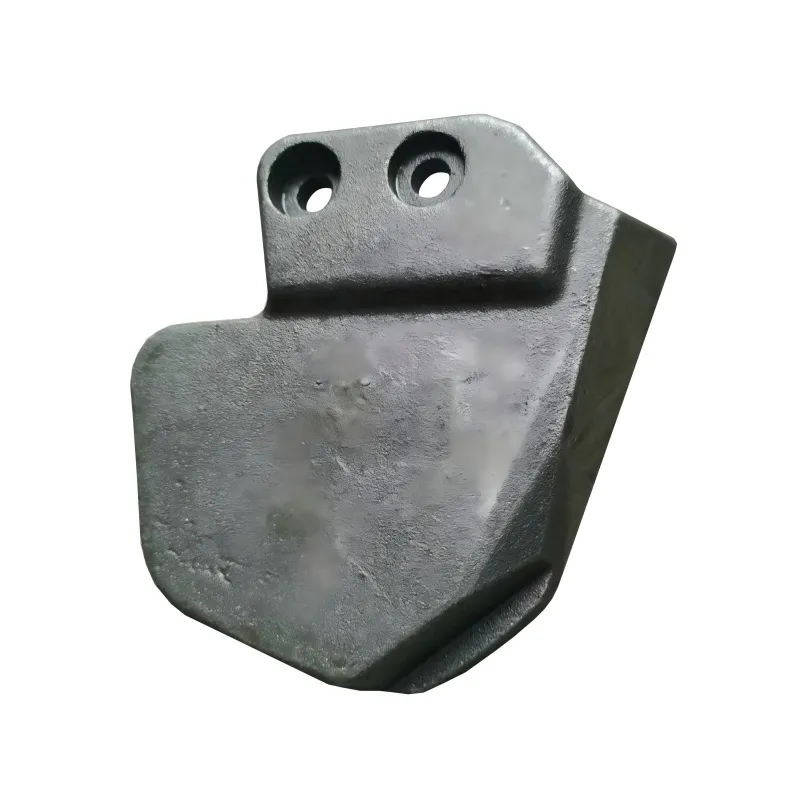
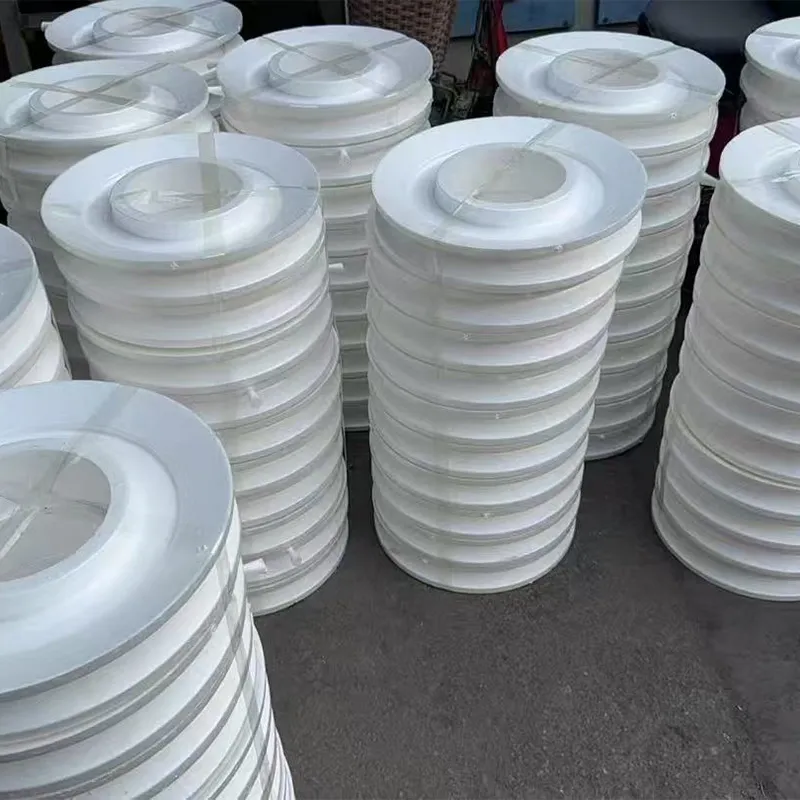
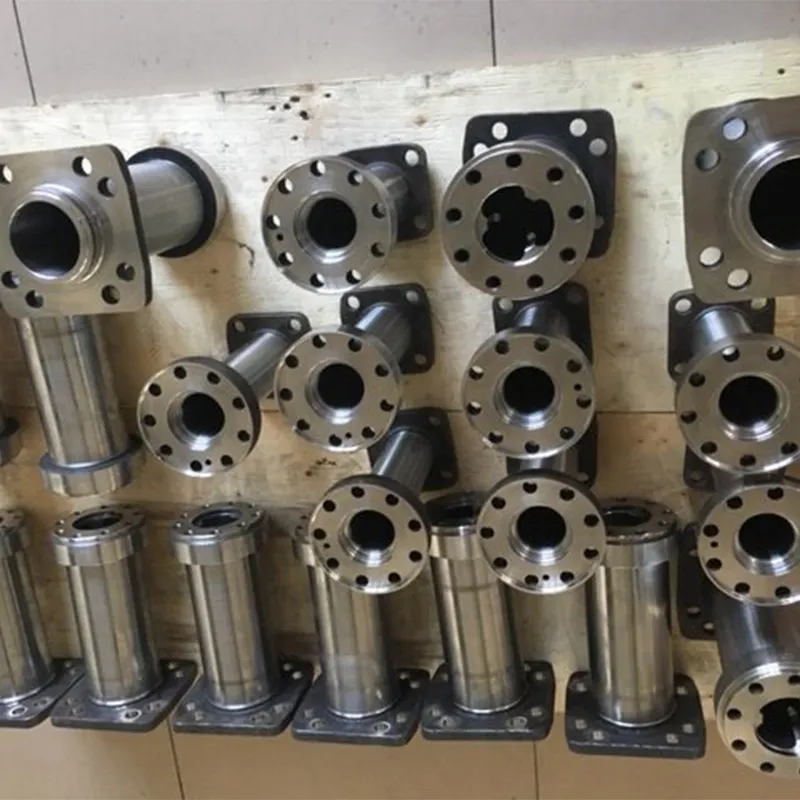
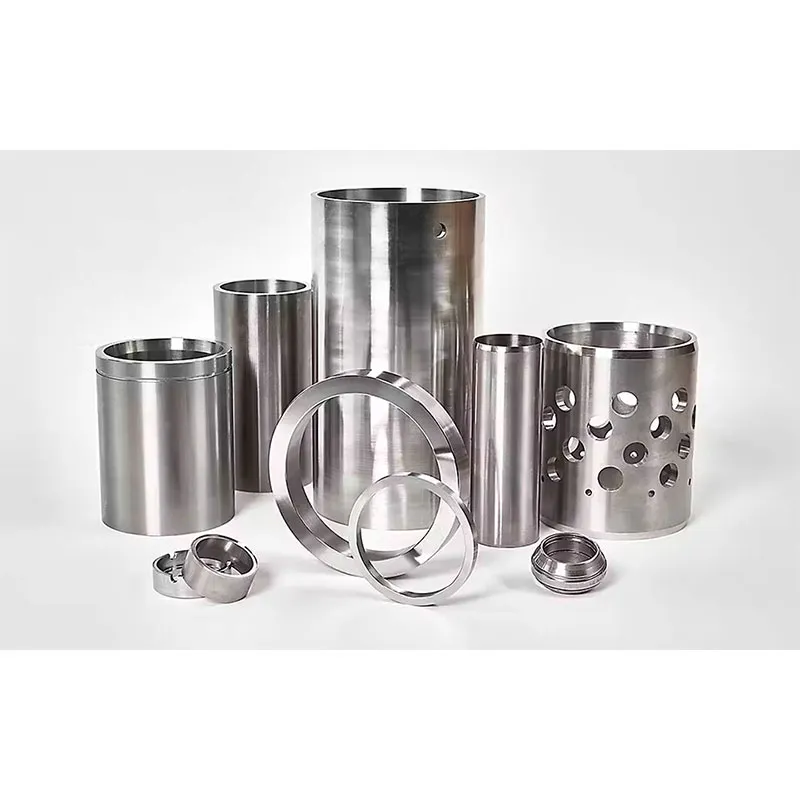
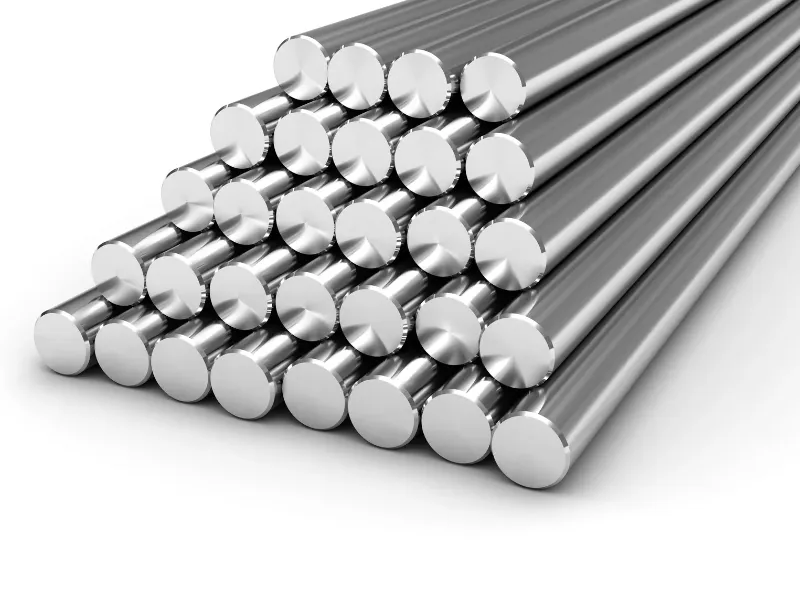
Wax metal casting, technically known as investment casting or lost-wax casting, is a precision manufacturing process that produces complex, high-tolerance metal components by melting away a wax pattern. This method is essential for industries requiring intricate geometries, superior surface finishes, and strict dimensional accuracy in materials ranging from stainless steel to cobalt-nickel superalloys. For engineering teams sourcing critical parts for hydraulic systems, oil and gas equipment, and specialized pump assemblies, selecting a manufacturer with integrated capabilities in both wax pattern creation and final machining ensures structural integrity and performance reliability under extreme operational conditions.
What Is Wax Metal Casting and How Does It Work?
Wax metal casting is a subtractive-adjacent manufacturing technique where a disposable wax model defines the final shape of the metal part. Unlike sand casting, which relies on granular molds, investment casting uses a ceramic shell built around a wax assembly. This allows for tighter tolerances, typically within ±0.1mm to ±0.5mm, and smoother surface finishes ranging from 1.6 to 6.3 Ra.
The process is particularly valued for its ability to produce near-net-shape components, significantly reducing the need for secondary machining. For high-performance applications involving difficult-to-machine alloys like AMS 5387 Cobalt Alloy 6 or T800 materials, this reduction in post-casting processing is critical. It minimizes material waste and preserves the metallurgical integrity of the component, which is often compromised by excessive cutting or grinding.
The Step-by-Step Investment Casting Process
Understanding the workflow helps engineers identify potential quality control points. The standard procedure involves several precise stages:
- Pattern Creation: High-quality wax is injected into aluminum molds to create exact replicas of the final part. For complex assemblies, multiple wax patterns are attached to a central wax sprue, forming a “tree.”
- Shell Building: The wax tree is dipped into a silica slurry and stuccoed with ceramic sand. This process is repeated multiple times to build a thick, robust ceramic shell capable of withstanding molten metal temperatures.
- Dewaxing: The coated tree is placed in an autoclave or flash fire oven. The wax melts and drains out, leaving a hollow ceramic cavity that perfectly mirrors the original wax geometry.
- Metal Pouring: Molten metal, heated to specific temperatures based on the alloy type, is poured into the preheated ceramic shell under vacuum or atmospheric pressure.
- Shell Removal and Cut-Off: Once the metal solidifies and cools, the ceramic shell is broken away via vibration or water jetting. Individual parts are then cut from the central sprue.
- Finishing and Inspection: Parts undergo grinding, shot blasting, and heat treatment if required. Final dimensions are verified using CMM (Coordinate Measuring Machine) and optical instruments to ensure compliance with GD&T specifications.
Why Choose Wax Casting for High-Precision Industrial Components?
In sectors such as hydraulic systems and engineering vehicles, component failure is not an option. Wax metal casting offers distinct advantages over other manufacturing methods, particularly when dealing with complex internal passages or thin walls that are impossible to machine from solid stock.
At QINGDAO QIANGSENYUAN TECHNOLOGY CO., LTD., the integration of wax casting with precision CNC machining allows for the production of mission-critical parts like piston pump cylinder housings and pressure valves. The company’s focus on high-performance alloys means that the casting process is optimized to handle the unique flow and cooling characteristics of materials like cobalt-nickel alloys.
Key Advantages of Investment Casting
- Complex Geometry Capability: Undercuts, internal channels, and intricate contours can be cast directly, reducing assembly requirements.
- Material Versatility: Compatible with a wide range of ferrous and non-ferrous alloys, including stainless steel, carbon steel, and specialized superalloys.
- Superior Surface Finish: The smooth interior of the ceramic shell results in a high-quality surface finish, reducing the need for extensive polishing.
- Dimensional Accuracy: Consistent shrinkage rates allow for predictable tolerances, crucial for interfacing parts in hydraulic and pump systems.
- Cost-Effectiveness for Medium Volumes: While tooling costs exist, the per-unit cost decreases significantly for medium-volume runs compared to full CNC machining from billet.
Material Selection: From Stainless Steel to Cobalt Superalloys
The choice of material in wax metal casting dictates the component’s performance under stress, heat, and corrosion. QINGDAO QIANGSENYUAN TECHNOLOGY specializes in handling difficult-to-machine superalloys, ensuring consistent metallurgical properties across batches through certified raw material sourcing.
Cobalt-Nickel Alloys and Superalloys
For applications involving extreme wear and high temperatures, such as oil and gas equipment and specialized pump assemblies, cobalt-based alloys are preferred. The company’s expertise includes processing:
- AMS 5387 Cobalt Alloy 6: Known for excellent corrosion resistance and high-temperature strength, ideal for valve seats and pump parts.
- T800 Cobalt-Based Materials: Used for non-standard components requiring exceptional hardness and wear resistance.
- Cobalt Alloy Nozzles and Plugs: Precision-cast for fluid control applications where erosion resistance is paramount.
These materials are challenging to machine due to their hardness and tendency to work-harden. By utilizing wax casting to achieve near-net shapes, QINGDAO QIANGSENYUAN minimizes the amount of material removal required, thereby reducing tool wear and production time while maintaining the integrity of the alloy’s microstructure.
Steel and Stainless Steel Castings
For structural components like pump foundations and engineering vehicle winch center shaft rollers, stainless and carbon steels provide the necessary tensile strength and durability. The company’s ISO-compliant facility supports heat treatment integration, allowing for tailored mechanical properties such as increased hardness or improved toughness depending on the application requirements.
Comparison: Wax Casting vs. Sand Casting vs. CNC Machining
Selecting the right manufacturing process depends on volume, complexity, and tolerance requirements. The following table compares wax metal casting with other common methods to aid in decision-making.
| Feature |
Wax Metal Casting (Investment) |
Sand Casting |
CNC Machining |
| Surface Finish |
Excellent (1.6 – 6.3 Ra) |
Rough (6.3 – 25 Ra) |
Superior (0.4 – 1.6 Ra) |
| Dimensional Tolerance |
High (±0.1mm – ±0.5mm) |
Medium (±0.5mm – ±2.0mm) |
Very High (±0.01mm – ±0.1mm) |
| Geometry Complexity |
Very High (Internal features possible) |
Medium (Limited by core removal) |
High (Limited by tool access) |
| Material Waste |
Low (Near-net-shape) |
Medium |
High (Subtractive process) |
| Lead Time |
Medium (Pattern + Shell build) |
Fast (Simple molds) |
Fast for prototypes, slow for volume |
| Best For |
Complex, high-precision parts |
Large, simple structural parts |
Simple geometries, tight tolerances |
For components like pressure valves and cylinder housings, wax casting often serves as the optimal balance between complexity and precision. However, for final sealing surfaces or bearing journals, QINGDAO QIANGSENYUAN employs multi-axis CNC machining post-casting to achieve the requisite fine tolerances.
Applications in Critical Industries
Wax metal casting is not a one-size-fits-all solution; it is specifically suited for industries where performance outweighs initial tooling costs. QINGDAO QIANGSENYUAN TECHNOLOGY serves customers across North America, Europe, and Southeast Asia, delivering components for demanding sectors.
Hydraulic Systems and Pump Assemblies
Hydraulic components operate under high pressure and dynamic loading. Piston pump cylinder housings and pressure valves require precise internal geometries to ensure efficient fluid flow and prevent leakage. Wax casting allows for the creation of complex internal ports and chambers that would be prohibitively expensive to machine from solid blocks. The use of cobalt-nickel alloys in these applications enhances wear resistance, extending the service life of the equipment.
Oil and Gas Equipment
In the oil and gas sector, components are exposed to corrosive environments and extreme temperatures. Cobalt alloy nozzles and plugs manufactured via wax casting offer superior resistance to erosion and chemical attack. The ability to cast these parts with minimal porosity ensures they can withstand the high pressures encountered in drilling and extraction operations.
Engineering Vehicles and Heavy Machinery
Engineering vehicles require robust components that can endure shock loads and abrasion. Onboard winch center shaft rollers and pump foundations are typical examples. These parts benefit from the structural integrity provided by investment casting, combined with the toughness of steel alloys. The vertical integration at QINGDAO QIANGSENYUAN allows for seamless transition from casting to finishing, ensuring that these heavy-duty components meet strict dimensional standards.
Quality Assurance and Technical Expertise
Trustworthiness in B2B manufacturing is built on transparent quality control and technical competence. QINGDAO QIANGSENYUAN TECHNOLOGY embeds quality assurance at every stage of production, from incoming material verification to final functional assessment.
Integrated Quality Control Protocols
- Material Traceability: All raw materials are sourced from certified suppliers, with full traceability maintained for critical components. This ensures consistent metallurgical properties and compliance with international standards.
- In-Process Inspection: Dimensional inspections are conducted using CMM and optical measuring instruments during key stages of production. This early detection of deviations prevents costly rework later in the process.
- Final Assessment: Each batch undergoes rigorous visual and functional testing per customer specifications. Documented inspection protocols provide clients with verifiable proof of quality.
- GD&T Interpretation: The engineering team provides drawing validation and feedback on manufacturability, enabling early risk mitigation. This collaborative approach ensures that designs are optimized for both performance and cost-effective production.
Vertically Integrated Capabilities
The company’s operational model integrates design support, material selection, precision manufacturing, and strict quality assurance. This vertical integration spans casting, CNC machining, and finishing, allowing for tight control over dimensional stability, microstructure integrity, and surface quality. By managing the entire workflow in-house, QINGDAO QIANGSENYUAN reduces lead times and ensures consistent quality across prototype and medium-volume production orders.
Common Challenges in Wax Metal Casting and Solutions
Even with advanced processes, challenges can arise. Understanding these issues helps in setting realistic expectations and designing for manufacturability.
Porosity and Shrinkage Defects
Porosity can weaken components and lead to failure under pressure. This is often caused by improper gating design or inadequate venting. QINGDAO QIANGSENYUAN addresses this through simulation software and experienced engineering review, optimizing the wax tree design to ensure uniform metal flow and solidification.
Dimensional Variation
Wax shrinkage and ceramic expansion can lead to dimensional variations. To mitigate this, the company uses precise temperature control during dewaxing and pouring, along with calibrated tooling. Regular maintenance of wax injection molds ensures consistent pattern dimensions.
Surface Imperfections
While investment casting offers good surface finish, occasional imperfections like inclusions or rough spots can occur. Automated shot blasting and manual grinding processes are employed to achieve the specified surface roughness. For critical sealing surfaces, subsequent CNC machining ensures perfect flatness and finish.
Frequently Asked Questions (FAQ)
What is the minimum order quantity for wax metal casting?
Minimum order quantities vary based on part complexity and tooling requirements. For prototype orders, low volumes are acceptable to validate design and fit. For medium-volume production, economies of scale reduce the per-unit cost significantly. QINGDAO QIANGSENYUAN supports both prototype and production runs with flexible planning.
Can you cast threads and fine details directly?
Yes, wax casting can produce fine details and even threads, although machined threads are often preferred for high-precision applications due to tighter tolerance control. Fine details such as logos, part numbers, and small holes can be cast directly, reducing secondary operations.
How long does the tooling process take?
Tooling for wax injection molds typically takes 2-4 weeks, depending on complexity. Once tools are approved, sample parts can be produced quickly. The ceramic shell building process adds a few days to the lead time, but overall turnaround is competitive for complex parts.
What industries do you serve?
The company primarily serves hydraulic systems, engineering vehicles, oil and gas equipment, and specialized pump assemblies. Clients are located in North America, Europe, and Southeast Asia, relying on the company’s expertise in high-alloy precision components.
Do you provide material certificates?
Yes, full material traceability is maintained. Certificates of Compliance (COC) and Material Test Reports (MTR) are provided for all critical components, ensuring adherence to specified alloy standards such as AMS 5387.
Conclusion: Partnering for Precision and Performance
Wax metal casting remains a cornerstone technology for producing high-precision, complex metal components. Its ability to handle sophisticated geometries and advanced materials like cobalt-nickel superalloys makes it indispensable for industries demanding reliability and performance. By choosing a manufacturer with vertically integrated capabilities, such as QINGDAO QIANGSENYUAN TECHNOLOGY CO., LTD., engineering teams gain a partner dedicated to quality, precision, and technical collaboration.
Whether you require piston pump cylinder housings, pressure valves, or custom cobalt alloy parts, the combination of investment casting and CNC machining offers the optimal solution for meeting stringent operational requirements. With a commitment to ISO-compliant processes, full material traceability, and responsive technical support, QINGDAO QIANGSENYUAN ensures that your critical components deliver consistent performance in the most demanding environments.
For detailed technical consultations, drawing validation, or to discuss your specific project requirements, contact our engineering team today. Let us help you optimize your design for manufacturability and achieve cost-effective, high-quality production.
Explore our full range of CNC machined parts and casting solutions