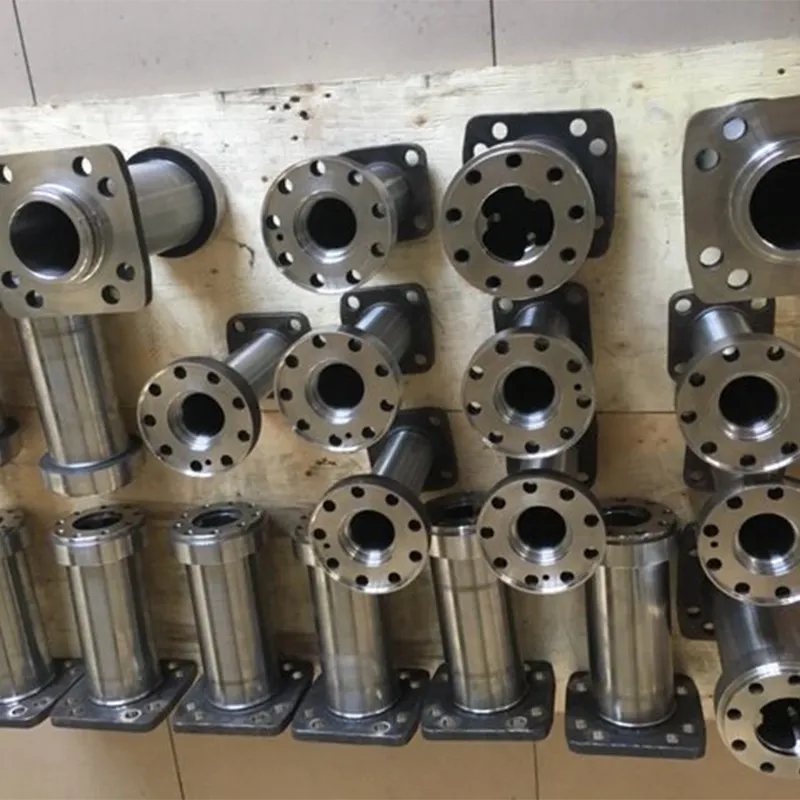
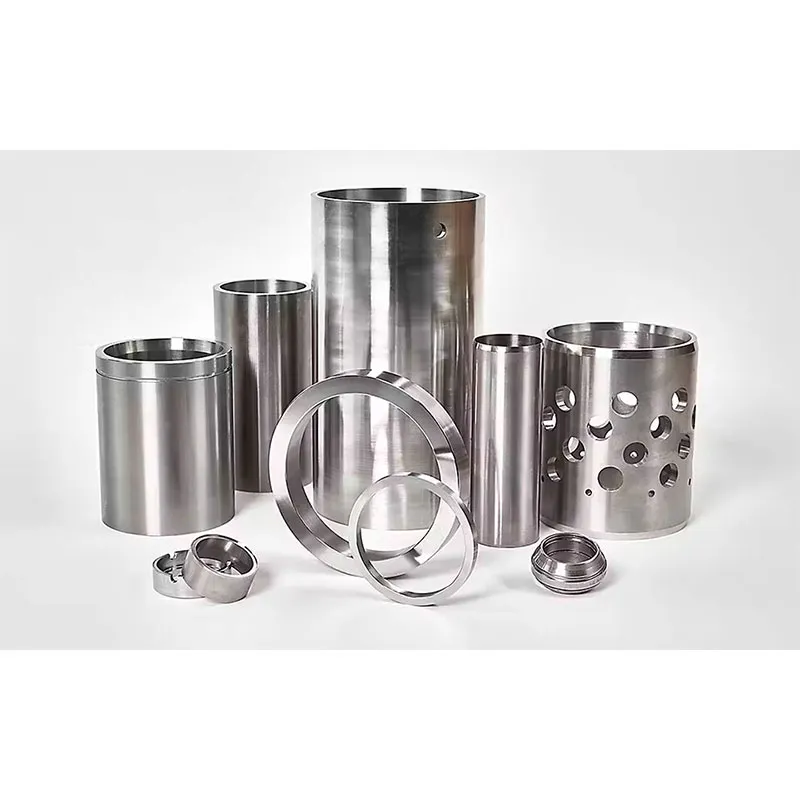
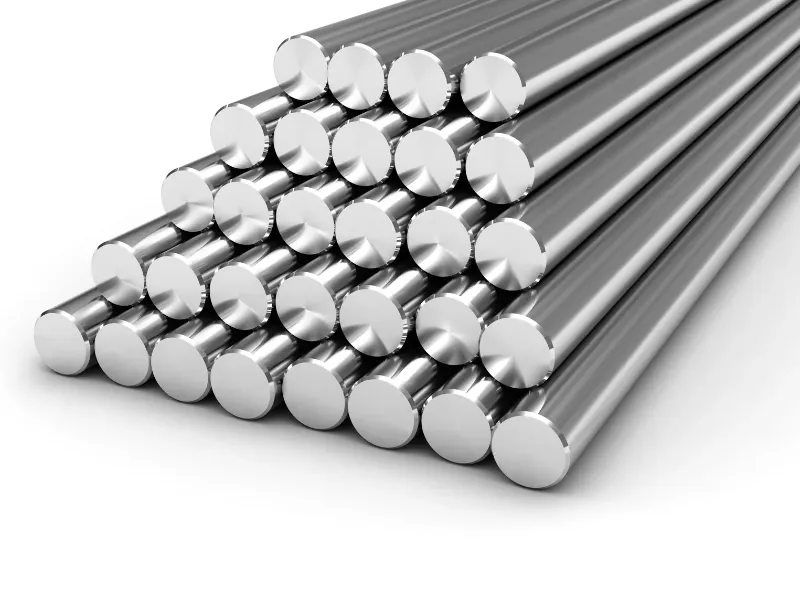
An aluminum sand casting foundry is a specialized manufacturing facility that produces metal components by pouring molten aluminum into molds created from compacted sand. As a premier OEM manufacturer and supplier, we provide end-to-end solutions for complex geometries, high-volume production, and strict tolerance requirements. Our processes integrate advanced pattern making, precise alloy selection, and rigorous quality control to deliver durable, cost-effective parts for automotive, aerospace, and industrial machinery sectors. This guide details the technical capabilities, process workflows, and strategic advantages of partnering with a professional aluminum sand casting provider in 2026.
What Is an Aluminum Sand Casting Foundry?
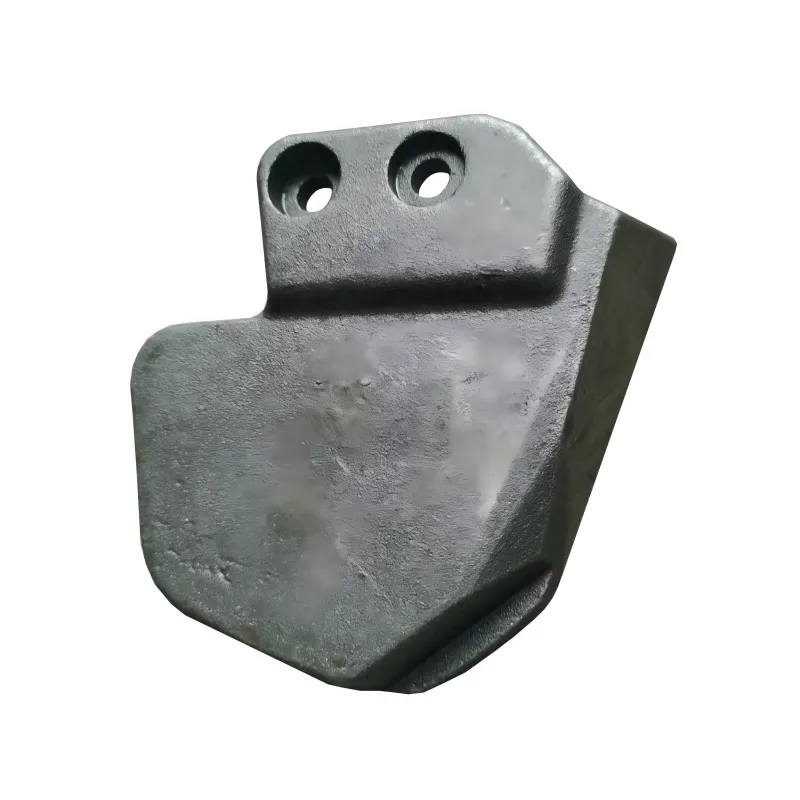
An aluminum sand casting foundry operates at the intersection of metallurgical science and precision engineering. Unlike permanent mold or die casting, sand casting utilizes expendable sand molds to form the shape of the final part. This method is particularly advantageous for producing large, complex, or low-to-medium volume components where tooling costs for die casting would be prohibitive.
The core function of the foundry is to transform raw aluminum alloys into functional engineering components. The process relies on the creation of a negative impression of the part within a sand mixture, which is then filled with molten aluminum heated to approximately 700°C to 750°C. Once the metal solidifies, the sand mold is broken away, revealing the cast part.
In 2026, modern foundries have evolved beyond traditional manual methods. We employ automated molding lines, computer-aided design (CAD) for pattern optimization, and simulation software to predict filling and cooling behaviors. This technological integration ensures that every component meets stringent international standards, including ISO 9001 and IATF 16949 for automotive applications.
Core Capabilities of a Modern Foundry
- Custom Alloy Formulation: Ability to work with A356, A380, 319, and custom aluminum-silicon-magnesium blends to meet specific mechanical property requirements.
- Complex Geometry Handling: Production of parts with internal cavities, undercuts, and intricate surface details using core-making technologies.
- Scalable Production: Flexibility to handle prototypes, short runs, and high-volume mass production without compromising consistency.
- Post-Casting Precision: Integrated machining, heat treatment, and surface finishing services to deliver ready-to-assemble components.
The Aluminum Sand Casting Process: Step-by-Step
Understanding the manufacturing workflow is critical for engineers and procurement specialists evaluating suppliers. The aluminum sand casting process is a multi-stage operation that requires precise control at each step to ensure dimensional accuracy and structural integrity.
1. Pattern Making and Design Optimization
The process begins with the creation of a pattern, a replica of the final part used to form the sand mold. In our facility, patterns are manufactured from wood, plastic, or metal, depending on the production volume. Using 3D printing technology, we can rapidly prototype patterns for design validation before committing to hard tooling.
Key considerations at this stage include:
- Shrinkage Allowance: Aluminum shrinks as it cools. Patterns are oversized by a calculated factor (typically 1.3% to 1.6%) to compensate for thermal contraction.
- Draft Angles: Slight tapers are added to vertical surfaces to facilitate the easy removal of the pattern from the sand without damaging the mold cavity.
- Gating System Design: Engineers design channels (gates and runners) to ensure smooth, turbulent-free flow of molten metal, minimizing air entrapment and oxidation.
2. Mold Preparation and Core Making
Once the pattern is ready, the molding process begins. High-quality silica sand is mixed with bonding agents, such as clay (in green sand casting) or chemical resins (in no-bake or shell molding). The sand is compacted around the pattern to create a rigid mold.
For parts with internal features, such as engine blocks or pump housings, cores are required. Cores are separate sand shapes inserted into the mold cavity to create hollow sections. Modern foundries use cold-box or hot-box core shooting machines to produce cores with high dimensional stability and smooth surface finishes.
3. Melting and Pouring
Aluminum ingots and scrap are melted in induction or gas-fired furnaces. Temperature control is critical; overheating can lead to gas absorption and porosity, while underheating results in poor fluidity and incomplete filling.
Before pouring, the molten aluminum undergoes treatment:
- Degassing: Removal of hydrogen gas to prevent porosity.
- Grain Refinement: Addition of titanium or boron to refine the microstructure, enhancing mechanical strength.
- Modification: Addition of strontium to improve the morphology of silicon particles in Al-Si alloys, boosting ductility.
The treated metal is then poured into the mold cavity through the gating system. Automated pouring systems ensure consistent flow rates and temperatures, reducing human error and variability.
4. Cooling and Shakeout
After pouring, the mold is allowed to cool until the aluminum solidifies completely. Cooling time depends on the part’s wall thickness and complexity. Once solidified, the mold is broken apart in a shakeout station. The sand is reclaimed, processed, and reused, aligning with sustainable manufacturing practices.
5. Cleaning and Finishing
The raw casting, known as the “shakeout,” contains excess material such as gates, risers, and flash. These are removed via cutting, grinding, or shot blasting. Shot blasting also cleans the surface, removing residual sand and oxide layers, preparing the part for inspection or further machining.
Types of Sand Casting Methods Used in Our Foundry
Not all sand casting processes are identical. Selecting the right method depends on the part’s complexity, required surface finish, and production volume. As a versatile OEM manufacturer, we utilize three primary sand casting techniques.
| Casting Method | Bonding Agent | Surface Finish | Dimensional Tolerance | Best For |
| Green Sand Casting | Clay and Water | Rougher (Ra 6.3–12.5 μm) | ±0.5 mm to ±1.0 mm | High-volume production, cost-sensitive parts, automotive brackets. |
| No-Bake (Air-Set) Casting | Chemical Resins | Smooth (Ra 3.2–6.3 μm) | ±0.3 mm to ±0.8 mm | Large, complex parts, low-to-medium volume, heavy machinery components. |
| Shell Molding | Thermosetting Resin | Very Smooth (Ra 1.6–3.2 μm) | ±0.2 mm to ±0.5 mm | Precision parts, thin walls, intricate geometries, valve bodies. |
Green Sand Casting: The Industry Workhorse
Green sand casting is the most common method due to its cost-effectiveness and speed. The term “green” refers to the moisture content in the sand, not the color. This method allows for rapid mold production and is ideal for high-volume runs where extreme precision is not the primary constraint. It is widely used for automotive engine blocks, transmission cases, and structural brackets.
No-Bake Casting: Precision for Large Components
No-bake casting uses chemical binders that harden at room temperature. This eliminates the need for baking ovens, allowing for the production of very large molds that would be impractical in green sand systems. The resulting molds are more rigid, offering better dimensional accuracy and smoother surfaces. This method is preferred for large industrial pumps, compressor housings, and marine components.
Shell Molding: High-Definition Detail
Shell molding involves coating a heated metal pattern with a sand-resin mixture to form a thin, hard shell. Two halves are joined to create the mold. This process yields excellent surface finishes and tight tolerances, reducing the need for secondary machining. It is ideal for smaller, intricate parts like firearm components, hydraulic valve bodies, and aerospace fittings.
Why Choose Aluminum for Sand Casting?
Aluminum is the preferred metal for sand casting in many industries due to its unique combination of physical and economic properties. Understanding these benefits helps engineers justify material selection in their design phases.
Superior Strength-to-Weight Ratio
Aluminum alloys offer significant weight savings compared to steel or iron, without sacrificing structural integrity. This is crucial in automotive and aerospace applications where reducing mass improves fuel efficiency and performance. Sand casting allows for the creation of optimized, lightweight structures with ribbing and thin walls that would be difficult to machine from solid billets.
Excellent Corrosion Resistance
Natural oxide layers on aluminum provide inherent resistance to corrosion. For outdoor or marine applications, aluminum sand castings often require minimal protective coating, reducing long-term maintenance costs. Alloys like A356 can be further enhanced with anodizing or powder coating for aggressive environments.
High Thermal and Electrical Conductivity
Aluminum dissipates heat efficiently, making it ideal for engine components, heat sinks, and electrical housings. Sand casting allows for the integration of cooling fins and complex internal passages directly into the part geometry, maximizing thermal management capabilities.
Cost-Effective Tooling and Production
Compared to die casting, sand casting tooling costs are significantly lower. There is no need for expensive steel dies capable of withstanding high-pressure injection. This makes sand casting economically viable for low-to-medium production runs and large parts where die casting machines would be insufficient.
Quality Control and Standards in Aluminum Casting
Trustworthiness in manufacturing is built on rigorous quality assurance. As an ISO-certified foundry, we implement multi-stage inspection protocols to ensure every batch meets client specifications. In 2026, quality control has moved beyond simple visual checks to integrated digital verification.
Non-Destructive Testing (NDT)
We employ various NDT methods to detect internal and surface defects without damaging the part:
- X-Ray Radiography: Reveals internal porosity, shrinkage cavities, and inclusions. Essential for safety-critical automotive and aerospace parts.
- Dye Penetrant Inspection (DPI): Identifies surface-breaking cracks and leaks. Commonly used for pressure-containing components like valve bodies.
- Ultrasonic Testing: Detects subsurface flaws and measures wall thickness in complex geometries.
Mechanical Property Testing
Each heat lot of aluminum is tested for mechanical performance. Standard tests include:
- Tensile Strength: Measures the maximum stress the material can withstand while being stretched.
- Yield Strength: Determines the point at which the material begins to deform plastically.
- Elongation: Assesses ductility and the ability to absorb energy before fracture.
- Hardness Testing: Verifies resistance to indentation and wear, often correlated with heat treatment efficacy.
Dimensional Inspection with CMM
Coordinate Measuring Machines (CMM) are used to verify critical dimensions against CAD models. This ensures that parts fit correctly in assembly lines. First Article Inspection (FAI) reports are provided for new projects, documenting all key measurements and compliance status.
Common Defects in Aluminum Sand Casting and Solutions
Even with advanced processes, defects can occur. An experienced foundry distinguishes itself by predicting, preventing, and correcting these issues. Below are common challenges and our engineering solutions.
Porosity and Gas Holes
Cause: Trapped air during pouring or hydrogen gas released from moist sand or unclean melt.
Solution: We implement rigorous melt degassing using argon or nitrogen rotary impellers. Sand moisture levels are strictly monitored, and gating systems are designed to minimize turbulence.
Shrinkage Cavities
Cause: Aluminum contracts significantly upon solidification. If liquid metal cannot feed the shrinking area, voids form.
Solution: Strategic placement of risers and chills. Simulation software predicts hot spots, allowing us to optimize the feeding system before production begins.
Sand Inclusions
Cause: Erosion of the sand mold by flowing metal, leading to sand particles embedded in the casting.
Solution: Use of high-strength sand bonds and proper gating design to reduce metal velocity. Regular screening of reclaimed sand ensures consistent grain size and strength.
Misruns and Cold Shuts
Cause: Molten metal cools too quickly before filling the mold, resulting in incomplete parts or visible lines.
Solution: Optimization of pouring temperature and speed. Pre-heating molds in colder environments and ensuring adequate venting to allow air escape.
Applications of Aluminum Sand Castings Across Industries
Aluminum sand castings are ubiquitous in modern industry. Their versatility supports a wide range of applications, from consumer goods to heavy infrastructure.
Automotive and Transportation
The drive for electric vehicles (EVs) has increased demand for lightweight aluminum components. Sand castings are used for:
- Engine Blocks and Heads: Complex internal water jackets and oil passages.
- Transmission Housings: Precise bearing seats and mounting points.
- Suspension Components: Control arms and knuckles requiring high strength and fatigue resistance.
- EV Battery Housings: Large, thermally conductive enclosures protecting battery packs.
Aerospace and Defense
Strict weight and safety standards make aluminum sand casting ideal for aerospace. Applications include:
- Housing Units: Avionics boxes and radar housings with EMI shielding requirements.
- Structural Brackets: High-strength mounts for landing gear and wing assemblies.
- Pump Impellers: Fuel and hydraulic system components requiring precise balance and corrosion resistance.
Industrial Machinery and Robotics
Heavy-duty equipment relies on durable castings for:
- Pump and Valve Bodies: Pressure-resistant casings for fluid handling.
- Robot Arms: Lightweight, rigid structures for improved speed and payload capacity.
- Compressor Housings: Complex shapes for air and gas compression systems.
Marine and Offshore
Corrosion resistance is paramount in marine environments. Aluminum sand castings are used for:
- Propeller Hubs: High-strength connections for propulsion systems.
- Deck Hardware: Cleats, winches, and rail fittings.
- Heat Exchangers: Components exposed to seawater cooling systems.
How to Choose the Right Aluminum Sand Casting Supplier
Selecting an OEM partner is a strategic decision. The right foundry impacts product quality, time-to-market, and total cost of ownership. Here are key factors to evaluate.
Technical Expertise and Engineering Support
Look for a supplier that offers Design for Manufacturability (DFM) feedback. A proactive partner will analyze your CAD files to suggest modifications that reduce cost and improve quality, such as adjusting wall thicknesses or adding draft angles.
Production Capacity and Flexibility
Ensure the foundry can handle your volume requirements. Whether you need 50 prototypes or 50,000 annual units, the supplier should have the molding lines and workforce to scale. Flexibility in alloy selection and post-processing services is also vital.
Quality Certifications and Traceability
Verify certifications relevant to your industry. ISO 9001 is standard, but IATF 16949 is essential for automotive suppliers. Ask about their traceability systems—can they track a specific batch of castings back to the original melt lot and raw material source?
Lead Times and Communication
Clear communication channels and realistic lead times are crucial for supply chain stability. Evaluate their responsiveness during the quoting phase. A supplier who provides detailed, transparent quotes with clear breakdowns of tooling, material, and processing costs is more likely to be a reliable long-term partner.
Frequently Asked Questions (FAQ)
What is the minimum order quantity (MOQ) for aluminum sand casting?
MOQ varies by project complexity and pattern cost. For prototyping, we can produce single units using 3D-printed patterns. For production runs, typical MOQs start at 50–100 pieces to amortize tooling costs. However, green sand casting allows for lower MOQs compared to die casting due to cheaper tooling.
How does aluminum sand casting compare to die casting?
Sand casting is more cost-effective for low-to-medium volumes and larger parts. It has lower tooling costs but slower cycle times. Die casting is better for high-volume, small-to-medium parts requiring tighter tolerances and smoother surfaces, but it involves high initial steel die costs. Sand casting also allows for a wider range of alloy compositions.
What are the typical tolerances for aluminum sand castings?
Standard tolerances range from ±0.5 mm to ±1.5 mm, depending on the part size and casting method. Shell molding can achieve tighter tolerances of ±0.2 mm. Critical features can be machined to precise specifications after casting.
Can you machine the castings after production?
Yes, we offer integrated CNC machining services. This ensures that critical interfaces, bolt holes, and sealing surfaces meet exact dimensional requirements. Combining casting and machining under one roof reduces logistics costs and lead times.
What aluminum alloys are best for sand casting?
A356 is the most common alloy due to its excellent castability, strength, and heat treatability. A319 is used for high-temperature applications like cylinder heads. A380 is less common in sand casting but used when higher fluidity is needed. We can also customize alloys based on specific customer requirements.
How long does the tooling process take?
Pattern and core box manufacturing typically takes 2–4 weeks, depending on complexity. For urgent projects, rapid prototyping with 3D printing can reduce this to 1–2 weeks. Production molds for high-volume runs may take longer due to the precision required in metal pattern fabrication.
Design Guidelines for Optimal Sand Casting Results
To maximize the benefits of aluminum sand casting, designers should adhere to certain principles. These guidelines help minimize defects and reduce manufacturing costs.
Uniform Wall Thickness
Aim for uniform wall thickness to ensure even cooling. Sudden changes in thickness can lead to shrinkage porosity and stress concentration. If variations are necessary, use gradual transitions or ribs to support thinner sections.
Generous Fillets and Radii
Avoid sharp corners. Internal corners should have radii equal to at least one-third of the wall thickness. Sharp corners act as stress risers and can cause cracking during cooling or service. Fillets also improve metal flow and reduce erosion of the sand mold.
Proper Draft Angles
Include draft angles on all vertical surfaces parallel to the direction of mold withdrawal. A minimum of 1–2 degrees is recommended. This prevents damage to the mold during pattern removal and ensures a smoother casting surface.
Parting Line Placement
Design the part so that the parting line (where the two mold halves meet) is located on a flat plane or a simple curve. Avoid placing critical dimensions across the parting line, as slight misalignment can affect tolerances.
Sustainability in Modern Aluminum Foundries
In 2026, environmental responsibility is a key component of manufacturing excellence. Our foundry implements several sustainable practices to minimize ecological impact.
- Sand Reclamation: Over 90% of the sand used in molding is reclaimed, cleaned, and reused. This significantly reduces waste and raw material consumption.
- Energy Efficiency: High-efficiency induction furnaces and waste heat recovery systems reduce energy usage per ton of metal produced.
- Recyclability: Aluminum is infinitely recyclable. We utilize a high percentage of post-consumer and post-industrial recycled aluminum in our melts, lowering the carbon footprint of the final product.
- Emissions Control: Advanced filtration systems capture particulate matter and volatile organic compounds (VOCs) from the molding and pouring processes, ensuring compliance with strict environmental regulations.
About Qingdao Qiangsenyuan Technology (QSY)
While this guide focuses heavily on aluminum sand casting, it is important to recognize that complex manufacturing ecosystems often require a broader range of capabilities. Qingdao Qiangsenyuan Technology Co., Ltd. (QSY) exemplifies this comprehensive approach. With over 30 years of experience in the casting and machining industry, QSY has established itself as a global leader in providing one-stop customized casting processing services.
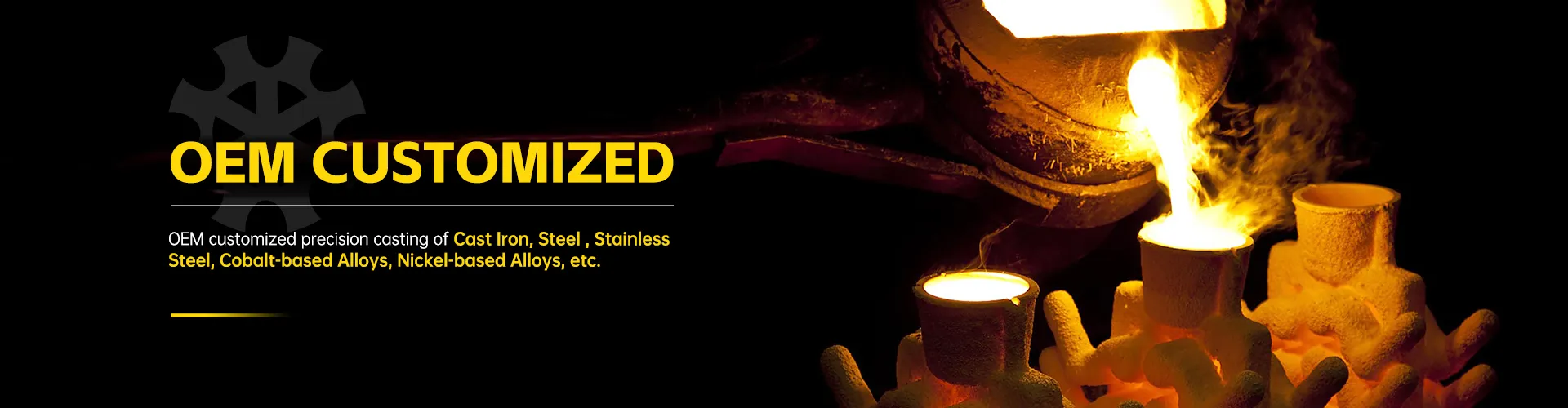
Operating from a massive production workshop covering over 50,000 square meters, QSY integrates multiple advanced manufacturing lines, including shell mold casting, investment (lost wax) casting, and state-of-the-art CNC machining facilities. While aluminum is a popular choice, QSY’s expertise extends to a diverse array of materials, including cast iron, steel, stainless steel, and special high-performance alloys such as cobalt-based and nickel-based superalloys. This material versatility allows them to serve demanding sectors like agricultural machinery, medical and food processing equipment, industrial infrastructure, mining, and petrochemicals.
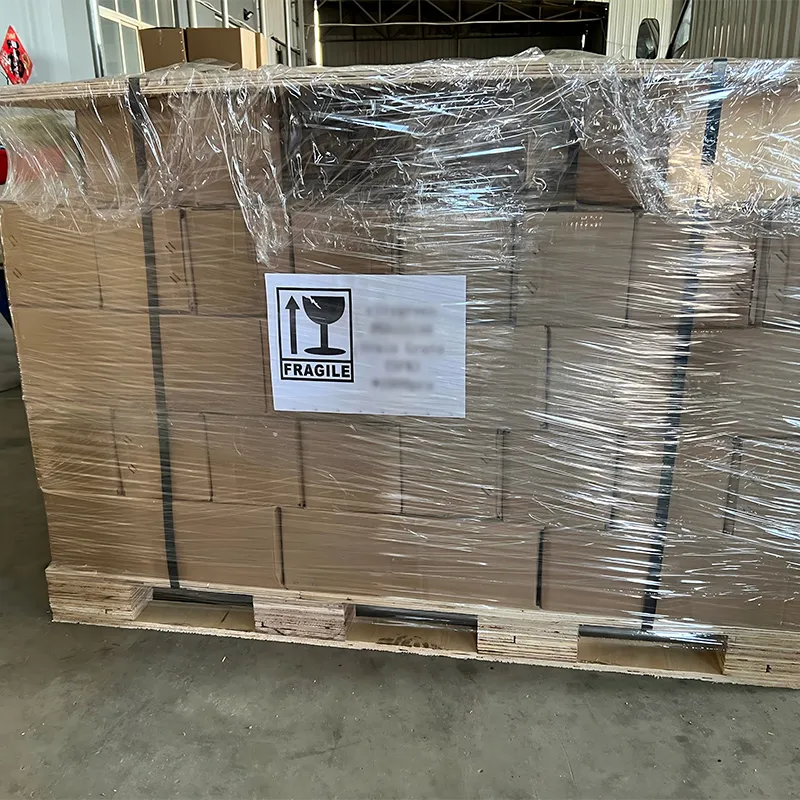
QSY’s commitment to quality is reflected in their dedicated quality inspection and packaging workshops, ensuring that every component meets international standards. Having successfully cooperated with clients in more than 20 countries, QSY demonstrates how a mature foundry combines traditional craftsmanship with modern scalability to deliver precision parts across various industries.
Conclusion: Partnering for Precision and Performance
Aluminum sand casting remains a cornerstone of modern manufacturing, offering an unparalleled balance of design flexibility, mechanical performance, and cost efficiency. As an experienced OEM manufacturer and supplier, we are committed to delivering high-quality castings that meet the evolving demands of global industries. From initial design consultation to final quality inspection, our integrated approach ensures that your components are produced to the highest standards.
Whether you are developing a new automotive component, upgrading industrial machinery, or sourcing parts for aerospace applications, our expertise in aluminum sand casting provides the reliability and precision you need. We combine traditional craftsmanship with cutting-edge technology to solve complex engineering challenges.
Ready to start your next project?
Contact our engineering team today for a comprehensive DFM review and competitive quote. Let us help you optimize your design for manufacturability and deliver superior aluminum castings on time and within budget.
Explore our full range of casting services and technical capabilities