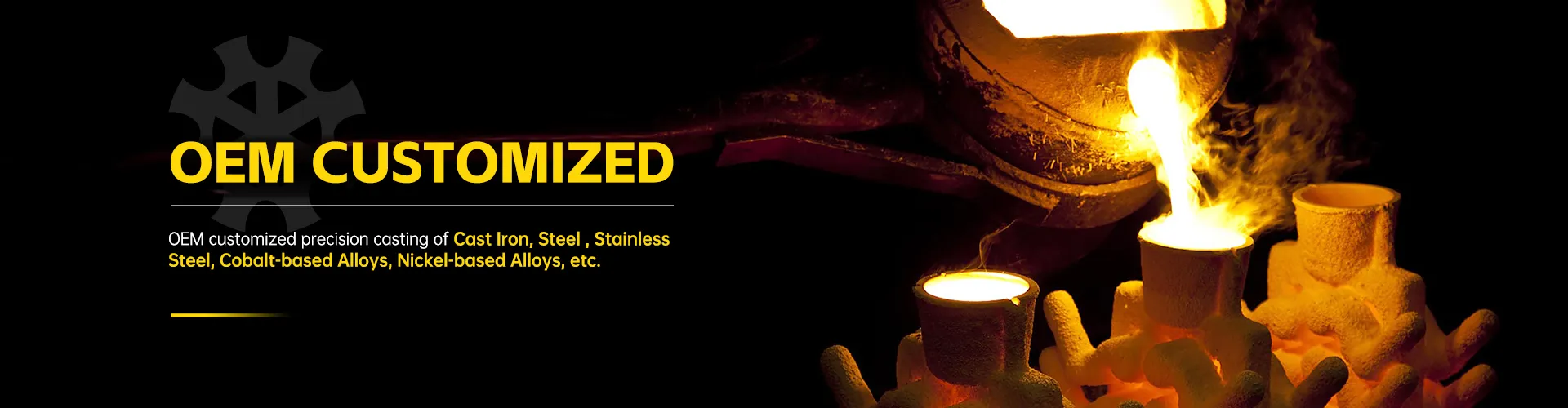
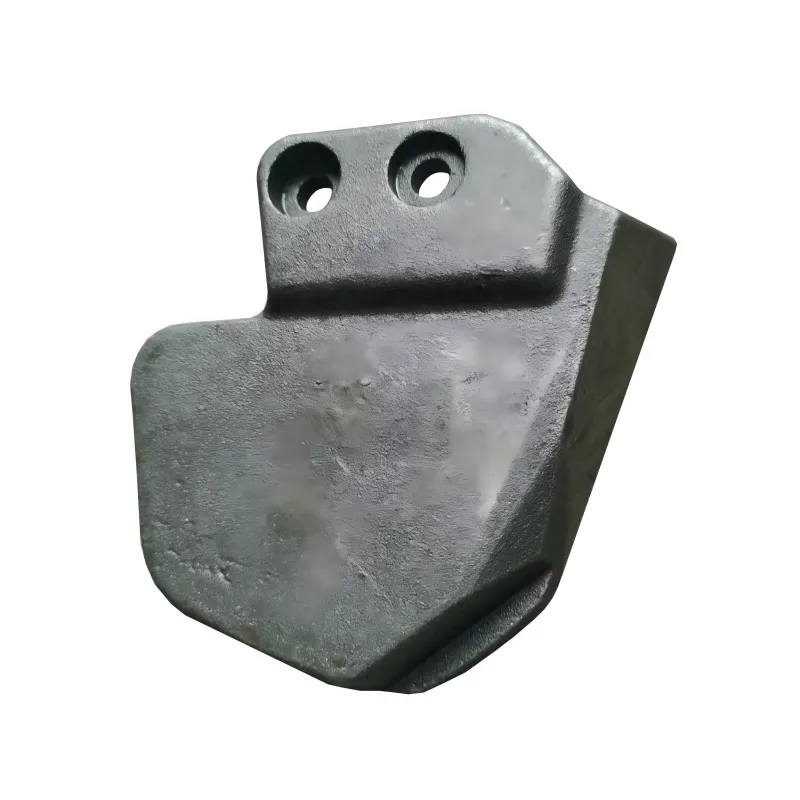
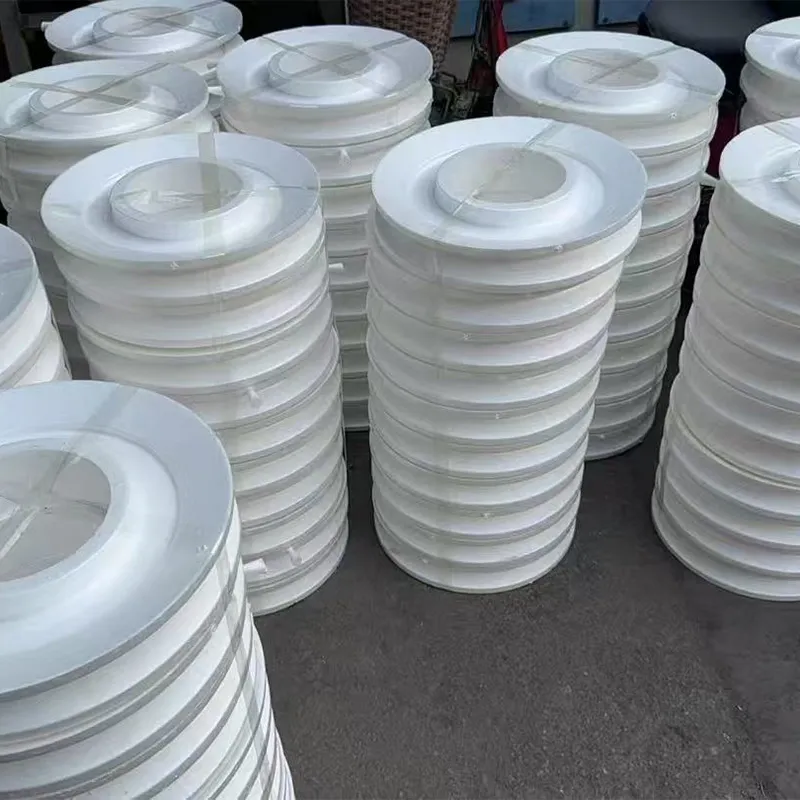
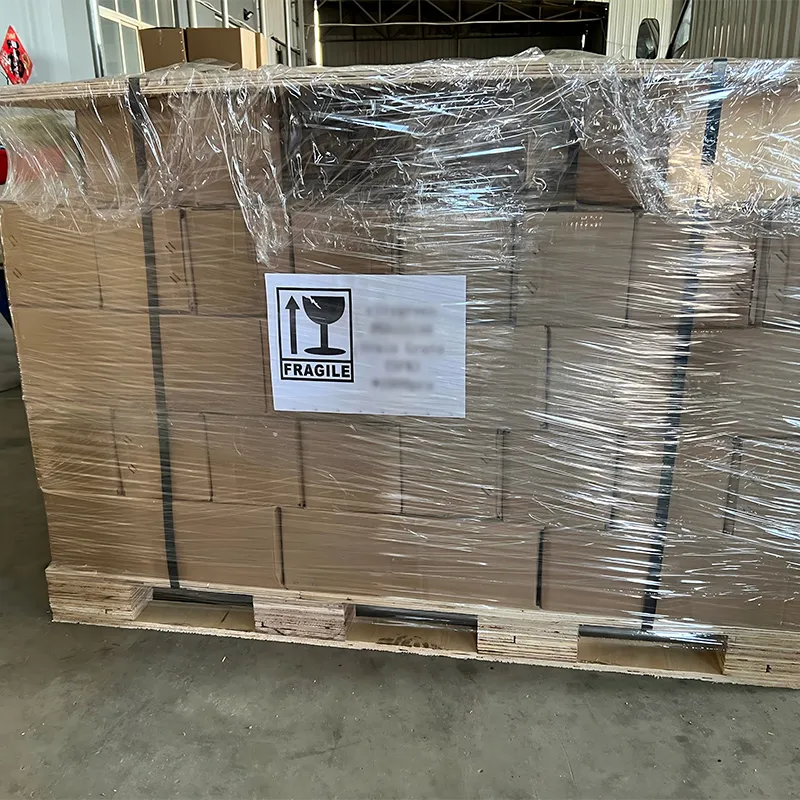
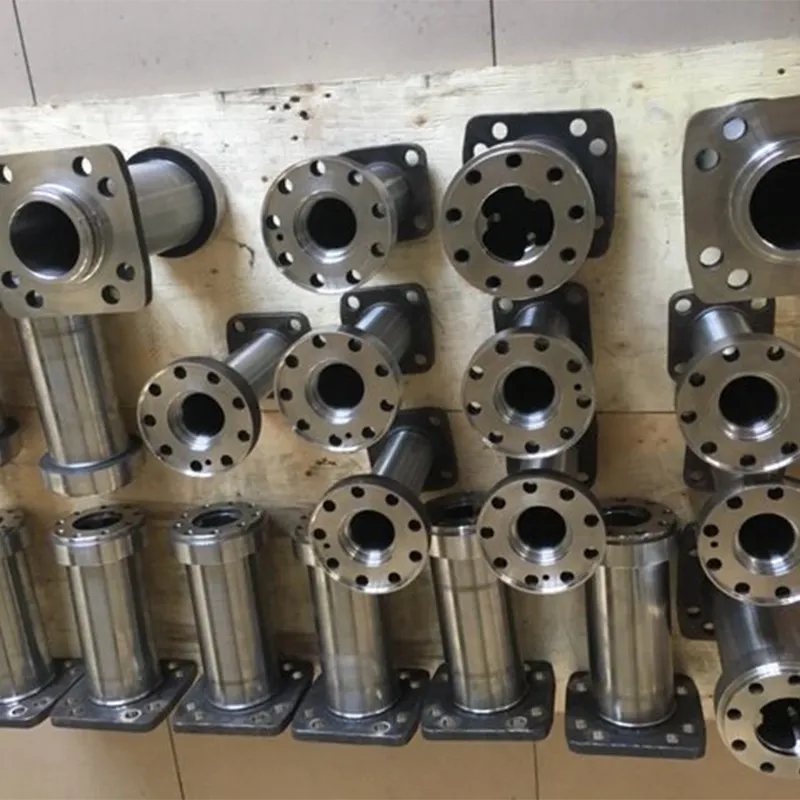
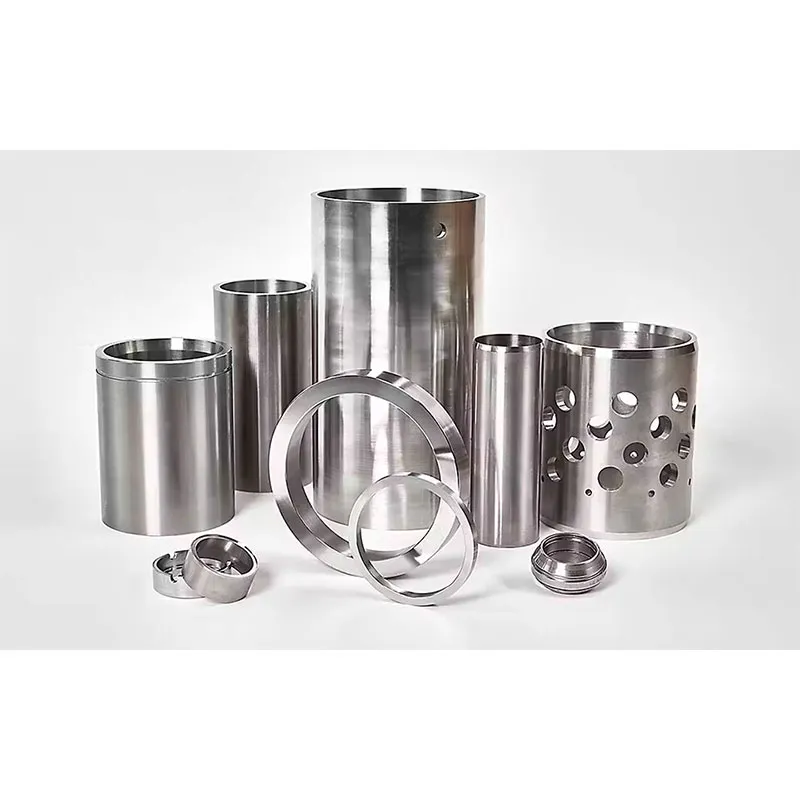
Sand casting is a foundational manufacturing process that utilizes sand as the mold material to produce complex metal components. As a premier China sand casting manufacturer, we specialize in delivering high-precision, OEM-customized solutions for global industries. Our facility integrates advanced resin sand technology, rigorous quality control protocols, and scalable production capabilities to meet the demanding specifications of automotive, aerospace, and industrial machinery sectors. By combining traditional foundry expertise with modern digital simulation, we ensure dimensional accuracy, superior surface finish, and consistent mechanical properties for every cast part.
What Is Sand Casting? Core Principles and Process Overview
Sand casting remains the most widely used casting method globally, accounting for a significant majority of all metal castings produced. The process involves creating a mold from compacted sand, pouring molten metal into the cavity, and allowing it to solidify. Once cooled, the sand mold is broken away to reveal the final component. This method is particularly valued for its versatility in handling various metals, including iron, steel, aluminum, bronze, and brass, as well as its ability to produce parts ranging from a few kilograms to several tons.
The Fundamental Mechanics of Sand Mold Formation
The integrity of a sand casting relies heavily on the mold’s stability and permeability. The sand mixture, often bonded with clay (green sand) or chemical resins (no-bake or shell molding), must withstand the thermal shock of molten metal while allowing gases to escape. This balance prevents defects such as gas porosity or mold erosion. In our manufacturing workflow, we utilize high-quality silica sands mixed with precise binder ratios to optimize mold strength and collapsibility, ensuring easy removal after cooling without damaging the casting.
Why Choose Sand Casting for Industrial Components?
- Design Flexibility: Capable of producing highly complex geometries, internal cavities, and undercuts that are difficult or impossible to achieve with machining or die casting.
- Material Versatility: Compatible with nearly all metal alloys, especially those with high melting points like steel and iron, which are challenging for other casting methods.
- Cost-Effectiveness for Low to Medium Volumes: Lower tooling costs compared to permanent mold or die casting make it ideal for prototypes and medium-scale production runs.
- Size Scalability: No theoretical limit on part size, allowing for the production of massive industrial components such as pump housings, valve bodies, and engine blocks.
Our Sand Casting Manufacturing Process: Step-by-Step
As an experienced OEM factory, we adhere to a strict, standardized workflow to ensure every batch meets international quality standards. Our process integrates manual craftsmanship with automated precision to minimize variability and maximize efficiency.
1. Pattern Design and Tooling Preparation
The process begins with the creation of a pattern, a replica of the final part slightly larger to account for metal shrinkage during cooling. We use CAD/CAM software to design patterns that include gating systems and risers. For high-volume projects, we manufacture durable metal or high-density polymer patterns. For prototypes, 3D-printed patterns offer a rapid turnaround. Our engineering team optimizes the pattern design to ensure proper draft angles, reducing the risk of mold damage during pattern removal.
2. Mold Making and Core Assembly
Using the pattern, we create the mold cavity. For complex internal features, we produce separate “cores” from sand and binders. These cores are positioned within the mold to define hollow sections of the casting. We employ both green sand molding for smaller, high-volume parts and resin-bonded no-bake molding for larger, higher-precision components. The choice of molding method depends on the required surface finish, dimensional tolerance, and alloy type.
3. Melting and Pouring
Metal alloys are melted in induction or cupola furnaces under strict temperature control. Spectroscopic analysis is performed on the molten metal to verify chemical composition before pouring. The metal is then poured into the mold through the gating system. Our technicians monitor pouring speed and temperature to prevent turbulence, which can lead to oxide formation and slag inclusion. This stage is critical for achieving the desired microstructure and mechanical properties of the final part.
4. Cooling and Shakeout
After pouring, the mold is left to cool until the metal solidifies completely. Cooling time varies based on part thickness and alloy type. Once cooled, the sand mold is broken apart in a shakeout process. The raw casting, still attached to the gating system and risers, is removed. We utilize vibratory shakeout equipment to efficiently separate the casting from the sand, which is then recycled and reconditioned for future use, supporting sustainable manufacturing practices.
5. Cleaning, Finishing, and Heat Treatment
The raw casting undergoes cleaning to remove residual sand, gating materials, and surface imperfections. This involves shot blasting, grinding, and cutting off runners and risers. Depending on the application, parts may undergo heat treatment processes such as annealing, normalizing, or quenching and tempering to enhance hardness, tensile strength, or ductility. Our final finishing team ensures that all surfaces meet the specified roughness requirements.
6. Quality Inspection and Testing
Quality assurance is embedded at every stage. Final inspections include dimensional verification using CMM (Coordinate Measuring Machines), visual inspection for surface defects, and non-destructive testing (NDT) such as X-ray, ultrasonic, or magnetic particle inspection to detect internal flaws. We provide comprehensive inspection reports with each shipment, ensuring full traceability and compliance with customer specifications.
Types of Sand Casting Processes We Offer
Not all sand casting is the same. Different bonding agents and molding techniques yield different results in terms of precision, surface finish, and cost. Understanding these distinctions helps buyers select the right method for their specific application.
| Process Type | Binder Material | Dimensional Tolerance | Surface Finish | Best For |
| Green Sand Casting | Clay and Water | ±0.8 – 1.5 mm | Rougher | High-volume, cost-sensitive parts; Iron and Steel |
| Resin Sand (No-Bake) | Chemical Resins | ±0.5 – 1.0 mm | Medium | Large parts, complex geometries; Steel and Alloy Iron |
| Shell Molding | Thermosetting Resin | ±0.3 – 0.8 mm | Smooth | Small to medium parts requiring high precision; Aluminum and Brass |
| Lost Foam Casting | Unbonded Sand | ±0.5 – 1.2 mm | Good | Complex shapes without cores; Aluminum and Cast Iron |
Green Sand Casting: The Industry Standard
Green sand casting uses moist sand bonded with clay. It is the most economical and versatile method, suitable for high-production environments. While the surface finish is rougher than resin methods, it is ideal for parts where subsequent machining is planned. Our green sand lines are equipped with automated molding machines to ensure consistent compaction and dimensional repeatability.
Resin Sand Casting: Precision for Large Components
For larger castings requiring tighter tolerances, we utilize resin-bonded sand. This “no-bake” process cures at room temperature, allowing for the production of massive molds without the need for heating ovens. The resulting molds are rigid and stable, minimizing distortion during pouring. This method is preferred for heavy-duty industrial components, such as mining equipment parts and large valve bodies.
Shell Molding: High Finish for Complex Geometries
Shell molding involves coating a heated metal pattern with a mixture of sand and thermosetting resin. The heat cures the resin, forming a hard shell. This process yields excellent surface finishes and high dimensional accuracy, reducing the need for post-casting machining. It is particularly effective for intricate parts with thin walls, such as automotive components and hydraulic fittings.
About Qingdao Qiangsenyuan Technology (QSY): Decades of Casting Excellence
While the principles of sand casting are universal, the expertise behind the execution defines the quality of the final product. Qingdao Qiangsenyuan Technology Co., Ltd. (QSY) brings over 30 years of specialized experience in the casting and machining industry to every project. Operating from a state-of-the-art facility spanning over 50,000 square meters, we have established ourselves as a trusted partner for clients in more than 20 countries.
Our comprehensive production capabilities extend beyond standard sand casting. We specialize in shell mold casting, lost wax (investment) casting, and precision CNC machining. Our integrated workshops—including dedicated lines for shell and investment casting, a advanced CNC machining center, and rigorous quality inspection and packaging facilities—allow us to provide true one-stop customized services. Whether your project requires standard cast iron and steel or specialized high-performance alloys like cobalt-based and nickel-based superalloys, QSY has the metallurgical expertise to deliver.
We serve a diverse range of industries, including agricultural machinery, medical and food processing equipment, industrial infrastructure, mining, and petrochemicals. By combining our deep historical knowledge with modern manufacturing technologies, we ensure that every component meets the highest standards of durability and precision.
Materials and Alloys: Expertise in Metal Metallurgy
Our foundry capabilities cover a broad spectrum of ferrous and non-ferrous alloys. Selecting the right material is crucial for the performance and longevity of the final product. Our metallurgists work closely with clients to recommend alloys based on mechanical requirements, environmental conditions, and cost constraints.
Ferrous Alloys: Strength and Durability
- Gray Cast Iron: Known for its excellent machinability, vibration damping, and wear resistance. Commonly used for engine blocks, pump housings, and machine bases.
- Ductile Iron (Nodular Iron): Offers superior tensile strength and ductility compared to gray iron. Ideal for automotive suspension parts, pipe fittings, and gears.
- Steel Castings: Available in carbon steel and alloy steel variants. Provides high strength and toughness for demanding applications in construction, mining, and energy sectors.
- Stainless Steel: Used for components requiring corrosion resistance and high-temperature stability, such as valves and food processing equipment.
Non-Ferrous and Special Alloys
- Aluminum Alloys: Lightweight with good corrosion resistance and thermal conductivity. Widely used in aerospace, automotive, and electronics housings.
- Brass and Bronze: Excellent for wear resistance and low friction applications. Common in marine hardware, bearings, and decorative fixtures.
- Special Alloys: At QSY, we also specialize in casting cobalt-based and nickel-based alloys, which are essential for extreme environments in petrochemical and high-temperature industrial applications.
Design Guidelines for Optimal Sand Casting Results
To maximize the quality and cost-efficiency of sand castings, designers should adhere to specific guidelines. Poor design can lead to defects, increased machining costs, or production delays. Our engineering team provides DFM (Design for Manufacturing) feedback to optimize your designs before tooling begins.
Wall Thickness and Uniformity
Maintaining uniform wall thickness is critical to prevent shrinkage cavities and warping. Sudden changes in section thickness can cause stress concentrations and cooling irregularities. We recommend gradual transitions between thick and thin sections using fillets and radii. Minimum wall thickness depends on the alloy and part size, typically ranging from 3mm for small aluminum parts to 10mm or more for large iron castings.
Draft Angles and Parting Lines
Draft angles are essential for removing the pattern from the sand mold without damaging it. A typical draft angle ranges from 1 to 3 degrees, depending on the surface depth and texture. Proper placement of parting lines—the interface between the upper and lower mold halves—simplifies mold making and reduces the likelihood of flash or mismatch defects.
Ribs and Bosses
Ribs reinforce thin walls and add stiffness without adding excessive weight. Bosses are used for mounting holes or attachments. Both features should be designed with adequate fillets to reduce stress concentration. Isolating bosses from main walls with ribs can help prevent localized shrinkage defects.
Machining Allowances
Surfaces that require machining must have sufficient stock material added to the casting dimensions. The amount of allowance depends on the casting size, alloy, and molding process. Over-specifying allowances increases material waste and machining time, while under-specifying can result in incomplete machining. We provide standard allowance tables based on ISO and ASTM standards.
Common Defects and Our Quality Control Solutions
Even with advanced processes, casting defects can occur. Identifying and mitigating these issues is a hallmark of an experienced manufacturer. We employ proactive measures to minimize common defects.
Porosity and Gas Holes
Caused by trapped gases or shrinkage during solidification. To prevent this, we optimize gating systems for smooth metal flow, ensure proper venting in molds, and control moisture content in green sand. For shrinkage porosity, we strategically place risers to feed liquid metal to shrinking areas.
Sand Inclusions
Occurs when sand particles break off the mold and become embedded in the metal. We use high-strength binders and apply mold washes to strengthen mold surfaces. Automated sand handling systems reduce the risk of foreign material contamination.
Misruns and Cold Shuts
Result from insufficient pouring temperature or slow pouring rates, causing the metal to solidify before filling the mold. Our furnace controls maintain precise temperatures, and our trained pourers ensure consistent flow rates. Simulation software helps predict filling patterns and identify potential cold spots before production.
Dimensional Deviations
Caused by pattern wear, mold expansion, or improper clamping. We implement regular pattern maintenance schedules and use rigid molding frames. CMM inspection ensures that any deviations are detected early, allowing for corrective adjustments in the tooling or process parameters.
Applications of Sand Casting Across Industries
Sand casting’s versatility makes it indispensable across a wide range of sectors. Our OEM services support diverse applications, from high-volume automotive components to bespoke industrial machinery parts.
Automotive and Transportation
Engine blocks, cylinder heads, transmission cases, and brake components rely on sand casting for their complex internal structures and durability. The ability to cast iron and aluminum alloys allows manufacturers to balance strength and weight, improving fuel efficiency and performance.
Industrial Machinery and Equipment
Pump housings, valve bodies, compressor parts, and gearboxes are commonly sand cast. These components often operate under high pressure and temperature, requiring the robust material properties provided by cast iron and steel. Our large-format no-bake molding capability supports the production of oversized machinery bases and frames.
Energy and Oil & Gas
Components for wind turbines, hydroelectric plants, and oil drilling equipment demand high reliability and resistance to harsh environments. Sand casting produces large, heavy-duty parts such as turbine hubs, valve bonnets, and pipe fittings that withstand extreme operational stresses.
Construction and Agriculture
Excavator buckets, tractor components, and structural fittings benefit from the wear resistance and toughness of ductile iron and steel castings. The cost-effectiveness of sand casting allows for the production of rugged parts that endure abrasive and impact-heavy conditions.
Why Partner with Qingdao Qiangsenyuan Technology (QSY)?
Choosing the right manufacturing partner is critical for supply chain stability and product quality. As a dedicated OEM provider with over three decades of history, QSY offers distinct advantages that set us apart in the global market.
Advanced Technological Integration
We combine traditional foundry skills with modern technology. Our use of CAD/CAM design, computational fluid dynamics (CFD) simulation, and automated molding lines ensures precision and consistency. This hybrid approach allows us to solve complex casting challenges and optimize production efficiency.
Strict Quality Management Systems
Our facility operates under ISO 9001 certified quality management systems. Every step, from raw material inspection to final shipping, is documented and monitored. We provide full material certification and detailed inspection reports, ensuring transparency and trust.
Scalable Production Capacity
With a 50,000+ square meter facility encompassing multiple production lines, whether you need a single prototype or ten thousand units, our flexible production lines can accommodate your volume requirements. We manage inventory and production scheduling to meet tight deadlines without compromising quality.
Comprehensive One-Stop Services
Beyond casting, we offer integrated services including pattern making, CNC machining, heat treatment, and surface finishing. This one-stop-shop approach reduces logistical complexity, shortens lead times, and lowers overall procurement costs for our clients.
Experienced Engineering Support
Our team of engineers and metallurgists brings decades of experience to every project. We provide proactive DFM feedback, helping clients optimize designs for manufacturability and cost. Our collaborative approach ensures that your technical requirements are fully understood and met.
Frequently Asked Questions (FAQ)
What is the typical lead time for sand casting orders?
Lead times vary based on complexity and volume. Prototype samples can be produced within 2-3 weeks, including pattern making. Mass production typically requires 4-6 weeks after sample approval. Rush orders can be accommodated depending on factory capacity.
Can you produce custom alloys?
Yes, we can customize alloy compositions to meet specific mechanical or chemical requirements. Our spectroscopic analysis equipment allows for precise control of elemental content during melting. Please provide your detailed material specifications for evaluation.
What file formats do you accept for drawings?
We accept 3D CAD files in STEP, IGES, or STL formats, along with 2D drawings in PDF or DWG format for dimensional tolerances and technical notes. Clear communication of critical features ensures accurate quoting and production.
How do you handle intellectual property protection?
We strictly adhere to confidentiality agreements (NDA). Your designs and proprietary information are secured within our internal systems, accessible only to authorized personnel involved in your project. We do not share client data or produce parts for third parties using your tooling.
What is the minimum order quantity (MOQ)?
MOQ depends on the part size and complexity. For small, simple parts, we can accommodate lower volumes. For large, complex castings requiring expensive tooling, higher volumes are recommended to amortize costs. We discuss MOQ on a case-by-case basis to find a solution that fits your budget.
Do you provide machining services?
Yes, we have an in-house machining center equipped with CNC mills, lathes, and drilling machines. This allows us to deliver finished, ready-to-assemble components, reducing your supply chain steps and ensuring precise fitment.
Selection Guide: How to Choose the Right Sand Casting Supplier
Selecting a supplier involves more than just comparing prices. Consider these key factors to ensure a successful partnership:
- Technical Capability: Verify their experience with your specific alloy and part complexity. Ask for case studies or samples similar to your project.
- Quality Certifications: Look for ISO 9001 certification and industry-specific approvals. Request sample inspection reports to assess their documentation rigor.
- Communication Responsiveness: Effective communication is vital for OEM projects. Evaluate their ability to provide timely technical feedback and updates.
- Production Transparency: A reliable supplier offers visibility into their process, including regular progress reports and openness to audits.
- Logistical Support: Ensure they have experience with international shipping and packaging standards to prevent damage during transit.
Conclusion: Elevate Your Supply Chain with Precision Sand Casting
Sand casting remains a cornerstone of modern manufacturing, offering unparalleled flexibility and cost-efficiency for producing complex metal components. By partnering with a specialized China sand casting manufacturer like Qingdao Qiangsenyuan Technology, you gain access to advanced technological capabilities, rigorous quality control, and scalable production solutions. Whether you are developing new automotive components, industrial machinery parts, or custom engineering solutions, our OEM services are designed to meet your exact specifications and delivery timelines.
We invite engineers, procurement managers, and business owners to leverage our expertise for their next project. From initial design consultation to final delivery, we are committed to delivering high-quality, reliable castings that drive your business forward.
Ready to start your project? Contact our engineering team today for a free DFM review and competitive quote. Let us help you optimize your design and streamline your manufacturing process.
Explore Our Sand Casting Solutions and Request a Quote