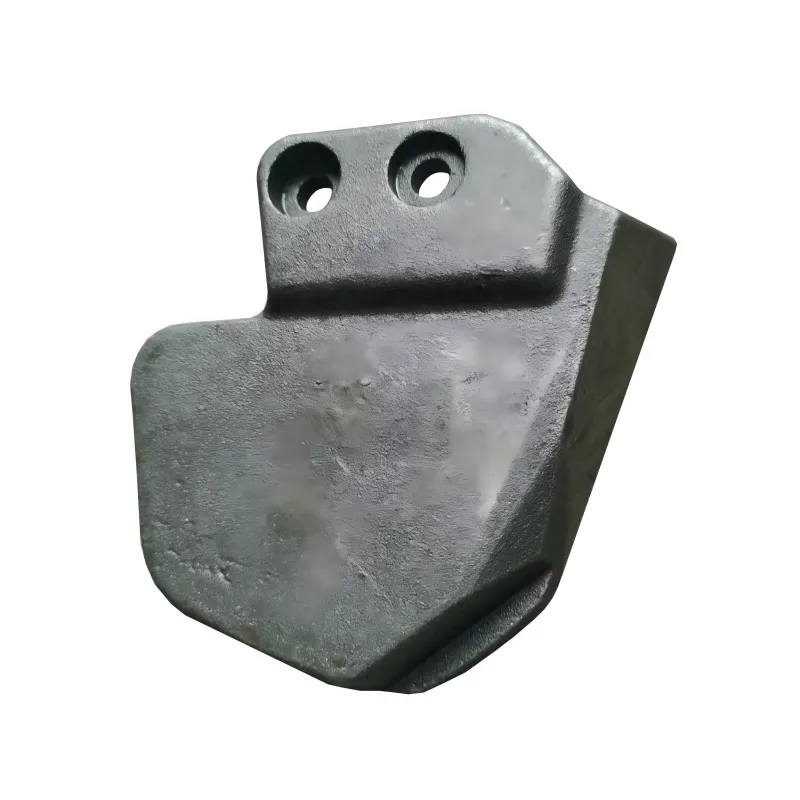
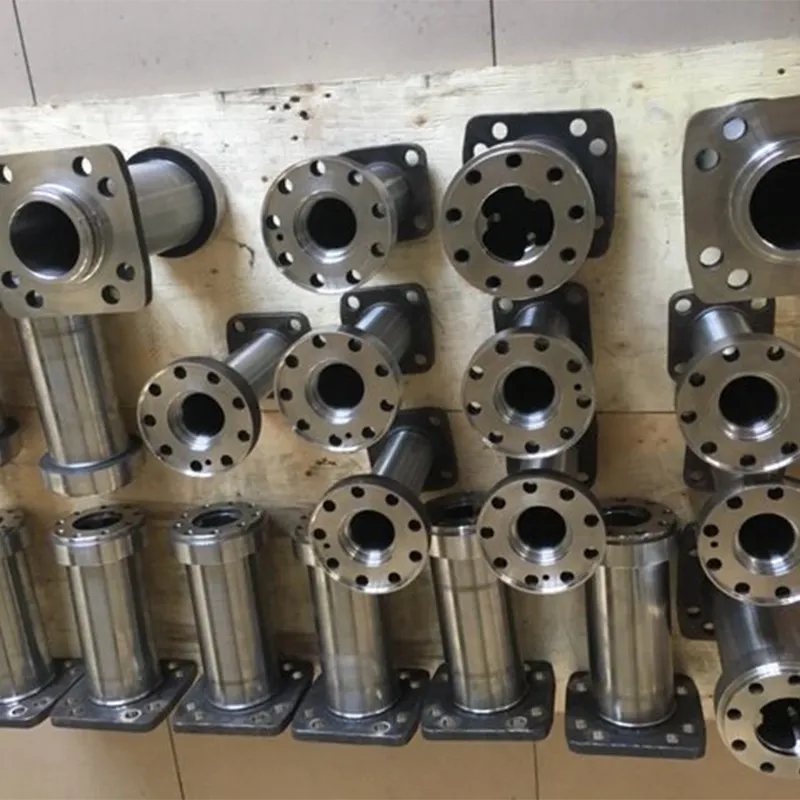
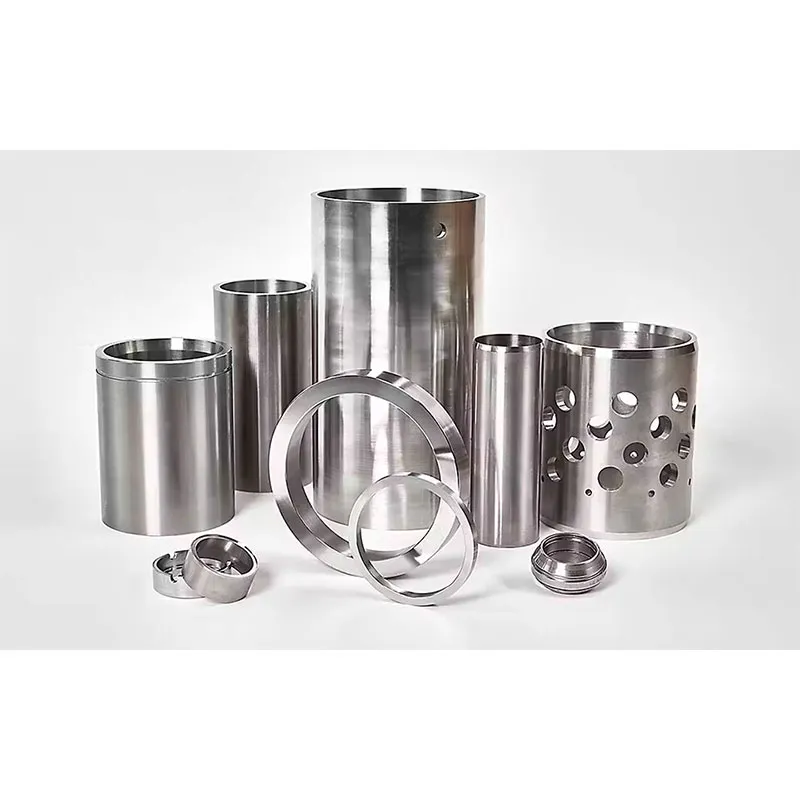
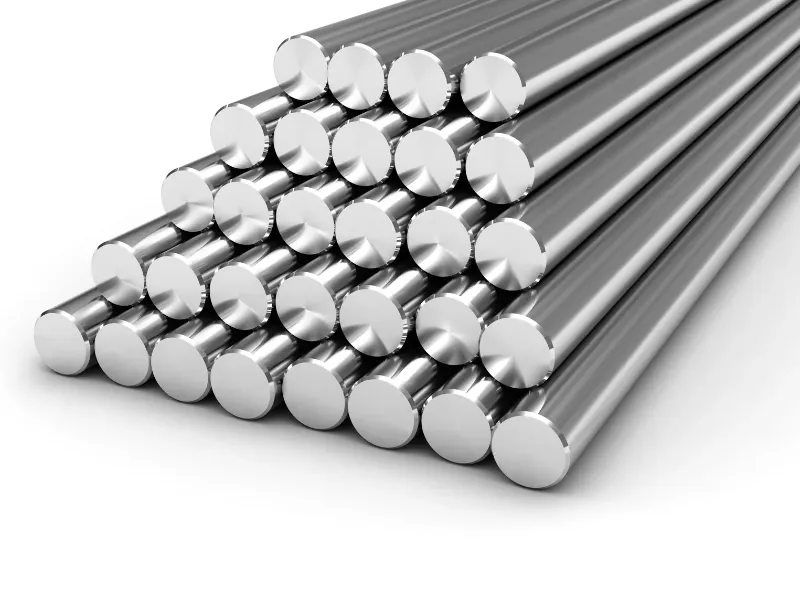
As a specialized China OEM manufacturer, we engineer high-performance ductile iron mechanical parts for global industrial applications. Our facility combines advanced nodular casting technology with precision CNC machining to deliver components that offer superior tensile strength, impact resistance, and durability compared to standard gray iron. We serve B2B clients in automotive, heavy machinery, pump, and valve sectors, providing end-to-end solutions from pattern design to final quality inspection. By adhering to strict ISO 9001 standards and leveraging semantic manufacturing protocols, we ensure every casting meets exact dimensional tolerances and mechanical property requirements. Partner with us for reliable supply chain stability, cost-effective prototyping, and scalable mass production of complex ductile iron geometries.
What Are Ductile Iron Mechanical Parts?
Ductile iron, also known as nodular cast iron or spheroidal graphite iron, is a high-strength cast iron material characterized by its unique microstructure. Unlike gray iron, where graphite forms flakes, ductile iron contains graphite in the form of spherical nodules. This structural difference fundamentally changes the mechanical behavior of the material, transforming it from a brittle substance into one with significant elasticity and toughness.
Ductile iron mechanical parts are components manufactured through this casting process, designed to withstand high stress, dynamic loads, and harsh operating environments. These parts are essential in industries where failure is not an option, such as in hydraulic systems, automotive suspensions, and large-scale infrastructure projects.
The Metallurgical Advantage: Nodular Graphite Structure
The core advantage of ductile iron lies in its metallurgy. During the casting process, magnesium or cerium is added to the molten iron. This treatment causes the graphite to crystallize into spherical shapes rather than sharp flakes. These spheres act as crack arrestors, preventing the propagation of fractures through the metal matrix.
- Enhanced Toughness: The spherical graphite structure allows the material to deform slightly under stress without breaking, providing impact resistance similar to steel.
- High Tensile Strength: Ductile iron typically exhibits tensile strengths ranging from 400 MPa to over 900 MPa, depending on the grade and heat treatment.
- Fatigue Resistance: The material handles cyclic loading better than gray iron, making it ideal for moving mechanical parts like crankshafts and gears.
Key Differences Between Ductile Iron and Gray Iron
Understanding the distinction between ductile and gray iron is critical for proper component selection. While both are cast irons, their applications differ significantly due to their mechanical properties.
| Property | Ductile Iron (Nodular) | Gray Iron |
| Graphite Form | Spherical Nodules | Flakes |
| Tensile Strength | High (400-900+ MPa) | Low (150-400 MPa) |
| Elongation | 2% – 18% (Ductile) | < 1% (Brittle) |
| Impact Resistance | Excellent | Poor |
| Vibration Damping | Good | Excellent |
| Machinability | Good | Very Good |
For ductile iron mechanical parts subjected to shock or tension, ductile iron is the superior choice. Gray iron remains preferred for static components where vibration damping and low cost are the primary concerns, such as machine tool bases.
Why Choose China OEM for Ductile Iron Casting?
Sourcing ductile iron mechanical parts from a specialized China OEM manufacturer offers strategic advantages in cost efficiency, manufacturing scalability, and technical capability. In 2026, Chinese foundries have evolved from simple commodity producers to high-tech engineering partners capable of meeting stringent international standards.
Advanced Manufacturing Capabilities
Modern Chinese foundries utilize automated molding lines, such as Disamatic systems, which ensure consistent mold density and dimensional accuracy. This automation reduces human error and increases production speed, allowing for competitive lead times even for large-volume orders.
- Precision Casting: Use of resin sand molding and lost foam casting techniques to achieve complex geometries with minimal draft angles.
- CNC Integration: On-site machining centers ensure that castings are finished to precise tolerances, reducing the need for secondary outsourcing.
- Simulation Software: Implementation of MAGMASOFT or similar casting simulation tools to predict shrinkage, porosity, and cooling rates before physical production begins.
Cost Efficiency Without Compromising Quality
The cost advantage of Chinese manufacturing extends beyond labor. Integrated supply chains for raw materials, including pig iron, ferroalloys, and energy, allow manufacturers to offer competitive pricing. Furthermore, economies of scale in large foundries reduce the per-unit cost of tooling and setup.
However, cost efficiency does not imply lower quality. Leading OEMs adhere to global quality management systems. Many facilities hold ISO 9001, IATF 16949 (for automotive), and PED (Pressure Equipment Directive) certifications, ensuring that every batch of ductile iron mechanical parts meets international specifications.
Scalability and Supply Chain Stability
For B2B buyers, supply chain reliability is paramount. Chinese manufacturers have robust logistics networks and experience in exporting heavy industrial components. Whether you require a prototype run of 50 units or mass production of 50,000 parts, established OEMs can scale production rapidly to meet market demands.
Common Applications of Ductile Iron Mechanical Parts
The versatility of ductile iron makes it suitable for a wide array of industries. Its combination of strength, wear resistance, and castability allows engineers to design complex components that would be difficult or expensive to produce using steel forgings or machining from billet.
Automotive Industry
The automotive sector is one of the largest consumers of ductile iron mechanical parts. The material’s ability to absorb energy and resist fatigue makes it ideal for safety-critical and high-stress components.
- Crankshafts and Camshafts: High-strength ductile iron grades replace forged steel in many engine applications due to lower weight and excellent damping properties.
- Suspension Components: Control arms, knuckles, and brackets benefit from the material’s toughness, improving vehicle handling and safety.
- Brake Calipers and Discs: Thermal stability and wear resistance are crucial here, and ductile iron performs reliably under repeated heating and cooling cycles.
Pump and Valve Manufacturing
In fluid handling systems, components must withstand internal pressure and corrosive media. Ductile iron provides the necessary pressure containment capabilities while offering better corrosion resistance than standard carbon steel in many water applications.
- Valve Bodies: Gate valves, butterfly valves, and check valves often use ductile iron for their bodies and bonnets due to its pressure rating and ease of casting complex internal passages.
- Pump Housings: Centrifugal pump casings require precise internal geometries to optimize flow efficiency. Ductile iron casting achieves these shapes with smooth surface finishes.
- Impellers: For non-corrosive fluids, ductile iron impellers offer a balance of strength and cost-effectiveness.
Heavy Machinery and Construction Equipment
Construction equipment operates in abusive environments with high shock loads. Ductile iron mechanical parts in this sector are designed to endure impact, abrasion, and heavy static loads.
- Hydraulic Components: Cylinder heads, motor housings, and manifold blocks utilize ductile iron for its pressure tightness and machinability.
- Wheel Hubs and Axles: These components support the weight of the machine and transmit torque, requiring high yield strength and fatigue resistance.
- Counterweights: The high density of iron makes it ideal for counterbalances in cranes and excavators, providing stability during lifting operations.
Wind Energy and Power Generation
As renewable energy grows, so does the demand for large-scale castings. Wind turbine hubs and main frames are increasingly made from ductile iron due to its ability to cast large, single-piece structures that distribute load evenly.
Technical Specifications and Material Grades
Selecting the right grade of ductile iron is essential for the performance of your mechanical parts. The ASTM A536 standard is the most commonly referenced specification in international trade, defining the mechanical properties based on tensile strength, yield strength, and elongation.
Standard ASTM A536 Grades
| Grade Designation | Tensile Strength (MPa) | Yield Strength (MPa) | Elongation (%) | Typical Application |
| 60-40-18 | 414 min | 276 min | 18 min | High impact, low temperature environments |
| 80-55-06 | 552 min | 379 min | 6 min | General engineering, gears, levers |
| 100-70-03 | 689 min | 483 min | 3 min | High strength, moderate impact |
| 120-90-02 | 827 min | 620 min | 2 min | High strength, low impact (quenched & tempered) |
Note: The three numbers in the grade designation represent minimum tensile strength (ksi), yield strength (ksi), and elongation (%). For metric users, conversion factors apply, but the relative performance hierarchy remains the same.
Heat Treatment Options
The mechanical properties of ductile iron mechanical parts can be further tailored through heat treatment. This process alters the microstructure of the metal matrix surrounding the graphite nodules.
- Annealing: Produces a ferritic matrix, maximizing ductility and machinability. Ideal for parts requiring high impact resistance and forming capabilities.
- Normalizing: Creates a pearlitic matrix, increasing strength and hardness while maintaining reasonable ductility. Commonly used for gears and shafts.
- Quenching and Tempering: Results in a martensitic or austempered structure, providing the highest strength and wear resistance. Used for high-load applications like rock crusher parts.
- Austempering (ADI): Austempered Ductile Iron offers a unique combination of high strength, fatigue resistance, and wear resistance, often competing with steel forgings at a lower cost.
Our OEM Manufacturing Process: Step-by-Step
Transparency in manufacturing builds trust. As a leading China OEM, we follow a rigorous production workflow to ensure every ductile iron mechanical part meets your specifications. This section outlines our standard operating procedure, highlighting quality control checkpoints.
Step 1: Design Review and Feasibility Analysis
Before any metal is poured, our engineering team reviews your CAD drawings. We analyze wall thicknesses, draft angles, and potential shrinkage areas. Using simulation software, we optimize the gating system to ensure smooth metal flow and minimize defects. If necessary, we suggest design modifications to improve castability and reduce cost without compromising function.
Step 2: Pattern and Mold Making
High-quality patterns are the foundation of precise castings. We use CNC-machined aluminum or resin patterns for durability and accuracy. For complex cores, we utilize 3D printed sand molds or traditional core boxes. The molding process employs automated lines to ensure consistent sand compaction, which is critical for dimensional stability.
Step 3: Melting and Nodularization
Raw materials are melted in induction furnaces or cupolas. Strict chemical composition control is maintained. The key step is nodularization, where magnesium alloy is added to the ladle. This process is monitored closely to ensure the formation of spherical graphite nodules. Inoculants are also added to refine the grain structure and prevent chilling.
Step 4: Pouring and Cooling
Molten iron is poured into the molds at controlled temperatures. Automated pouring systems ensure consistency. The molds are then allowed to cool for a specified time to solidify the casting completely. Controlled cooling rates help prevent internal stresses and cracking.
Step 5: Shakeout and Cleaning
Once cooled, the castings are removed from the sand molds (shakeout). Gates, risers, and flash are removed via grinding or cutting. Shot blasting is performed to clean the surface, removing residual sand and oxide scale, resulting in a clean, metallic finish ready for inspection or machining.
Step 6: Heat Treatment (If Required)
Depending on the specified grade, parts may undergo annealing, normalizing, or quenching and tempering. Furnace temperatures and holding times are strictly recorded to ensure the desired microstructure is achieved.
Step 7: Precision Machining
Many ductile iron mechanical parts require machined surfaces for mating components. Our CNC machining centers perform milling, turning, drilling, and tapping operations. We use coordinate measuring machines (CMM) to verify critical dimensions during and after machining.
Step 8: Quality Inspection and Testing
Quality assurance is integral to our process. We perform:
- Chemical Analysis: Spectrometry to verify elemental composition.
- Mechanical Testing: Tensile tests and hardness tests on coupon samples from each batch.
- Non-Destructive Testing (NDT): Ultrasonic, magnetic particle, or dye penetrant testing to detect internal or surface defects.
- Dimensional Inspection: CMM and laser scanning to ensure compliance with drawing tolerances.
About Qingdao Qiangsenyuan Technology (QSY)
With over 30 years of experience in the casting and machining industry, Qingdao Qiangsenyuan Technology Co., Ltd. (QSY) stands as a premier partner for global industrial needs. Our expansive 50,000-square-meter production facility integrates shell mold casting, lost wax (investment) casting, and advanced CNC machining under one roof. This comprehensive setup allows us to provide true one-stop customized processing services, ensuring seamless transitions from raw casting to finished, precision-machined components.
While we specialize in ductile iron, our material expertise extends to cast iron, steel, stainless steel, and special alloys such as cobalt-based and nickel-based superalloys. This versatility enables us to serve a diverse range of sectors, including agricultural machinery, medical and food processing equipment, industrial machinery, mining, and petrochemicals. Today, QSY proudly collaborates with clients in more than 20 countries, delivering reliable, high-quality solutions that meet the rigorous demands of international markets.
How to Select the Right Ductile Iron Manufacturer
Choosing the right partner for your ductile iron mechanical parts is a critical business decision. Not all foundries are created equal. Here are the key factors to evaluate when selecting a China OEM supplier.
1. Technical Expertise and Engineering Support
Look for a manufacturer that offers more than just casting. Can they help optimize your design for manufacturability? Do they have in-house engineers who understand metallurgy? A partner with strong technical expertise can help you reduce weight, improve performance, and lower costs through design improvements.
2. Quality Certifications and Standards
Verify that the manufacturer holds relevant certifications. ISO 9001 is the baseline. For automotive parts, IATF 16949 is essential. For pressure vessels, PED certification is required. Ask for recent audit reports or customer references to validate their quality claims.
3. Production Capacity and Lead Times
Assess whether the foundry can handle your volume requirements. Do they have multiple molding lines? What is their typical lead time for prototypes versus mass production? Ensure their capacity aligns with your project timeline to avoid delays.
4. Communication and Transparency
Effective communication is vital for international sourcing. Choose a supplier with responsive English-speaking staff who provide regular updates. Transparency in pricing, production status, and issue resolution builds a long-term partnership.
5. Cost Structure and Value
While price is important, focus on total value. Consider factors like scrap rates, machining efficiency, and logistics costs. A slightly higher unit price from a high-efficiency manufacturer may result in lower total landed cost due to fewer defects and faster delivery.
Common Defects in Ductile Iron Castings and Prevention
Understanding potential defects helps in setting realistic quality expectations and working collaboratively with your manufacturer to prevent them.
Shrinkage Porosity
This occurs when the metal contracts during solidification, and insufficient liquid metal is available to feed the shrinking area. It typically appears as voids in thick sections.
Prevention: Proper gating and riser design, along with the use of chills to control cooling rates, effectively minimizes shrinkage.
Gas Porosity
Trapped gas bubbles create small voids in the casting. This can be caused by moisture in the sand or excessive turbulence during pouring.
Prevention: Controlling sand moisture levels, ensuring proper venting of molds, and optimizing pouring speed reduce gas entrapment.
Inclusions
Non-metallic particles, such as slag or sand, can become embedded in the casting. These act as stress concentrators and weaken the part.
Prevention: Effective filtration systems in the gating path and careful slag removal during melting prevent inclusions.
Nodularity Issues
If the graphite does not form proper spheres, the material loses its ductility. This can happen if the magnesium residue is too low or if there is interference from trace elements like sulfur.
Prevention: Strict control of raw material chemistry and precise nodularization treatment ensure proper graphite structure.
FAQ: Frequently Asked Questions About Ductile Iron Parts
What is the typical lead time for custom ductile iron parts?
Lead times vary based on complexity and volume. Prototype samples usually take 3-4 weeks, including pattern making. Mass production lead times range from 4-8 weeks after sample approval. Rush orders may be accommodated depending on factory capacity.
Can ductile iron be welded?
Yes, ductile iron can be welded, but it requires specific procedures to prevent cracking in the heat-affected zone. Preheating, using nickel-based filler metals, and controlled cooling are essential. However, welding is generally avoided for high-stress applications unless necessary for repair.
How does the cost of ductile iron compare to steel castings?
Ductile iron is generally more cost-effective than steel castings. It has a lower melting point, which reduces energy costs, and it flows better into molds, allowing for thinner walls and less material usage. Additionally, ductile iron is easier to machine, reducing processing time.
What is the maximum size of ductile iron parts you can produce?
Capabilities vary by foundry. Large-scale Chinese OEMs can produce castings weighing several tons, with dimensions exceeding 2 meters. For smaller, high-precision parts, automated lines can produce thousands of units per day. Please consult with our engineering team for specific size constraints.
Is ductile iron resistant to corrosion?
Ductile iron has moderate corrosion resistance, better than carbon steel but inferior to stainless steel or bronze. For water applications, it is often coated with cement mortar or epoxy. For harsh chemical environments, special alloys or protective coatings are recommended.
Maintenance and Performance Optimization
To ensure the longevity of ductile iron mechanical parts in service, proper maintenance and operational considerations are key.
Surface Protection
While ductile iron is robust, surface protection extends its life. Painting, galvanizing, or powder coating protects against atmospheric corrosion. For underground pipes, polyethylene encasement is standard.
Lubrication and Wear Management
In moving applications, such as gears or bearings, adequate lubrication reduces friction and wear. Ductile iron’s graphite structure provides some self-lubricating properties, but external lubrication is still necessary for high-speed or high-load conditions.
Regular Inspection
Periodic visual and non-destructive inspections can detect early signs of fatigue or cracking. Monitoring vibration levels in rotating machinery can also indicate issues with ductile iron components before catastrophic failure occurs.
Conclusion: Partner with a Trusted China OEM for Ductile Iron Solutions
In the competitive landscape of industrial manufacturing, the quality of your components directly impacts the reliability of your final product. Ductile iron mechanical parts offer an unparalleled balance of strength, ductility, and cost-efficiency, making them the material of choice for demanding applications across automotive, construction, and energy sectors.
By partnering with a specialized China OEM manufacturer like Qingdao Qiangsenyuan Technology, you gain access to advanced casting technologies, rigorous quality control, and scalable production capabilities. We are committed to delivering precision-engineered solutions that meet your exact specifications and drive your business forward. Our expertise in metallurgy, combined with our dedication to customer service, ensures that every part we produce contributes to the success of your projects.
Whether you need complex prototypes or high-volume production runs, our team is ready to support your engineering goals. We invite you to experience the difference that professional, transparent, and high-quality manufacturing can make.
Ready to optimize your supply chain?
Contact our engineering team today to discuss your project requirements. Request a quote, submit your drawings for a feasibility review, or learn more about our material capabilities. Let us help you build better products with superior ductile iron mechanical parts.