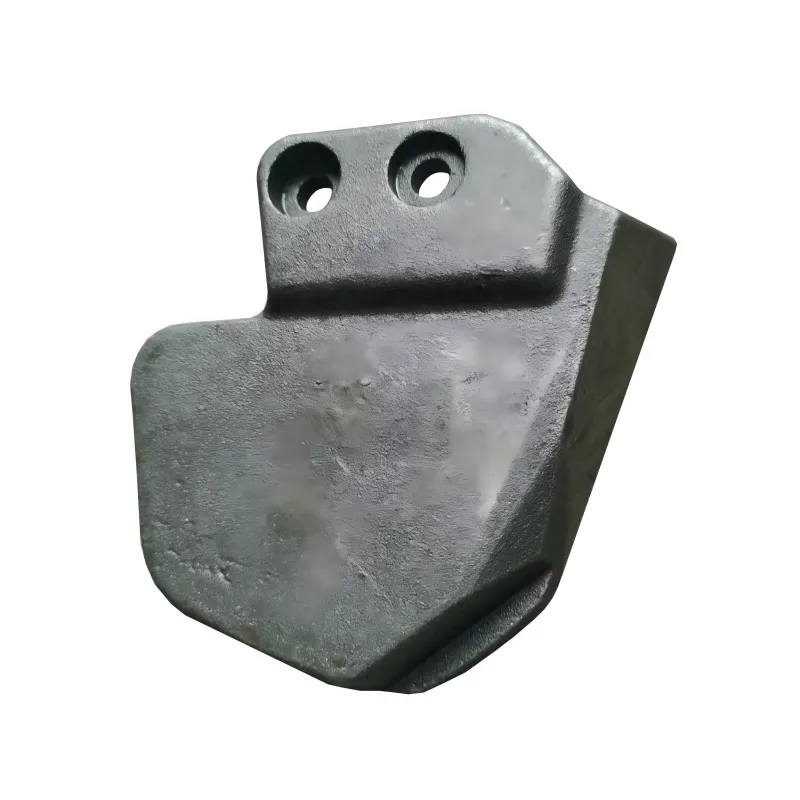
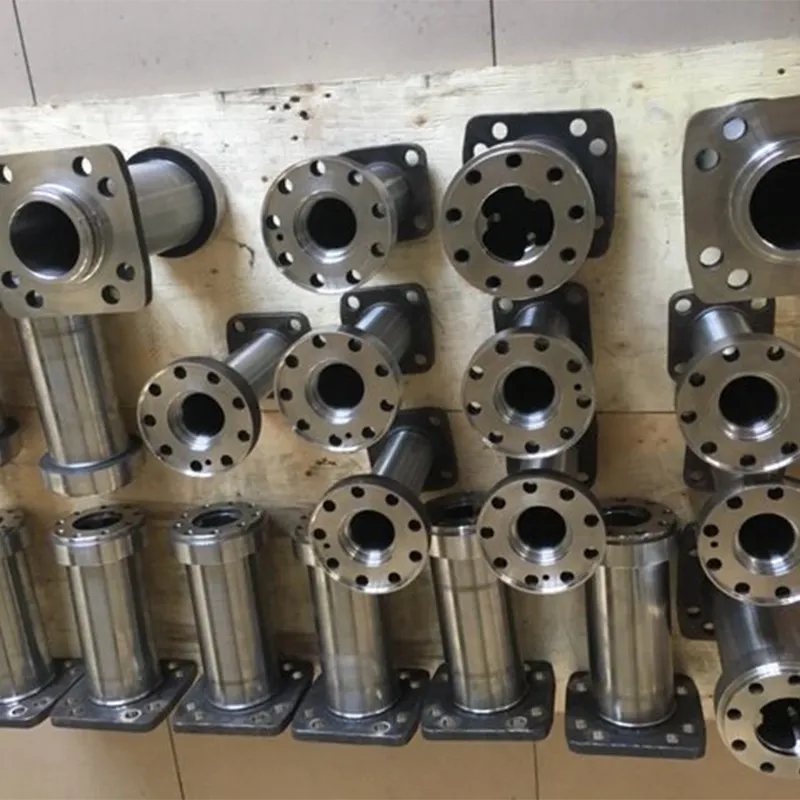
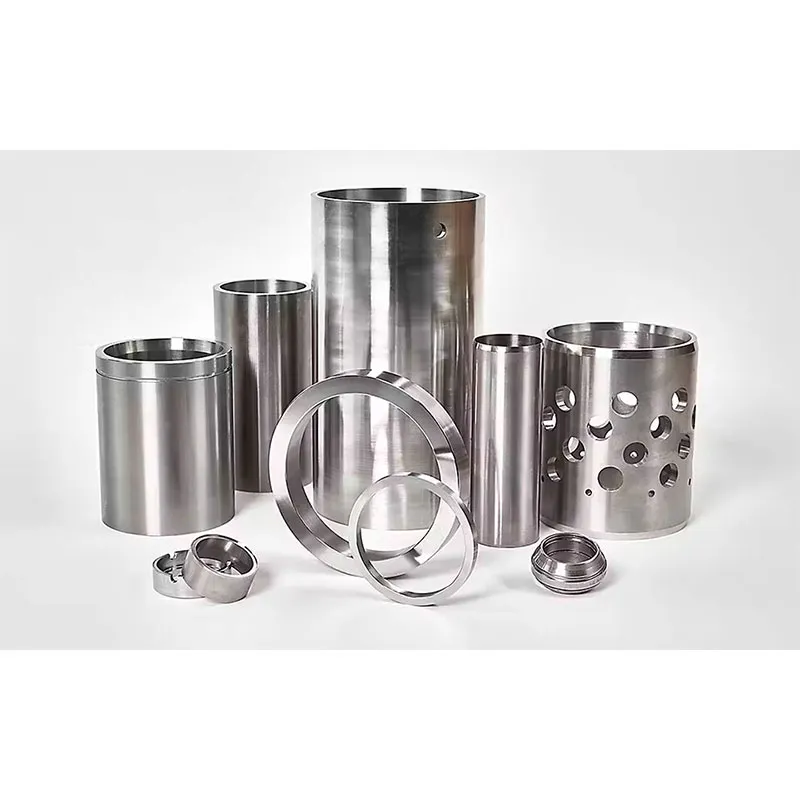
Sand casting aluminum is a versatile manufacturing process that utilizes reusable sand molds to produce complex, durable, and cost-effective aluminum components. As a premier China sand casting aluminum manufacturer & supplier, we specialize in delivering high-precision castings for automotive, aerospace, industrial machinery, and consumer electronics sectors. Our expertise lies in balancing metallurgical integrity with dimensional accuracy, ensuring every part meets rigorous international standards such as ISO 9001 and IATF 16949. By leveraging advanced molding technologies and strict quality control protocols, we provide scalable solutions that reduce lead times and optimize total cost of ownership for global B2B buyers.
What Is Sand Casting Aluminum? Core Definitions and Process Overview
Sand casting aluminum involves pouring molten aluminum alloy into a mold cavity formed by compacted sand. This method is one of the oldest and most widely used casting techniques due to its flexibility in handling complex geometries and large part sizes. Unlike die casting, which uses permanent metal molds, sand casting utilizes expendable molds, allowing for greater design freedom and lower tooling costs for low-to-medium volume production.
The process begins with creating a pattern, typically made from wood, metal, or plastic, which replicates the external shape of the final part. This pattern is packed into sand mixed with bonding agents to create the mold cavity. Once the pattern is removed, the cavity is ready to receive molten aluminum. After cooling and solidification, the sand mold is broken away to reveal the raw casting, which then undergoes cleaning, heat treatment, and machining to achieve final specifications.
Key Characteristics of Aluminum Sand Castings
- Design Flexibility: Capable of producing intricate internal passages, undercuts, and complex external shapes that are difficult or impossible to achieve with other casting methods.
- Material Versatility: Compatible with a wide range of aluminum alloys, including A356, A380, and custom formulations tailored for specific mechanical properties like tensile strength and corrosion resistance.
- Cost Efficiency: Lower initial tooling costs compared to die casting or investment casting, making it ideal for prototypes and medium-volume production runs.
- Size Range: Suitable for producing parts ranging from a few kilograms to several tons, accommodating both small precision components and large industrial structures.
Why Choose China Sand Casting Aluminum Manufacturers?
In 2026, China remains the global hub for aluminum casting, offering a unique combination of mature supply chains, advanced manufacturing infrastructure, and competitive pricing. Partnering with a specialized China sand casting aluminum manufacturer provides strategic advantages for international buyers seeking reliability and scalability.
Integrated Supply Chain Advantages
Chinese manufacturers benefit from proximity to raw material sources, including high-purity aluminum ingots and specialized sand suppliers. This vertical integration reduces logistics costs and lead times. Furthermore, the presence of specialized ancillary services—such as heat treatment facilities, CNC machining centers, and surface finishing workshops—within industrial clusters allows for seamless end-to-end production. This ecosystem ensures that every stage of the manufacturing process, from mold making to final inspection, is controlled under one roof or within a tightly coordinated network.
Advanced Technological Adoption
Modern Chinese foundries have significantly upgraded their capabilities. Many leading suppliers now employ automated molding lines, robotic pouring systems, and computerized simulation software. These technologies enhance consistency, reduce human error, and improve the overall quality of castings. The adoption of Industry 4.0 principles allows for real-time monitoring of process parameters, ensuring that each batch meets strict quality criteria.
Compliance with International Standards
Top-tier manufacturers in China adhere to stringent international quality standards. Certifications such as ISO 9001 for quality management, IATF 16949 for automotive industries, and AS9100 for aerospace applications are common. These certifications demonstrate a commitment to consistent quality, traceability, and continuous improvement, providing confidence to global buyers regarding product reliability and regulatory compliance.
The Sand Casting Aluminum Process: Step-by-Step Technical Breakdown
Understanding the detailed workflow of sand casting is crucial for evaluating manufacturer capability and optimizing part design. The process involves several critical stages, each requiring precise control to ensure the final product meets engineering specifications.
1. Pattern Making and Mold Design
The process starts with the creation of a pattern, which is a replica of the final part. Patterns are designed with allowances for shrinkage, draft angles, and machining. Modern manufacturers use CAD/CAM software to design patterns and simulate the casting process using Finite Element Analysis (FEA). This simulation predicts potential defects such as shrinkage cavities or cold shuts, allowing engineers to optimize the gating system and riser design before physical production begins.
2. Mold Preparation
The mold is created by packing sand around the pattern. Two primary types of sand molding are used:
- Green Sand Molding: Uses sand mixed with clay and water. It is cost-effective and suitable for high-volume production of smaller parts. The term “green” refers to the moisture content, not the color.
- No-Bake (Chemical Bonded) Sand Molding: Uses sand mixed with chemical resins that harden at room temperature. This method offers superior dimensional accuracy and surface finish, making it ideal for larger and more complex castings.
The mold consists of two halves: the cope (upper half) and the drag (lower half). Cores, made from sand and binders, are inserted into the mold to create internal features such as holes or passages.
3. Melting and Pouring
Aluminum alloys are melted in induction or gas-fired furnaces at temperatures between 660°C and 750°C. Strict control over melting temperature and atmosphere is essential to prevent oxidation and hydrogen absorption, which can lead to porosity. Molten aluminum is treated with fluxes to remove impurities and degassed to reduce hydrogen content. The metal is then poured into the mold cavity through a gating system designed to minimize turbulence and air entrapment.
4. Cooling and Solidification
After pouring, the aluminum cools and solidifies within the sand mold. The cooling rate affects the microstructure and mechanical properties of the casting. Controlled cooling helps refine the grain structure, enhancing strength and ductility. The time required for solidification depends on the part’s thickness, alloy composition, and mold material.
5. Shakeout and Cleaning
Once solidified, the sand mold is broken apart in a shakeout process. The raw casting is removed, and the gating system (risers, runners, and gates) is cut off. Surface cleaning involves shot blasting or grinding to remove residual sand and oxide layers. This step prepares the casting for further processing or inspection.
6. Heat Treatment and Machining
Many aluminum castings undergo heat treatment, such as T5 or T6 tempering, to enhance mechanical properties. T6 treatment involves solution heat treatment, quenching, and artificial aging, which significantly increases tensile strength and hardness. Final machining operations, including CNC milling, drilling, and tapping, are performed to achieve tight tolerances and smooth surface finishes required for assembly.
7. Quality Inspection and Testing
Rigorous quality control is applied at every stage. Final inspections include dimensional checks using CMM (Coordinate Measuring Machines), visual inspection for surface defects, and non-destructive testing (NDT) such as X-ray or dye penetrant testing to detect internal porosities or cracks. Material composition is verified using spectrometry to ensure alloy compliance.
Aluminum Alloys for Sand Casting: Selection Guide
Choosing the right aluminum alloy is critical for achieving the desired performance characteristics. Different alloys offer varying levels of castability, strength, corrosion resistance, and machinability. Below is a comparison of commonly used aluminum alloys in sand casting.
| Alloy Series | Common Grades | Key Properties | Typical Applications |
| A356 / A357 | Al-Si-Mg | Excellent castability, good strength-to-weight ratio, high corrosion resistance, suitable for heat treatment (T6). | Automotive wheels, pump housings, aircraft components, structural parts. |
| A380 | Al-Si-Cu | High fluidity, good pressure tightness, moderate strength. Primarily used in die casting but adaptable for sand casting. | Engine blocks, transmission cases, electronic housings. |
| A319 | Al-Si-Cu | Good castability, moderate strength, excellent resistance to hot tearing. Often used for complex shapes. | Cylinder heads, brake components, industrial valves. |
| A360 | Al-Si-Mg | Superior corrosion resistance, high ductility, good pressure tightness. Lower strength compared to A356. | Marine components, chemical processing equipment, outdoor fixtures. |
| A413 | Al-Si | Highest fluidity, excellent pressure tightness, low shrinkage. Limited heat treatability. | Complex thin-walled parts, hydraulic components, compressor housings. |
Factors Influencing Alloy Selection
- Mechanical Requirements: Determine the necessary tensile strength, yield strength, and elongation. Heat-treatable alloys like A356 are preferred for high-strength applications.
- Corrosion Environment: For parts exposed to moisture or chemicals, alloys with higher silicon and magnesium content, such as A356 or A360, offer better resistance.
- Castability: Complex geometries require alloys with high fluidity to fill thin sections without defects. A413 and A380 are known for excellent flow characteristics.
- Machinability: Some alloys machine more easily than others. Silicon content improves wear resistance but can be abrasive on cutting tools. Copper-containing alloys generally offer better machinability.
Sand Casting vs. Other Aluminum Casting Methods
When selecting a manufacturing process, it is essential to compare sand casting with alternative methods like die casting and investment casting. Each method has distinct advantages and limitations depending on production volume, part complexity, and budget.
| Feature | Sand Casting | Die Casting | Investment Casting |
| Tooling Cost | Low to Medium | High | Medium |
| Production Volume | Low to High | Very High | Low to Medium |
| Part Complexity | High | Medium (Limited by ejector pins) | Very High |
| Surface Finish | Moderate (Ra 6.3–12.5 μm) | Excellent (Ra 0.8–1.6 μm) | Excellent (Ra 1.6–3.2 μm) |
| Dimensional Accuracy | ±0.5–1.0 mm | ±0.1–0.2 mm | ±0.1–0.2 mm |
| Lead Time | Short (Quick tooling) | Long (Complex tooling) | Medium |
| Part Size | Unlimited (Small to Very Large) | Limited by Machine Capacity | Small to Medium |
When to Choose Sand Casting?
Sand casting is the optimal choice when:
- Prototyping or Low Volume: Lower tooling costs make it economical for small batches.
- Large Parts: It is the only viable method for very large aluminum components, such as engine blocks or structural frames.
- Complex Internal Geometries: The use of sand cores allows for intricate internal passages that are difficult to achieve with die casting.
- Material Flexibility: When specific high-performance alloys that are not suitable for high-pressure die casting are required.
Applications of Sand Casting Aluminum Across Industries
The versatility of sand casting aluminum makes it indispensable across various industrial sectors. Its ability to produce strong, lightweight, and complex components drives innovation in engineering and design.
Automotive Industry
The automotive sector is the largest consumer of aluminum sand castings. Lightweighting initiatives demand materials that reduce vehicle weight without compromising safety or performance. Common applications include:
- Engine Components: Cylinder heads, engine blocks, and intake manifolds benefit from aluminum’s thermal conductivity and weight savings.
- Transmission Housings: Complex shapes with tight tolerances are efficiently produced via sand casting.
- Suspension Parts: Control arms and knuckles require high strength-to-weight ratios, achievable with heat-treated A356 alloys.
Aerospace and Defense
In aerospace, every gram counts. Aluminum sand castings provide the necessary structural integrity for critical components while minimizing weight. Applications include:
- Housing Units: Avionics housings and gearboxes require precise dimensions and EMI shielding properties.
- Structural Brackets: High-strength alloys ensure durability under extreme stress and vibration.
- Pump Impellers: Corrosion-resistant alloys are used for fuel and hydraulic systems.
Industrial Machinery and Equipment
Heavy machinery relies on durable components that can withstand harsh operating conditions. Sand casting aluminum offers:
- Pump and Valve Bodies: Resistance to corrosion and pressure tightness are critical for fluid handling systems.
- Motor Housings: Excellent heat dissipation properties help maintain optimal operating temperatures for electric motors.
- Robotics Components: Lightweight arms and bases improve energy efficiency and speed in automated systems.
Consumer Electronics and Appliances
Aesthetic appeal and thermal management are key in consumer products. Aluminum sand castings are used for:
- Heat Sinks: Complex fin structures maximize surface area for efficient cooling.
- Enclosures: Durable and stylish housings for high-end appliances and electronic devices.
- Lighting Fixtures: Outdoor lighting requires weather-resistant materials with good thermal conductivity.
Quality Control and Standards in Aluminum Sand Casting
Ensuring consistent quality is paramount in B2B manufacturing. Reputable manufacturers implement comprehensive quality control systems aligned with international standards. Key aspects include:
Material Certification and Traceability
Every batch of aluminum ingots is accompanied by a mill certificate verifying chemical composition. Spectrometric analysis is conducted during melting to ensure alloy integrity. Full traceability allows buyers to track material origins and processing history, crucial for regulated industries like aerospace and automotive.
Non-Destructive Testing (NDT)
NDT methods are employed to detect internal and surface defects without damaging the part:
- X-Ray Inspection: Reveals internal porosities, shrinkage, and inclusions. Essential for critical safety components.
- Dye Penetrant Testing: Identifies surface cracks and leaks. Useful for pressure-tight parts like pump housings.
- Ultrasonic Testing: Detects subsurface flaws and measures wall thickness in complex geometries.
Dimensional Inspection
Advanced metrology equipment ensures parts meet drawing specifications. Coordinate Measuring Machines (CMM) provide precise 3D measurements, while laser scanning offers rapid full-field inspection for complex shapes. First Article Inspection (FAI) reports are standard for new tooling validation.
International Standards Compliance
Manufacturers should comply with relevant standards such as:
- ISO 9001: General quality management systems.
- IATF 16949: Specific requirements for automotive production and relevant service parts organizations.
- ASTM B26/B26M: Standard specification for aluminum-alloy sand castings.
- EN 1706: European standard for aluminum and aluminum alloy castings.
Common Defects in Sand Casting Aluminum and Prevention Strategies
Understanding potential defects helps in designing robust parts and selecting capable manufacturers. Here are common issues and how they are mitigated:
| Defect Type | Description | Causes | Prevention Strategies |
| Porosity | Small voids or holes within the casting. | Gas entrapment, shrinkage during solidification, moist sand. | Proper gating design, degassing molten metal, controlling sand moisture, using risers. |
| Cold Shuts | Lines or cracks where molten metal flows met but did not fuse. | Low pouring temperature, slow pouring speed, complex geometry. | Optimize pouring temperature, improve gating system, increase fluidity. |
| Sand Inclusions | Sand particles embedded in the metal surface. | Erosion of mold walls, weak sand bond, turbulent flow. | Improve sand strength, optimize gating to reduce turbulence, proper mold coating. |
| Misruns | Incomplete filling of the mold cavity. | Insufficient metal volume, blocked vents, low temperature. | Ensure adequate pouring volume, clear vent channels, maintain proper temperature. |
| Shrinkage Cavities | Depressions or voids due to volume contraction. | Inadequate feeding, poor riser design. | Strategic placement of risers, chills to control cooling rate, simulation software. |
How to Choose a Reliable China Sand Casting Aluminum Supplier
Selecting the right manufacturing partner is critical for project success. Consider the following factors when evaluating suppliers:
Technical Capability and Equipment
Assess the manufacturer’s facility for modern equipment, such as automated molding lines, induction furnaces, and CNC machining centers. Ask about their use of simulation software for process optimization. A technologically advanced facility is more likely to deliver consistent quality and handle complex designs.
Experience and Infrastructure
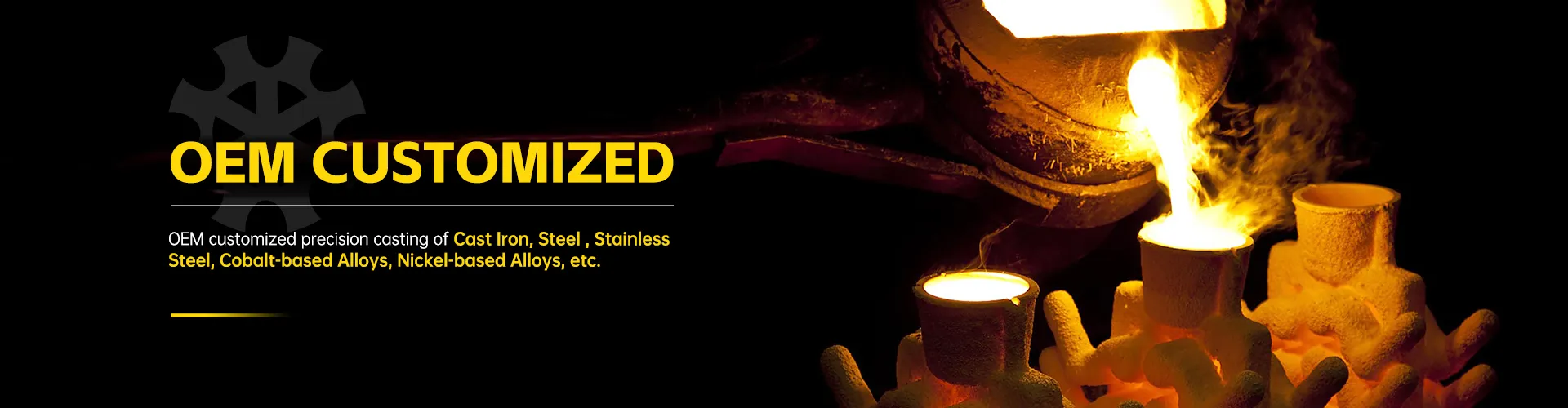
Experience matters significantly in casting. For instance, Qingdao Qiangsenyuan Technology Co., Ltd. (QSY) brings over 30 years of expertise in the casting and machining industry to the table. With a massive production workshop covering over 50,000 square meters, QSY integrates shell mold casting, investment casting, and extensive CNC machining capabilities under one roof. While QSY is renowned for its work with cast iron, steel, stainless steel, and special alloys (such as cobalt and nickel-based alloys) for industries ranging from agricultural to petrochemicals, this level of infrastructural maturity and diversified material handling reflects the high standards expected from top-tier Chinese manufacturers. Such comprehensive facilities ensure that whether you need aluminum sand castings or complex multi-material assemblies, the supplier has the depth of resources to support one-stop customized processing services for clients in over 20 countries.
Quality Certifications and Track Record
Verify relevant certifications (ISO, IATF, AS9100) based on your industry needs. Request case studies or references from similar projects. A proven track record in your specific sector indicates familiarity with relevant standards and challenges.
Communication and Project Management
Effective communication is vital for international collaborations. Look for suppliers with dedicated English-speaking engineering support and project managers. Clear communication ensures that design intent is understood, and issues are resolved promptly.
Supply Chain Stability
Evaluate the supplier’s raw material sourcing and production capacity. A stable supply chain minimizes risks of delays due to material shortages. Inquire about their inventory management and contingency plans for peak demand periods.
Cost Structure and Transparency
While competitive pricing is important, beware of quotes that seem too good to be true. Transparent cost breakdowns, including tooling, material, processing, and finishing, help in accurate budgeting. Focus on total cost of ownership, including quality, lead time, and after-sales support.
Frequently Asked Questions (FAQ) About Sand Casting Aluminum
What is the typical lead time for sand casting aluminum parts?
Lead times vary based on complexity and volume. Prototype samples can be produced in 2–4 weeks, including tooling. Mass production typically takes 4–8 weeks after sample approval. Rush orders may be accommodated depending on factory capacity.
Can sand casting achieve tight tolerances?
Standard sand casting tolerances are around ±0.5–1.0 mm. However, with advanced no-bake molding and precise machining, tighter tolerances of ±0.2 mm can be achieved on critical features. Post-casting CNC machining is recommended for high-precision requirements.
What is the minimum wall thickness for aluminum sand castings?
The recommended minimum wall thickness is 3–4 mm for general applications. Thinner walls (down to 2.5 mm) are possible with optimized gating and high-fluidity alloys, but they increase the risk of cold shuts and incomplete filling.
How does sand casting compare to 3D printing for aluminum parts?
3D printing (additive manufacturing) is ideal for highly complex, low-volume prototypes with no tooling costs. Sand casting is more cost-effective for medium-to-high volumes and offers better mechanical properties and surface finish for functional parts. Hybrid approaches, such as 3D printed sand molds, are emerging for rapid prototyping.
Is post-casting heat treatment necessary?
Heat treatment is not always mandatory but is highly recommended for structural components requiring enhanced strength and hardness. T6 tempering is common for A356 alloys. For non-structural parts where cast properties suffice, heat treatment may be skipped to reduce costs.
What file formats are required for quoting and tooling?
For accurate quoting and tooling design, provide 3D CAD files in STEP or IGES format. 2D drawings in PDF or DWG format are also required to specify tolerances, surface finishes, and critical dimensions.
Conclusion: Partnering for Precision and Performance
Sand casting aluminum remains a cornerstone of modern manufacturing, offering an unparalleled balance of design flexibility, mechanical performance, and cost efficiency. As a leading China sand casting aluminum manufacturer & supplier, we are committed to delivering high-quality solutions that drive innovation in your projects. Our integrated approach, combining advanced technology, rigorous quality control, and deep industry expertise, ensures that every component meets the highest standards of reliability and precision.
Whether you are developing automotive components, aerospace structures, or industrial machinery parts, our team is equipped to support your needs from prototype to mass production. We understand the critical importance of lead times, material integrity, and dimensional accuracy in today’s competitive market.
Ready to optimize your manufacturing strategy?
Contact our engineering team today to discuss your project requirements. We offer comprehensive technical support, rapid prototyping, and scalable production solutions tailored to your specific needs. Let us help you achieve superior performance and cost efficiency with our premium sand casting aluminum services.
Explore Our Sand Casting Aluminum Solutions & Request a Quote