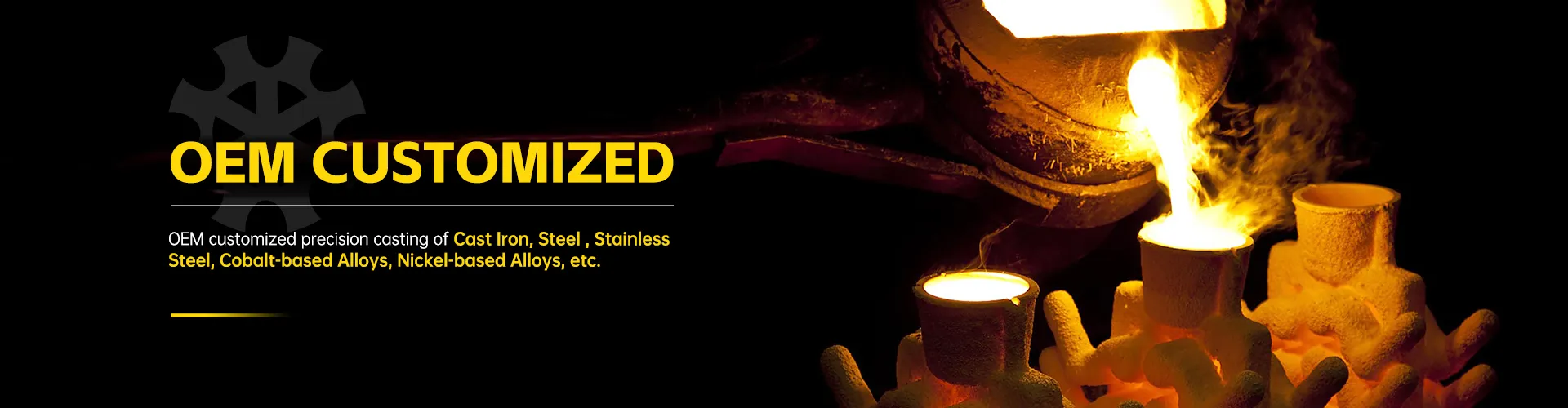
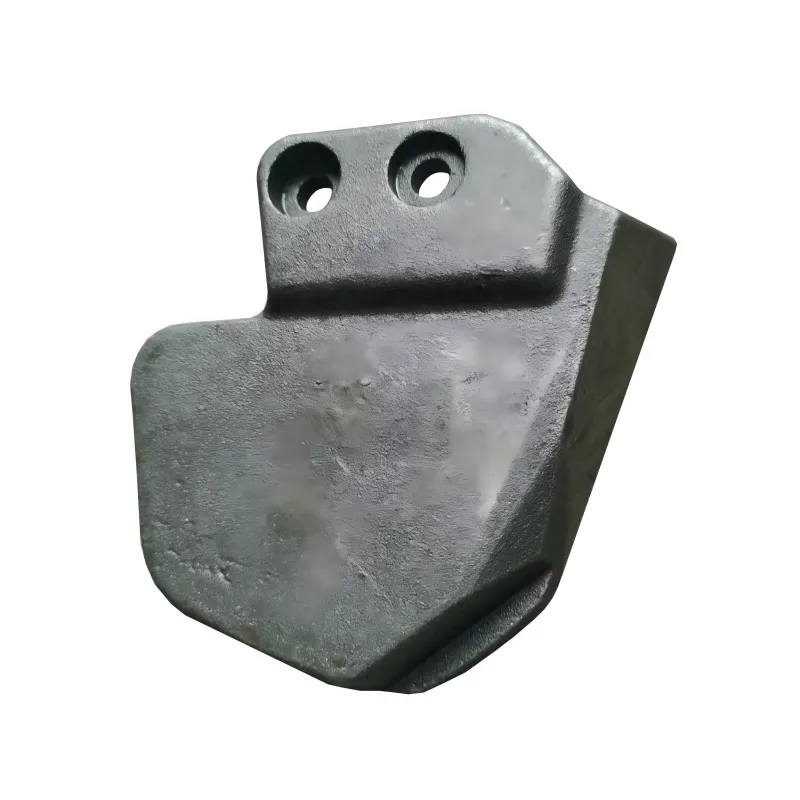
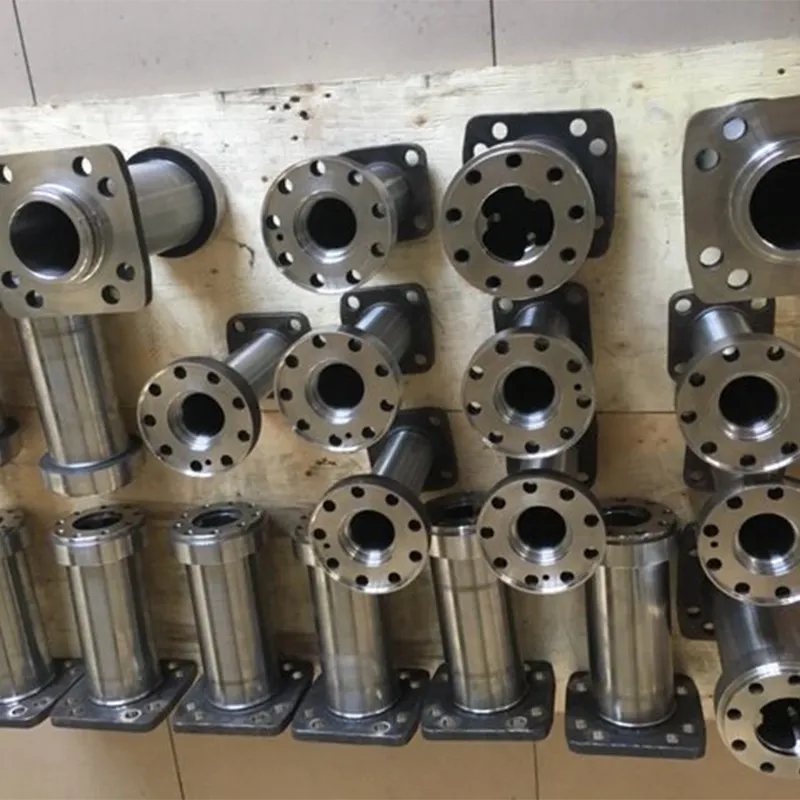
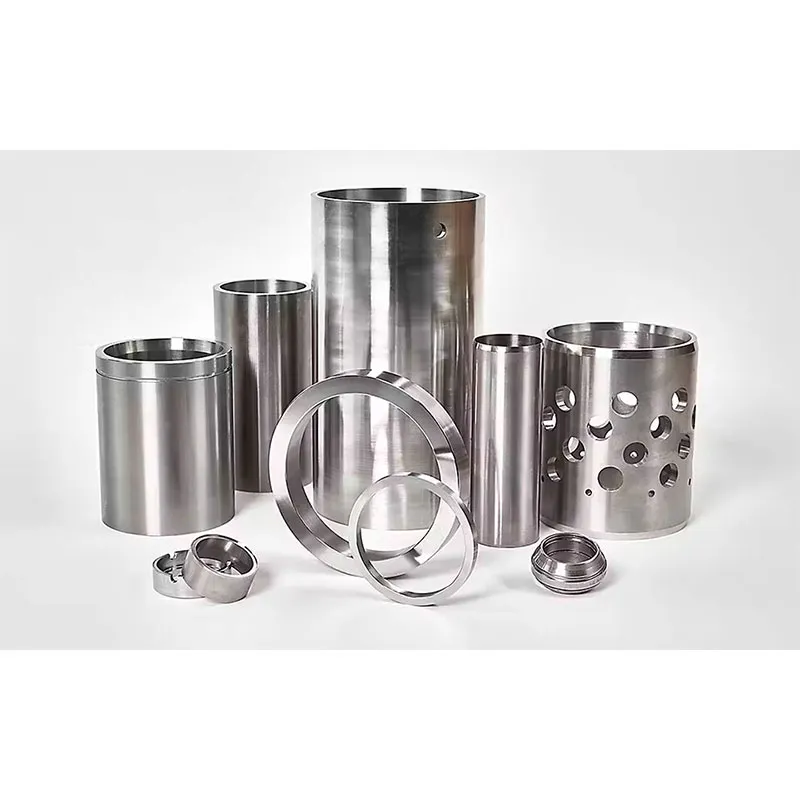
A sand casting foundry is a specialized manufacturing facility that produces metal components by pouring molten metal into molds made from sand. As a premier OEM manufacturer and supplier, we provide end-to-end solutions for complex industrial parts, ranging from prototype development to high-volume production. Our capabilities cover various alloys including gray iron, ductile iron, steel, aluminum, and bronze. By integrating advanced pattern-making technologies with rigorous quality control systems, our foundry ensures dimensional accuracy, superior surface finish, and mechanical integrity for critical applications in automotive, aerospace, energy, and heavy machinery sectors.
Understanding the Core Capabilities of a Modern Sand Casting Foundry
Selecting the right manufacturing partner requires a deep understanding of what defines a competitive sand casting foundry in 2026. It is not merely about melting metal; it is about precision engineering, material science, and process optimization. Our facility operates on principles of efficiency and technical excellence, ensuring that every cast component meets stringent international standards.
What Is Sand Casting and How Does It Work?
Sand casting is one of the oldest and most versatile metal casting processes. It involves creating a mold cavity using sand bonded with clay or chemical binders. The process allows for the production of parts with complex geometries, large sizes, and varying weights that are difficult or impossible to achieve with other methods like die casting or investment casting.
The fundamental workflow in our foundry includes:
- Pattern Making: Creating a replica of the final part, typically from wood, metal, or plastic, which includes allowances for shrinkage and machining.
- Mold Preparation: Packing sand around the pattern to form the mold cavity. We utilize both green sand (clay-bonded) and resin-bonded sand systems depending on the required surface finish and tolerance.
- Core Making: Inserting sand cores into the mold to create internal features such as holes or passages.
- Melting and Pouring: Melting the selected alloy in induction or cupola furnaces and pouring it into the mold at controlled temperatures.
- Cooling and Shakeout: Allowing the metal to solidify and cool before breaking away the sand mold.
- Finishing and Inspection: Removing gating systems, grinding surfaces, and performing rigorous quality checks.
Why Choose an OEM Sand Casting Manufacturer?
Partnering with an Original Equipment Manufacturer (OEM) offers distinct advantages over generic suppliers. An OEM foundry integrates directly into your supply chain, offering customized solutions tailored to your specific engineering drawings and performance requirements. This collaboration ensures that the casting process is optimized for your part’s unique geometry and material needs.
Key benefits include:
- Customization: Ability to produce bespoke designs without the high tooling costs associated with permanent mold processes.
- Material Flexibility: Access to a wide range of ferrous and non-ferrous alloys.
- Scalability: Seamless transition from low-volume prototyping to mass production.
- Technical Support: Direct engineering consultation to optimize design for manufacturability (DFM).
Advanced Materials and Alloy Expertise
A competent sand casting foundry must demonstrate mastery over various metallurgical compositions. The choice of material significantly impacts the mechanical properties, cost, and application suitability of the final component. Our expertise spans across multiple alloy families, each selected for specific industrial demands.
Ferrous Alloys: Iron and Steel Castings
Ferrous alloys remain the backbone of heavy industry due to their strength, durability, and cost-effectiveness. We specialize in the following categories:
| Alloy Type | Key Characteristics | Typical Applications |
| Gray Iron | Excellent vibration damping, good machinability, high compressive strength. | Machine tool bases, engine blocks, pump housings, brake discs. |
| Ductile Iron (Nodular Iron) | High tensile strength, impact resistance, and elongation compared to gray iron. | Pipe fittings, automotive suspension parts, gearboxes, valve bodies. |
| Carbon Steel | Superior toughness and weldability, suitable for high-stress environments. | Mining equipment, railway components, structural supports, heavy-duty gears. |
| Stainless Steel | Corrosion resistance, high-temperature stability, aesthetic finish. | Food processing machinery, marine hardware, chemical processing valves. |
Non-Ferrous Alloys: Aluminum and Bronze
For applications requiring lightweight properties or specific corrosion resistance, non-ferrous alloys are the preferred choice. Our foundry utilizes precise melting techniques to maintain alloy integrity.
- Aluminum Alloys: Known for their high strength-to-weight ratio and excellent thermal conductivity. Ideal for automotive engine components, aerospace structures, and heat sinks. We commonly work with A356, A380, and custom aluminum blends.
- Bronze and Brass: Offer superior wear resistance and low friction coefficients. These are essential for bearings, bushings, marine propellers, and decorative architectural elements.
Comprehensive Manufacturing Process Workflow
Transparency in the manufacturing process builds trust. As a leading sand casting foundry, we adhere to a structured workflow that ensures consistency and quality at every stage. This section details the operational steps from initial inquiry to final shipment.
Step 1: Design Analysis and DFM Optimization
The process begins with a thorough review of your CAD files or technical drawings. Our engineering team conducts a Design for Manufacturability (DFM) analysis to identify potential issues such as undercuts, thin walls, or shrinkage risks. We provide feedback to optimize the design for cost-effective casting without compromising functionality.
Step 2: Pattern and Tooling Fabrication
Based on the approved design, we fabricate high-precision patterns. For low-volume runs, we may use 3D printed sand molds or rapid prototype patterns. For high-volume production, we create durable metal or composite patterns. Our tooling shop ensures that all patterns meet strict dimensional tolerances.
Step 3: Mold and Core Production
We employ advanced molding lines equipped with automated sand mixing and compaction systems. Depending on the part complexity, we use:
- Green Sand Molding: Cost-effective and suitable for high-volume production of simpler parts.
- Resin Sand (No-Bake) Molding: Provides better dimensional accuracy and surface finish for complex, larger components.
- Shell Molding: Used for parts requiring very smooth surfaces and tight tolerances.
Step 4: Melting and Pouring Control
Temperature control is critical in sand casting. Our furnaces are equipped with real-time monitoring systems to ensure the molten metal reaches the optimal pouring temperature. Spectrometers are used to verify the chemical composition of the melt before pouring, ensuring it matches the specified alloy grade.
Step 5: Post-Casting Processing
After cooling, the castings undergo shakeout to remove the sand. The subsequent steps include:
- Gating Removal: Cutting off sprues, runners, and risers.
- Shot Blasting: Cleaning the surface to remove residual sand and oxide scales.
- Heat Treatment: Annealing, normalizing, or quenching to enhance mechanical properties as required.
- Machining: CNC machining to achieve final dimensional specifications and surface finishes.
Quality Assurance and Certification Standards
In the B2B industrial sector, quality is non-negotiable. Our sand casting foundry operates under a robust Quality Management System (QMS) compliant with ISO 9001:2015 standards. We implement multi-stage inspection protocols to guarantee that every part meets client specifications.
In-Process Quality Control
Quality checks are integrated into every step of the production line. This proactive approach minimizes defects and reduces waste. Key control points include sand property testing, melt chemistry verification, and mold dimension checks.
Final Inspection Technologies
We utilize state-of-the-art inspection equipment to validate the integrity of our castings:
- Coordinate Measuring Machine (CMM): For precise dimensional verification against CAD models.
- Spectroscopy: To confirm accurate chemical composition of the alloy.
- Non-Destructive Testing (NDT): Including Magnetic Particle Inspection (MPI), Ultrasonic Testing (UT), and X-ray radiography to detect internal and surface defects without damaging the part.
- Mechanical Testing: Tensile, hardness, and impact tests to verify material performance.
Industry Certifications
Our commitment to quality is reflected in our certifications. We adhere to international standards such as ASTM, DIN, JIS, and GB. For specific industries, we comply with sector-specific requirements, ensuring our castings are suitable for automotive, pressure vessel, and marine applications.
Applications Across Key Industries
The versatility of sand casting makes it indispensable across various sectors. Our sand casting foundry serves a diverse clientele, delivering components that perform reliably in demanding environments.
Automotive and Transportation
The automotive industry relies heavily on sand castings for engine blocks, cylinder heads, transmission cases, and suspension components. The ability to produce complex internal cooling passages and lightweight structures makes sand casting ideal for improving fuel efficiency and performance.
Energy and Power Generation
From wind turbine hubs to oil and gas valve bodies, our castings support the energy sector. These components often require high strength and corrosion resistance to withstand harsh environmental conditions. We produce large-scale castings for hydroelectric and thermal power plants.
Heavy Machinery and Construction
Construction equipment such as excavators, bulldozers, and cranes require robust cast parts like track shoes, bucket teeth, and hydraulic pump housings. Our ductile iron and steel castings provide the necessary durability and wear resistance for these heavy-duty applications.
Pumps, Valves, and Fluid Handling
Sand casting is the preferred method for producing pump casings, impellers, and valve bodies. The process allows for the creation of complex flow paths and pressure-resistant structures essential for fluid control systems in water treatment, chemical processing, and HVAC industries.
Strategic Advantages of Partnering with Us
Choosing the right sand casting foundry impacts your product’s time-to-market, cost structure, and reliability. Here is why global manufacturers choose us as their strategic OEM partner.
Cost-Effective Production Solutions
We optimize the casting process to reduce material waste and energy consumption. By offering flexible tooling options and efficient production planning, we help clients lower their overall unit costs, especially for medium to high-volume runs.
Rapid Prototyping and Short Lead Times
In today’s fast-paced market, speed is crucial. We offer rapid prototyping services using 3D printing technology for sand molds, allowing clients to validate designs quickly. Our streamlined production workflow ensures shorter lead times for both samples and mass production.
Engineering Support and Collaboration
We view ourselves as an extension of our clients’ engineering teams. Our experts provide valuable insights on material selection, design optimization, and process improvements. This collaborative approach helps prevent costly redesigns and ensures optimal performance of the final product.
Sustainable Manufacturing Practices
Environmental responsibility is a core value. Our foundry implements sustainable practices such as sand reclamation systems, energy-efficient furnaces, and waste recycling programs. We are committed to reducing our carbon footprint while maintaining high production standards.
Comparison: Sand Casting vs. Other Casting Methods
Understanding where sand casting fits in the broader manufacturing landscape helps in making informed decisions. Below is a comparison with other common casting techniques.
| Feature | Sand Casting | Die Casting | Investment Casting |
| Tooling Cost | Low to Moderate | High | Moderate to High |
| Part Size | Small to Very Large | Small to Medium | Small to Medium |
| Surface Finish | Moderate | Excellent | Excellent |
| Dimensional Accuracy | Moderate | High | High |
| Material Versatility | Very High (Ferrous & Non-Ferrous) | Limited (Mostly Non-Ferrous) | High |
| Production Volume | Low to High | High | Low to Medium |
As shown, sand casting offers unparalleled flexibility in terms of part size and material choice, making it the go-to solution for large, complex, or low-to-medium volume components where tooling costs need to be managed.
Common Challenges and Solutions in Sand Casting
Even with advanced technology, sand casting presents certain challenges. An experienced sand casting foundry anticipates these issues and implements preventive measures.
Porosity and Gas Defects
Gas porosity can weaken castings. We mitigate this by controlling sand moisture levels, using venting systems in molds, and optimizing pouring rates to allow gases to escape effectively.
Shrinkage Cavities
Metal shrinks as it cools, potentially causing voids. Our engineers design proper gating and risering systems to ensure a continuous feed of molten metal to the shrinking areas, preventing shrinkage defects.
Surface Roughness
Sand grains can imprint on the casting surface. We address this by using finer sand grades, applying mold coatings, and optimizing compaction pressure to achieve smoother surfaces.
Frequently Asked Questions (FAQ)
To assist procurement managers and engineers, we have compiled answers to common questions regarding our sand casting foundry services.
What is the minimum order quantity (MOQ) for sand casting?
Our MOQ is flexible. For prototyping, we can produce single units using 3D printed molds. For mass production, the MOQ depends on the part complexity and tooling setup, but we accommodate both small batch and high-volume orders to suit diverse client needs.
How long does it take to produce a sample?
Sample lead times typically range from 2 to 4 weeks, depending on the complexity of the pattern and the alloy used. Rapid prototyping options can reduce this time significantly for urgent projects.
Can you handle complex internal geometries?
Yes. Using advanced core-making techniques and computer-simulated filling analysis, we can produce castings with intricate internal passages and complex shapes that are difficult to machine.
What file formats do you accept for quotations?
We accept 3D CAD files in formats such as STEP, IGES, and STL, along with 2D drawings in PDF or DWG format. Providing detailed specifications helps us give accurate quotes and technical feedback.
Do you provide secondary machining services?
Yes, we offer comprehensive secondary services including CNC machining, drilling, tapping, and surface treatments like painting, powder coating, and galvanizing. This allows us to deliver ready-to-assemble components.
How to Select the Right Sand Casting Supplier
Choosing a supplier is a strategic decision. Consider the following factors when evaluating a sand casting foundry:
- Technical Capability: Ensure the foundry has experience with your specific alloy and part complexity.
- Quality Systems: Verify certifications and inspection capabilities to ensure consistent quality.
- Communication: Look for a partner who responds promptly and provides clear technical feedback.
- Supply Chain Stability: Assess their capacity to meet your volume requirements and delivery schedules.
- Cost Transparency: Choose a supplier who provides detailed breakdowns of tooling, material, and processing costs.
Future Trends in Sand Casting Technology
The foundry industry is evolving with Industry 4.0 technologies. In 2026, we see increased adoption of:
- Digital Twinning: Simulating the entire casting process virtually to predict defects and optimize parameters before physical production.
- Automation and Robotics: Enhancing consistency and safety in molding, pouring, and finishing operations.
- Sustainable Binders: Developing eco-friendly sand binders that reduce emissions and improve recyclability.
- AI-Driven Quality Control: Using machine learning algorithms to analyze inspection data and predict maintenance needs.
Our foundry stays at the forefront of these trends, continuously investing in technology to provide superior value to our clients.
About Qingdao Qiangsenyuan Technology Co., Ltd. (QSY)
While sand casting remains a cornerstone of modern manufacturing, many complex projects require a broader spectrum of casting technologies and precision machining. This is where Qingdao Qiangsenyuan Technology Co., Ltd. (QSY) distinguishes itself as a comprehensive manufacturing partner.
With over 30 years of experience in the casting and machining industry, QSY has evolved beyond traditional methods to offer a diversified portfolio that includes shell mold casting, lost wax (investment) casting, and advanced CNC machining. Our expansive production facility covers over 50,000 square meters, housing dedicated production lines for shell mold and investment casting, alongside a state-of-the-art CNC machining workshop, quality inspection center, and packaging department.
Our material expertise extends far beyond standard ferrous alloys. In addition to cast iron, steel, and stainless steel, we specialize in working with special alloys, including cobalt-based and nickel-based superalloys, which are critical for high-performance applications in extreme environments. This versatility allows us to provide true one-stop customized casting and processing services.
Today, QSY serves a global clientele across more than 20 countries, delivering high-precision components for industries such as agricultural machinery, medical and food processing equipment, industrial machinery, mining, and petrochemicals. By combining our decades of craftsmanship with modern technological capabilities, we ensure that whether your project requires sand casting, investment casting, or complex CNC-machined assemblies, you receive a solution that meets the highest standards of quality and reliability.
Conclusion: Your Trusted Partner for Precision Castings
In summary, a reliable sand casting foundry is more than a vendor; it is a strategic partner in your manufacturing success. Our combination of technical expertise, advanced equipment, and commitment to quality ensures that your components meet the highest standards of performance and reliability. Whether you need a single prototype or thousands of production units, we have the capability and flexibility to deliver.
We serve industries that demand precision, durability, and efficiency. By choosing us, you gain access to a team of experienced engineers and a production system designed for excellence. Let us help you bring your designs to life with cost-effective, high-quality sand casting solutions.
Ready to start your project?
Contact our engineering team today for a free consultation and quote. Share your drawings and specifications, and let us demonstrate how our sand casting capabilities can optimize your supply chain and enhance your product quality.