Selecting the right Railway Train Spare Part is a critical decision that directly impacts operational safety, schedule reliability, and long-term maintenance costs. This guide provides industry buyers with essential factors for evaluating components, ensuring compliance with rigorous railway standards, and optimizing asset lifecycle management through informed procurement strategies.
What Defines a High-Quality Railway Train Spare Part?
A high-quality Railway Train Spare Part is not merely a replacement component; it is a certified element designed to meet specific mechanical, thermal, and electrical tolerances required by modern rolling stock. The definition extends beyond physical dimensions to include material integrity, manufacturing traceability, and adherence to international safety protocols.
In the current landscape, the industry distinguishes between Original Equipment Manufacturer (OEM) parts and certified aftermarket alternatives. Both categories must undergo rigorous testing regimes. The core differentiator lies in the supply chain transparency and the depth of quality assurance documentation provided with each unit.
Buyers must recognize that a genuine part guarantees compatibility with existing systems. Substandard components often lead to premature wear, increased friction, or catastrophic failure under high-load conditions. Therefore, the definition of quality is intrinsically linked to proven performance history and validated engineering specifications.
The Role of Material Science in Component Durability
Material selection is the foundation of durability in railway applications. Components are subjected to extreme vibrations, temperature fluctuations, and continuous mechanical stress. High-grade alloys, specialized polymers, and composite materials are selected based on their fatigue resistance and corrosion protection capabilities.
For instance, braking systems require materials that maintain friction coefficients across a wide temperature range. Similarly, suspension components demand high tensile strength steel to absorb dynamic loads without structural deformation. Understanding these material properties helps buyers assess the longevity of a potential purchase.
Advanced heat treatment processes further enhance material performance. Techniques such as carburizing, nitriding, or induction hardening are commonly applied to gears and axles. These processes create a hard outer layer while maintaining a tough core, preventing crack propagation under cyclic loading.
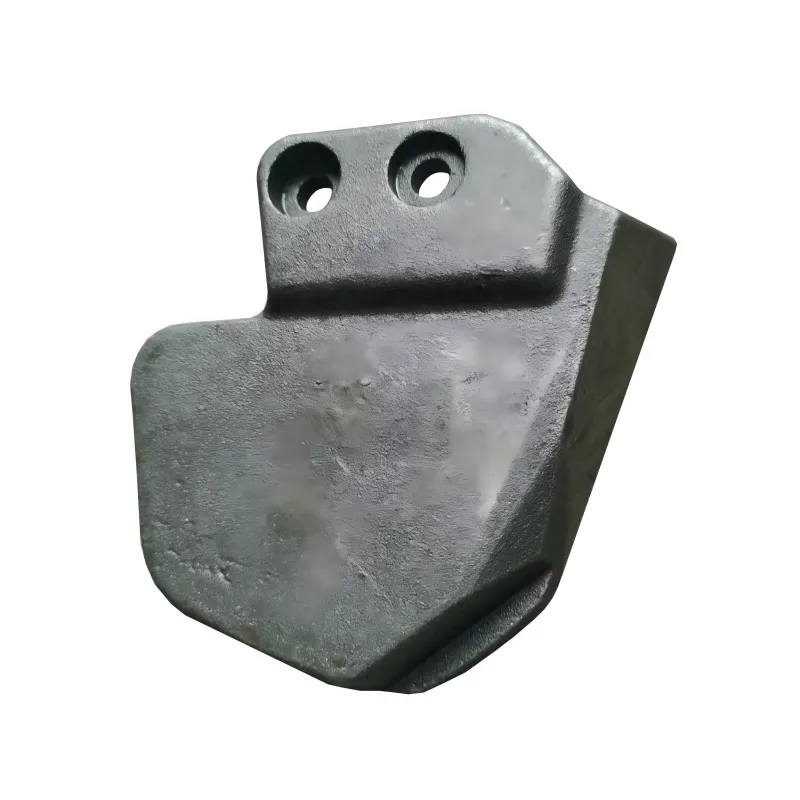
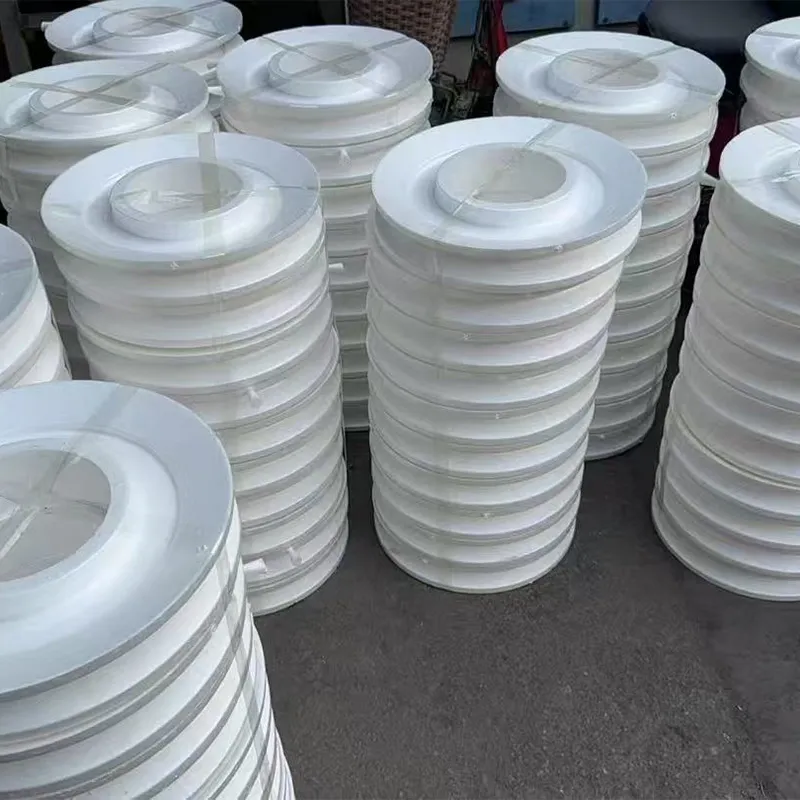
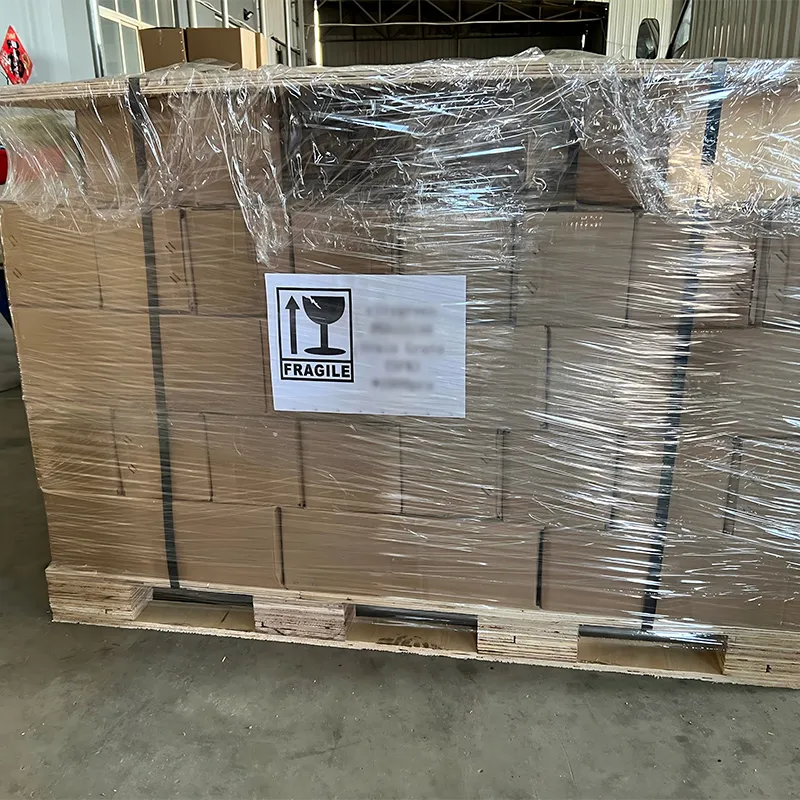
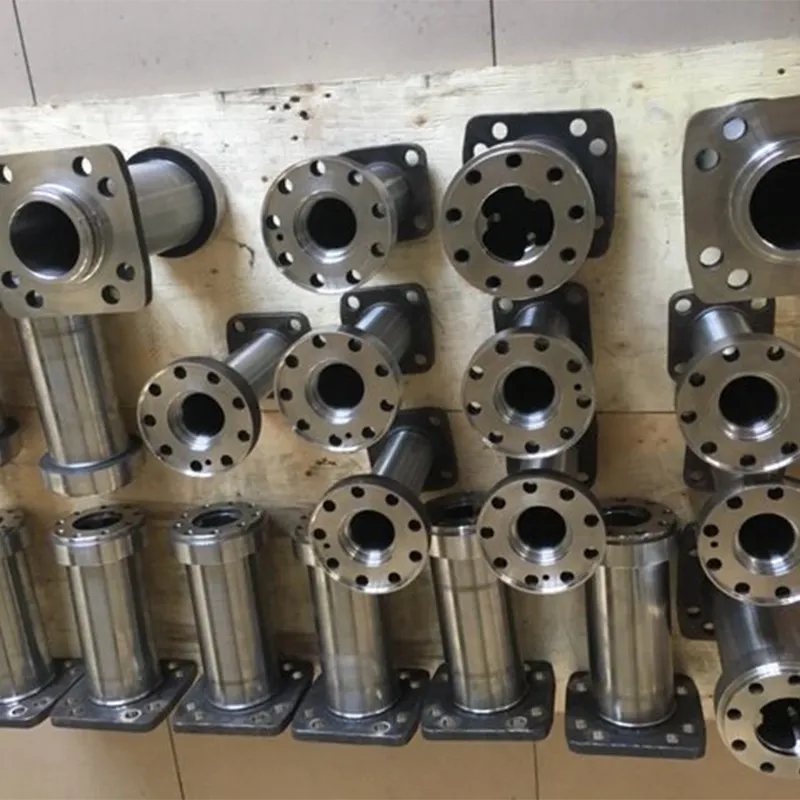
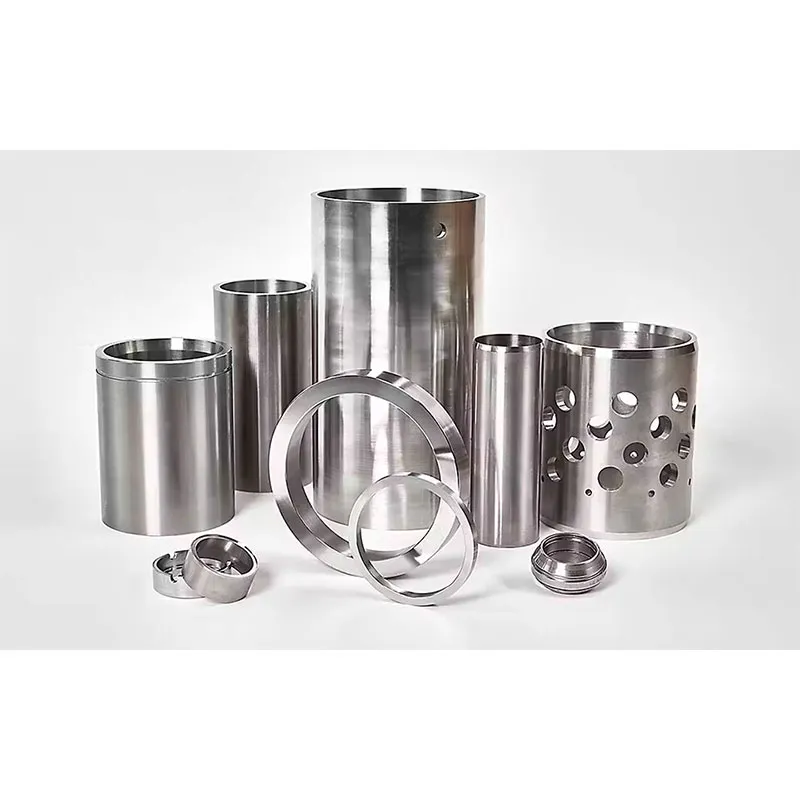
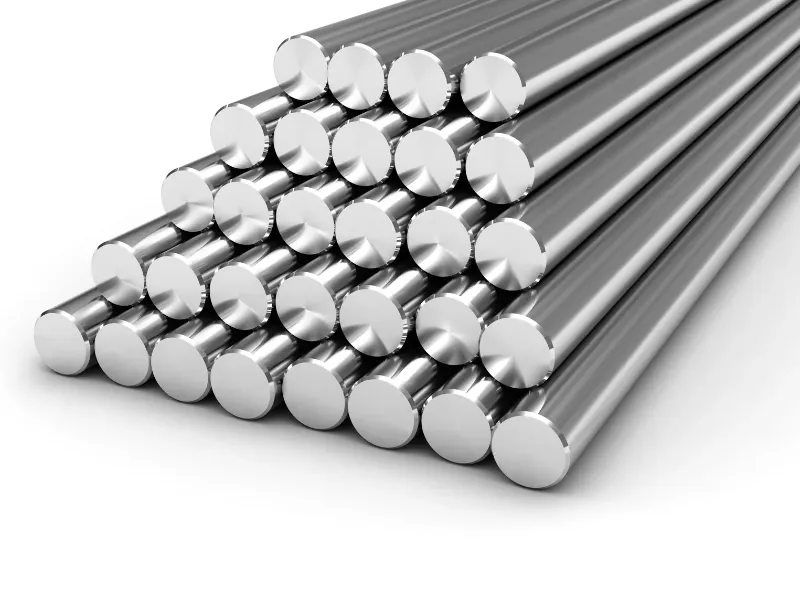
To meet these demanding material requirements, partnering with experienced manufacturers is essential. For example, Qingdao Qiangsenyuan Technology Co., Ltd. (QSY) leverages over 30 years of expertise in the casting and machining industry to deliver precision components. Specializing in shell mold casting, lost wax casting, and CNC machining, QSY operates a massive 50,000-square-meter facility equipped with dedicated production lines for casting, machining, quality inspection, and packaging. Their capability to work with diverse materials—including cast iron, various steels, stainless steel, and special alloys like cobalt-based and nickel-based superalloys—ensures that even the most complex railway parts can be manufactured to exacting standards. With a track record of serving clients in over 20 countries across sectors ranging from industrial equipment to mining machinery, QSY exemplifies the kind of one-stop customized service provider capable of supporting the rigorous needs of the railway sector.
Critical Factors for Buyers When Sourcing Components
When procuring a Railway Train Spare Part, buyers must evaluate a multifaceted set of criteria. Price alone is an insufficient metric; the total cost of ownership includes installation labor, downtime risks, and the frequency of future replacements. A strategic approach focuses on value retention and risk mitigation.
The following factors represent the industry standard for evaluation. Ignoring any single element can compromise the entire maintenance strategy. Procurement teams should utilize a weighted scoring system to objectively compare potential suppliers and product offerings.
- Certification Compliance: Verify adherence to IRIS (International Railway Industry Standard), ISO 9001, and specific regional safety regulations.
- Traceability: Ensure every part has a unique serial number linking it to raw material batches and production logs.
- Technical Documentation: Require comprehensive manuals, installation guides, and maintenance schedules in the native language of the operating region.
- Supply Chain Stability: Assess the supplier’s ability to deliver consistent volumes without interruption during peak demand periods.
- Warranty Terms: Analyze the scope of coverage, including liability for consequential damages caused by part failure.
Navigating Certification and Regulatory Standards
Regulatory compliance is non-negotiable in the railway sector. Authorities enforce strict guidelines to protect passenger safety and infrastructure integrity. A valid certification indicates that the manufacturing process has been audited and approved by recognized bodies.
Buyers should request copies of Type Examination Certificates and Declaration of Conformity documents. These papers confirm that the specific batch of parts meets the design specifications submitted during the approval phase. Lack of proper documentation is a significant red flag indicating potential counterfeit or non-compliant goods.
Furthermore, regulations evolve frequently. A reputable supplier stays updated with the latest amendments to safety codes. They proactively inform clients of any necessary upgrades or modifications required to keep existing fleets compliant with new legislative requirements.
OEM vs. Aftermarket: A Strategic Comparison
The debate between Original Equipment Manufacturer (OEM) parts and certified aftermarket options is central to procurement strategy. Both sources have distinct advantages depending on the age of the rolling stock, budget constraints, and operational urgency. Understanding the nuances allows for optimized fleet management.
OEM parts are produced by the original manufacturer of the train or its authorized partners. They offer the highest level of assurance regarding fit and function. However, they often come with a premium price tag and longer lead times due to centralized production models.
Certified aftermarket parts are manufactured by third-party companies specializing in specific component types. In recent years, the quality gap has narrowed significantly. Many aftermarket providers now hold the same certifications as OEMs and utilize identical raw materials, offering a cost-effective alternative without sacrificing reliability.
| Feature | OEM Parts | Certified Aftermarket Parts |
| Cost Efficiency | Higher initial investment | Generally 15-30% more cost-effective |
| Availability | Dependent on main manufacturer schedules | Often faster delivery with localized stock |
| Customization | Limited to original design specs | Potential for improved designs based on field data |
| Warranty Support | Comprehensive global support network | Varies by supplier; requires due diligence |
| Compatibility | Guaranteed 100% fit | High fit rate if properly certified |
When to Choose OEM Solutions
OEM solutions are typically preferred for new rolling stock under warranty. Using non-OEM parts during this period might void the manufacturer’s guarantee, leading to significant financial exposure. Additionally, for highly complex electronic systems, OEM expertise ensures seamless integration with proprietary software.
Critical safety components, such as signaling interfaces or primary braking controllers, often warrant the extra investment in OEM parts. The rigorous testing protocols specific to the original design provide an added layer of security that is difficult to replicate entirely in the aftermarket sector.
For fleets operating in extremely harsh environments where failure is not an option, the proven track record of OEM components offers peace of mind. The extensive R&D backing these parts means they have been validated against a wider array of theoretical failure modes.
The Rising Value of Certified Aftermarket Options
As fleets age, OEM support may diminish or become prohibitively expensive. This is where certified aftermarket parts shine. Specialized manufacturers often reverse-engineer worn components to improve upon original weaknesses, extending the service life beyond the initial design expectations.
Cost savings are substantial when scaling up to large fleet renewals. Operators can reallocate budget towards other critical maintenance areas or technology upgrades. The competitive nature of the aftermarket sector also drives innovation in material science and manufacturing efficiency.
Many aftermarket suppliers now offer “plug-and-play” solutions that require no modification to existing infrastructure. With proper vetting and certification checks, these parts provide a reliable, economical pathway to maintaining high operational availability.
Step-by-Step Guide to Verifying Part Authenticity
Counterfeit components pose a severe threat to railway safety and operational continuity. Buyers must implement a robust verification process before finalizing any purchase order. This step-by-step approach minimizes the risk of introducing substandard elements into the supply chain.
The verification process begins long before the physical part arrives. It involves digital checks, document validation, and supplier audits. Establishing a culture of skepticism and thoroughness protects the organization from fraud and liability.
- Supplier Vetting: Conduct a deep-dive audit of the supplier’s business license, physical address, and historical client references. Verify their status on official industry registries.
- Document Request: Demand original certificates of conformity, material test reports (MTRs), and heat treatment logs. Cross-check serial numbers on these documents with the supplier’s database.
- Visual Inspection Protocol: Upon receipt, inspect packaging for signs of tampering. Check for spelling errors in labels, poor print quality, or mismatched fonts which often indicate counterfeits.
- Dimensional Verification: Use precision calipers and gauges to measure critical dimensions against the official technical drawings. Even minor deviations can signal a non-compliant part.
- Material Analysis: For high-value items, consider sending samples to an independent laboratory for spectrographic analysis to confirm alloy composition.
- Functional Testing: Where feasible, perform bench tests or non-destructive testing (NDT) like ultrasonic or magnetic particle inspection before installation.
Red Flags in the Procurement Process
Certain indicators should immediately trigger a deeper investigation. Prices that seem too good to be true often reflect compromised quality or illicit sourcing channels. Legitimate manufacturers operate on thin margins and rarely offer steep discounts on critical safety components.
Lack of transparency regarding the country of origin is another warning sign. Reputable suppliers are proud of their manufacturing heritage and provide clear details about their production facilities. Evasiveness about factory locations suggests a lack of control over the production process.
Inconsistent communication styles or pressure to bypass standard procurement procedures are behavioral red flags. Professional suppliers respect the buyer’s need for due diligence and encourage thorough verification rather than rushing the transaction.
Key Application Scenarios for Spare Parts
Different sectors of the railway industry have unique requirements for Railway Train Spare Part procurement. The operational context dictates the priority of factors such as speed of delivery, cost sensitivity, and technical specification strictness.
Understanding these scenarios helps buyers tailor their sourcing strategies. A one-size-fits-all approach is ineffective in a diverse industry ranging from high-speed passenger lines to heavy-haul freight corridors.
High-Speed Passenger Rail
In high-speed rail networks, reliability and safety are paramount. Trains operate at velocities where even minor component failures can have catastrophic consequences. Consequently, the tolerance for error is virtually zero.
Procurement in this sector prioritizes OEM parts or top-tier aftermarket equivalents with exhaustive testing records. Maintenance windows are short and strictly scheduled, meaning parts must be available just-in-time to prevent service disruptions. The focus is on predictive maintenance technologies integrated with spare part logistics.
Vibration damping, aerodynamic stability, and thermal management are critical considerations. Components must withstand the intense forces generated at speeds exceeding 300 km/h. Regular replacement cycles are strictly adhered to, regardless of the apparent condition of the part.
Heavy-Haul Freight Operations
Freight operations prioritize durability and load-bearing capacity. Trains carry massive weights over long distances, often in remote areas with limited maintenance infrastructure. Components must endure prolonged stress and environmental exposure.
Here, the emphasis shifts towards robust construction and ease of replacement. Aftermarket parts that offer enhanced wear resistance are highly valued. The cost per ton-mile is a key metric, driving the demand for components that extend intervals between maintenance stops.
Corrosion resistance is crucial for freight cars exposed to varied climates and cargo types. Bulk purchasing agreements are common to ensure steady supply chains for high-consumption items like brake shoes, wheel sets, and coupling mechanisms.
Urban Metro and Light Rail Systems
Urban transit systems face the challenge of high-frequency stop-start cycles. This operational pattern places unique stress on braking systems, door mechanisms, and traction motors. Reliability directly impacts urban mobility and passenger satisfaction.
Space constraints in depots necessitate compact inventory management solutions. Suppliers who offer consignment stock or vendor-managed inventory models are preferred. Rapid response times for emergency repairs are essential to maintain tight schedules.
Noise reduction and energy efficiency are increasingly important factors. Modernization projects often involve upgrading legacy systems with newer, more efficient spare parts that reduce overall power consumption and acoustic pollution in city environments.
Maintenance Strategies Influencing Part Selection
The chosen maintenance philosophy significantly influences which Railway Train Spare Part is purchased. Moving from reactive to proactive strategies changes the volume, type, and timing of procurement activities.
Organizations adopting advanced maintenance frameworks can optimize their inventory levels, reducing capital tied up in unused spares while ensuring critical components are always available. This alignment between strategy and sourcing is vital for operational excellence.
Predictive Maintenance Integration
Predictive maintenance utilizes sensors and data analytics to forecast component failures before they occur. This approach requires spare parts that are compatible with monitoring systems. Smart components equipped with embedded sensors are becoming the norm.
Buyers must select parts that facilitate data collection. This means choosing manufacturers who provide digital twins or detailed performance curves that integrate with the operator’s asset management software. The goal is to replace parts based on actual usage data rather than fixed time intervals.
This strategy reduces unnecessary replacements and minimizes unplanned downtime. However, it demands a higher initial investment in technology and training. The return on investment is realized through extended asset life and optimized spare part inventory turnover.
Reliability-Centered Maintenance (RCM)
RCM focuses on preserving system functions by identifying the most critical components. Not all parts require the same level of scrutiny. This methodology helps buyers allocate resources effectively, focusing high-quality spending on mission-critical items.
Under RCM, non-critical components might be sourced from cost-effective aftermarket suppliers, while safety-critical systems retain OEM specifications. This tiered approach balances risk and cost, creating a resilient supply chain that adapts to operational priorities.
Implementation requires a deep understanding of failure modes and effects analysis (FMEA). Procurement teams must work closely with engineering departments to classify parts accurately and define appropriate sourcing strategies for each category.
Future Trends in Railway Spare Parts Manufacturing
The landscape of Railway Train Spare Part production is evolving rapidly. Emerging technologies are reshaping how components are designed, manufactured, and distributed. Staying ahead of these trends ensures long-term competitiveness and operational resilience.
Sustainability is driving changes in material selection and manufacturing processes. The industry is moving towards circular economy models where parts are designed for recyclability and remanufacturing. This shift impacts procurement policies and supplier selection criteria.
Additive Manufacturing and 3D Printing
Additive manufacturing is revolutionizing the production of complex geometries and low-volume parts. Instead of holding vast inventories of rarely used components, operators can store digital files and print parts on demand. This drastically reduces warehousing costs and obsolescence risks.
3D printing allows for rapid prototyping and customization. Damaged parts can be scanned and reproduced with improved materials or design tweaks to prevent recurrence of the failure. This agility is particularly valuable for aging fleets where original molds may no longer exist.
However, regulatory acceptance of 3D-printed safety-critical parts is still maturing. Buyers must ensure that additive manufacturing processes meet the same stringent quality standards as traditional methods. Certification frameworks are currently being developed to address this gap.
Digital Supply Chains and Blockchain
Blockchain technology offers unprecedented transparency in the supply chain. By recording every transaction and movement of a part on an immutable ledger, stakeholders can verify authenticity instantly. This eliminates the risk of counterfeit parts entering the ecosystem.
Digital supply chains enable real-time tracking of inventory levels across global networks. Automated reordering systems can trigger purchases when stock falls below threshold levels, ensuring continuous availability. This connectivity enhances collaboration between operators and suppliers.
Data sharing platforms allow for collective learning. If a specific part fails in one region, the information is instantly available globally, prompting proactive inspections elsewhere. This collaborative approach elevates the safety standards of the entire industry.
Frequently Asked Questions (FAQ)
How do I verify if a railway spare part is genuine?
To verify authenticity, request the Certificate of Conformity and Material Test Reports directly from the manufacturer. Check the unique serial number against the supplier’s database. Inspect the packaging for quality and consistency, and consider third-party laboratory testing for high-value components.
Are aftermarket railway parts safe to use?
Yes, certified aftermarket parts are safe provided they meet all relevant industry standards such as IRIS and ISO. Many reputable third-party manufacturers produce components that equal or exceed OEM quality. Always verify certifications and warranty terms before purchasing.
What is the typical lead time for custom railway components?
Lead times vary significantly based on complexity and volume. Standard off-the-shelf parts may be available within days, while custom-engineered components can take several weeks to months. Early engagement with suppliers during the planning phase is crucial to manage expectations.
Can 3D printed parts be used for critical railway applications?
Currently, the use of 3D printed parts in critical safety applications is limited and subject to strict regulatory approval. While the technology is advancing rapidly, most operators restrict additive manufacturing to non-critical brackets, covers, or interior fittings until broader certification is achieved.
How does predictive maintenance affect spare part inventory?
Predictive maintenance reduces the need for large safety stocks by enabling just-in-time ordering based on actual component health data. This optimizes cash flow and reduces waste from obsolete parts, though it requires investment in sensor technology and data analytics capabilities.
Conclusion and Strategic Recommendations
Selecting the right Railway Train Spare Part is a complex decision that balances safety, cost, and operational efficiency. The journey from identifying a need to installing a component requires rigorous vetting, a deep understanding of certification standards, and a strategic view of the total cost of ownership.
For buyers managing new fleets or critical safety systems, sticking to OEM or top-tier certified alternatives remains the prudent choice. Conversely, for mature assets and non-critical applications, high-quality aftermarket solutions offer significant economic advantages without compromising reliability. The key lies in distinguishing between these scenarios through careful analysis.
Who should use this guide? This resource is essential for procurement managers, maintenance directors, and supply chain specialists in the railway sector. It serves as a foundational framework for building a resilient and compliant spare parts strategy.
Next Steps: Begin by auditing your current supplier list against the verification criteria outlined above. Implement a standardized checklist for all incoming parts to ensure consistency. Engage with suppliers who demonstrate transparency and a commitment to continuous improvement. By prioritizing quality and traceability today, you secure the safety and efficiency of tomorrow’s rail operations.