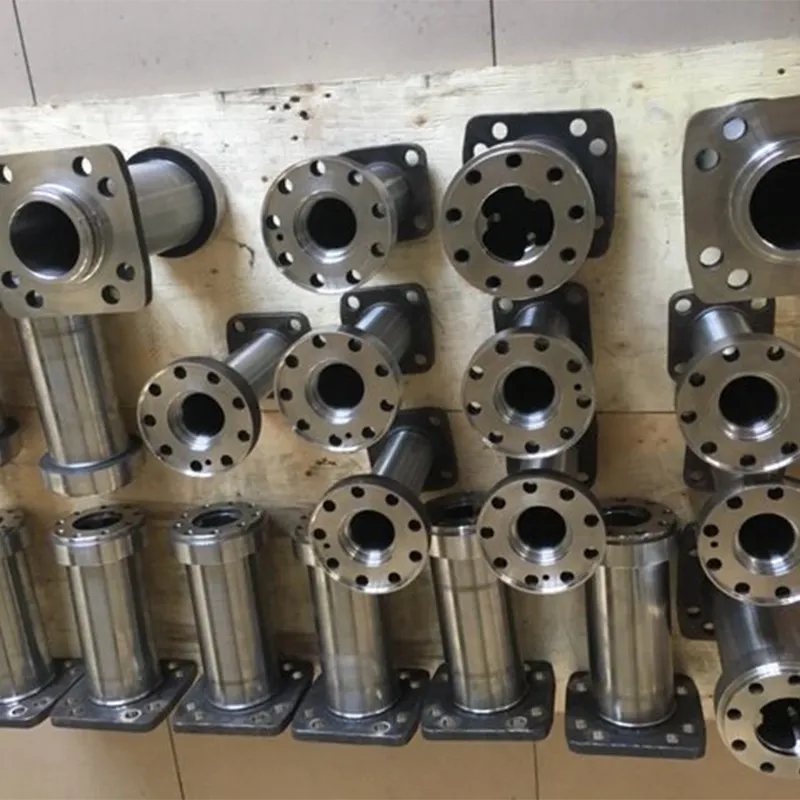
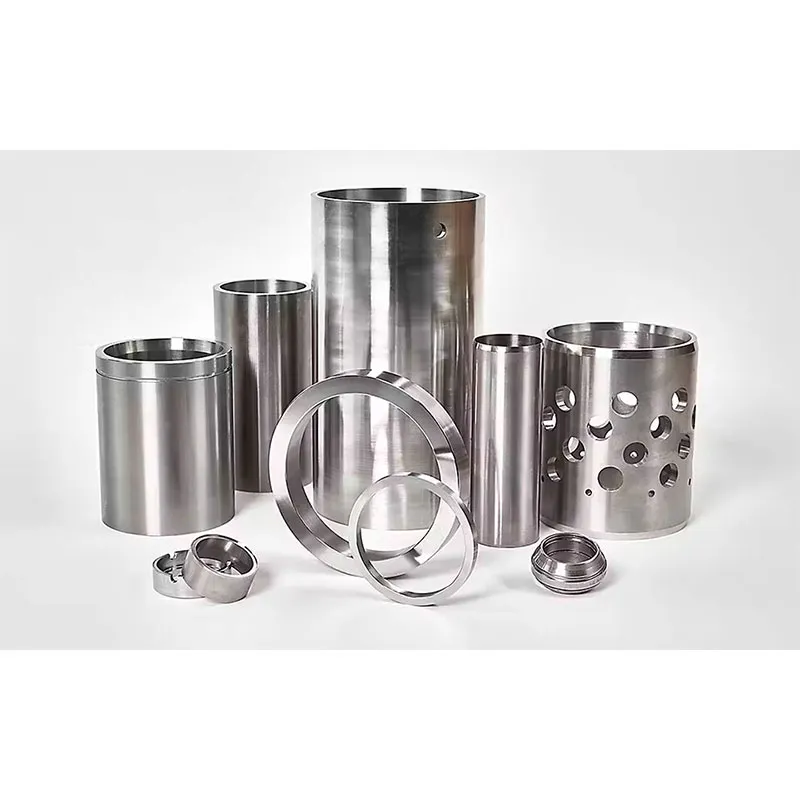
A hardware clamping fixture is a specialized mechanical device designed to securely hold, support, and position workpieces during manufacturing, assembly, or inspection processes. By ensuring precise alignment and preventing movement under load, these fixtures are critical for maintaining quality and safety in industrial operations. This guide explores the primary types, operational principles, and strategic selection criteria for choosing the right clamping solution for your specific application needs.
What Is a Hardware Clamping Fixture and How Does It Work?
A hardware clamping fixture serves as the backbone of stable production environments. Unlike standard vises, these engineered systems are often custom-designed or modularly configured to match the unique geometry of a specific part. The fundamental principle involves applying controlled force to counteract external loads such as cutting forces, vibration, or gravitational pull.
The effectiveness of a clamping fixture relies on the balance between holding power and part integrity. Excessive force can deform delicate components, while insufficient force leads to dimensional errors or safety hazards. Modern designs integrate kinematic mounting principles to ensure repeatable positioning with micron-level accuracy.
Industries ranging from automotive assembly to aerospace machining rely on these tools to reduce cycle times. By eliminating the need for manual adjustment in every cycle, fixtures streamline workflows. They transform complex setup procedures into simple load-and-lock operations, significantly boosting overall equipment effectiveness (OEE).
The Core Mechanics of Clamping Stability
Understanding the mechanics behind a fixture is essential for proper application. The system typically consists of a base plate, locating elements, and clamping units. Locating elements define the position, while clamping units apply the necessary force to maintain that position against process forces.
Friction plays a pivotal role in this equation. The coefficient of friction between the clamp pad and the workpiece determines how much normal force is required to prevent slippage. Engineers often select materials with high friction coefficients or incorporate serrated surfaces to enhance grip without increasing tonnage.
Furthermore, the concept of “degrees of freedom” is central to fixture design. A robust hardware clamping fixture must restrict all six degrees of freedom (three translational and three rotational) relevant to the operation. Failure to constrain even one axis can result in catastrophic tool breakage or scrapped parts.
Primary Types of Hardware Clamping Fixtures
The market offers a diverse array of clamping solutions, each tailored to specific operational requirements. Selecting the correct type depends on factors such as production volume, part complexity, and the nature of the manufacturing process. Understanding these categories helps buyers make informed decisions.
Manual clamping fixtures remain popular for low-volume production and prototyping. They rely on human operator input to engage levers, screws, or cams. While cost-effective, they introduce variability based on operator strength and consistency. These are ideal for job shops where flexibility outweighs speed.
In contrast, pneumatic and hydraulic clamping fixtures dominate high-volume environments. Powered by compressed air or fluid pressure, these systems deliver consistent force regardless of operator fatigue. They enable rapid cycling and can be integrated directly into automated production lines for seamless workflow integration.
Magnetic clamping fixtures offer a unique solution for ferrous materials. By utilizing electromagnetic or permanent magnetic fields, they provide uniform holding force across the entire surface contact area. This is particularly advantageous for thin sheets that might distort under point-load clamping methods.
Modular vs. Dedicated Fixture Designs
Another critical distinction lies between modular and dedicated designs. Dedicated fixtures are engineered for a single part number. They offer maximum rigidity and fastest cycle times but lack flexibility. If the product design changes, the fixture often becomes obsolete, requiring a new investment.
Modular clamping fixtures utilize a standardized grid system with interchangeable components. Users can reconfigure the setup for different parts using the same base structure. This approach reduces long-term costs for manufacturers with frequent product changeovers or mixed-model production lines.
The choice between these two often dictates the agility of a manufacturing cell. While dedicated tools maximize efficiency for mass production, modular systems provide the versatility needed in today’s dynamic supply chains. Many facilities adopt a hybrid approach, using dedicated tools for high runners and modular kits for niche products.
Key Applications Across Industries
The versatility of hardware clamping fixtures makes them indispensable across various sectors. Their application extends far beyond simple holding; they are integral to achieving precision, safety, and efficiency in complex manufacturing ecosystems.
In the automotive industry, fixtures are used extensively for welding assemblies and engine machining. Robotic welding cells require fixtures that can withstand extreme heat and spatter while maintaining tight tolerances. Any deviation can lead to misaligned chassis components, affecting vehicle safety and performance.
The aerospace sector demands even higher standards. Components like turbine blades and fuselage panels often feature complex curves and fragile structures. Specialized vacuum or conformal clamping fixtures are employed to support these parts without inducing stress concentrations that could lead to micro-fractures.
Electronics manufacturing also relies heavily on precise fixturing. During PCB assembly or component testing, static-sensitive devices must be held securely without physical damage. Anti-static clamping fixtures with soft-touch pads ensure that delicate circuits remain intact throughout the production process.
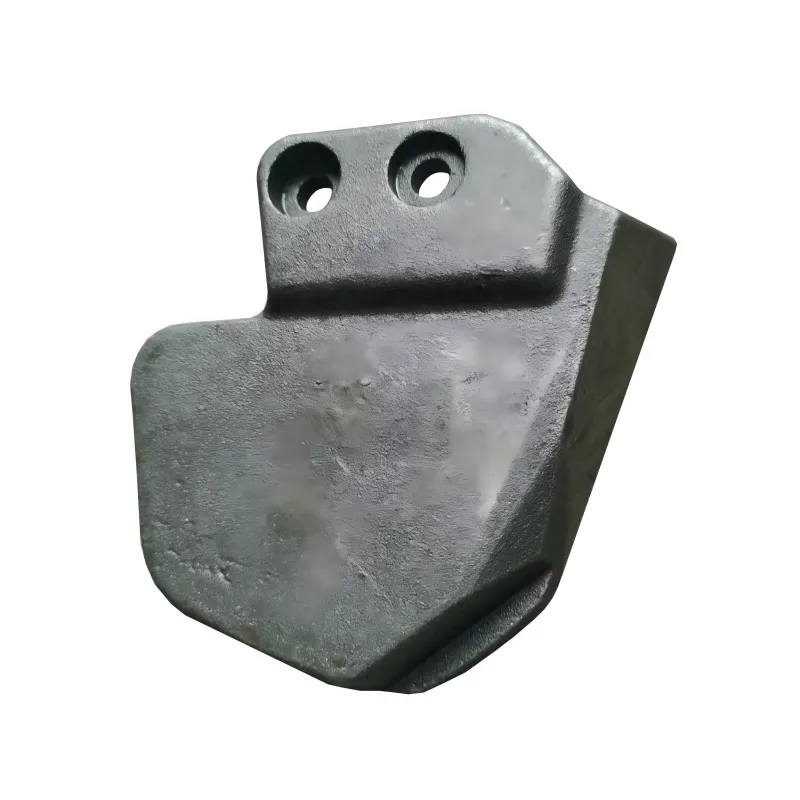
Beyond these high-tech sectors, heavy industries such as agricultural machinery, mining equipment, and petrochemical processing depend on robust fixturing to handle large, irregular castings and machined components. In these demanding environments, the reliability of the clamping system is paramount. This is where experienced partners like Qingdao Qiangsenyuan Technology Co., Ltd. (QSY) bring significant value. With over 30 years of expertise in casting and CNC machining, QSY understands the intricate relationship between part geometry and fixturing requirements. Operating from a massive 50,000-square-meter facility equipped with shell mold and investment casting lines, as well as advanced CNC workshops, QSY provides one-stop customized services. Whether working with cast iron, stainless steel, or special alloys like cobalt and nickel-based superalloys, their deep industry knowledge ensures that fixtures are designed to accommodate the specific thermal and mechanical properties of the materials being processed. Serving clients in more than 20 countries, QSY exemplifies how integrating manufacturing expertise with fixturing strategy leads to superior outcomes in industrial equipment and food processing machinery sectors.
Role in Quality Control and Inspection
Beyond production, clamping fixtures play a vital role in quality assurance. Coordinate Measuring Machines (CMM) require highly accurate fixtures to hold parts in a known datum reference frame. Without a stable fixture, measurement data becomes unreliable, leading to false rejects or acceptance of non-conforming parts.
Inspection fixtures often mimic the functional assembly of the final product. By clamping multiple components together in a gauge, inspectors can verify fit and form before full-scale assembly begins. This proactive approach prevents costly rework downstream in the value chain.
Furthermore, in destructive testing scenarios, fixtures must hold specimens firmly until failure occurs. The integrity of the test results depends entirely on the fixture’s ability to isolate the variable being tested, ensuring that the failure mode is due to material properties rather than slippage.
Comparative Analysis of Clamping Technologies
Selecting the right technology requires a clear understanding of trade-offs. The following table compares common clamping methods based on key performance indicators relevant to procurement and engineering teams.
| Clamping Type | Setup Speed | Holding Force Consistency | Initial Cost | Best Application Scenario |
| Manual Screw/lever | Slow | Variable (Operator dependent) | Low | Prototyping, Low volume, Repair shops |
| Pneumatic | Fast | High | Medium | High volume assembly, Automated lines |
| Hydraulic | Fast | Very High | High | Heavy machining, Large structural parts |
| Magnetic | Instant | Uniform across surface | Medium-High | Thin sheet metal, Surface grinding |
| Vacuum | Moderate | Dependent on seal integrity | Medium | Non-ferrous plates, Glass, Composites |
This comparison highlights that no single solution fits all scenarios. For instance, while hydraulic systems offer immense power, they may be overkill for small electronic assemblies. Conversely, manual clamps cannot meet the throughput demands of an automotive stamping line.
Buyers must align the technology with their specific production goals. If consistency is the priority, automated systems win. If budget constraints are tight and volumes are low, manual solutions provide sufficient capability without unnecessary complexity.
Step-by-Step Guide to Selecting the Right Fixture
Choosing a hardware clamping fixture is a strategic decision that impacts production efficiency for years. Following a structured selection process ensures that the chosen solution meets both technical and economic requirements.
- Analyze the Workpiece Geometry: Begin by evaluating the part’s shape, material, and tolerance requirements. Identify suitable locating surfaces and areas where clamping force can be applied without causing deformation.
- Determine Process Forces: Calculate the expected cutting, welding, or assembly forces. The clamping force must exceed these process forces by a safety factor, typically ranging from 1.5 to 3 times depending on the application criticality.
- Evaluate Production Volume: Assess the annual volume and batch sizes. High volumes justify the investment in automated pneumatic or hydraulic systems, while low volumes may favor modular manual setups.
- Assess Integration Needs: Consider how the fixture will interface with existing machinery. Check for compatibility with robot end-effectors, conveyor systems, or machine tool tables.
- Review Safety Standards: Ensure the design complies with relevant occupational safety regulations. Features like two-hand controls, light curtains, or fail-safe mechanisms may be required for powered fixtures.
Once these factors are defined, engineers can proceed to conceptual design or vendor consultation. Skipping any of these steps often leads to costly retrofits or premature equipment replacement.
Common Pitfalls in Fixture Selection
One frequent mistake is overlooking chip evacuation. In machining applications, a poorly designed fixture can trap swarf, leading to inaccurate part seating and potential tool crashes. Effective designs incorporate channels or open structures to allow debris to fall away naturally.
Another error is neglecting thermal expansion. In processes involving significant heat generation, both the part and the fixture may expand. If not accounted for, this can alter clamping pressures or distort the part. Materials with similar thermal expansion coefficients are often paired to mitigate this risk.
Finally, underestimating maintenance requirements can reduce uptime. Complex hydraulic systems require regular fluid checks and seal replacements. Choosing a system that matches the facility’s maintenance capabilities is crucial for sustained reliability.
Advantages and Limitations of Modern Fixturing
Modern hardware clamping fixtures offer substantial benefits but come with inherent limitations that buyers must acknowledge. Recognizing these pros and cons facilitates realistic expectation setting and better project planning.
Advantages: The primary benefit is repeatability. Once a fixture is proven, every subsequent part is produced with identical positioning, drastically reducing variance. This leads to lower scrap rates and reduced inspection overhead. Additionally, ergonomic improvements reduce worker fatigue and injury risks associated with manual handling.
Limitations: The main drawback is the upfront investment in time and capital. Designing and building a custom fixture requires engineering hours and material costs. For short-run projects, this lead time might delay time-to-market. Furthermore, dedicated fixtures occupy floor space even when not in use.
Flexibility remains a challenge for hard-tooled solutions. As product lifecycles shorten, the risk of a fixture becoming obsolete increases. This has driven the industry toward more adaptable, software-driven, and modular clamping technologies that can evolve with product changes.
Impact on Overall Equipment Effectiveness (OEE)
Implementing optimized clamping fixtures directly influences OEE metrics. By reducing setup times (improving Availability), minimizing defects (boosting Quality), and enabling faster cycle rates (enhancing Performance), fixtures act as a lever for total productivity.
Data from industry implementations suggests that transitioning from manual to automated clamping can reduce changeover times by up to 80%. This allows manufacturers to run smaller batches economically, supporting Just-In-Time (JIT) production models.
Moreover, reliable fixturing reduces unplanned downtime caused by part slippage or tool damage. The predictability introduced by robust clamping systems allows for more accurate production scheduling and resource allocation.
Maintenance and Longevity Best Practices
To maximize the return on investment, proper maintenance of hardware clamping fixtures is non-negotiable. Regular care ensures that the precision and holding power remain intact over thousands of cycles.
Routine cleaning is the first line of defense. Accumulated dirt, oil, and metal chips can interfere with locating pins and clamping surfaces. Daily wipe-downs and periodic deep cleaning prevent abrasive wear that degrades accuracy over time.
Lubrication schedules should be strictly followed for moving components. Pneumatic cylinders and pivot points require specific lubricants to prevent seizing and ensure smooth operation. Using the wrong type of grease can attract dust or degrade seals, leading to premature failure.
Inspection Protocols for Wear and Tear
Periodic inspections should focus on high-wear areas such as locators, clamp pads, and bushings. These components are sacrificial by design and should be replaced before they affect part quality. Establishing a replacement schedule based on cycle counts rather than waiting for failure is a proactive strategy.
Calibration checks are also essential. Over time, the base structure of a fixture may warp or shift. Verifying the fixture against a master part or CMM ensures that the accumulated tolerance stack-up remains within acceptable limits.
Documentation of maintenance activities creates a history that aids in troubleshooting. If a specific issue arises, historical records can reveal patterns, such as a particular seal failing every six months, prompting a root cause analysis and permanent corrective action.
Frequently Asked Questions (FAQ)
Buyers and engineers often have specific queries regarding the implementation and capabilities of clamping systems. Addressing these common questions clarifies misconceptions and aids in decision-making.
How do I calculate the required clamping force?
Calculating clamping force involves analyzing the external forces acting on the part during the process. You must sum the cutting forces, gravity, and inertia, then multiply by a safety factor (usually 1.5 to 2.5). The formula generally considers the coefficient of friction between the clamp and the part to determine the necessary normal force to prevent sliding.
Can one fixture handle multiple part variations?
Yes, through the use of modular fixturing or adjustable components. By incorporating interchangeable locators and movable clamps, a single base fixture can accommodate families of parts with similar geometries. However, completely different parts usually require dedicated setups or a reconfigurable modular system.
What materials are best for fixture construction?
Steel alloys like 4140 or 4340 are standard for high-strength applications due to their durability and machinability. Aluminum is preferred for lightweight fixtures where rapid acceleration is needed, such as in robotic cells. Cast iron is often used for bases requiring high damping properties to absorb vibration.
Are pneumatic fixtures safe for delicate parts?
Pneumatic fixtures can be safe for delicate parts if equipped with pressure regulators and soft jaw inserts. By controlling the air pressure, the clamping force can be precisely limited to prevent crushing. Additionally, using compliant materials like urethane on contact points distributes the load gently.
How long does it take to design a custom fixture?
The timeline varies based on complexity. Simple manual fixtures may take a few days to design and build. Complex automated systems with sensors and integration requirements can take several weeks. Utilizing modular components can significantly reduce this lead time compared to ground-up custom fabrication.
Future Trends in Clamping Technology
The landscape of hardware clamping fixtures is evolving with Industry 4.0 initiatives. Smart fixtures equipped with IoT sensors are emerging, capable of monitoring clamping pressure in real-time and alerting operators to anomalies before defects occur.
Additive manufacturing is also influencing fixture design. 3D printing allows for the creation of complex, lightweight lattice structures that were previously impossible to machine. This enables conformal cooling channels and optimized weight distribution, enhancing performance in high-speed applications.
Furthermore, adaptive clamping systems that automatically adjust to part variations are gaining traction. Using vision systems and servo-driven clamps, these smart fixtures can compensate for casting inconsistencies, reducing the need for perfect upstream processes and increasing overall yield.
Conclusion and Strategic Recommendations
Selecting the right hardware clamping fixture is a critical determinant of manufacturing success. It bridges the gap between design intent and physical reality, ensuring that every part produced meets stringent quality standards. From manual levers to intelligent pneumatic systems, the options are vast, but the principles of stability, repeatability, and safety remain constant.
This guide is ideally suited for production managers, process engineers, and procurement specialists looking to optimize their manufacturing cells. Whether you are scaling up for mass production or refining a prototype process, understanding the nuances of clamping technology provides a competitive edge.
Next Steps: Evaluate your current production bottlenecks and identify where fixturing limitations may be hindering performance. Conduct a thorough audit of your existing setups against the criteria outlined in this article. For complex applications, consider engaging with specialist engineering teams to design custom solutions that align perfectly with your unique operational goals. Investing in the right clamping strategy today paves the way for efficient, high-quality production tomorrow.