Semi solid metal casting is an advanced manufacturing process that forms metal components in a semi-solid state, bridging the gap between traditional forging and die casting. By utilizing a slurry with a specific solid fraction, this technique enables engineers to produce near-net-shape parts with superior mechanical properties, reduced porosity, and minimal shrinkage defects compared to conventional methods.
What is Semi Solid Metal Casting?
Semi solid metal casting, often referred to as thixoforming or rheocasting, involves processing metal alloys when they are partially solid and partially liquid. Unlike standard die casting where molten metal is injected, or forging where fully solid metal is shaped, this method operates within a specific temperature range known as the mushy zone.
In this state, the metal exhibits non-Newtonian flow behavior, meaning its viscosity decreases under shear stress. This unique characteristic allows the material to fill complex mold cavities with lower turbulence, significantly reducing gas entrapment. The result is a component that combines the design flexibility of casting with the structural integrity of forged parts.
The industry generally recognizes two primary approaches to achieving this semi-solid state: rheocasting and thixocasting. While both aim for the same microstructural outcome—a globular rather than dendritic grain structure—their starting materials and heating processes differ fundamentally.
The Science Behind the Mushy Zone
The success of semi solid metal casting relies on controlling the solid fraction, typically between 30% and 60%. At this ratio, the solid particles are suspended in the liquid matrix. When shear force is applied during injection, these particles rotate and slide past one another, allowing the mixture to flow like a thick fluid.
Once the shear stress is removed, the viscosity increases rapidly, holding the shape immediately upon filling the cavity. This rapid transition minimizes the formation of shrinkage pores, a common defect in traditional gravity or high-pressure die casting. Engineers value this predictability for critical automotive and aerospace applications.
Primary Types of Semi Solid Processing
Understanding the distinction between the main processing types is crucial for selecting the right manufacturing strategy. The choice often depends on available raw materials, part complexity, and required production volumes.
Rheocasting: From Liquid to Semi-Solid
Rheocasting starts with fully molten metal. The liquid alloy is cooled under controlled conditions to form a semi-solid slurry directly before injection. This method eliminates the need for specialized pre-cast billets, offering greater flexibility in alloy selection.
- Process Flow: Melt preparation → Controlled cooling/slurry creation → Injection into die → Solidification.
- Key Advantage: Lower energy consumption since remelting of billets is not required.
- Application Fit: Ideal for large-scale production runs where continuous melting is feasible.
Recent advancements in rotor-based stirring and electromagnetic stirring have improved the consistency of rheocast slurries. These innovations ensure a uniform distribution of solid particles, which is essential for maintaining mechanical isotropy in the final part.
Thixocasting: From Solid Billet to Semi-Solid
Thixocasting begins with a specially prepared solid billet that possesses a fine, non-dendritic microstructure. This billet is reheated to the semi-solid temperature range and then injected into a mold. The feedstock material is often produced via continuous casting with intense agitation.
- Process Flow: Billet cutting → Induction reheating → Semi-solid forming → Ejection.
- Key Advantage: Highly consistent material quality due to the controlled microstructure of the feedstock.
- Application Fit: Preferred for high-performance components requiring strict tolerance control.
While thixocasting offers excellent repeatability, it requires an additional supply chain step to produce the specialized billets. This can impact cost structures for smaller production batches compared to the direct melt approach of rheocasting.
Step-by-Step Guide to the Semi Solid Casting Process
Executing a successful semi solid metal casting operation requires precise control over thermal and mechanical parameters. The following steps outline the standard workflow used in modern engineering facilities.
Step 1: Alloy Preparation and Slurry Generation
The process begins with selecting an appropriate alloy, commonly aluminum or magnesium series. For rheocasting, the molten metal is cooled to the target temperature while being agitated to prevent dendrite formation. In thixocasting, pre-cut billets are inspected for microstructural integrity before heating.
Temperature control is critical here. Deviations of even a few degrees can alter the solid fraction significantly, affecting flow behavior. Sensors monitor the thermal profile continuously to ensure the mixture remains within the optimal mushy zone.
Step 2: Reheating and Transfer (Thixocasting Specific)
If using the thixocasting method, the solid billets are heated using induction coils. This method provides rapid and uniform heating, bringing the material to the semi-solid state quickly to minimize oxidation. The heated slug is then transferred to the shot chamber of the casting machine.
Automation plays a vital role in this stage. Robotic arms often handle the transfer to maintain cycle times and ensure operator safety. The speed of transfer must be optimized to prevent premature solidification before injection.
Step 3: Injection and Cavity Filling
The semi-solid slurry is injected into the steel die at high velocity but lower turbulence than liquid casting. Due to the higher viscosity, the flow front is laminar, which drastically reduces air entrapment. The pressure is maintained throughout the filling phase to ensure complete cavity replication.
Laminar flow is the defining feature of this step. Unlike turbulent liquid metal flows that trap gas bubbles, the paste-like consistency of the semi-solid metal pushes air out through vents efficiently. This leads to denser parts with fewer internal voids.
Step 4: Solidification and Ejection
Once the cavity is filled, the part solidifies rapidly under pressure. The semi-solid nature allows for faster cycle times because the material is already partially solid. After sufficient cooling, the ejector pins release the component from the die.
The near-net-shape capability means minimal post-processing is required. Many parts can move directly to machining or surface treatment stations without extensive trimming or degating, streamlining the overall production line.
Step 5: Quality Inspection and Heat Treatment
Final components undergo rigorous inspection, often utilizing X-ray imaging to verify internal density. Because porosity is minimal, many semi-solid cast parts respond well to heat treatment processes like T6, further enhancing their yield strength and elongation.
Dimensional accuracy is checked against CAD models. The low shrinkage rate associated with this process typically results in tighter tolerances compared to standard high-pressure die casting, reducing scrap rates.
Comparative Analysis: Semi Solid vs. Traditional Methods
To understand the strategic value of semi solid metal casting, it is essential to compare it with established manufacturing techniques. The following table highlights key differences in performance, cost, and application suitability.
| Feature | Semi Solid Casting | High Pressure Die Casting (HPDC) | Forging |
| Metal State | Semi-solid (Slurry) | Fully Liquid | Fully Solid |
| Flow Behavior | Laminar (Low Turbulence) | Turbulent | Plastic Deformation |
| Porosity Level | Very Low | Moderate to High | Negligible |
| Mechanical Strength | High (Near Forged) | Moderate | Very High |
| Design Complexity | High (Thin walls possible) | Very High | Limited |
| Tooling Cost | High | Moderate to High | Very High |
| Production Speed | Fast | Very Fast | Slower |
| Heat Treatability | Excellent | Limited (due to porosity) | Excellent |
This comparison reveals that semi solid metal casting occupies a unique niche. It offers the geometric freedom of die casting while approaching the mechanical reliability of forging. For engineers designing safety-critical components, this balance is often the deciding factor.
Why Choose Semi Solid Over HPDC?
The primary driver for switching from HPDC to semi-solid processing is the reduction in gas porosity. In HPDC, turbulent filling traps air, making the parts unsuitable for pressure-tight applications or high-stress environments without impregnation. Semi-solid casting solves this inherently through laminar flow.
Furthermore, the ability to heat treat semi-solid parts opens up new possibilities for alloy optimization. Components can be aged to peak strength, a process that often causes blistering in porous HPDC parts. This makes the technology ideal for automotive suspension and structural brackets.
Why Choose Semi Solid Over Forging?
While forging provides exceptional strength, it is limited in geometric complexity. Creating intricate features, thin walls, or integrated bosses often requires multiple forging steps and extensive machining. Semi-solid casting achieves these features in a single shot.
Cost efficiency is another factor. For complex shapes, the material waste and machining time associated with forging can exceed the higher tooling costs of semi-solid casting. Additionally, semi-solid processes generally offer higher production rates for medium-to-high volume runs.
Key Benefits for Engineering Applications
Adopting semi solid metal casting delivers tangible advantages across the product lifecycle. These benefits extend beyond mere material properties to include manufacturing efficiency and sustainability.
Superior Mechanical Properties
Parts produced via this method exhibit a fine, globular microstructure that enhances ductility and toughness. The absence of large dendritic networks prevents crack propagation under load. Consequently, fatigue life is significantly improved compared to conventionally cast equivalents.
Yield strength and tensile strength are consistently higher, allowing engineers to downsize components without compromising safety. This weight reduction is particularly valuable in the automotive and aerospace sectors where every gram counts towards fuel efficiency.
Reduced Porosity and Leak Tightness
The laminar filling mechanism ensures that gas pockets are virtually eliminated. This intrinsic density makes semi-solid cast parts naturally leak-tight, removing the need for secondary impregnation processes often required for HPDC parts used in hydraulic or pneumatic systems.
This reliability is critical for components like compressor housings, valve bodies, and fluid manifolds. The confidence in structural integrity allows for thinner wall designs, further contributing to weight savings and material efficiency.
Enhanced Dimensional Accuracy
Shrinkage during solidification is more predictable and uniform in semi-solid casting. Since the material is already partially solid, the volumetric change upon cooling is reduced. This leads to tighter dimensional tolerances and less warping after ejection.
Consistent dimensions reduce the need for corrective machining. In many cases, mounting surfaces and bores can be cast to near-final specifications, streamlining the assembly process and lowering overall manufacturing costs per unit.
Sustainability and Material Efficiency
The near-net-shape capability minimizes scrap generation. Less machining means less chip waste and lower energy consumption in downstream operations. Additionally, the ability to use recycled alloys in certain rheocasting setups supports circular economy initiatives within the manufacturing sector.
Longer tool life is another indirect environmental benefit. The lower injection temperatures and reduced thermal shock on the die steel extend the lifespan of molds, reducing the frequency of tool replacement and the associated resource footprint.
Industry Applications and Use Cases
The versatility of semi solid metal casting has led to its adoption across various high-performance industries. Each sector leverages specific attributes of the process to solve unique engineering challenges.
Automotive Industry
The automotive sector is the largest adopter of this technology, driven by the need for lightweighting and electrification. Key applications include suspension control arms, steering knuckles, and battery housing trays for electric vehicles.
For EVs, the combination of light weight and structural rigidity is paramount to maximize range. Semi-solid cast battery enclosures provide excellent protection against impact while minimizing added mass. Brake calipers and master cylinders also benefit from the leak-tight characteristics of the process.
Aerospace and Defense
In aerospace, reliability is non-negotiable. Components such as helicopter transmission housings, drone frames, and missile guidance system parts utilize semi-solid casting to meet stringent safety standards. The high strength-to-weight ratio is critical for flight performance.
The ability to produce complex geometries with internal channels for cooling or wiring harnesses simplifies assembly. Reducing the number of fasteners and joined parts enhances overall system reliability, a key requirement in defense applications.
Consumer Electronics and Telecommunications
High-end consumer devices require housings that are both aesthetically pleasing and structurally robust. Semi-solid casting allows for thin-walled designs with excellent surface finish, reducing the need for post-polishing.
Heat sinks and enclosure frames for telecommunications equipment benefit from the high thermal conductivity and density of the material. The process ensures consistent quality across large batches, which is essential for global supply chains.
Industrial Machinery
Pumps, valves, and compressors in industrial settings demand components that can withstand high pressures and corrosive environments. The low porosity of semi-solid cast parts prevents fluid leakage and resists corrosion initiation sites.
Gearbox housings and motor end caps are other common applications. The dimensional stability ensures proper alignment of bearings and gears, reducing wear and extending the service life of heavy machinery.
Material Considerations and Alloy Selection
Not all alloys are suitable for semi solid metal casting. The selection depends on the width of the freezing range and the tendency to form globular structures. Aluminum and magnesium alloys are the most prevalent choices.
Aluminum Alloys
Series 6xxx and 7xxx aluminum alloys are frequently used due to their favorable rheological properties. These alloys offer a good balance of castability and heat-treatable strength. A356 and A357 are industry standards for thixocasting, providing excellent mechanical outcomes after T6 treatment.
Engineers must consider the specific solidus and liquidus temperatures when setting process parameters. The narrow working window for some high-strength alloys requires precise thermal management equipment to maintain the correct solid fraction.
Magnesium Alloys
Magnesium alloys, such as AZ91D, are popular for applications where weight reduction is the primary goal. They flow exceptionally well in the semi-solid state and offer high damping capacity. However, their flammability requires strict safety protocols during melting and handling.
The lower density of magnesium compared to aluminum makes it ideal for portable devices and automotive interior structures. The semi-solid process mitigates some of the casting defects traditionally associated with magnesium, expanding its viable application scope.
Partnering for Precision: Integrating Advanced Casting with Expert Machining
While semi-solid casting offers remarkable advantages in forming complex, high-integrity components, the journey from raw casting to a finished, ready-to-install part often requires precision machining. This is where the synergy between advanced casting techniques and experienced manufacturing partners becomes critical. Selecting a provider who understands both the nuances of semi-solid metallurgy and the demands of final finishing ensures seamless production.
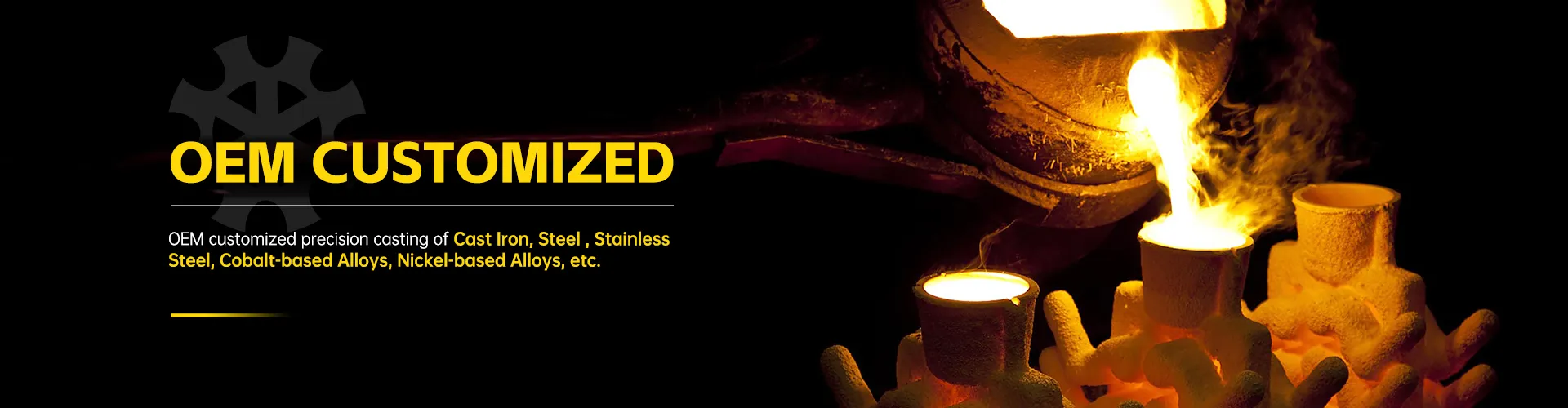
Qingdao Qiangsenyuan Technology Co., Ltd. (QSY) exemplifies this integrated approach. With over 30 years of experience in the casting and machining industry, QSY has evolved from traditional methods to embrace a wide spectrum of manufacturing capabilities. While their core expertise lies in shell mold casting, lost wax casting, and CNC machining, their deep understanding of metallurgy allows them to effectively handle diverse alloy requirements, including cast iron, steel, stainless steel, and special alloys like cobalt-based and nickel-based superalloys.
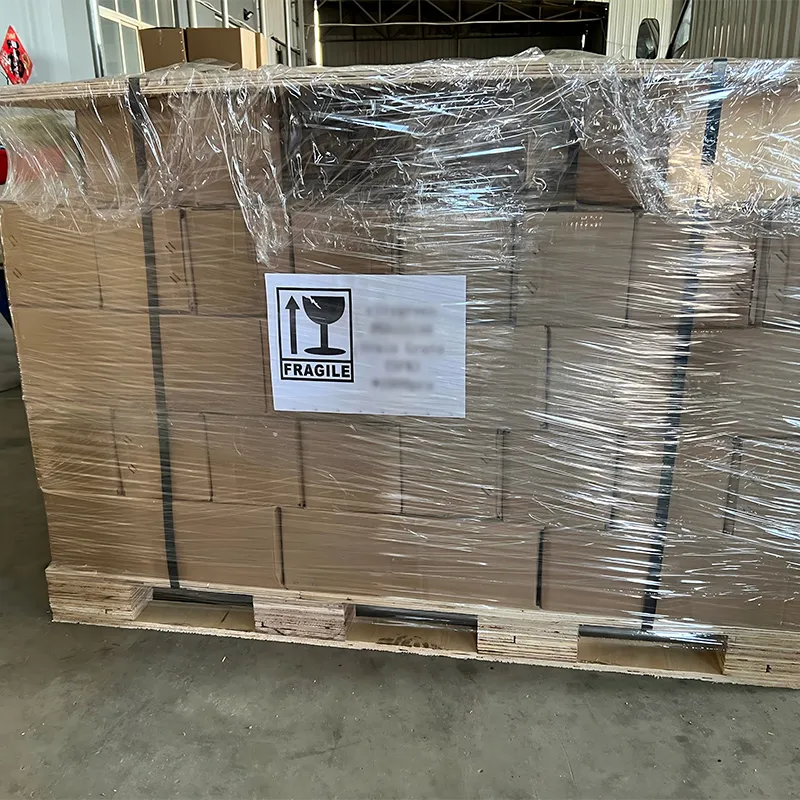
Operating out of a massive 50,000-square-meter facility, QSY provides a true one-stop solution. Their comprehensive infrastructure encompasses dedicated production lines for shell mold and investment casting, alongside a state-of-the-art CNC machining workshop, quality inspection center, and packaging department. This vertical integration means that whether a project involves standard high-volume parts or specialized components requiring exotic materials, QSY can manage the entire lifecycle—from initial mold design to final quality assurance.
The company’s commitment to quality has fostered partnerships with clients in over 20 countries across various sectors, including agricultural machinery, medical and food processing equipment, industrial plants, mining operations, and petrochemical facilities. For engineers considering semi-solid casting or other advanced forming methods, partnering with an experienced entity like QSY ensures that the theoretical benefits of the process are fully realized in the final product. Their ability to combine casting flexibility with rigorous CNC precision makes them an invaluable ally in optimizing supply chains and achieving superior component performance.
Frequently Asked Questions (FAQ)
Addressing common queries helps clarify the practical implications of adopting this technology for engineering projects.
Is semi solid metal casting more expensive than die casting?
Initially, the cost per part may be higher due to specialized feedstock (for thixocasting) or equipment setup. However, when factoring in reduced machining, lower scrap rates, and the elimination of impregnation, the total landed cost often becomes competitive or lower for high-value components.
Can semi-solid cast parts be welded?
Yes, the low porosity and refined microstructure make semi-solid cast parts highly weldable. Unlike porous die castings that can trap gas and cause weld blowouts, semi-solid components allow for strong, reliable joints using standard TIG or MIG welding techniques.
What are the limitations of part size?
While the technology is versatile, there are practical limits based on current machine capacities. Very large parts may face challenges in maintaining uniform temperature throughout the slurry. Currently, the process is most effective for small to medium-sized components, typically ranging from a few grams to several kilograms.
Does the process work with steel alloys?
Research into semi-solid processing of steels and superalloys is ongoing, but commercial adoption is limited compared to aluminum and magnesium. The extremely high temperatures and aggressive nature of molten steel pose significant challenges for tooling and slurry generation. Currently, non-ferrous metals remain the primary focus.
How does surface finish compare to other methods?
Semi-solid casting typically yields a superior surface finish compared to standard die casting. The laminar flow prevents surface turbulence marks, and the lower injection temperature reduces soldering to the die. This often results in a smoother as-cast surface, reducing polishing requirements.
Future Trends in Semi Solid Technology
The landscape of semi solid metal casting continues to evolve with technological advancements. Integration with Industry 4.0 principles is enabling real-time monitoring and adaptive control of the casting process.
Developments in direct rheocasting are reducing reliance on expensive pre-cast billets, making the process more accessible for a wider range of foundries. Innovations in screw-barrel designs and injection dynamics are further expanding the envelope of achievable geometries and wall thicknesses.
Sustainability drivers will likely accelerate adoption. As industries push for lighter, stronger, and more recyclable components, the inherent efficiencies of semi-solid processing align perfectly with future manufacturing goals. The ability to process high-solid-fraction slurries may soon unlock new classes of high-performance alloys.
Conclusion and Strategic Recommendations
Semi solid metal casting represents a pivotal advancement in metal forming, offering a compelling solution for engineers who need to balance complex geometry with high structural integrity. By leveraging the unique properties of the semi-solid state, manufacturers can produce components that outperform traditional castings in strength, leak tightness, and consistency.
This technology is ideally suited for:
- Automotive engineers seeking to reduce vehicle weight while maintaining crashworthiness.
- Aerospace designers requiring high-reliability parts with complex internal features.
- Product developers in electronics needing durable, thin-walled enclosures with premium finishes.
For organizations considering this transition, the next step involves a detailed feasibility study of current component designs. Evaluating the potential for part consolidation and machining reduction can reveal significant cost-saving opportunities. Engaging with experienced partners who specialize in semi-solid processing and precision machining will ensure a smooth implementation and maximize the technical benefits of this sophisticated manufacturing method.