Ductile iron casting is a versatile manufacturing process that produces high-strength, durable components by treating molten iron with magnesium or cerium to create spherical graphite structures. Unlike gray iron, which contains flake graphite, this spheroidal structure provides superior tensile strength, impact resistance, and ductility, making it ideal for critical applications in automotive, infrastructure, and heavy machinery industries where reliability under stress is paramount.
What Is Ductile Iron Casting and How Does It Work?
Ductile iron, also known as nodular iron or spheroidal graphite iron, represents a significant evolution in ferrous metallurgy. The fundamental difference lies in the microstructure of the graphite within the metal matrix. In traditional gray iron, graphite forms sharp flakes that act as stress concentrators, leading to brittleness. In ductile iron casting, specific inoculants are added to the molten iron to force the graphite into spherical shapes.
These spherical nodules allow the metal matrix to remain continuous, effectively bridging gaps and distributing stress evenly throughout the component. This structural integrity grants the material mechanical properties that often rival cast steel, yet at a lower production cost and with better castability. The process requires precise control over chemical composition, temperature, and timing to ensure the nodules form correctly before solidification.
The resulting material offers a unique combination of strength and flexibility. It can withstand significant deformation without fracturing, a trait essential for parts subjected to dynamic loads or shock. Industries rely on this material for everything from pipe fittings that must endure underground pressure to crankshafts that face relentless rotational forces in engines.
The Metallurgical Transformation Process
The creation of ductile iron begins with melting high-quality pig iron, steel scrap, and returns in a cupola or electric induction furnace. Once the base iron reaches the appropriate temperature, typically between 1450°C and 1550°C, the desulfurization process occurs. Sulfur acts as an antagonist to nodularity, so its levels must be reduced to very low thresholds before treatment.
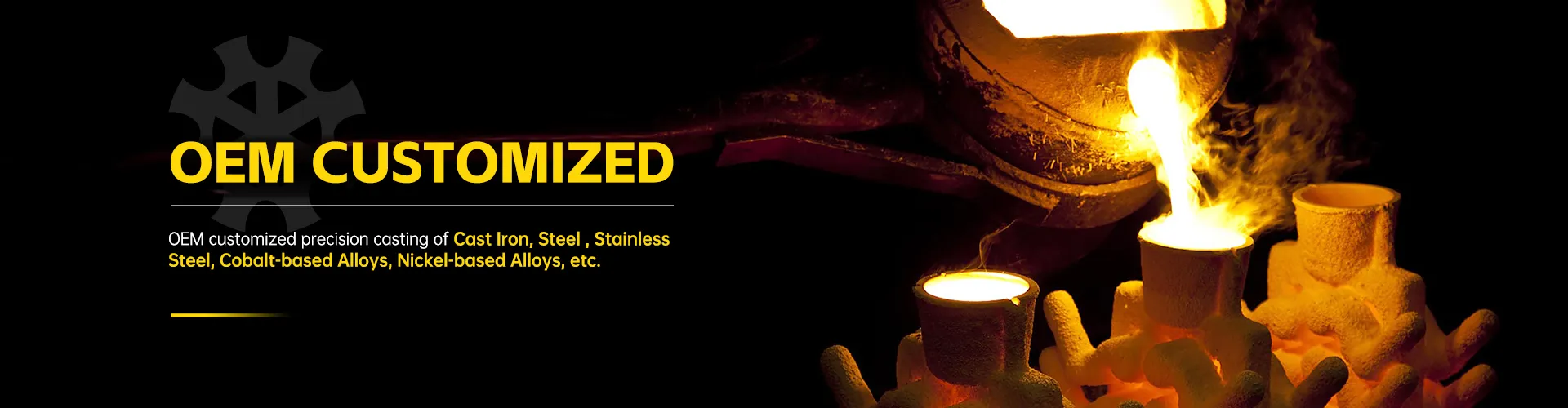
Following desulfurization, the critical step of nodularization takes place. A magnesium alloy, usually in the form of ferrosilicon-magnesium, is introduced into the molten stream. This reaction is vigorous and requires specialized safety protocols due to the intense heat and fumes generated. The magnesium alters the surface tension of the graphite, forcing it to grow radially rather than in plates.
Immediately after nodularization, an inoculant is added to refine the grain structure and prevent the formation of carbides, which can make the material too hard and brittle. This entire sequence must happen rapidly, as the effect of magnesium fades over time, a phenomenon known as “fading.” Foundries must cast the parts quickly after treatment to maintain the desired microstructure.
Key Types of Ductile Iron Grades
Not all ductile iron is created equal. The final properties of the casting depend heavily on the matrix structure surrounding the graphite nodules. By controlling the cooling rate and applying specific heat treatments, manufacturers can produce various grades tailored to distinct performance requirements. Understanding these grades is crucial for buyers specifying materials for their projects.
The most common classifications are based on tensile strength and elongation percentages. These grades range from ferritic structures, which offer maximum ductility, to pearlitic structures, which provide maximum strength. Some advanced applications even utilize austempered ductile iron (ADI) for exceptional wear resistance and toughness.
Ferritic Ductile Iron
Ferritic ductile iron features a matrix composed almost entirely of ferrite. This structure provides excellent ductility and impact resistance, even at low temperatures. It is the preferred choice for applications where the component must absorb energy without breaking, such as in seismic-resistant pipe joints or heavy-duty hitch components.
- Primary Characteristic: High elongation and toughness.
- Typical Applications: Pipe fittings, automotive hubs, and low-temperature service parts.
- Machinability: Excellent, allowing for complex post-casting machining operations.
This grade is often specified when the design involves unpredictable load patterns or potential shock events. Its ability to deform significantly before failure provides a safety margin that brittle materials cannot offer. Engineers favor ferritic grades for infrastructure projects where long-term reliability is non-negotiable.
Pearlitic Ductile Iron
In contrast, pearlitic ductile iron contains a matrix rich in pearlite, a layered structure of ferrite and cementite. This composition yields higher tensile strength and hardness but reduces overall ductility compared to ferritic grades. It is analogous to high-strength steel in many mechanical aspects.
- Primary Characteristic: High strength and wear resistance.
- Typical Applications: Crankshafts, camshafts, gears, and brake components.
- Heat Treatment: Often normalized to refine the pearlite structure for consistent performance.
Components made from pearlitic ductile iron are designed to resist abrasion and maintain dimensional stability under heavy static loads. This makes them indispensable in the powertrain sectors of the automotive industry and in heavy industrial machinery where surface durability is critical.
Austempered Ductile Iron (ADI)
Austempered Ductile Iron represents the pinnacle of ductile iron technology. Through a specialized heat treatment process called austempering, the metal develops a ausferritic matrix. This unique structure delivers a rare combination of high strength, good ductility, and superior wear resistance, often outperforming forged steels and chilled irons.
The ADI process involves heating the casting to austenitize the matrix, followed by quenching in a salt bath held at a specific temperature. This avoids the formation of brittle martensite while retaining high hardness. The result is a material that can be engineered for specific high-performance niches, such as mining equipment and high-load gears.
Ductile Iron vs. Gray Iron vs. Cast Steel
Selecting the right material for a casting project often involves weighing the trade-offs between cost, performance, and manufacturability. While ductile iron is highly capable, it is not always the automatic choice for every application. A clear comparison with gray iron and cast steel helps buyers make informed decisions based on their specific engineering needs.
Gray iron remains the most widely used cast material due to its low cost and excellent damping capacity. However, its lack of tensile strength limits its use in structural applications. Cast steel offers the highest toughness and weldability but comes with higher melting temperatures, shrinkage issues, and increased production costs.
Ductile iron occupies the “sweet spot” between these two extremes. It offers strength approaching that of cast steel while retaining the castability and cost-efficiency closer to gray iron. The following table outlines the key differences to guide material selection.
| Property |
Gray Iron |
Ductile Iron |
Cast Steel |
| Graphite Structure |
Flakes |
Spheroids (Nodules) |
None (Carbon in solution) |
| Tensile Strength |
Low to Moderate |
High |
Very High |
| Ductility (Elongation) |
Very Low (<1%) |
Moderate to High (2-25%) |
High |
| Impact Resistance |
Poor |
Good to Excellent |
Excellent |
| Machinability |
Excellent |
Good |
Fair to Good |
| Damping Capacity |
Excellent |
Moderate |
Low |
| Cost Efficiency |
Highest |
High |
Moderate |
When vibration damping is the primary requirement, such as in machine tool bases, gray iron remains superior. However, for any component subject to bending, twisting, or impact, ductile iron is the definitive upgrade. If extreme toughness or welding is required, cast steel may still be necessary, though modern ductile iron grades continue to close this gap.
The Ductile Iron Casting Process: Step-by-Step
Understanding the manufacturing workflow provides insight into the quality controls necessary for producing reliable components. The ductile iron casting process is a sequence of precise steps, each critical to the final integrity of the part. Deviations at any stage can lead to defects like shrinkage, gas porosity, or improper nodularity.
Foundries employ rigorous testing protocols at multiple stages, from raw material inspection to final dimensional verification. The following steps outline the standard production flow for high-quality ductile iron components.
Step 1: Pattern Making and Mold Preparation
The process begins with the creation of a pattern, a replica of the final part used to form the mold cavity. Patterns are typically made from wood, plastic, or metal, depending on the production volume. For high-volume runs, metal patterns ensure dimensional consistency over thousands of cycles.
The mold itself is usually created using sand casting techniques. Green sand (a mixture of silica sand, clay, and water) is common for smaller parts, while resin-bonded sands are used for larger or more complex geometries requiring tighter tolerances. The mold must be robust enough to withstand the pressure of the molten metal without shifting or breaking.
Step 2: Melting and Chemical Analysis
Raw materials are charged into the furnace and melted down. Spectrometry is performed on the molten iron to verify the chemical composition. Adjustments are made by adding alloys to ensure the carbon, silicon, manganese, and sulfur levels are within the tight specifications required for ductile iron production.
Temperature control is vital here. Overheating can degrade the iron, while underheating may prevent proper fluidity, leading to incomplete fills. The foundry team monitors these parameters continuously to maintain the thermal profile needed for the subsequent treatment steps.
Step 3: Nodularization and Inoculation
This is the defining moment in the process. The treated ladle receives the magnesium alloy, triggering the nodularization reaction. Skilled operators manage this exothermic reaction to ensure maximum magnesium recovery while minimizing safety risks. Immediately following this, the inoculant is added to promote graphite nucleation.
Time is of the essence. The treated iron must be poured into the molds within a specific window, often just a few minutes, before the magnesium effect fades. Delayed pouring can result in the reversion of graphite to flake form, ruining the batch’s mechanical properties.
Step 4: Pouring and Solidification
The molten ductile iron is poured into the prepared molds. As the metal fills the cavity, it begins to cool and solidify. The spherical graphite structure forms during this phase. Proper gating and risering systems are designed to feed liquid metal to the shrinking parts of the casting, preventing internal voids or shrinkage defects.
Controlled cooling rates are essential to achieve the desired matrix structure (ferritic or pearlitic). Some foundries use cooling chambers or insulated sleeves to manage the thermal gradient across the casting, ensuring uniform properties throughout the component.
Step 5: Shakeout, Cleaning, and Heat Treatment
Once solidified and cooled, the sand molds are broken apart in a shakeout process. The raw castings are then cut from the gating system and cleaned via shot blasting to remove residual sand and scale. At this stage, visual inspections check for surface defects.
If a specific grade like pearlitic or ADI is required, the castings undergo heat treatment. This may involve annealing to soften the metal for machining or normalizing to increase strength. Final machining operations are performed to meet precise dimensional tolerances before the parts are ready for shipment.
Common Applications Across Industries
The versatility of ductile iron casting has led to its widespread adoption across diverse sectors. Its ability to combine strength with cost-effectiveness makes it a go-to material for engineers designing critical infrastructure and heavy equipment. The applications range from everyday utilities to highly specialized industrial machinery.
In the automotive sector, the drive for lighter yet stronger components has increased the reliance on ductile iron. It replaces heavier steel forgings in many instances, contributing to vehicle weight reduction and improved fuel efficiency without compromising safety or performance.
Water and Wastewater Infrastructure
One of the largest consumers of ductile iron is the water industry. Ductile iron pipes and fittings have largely replaced gray iron and steel in municipal water distribution systems. Their corrosion resistance, combined with high tensile strength, allows them to withstand high internal pressures and external soil loads.
- Pipes: Used for main water lines, sewage transport, and irrigation systems.
- Valves and Hydrants: Critical control points that require durability and leak-proof performance.
- Fittings: Elbows, tees, and couplers that connect pipeline networks securely.
The longevity of these installations is a key factor. Municipalities prefer ductile iron because it minimizes maintenance needs and reduces the risk of catastrophic failures that could disrupt water supply to entire communities. The material’s resilience against ground movement makes it particularly valuable in seismically active regions.
Automotive and Transportation
In modern vehicles, ductile iron is found in some of the most stressed components. Engine blocks, cylinder heads, and exhaust manifolds benefit from its thermal conductivity and strength. Furthermore, suspension components and steering knuckles utilize ductile iron to handle road shocks and cornering forces.
Gears and differential cases in heavy trucks and agricultural machinery also rely on this material. The wear resistance of pearlitic and ADI grades ensures that these components can operate for extended periods under heavy loads without premature failure. This reliability translates directly to lower downtime and operational costs for fleet operators.
Wind Energy and Heavy Machinery
The renewable energy sector, particularly wind power, utilizes massive ductile iron castings for turbine hubs and main frames. These components must support immense weights and withstand constant cyclic loading from wind forces. The fatigue resistance of ductile iron makes it an ideal candidate for such demanding environments.
Similarly, construction and mining equipment, including excavators, bulldozers, and crushers, depend on ductile iron for tracks, rollers, and structural frames. The material’s ability to absorb impact prevents cracking in rough terrain, ensuring the machinery remains operational in harsh conditions.
Advantages and Limitations of Ductile Iron
While ductile iron offers numerous benefits, a balanced view requires acknowledging its limitations. Understanding both sides helps buyers set realistic expectations and design components that maximize the material’s strengths while mitigating its weaknesses.
Core Advantages
The primary advantage of ductile iron casting is its superior strength-to-weight ratio compared to gray iron. It allows designers to create thinner, lighter sections without sacrificing structural integrity. This weight reduction can lead to significant savings in shipping costs and improved energy efficiency in moving applications.
Another major benefit is cost-effectiveness. Compared to cast steel, ductile iron generally requires less energy to melt and pour, and it exhibits less shrinkage, reducing the need for large feeders and improving yield. Its excellent machinability further lowers the total cost of ownership by reducing tool wear and machining time.
- Design Flexibility: Complex geometries can be cast easily, integrating multiple functions into a single part.
- Corrosion Resistance: Naturally better than many steels, especially when coated or alloyed.
- Vibration Damping: While less than gray iron, it still offers decent damping capabilities for many applications.
Limitations to Consider
Despite its strengths, ductile iron is not suitable for every scenario. Its damping capacity is lower than that of gray iron, which might be a drawback for applications requiring extreme vibration absorption, such as precision machine bases. Additionally, while ductile, it is not as tough as high-grade forged steel in extreme impact scenarios.
Welding ductile iron can be challenging. The heat affected zone (HAZ) can become brittle if not properly managed with pre-heating and post-weld heat treatment. Therefore, designs that require extensive welding might be better suited for cast steel. Furthermore, the production process is sensitive; strict quality control is mandatory to avoid defects related to nodularity.
Partnering with Experienced Foundries: A Case for QSY
Choosing the right foundry partner is as critical as selecting the material itself. The quality of ductile iron casting varies significantly between suppliers based on their technical capabilities, quality assurance systems, and experience. Buyers should evaluate potential partners against specific criteria to ensure they receive components that meet all specifications.
For organizations seeking a proven track record, Qingdao Qiangsenyuan Technology Co., Ltd. (QSY) stands out as a premier partner with over 30 years of expertise in the casting and machining industry. Specializing in shell mold casting, lost wax casting, and precision CNC machining, QSY operates a massive production facility spanning over 50,000 square meters. This expansive workshop integrates dedicated production lines for shell mold and investment casting, alongside state-of-the-art CNC machining, quality inspection, and packaging departments.
QSY’s material versatility aligns perfectly with the diverse needs of modern engineering. Beyond standard cast iron and steel, they possess deep expertise in processing stainless steel and special alloys, including cobalt-based and nickel-based variants. This capability allows them to serve a wide array of sectors, from agricultural and mining machinery to medical equipment, food processing, and petrochemicals. By offering one-stop customized casting and machining services, QSY has successfully collaborated with clients in more than 20 countries, delivering solutions that balance high performance with economic efficiency.
Evaluating Technical Capabilities
A competent supplier should possess in-house laboratories capable of performing spectral analysis, tensile testing, and microstructural examination. They should be able to provide certified test reports for every heat or batch produced. Ask about their simulation software usage; modern foundries use computer modeling to predict filling patterns and solidification issues before making the first pattern.
Inquire about their range of molding technologies. Whether you need green sand for high volume or resin sand for high precision, the supplier must have the appropriate equipment. Additionally, assess their heat treatment facilities if your project requires specific grades like ADI or normalized pearlitic iron.
Quality Assurance and Traceability
Traceability is non-negotiable for critical components. Ensure the supplier maintains a robust system that links every finished part back to its raw material batch, melting record, and heat treatment cycle. This level of documentation is essential for accountability and troubleshooting in the event of a field failure.
Request samples or visit the facility if possible. Observing their production floor can reveal much about their operational discipline. Look for organized workflows, clean melting areas, and disciplined safety practices. These are often indicators of a culture that prioritizes quality and consistency.
Frequently Asked Questions (FAQ)
Buyers and engineers often have specific questions regarding the properties and handling of ductile iron. Addressing these common inquiries helps clarify misconceptions and provides actionable insights for project planning.
Is ductile iron rust-proof?
No, ductile iron is not rust-proof. Like most ferrous metals, it is susceptible to oxidation when exposed to moisture and oxygen. However, it generally exhibits better natural corrosion resistance than carbon steel. For outdoor or underground applications, it is standard practice to apply protective coatings such as epoxy, zinc, or bituminous paint to extend service life.
Can ductile iron be welded?
Yes, ductile iron can be welded, but it requires specialized procedures. Due to the risk of forming brittle structures in the heat-affected zone, pre-heating the component and using specific nickel-based filler metals are often necessary. Post-weld heat treatment is frequently recommended to restore ductility. For critical applications, mechanical joining methods like bolting may be preferred over welding.
What is the typical lifespan of ductile iron pipes?
When properly installed and protected, ductile iron pipes can last over 100 years. Their durability and resistance to environmental stresses make them a long-term asset for municipal infrastructure. Many cities still operate water systems installed decades ago that continue to perform reliably, demonstrating the material’s longevity.
How does temperature affect ductile iron?
Ductile iron performs well across a wide temperature range. Ferritic grades maintain good impact resistance even at sub-zero temperatures, making them suitable for cold climates. However, at very high temperatures (above 400°C), the mechanical properties may degrade, and oxidation rates increase. For high-temperature applications, specific alloyed grades or alternative materials might be required.
Why is it called “ductile” if it is still a type of cast iron?
The term “ductile” refers to its ability to undergo significant plastic deformation before fracturing, a property traditionally lacking in other cast irons like gray iron. While it is technically a cast iron due to its carbon content, the spherical graphite structure grants it elongation properties similar to steel, hence the name distinction.
Conclusion and Next Steps
Ductile iron casting stands as a cornerstone of modern manufacturing, offering an unparalleled balance of strength, durability, and economic efficiency. From the water pipes beneath our cities to the engine components powering our vehicles, its applications are vast and critical. By understanding the distinct grades, the nuances of the production process, and the specific advantages over competing materials, buyers can make strategic decisions that enhance product performance and longevity.
This material is ideally suited for engineers and procurement professionals seeking high-strength solutions without the premium cost of forged steel. It is particularly beneficial for applications involving dynamic loads, pressure containment, and wear resistance. Whether upgrading existing infrastructure or designing new machinery, ductile iron provides a reliable foundation for success.
To move forward, assess your specific project requirements regarding load conditions, environmental exposure, and budget constraints. Identify suppliers who demonstrate technical expertise and rigorous quality control, such as established partners like QSY who bring decades of global experience to the table. Request detailed quotations that include material certifications and discuss your design early with the foundry team to optimize for manufacturability. Taking these steps will ensure you leverage the full potential of ductile iron for your next project.