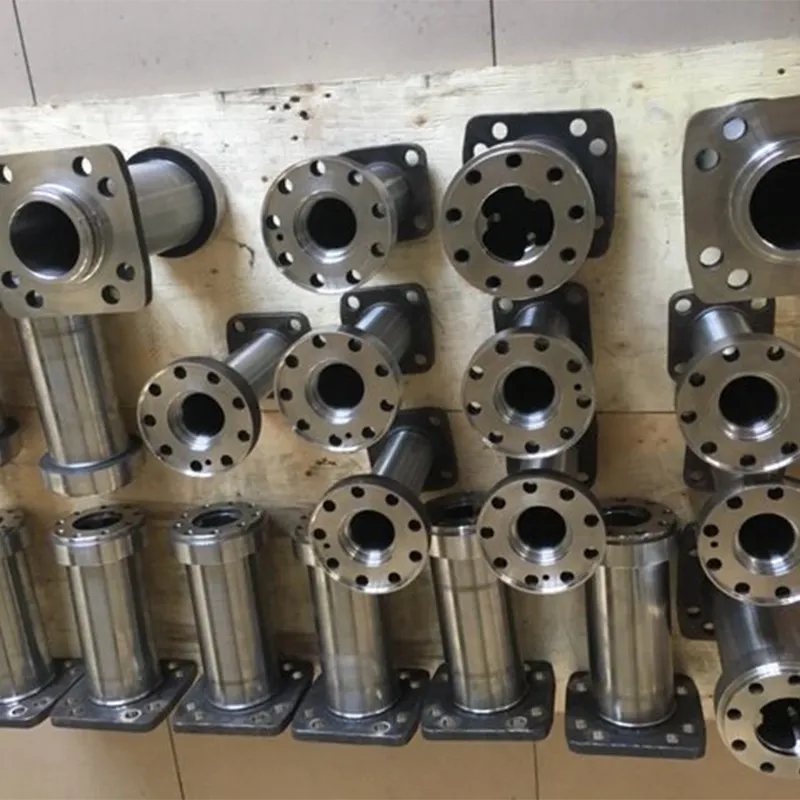
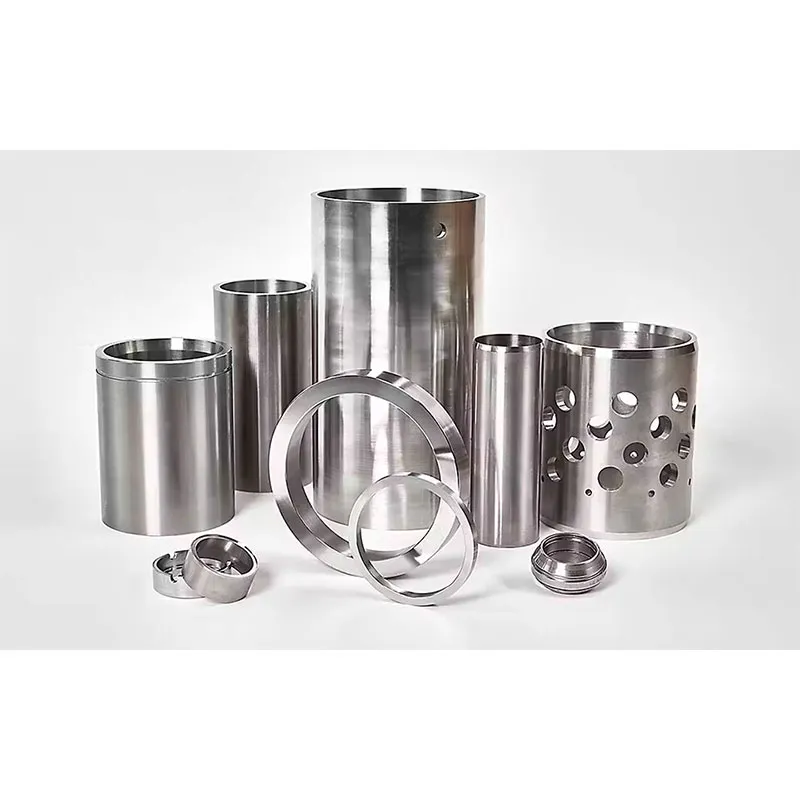
Wax metal casting, also known as investment casting or lost-wax casting, is a precision manufacturing process used to create complex metal components with exceptional surface finish and tight tolerances. This technique involves creating a wax pattern, encasing it in a ceramic shell, melting the wax away, and pouring molten metal into the resulting cavity. Widely adopted across aerospace, medical, and automotive industries, wax metal casting enables the production of intricate geometries that are difficult or impossible to achieve with other manufacturing methods.
What Is Wax Metal Casting and How Does It Work?
Wax metal casting is a multi-step forming process rooted in ancient craftsmanship but refined by modern engineering. The core principle relies on the “lost wax” concept, where a disposable wax model defines the final shape of the metal part. Unlike sand casting or die casting, this method allows for superior dimensional accuracy and the ability to cast high-melting-point alloys.
The process begins with injecting wax into a metal die to form a pattern. Multiple patterns are often assembled onto a central wax tree to improve efficiency. This assembly is then dipped repeatedly into a ceramic slurry and stuccoed with refractory grains to build a thick, heat-resistant shell. Once the shell hardens, the entire unit is heated in an autoclave or furnace to melt and drain the wax, leaving a hollow ceramic mold.
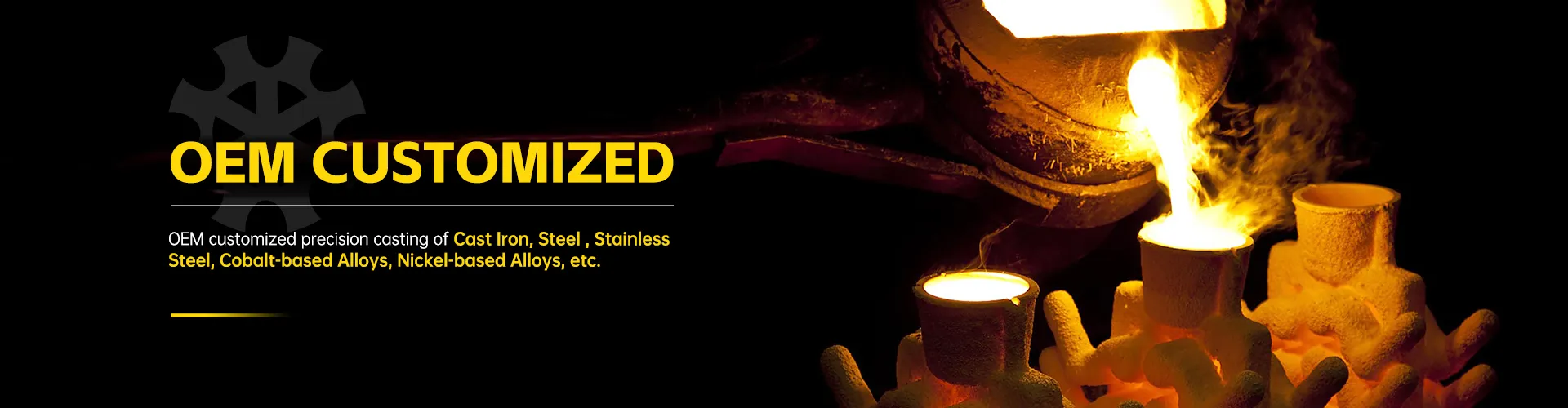
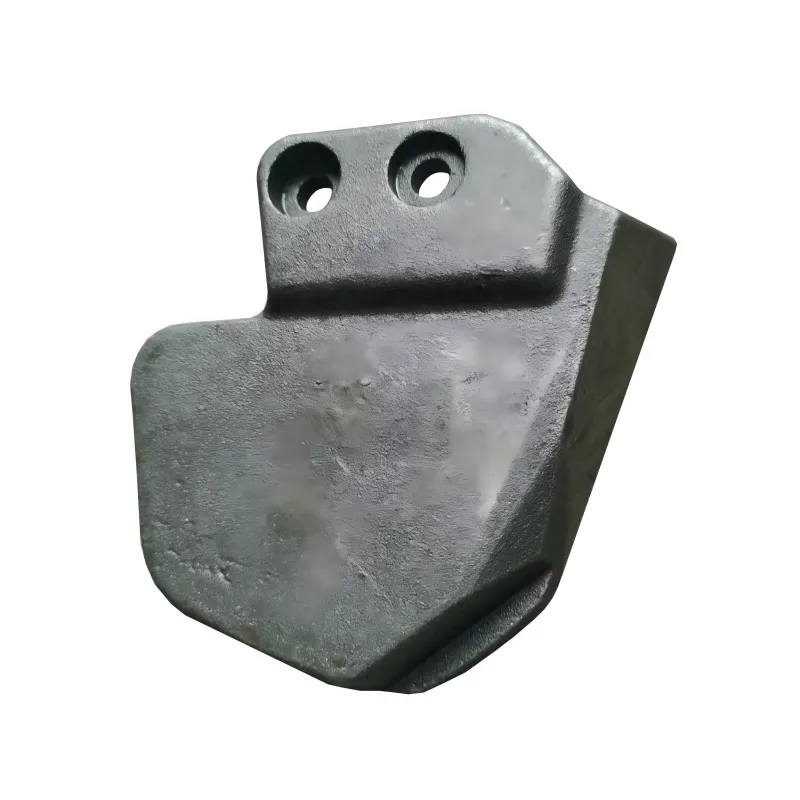
Molten metal is subsequently poured into the preheated ceramic shell under vacuum or pressure conditions. After the metal solidifies and cools, the ceramic shell is broken away via vibration or water blasting. The individual castings are cut from the tree, and any remaining gates or rough edges are removed through grinding and polishing. The result is a near-net-shape metal component requiring minimal secondary machining.
The Historical Evolution of Lost-Wax Techniques
While modern wax metal casting utilizes advanced ceramics and automation, the fundamental logic dates back thousands of years. Ancient civilizations used beeswax and clay to create jewelry and religious artifacts. Today, the industry has replaced organic materials with synthetic waxes and specialized zircon-based slurries to meet rigorous industrial standards.
This evolution has transformed the process from an artisanal craft into a high-volume manufacturing solution. Current mainstream facilities employ robotic dipping arms and controlled atmosphere furnaces to ensure consistency. Despite these technological leaps, the basic sequence of pattern creation, shell building, dewaxing, and pouring remains unchanged, proving the enduring effectiveness of the method.
Core Types of Wax Used in Metal Casting
The quality of the final casting is heavily dependent on the properties of the wax pattern. Different applications require specific wax formulations to balance flowability, shrinkage, and strength. Selecting the right wax type is critical for maintaining dimensional stability and ensuring a clean burnout.
Industry professionals generally categorize casting waxes into three primary groups based on their composition and intended use. Each type offers distinct advantages depending on the complexity of the part and the required tolerance levels.
- Pattern Waxes: These are designed to replicate the final part geometry with high fidelity. They typically contain a blend of paraffin, microcrystalline waxes, and additives like resins or fillers to control expansion and contraction.
- Runner Waxes: Used specifically for creating the gating system (the channels that feed metal to the part), these waxes prioritize strength and adhesion to ensure the tree structure remains intact during handling.
- Filler Waxes: Often used to repair minor defects in patterns or fill large cavities to reduce overall wax consumption, though their use is minimized in high-precision sectors.
Filler vs. Pattern Waxes: Key Differences
Understanding the distinction between filler and pattern waxes is essential for process optimization. Pattern waxes are engineered for low shrinkage and smooth surface release from the injection die. In contrast, filler waxes may have higher shrinkage rates and are not suitable for defining critical dimensions.
| Feature |
Pattern Wax |
Filler/Runner Wax |
| Primary Function |
Defines final part geometry |
Forms gating system or repairs defects |
| Dimensional Stability |
Very High (Low shrinkage) |
Moderate |
| Surface Finish |
Smooth, mirror-like potential |
Rougher texture acceptable |
| Cost |
Higher due to specialized additives |
Lower, bulk commodity grade |
| Ash Content |
Extremely Low (<0.05%) |
Slightly higher tolerance |
Step-by-Step Guide to the Wax Metal Casting Process
Executing a successful wax metal casting cycle requires strict adherence to a defined workflow. Deviations at any stage can lead to defects such as porosity, incomplete fills, or dimensional inaccuracies. The following steps outline the standard operating procedure used in professional foundries.
Step 1: Die Design and Wax Injection
The process initiates with the creation of an aluminum or steel injection die, which is a negative of the desired part. Molten wax is injected into this die under controlled pressure and temperature. Cooling channels within the die solidify the wax rapidly. Once set, the pattern is ejected. For complex parts, multiple wax pieces may be injected and later assembled using heated tools.
Step 2: Assembly and Gating
Individual wax patterns are attached to a central wax sprue or runner system to form a “tree.” This assembly allows multiple parts to be cast simultaneously, optimizing furnace capacity and material usage. The gating design is crucial; it must facilitate smooth metal flow while allowing gases to escape during pouring.
Step 3: Ceramic Shell Building
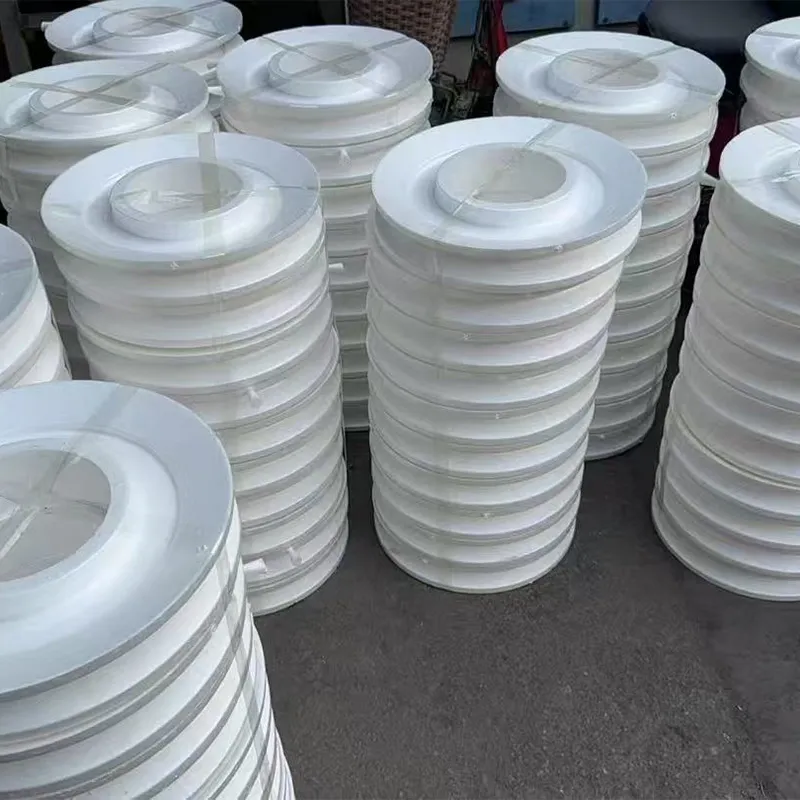
The wax tree undergoes a repetitive coating process. It is first dipped into a fine ceramic slurry, then bathed in refractory sand (stucco). This layer is dried before the next application. Primary coats use fine grains for surface detail, while backup coats use coarser materials for structural strength. This cycle repeats until the shell reaches the necessary thickness, usually between 6 to 10 layers.
Step 4: Dewaxing and Firing
The coated tree is placed in a flash fire furnace or autoclave. Rapid heating melts the wax, which drains out completely, leaving a hollow cavity. This is the “lost wax” moment. The empty ceramic shell is then fired at high temperatures (often exceeding 1000°C) to cure the binder and eliminate any residual carbon, ensuring the mold is ready for molten metal.
Step 5: Melting and Pouring
While the shell is still hot, metal is melted in a separate furnace. Common alloys include stainless steel, carbon steel, aluminum, and superalloys. The molten metal is poured into the preheated ceramic shell. Vacuum assistance is frequently employed to draw metal into thin sections and prevent air entrapment.
Step 6: Shell Removal and Finishing
After cooling, the ceramic shell is mechanically removed, often using vibration or high-pressure water jets. The metal tree is cut apart to separate individual castings. Final operations include grinding gate remnants, shot blasting for surface cleaning, and heat treatment if required by the material specification.
Advantages and Limitations of Wax Metal Casting
Like any manufacturing technology, wax metal casting presents a unique set of benefits and constraints. Evaluating these factors helps engineers determine if this method aligns with their project requirements regarding cost, volume, and performance.
Key Advantages
The primary strength of this process lies in its geometric freedom. It can produce internal passages, undercuts, and complex curves that would be prohibitively expensive to machine from solid billet. Furthermore, the surface finish achieved directly from the mold is significantly smoother than sand casting, reducing post-processing time.
- High Precision: Capable of holding tight tolerances, often within ±0.005 inches per inch of dimension.
- Material Versatility: Compatible with almost all ferrous and non-ferrous alloys, including those that are difficult to forge.
- Reduced Machining: Near-net-shape capability minimizes waste and lowers the cost of secondary CNC operations.
- Complexity without Assembly: Parts that traditionally required welding multiple components can often be cast as a single piece, improving structural integrity.
Process Limitations
Despite its versatility, the process is not universally applicable. The initial cost of tooling (the injection dies) can be high, making it less economical for very low-volume prototypes unless soft tooling options are utilized. Additionally, part size is limited by the capacity of the wax injectors and curing ovens; extremely large components are typically better suited for sand casting.
Cycle times are also longer compared to die casting due to the multiple dipping and drying stages required for shell construction. This makes wax metal casting less ideal for ultra-high-volume production runs where speed is the primary driver, although automation has significantly mitigated this issue in recent years.
Industrial Applications and Use Cases
The unique capabilities of wax metal casting have made it indispensable in sectors where performance and reliability are paramount. The ability to cast heat-resistant superalloys with intricate cooling channels is particularly valued in high-stress environments.
Aerospace and Turbine Components
In the aerospace industry, weight reduction and thermal resistance are critical. Investment casting is the standard method for producing turbine blades, vanes, and engine structural components. These parts often feature internal serpentine cooling channels that are formed using soluble cores within the wax pattern, a feat impossible with other casting methods.
Medical and Surgical Instruments
The medical sector relies on the biocompatibility and precision of cast components. Surgical tools, orthopedic implants, and dental frameworks are frequently manufactured using this process. The smooth surface finish reduces the risk of bacterial colonization, while the ability to cast complex ergonomic shapes enhances surgeon control.
Automotive, Agriculture, and Heavy Industry
Beyond aerospace and medicine, wax metal casting serves a broad spectrum of heavy industries. Manufacturers utilize this process for turbocharger wheels, exhaust manifolds, and suspension components in the automotive sector. Similarly, agricultural machinery, mining equipment, and petrochemical valves rely on cast parts that can withstand extreme wear and corrosive environments. In defense applications, the process is used for firearm receivers and missile guidance parts where high-strength alloys and complex geometries are required.
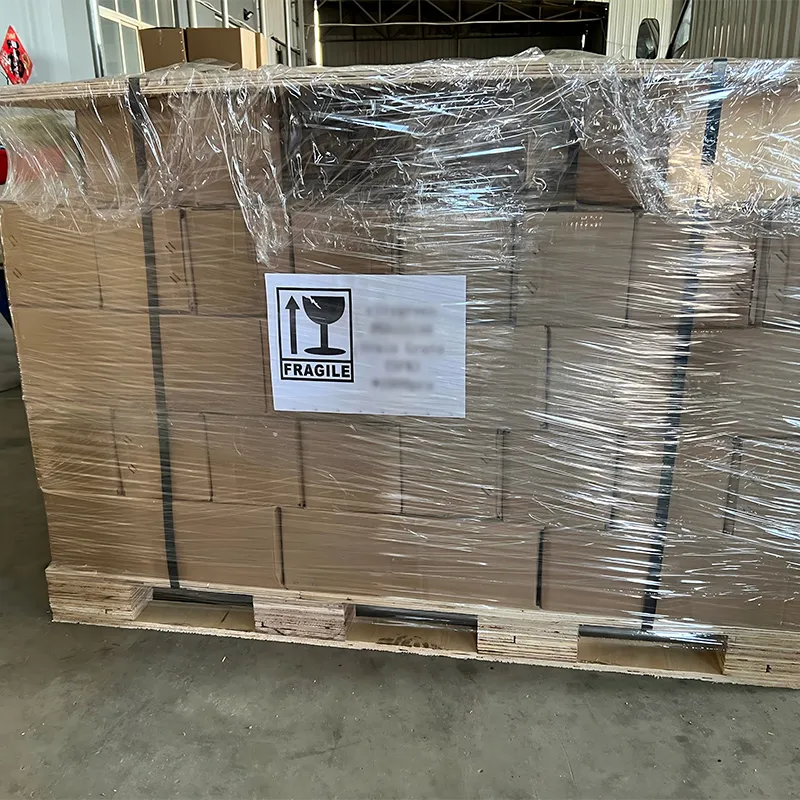
Delivering such diverse solutions requires a partner with deep expertise and substantial infrastructure. Qingdao Qiangsenyuan Technology Co., Ltd. (QSY) exemplifies this capability, bringing over 30 years of experience in the casting and machining industry. Specializing in both shell mold and lost wax casting alongside CNC machining, QSY operates a massive production facility spanning over 50,000 square meters. This comprehensive workshop includes dedicated lines for investment casting, shell molding, precision CNC machining, quality inspection, and packaging.
QSY’s material proficiency covers a wide range, from cast iron and various steels to specialized cobalt-based and nickel-based superalloys, ensuring they can meet the rigorous demands of sectors ranging from food processing machinery to industrial equipment. With a commitment to providing one-stop customized services, QSY has successfully partnered with clients in more than 20 countries, bridging the gap between complex design requirements and high-quality manufacturing execution.
Common Defects and Quality Control Strategies
Achieving consistent quality in wax metal casting requires vigilant monitoring of every process variable. Defects can arise from wax formulation issues, shell weaknesses, or pouring anomalies. Understanding common failure modes allows for proactive mitigation.
Porosity and Gas Inclusions
Porosity occurs when gas becomes trapped in the molten metal during solidification. This is often caused by inadequate venting in the wax pattern or insufficient preheating of the ceramic shell. To combat this, foundries optimize gating designs to promote laminar flow and utilize vacuum pouring systems to evacuate air from the mold cavity.
Dimensional Variations
Shrinkage of the wax pattern or expansion of the ceramic shell can lead to parts falling outside tolerance limits. Controlling the temperature of the injection die and the humidity of the dipping room is essential. Modern facilities employ statistical process control (SPC) to monitor wax shrinkage rates and adjust die dimensions accordingly.
Inclusions and Cracks
Ceramic inclusions happen when fragments of the shell break off and become embedded in the metal. This is usually due to a weak shell structure or thermal shock during pouring. Ensuring proper drying times between coats and gradual preheating of the mold helps maintain shell integrity. Hot tearing, or cracking during cooling, is managed by adjusting the alloy composition and controlling the cooling rate of the casting.
Frequently Asked Questions (FAQ)
To address common inquiries regarding wax metal casting, the following section provides concise answers based on industry standards and practical experience.
What metals can be used in wax metal casting?
Virtually any metal that can be melted and poured is compatible with this process. Common choices include stainless steels, carbon steels, aluminum alloys, bronze, brass, and nickel-based superalloys. The choice depends on the mechanical properties required for the final application.
How does wax metal casting compare to 3D printing?
While 3D printing (specifically Direct Metal Laser Sintering) offers rapid prototyping without tooling, wax metal casting generally provides superior surface finish and mechanical properties for production volumes. 3D printed wax patterns are increasingly used to create injection dies or direct patterns for low-volume runs, bridging the gap between the two technologies.
What is the typical lead time for a project?
Lead times vary based on complexity and volume. Tooling fabrication typically takes 2 to 4 weeks. Once tools are ready, sample production can be completed within 1 to 2 weeks. Full production runs depend on order size but benefit from the efficiency of tree-based casting.
Is wax metal casting environmentally friendly?
The industry has made significant strides in sustainability. Most modern waxes are recyclable; leftover wax from runners and rejected parts is re-melted and reused. Ceramic shells are often crushed and repurposed for road base or new slurry formulations. Water usage in dewaxing is also increasingly treated and recycled within closed-loop systems.
What is the maximum size for a wax cast part?
While there is no theoretical limit, practical constraints usually cap individual part weights around 50 to 100 pounds for standard commercial foundries. Larger components require massive ceramic shells and huge volumes of molten metal, increasing the risk of defects. For very large parts, sand casting is often the preferred alternative.
Expert Insights on Future Trends
The landscape of wax metal casting is evolving with the integration of digital technologies. Industry experts note a growing trend toward hybrid manufacturing, where 3D printing is used to create complex wax patterns that cannot be molded traditionally. This approach eliminates the need for hard tooling in early development stages, accelerating time-to-market.
Furthermore, advancements in ceramic materials are enabling thinner shell walls and faster drying times, which improves throughput and reduces energy consumption. Automation in the dipping and stuccoing processes continues to enhance repeatability, ensuring that even high-volume orders maintain the same level of precision as prototype batches.
Data analytics is also playing a larger role. By collecting real-time data from furnaces, injection machines, and environmental sensors, foundries can predict potential defects before they occur. This shift from reactive to predictive quality control represents the next frontier in maintaining the competitiveness of wax metal casting against emerging manufacturing methods.
Conclusion and Selection Guide
Wax metal casting remains a cornerstone of modern manufacturing, offering an unmatched combination of design freedom, material flexibility, and precision. Its ability to transform complex wax patterns into high-performance metal components makes it the go-to solution for industries demanding reliability and intricacy.
This process is ideally suited for:
- Components with complex internal geometries or undercuts.
- Parts requiring high-temperature alloys with excellent mechanical properties.
- Production runs where the cost of tooling can be amortized over hundreds or thousands of units.
- Applications where surface finish and dimensional accuracy are critical to reduce machining costs.
If your project involves intricate designs that are difficult to machine or requires materials that are challenging to forge, wax metal casting is likely the optimal choice. When selecting a partner for your casting needs, look for providers with robust quality control systems, extensive experience in your specific alloy family, and the capability to offer end-to-end services from pattern making to final finishing. Companies like Qingdao Qiangsenyuan Technology Co., Ltd. (QSY) demonstrate how decades of specialization and integrated CNC machining capabilities can deliver reliable, one-stop solutions for global clients. Taking the next step involves defining your technical requirements clearly and engaging with a specialist to evaluate feasibility and cost-effectiveness.