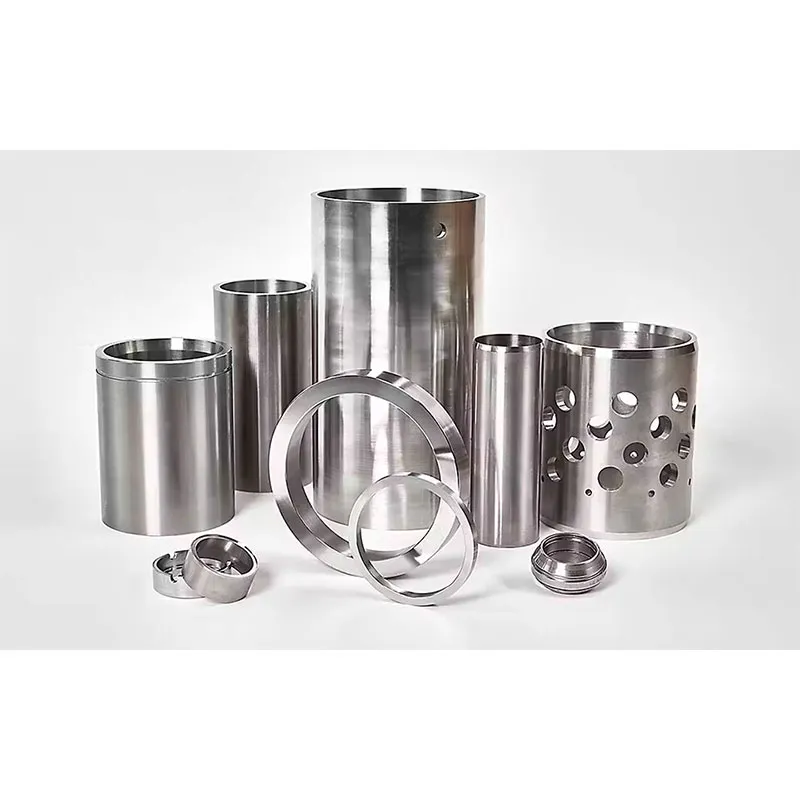
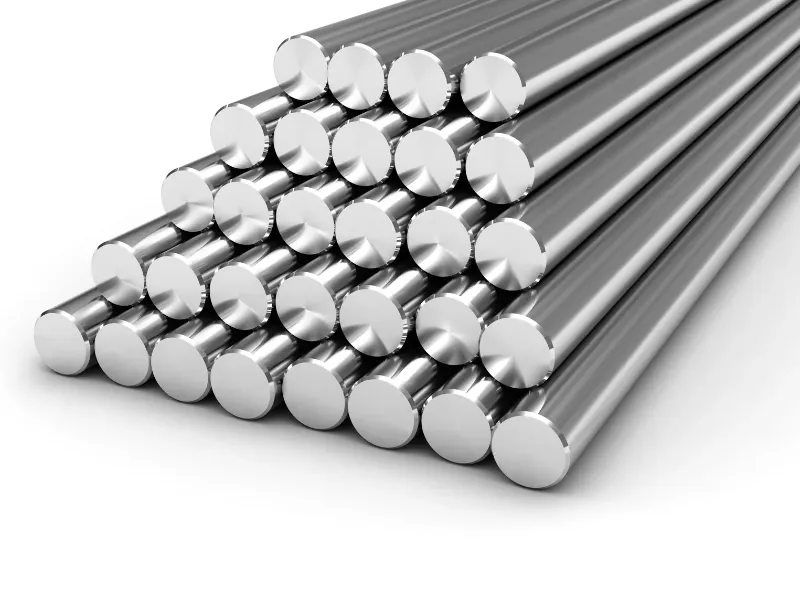
Pump and valve castings are critical components that form the structural backbone of fluid control systems, ensuring durability under high pressure and corrosive conditions. These precision-engineered parts are manufactured through specialized casting processes to meet rigorous industry standards for leak prevention and mechanical strength. Understanding the material selection, manufacturing techniques, and quality assurance protocols for pump and valve castings is essential for engineers designing reliable infrastructure for water treatment, oil and gas, and chemical processing applications.
What Are Pump and Valve Castings?
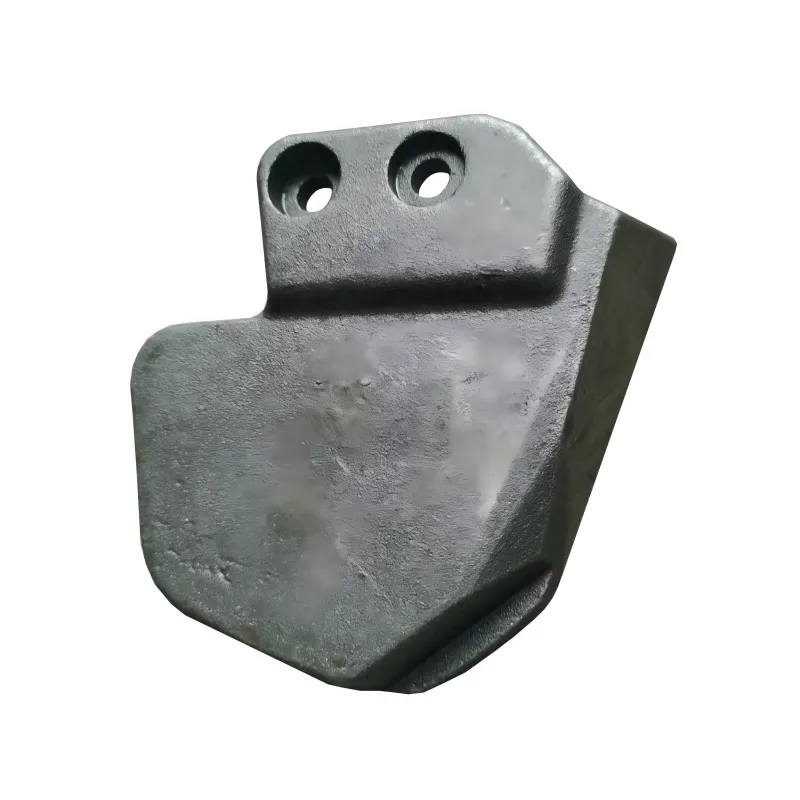
Pump and valve castings refer to the metal components created by pouring molten material into a mold to form specific shapes required for fluid handling equipment. Unlike machined parts cut from solid blocks, castings allow for complex geometries that optimize flow dynamics while maintaining structural integrity. The primary function of these components is to contain fluids, regulate flow rates, and withstand significant internal pressures without failure.
The manufacturing process involves creating a pattern, forming a mold, melting the chosen alloy, and pouring it into the cavity. Once cooled, the raw casting undergoes extensive machining, heat treatment, and non-destructive testing. This method is preferred in heavy industries because it offers superior cost-efficiency for large-scale production and enables the use of alloys that are difficult to machine from solid stock.
Key characteristics of high-quality castings include uniform grain structure, minimal porosity, and precise dimensional tolerances. Engineers rely on these attributes to ensure that pumps and valves operate safely over extended periods, even in harsh environments involving extreme temperatures or abrasive media.
Common Materials Used in Casting
Selecting the appropriate material is the most critical decision in the design phase of pump and valve castings. The choice depends heavily on the fluid being handled, operating pressure, temperature ranges, and environmental exposure. Industry standards generally categorize materials into ferrous and non-ferrous groups, each offering distinct advantages.
Cast Iron Variants
Gray cast iron remains a popular choice for general-purpose water and wastewater applications due to its excellent damping capacity and cost-effectiveness. It provides good machinability and wear resistance. However, for higher strength requirements, ductile iron (nodular iron) is often specified. Ductile iron offers superior tensile strength and impact resistance, making it suitable for high-pressure valve bodies and pump casings where gray iron might be too brittle.
Carbon and Alloy Steels
When applications involve higher pressures or temperatures beyond the limits of cast iron, carbon steel and low-alloy steel castings become the standard. These materials provide exceptional toughness and can be heat-treated to enhance mechanical properties. They are frequently used in power generation, oil refineries, and steam systems. Alloying elements like chromium, molybdenum, and nickel are added to improve hardenability and resistance to thermal fatigue.
Stainless Steel and Corrosion-Resistant Alloys
For aggressive chemical environments or sanitary applications, stainless steel castings such as CF8M (316 equivalent) are indispensable. These alloys offer robust resistance to oxidation and corrosion. In highly specialized scenarios involving seawater or acidic solutions, super duplex stainless steels or nickel-based alloys may be employed. While more expensive, these materials prevent catastrophic failures caused by pitting or stress corrosion cracking.
Non-Ferrous Alloys
Bronze and brass castings are traditionally used for marine applications and smaller valve components due to their natural resistance to seawater corrosion and biofouling. Aluminum castings are gaining traction in applications where weight reduction is critical, provided the pressure and temperature conditions remain within safe limits for the alloy.
Casting Processes for Precision Components
The method used to create pump and valve castings significantly influences the final quality, surface finish, and mechanical properties. Engineers must understand the nuances of different casting techniques to specify the right process for their project requirements.
Sand Casting
Sand casting is the most versatile and widely used method for producing large pump housings and valve bodies. It involves packing sand around a pattern to create a mold. This process is cost-effective for both low and high-volume production runs and accommodates a wide range of alloy sizes. Modern resin-bonded sand systems have improved dimensional accuracy and surface finish, reducing the amount of post-casting machining required.
Investment Casting
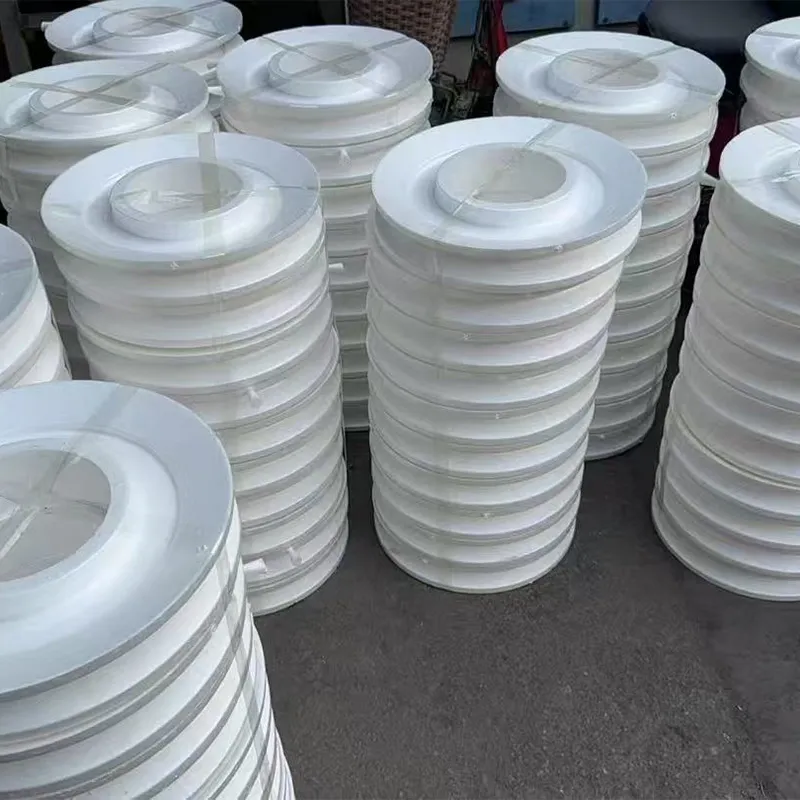
Also known as lost-wax casting, this process is ideal for complex geometries and tighter tolerances. A wax pattern is coated with a ceramic shell, melted out, and replaced with molten metal. Investment casting produces superior surface finishes and is often used for smaller, intricate valve trim components or impellers where flow efficiency is paramount. It minimizes the need for extensive machining on complex contours.
Permanent Mold and Die Casting
For non-ferrous metals like aluminum and bronze, permanent mold casting offers consistent quality and finer grain structures compared to sand casting. Die casting is typically reserved for high-volume production of smaller components, providing excellent dimensional stability. These methods are less common for large industrial valve bodies but are crucial for specific auxiliary components.
Quality Assurance and Testing Standards
Given the critical nature of pump and valve castings in preventing leaks and ensuring safety, rigorous quality assurance (QA) protocols are mandatory. Reputable manufacturers adhere to international standards such as ASTM, API, and ISO to verify the integrity of every component before it leaves the foundry.
Visual and Dimensional Inspection is the first line of defense. Every casting is examined for surface defects like cracks, cold shuts, or misruns. Coordinate Measuring Machines (CMM) are utilized to ensure that critical dimensions match the engineering drawings within specified tolerances.
Non-Destructive Testing (NDT) plays a pivotal role in validating internal soundness. Common NDT methods include:
- Radiographic Testing (RT): Uses X-rays or gamma rays to detect internal voids, shrinkage, or inclusions.
- Ultrasonic Testing (UT): Employs high-frequency sound waves to identify subsurface flaws and measure wall thickness.
- Magnetic Particle Testing (MT): Effective for ferrous materials to reveal surface and near-surface discontinuities.
- Liquid Penetrant Testing (PT): Used on non-ferrous alloys to detect surface-breaking defects.
Additionally, mechanical testing ensures the material meets strength requirements. Tensile tests, impact tests (Charpy V-notch), and hardness measurements are performed on test coupons poured alongside the actual castings. Pressure testing, often hydrostatic, is conducted on finished valve bodies to certify they can hold rated pressures without leakage.
Comparison of Casting Methods for Engineering Applications
Choosing the right casting method requires balancing cost, complexity, and material properties. The following table outlines the key differences between the primary processes used for pump and valve castings.
| Feature |
Sand Casting |
Investment Casting |
Permanent Mold |
| Best For |
Large valve bodies, pump casings |
Complex impellers, valve trim |
Non-ferrous components |
| Dimensional Accuracy |
Moderate |
High |
High |
| Surface Finish |
Rougher, requires machining |
Smooth, minimal machining |
Good |
| Tooling Cost |
Low to Moderate |
High |
Moderate to High |
| Production Volume |
Flexible (Low to High) |
Medium to High |
High |
| Material Range |
All metals |
Most metals, especially steels |
Limited to non-ferrous |
| Lead Time |
Shorter setup |
Longer pattern creation |
Moderate |
This comparison highlights that while sand casting offers flexibility for large components, investment casting provides the precision needed for high-performance flow elements. Engineers must weigh these factors against project budgets and timeline constraints.
Partnering with Experienced Manufacturers
Selecting the right foundry partner is as crucial as choosing the correct material or process. With the complexity of modern industrial demands, working with a manufacturer that combines decades of experience with advanced facilities ensures reliability and consistency. Qingdao Qiangsenyuan Technology Co., Ltd. (QSY) exemplifies this commitment, bringing over 30 years of expertise in the casting and machining industry to global clients.
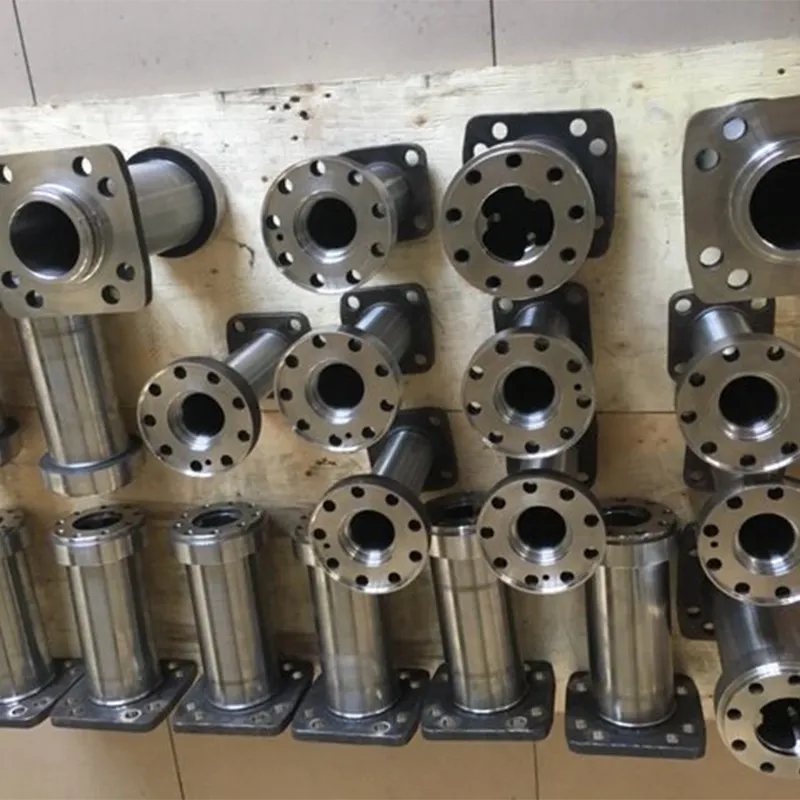
QSY specializes in both shell mold casting and lost wax (investment) casting, complemented by comprehensive CNC machining services. Their expansive production facility covers over 50,000 square meters, housing dedicated lines for shell mold and investment casting, alongside specialized workshops for CNC machining, quality inspection, and packaging. This integrated approach allows them to offer true one-stop customized processing services, reducing lead times and ensuring seamless quality control from raw material to finished product.
Their material capabilities align perfectly with the diverse needs of pump and valve applications, ranging from standard cast iron and carbon steel to high-performance stainless steels and special alloys, including cobalt-based and nickel-based superalloys. Serving industries such as petrochemicals, mining machinery, industrial equipment, and medical processing, QSY has successfully collaborated with clients in more than 20 countries. For engineers seeking a partner capable of delivering rigorous adherence to international standards while managing complex geometries, QSY represents a proven resource for high-integrity fluid control components.
Common Defects and Prevention Strategies
Even with advanced technology, casting defects can occur. Identifying and preventing these issues is vital for maintaining the reliability of pump and valve castings. Understanding the root causes allows engineers to specify better quality controls.
Porosity and Shrinkage
Gas porosity results from trapped air or gases during solidification, while shrinkage cavities occur when molten metal contracts without adequate feeding. These defects weaken the structure and can lead to leaks under pressure. Prevention involves optimizing gating systems, using proper risers to feed liquid metal, and controlling pouring temperatures.
Inclusions
Sand inclusions or slag entrapment happen when foreign materials mix with the molten metal. This compromises the mechanical integrity of the casting. Foundries mitigate this by using high-quality molding sands, filtering the molten metal during pouring, and maintaining clean melting practices.
Cold Shuts and Misruns
These defects occur when two streams of molten metal fail to fuse properly or if the metal solidifies before filling the mold completely. They are often caused by low pouring temperatures or inadequate venting. Ensuring proper mold preheating and optimizing the flow path in the design phase are effective countermeasures.
Applications Across Industries
The versatility of pump and valve castings makes them indispensable across a broad spectrum of industries. Each sector has unique demands that dictate material selection and design specifications.
Oil and Gas Sector
In upstream and downstream operations, castings must endure extreme pressures, sour gas environments, and fluctuating temperatures. Valve bodies for wellheads and pipeline isolation require high-strength carbon or alloy steels with strict NDT verification. Pumps in this sector often handle abrasive slurries, necessitating hard-faced impellers and wear-resistant casings.
Water and Wastewater Treatment
Municipal water systems rely heavily on ductile iron castings for large-diameter valves and sewage pumps. Corrosion resistance and longevity are key, as these components are often buried or submerged for decades. The focus here is on cost-effective durability and ease of maintenance.
Chemical Processing
Chemical plants deal with highly corrosive acids, bases, and solvents. Stainless steel and exotic alloy castings are standard here. The integrity of pump and valve castings in this environment is critical to prevent hazardous leaks that could endanger personnel and the environment.
Power Generation
Thermal and nuclear power plants utilize castings for boiler feed pumps and main steam isolation valves. These components operate at elevated temperatures and pressures, requiring materials with excellent creep resistance and thermal stability. Quality assurance in this sector is among the most stringent globally.
Steps to Specify the Right Casting for Your Project
Engineers tasked with sourcing or designing pump and valve castings should follow a systematic approach to ensure optimal performance and cost-efficiency. This step-by-step guide outlines the essential considerations.
- Define Operating Conditions: Clearly document pressure ratings, temperature ranges, and the specific fluid media. Include potential transient conditions like water hammer or thermal shocks.
- Select Material Grade: Choose an alloy that balances corrosion resistance, strength, and cost. Refer to industry standards like ASTM A216 or A351 for guidance on steel grades.
- Determine Casting Method: Evaluate whether sand casting, investment casting, or another method best suits the geometry and volume requirements of the component.
- Specify Quality Requirements: Define the level of NDT required (e.g., 100% RT vs. spot check) and any specific mechanical property certifications needed.
- Review Design for Manufacturability: Collaborate with the foundry early to optimize wall thicknesses, fillet radii, and machining allowances to reduce defects and costs.
- Validate Supplier Capabilities: Ensure the manufacturer has the necessary equipment, certifications, and track record for producing similar pump and valve castings.
Frequently Asked Questions (FAQ)
What is the difference between cast iron and cast steel for valves?
Cast iron is generally more cost-effective and suitable for lower pressure and temperature applications, offering good corrosion resistance in water systems. Cast steel provides higher tensile strength and toughness, making it necessary for high-pressure, high-temperature, or impact-prone environments typical in oil and gas or power generation.
How long do pump and valve castings typically last?
The lifespan varies significantly based on material, operating conditions, and maintenance. Properly selected ductile iron castings in water systems can last several decades. In harsh chemical or high-temperature environments, stainless steel or alloy castings may require more frequent inspection but still offer many years of service if maintained correctly.
Can defective castings be repaired?
Minor defects like small sand inclusions or shrinkage spots can often be repaired via welding, provided the repair procedure follows approved codes (such as ASME or API). However, major structural defects or widespread porosity usually warrant scrapping the part to ensure safety and reliability.
Why is heat treatment important for castings?
Heat treatment relieves internal stresses generated during cooling, improves mechanical properties like hardness and toughness, and enhances microstructure uniformity. It is a critical step for ensuring that pump and valve castings meet the required performance standards for their specific application.
Are there eco-friendly options for casting materials?
Yes, modern foundries are increasingly adopting sustainable practices, including recycling scrap metal, using environmentally friendly binders for sand molds, and optimizing energy consumption during melting. Additionally, selecting durable materials extends the lifecycle of components, reducing the overall environmental footprint.
Conclusion and Selection Advice
Pump and valve castings are the unsung heroes of industrial fluid systems, providing the strength and reliability necessary to manage everything from municipal water supplies to high-pressure oil pipelines. The intersection of material science, precise manufacturing processes, and rigorous quality control defines the success of these components. Engineers must prioritize understanding the specific demands of their application to select the optimal material and casting method.
For projects involving standard water distribution, ductile iron offers a balanced solution of strength and economy. Conversely, high-energy sectors like petrochemicals demand the resilience of alloy steels or stainless alloys, validated through comprehensive non-destructive testing. The choice of casting process—whether sand or investment—should align with the geometric complexity and tolerance requirements of the design.
Who should use this guide? This resource is tailored for mechanical engineers, procurement specialists, and plant managers responsible for specifying or maintaining fluid control systems. By adhering to the principles outlined above, professionals can minimize downtime, enhance safety, and optimize lifecycle costs.
As next steps, engineers are encouraged to collaborate closely with certified foundries early in the design phase. Requesting detailed material test reports and verifying compliance with relevant industry standards will ensure that the pump and valve castings delivered meet the highest expectations for performance and durability. Partnering with experienced providers like Qingdao Qiangsenyuan Technology Co., Ltd. can further streamline this process, leveraging their global experience and specialized facilities to bring complex projects to fruition.